
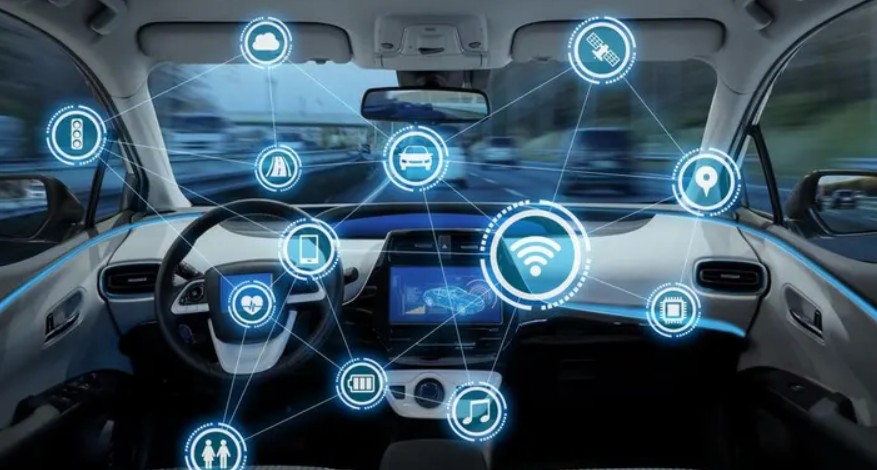
The rise of connected cars has transformed the modern driving experience in ways that were once limited to science fiction. Today, many vehicles come equipped with internet connectivity, GPS navigation, voice assistants, smartphone integration, real-time traffic updates, and advanced driver assistance systems.
These features are often marketed as conveniences that improve safety, comfort, and efficiency. However, beneath this layer of innovation lies a complex and often overlooked reality: connected cars continuously collect, process, and transmit large amounts of data about both the vehicle and the driver.
When you buy a connected car, you are not just purchasing transportation. You are also entering into a digital ecosystem where your driving behavior, location history, acceleration patterns, braking habits, and even in-car conversations may be recorded or inferred.
This data is not always stored only inside the vehicle. In many cases, it is transmitted to manufacturers, software providers, insurance companies, and third-party service partners. While some of this data collection is used to improve vehicle performance or enable useful services like navigation and emergency assistance, it also raises important questions about privacy and consent.
Most drivers do not fully realize the extent of tracking involved. The convenience of features such as automatic crash alerts or predictive maintenance often overshadows the underlying data exchange required to make them work.
In practice, connected cars function similarly to smartphones on wheels, constantly communicating with external servers. This means that ownership of a modern vehicle often includes implicit participation in a data-driven system that monitors usage patterns over time.
The issue becomes even more significant when considering how this data may be used beyond the original intent. For example, insurance companies may analyze driving behavior to adjust premiums. Marketing firms may use location patterns to build consumer profiles.
Law enforcement agencies in some regions may request access to vehicle data during investigations. Each of these uses introduces layers of complexity regarding consent, transparency, and control.
Understanding this tradeoff is essential for anyone considering a connected car purchase. While the benefits of smart automotive technology are undeniable, they come with a cost that is not always reflected in the price tag.
That cost is personal data. In the sections that follow, we will explore how connected cars collect information, what types of data are gathered, who uses it, and what risks and responsibilities come with living in an increasingly monitored driving environment.
Also Read: Ford Issues ‘Do Not Drive’ Recall On 4,653 Maverick And Bronco Sport Models
What Connected Cars Are and How They Work
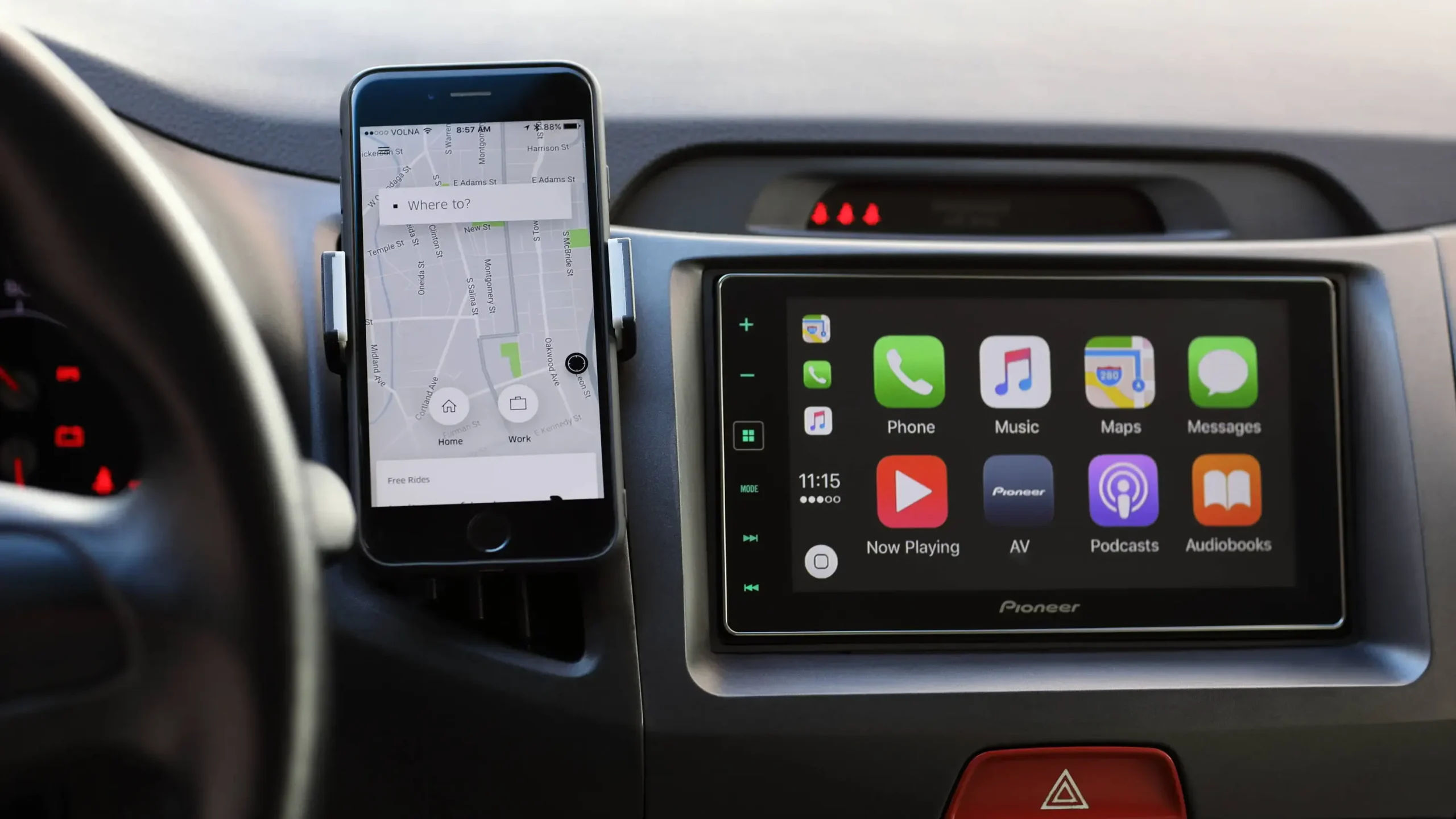
Connected cars are vehicles equipped with internet access and onboard sensors that allow them to communicate with external systems. This connectivity enables a wide range of features such as real-time navigation, remote diagnostics, software updates, and integration with mobile devices.
At the core of this system is a combination of hardware components like GPS modules, telematics control units, cameras, radar sensors, and embedded SIM cards that keep the vehicle online even when it is not actively being used.
The first major aspect of connected car functionality is communication. These vehicles constantly send and receive data packets between onboard systems and cloud servers operated by manufacturers or service providers. This communication allows the car to update maps, download software patches, and send performance data back to the manufacturer.
It also enables remote access features such as unlocking doors via a smartphone app or checking fuel levels from a distance. While these functions are convenient, they depend on continuous data exchange that often happens without explicit driver awareness.
Another important component is the integration of sensors and software systems. Modern vehicles are equipped with dozens of sensors that monitor everything from engine temperature to seatbelt usage.
These sensors generate data that is processed by onboard computers and sometimes transmitted externally. Advanced driver assistance systems, for example, rely on cameras and radar to interpret road conditions, but they also collect information about driving behavior that can be stored or shared.
Connectivity also extends to infotainment systems, which are often linked to smartphones and cloud-based services. When drivers use navigation apps, voice commands, or streaming services, the system may record usage patterns, destinations, and preferences.
In many cases, this information is synced with user accounts, creating a detailed profile of individual behavior over time. This integration blurs the line between vehicle functionality and personal data collection.
Finally, software plays a central role in defining how connected cars operate. Many modern vehicles receive over-the-air updates, meaning manufacturers can modify or enhance vehicle features remotely.
While this improves performance and security, it also means that the vehicle remains under ongoing digital management by the manufacturer. The car is no longer a static product but a continuously evolving platform that relies on data exchange to function effectively.
Types of Data Collected by Connected Cars
Connected cars collect a surprisingly wide range of data that goes far beyond basic vehicle diagnostics. One of the most obvious categories is location data. Using GPS technology, vehicles can track exact routes, travel times, and frequently visited destinations.
Over time, this creates a detailed map of a driver’s movements, including home addresses, workplaces, and regular travel patterns. This type of data is particularly sensitive because it reveals personal routines and habits.
Another major category is driving behavior data. Connected cars monitor speed, acceleration, braking intensity, cornering patterns, and idle time. This information is often used for safety analysis and insurance purposes.
For example, sudden braking or aggressive acceleration may be interpreted as risky driving behavior. While this data can help improve road safety and support usage-based insurance models, it also introduces concerns about behavioral surveillance and profiling.
Vehicle health and diagnostic data are also constantly collected. Sensors track engine performance, battery status, tire pressure, fuel efficiency, and system errors. This information is typically used for maintenance alerts and predictive servicing, helping drivers avoid breakdowns.
However, it also provides manufacturers with detailed insight into how vehicles are used and how long components last under real-world conditions.
In addition to mechanical and location data, connected cars may also collect in-car interaction data. This includes voice commands given to virtual assistants, touchscreen inputs, call logs when paired with smartphones, and media preferences.
Some systems may even analyze voice patterns to improve recognition accuracy. While this enhances user experience, it also raises questions about how much of this interaction is stored or processed externally.
Finally, metadata and contextual data are often collected in the background. This includes timestamps, network information, environmental conditions, and even nearby device detection through Bluetooth or Wi Fi scanning.
When combined, these datasets can create a highly detailed digital profile of both the vehicle and its driver, often without direct user engagement or awareness.
How Tracking Works in Connected Cars
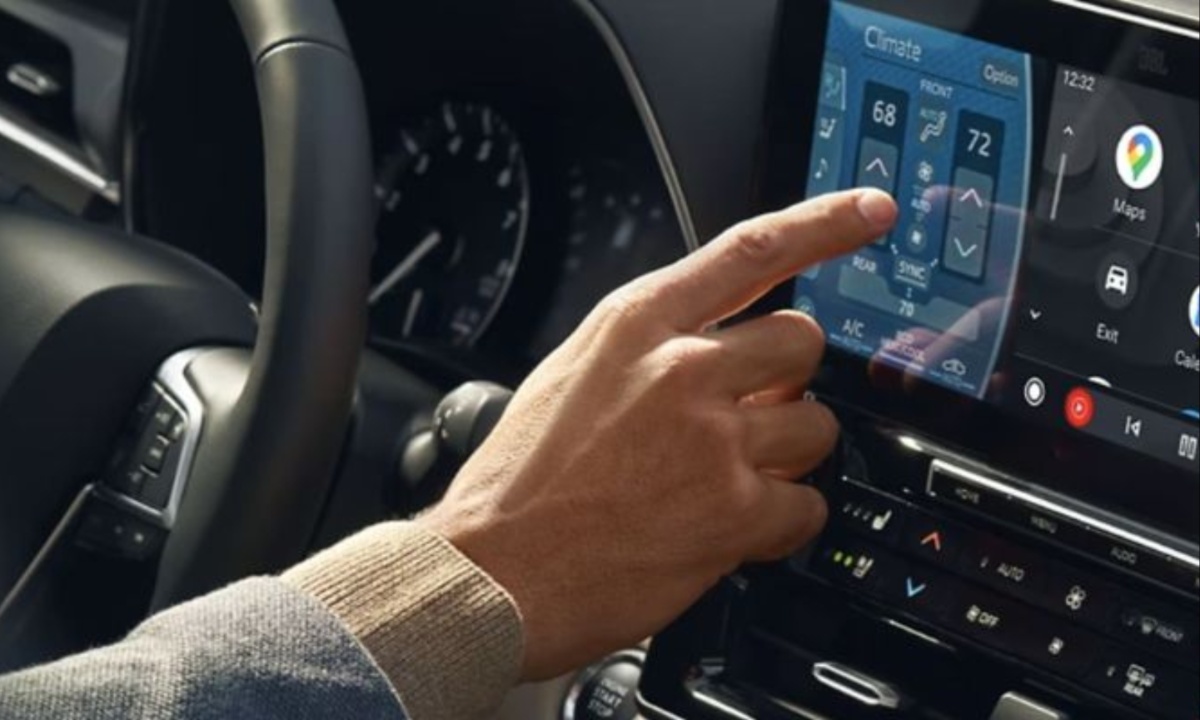
Tracking in connected cars operates through a combination of hardware sensors, software systems, and network connectivity. At the most basic level, GPS technology allows continuous location tracking by communicating with satellites to determine precise geographic coordinates.
This data is then stored locally or transmitted to cloud servers, depending on the system design. When combined with timestamps, this creates a chronological record of movement that can be analyzed for patterns.
Telematics systems play a central role in vehicle tracking. These systems integrate GPS, onboard diagnostics, and wireless communication modules into a single platform. They continuously collect data about vehicle status and transmit it to remote servers. This enables real-time monitoring by manufacturers, fleet operators, or service providers. In commercial fleets, this technology is widely used to optimize routes and monitor driver performance.
Mobile connectivity is another key factor in tracking. Many connected cars use embedded SIM cards or smartphone tethering to maintain constant internet access.
This allows data to be sent and received even when the vehicle is parked. As a result, tracking does not stop when the engine is off. Some systems can still report location or system status in standby mode, depending on configuration and permissions.
Cloud computing infrastructure processes the massive amount of data generated by connected cars. Once transmitted, data is stored, analyzed, and sometimes shared with authorized third parties.
Machine learning algorithms may be used to identify driving patterns, predict maintenance needs, or assess risk levels. While this processing enables advanced features, it also centralizes sensitive information in external systems that users do not directly control.
Finally, software permissions and user agreements define how tracking is enabled. During vehicle setup or app installation, users are often asked to accept terms of service that allow data collection.
However, these agreements are typically long and complex, making it difficult for most drivers to fully understand what they are consenting to. As a result, tracking often becomes a default condition of using connected car features.
Also Read: 6 Best and Worst Years of the Ford F-150
Who Uses Connected Car Data and Why
Connected car data is used by a wide range of stakeholders, each with different motivations. Car manufacturers are among the primary users, as they rely on data to improve vehicle design, enhance safety features, and diagnose technical issues.
By analyzing aggregated driving patterns, manufacturers can identify common problems and develop software updates or hardware improvements. This feedback loop helps them refine future models and maintain competitiveness in the automotive market.
Insurance companies also make extensive use of connected car data. Through usage-based insurance programs, they assess driving behavior to determine risk profiles. Drivers who exhibit safe behavior may receive lower premiums, while those with riskier patterns may face higher costs.
This model is often marketed as fair and personalized pricing, but it also introduces continuous monitoring as a condition for potential savings.
Technology companies and software providers play another important role. Many connected car systems rely on third-party platforms for navigation, voice recognition, and infotainment services.
These companies may collect anonymized or aggregated data to improve algorithms, enhance user experience, or develop new services. However, data sharing agreements between manufacturers and tech providers are not always transparent to end users.
Government agencies and law enforcement may also access connected car data under specific legal conditions. In some cases, vehicle location or activity data can be requested during investigations or emergencies. While this can assist in solving crimes or responding to accidents, it also raises concerns about surveillance and data privacy protections.
Finally, marketing and analytics firms may use connected car data to understand consumer behavior. Location patterns and usage trends can help build detailed profiles for targeted advertising or market research. This creates a commercial incentive for data collection that extends beyond vehicle functionality, turning mobility data into a valuable economic asset.
Privacy Risks and Security Concerns of Connected Cars
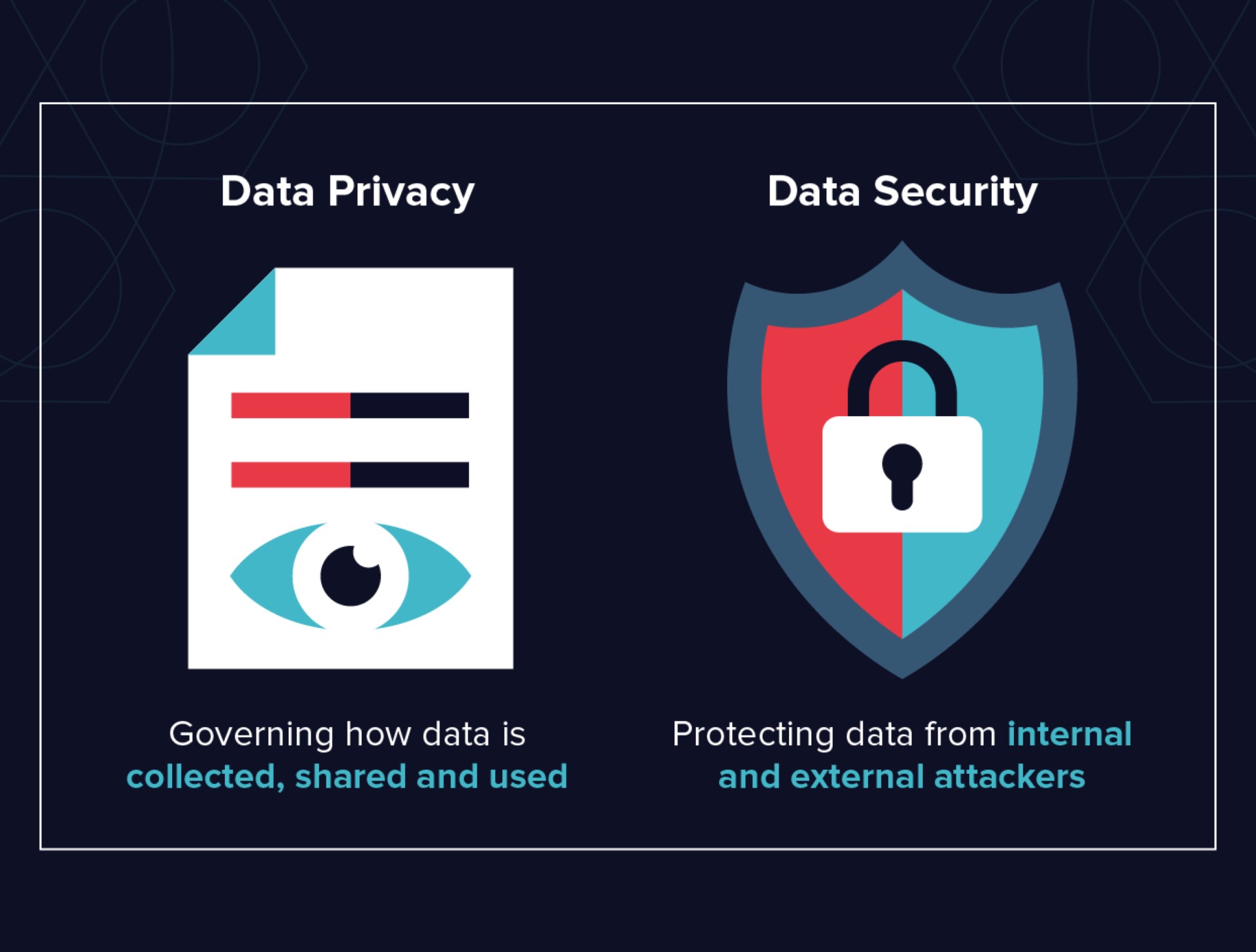
One of the most significant risks associated with connected cars is the loss of privacy. Continuous tracking of location and behavior can reveal highly sensitive information about a person’s life.
Over time, this data can be used to infer habits, relationships, and personal routines. Even when data is anonymized, it is often possible to re-identify individuals by combining multiple data points.
Another concern is data security. Because connected cars rely on internet connectivity, they are potentially vulnerable to hacking and unauthorized access. If security systems are not properly designed or updated, attackers may be able to access vehicle controls, personal data, or location information. This makes cybersecurity an essential aspect of modern automotive design.
Data sharing practices also raise ethical questions. Many drivers are unaware of how widely their data may be shared across companies and industries.
Terms of service agreements often allow broad data usage rights, which can include sharing with partners or subsidiaries. This lack of transparency makes it difficult for users to understand who has access to their information.
There is also the issue of long-term data storage. Vehicle data may be stored for extended periods, even after a car is sold or ownership changes. This means that past driving behavior could remain in databases long after the original user no longer has access to the vehicle. Such retention policies increase the risk of unintended data exposure.
Finally, there is the broader concern of the normalization of surveillance. As connected cars become more common, continuous monitoring of driving behavior may become an accepted standard rather than an exception. This shift raises important questions about autonomy, consent, and the balance between convenience and privacy in modern transportation.
