

Motor oil is one of the most important fluids in any vehicle engine, yet it is often overlooked until something goes wrong. Among the different types of engine oils available today, synthetic oil has gained significant popularity due to its advanced formulation and superior performance characteristics.
However, many vehicle owners still wonder whether synthetic oil is truly worth the extra cost compared to conventional oil. This question becomes even more important as modern engines become more complex, fuel-efficient, and sensitive to lubrication quality.
Synthetic oil is engineered through a highly controlled chemical process designed to produce uniform molecules that offer better stability, cleanliness, and protection under extreme conditions.
Unlike conventional oil, which is refined directly from crude oil and contains more impurities and irregular molecular structures, synthetic oil is designed to perform consistently across a wide range of temperatures and driving conditions. This difference in production is what gives synthetic oil its reputation for superior performance and longer service life.
For everyday drivers, the decision often comes down to cost versus benefit. Synthetic oil typically costs more during an oil change, sometimes significantly more depending on the brand, vehicle type, and service center.
However, it may also last longer between changes, reduce engine wear, improve fuel efficiency slightly, and provide better protection in extreme heat or cold. These advantages can potentially offset the higher upfront price over time.
Understanding whether synthetic oil is worth it requires looking beyond just the price tag. It involves evaluating driving habits, climate conditions, engine design, and long-term maintenance goals.
For example, someone who drives frequently in stop-and-go traffic or extreme weather conditions may benefit more from synthetic oil than someone who drives short distances occasionally in mild conditions.
Similarly, newer engines with turbochargers or tighter tolerances often require higher-quality lubrication to maintain performance and durability.
This article explores synthetic oil in depth, including how it is made, its performance advantages, cost comparison with conventional oil, impact on engine longevity, and whether it is truly worth the investment for different types of drivers. By the end, you will have a clear understanding of whether paying extra for synthetic oil is a smart choice for your vehicle and driving needs.
Also Read: Ford Issues ‘Do Not Drive’ Recall On 4,653 Maverick And Bronco Sport Models

What Is Synthetic Oil and How Is It Produced
Synthetic oil is a specially engineered lubricant designed to provide enhanced performance compared to traditional petroleum-based oils. Unlike conventional oil, which is refined directly from crude oil, synthetic oil is created through a chemical synthesis process that breaks down and rebuilds hydrocarbon molecules into a more uniform structure. This results in a cleaner, more stable product with fewer impurities and more predictable behavior under different operating conditions.
The production of synthetic oil involves advanced refining techniques such as hydrocracking, gas-to-liquid conversion, and chemical modification of base oils.
These processes allow manufacturers to control the size and shape of oil molecules, ensuring consistency that natural crude oil cannot provide. This uniform molecular structure helps reduce friction between engine components and improves lubrication efficiency.
One of the key differences between synthetic and conventional oil lies in purity. Conventional oil often contains natural contaminants and irregular molecules that can break down more quickly under heat and pressure.
Synthetic oil, on the other hand, is purified and engineered to resist oxidation and thermal breakdown, making it more stable over longer periods of use. This stability is especially important in modern engines that operate at higher temperatures and tighter tolerances.
Synthetic oil also comes in different categories, including full synthetic, synthetic blend, and high mileage synthetic formulations.
Full synthetic oil offers the highest level of performance and protection, while synthetic blends combine synthetic and conventional oils to provide a balance of cost and efficiency. High mileage synthetic oils are designed specifically for older engines that may have wear-related issues such as leaks or reduced compression.
Another important aspect of synthetic oil production is additive technology. Manufacturers include carefully selected additives that enhance cleaning properties, reduce sludge formation, improve viscosity stability, and protect engine parts from corrosion. These additives play a critical role in maintaining engine cleanliness and ensuring smooth operation over extended oil change intervals.
Key Performance Advantages of Synthetic Oil
Synthetic oil is widely recognized for its superior performance characteristics, especially when compared to conventional motor oil. One of its most important advantages is its ability to maintain stable viscosity across a wide temperature range.
This means it flows more easily during cold starts while still maintaining enough thickness to protect engine components under high heat and heavy load conditions.
Another major benefit is improved engine cleanliness. Synthetic oil is engineered to resist the formation of sludge and deposits, which can build up over time in conventional oil systems. Cleaner engines tend to run more efficiently, experience fewer performance issues, and require less maintenance over their lifespan. This is particularly beneficial for modern engines with small oil passages and high precision components.
Synthetic oil also provides better resistance to oxidation and thermal breakdown. In high-temperature environments, conventional oil can degrade faster, leading to reduced lubrication quality and increased engine wear.
Synthetic oil maintains its chemical structure for longer periods, allowing it to perform effectively even under extreme driving conditions such as highway speeds, towing, or stop-and-go traffic in hot climates.
Fuel efficiency is another area where synthetic oil can offer small but meaningful improvements. Because it reduces internal engine friction more effectively, the engine does not have to work as hard to operate. While the improvement in mileage may not be dramatic, over time it can contribute to fuel savings, especially for drivers who cover long distances regularly.
Finally, synthetic oil often allows for extended oil change intervals compared to conventional oil. Depending on the vehicle manufacturer’s recommendations and driving conditions, synthetic oil can sometimes last significantly longer before needing replacement. This not only reduces maintenance frequency but can also offset some of the higher upfront costs associated with synthetic oil.

Synthetic Oil vs Conventional Oil Cost Analysis
When comparing synthetic oil to conventional oil, cost is usually the first factor that stands out. Synthetic oil typically costs more per liter or quart, and a full synthetic oil change can be noticeably more expensive than a conventional oil change. However, the real comparison becomes more meaningful when considering long-term value rather than just initial expense.
Conventional oil is cheaper upfront, which makes it attractive for budget-conscious vehicle owners. However, it generally requires more frequent oil changes, especially under severe driving conditions. This means that over time, the cumulative cost of multiple conventional oil changes may begin to approach or even exceed the cost of fewer synthetic oil changes.
Synthetic oil, while more expensive initially, often lasts longer between changes. This extended service interval can reduce the number of oil changes needed per year, which can partially or fully offset the higher cost per service. In addition, fewer oil changes also mean reduced labor costs if the service is performed at a workshop or dealership.
Another cost-related factor is engine wear and maintenance. Engines that use higher-quality synthetic oil may experience less wear over time, potentially reducing the likelihood of costly repairs in the long run. While this benefit is indirect and varies depending on driving habits and vehicle condition, it is an important part of the financial equation.
It is also important to consider vehicle type and manufacturer requirements. Many modern vehicles are designed specifically with synthetic oil in mind. Using conventional oil in such engines may not only reduce performance but could also impact warranty compliance. In these cases, synthetic oil is not just an upgrade but a necessary requirement, making cost comparison less relevant.
Engine Protection, Wear Reduction, and Longevity Benefits
One of the strongest arguments in favor of synthetic oil is its ability to provide superior engine protection. Engine components operate under extreme pressure and heat, and proper lubrication is essential to prevent metal-to-metal contact. Synthetic oil forms a more consistent and durable protective film over engine parts, reducing friction and minimizing wear over time.
This enhanced protection becomes especially important during cold starts, which are typically when most engine wear occurs.
Synthetic oil flows more quickly at low temperatures compared to conventional oil, ensuring that critical engine parts receive lubrication almost immediately after startup. This reduces the risk of damage during the most vulnerable phase of engine operation.
Another important benefit is reduced sludge and deposit formation. Over time, conventional oil can break down and form thick deposits that clog oil passages and reduce engine efficiency. Synthetic oil is much more resistant to this breakdown, helping maintain cleaner internal engine surfaces. A cleaner engine not only performs better but also lasts longer with fewer mechanical issues.
Synthetic oil also helps reduce engine stress. Maintaining consistent viscosity and lubrication properties, it allows the engine to operate more smoothly under varying conditions.
This can reduce noise, vibration, and harshness while also improving driving comfort. Engines that operate more efficiently tend to experience less cumulative wear over their lifetime.
Long-term engine longevity is one of the most valuable benefits of using synthetic oil. While it may not completely prevent wear, it significantly slows the rate of degradation. For vehicle owners who plan to keep their cars for many years, this can translate into extended engine life and improved resale value, making the investment in synthetic oil more financially justified.
Also Read: 6 Best and Worst Years of the Ford F-150
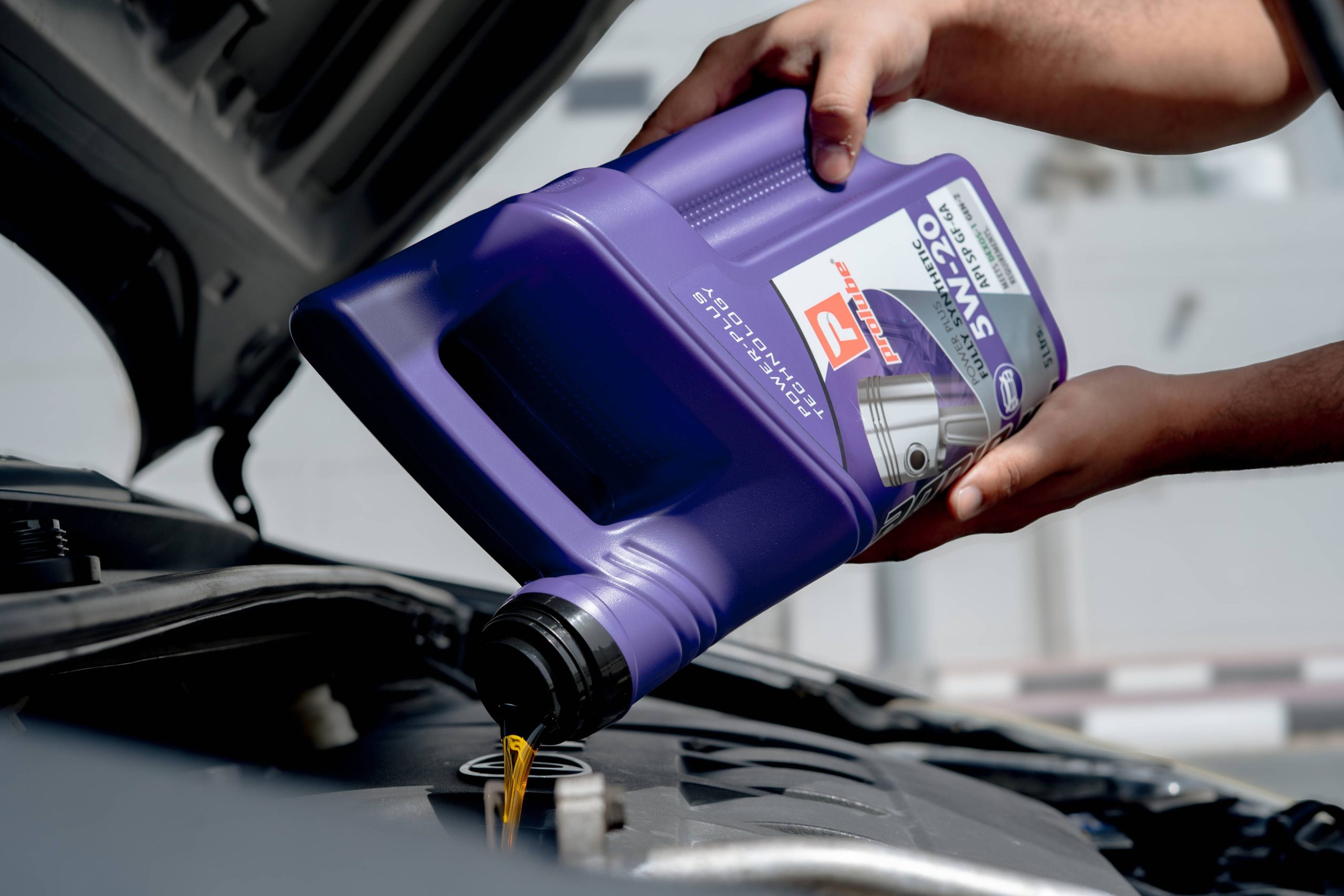
Is Synthetic Oil Worth It for Different Drivers and Vehicles?
Whether synthetic oil is worth the extra cost largely depends on driving habits, vehicle type, and environmental conditions. For drivers who frequently travel long distances, drive on highways, or operate their vehicles in extreme temperatures, synthetic oil is often a highly beneficial choice. Its ability to maintain stability under stress makes it ideal for demanding driving conditions.
For urban drivers who face heavy traffic, frequent stopping, and short trips, synthetic oil can also provide advantages. These conditions are actually more stressful on engines than steady highway driving, as the engine rarely reaches optimal operating temperature. Synthetic oil helps protect against wear and sludge buildup in such stop-and-start environments.
Modern vehicles, especially those with turbocharged engines or advanced fuel injection systems, are often designed to work best with synthetic oil.
These engines operate at higher pressures and temperatures, making high-quality lubrication essential. In many cases, manufacturers explicitly recommend or even require synthetic oil to ensure proper performance and warranty protection.
On the other hand, for older vehicles with simple engine designs and low annual mileage, conventional oil may still be sufficient. If the vehicle is not driven frequently and operates under mild conditions, the performance benefits of synthetic oil may not fully justify the additional cost. In such cases, the decision often comes down to personal preference and maintenance budget.
Synthetic oil is worth it for many drivers, especially those who prioritize engine longevity, performance, and reduced maintenance frequency. While it does come at a higher upfront cost, the long-term benefits in protection, efficiency, and durability often make it a smart investment for modern engines and demanding driving conditions.
