
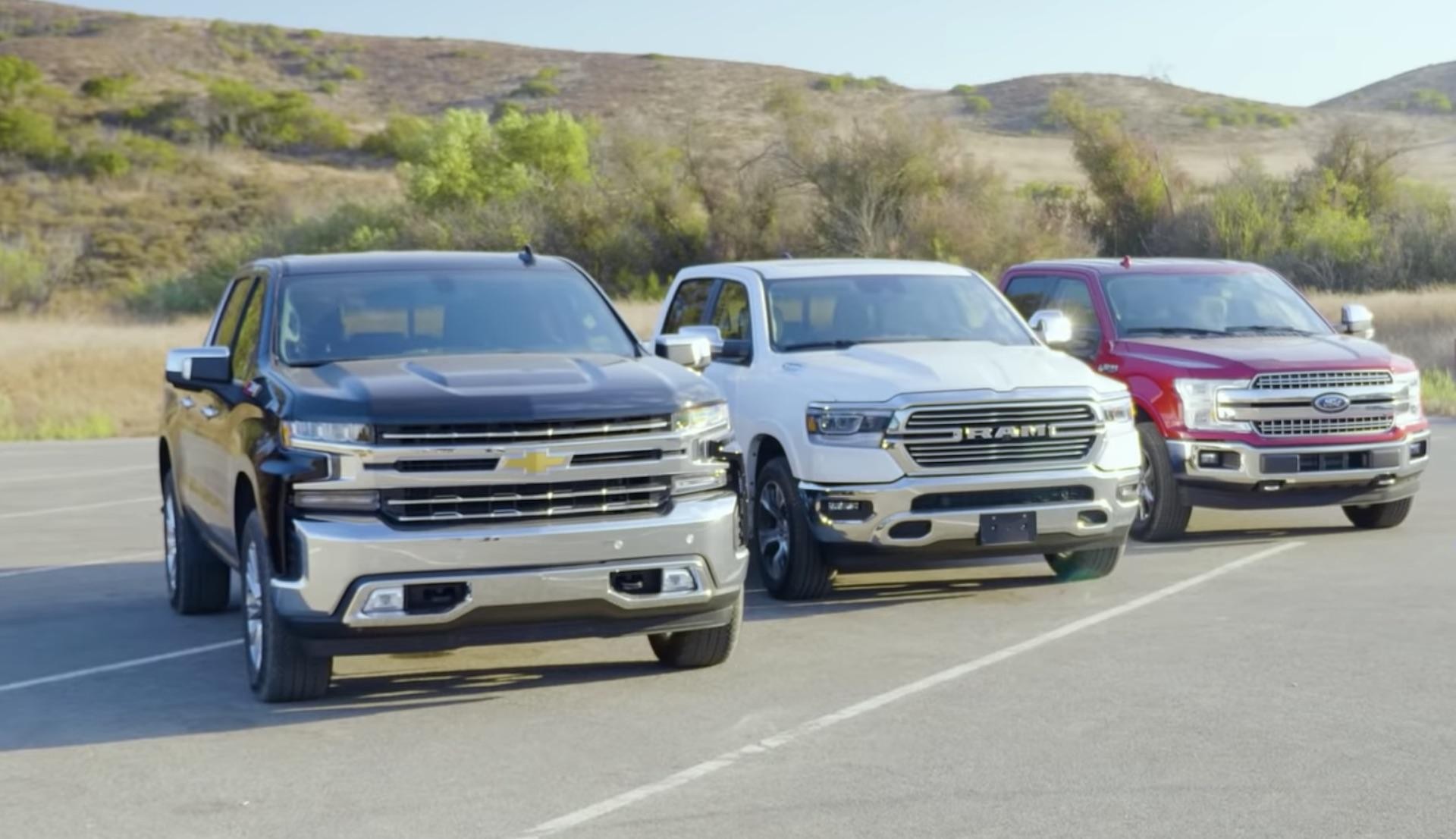
Buying a used truck can be one of the most practical and cost-effective decisions for individuals who need a reliable vehicle for work, travel, or personal use. Trucks are built for durability, heavy loads, and long-term performance, which makes them highly desirable in the second-hand market.
However, purchasing a used truck also comes with certain risks that buyers must carefully evaluate before making a final decision. Unlike new vehicles, used trucks may have hidden mechanical issues, unclear service histories, or signs of wear that are not immediately visible during a quick inspection. This is why asking the right questions becomes extremely important.
A used truck may look strong and well-maintained on the surface, but its actual condition depends on how it was driven, serviced, and maintained by previous owners.
Some trucks may have been used for long highway commutes, while others may have been heavily loaded for commercial purposes. These usage patterns significantly affect engine health, suspension quality, and reliability. Understanding the history behind the vehicle helps buyers avoid expensive repairs in the future.
Another important factor is transparency from the seller. Not all sellers provide complete or honest information about accidents, repairs, or replacements.
In some cases, trucks that have been in major collisions are repaired and resold without clear disclosure. This makes it essential for buyers to ask detailed questions and verify answers through inspection and documentation whenever possible.
Financial considerations also play a major role in purchasing a used truck. While the upfront cost may be lower than that of a new vehicle, hidden repair costs can quickly increase the total expense. Buyers must evaluate whether the asking price reflects the actual condition of the truck, its mileage, and its maintenance history. Negotiation becomes much more effective when the buyer is well-informed.
This article explores 10 essential questions every buyer should ask before purchasing a used truck. Each question is designed to reveal important details about the vehicle’s condition, history, and value. By understanding these factors, buyers can make smarter decisions, avoid costly mistakes, and choose a truck that delivers long-term performance and reliability.
Also Read: 10 Vintage Cars With More Features Than Modern Cars
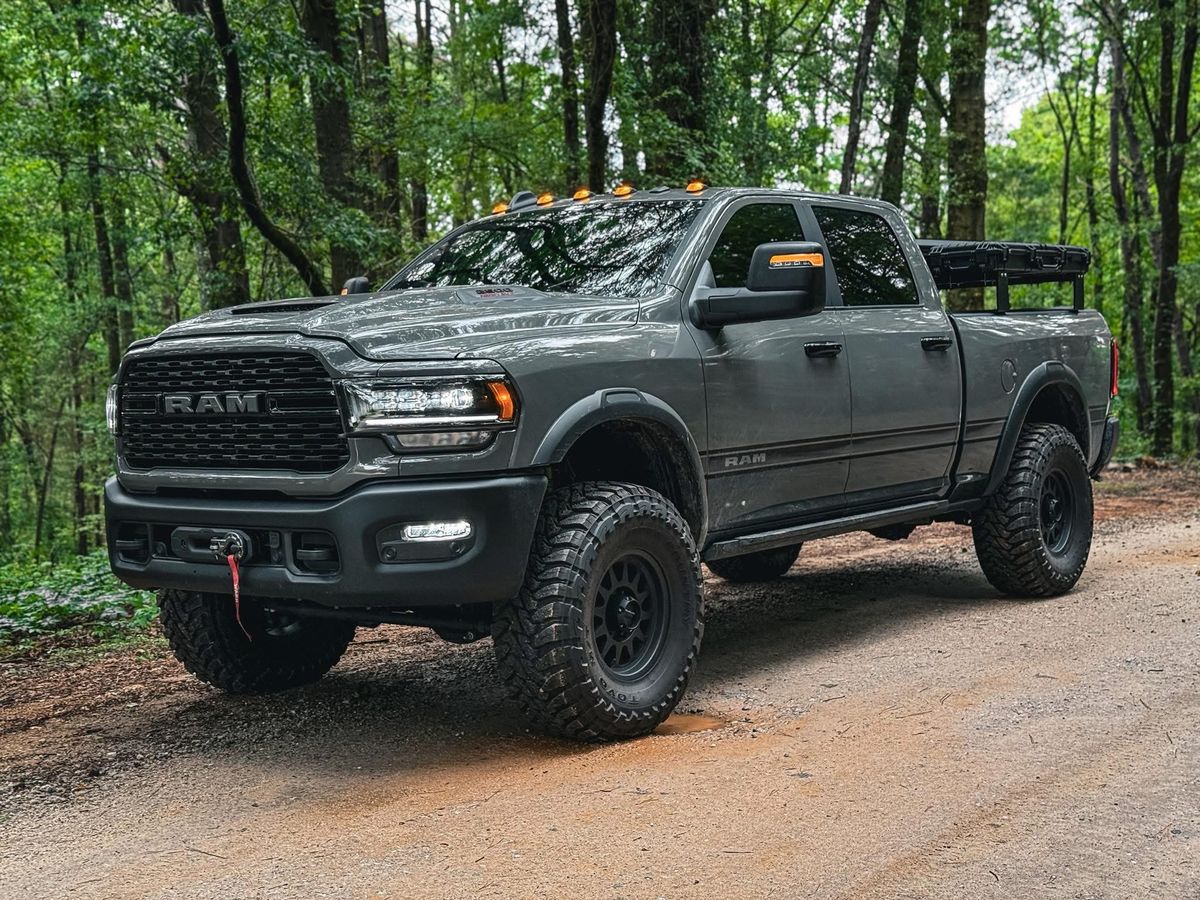
1. Why Is The Truck Being Sold?
Figuring out why a used truck is on the market is more than just curiosity since it plays a major role in assessing potential risk. When a seller is straightforward, they usually give simple and believable explanations like switching to a newer model, reducing the size of their business, or no longer having a need for the vehicle. These kinds of reasons are typically not concerning and often suggest that the truck still has good remaining value if it has been properly maintained and cared for.
However, when the answer is vague or overly simplified, it deserves closer attention. Statements like “I just want to sell it quickly” without context can sometimes hide underlying issues such as recurring breakdowns, expensive repairs, or dissatisfaction with performance. A truck is a long-term asset, and people rarely sell a functioning one without a solid reason.
It is also important to observe body language and hesitation when the seller answers this question. While not a scientific method, inconsistency in explanations can signal that the seller is avoiding full disclosure. Asking the same question in different ways later in the conversation can sometimes reveal contradictions that help you understand the truth.
Another important angle is whether the truck is part of a fleet sale or a single-owner sale. Fleet vehicles are often sold after reaching a certain mileage threshold, which may or may not indicate heavy usage. On the other hand, a single owner selling due to financial or personal reasons may provide better transparency about the truck’s real condition.
This question sets the emotional and logical tone of the entire buying process. If the reason for the sale feels suspicious or unclear, it is often better to proceed cautiously or consider alternative options.

2. What Is The Vehicle History And Accident Record?
A detailed vehicle history is one of the strongest tools a buyer can rely on when evaluating a used truck. It provides a documented timeline of how the vehicle has been treated over the years, including ownership changes, accident reports, insurance claims, and service intervals. A complete and transparent history significantly reduces uncertainty and helps buyers make informed decisions.
Accident history is especially important because even professionally repaired trucks may carry long term structural weaknesses. For example, a frame that has been straightened after a collision may not fully regain its original strength, which can affect safety during heavy load usage. This is particularly important for trucks, as they are often used for commercial transport and rough road conditions.
Service records within the vehicle history are equally valuable. A truck that has undergone regular oil changes, brake servicing, and scheduled maintenance is far more likely to remain reliable. In contrast, missing records or long gaps between services can indicate neglect, which often leads to expensive repairs later.
Ownership history also plays a major role in understanding how the truck was used. A vehicle that has changed hands multiple times in a short period may suggest underlying issues that previous owners wanted to avoid dealing with. Stability in ownership is usually a positive sign of consistent performance.
In modern buying scenarios, digital verification tools and inspection reports are increasingly used to confirm vehicle history. Buyers who rely solely on verbal assurances from sellers often face higher risk. A properly documented history acts as a safeguard against hidden problems.
3. What Is The Mileage And How Was It Used?
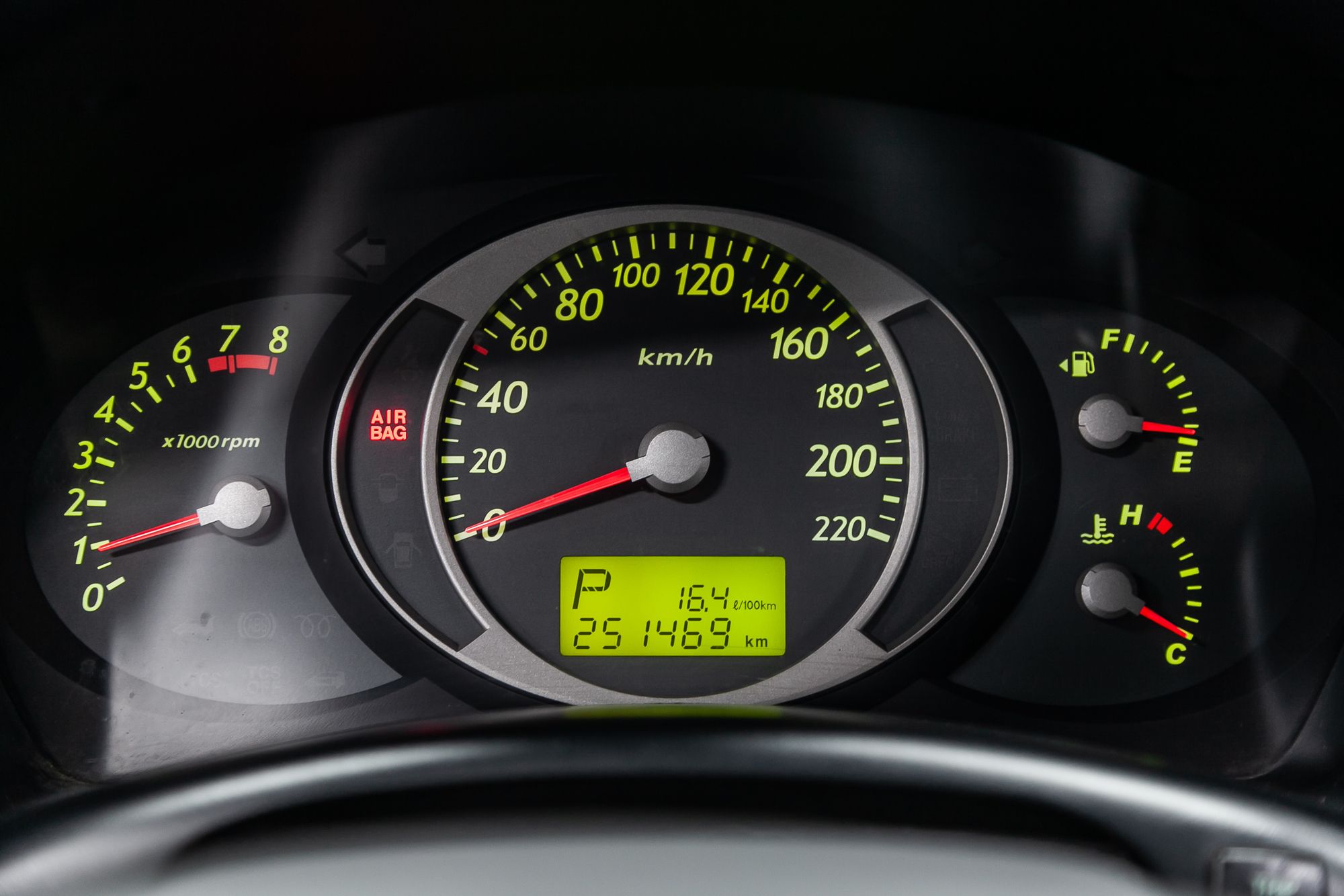
Mileage alone does not tell the full story of a truck, but it is still one of the most important indicators of wear and tear. A lower mileage truck typically suggests less engine usage, but that does not always guarantee better condition if the truck was poorly maintained. Similarly, a high mileage truck can still perform well if it has been consistently serviced and driven responsibly.
The way the truck was used is often more important than the mileage itself. Trucks used for long distance highway transport generally experience less mechanical stress compared to those used in stop and go urban traffic. Highway driving allows the engine to run at stable speeds, which reduces wear on components like the transmission and braking system.
On the other hand, trucks used in construction, mining, or heavy cargo transport often face extreme conditions. These vehicles endure constant load stress, rough terrain, and frequent braking, all of which accelerate wear even if the mileage is not extremely high. Understanding usage type helps buyers estimate realistic future maintenance needs.
Another concern is odometer tampering, which still exists in some used vehicle markets. Reducing mileage readings artificially increases resale value but creates serious long term problems for buyers. Cross checking mileage with service records, inspection reports, and wear patterns on pedals and seats can help detect inconsistencies.
A smart buyer evaluates mileage in combination with maintenance history and physical condition rather than relying on numbers alone. This balanced approach ensures a more accurate understanding of the truck’s real condition.

4. What Is The Condition Of Engine And Transmission?
The engine and transmission system form the core performance units of any truck, and their condition directly determines reliability, fuel efficiency, and lifespan. A healthy engine should start smoothly, run without excessive vibration, and maintain consistent power delivery even under load.
One of the most important things to observe is engine noise. Unusual knocking, rattling, or ticking sounds can indicate internal wear or lubrication issues. Smoke from the exhaust is another key indicator. Blue smoke may suggest oil burning, while black smoke can indicate fuel system imbalance. These signs should never be ignored.
The transmission system also requires careful evaluation. Whether manual or automatic, gear shifting should feel smooth and responsive. Delays, jerks, or grinding sounds during shifting are strong warning signs of internal damage or worn components. Transmission repairs are often expensive, making this one of the most critical inspection points.
Fluid condition is another important factor. Engine oil should be clean and at appropriate levels, while transmission fluid should not have a burnt smell or dark discoloration. Leaks around seals or gaskets often indicate aging components that may require replacement soon.
Because engine and transmission repairs can significantly increase ownership costs, many buyers choose to have a professional mechanic perform a detailed inspection before purchase. This small investment can prevent major financial losses later.
5. Are There Any Rust Or Frame Issues?
Rust and frame integrity are often overlooked by inexperienced buyers, but they are among the most important safety factors in a used truck. The frame acts as the structural foundation of the entire vehicle, supporting the engine, cargo load, and suspension system.
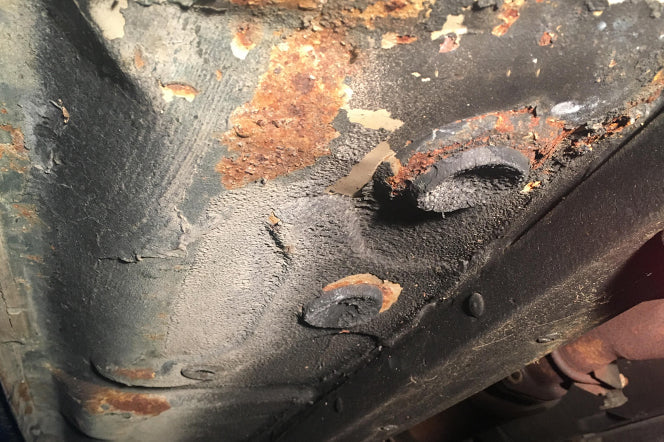
Surface rust is common, especially in older vehicles or those exposed to moisture and varying weather conditions. While surface rust can sometimes be treated, deeper corrosion that affects metal thickness is a serious concern. It weakens structural integrity and can lead to long term safety risks.
The underbody of the truck is the most common area where rust begins to form. Buyers should carefully inspect the chassis, wheel wells, and suspension mounting points. These areas are often exposed to dirt, water, and road salt, making them more vulnerable to corrosion.
Frame damage, on the other hand, is usually caused by accidents or excessive load stress. Even if repaired, a compromised frame may not perform as intended under heavy pressure. This is particularly risky for trucks that are expected to carry significant weight regularly.
A structurally sound frame ensures stability, safety, and longer vehicle lifespan. For this reason, any signs of serious rust or frame repair history should be considered carefully before finalizing the purchase.
Also Read: 10 Hidden Features in the Mercedes GLE
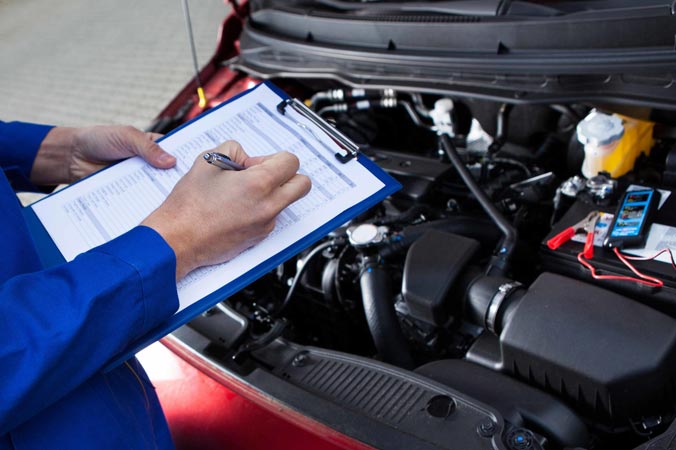
6. How Well Was The Truck Maintained?
Maintenance quality often determines whether a used truck remains reliable or becomes a financial burden. A well maintained truck can outperform a poorly maintained newer vehicle simply because its components have been cared for properly over time.
Regular servicing such as oil changes, filter replacements, brake inspections, and coolant checks ensures that the engine and other systems function efficiently. Consistent maintenance records are a strong indicator that the previous owner took responsibility for the vehicle’s condition.
Neglected maintenance, on the other hand, leads to gradual deterioration that may not be immediately visible. Issues such as engine sludge buildup, reduced fuel efficiency, and premature component failure often develop over time due to poor servicing habits.
It is also important to check whether genuine or high quality replacement parts were used during repairs. Low quality aftermarket parts may reduce performance and increase the likelihood of future breakdowns. This detail is often overlooked but plays a major role in long term reliability.
A properly maintained truck not only lasts longer but also offers better resale value and lower operating costs over time.

7. What Is The Condition Of Tires, Brakes, And Suspension?
The condition of tires, brakes, and suspension is one of the clearest indicators of how a used truck has been treated over time. These components directly affect safety, comfort, and control, especially in a vehicle designed for carrying heavy loads. Even if the engine is in good condition, worn out safety systems can make the truck unreliable and expensive to maintain.
Tires are the first point of contact with the road, and their wear pattern can reveal a lot about alignment and usage history. Uneven wear on one side of the tire may suggest alignment problems, while excessive wear in the center or edges can indicate incorrect air pressure habits.
Trucks that have been overloaded frequently often show faster tire degradation, which is a sign that the vehicle may have been used beyond its intended capacity.
Brake condition is equally important because trucks require strong stopping power due to their weight. Worn brake pads, delayed response, or vibrations during braking are all warning signs that the braking system needs attention.
In many cases, rotors and brake lines may also require replacement if maintenance has been neglected. Since brake repairs are safety critical, they should never be postponed or ignored during evaluation.
The suspension system plays a major role in load handling and driving comfort. A weak or damaged suspension can cause instability, especially when the truck is carrying heavy cargo or driving on uneven roads. Signs such as excessive bouncing, uneven ride height, or knocking sounds over bumps often indicate worn shock absorbers or damaged suspension components.
Together, these three systems provide a clear picture of how responsibly the truck was used. A vehicle with well maintained tires, brakes, and suspension is generally a safer and more cost effective investment in the long run.

8. Are There Any Modifications Or Aftermarket Changes?
Modifications and aftermarket changes can significantly affect the performance, safety, and long term reliability of a used truck. While some modifications are harmless or even beneficial, others can create hidden risks that may not be immediately obvious during inspection. This makes it essential for buyers to carefully evaluate any changes made to the original factory setup.
Performance modifications, such as engine tuning or turbo upgrades, are often installed to increase power or improve acceleration. However, these changes can put additional stress on the engine and transmission, potentially reducing their lifespan. If the modifications were not professionally installed or properly tuned, they may lead to overheating, fuel inefficiency, or mechanical failure over time.
Suspension modifications, such as lift kits or lowering kits, can also affect stability and handling. While they may improve appearance or off road capability, improper installation can lead to uneven tire wear, steering issues, or reduced load carrying efficiency. For trucks that are intended for heavy duty use, factory calibrated suspension systems are usually more reliable.
Electrical modifications, including aftermarket lighting, sound systems, or additional wiring, may seem harmless but can sometimes create electrical instability. Poor wiring jobs may cause battery drain, short circuits, or malfunctioning sensors. These issues are often difficult to trace and can become costly to repair.
On the positive side, some modifications such as upgraded tires, reinforced bumpers, or cargo accessories can add value if they are professionally installed and serve a practical purpose. The key is to determine whether the modifications improve functionality or compromise safety and durability.

9. What Is The Ownership And Documentation Status?
Ownership and documentation status form the legal foundation of any used truck purchase. Even if a truck appears to be in excellent condition mechanically, incomplete or unclear paperwork can create serious problems for the buyer after purchase. Proper documentation ensures that the transfer of ownership is legal, transparent, and free from future disputes.
The registration certificate is one of the most important documents to verify. It confirms the legal owner of the vehicle and provides details about its registration history. Buyers should carefully check that the seller’s name matches the registration documents to avoid fraudulent transactions or ownership conflicts.
Insurance records are also important because they provide insights into the truck’s accident and repair history. A consistent insurance record suggests responsible ownership and regular compliance with legal requirements. In contrast, gaps in insurance coverage may indicate neglect or financial issues related to the vehicle.
Loan clearance status is another critical factor. Some trucks may still have active loans attached to them, which means the lender technically retains partial ownership until repayment is complete. Purchasing such a vehicle without proper clearance can lead to legal complications or repossession risks.
Tax receipts and pollution certificates also form part of the legal documentation. These ensure that the vehicle complies with regional regulations and environmental standards. Missing or outdated documents can result in fines or restrictions on vehicle usage.
A fully documented truck provides peace of mind and ensures that the buyer can use the vehicle without legal interruptions or ownership disputes in the future.

10. What Is The Fair Market Price And Negotiation Room?
Understanding the fair market price of a used truck is essential for making a financially sound decision. Without proper research, buyers may end up overpaying or purchasing a vehicle that does not match its actual condition. Market value is influenced by multiple factors, including brand reputation, model year, mileage, condition, service history, and regional demand.
Comparing similar trucks in the market is one of the most effective ways to determine a realistic price range. Listings with similar mileage and condition can provide a benchmark that helps identify whether the seller’s asking price is reasonable or inflated. This comparison also helps buyers understand current market trends and seasonal price variations.
Negotiation plays a key role in the buying process. Once a buyer identifies minor issues such as worn tires, cosmetic damage, or pending maintenance, these points can be used to negotiate a better price. Sellers are often willing to adjust prices when faced with informed buyers who understand the actual condition of the vehicle.
It is also important to consider long term ownership costs when evaluating price. A truck that is slightly more expensive but well maintained may save significant money in repairs and maintenance over time. On the other hand, a cheaper truck with hidden issues may become more expensive in the long run.
A well informed buyer approaches pricing with both logic and strategy, ensuring that the final deal reflects the true value of the truck rather than just the seller’s expectations.
