
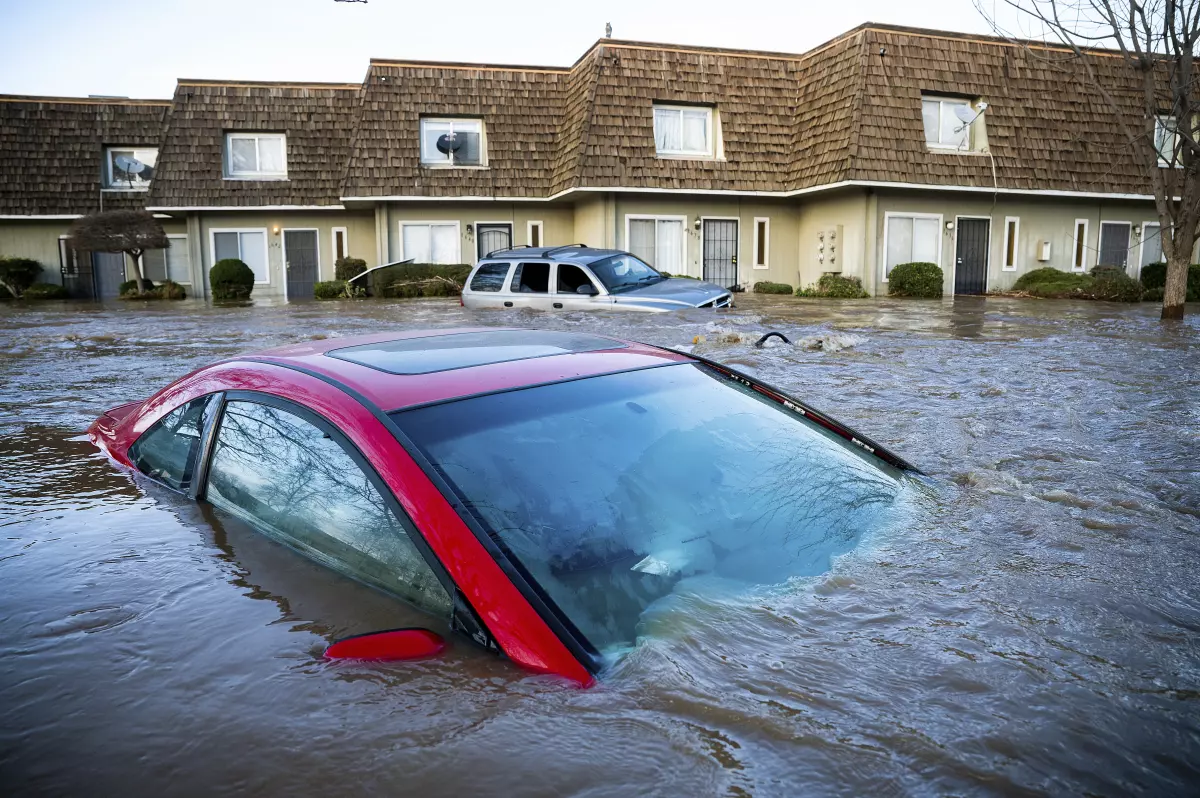
Buying a used car can be one of the smartest financial decisions if done correctly, but it can also turn into an expensive mistake if hidden problems are overlooked. One of the most serious issues a buyer can face is flood damage.
Flood affected cars often look perfectly normal on the outside because sellers go to great lengths to clean, repair, and sometimes even cosmetically restore them. However, water intrusion can quietly destroy electrical systems, corrode metal components, weaken safety features, and cause long term reliability issues that may not appear immediately after purchase.
This makes flood damaged vehicles particularly dangerous in the used car market, especially in regions where heavy rains and flooding are common. Understanding how to identify these vehicles is essential for protecting your investment and ensuring your safety on the road.
Many buyers focus only on mileage, paint condition, or engine sound, but flood damage requires a deeper inspection approach that covers smell, hidden moisture, wiring issues, and inconsistencies in documentation. Even experienced buyers can be misled if they do not know the right warning signs. In some cases, flood damaged cars are transported across states or regions and resold with cleaned titles, making detection even more difficult.
This is why learning the subtle and obvious indicators is so important before making a purchase decision. A careful inspection can reveal clues such as unusual odors, rust in unexpected areas, foggy lights, mud residue in hidden spaces, or malfunctioning electronics.
Additionally, reviewing the vehicle history and cross checking ownership records can expose inconsistencies that suggest water damage. The goal of this guide is to give you a clear and practical understanding of how to spot flood damage on a used car so you can avoid costly repairs and unsafe driving conditions.
By the end, you will know exactly what to look for, what questions to ask, and when to walk away from a deal that seems too good to be true.
Also Read: 10 Vintage Cars With More Features Than Modern Cars
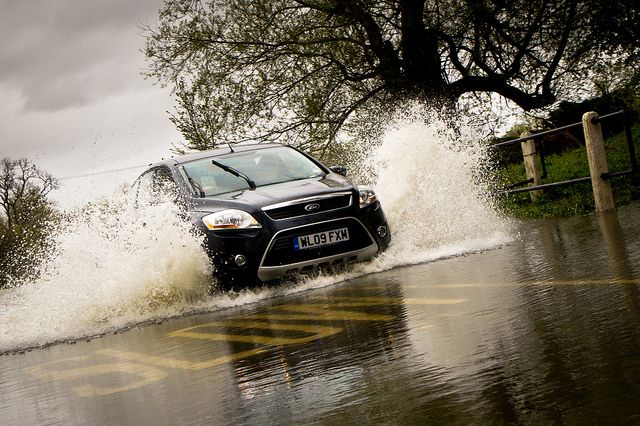
Why Flood Damage Is a Serious Risk in Used Cars
Flood damage is not just a cosmetic issue, it is a long term structural and mechanical problem that can compromise the entire vehicle. When a car is submerged in water, especially dirty or salt water, it begins a process of corrosion that continues long after the vehicle is dried.
This corrosion can affect the engine, transmission, brakes, and even the frame, reducing both performance and safety over time. One of the biggest risks is electrical failure. Modern cars rely heavily on electronic control units and sensors, and water exposure can cause unpredictable malfunctions that are difficult to diagnose or repair.
Another major concern is hidden damage. Even if a car appears clean and functional, water can remain trapped in foam insulation, under carpets, inside door panels, and within wiring harnesses.
This trapped moisture creates the perfect environment for mold growth and rust formation. Mold not only causes unpleasant odors but can also affect the health of passengers. Rust, on the other hand, weakens metal components and can lead to expensive repairs or complete system failure over time.
Flood damaged cars are also financially risky because repairs are often not permanent solutions. A vehicle may function normally for weeks or even months after superficial repairs, but underlying electrical issues tend to resurface unpredictably. This can lead to repeated breakdowns and high maintenance costs that quickly exceed the car’s value.
Insurance companies also tend to reduce coverage or assign salvage titles to flood affected vehicles, which significantly lowers resale value.
In addition, flood cars can create safety hazards. Airbag systems, braking sensors, and steering controls may be compromised without visible signs. A malfunction in any of these systems can increase the risk of accidents. For this reason, buyers should treat flood damage as a critical red flag rather than a minor issue. Understanding its seriousness is the first step toward making a safe purchase decision.
Exterior Signs of Flood Damage on a Used Car
One of the first areas to inspect is the exterior of the vehicle, as flood damage often leaves subtle but visible clues. Start by carefully examining the gaps around doors, the trunk, and the hood. If you notice mud residue, silt, or dried water lines in these areas, it may indicate that the car was partially submerged. Even after cleaning, fine particles can remain trapped in tight spaces where normal washing cannot reach.
Headlights and taillights are another important inspection point. Moisture or fogging inside the light housings suggests that water has entered sealed components. While minor condensation can happen in some climates, persistent fogging or water droplets inside lights often indicate deeper water intrusion. Similarly, check for rust on screws, bolts, and metal trim pieces that should normally remain clean and dry.
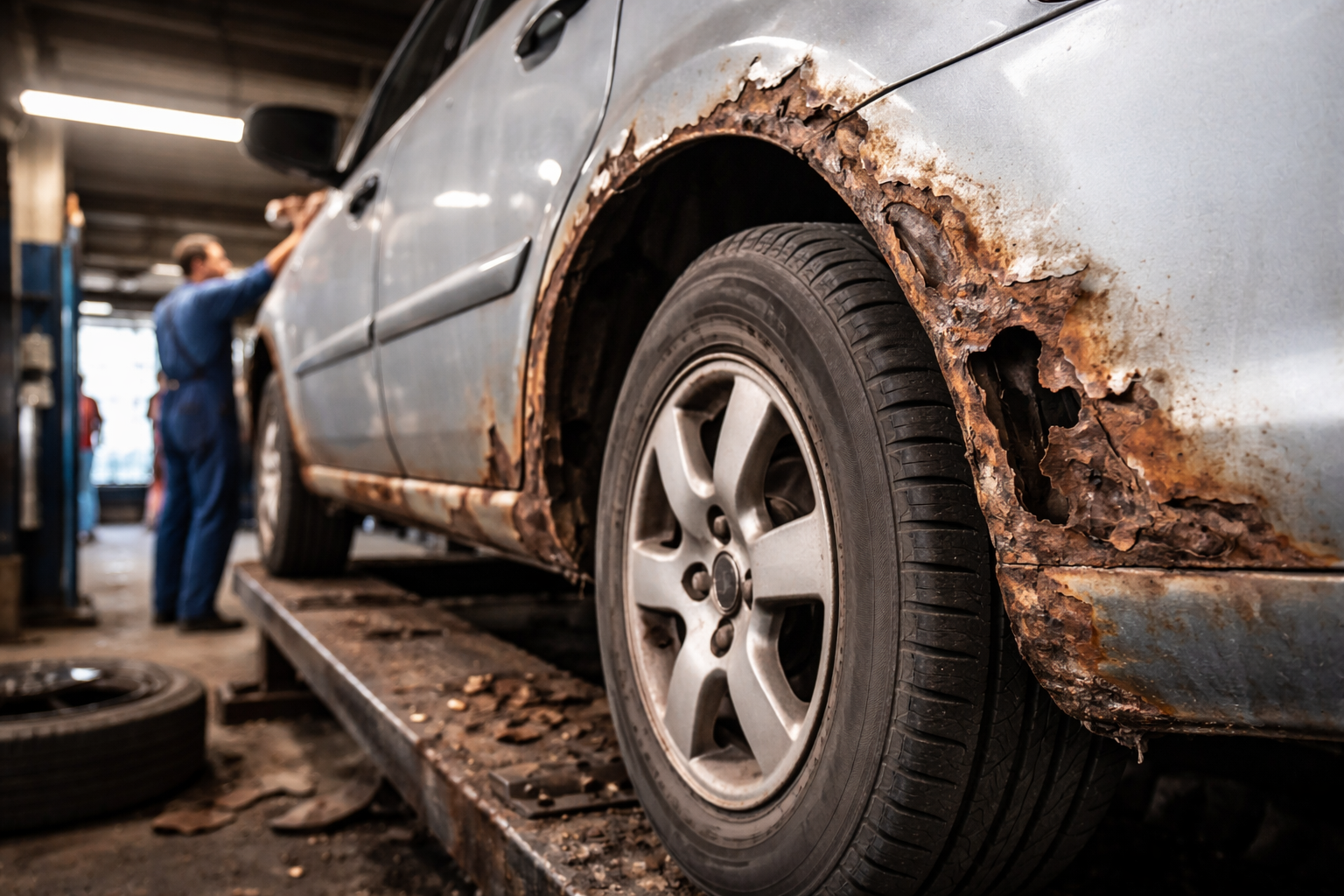
Pay attention to paint inconsistencies as well. Flood damaged cars may have been repainted to improve appearance, but mismatched shades between panels can reveal repair work. Look closely at the lower sections of the car, especially near the wheel arches and under the bumpers, where water exposure is most likely to leave stains or corrosion marks.
Tire wells and the underbody are also critical inspection zones. If possible, look under the car using a flashlight. Excessive rust on relatively new vehicles is a strong warning sign. Fresh undercoating may have been applied to hide damage, so look for uneven textures or overly thick coatings that seem out of place.
Finally, inspect the license plate area and exterior badges. Dirt trapped behind these elements or signs of recent removal and reinstallation can indicate cleaning attempts after water exposure. When multiple small clues appear together, they often point toward a larger hidden problem.
Interior Signs That Reveal Water Exposure
The interior of a vehicle often tells the most accurate story about flood damage because water leaves long lasting effects inside the cabin. Start by opening the doors and smelling the interior. A strong musty or mildew odor is one of the most common indicators of water exposure. Even if air fresheners are used, the smell of mold tends to return when the car is closed for a short period.
Check the carpeting carefully by pressing down on different areas. If the carpet feels uneven, damp, or overly stiff in certain sections, it may have been water damaged and dried. Lift floor mats and inspect underneath for stains, discoloration, or mud residue. In many flood affected cars, the insulation under the carpet retains moisture for long periods.
Seat condition is another important clue. Upholstery that appears newer than the rest of the interior or shows inconsistent wear patterns may have been replaced after water damage. Also check seat rails for rust, as these are rarely exposed to moisture under normal conditions. Rust here strongly suggests flooding.
Look at the dashboard and center console for signs of electrical malfunction. Flickering lights, non working buttons, or inconsistent display behavior may indicate water affected wiring. Even if systems appear functional during a short test, intermittent issues often develop later.
Finally, inspect hidden areas such as the glove compartment, trunk lining, and spare tire compartment. These areas often trap water and debris. If you find sand, silt, or rust in these locations, it is a strong sign that the vehicle has been exposed to flooding.
Also Read: 10 Hidden Features in the Mercedes GLE
Mechanical and Electrical Warning Signs
Flood damage often reveals itself most clearly through mechanical and electrical issues. Start by turning on the ignition and observing the dashboard carefully. Warning lights that stay on or appear inconsistently can indicate electrical system damage. Pay close attention to unusual behavior during startup, such as delayed ignition or flickering gauges.
Test all electrical components thoroughly. This includes power windows, mirrors, infotainment systems, air conditioning, windshield wipers, and interior lighting. Water-damaged wiring can cause random failures in these systems, even if they appear to work during a brief inspection.
The engine bay is another critical inspection area. Look for rust on metal parts that are normally protected. Check wiring harnesses for brittleness or corrosion. Electrical connectors should be clean and tight, not greenish or oxidized. Signs of mud or sediment in the engine compartment strongly suggest water intrusion.
Transmission behavior can also be affected by flooding. During a test drive, pay attention to gear shifting smoothness. Any hesitation, jerking, or slipping may indicate internal contamination or sensor issues caused by water exposure.
Finally, listen for unusual sounds from the vehicle. Clicking, grinding, or inconsistent engine noise can signal long-term internal damage. Flood-affected mechanical systems tend to degrade unpredictably, making early detection extremely important.
Checking Vehicle History and Documentation
A thorough review of vehicle history is essential when evaluating potential flood damage. Start by requesting official service records and registration documents. Inconsistencies in ownership history, gaps in service records, or frequent relocations can sometimes indicate attempts to hide past damage.
Examine the title status carefully. Terms like salvage, rebuilt, or flood title are major warning signs. However, even clean titles are not always reliable because some vehicles are repaired and retitled after flooding in different regions.
Cross-check the Vehicle Identification Number across documents and physical locations on the car. Mismatched VIN plates or signs of tampering should raise immediate concern. Authentic vehicles have consistent identification numbers in multiple locations.
Insurance history can also provide valuable insights. If a car has been claimed as flood-damaged in the past, it is likely recorded in insurance databases. Even if repaired, such vehicles carry a higher risk due to potential long-term issues.
Finally, consider asking the seller direct questions about the vehicle’s past. Hesitation, vague answers, or overly defensive responses can sometimes indicate hidden problems. Transparency in documentation is one of the strongest indicators of a trustworthy used car.
Professional Inspection and Final Decision Making
Even if a car appears clean and passes basic checks, a professional inspection is highly recommended. Certified mechanics have specialized tools and experience to detect hidden flood damage that may not be visible to the average buyer. They can perform electrical diagnostics, compression tests, and underbody inspections to identify deeper issues.
A professional can also detect moisture trapped inside sealed components using diagnostic equipment. This is particularly important because modern vehicles have complex electronic systems that are difficult to evaluate without proper tools.
Another benefit of professional inspection is objective evaluation. Buyers often become emotionally attached to a car after spending time inspecting it, which can cloud judgment. A mechanic provides an unbiased assessment based on technical evidence rather than appearance.
If any suspicion of flood damage remains after inspection, it is usually safer to walk away from the deal. The cost of future repairs often exceeds the savings from buying a discounted flood-affected vehicle.
The goal is not just to buy a car that looks good, but to ensure long-term safety, reliability, and value. A careful inspection process combined with professional advice significantly reduces the risk of purchasing a flood-damaged vehicle.
