
The global automotive industry is entering one of its most important transformation phases in decades, and 2026 is shaping up to be a landmark year for electric vehicles. As governments continue tightening emission regulations and automakers invest heavily in electrification, the number of new EV launches is accelerating rapidly.
By 2026, most major car manufacturers will have shifted from experimental electric models to fully developed next-generation EV platforms designed for long range, faster charging, and improved affordability.
Unlike earlier electric cars that were often limited by range anxiety, high prices, or lack of infrastructure, the 2026 EV lineup reflects a mature and highly competitive market.
Automakers such as Rivian, BMW, Mercedes-Benz, Tata Motors, Hyundai, Kia, and Volkswagen are preparing to introduce vehicles that combine advanced battery technology with improved design efficiency. Many of these upcoming EVs will be built on dedicated electric platforms rather than converted internal combustion engine architectures, allowing better space utilization, safety, and performance.
Another key trend in 2026 is diversification. Instead of focusing only on premium electric cars, manufacturers are expanding into multiple segments, including affordable compact SUVs, family-oriented electric crossovers, high-performance luxury EVs, and even electric off-road vehicles. This broad range ensures that EV adoption continues to grow across different income levels and geographic markets.
Battery innovation is also expected to play a central role in these upcoming models. Solid-state battery research, improved lithium-ion chemistry, and 800-volt architectures are becoming increasingly common, allowing EVs to charge faster and travel longer distances on a single charge.
In some cases, expected ranges for 2026 models are already approaching or exceeding 600 kilometers per charge under standardized testing cycles.
At the same time, software integration is becoming just as important as hardware. Most 2026 EVs are expected to feature advanced driver assistance systems, over-the-air updates, AI-based energy optimization, and highly digital infotainment systems. Automakers are now competing not only on performance but also on digital ecosystem experience.
In this article, we explore 9 of the most anticipated new EVs coming in 2026, covering their expected features, design direction, and market impact. These models represent the future of electric mobility and highlight how quickly the automotive world is evolving toward a fully electrified future.
Also Read: 10 Vintage Cars With More Features Than Modern Cars
- Powertrain: Dual motor AWD (expected), single motor base variant possible
- Horsepower: ~300 to 450 hp (estimated range)
- Torque: ~450 to 700 Nm (estimated)
- Length: ~4,700 to 4,900 mm (expected compact SUV size)
- Width: ~1,900 to 2,000 mm (estimated)
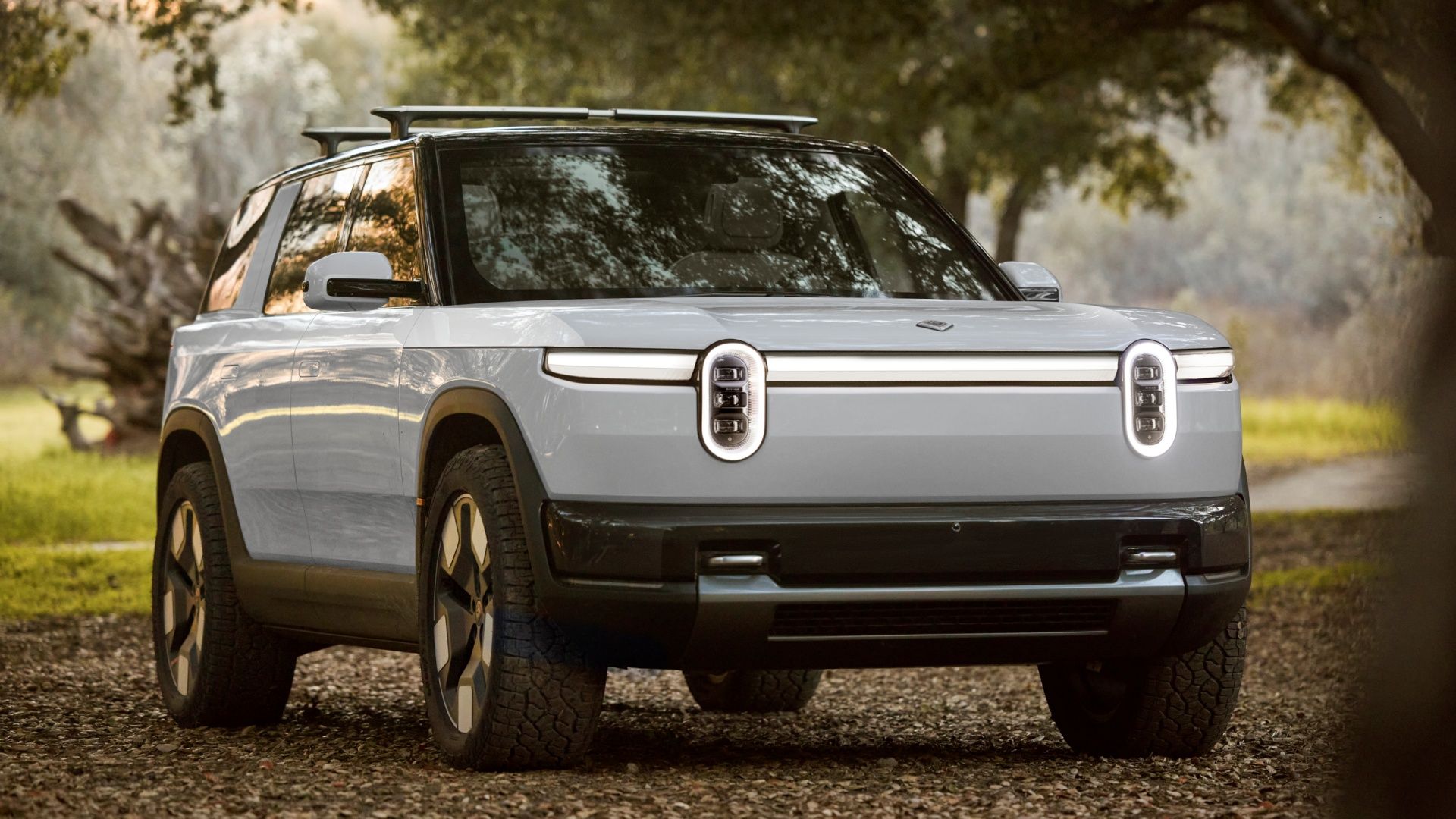
1. Rivian R2: The Affordable Adventure EV
The Rivian R2 is positioned as a crucial expansion step for Rivian, aiming to bring the brand’s rugged, adventure-focused identity into a more affordable price bracket. Unlike the larger R1T and R1S models, the R2 is expected to target younger buyers and urban families who still want off-road capability but at a more accessible price point.
One of the biggest highlights of the R2 is its expected compact SUV form factor. While maintaining Rivian’s signature boxy styling and high ground clearance, the vehicle is likely to be smaller and more efficient in its footprint. This makes it practical for city driving while still capable of weekend off-road adventures.
The platform behind the R2 is expected to be a next-generation electric architecture designed to reduce production costs and improve scalability. This is important for Rivian because it allows the company to compete more directly with mass-market EV brands rather than only premium electric trucks and SUVs.
Battery options are expected to include multiple configurations, with higher trims potentially exceeding 500 km of range under standard testing cycles. Fast charging capability is also expected to be a major focus, allowing drivers to recharge quickly during long trips.
Inside the cabin, Rivian is expected to maintain its minimalist design philosophy. A large central touchscreen, digital instrument cluster, and sustainable materials will likely define the interior. Practical storage compartments and flexible seating arrangements are also expected to enhance usability.
The R2 represents Rivian’s attempt to scale globally, bridging the gap between premium electric adventure vehicles and mainstream electric SUVs.
- Powertrain: Single motor RWD / Dual motor AWD
- Horsepower: ~300 to 450 hp (depending on variant)
- Torque: ~420 to 660 Nm (estimated)
- Length: ~4,750 mm (very close to current Model Y)
- Width: ~1,920 mm (estimated, unchanged platform)
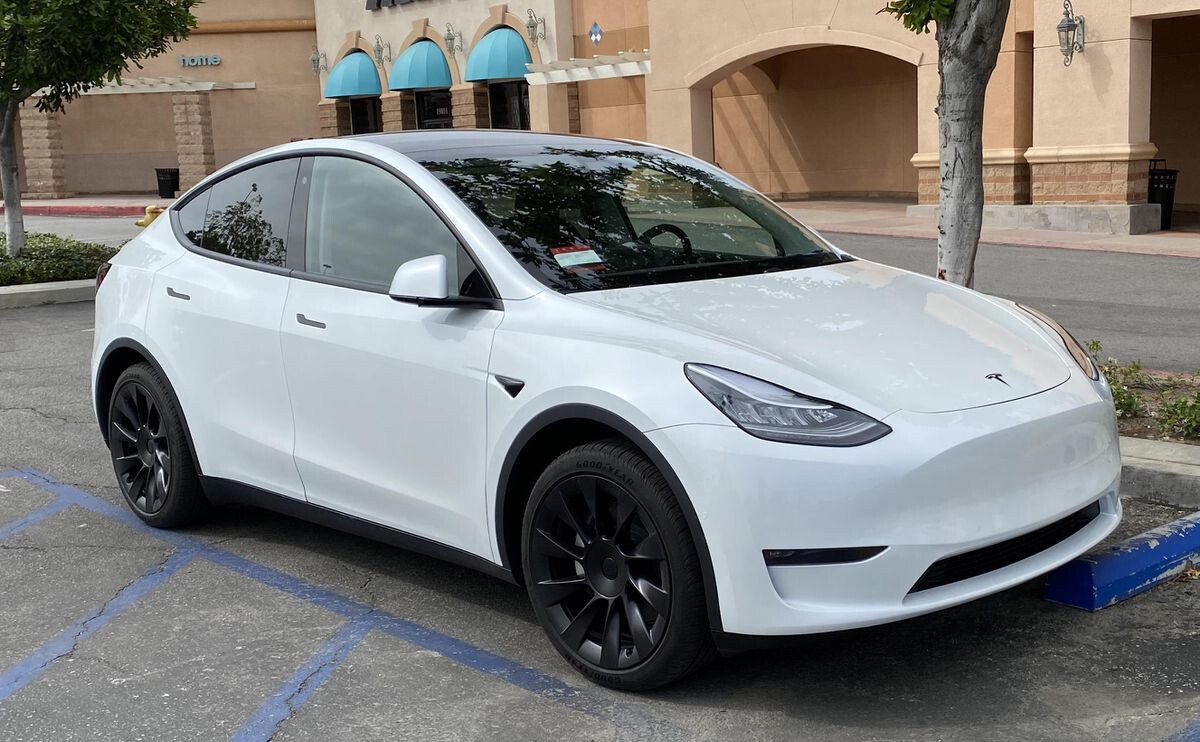
2. Tesla Model Y
The Tesla Model Y refresh, often referred to as the Juniper update, is expected to be one of the most impactful EV updates in 2026 due to the Model Y’s global popularity. Rather than being a completely new generation, it focuses on refinement, efficiency, and incremental technological upgrades.
Exterior updates are expected to include improved aerodynamics, redesigned lighting elements, and subtle body adjustments that enhance range and reduce drag. Tesla typically follows an evolutionary design approach, meaning the changes will likely be noticeable but not radical.
Inside, the cabin is expected to adopt improvements seen in the updated Model 3, including better material quality, refined seating comfort, and improved noise insulation. These changes address one of the most common criticisms of earlier Tesla models, which focused heavily on minimalism over comfort.
Technology remains a key strength. The Model Y refresh is expected to continue using Tesla’s advanced software ecosystem, including over-the-air updates, enhanced driver assistance features, and improved infotainment responsiveness. The integration between software and hardware is likely to be even more seamless in this update.
Battery improvements are expected to slightly increase range and efficiency. Even modest gains are significant for Tesla due to its scale, as small improvements can translate into major real-world benefits for millions of drivers worldwide.
With increasing competition from Hyundai, Kia, Volkswagen, and BYD, this refresh is essential for Tesla to maintain dominance in the mid-size electric SUV segment.
- Powertrain: Dual motor AWD (performance-focused), possibly tri-motor top variant
- Horsepower: ~500 to 750+ hp (performance trims higher)
- Torque: ~800 to 1,100 Nm (estimated high-performance tuning)
- Length: ~4,950 to 5,050 mm
- Width: ~1,980 to 2,020 mm
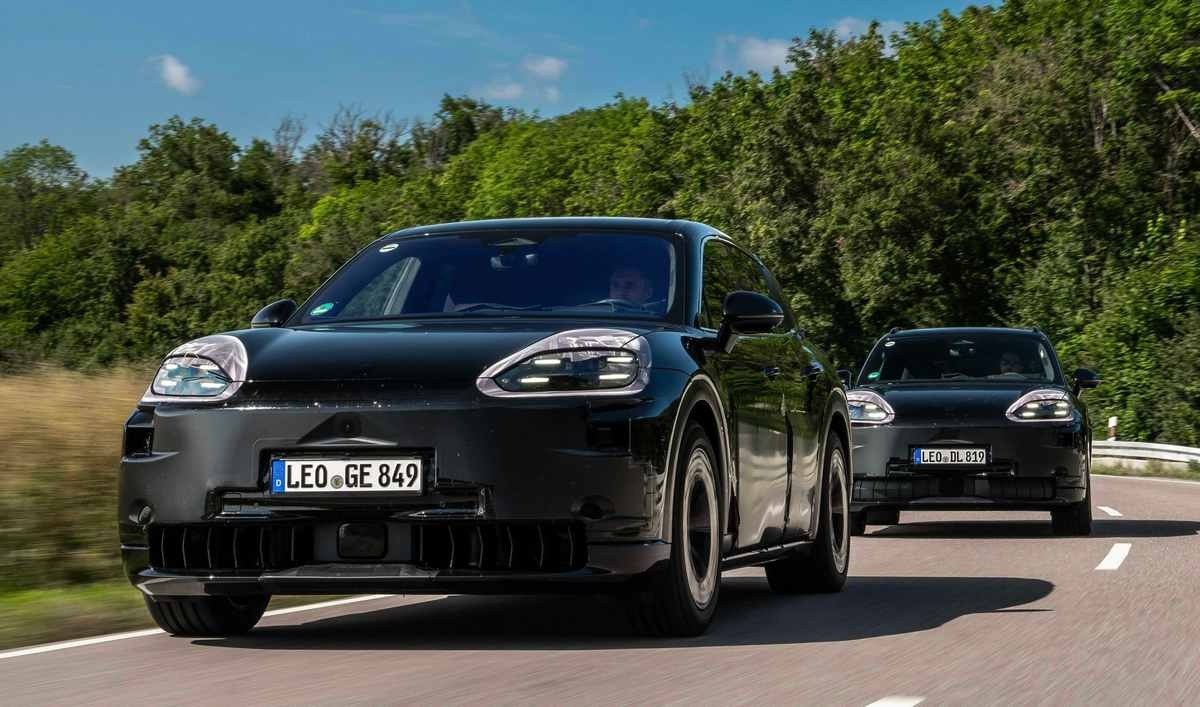
3. Porsche Cayenne Electric
The Porsche Cayenne Electric is one of the most important steps in Porsche’s transition toward full electrification. As a luxury performance SUV, it is expected to combine high-speed capability with premium comfort and cutting-edge EV engineering.
Built on Porsche’s advanced electric architecture, the Cayenne EV is expected to feature an 800-volt system. This allows for ultra-fast charging and consistent high-performance power delivery, which is critical for a brand known for its performance heritage.
Design-wise, Porsche is expected to preserve its iconic identity while modernizing aerodynamics. The Cayenne Electric will likely feature a sleeker front profile, active aerodynamic components, and a redesigned rear optimized for airflow efficiency.
Inside the cabin, luxury will remain central. Expect high-quality materials, advanced digital interfaces, and customizable ambient lighting. Porsche is also likely to integrate more sustainable interior materials without compromising the premium feel.
Performance is expected to be one of its strongest selling points. Instant torque, rapid acceleration, and precise handling will ensure the Cayenne Electric retains the driving dynamics Porsche customers expect, even in an SUV format.
This model also plays a strategic role in Porsche’s broader electrification strategy, helping the brand transition its best-selling SUV line into the EV era without losing its identity.
- Powertrain: Single motor / Dual motor AWD options
- Horsepower: ~250 to 600 hp, depending on model
- Torque: ~400 to 900 Nm (performance variants higher)
- Length: ~4,700 to 5,000 mm (varies by model type)
- Width: ~1,850 to 1,950 mm
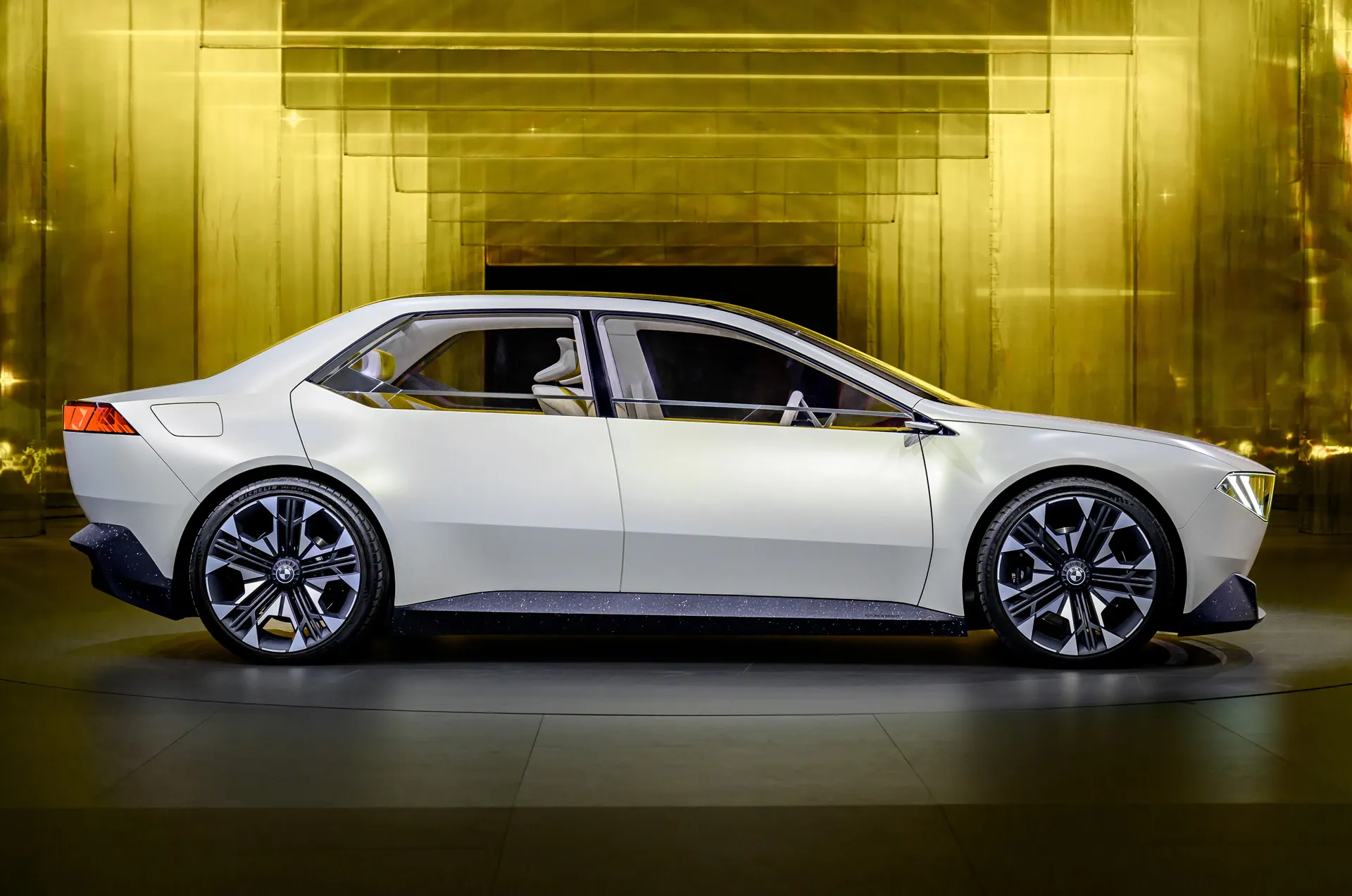
4. BMW Neue Klasse EV Series
BMW’s Neue Klasse EV series represents a complete reinvention of the company’s electric vehicle strategy. Rather than adapting existing models, BMW is building a dedicated EV-first platform designed for efficiency, performance, and scalability.
The Neue Klasse architecture introduces cylindrical battery cells, which improve energy density and reduce weight. This is expected to result in longer driving ranges and faster charging times compared to current BMW EV models.
Design philosophy is also changing significantly. BMW is expected to adopt a cleaner, more minimalist aesthetic that improves aerodynamics while maintaining brand identity. This shift represents a departure from more traditional, complex styling cues.
Inside the cabin, BMW is expected to introduce a fully digital, immersive experience. Large panoramic displays, AI-assisted controls, and reduced physical buttons will likely define the interior environment.
Driving dynamics remain central to BMW’s identity. Even in electric form, the Neue Klasse models are expected to deliver responsive steering, balanced handling, and performance-oriented tuning.
These vehicles are positioned to compete directly with Tesla and Mercedes-Benz in the premium EV segment, marking a major turning point in BMW’s electric transition.
- Powertrain: Dual motor AWD (likely standard)
- Horsepower: ~300 to 500 hp
- Torque: ~550 to 800 Nm
- Length: ~4,750 to 4,850 mm
- Width: ~1,890 to 1,950 mm
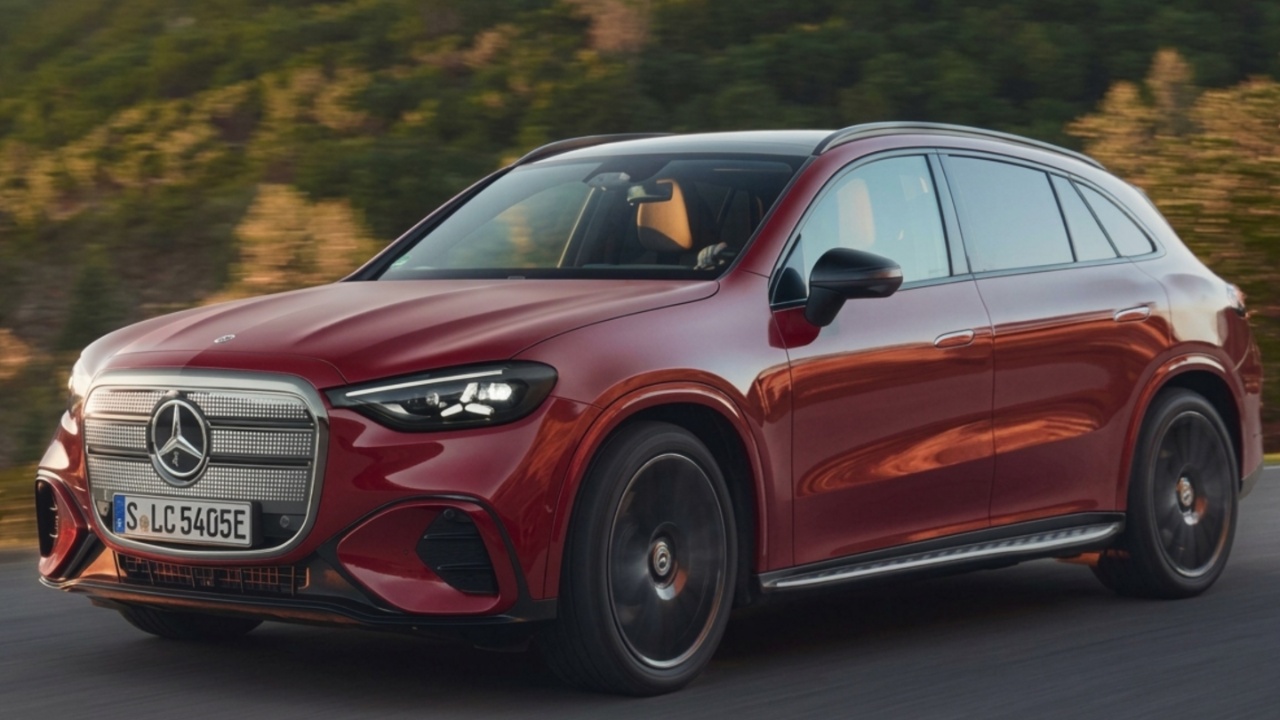
5. Mercedes-Benz GLC Electric
The Mercedes-Benz GLC Electric is designed to bring premium electric mobility into one of the brand’s most popular SUV segments. It is expected to play a key role in Mercedes’ mass-market EV expansion strategy.
Built on next-generation electric architecture, the GLC EV is expected to offer strong range performance combined with fast charging capabilities. Mercedes is focusing heavily on comfort and refinement, ensuring a smooth and quiet driving experience.
The exterior design will likely maintain the familiar SUV proportions while integrating aerodynamic enhancements and modern lighting signatures. This balance ensures brand recognition while improving efficiency.
Inside, the cabin is expected to reflect Mercedes’ luxury-first philosophy. Large digital displays, ambient lighting systems, and premium seating materials will define the interior experience.
Advanced driver assistance systems are expected to be a major highlight, with improved semi-autonomous driving capabilities and enhanced safety features.
The GLC Electric is strategically important because it targets mainstream luxury SUV buyers who are transitioning from combustion engines to electric mobility.
Also Read: 10 Hidden Features in the Mercedes GLE
- Powertrain: Single motor RWD / Dual motor AWD (top variant expected)
- Horsepower: ~150 to 250 hp (estimated for the Indian SUV segment)
- Torque: ~250 to 400 Nm
- Length: ~4,300 to 4,500 mm
- Width: ~1,800 to 1,850 mm
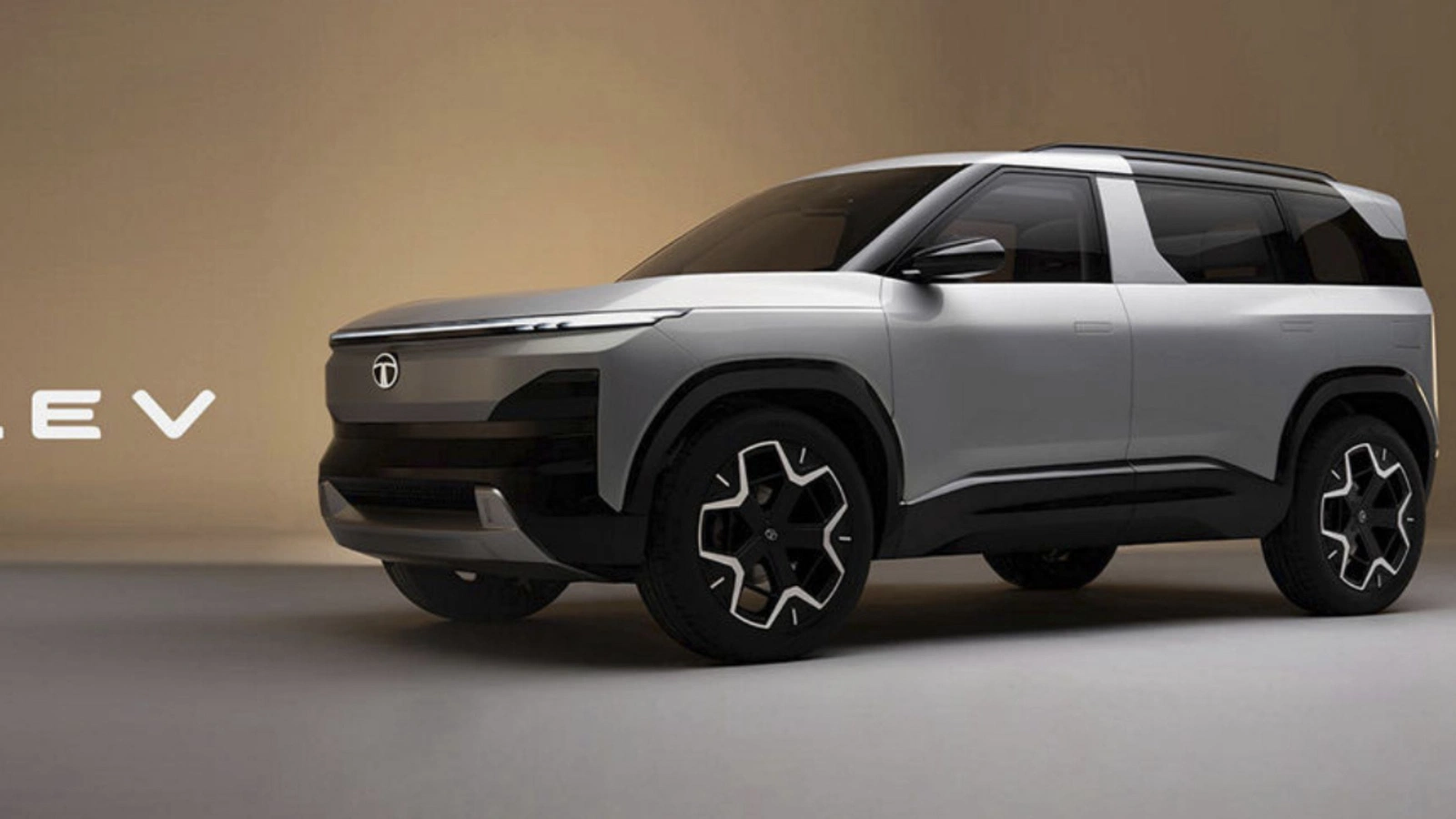
6. Tata Sierra EV
The Tata Sierra EV marks the revival of an iconic nameplate in India’s automotive history. Tata Motors is expected to position it as a premium yet accessible electric SUV with strong emotional and nostalgic appeal.
The design is expected to blend retro inspiration with modern EV aesthetics. The original Sierra’s legacy influences the silhouette, while modern LED lighting and aerodynamic shaping bring it into the future.
Tata is expected to focus heavily on practicality, offering spacious interiors and family-friendly usability. The vehicle will likely include advanced infotainment systems and connected car technology.
Battery options are expected to be competitive for the Indian market, with a potential range approaching 500 km depending on configuration. This makes it suitable for both urban commuting and long-distance travel.
Performance will prioritize smoothness and efficiency rather than aggressive acceleration. The focus is on comfort, reliability, and affordability within the mid-size SUV EV segment.
The Sierra EV could become a major milestone in Tata’s EV leadership in India, strengthening its position against emerging competitors.
- Powertrain: Single motor FWD / AWD possible in higher trims
- Horsepower: ~130 to 220 hp
- Torque: ~250 to 350 Nm
- Length: ~4,200 to 4,400 mm
- Width: ~1,750 to 1,820 mm
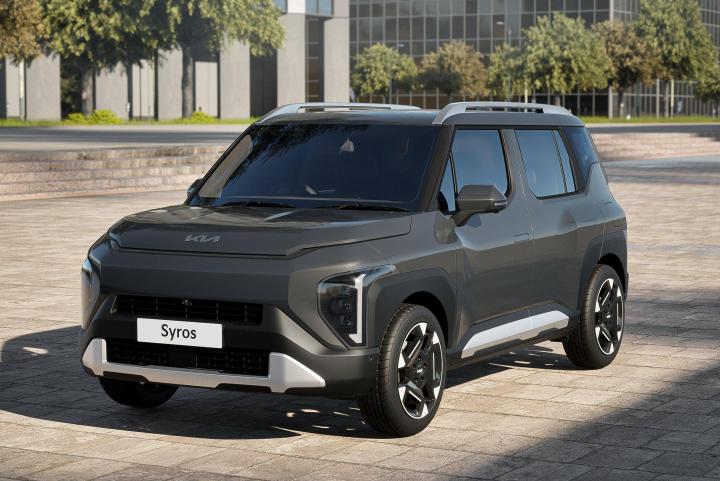
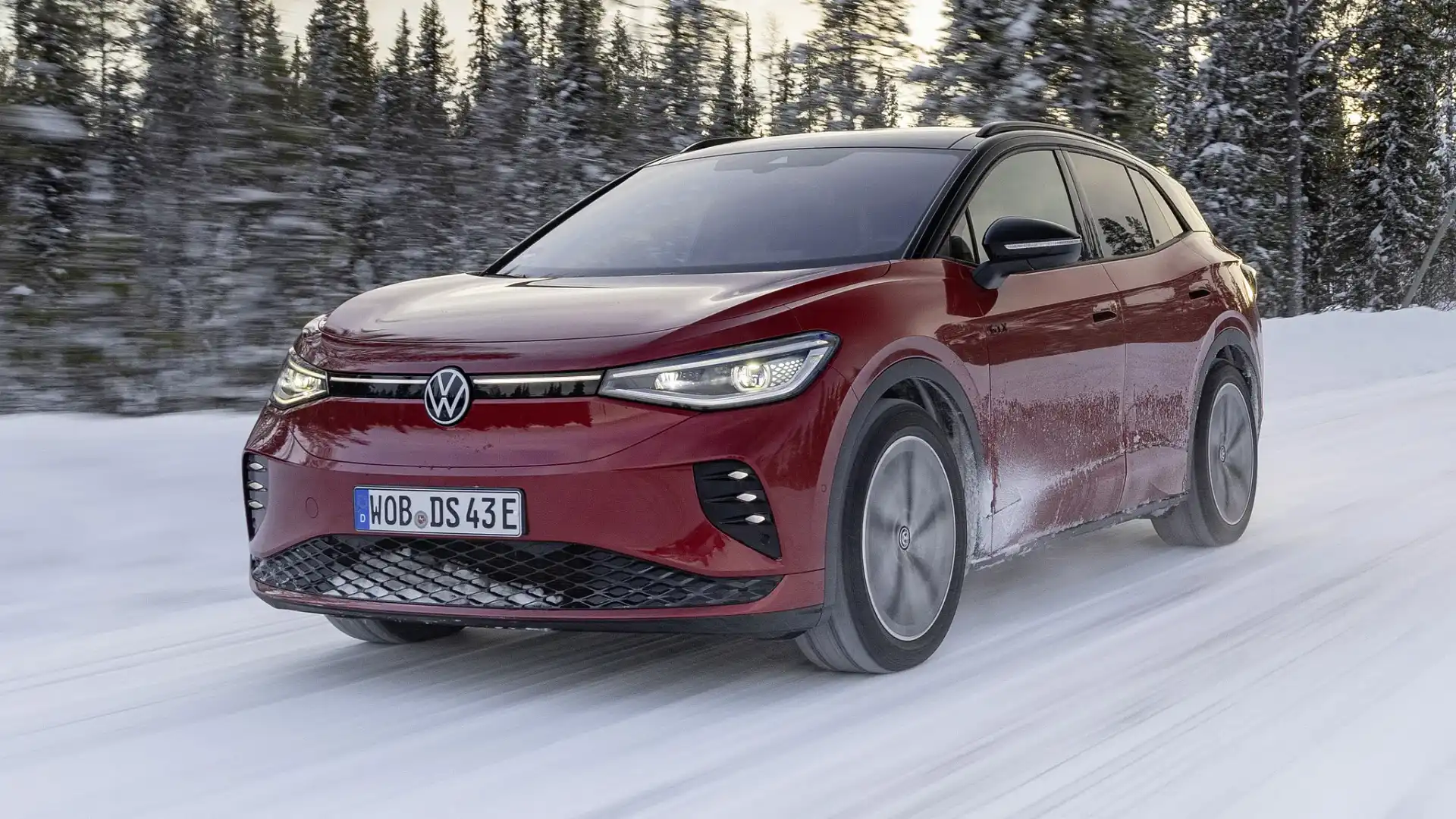
7. Kia Syros EV
The Kia Syros EV is expected to target the growing demand for affordable electric SUVs in emerging markets. Kia’s global design language plays a key role in shaping its futuristic yet practical appearance.
The exterior is expected to feature sharp LED lighting, a boxy SUV silhouette, and aerodynamic refinements to improve efficiency. Kia is known for bold design choices, and the Syros EV is expected to continue this trend.
Inside, the vehicle is likely to offer a tech-forward cabin with dual digital displays, connected infotainment features, and intuitive user interfaces. Comfort and usability are expected to be strong priorities.
Battery performance is expected to be optimized for everyday usage, with a range suitable for city driving and occasional highway travel. This positions it as a practical EV for first-time electric car buyers.
Kia is expected to emphasize affordability without sacrificing key features, making the Syros EV competitive in highly price-sensitive markets.
The model could play a key role in expanding Kia’s EV presence globally.
- Powertrain: Single motor RWD / Dual motor AWD variants
- Horsepower: ~200 to 340 hp
- Torque: ~310 to 550 Nm
- Length: ~4,700 to 4,900 mm (standard and long wheelbase variants)
- Width: ~1,980 mm
8. Volkswagen ID. Buzz Expansion Models
Volkswagen is expanding its ID. Buzz lineup to include multiple new variants, making it more versatile for both private and commercial use. The original retro-inspired electric van has already gained attention, and 2026 models are expected to enhance its appeal further.
New versions are expected to include extended wheelbase models, improved cargo configurations, and possibly performance-oriented trims. This diversification allows Volkswagen to target families, businesses, and travel enthusiasts.
Battery improvements are expected to increase driving range and efficiency. Volkswagen continues to refine its MEB platform to support larger and more capable EVs.
The design remains one of its strongest features, combining nostalgic styling from the classic VW Microbus with modern LED lighting and aerodynamic enhancements.
Inside, flexibility is key. The ID. Buzz offers configurable seating and storage options, making it suitable for road trips, ride-sharing services, and urban transport.
Volkswagen is positioning the ID. Buzz as a lifestyle EV, blending practicality with emotional design appeal.
- Powertrain: Single motor RWD / Dual motor AWD
- Horsepower: ~300 to 500 hp
- Torque: ~500 to 800 Nm
- Length: ~4,700 to 4,850 mm
- Width: ~1,900 to 1,970 mm
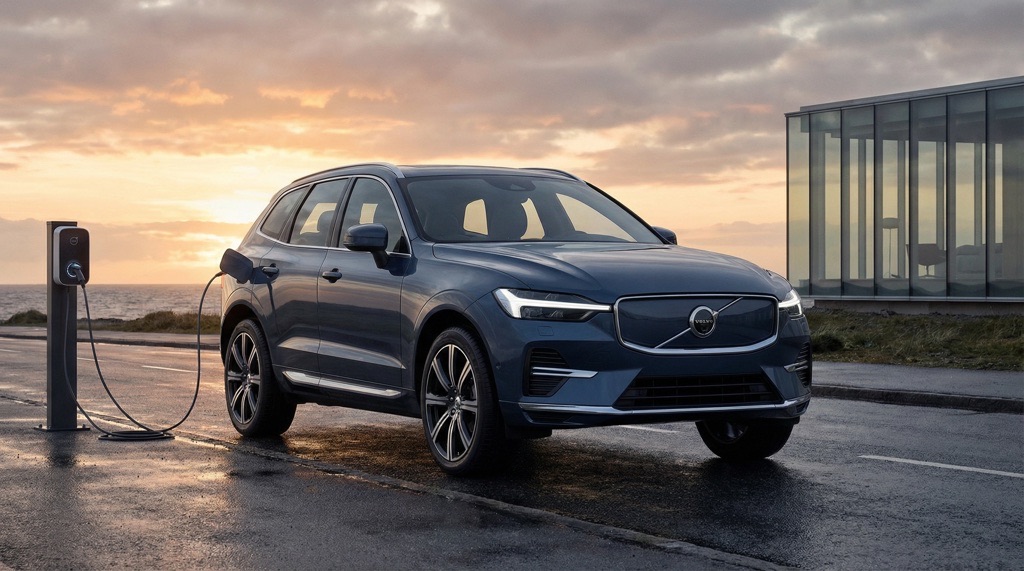
9. Volvo EX60
The Volvo EX60 is expected to become a key model in Volvo’s electric SUV lineup, sitting between the compact EX40 and the larger EX90. It is designed to offer a balance of size, efficiency, and premium comfort.
Volvo is known for safety, and the EX60 is expected to continue this legacy with advanced driver assistance systems and strong structural safety engineering. It will likely achieve high safety ratings across global markets.
The exterior design is expected to follow Volvo’s minimalist Scandinavian design philosophy, focusing on clean lines, aerodynamic efficiency, and signature lighting elements.
Inside, sustainability is expected to play a major role. Volvo is likely to use recycled and eco-friendly materials while maintaining a premium cabin feel.
Battery and range performance are expected to support long-distance travel with fast charging capabilities. This ensures practicality for both urban and highway driving.
The EX60 strengthens Volvo’s position in the premium EV segment, appealing to buyers who prioritize safety, simplicity, and sustainability.
