For decades, buying a brand-new car has been considered a milestone achievement. The appeal is easy to understand. A new vehicle offers the latest technology, a full warranty, untouched interiors, and the satisfaction of being the first owner.
Automakers and dealerships have spent years promoting the idea that driving a new car is the smartest and safest financial decision.
However, when examined through the lens of value, depreciation, ownership costs, and long term financial health, the reality often points in a different direction. In many situations, purchasing a three year old car provides significantly better value than buying a brand new vehicle.
The automotive market has evolved considerably over the past two decades. Modern vehicles are built to last longer, maintain reliability for more years, and offer advanced safety features that remain relevant well beyond their initial release date.
As a result, a car that is three years old today is often remarkably similar to the latest model rolling off the production line. While there may be minor cosmetic updates or new technology features, the core driving experience, safety standards, and reliability remain largely unchanged.
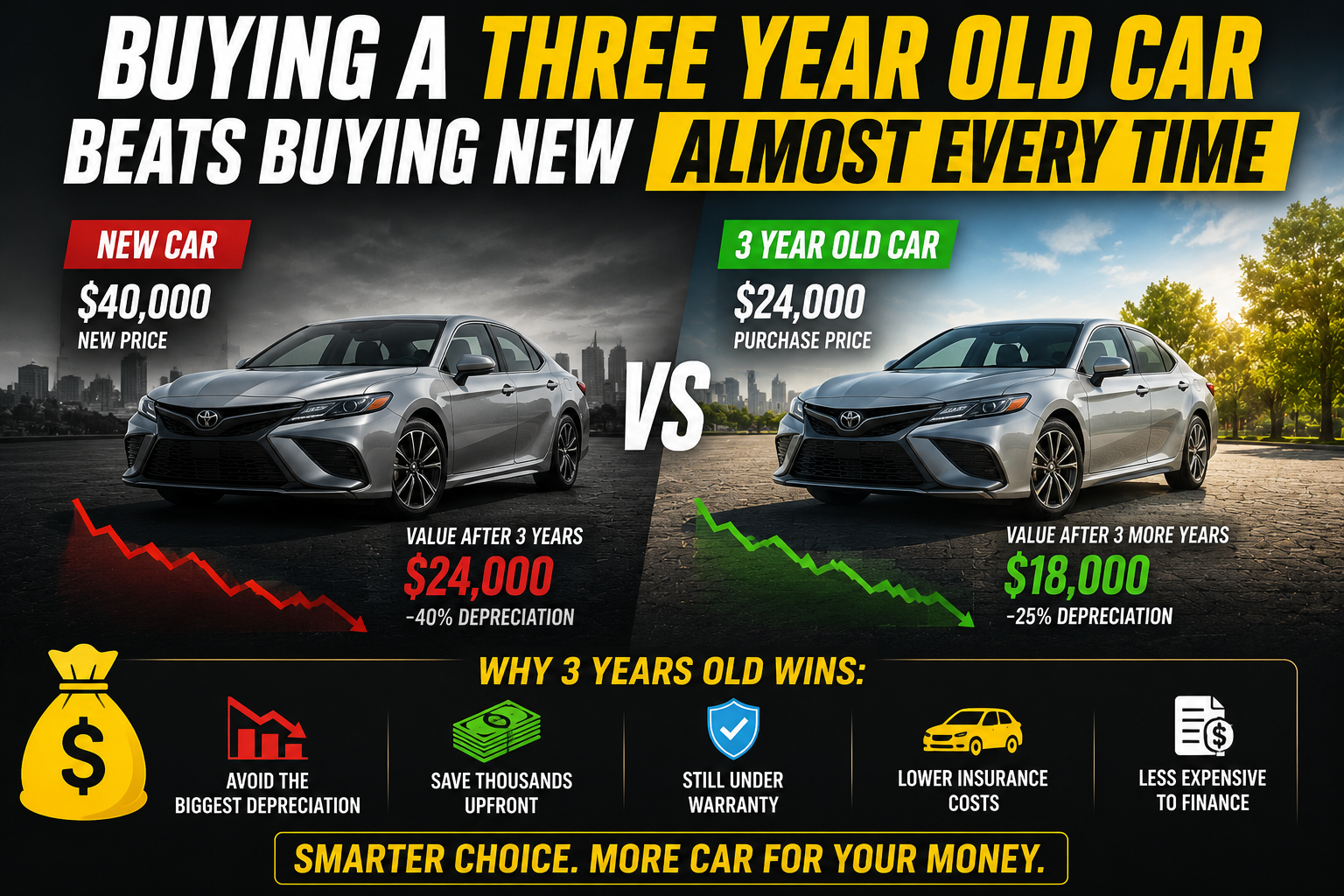
One of the biggest reasons a three year old vehicle outperforms a new purchase is depreciation. New cars lose value rapidly during their first few years of ownership, often dropping thousands of dollars in market value before they even reach their third birthday.
This creates a unique opportunity for buyers who are willing to purchase a vehicle after the steepest portion of depreciation has already occurred. Instead of paying a premium for newness, they gain access to a nearly identical vehicle at a significantly lower cost.
Beyond depreciation, used car buyers often benefit from lower insurance premiums, reduced registration fees, and access to certified pre owned programs that provide warranty protection similar to new vehicle coverage.
Financial flexibility also improves because buyers can either spend less money or afford a higher quality vehicle within the same budget. Rather than stretching finances to buy an entry level new model, consumers can often purchase a more premium vehicle that is only a few years old.
As economic conditions continue to encourage smarter spending habits, more consumers are questioning traditional assumptions about car ownership. The evidence increasingly suggests that buying a well maintained three year old vehicle delivers a stronger balance of affordability, practicality, and value.
While there are situations where purchasing new makes sense, they are often the exception rather than the rule. For the majority of buyers, a carefully selected three year old car represents one of the most financially sound automotive decisions available.
Also Read: What a 10-Year-Old Tacoma Sells For Today?
The Depreciation Advantage Is Impossible To Ignore
The moment a new vehicle leaves the dealership, it begins losing value. Depreciation is the single largest ownership expense for most vehicles, yet many buyers underestimate its impact. Unlike fuel, maintenance, or insurance costs, depreciation silently erodes the value of an asset over time. By choosing a three year old vehicle, buyers avoid absorbing the most severe period of this decline.
Many vehicles lose a substantial percentage of their original value during the first year alone. By the end of three years, depreciation often reaches a point where the vehicle’s market value has fallen dramatically despite remaining mechanically sound and visually appealing. The first owner effectively pays a premium for the privilege of owning the vehicle during its most expensive depreciation period.
This creates an opportunity for second owners. A three year old car frequently offers nearly all the functionality, safety features, and reliability of a new model while costing thousands less. The savings achieved through depreciation alone can often cover years of fuel expenses, insurance premiums, or maintenance costs.
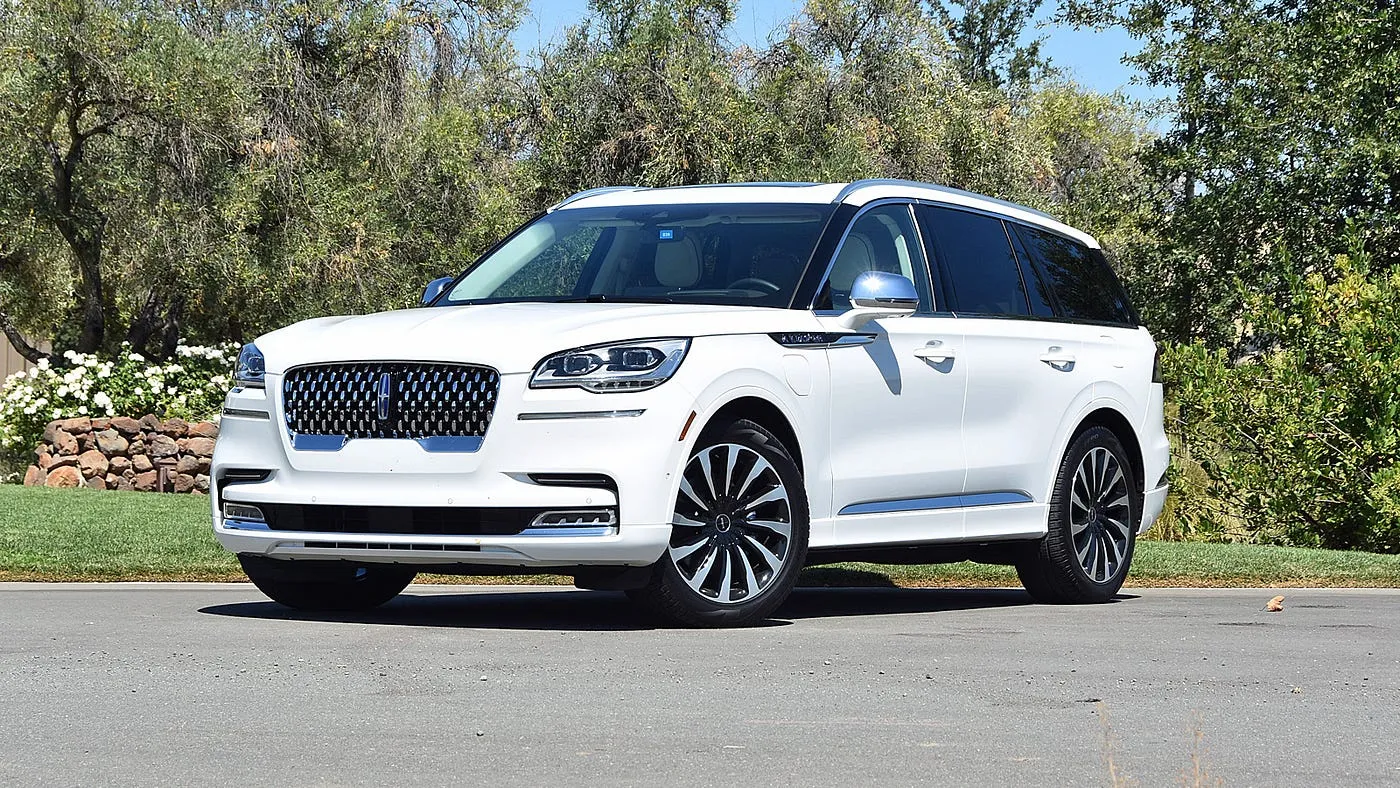
Depreciation varies between brands and models, but the trend remains consistent across the industry. Luxury vehicles often experience even steeper depreciation, making them particularly attractive purchases in the three-year-old market.
Buyers can access premium engineering and comfort features at prices that would have been unattainable when the vehicle was new.
From a financial perspective, avoiding early depreciation allows consumers to preserve more of their wealth. Instead of paying for value that disappears rapidly, they purchase a vehicle closer to its long-term market equilibrium. This makes the ownership experience far more efficient and economically rational.
Modern Cars Last Longer Than Ever Before
A major reason the used car market has become increasingly attractive is the remarkable improvement in vehicle durability. Advances in manufacturing, materials, engineering, and quality control have significantly extended the lifespan of modern automobiles.
Decades ago, purchasing a used vehicle often involved accepting substantial reliability risks. Mechanical failures were more common, corrosion occurred faster, and major repairs frequently appeared before vehicles reached high mileage. Today’s vehicles operate under a completely different reality.
Many modern cars can comfortably exceed 200,000 miles when maintained properly. Engines, transmissions, and electronic systems are built with greater precision and durability than previous generations. A three year old vehicle often represents only the beginning of its useful life rather than the midpoint.
Consumers also have access to extensive vehicle history reports, maintenance records, and inspection services. These tools reduce uncertainty and allow buyers to evaluate a vehicle’s condition before purchase. Information that was once difficult to obtain is now readily available, creating a more transparent marketplace.
Reliability studies consistently demonstrate that many vehicles maintain excellent performance throughout their early years. By purchasing at the three-year mark, buyers gain confidence that common manufacturing defects have likely already emerged and been addressed while still benefiting from many years of dependable service ahead.
The increased longevity of modern vehicles fundamentally changes the value equation. When a vehicle can provide reliable transportation for well over a decade, purchasing one that is only three years old becomes an increasingly compelling proposition.
Lower Insurance Costs Create Additional Savings
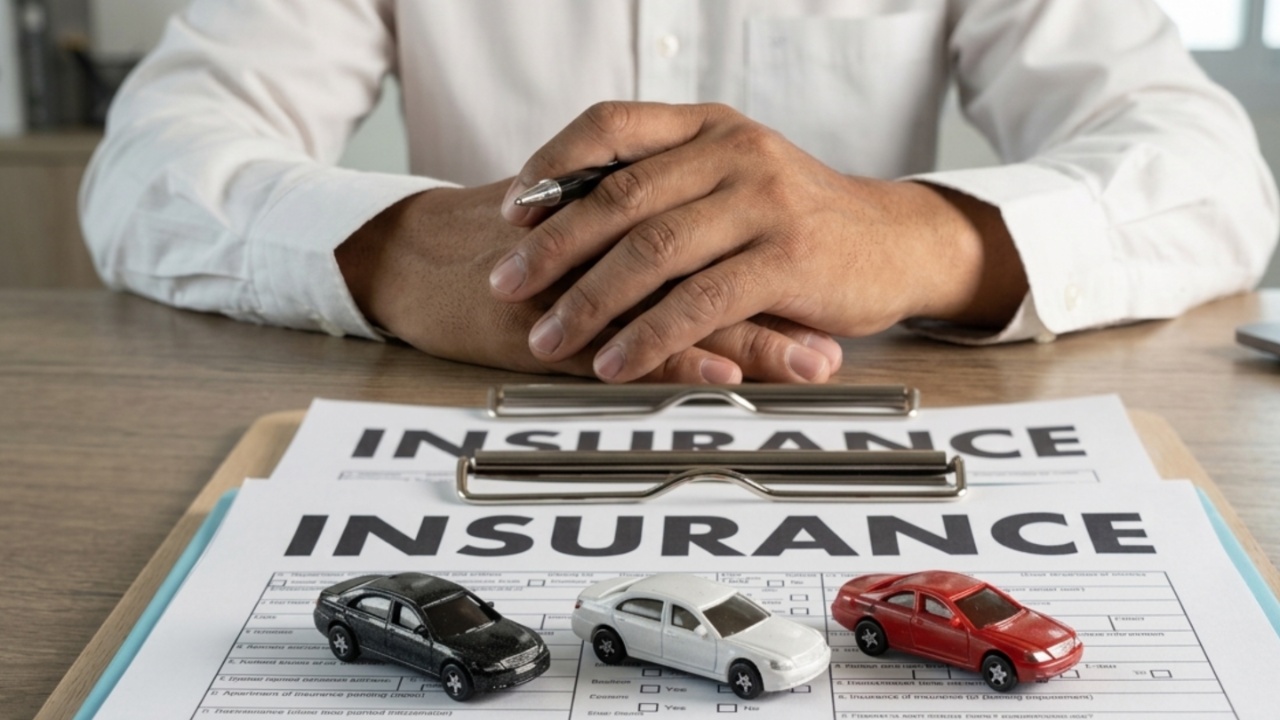
Vehicle ownership expenses extend far beyond the purchase price. Insurance represents a significant ongoing cost that many buyers overlook when comparing new and used vehicles. In many cases, a three-year-old car delivers meaningful savings in this area alone.
Insurance premiums are influenced by multiple factors, including replacement value, repair costs, theft risk, and claim statistics. Because newer vehicles typically have higher market values, insurers often charge higher premiums to cover potential losses.
A three-year-old vehicle generally costs less to insure because its replacement value has already declined through depreciation. While coverage requirements remain similar, the insurer’s financial exposure decreases, often resulting in lower premiums for the owner.
Certain types of coverage may also become more flexible. Buyers who own their vehicles outright may choose coverage options that better align with their risk tolerance and financial situation. This flexibility can further reduce annual ownership expenses.
Over several years, insurance savings can accumulate into a substantial amount. Combined with the lower purchase price of a three-year-old vehicle, these reductions strengthen the financial advantage compared to buying new.
Consumers frequently focus on monthly loan payments when evaluating affordability. However, considering total ownership costs reveals a more complete picture. Lower insurance expenses contribute meaningfully to the long-term value proposition of buying a slightly used vehicle.
Also Read: How Much It Really Costs to Own a Truck for 5 Years
Certified Pre-Owned Programs Reduce Risk
One of the strongest arguments historically used in favor of new cars was warranty protection. Buyers appreciated knowing that major repairs would be covered during the early years of ownership. Today, certified preowned programs have significantly narrowed this advantage.
Manufacturers have developed comprehensive certification programs designed to increase consumer confidence in used vehicles. These programs typically involve detailed inspections, reconditioning procedures, and extended warranty coverage.
A certified three-year-old vehicle often undergoes rigorous evaluation before being approved for sale. Technicians inspect mechanical systems, safety components, cosmetic condition, and maintenance history. Vehicles that fail to meet manufacturer standards are excluded from certification.
Many certified programs also provide roadside assistance, warranty extensions, and special financing opportunities. These benefits mirror aspects of the new vehicle ownership experience while maintaining the pricing advantages associated with used cars.
The existence of certified preowned programs addresses one of the most common concerns among used car shoppers. Buyers can enjoy substantial savings without feeling exposed to excessive mechanical risk. This balance of affordability and protection strengthens the case for purchasing a three-year-old vehicle.
As certification standards continue improving across the industry, the distinction between new and carefully selected used vehicles becomes increasingly narrow. For many consumers, the added value of buying new simply does not justify the additional cost.