
When shopping for a pickup truck, most buyers focus on the purchase price, towing capacity, payload ratings, engine performance, and appearance. While these factors are certainly important, they tell only part of the ownership story. The true cost of owning a truck extends far beyond the dealership lot.
Fuel expenses, maintenance costs, insurance premiums, depreciation, repairs, tire replacements, registration fees, and financing charges all contribute to what experts often refer to as the cost per mile of ownership. This metric provides a more complete picture of how much a vehicle actually costs throughout its lifespan.
A truck that appears affordable at first glance can become surprisingly expensive when ongoing operating costs are factored into the equation.
Cost per mile is especially important for truck owners because pickups are generally larger, heavier, and more complex than traditional passenger cars. Heavy-duty components, powerful engines, Four Wheel Drive systems, and advanced towing technologies often increase maintenance and repair expenses over time.
Fuel consumption is another major contributor, particularly among trucks equipped with large-displacement gasoline engines or diesel powertrains. Even owners who do not tow frequently may find themselves paying significantly more at the pump compared to drivers of smaller vehicles.
Depreciation also plays a major role in determining ownership costs. Some trucks retain their value exceptionally well, while others lose value at a faster rate. Luxury-oriented pickups can be particularly expensive because they combine premium pricing with high repair costs and expensive technology packages.
Performance-oriented trucks frequently depend on specialized parts and systems, which can make maintenance and repairs more expensive over time. Insurance costs may also be higher, particularly for powerful models or premium trims that feature costly components and replacement parts.
Understanding which trucks have the highest cost per mile can help consumers make more informed purchasing decisions. While many of these vehicles offer impressive capabilities, comfort, or prestige, their ownership expenses may outweigh the benefits for budget-conscious buyers.
The following trucks are widely recognized for generating some of the highest ownership costs due to factors such as fuel consumption, depreciation, maintenance requirements, insurance rates, and repair complexity. Examining these vehicles provides valuable insight into the financial realities of truck ownership and highlights why looking beyond the sticker price is essential before making a purchase.
Also Read: What a 10-Year-Old Tacoma Sells For Today?
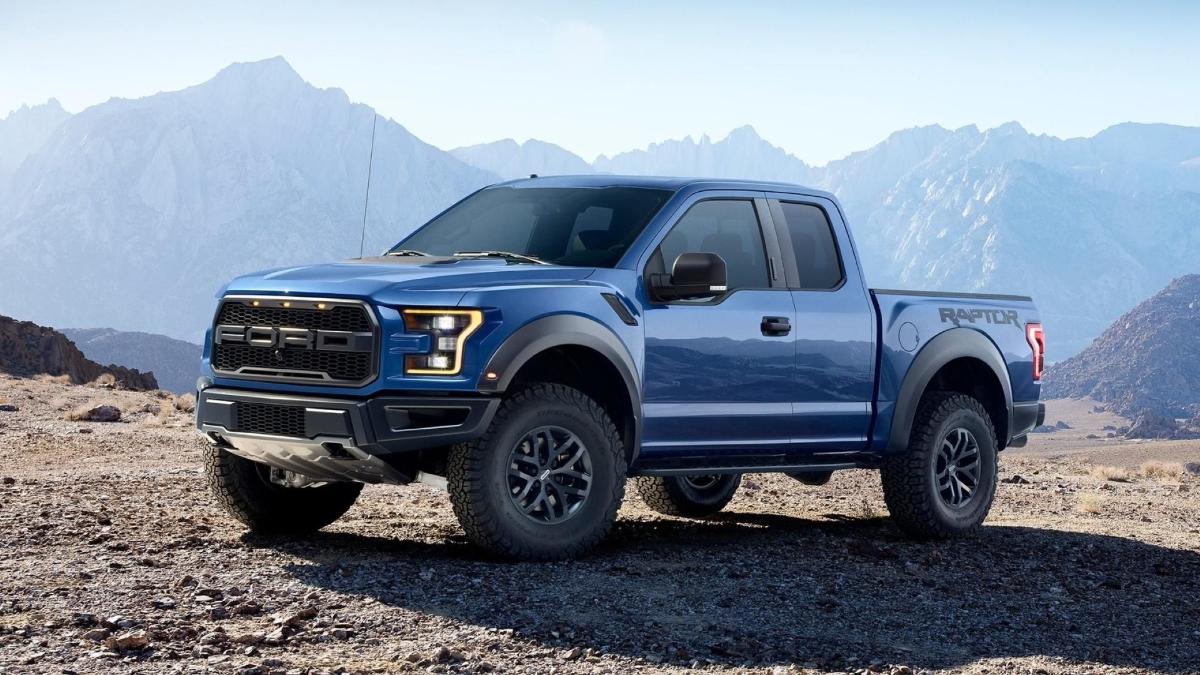
- Engine: 3.5L twin turbo EcoBoost V6
- Horsepower: 450 hp
- Torque: 510 lb-ft
- Length: 232.6 in (approx)
- Width: 86.6 in (without mirrors)
1. Ford F-150 Raptor
The Ford F-150 Raptor is one of the most capable off-road trucks ever produced, but its ownership costs can be substantial. Designed for high-speed desert running and extreme terrain, the Raptor features specialized suspension systems, performance tires, reinforced chassis components, and a powerful turbocharged engine. These features contribute significantly to maintenance and repair expenses over time.
Fuel economy remains one of the biggest contributors to the Raptor’s high cost per mile. Despite advancements in engine efficiency, the truck’s weight, aggressive tires, and performance-oriented design require more fuel than standard full-size pickups. Drivers who frequently utilize the truck’s capabilities often experience even higher fuel consumption.
Insurance premiums are typically higher because of the vehicle’s strong performance profile and high market value. Replacement components also tend to cost more than those used on standard F-150 models. Specialized parts such as upgraded shocks, suspension systems, and body panels can make accident repairs or heavy off-road damage significantly more expensive.
Depreciation also affects ownership expenses. While Raptors generally hold value better than many vehicles, their high initial purchase prices mean owners still absorb significant dollar losses over time. The premium paid for performance features may not always be fully recovered during resale.
Maintenance requirements can add further costs. High-performance tires wear faster than standard truck tires, and aggressive driving conditions can accelerate wear on suspension and drivetrain components. Combined, these factors make the Ford F-150 Raptor one of the most expensive trucks to own on a per-mile basis.
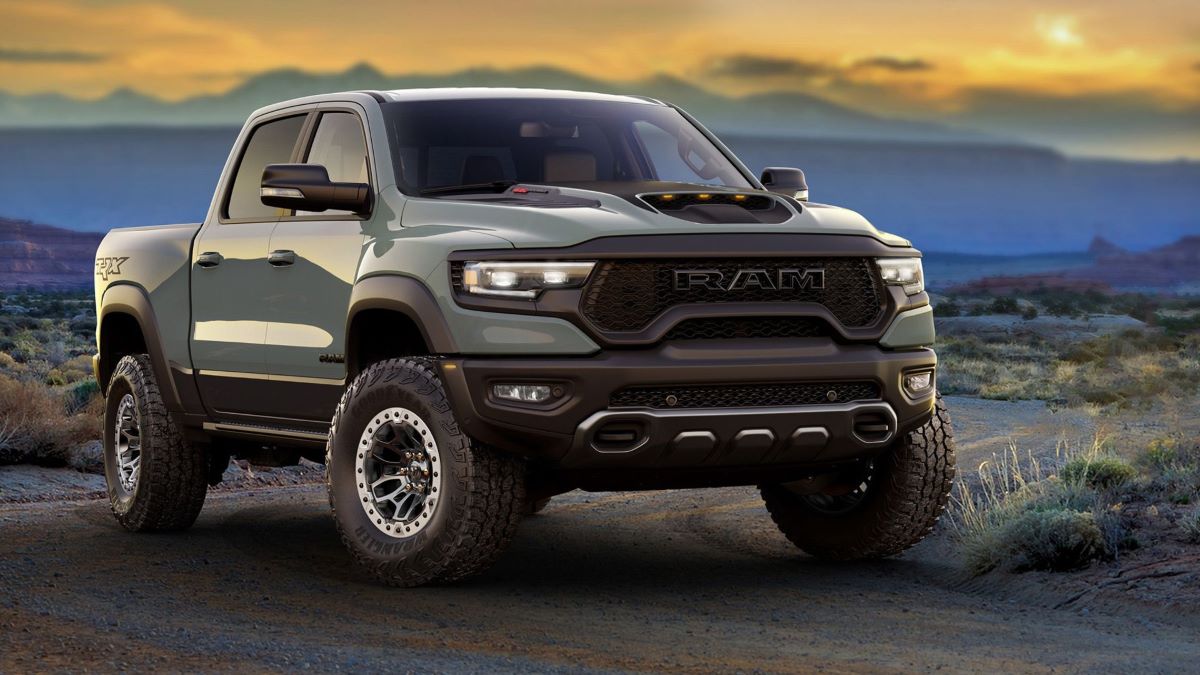
- Engine: 6.2L supercharged HEMI V8
- Horsepower: 702 hp
- Torque: 650 lb-ft
- Length: 232.9 in
- Width: 88.0 in (without mirrors)
2. Ram 1500 TRX
The Ram 1500 TRX is a high-performance pickup powered by a supercharged V8 engine that produces extraordinary horsepower. While its performance capabilities are impressive, they come at a considerable financial cost. The TRX was engineered to compete directly with performance off-road trucks and sacrifices efficiency for power.
Fuel consumption is among the highest in the pickup segment. The supercharged engine delivers exhilarating acceleration but requires substantial amounts of fuel, especially during spirited driving. Frequent visits to the gas station significantly increase the truck’s cost per mile.
The vehicle’s higher purchase price also adds to the total cost of ownership. Buyers typically pay premium pricing for a fully equipped TRX, which can lead to greater depreciation over time even when resale values hold up reasonably well. Financing costs may also increase since they are based on a larger initial loan amount.
Maintenance and repairs can become expensive due to specialized components. Performance brakes, suspension systems, and drivetrain parts often cost more than those used in conventional trucks. Replacement tires are also costly because of their size and performance specifications.
Insurance costs are generally higher than average because the TRX combines high horsepower with a premium value. Together, fuel expenses, maintenance requirements, depreciation, and insurance premiums make the Ram 1500 TRX one of the costliest pickups to own.
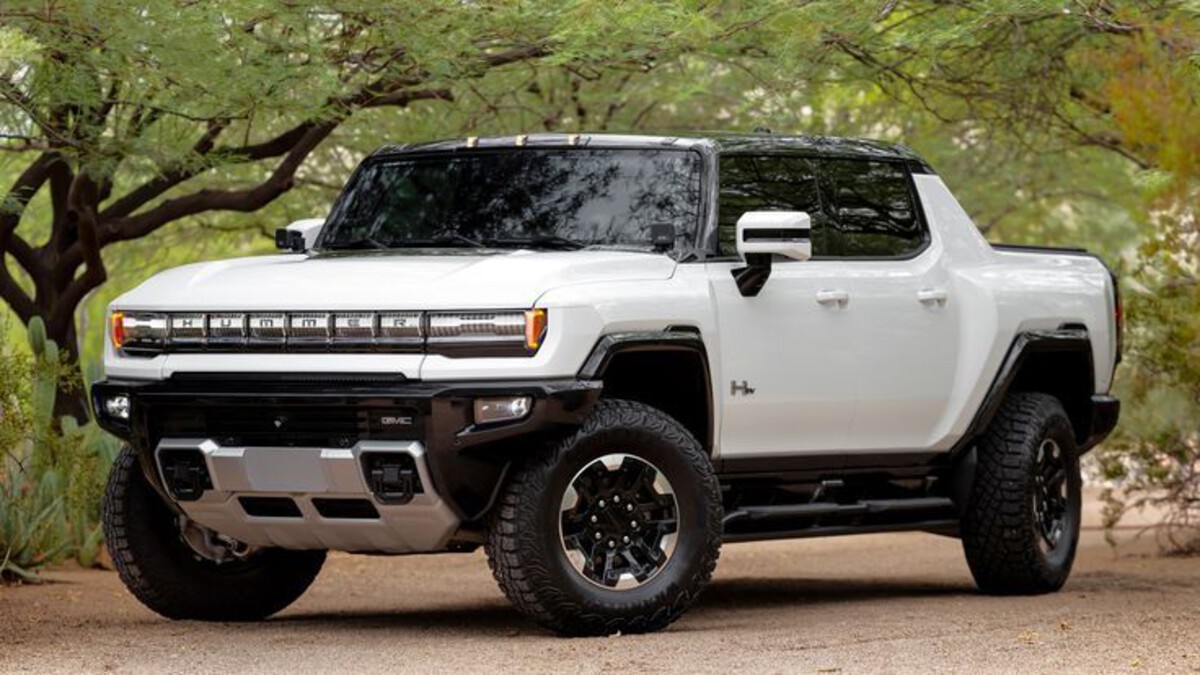
- Engine: Tri-motor all-electric system
- Horsepower: Up to 1,000 hp (Watts to Freedom mode)
- Torque: About 11,500 lb-ft (wheel torque)
- Length: 216.8 in
- Width: 86.7 in (without mirrors)
3. GMC Hummer EV Pickup
The GMC Hummer EV Pickup represents a new era of electric trucks, but its ownership costs remain substantial despite eliminating gasoline expenses. Its massive battery pack, advanced technology, and luxury positioning contribute to a high cost per mile.
The initial purchase price is among the highest in the truck market. Even though electric vehicles often reduce fueling costs, the substantial upfront investment creates significant depreciation exposure. Large purchase prices frequently translate into higher ownership expenses over time.
The truck’s immense weight accelerates tire wear. Replacement tires for a vehicle of this size are expensive, and owners may need replacements more frequently than expected. Tire expenses become a major factor in long-term ownership calculations.
Insurance costs are frequently higher because of the vehicle’s high value and the complexity of repairing its systems. Sophisticated sensors, battery technology, and other specialized parts can make collision repairs especially expensive. Insurers take these factors into account when calculating premiums.
Repair costs outside warranty coverage may also be substantial. The Hummer EV incorporates advanced technologies and unique engineering solutions that could require specialized service. Although electric vehicles generally have fewer moving parts than traditional trucks, expensive components can still drive up ownership costs significantly.
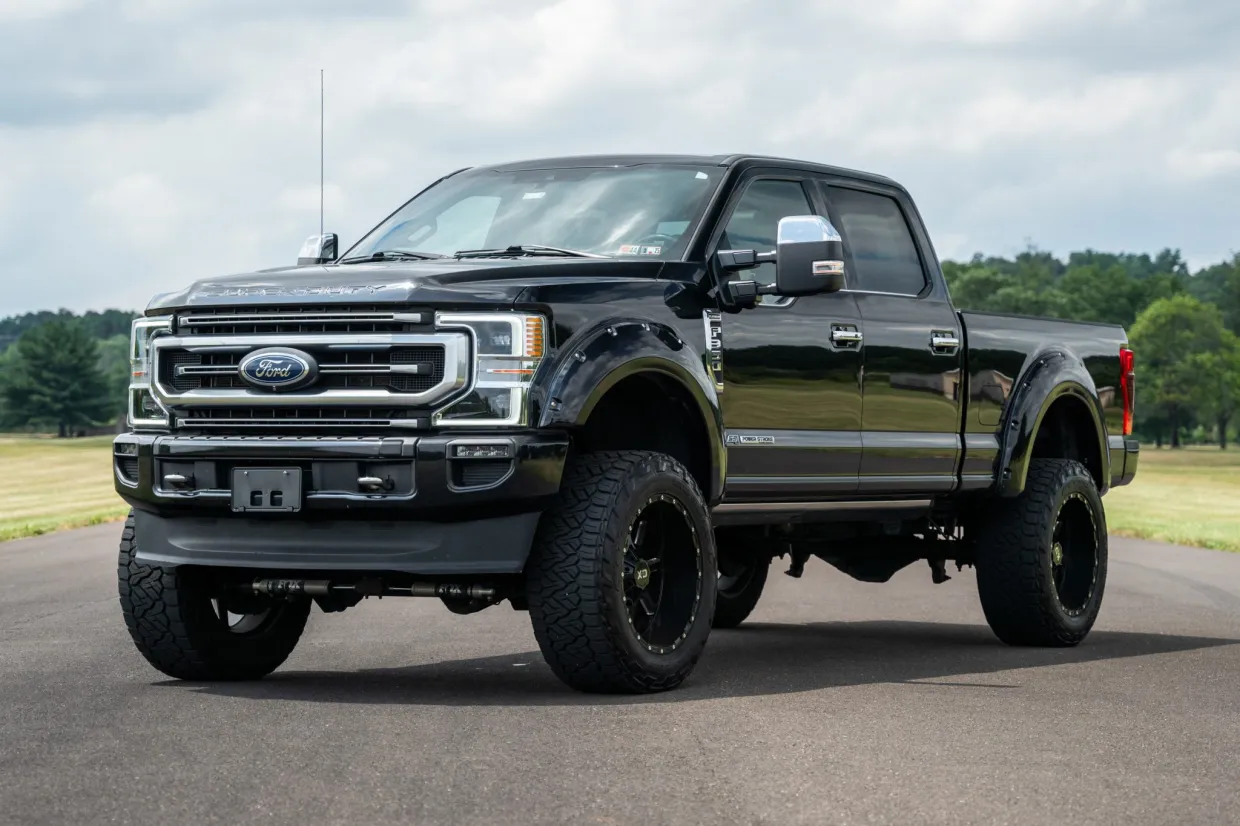
- Engine: 6.7L Power Stroke turbo diesel V8
- Horsepower: Up to 500 hp (high output version)
- Torque: Up to 1,200 lb-ft
- Length: About 266.2 in (crew cab long bed)
- Width: About 80.0 in (without mirrors)
4. Ford Super Duty F 350 Platinum
The Ford Super Duty F-350 Platinum combines heavy-duty capability with luxury features. While it excels at towing and hauling, operating such a large truck often results in a high cost per mile, especially for owners who do not regularly use its full capabilities.
Fuel expenses are a major consideration. Heavy-duty trucks consume more fuel than lighter pickups, particularly when equipped with powerful diesel or gasoline engines. Daily commuting in an F 350 can quickly become expensive compared to smaller alternatives.
Luxury trim levels introduce additional maintenance and repair considerations. Advanced technology systems, premium interiors, and sophisticated electronics increase the likelihood of costly repairs as the vehicle ages. Replacement parts are often more expensive than those for lower trim levels.
Insurance costs tend to be higher because of the truck’s value and replacement costs. The large size of the vehicle can also contribute to expensive repairs following collisions, which may influence insurance rates.
Depreciation affects ownership expenses as well. Although heavy-duty trucks often retain value reasonably well, luxury models carry higher purchase prices and therefore experience larger monetary depreciation losses over time.
Owners may also encounter higher maintenance expenses because of oversized brakes, tires, suspension parts, and drivetrain components. Together, these elements contribute to making the F-350 Platinum more expensive to run on a per-mile basis.
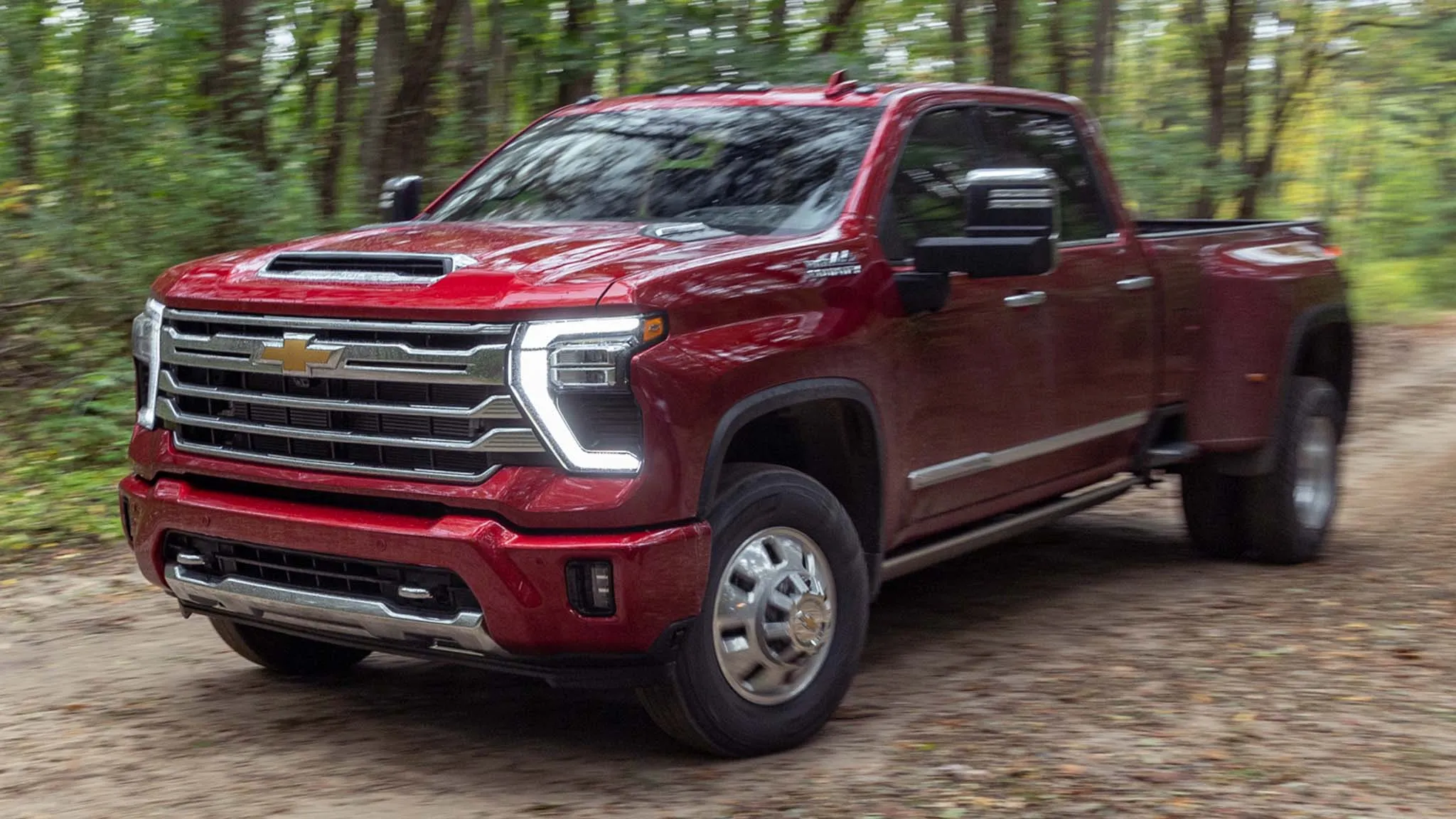
- Engine: 6.6L Duramax turbo diesel V8
- Horsepower: 470 hp
- Torque: 975 lb-ft
- Length: About 250.0 in (varies by bed/cab)
- Width: About 81.9 in (without mirrors)
5. Chevrolet Silverado HD High Country
The Chevrolet Silverado HD High Country is a premium heavy-duty pickup designed for both work and comfort. Its blend of capability and luxury creates ownership costs that can exceed those of standard truck models.
Large engines contribute significantly to fuel consumption. Whether equipped with a gasoline or diesel powertrain, the Silverado HD requires more fuel than most light-duty pickups. This difference becomes particularly noticeable over thousands of miles.
Luxury features add complexity and increase repair costs. Advanced infotainment systems, driver assistance technologies, and premium cabin materials can be expensive to repair or replace once the vehicle ages beyond warranty coverage.
Routine maintenance expenses are also higher due to the truck’s size and capabilities. Larger oil capacities, heavy-duty brakes, and substantial tire sizes contribute to more expensive service visits compared to standard pickups.
Insurance premiums often reflect the vehicle’s high value and repair costs. Owners may pay noticeably more for coverage than they would for smaller vehicles or less expensive truck models.
Depreciation further impacts the cost per mile calculation. Premium trims typically command higher initial prices, increasing the total amount lost through depreciation over the ownership period.
Also Read: How Much It Really Costs to Own a Truck for 5 Years
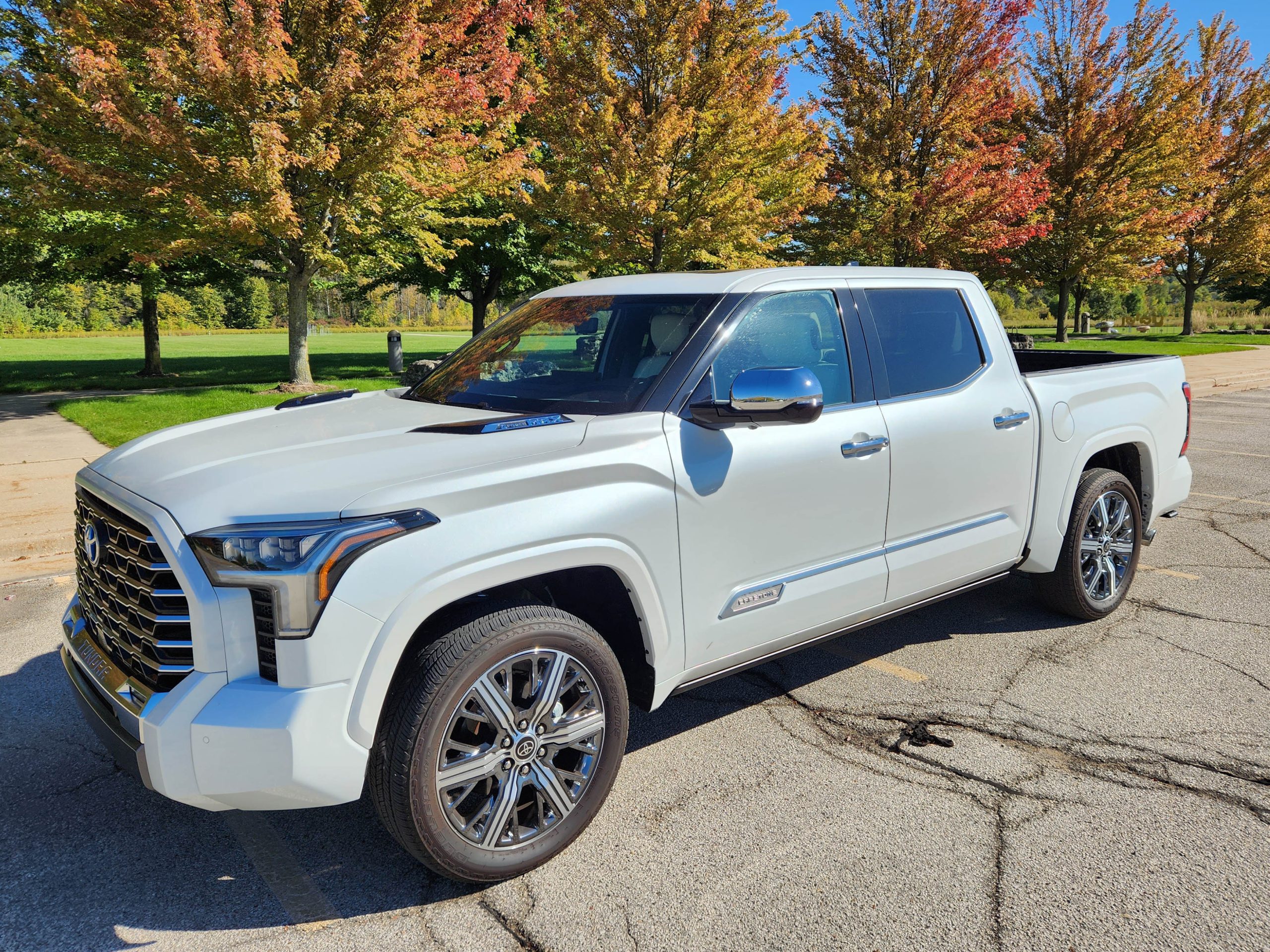
- Engine: 3.4L twin turbo V6 hybrid i-FORCE MAX
- Horsepower: 437 hp
- Torque: 583 lb-ft
- Length: About 233.6 in
- Width: About 80.2 in
6. Toyota Tundra Capstone
The Toyota Tundra Capstone represents the luxury flagship of the Tundra lineup. While Toyota enjoys a reputation for reliability, the Capstone’s premium pricing and advanced technology contribute to higher ownership costs than many buyers expect.
The initial purchase price places the truck among the most expensive full-size pickups. A higher starting price naturally increases depreciation exposure, even when resale values remain relatively strong.
Hybrid powertrain technology can improve fuel economy compared to traditional V8-powered competitors, but fuel costs remain significant because of the truck’s size and weight. Real-world efficiency often varies depending on driving habits and towing demands.
Luxury interiors and advanced electronics introduce potential repair costs. Premium seating materials, digital displays, and sophisticated safety systems can be expensive to replace if problems arise after warranty coverage expires.
Insurance premiums are typically higher because of the truck’s price and extensive feature set. Luxury trims often require more expensive comprehensive coverage than entry-level or mid-range models, reflecting their greater replacement and repair costs.
Maintenance expenses, while typically manageable compared to some competitors, can still be substantial because of large tires, premium components, and specialized hybrid systems. Together, these factors contribute to a higher-than-average cost per mile.
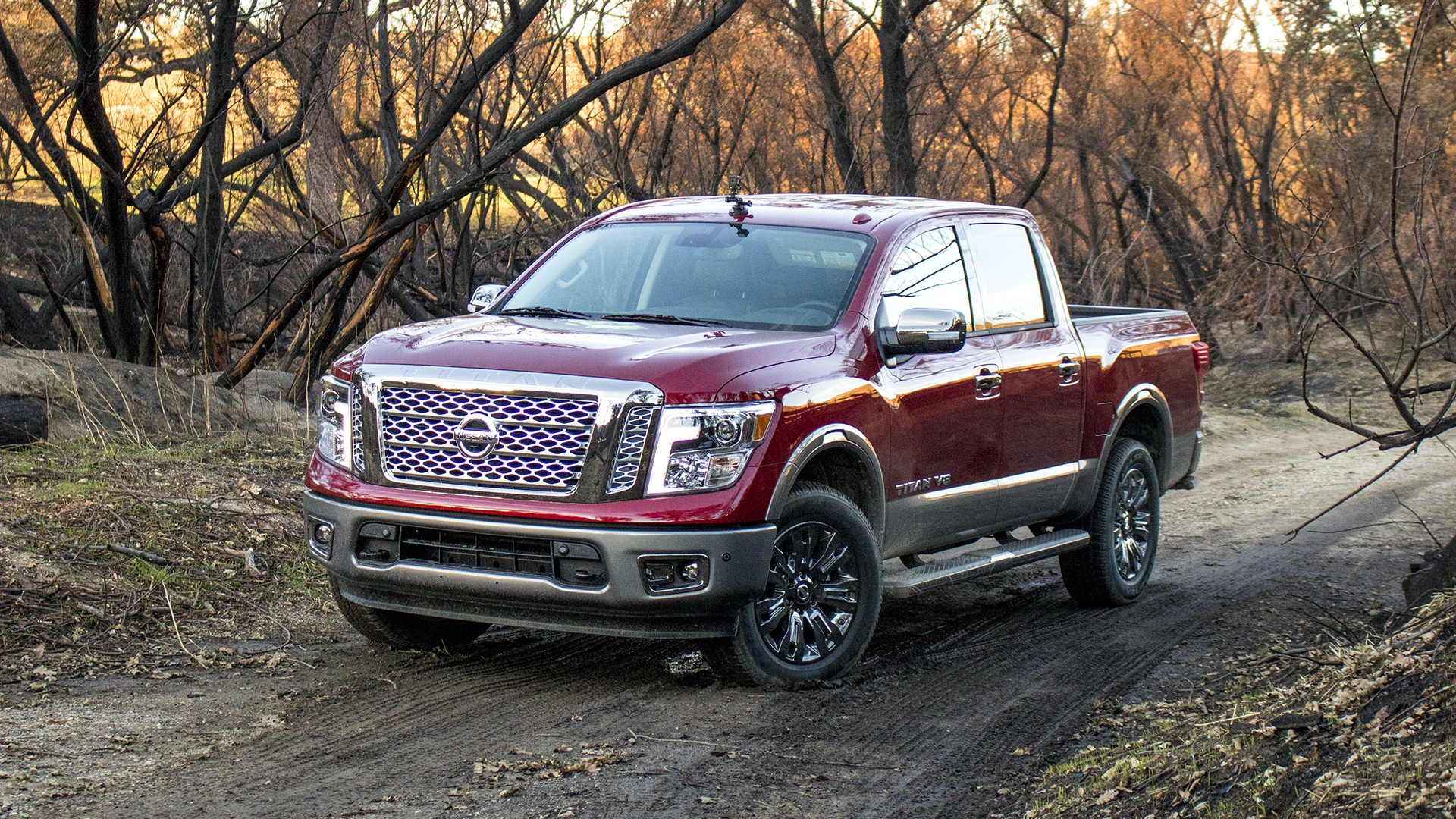
- Engine: 5.6L Endurance V8
- Horsepower: 400 hp
- Torque: 413 lb-ft
- Length: About 228.2 in
- Width: About 79.5 in
7. Nissan Titan Platinum Reserve
The Nissan Titan Platinum Reserve offers luxury features and V8 power, but ownership costs can be challenging when compared to competing trucks. Depreciation is often one of the biggest factors affecting its cost per mile.
Historically, the Titan has not retained value as strongly as some rivals. Faster depreciation means owners may lose a larger percentage of their investment during the ownership period. This loss significantly impacts total ownership costs.
Fuel economy is another area where the Titan struggles. Its naturally aspirated V8 engine provides strong performance but generally consumes more fuel than many modern turbocharged alternatives. Higher fuel expenses quickly accumulate over time.
Luxury trim features add to maintenance and repair costs. Premium technology systems and upscale cabin materials often require more expensive replacement parts when issues occur.
Insurance costs may not be as high as those of performance trucks, but they remain above average due to the vehicle’s value and size. Collision repairs can also be expensive because of modern safety systems and body components.
When depreciation, fuel consumption, maintenance, and insurance are combined, the Titan Platinum Reserve ranks among the more expensive trucks to own over the long term.
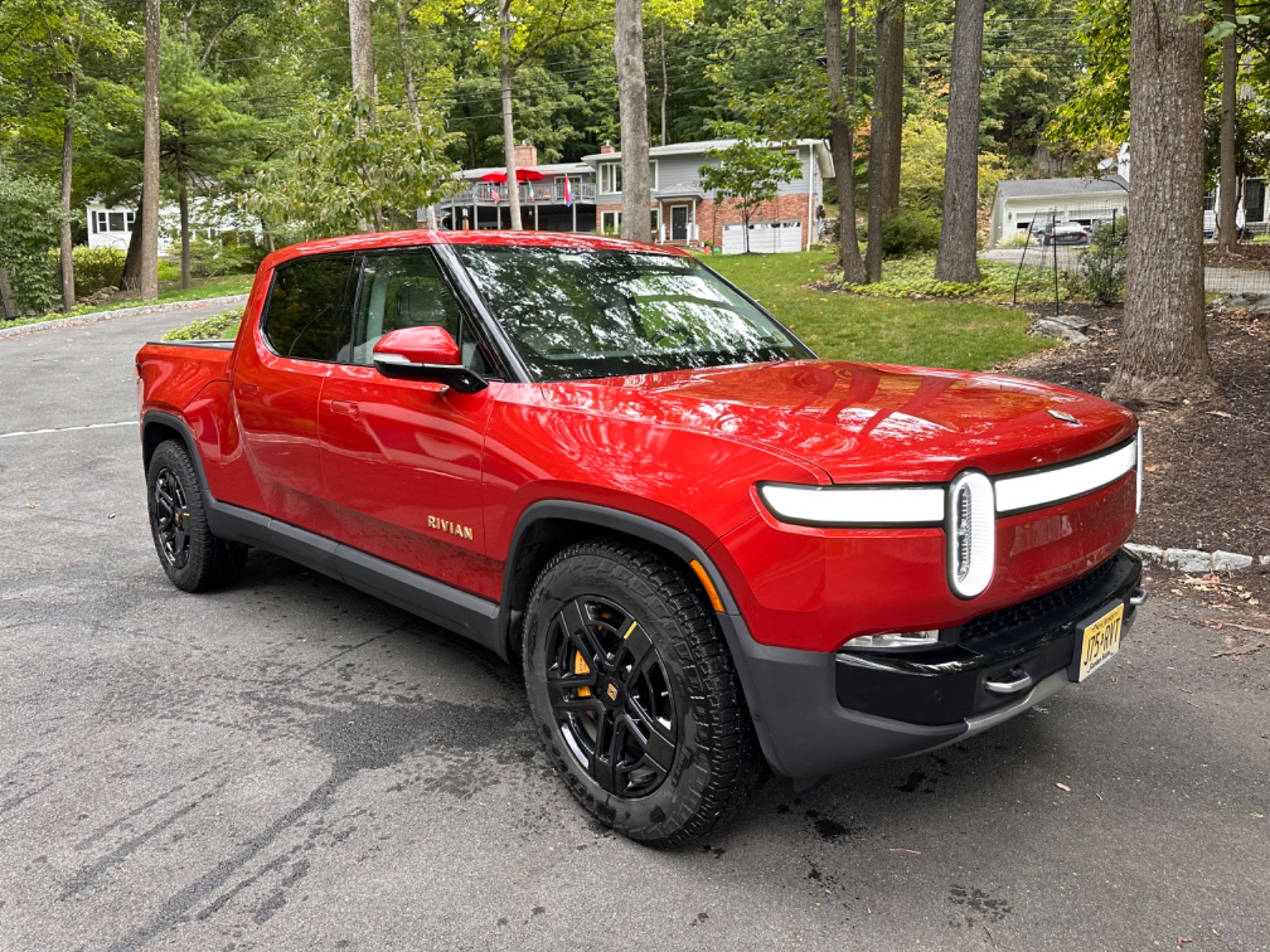
- Engine: Quad motor electric system (All Wheel Drive)
- Horsepower: Up to 835 hp (config dependent)
- Torque: About 908 lb-ft
- Length: 217.1 in
- Width: 79.3 in
8. Rivian R1T
The Rivian R1T has earned praise for innovation, performance, and electric efficiency, yet its cost per mile can still be surprisingly high. The truck’s premium pricing and advanced engineering contribute significantly to ownership expenses.
Purchase prices place the R1T firmly within the premium truck segment. Even with lower charging costs compared to gasoline vehicles, owners face substantial depreciation exposure due to the high initial investment.
Insurance rates can be higher because repairs often rely on more specialized service networks than those used for conventional truck brands. When certain parts are harder to source and repair work requires specific expertise, insurers tend to factor in that added risk when setting premiums.
Tire wear is another important consideration. The R1T delivers impressive performance and torque, which can accelerate tire replacement intervals. Large, specialized tires often come with premium pricing.
Technology-rich vehicles can also generate expensive repair bills if major systems require attention outside warranty coverage. Advanced battery systems, sensors, and electronic features increase complexity and potential repair costs.
While many owners save money on energy expenses, ownership costs remain high enough to place the Rivian R1T among the more expensive trucks on a per-mile basis.
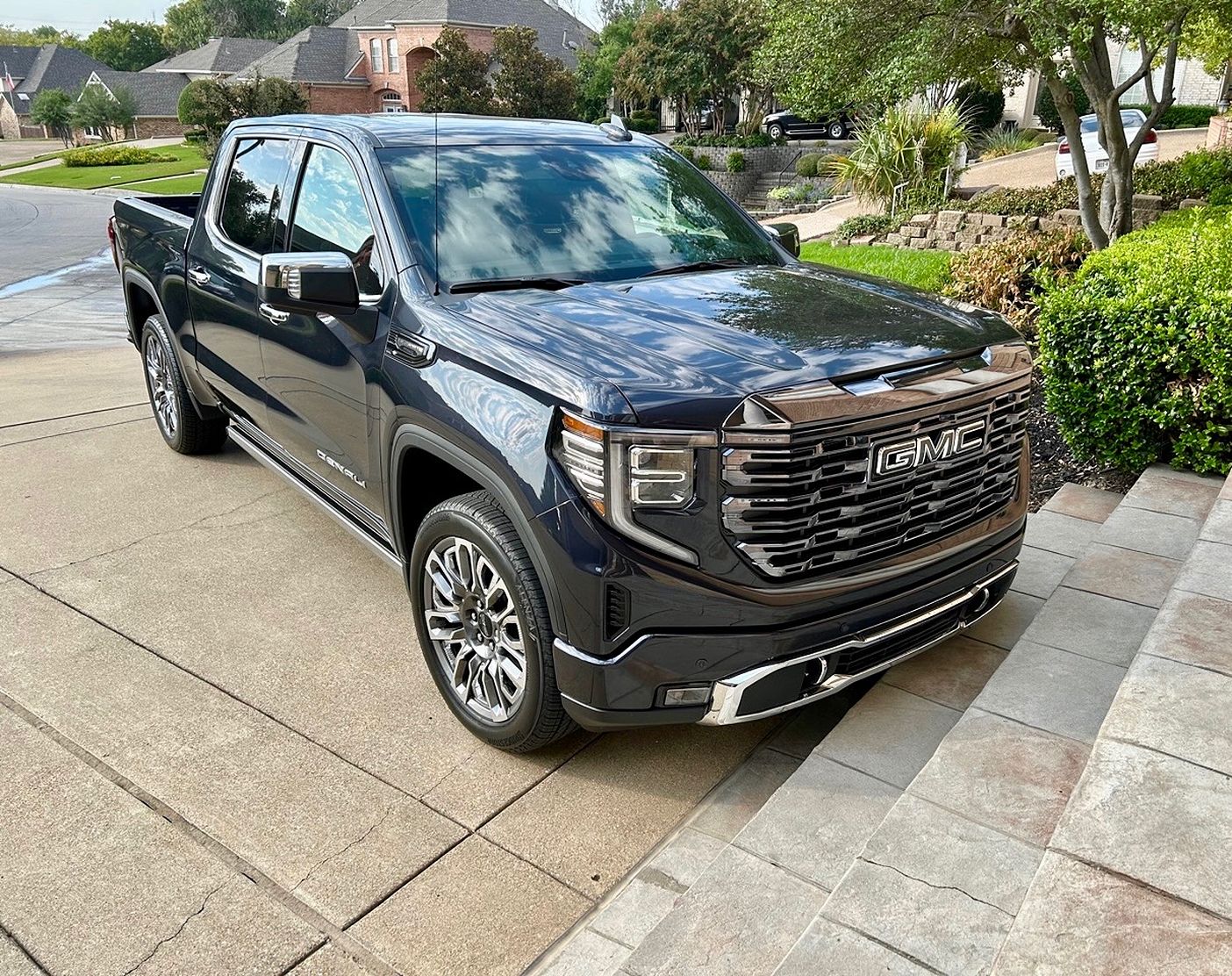
- Engine: 6.2L V8
- Horsepower: 420 hp
- Torque: 460 lb-ft
- Length: About 231.9 in
- Width: About 81.2 in
9. GMC Sierra 1500 Denali Ultimate
The GMC Sierra 1500 Denali Ultimate represents luxury at the top of the Sierra lineup. Packed with premium materials and advanced technology, it offers exceptional comfort but also carries substantial ownership expenses.
The purchase price rivals many luxury SUVs, creating significant depreciation costs over time. Even strong resale values cannot completely offset the impact of a high initial investment.
Premium engines and Four Wheel Drive systems contribute to fuel consumption that exceeds that of many smaller vehicles. Owners who drive long distances may find fuel expenses accumulating quickly.
Luxury features increase both maintenance complexity and repair costs. High-end audio systems, advanced driver assistance technologies, and upscale interior materials often require expensive components and specialized service.
Insurance premiums generally reflect the vehicle’s luxury status and repair costs. Even minor collisions can result in costly repairs due to sophisticated sensors and premium body components.
The combination of depreciation, fuel expenses, insurance costs, and maintenance requirements makes the Sierra Denali Ultimate one of the more expensive trucks to operate over the long term.
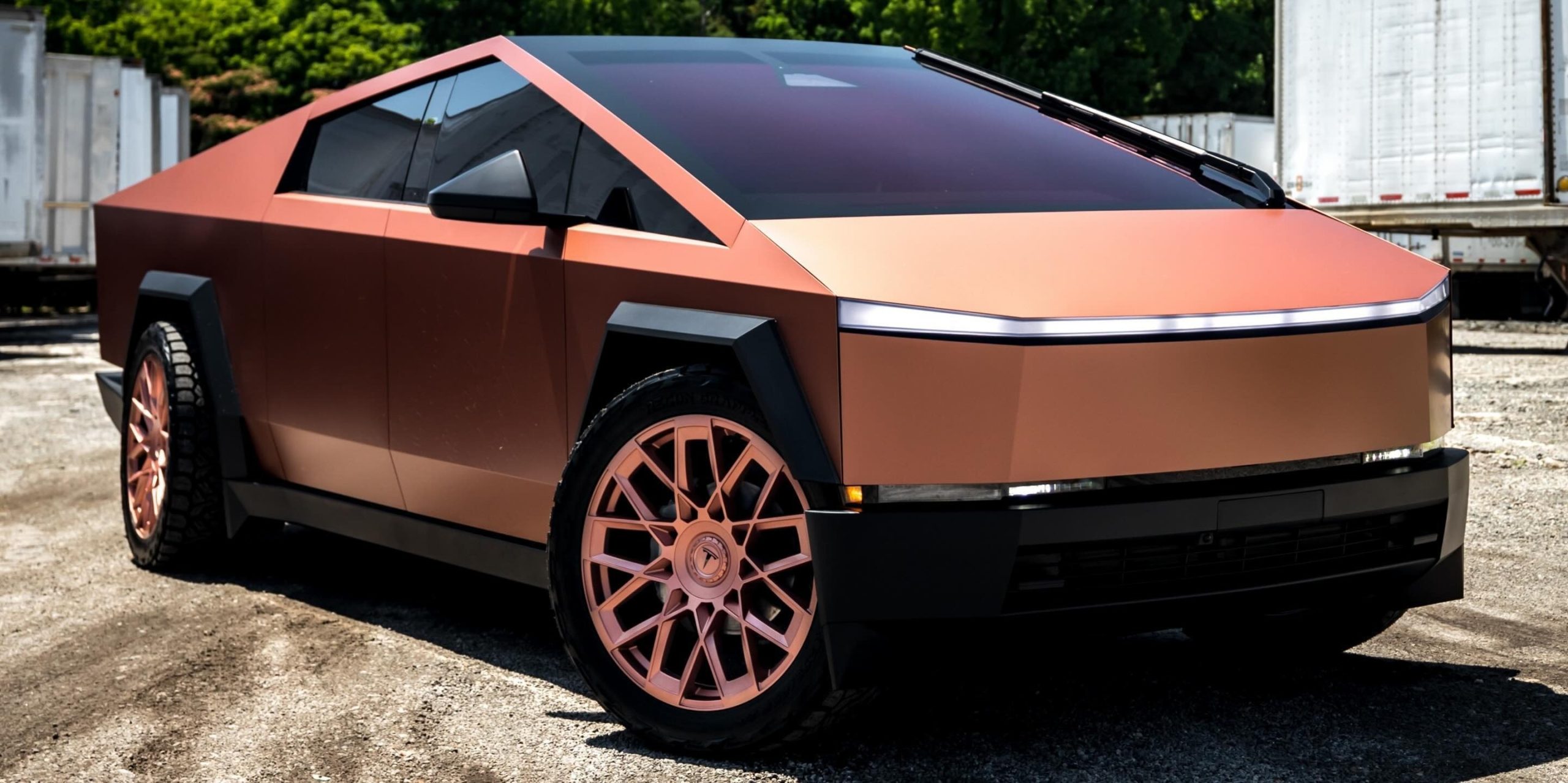
- Engine: Tri motor all-electric system
- Horsepower: About 845 hp
- Torque: About 10,296 lb-ft (wheel torque)
- Length: 223.7 in
- Width: 86.6 in
10. Tesla Cybertruck Cyberbeast
The Tesla Cybertruck Cyberbeast is one of the most powerful and technologically advanced trucks available today. Its cutting-edge design and performance capabilities make it highly desirable, but ownership costs can be substantial.
The purchase price is significantly higher than that of many traditional pickups. This premium cost increases depreciation exposure and raises the financial commitment required for ownership.
Insurance remains one of the most discussed ownership expenses. Due to the truck’s unique construction, advanced technology, and high repair costs, insurance premiums can be noticeably higher than average.
Repair costs can also be higher due to the use of specialized components and production techniques. Vehicles with distinctive body designs often need dedicated equipment and skilled technicians, which can make repairs more complex and expensive.
Tire replacement can become expensive due to the vehicle’s performance capabilities and weight. Owners who frequently utilize the truck’s acceleration potential may experience accelerated tire wear.
Although charging costs can be lower than gasoline expenses, the combination of purchase price, insurance, depreciation, and maintenance-related factors contributes to a high cost per mile.
