
Electric vehicles have transformed the global transportation industry by offering a cleaner alternative to traditional gasoline and diesel-powered vehicles. Governments, manufacturers, and consumers increasingly view electric mobility as an important part of reducing greenhouse gas emissions and improving air quality.
As the adoption of electric vehicles continues to accelerate across the world, a new question has emerged regarding the long-term management of electric vehicle batteries. While much attention is given to battery performance, charging infrastructure, and driving range, fewer people understand what happens to these batteries once a vehicle reaches the end of its life.
Since electric vehicle batteries contain valuable materials such as lithium, nickel, cobalt, manganese, copper, and aluminum, they represent both an environmental challenge and an economic opportunity.
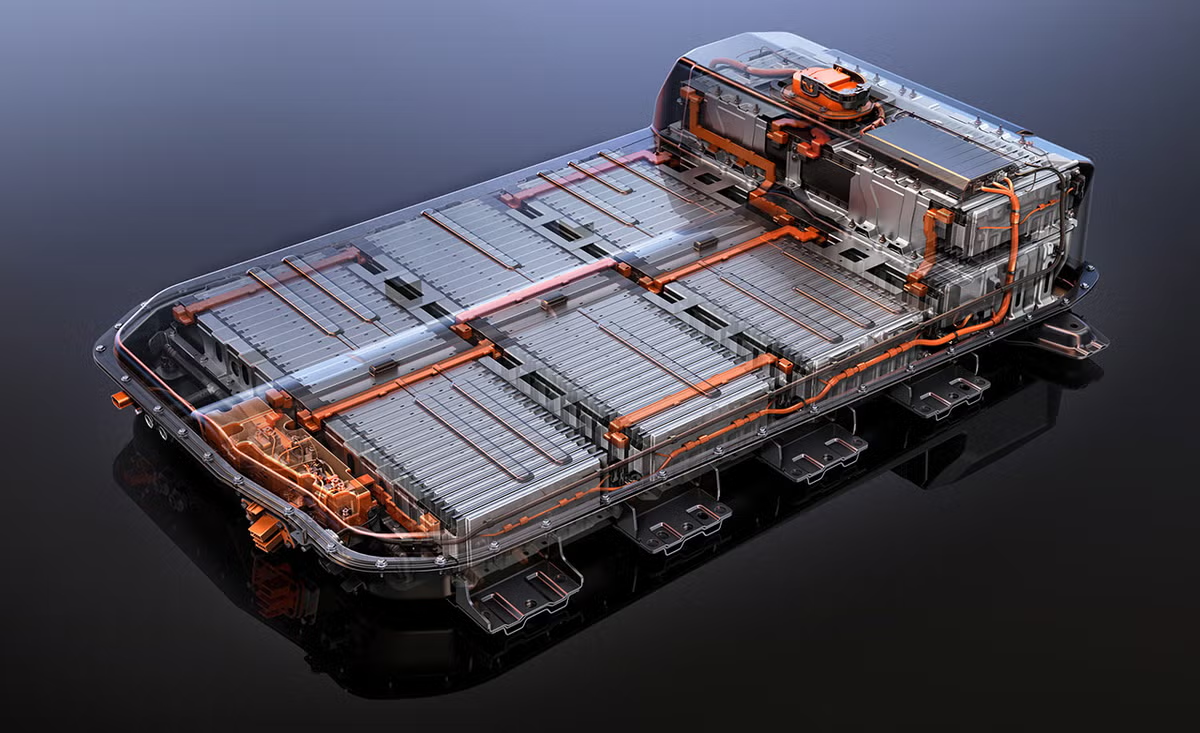
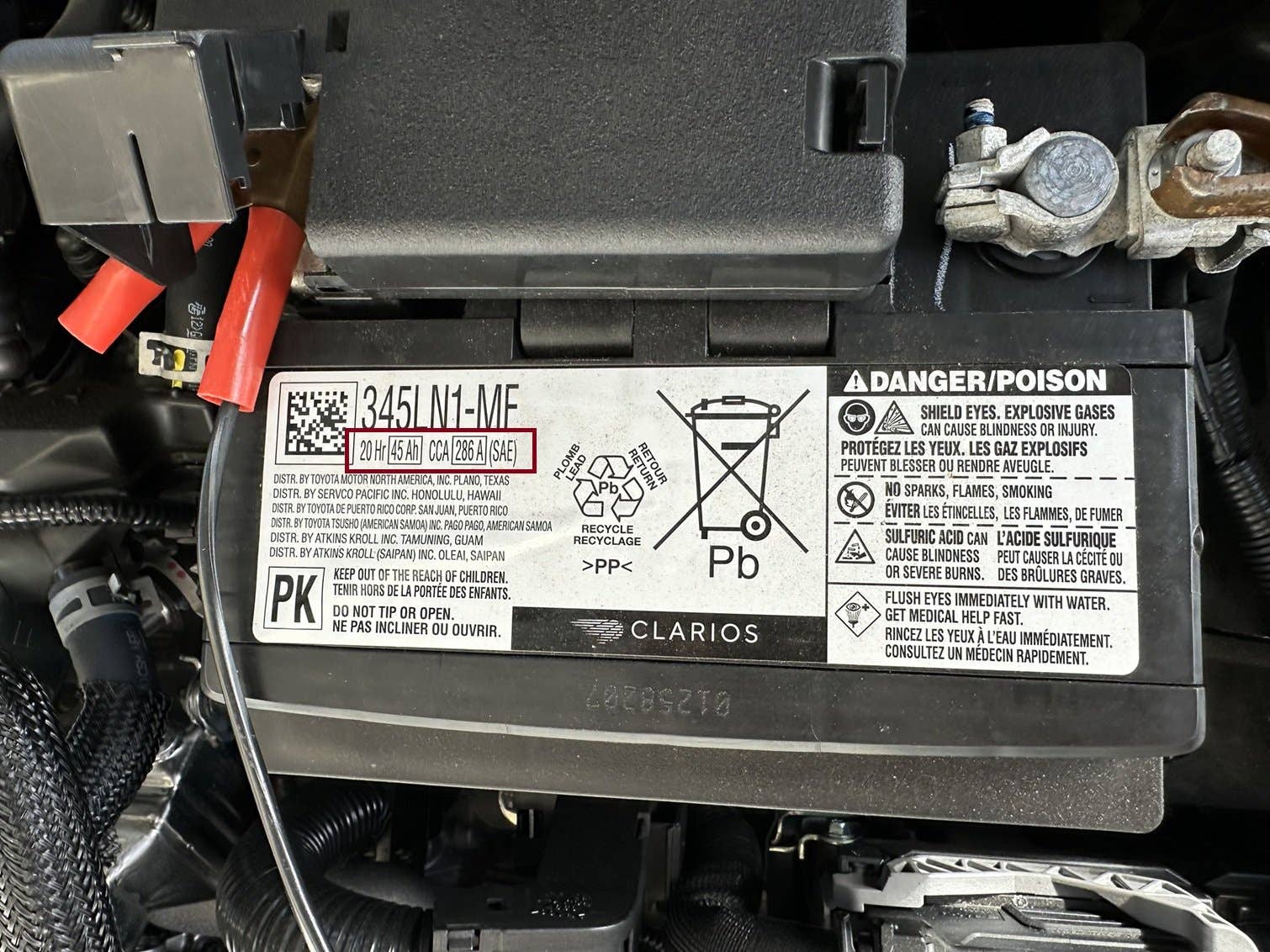
Conventional car batteries are typically small and straightforward to replace, but electric vehicle batteries are much larger and far more complex, built for long-term use over many years. Even after a vehicle reaches the end of its life, most modern EV batteries still hold a substantial share of their original capacity.
This means that a battery removed from an old electric car may still have enough energy storage capability to serve useful purposes in other applications. As a result, manufacturers, recycling companies, researchers, and policymakers are developing innovative methods to extend battery life, recover valuable materials, and reduce waste.
The journey of an electric vehicle battery does not end when the vehicle reaches a scrapyard. Instead, the battery enters a carefully managed process involving inspection, testing, repurposing, recycling, and material recovery.
These steps are essential for creating a sustainable battery ecosystem that supports the continued growth of electric transportation. Effective battery management can reduce the need for new mining operations, lower production costs, and minimize environmental impacts associated with battery manufacturing.
Understanding what happens to electric vehicle batteries after a car is scrapped provides valuable insight into the broader sustainability of electric mobility. It also highlights the importance of circular economy principles, where products and materials are reused and recycled rather than discarded.
As technology advances and the number of retired electric vehicles grows, battery recycling and reuse will become increasingly important components of the global energy transition.
This article explores the complete lifecycle of electric vehicle batteries after a vehicle is scrapped, examining the processes, challenges, opportunities, and future developments shaping this rapidly evolving industry.
Also Read: What a 10-Year-Old Tacoma Sells For Today?
The Lifespan of Electric Vehicle Batteries
Electric vehicle batteries are engineered to last much longer than many consumers initially expect. Most manufacturers provide battery warranties ranging from eight to ten years, often guaranteeing a specific level of battery capacity throughout that period.
In practice, many batteries continue operating effectively well beyond the warranty period. Advanced battery management systems monitor temperature, charging patterns, and energy usage to reduce degradation and extend battery life.
Battery degradation occurs gradually over time due to charging cycles, environmental conditions, and usage patterns. However, modern lithium-ion batteries are highly durable and typically retain a substantial percentage of their original capacity even after years of operation.
Many electric vehicle batteries still possess between seventy and eighty percent of their original storage capability when the vehicle itself reaches the end of its useful life.
The condition of a retired battery depends on several factors, including climate, charging habits, vehicle usage, and maintenance practices. Batteries used in moderate climates often experience slower degradation than those exposed to extreme temperatures. Similarly, consistent fast charging may accelerate wear compared to slower charging methods under certain conditions.
When a vehicle is scrapped, technicians perform detailed diagnostic tests to evaluate battery health. These assessments help determine whether the battery can be reused, repurposed, repaired, or recycled. Sophisticated testing equipment measures capacity, internal resistance, voltage stability, and performance.
The relatively long lifespan of electric vehicle batteries is one reason they play a crucial role in sustainability strategies. Rather than becoming immediate waste, these batteries often enter a second phase of useful service, contributing additional value before eventual recycling.
Battery Removal and Safety Procedures
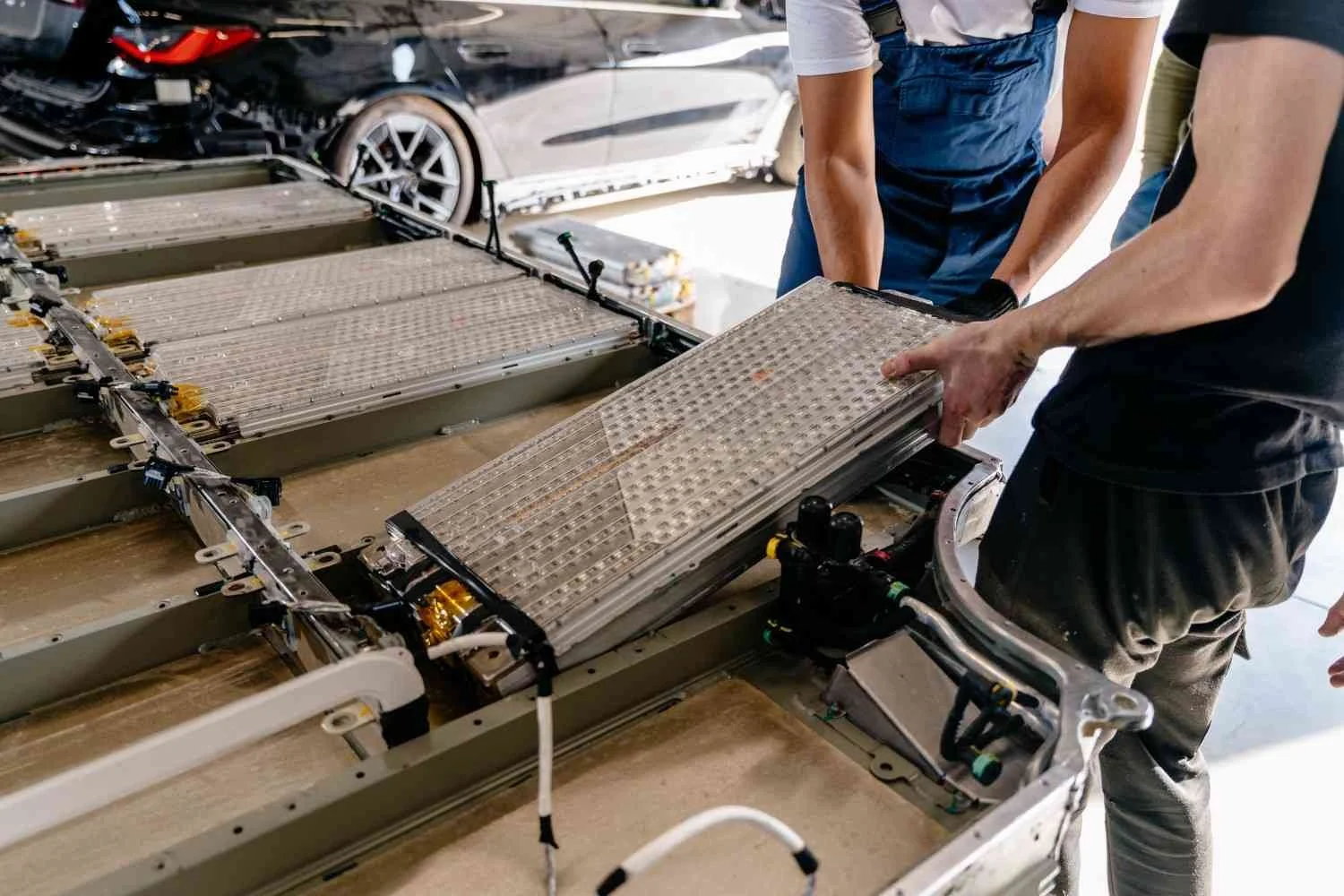
Removing an electric vehicle battery is a highly specialized task that must be carried out by trained technicians following strict safety procedures. High-voltage battery systems differ from conventional automotive parts because they can retain substantial electrical energy, making improper handling potentially dangerous.
The removal process begins with disconnecting the vehicle’s electrical systems and ensuring that all power sources are safely isolated. Technicians use protective equipment specifically designed for high-voltage environments. Specialized tools and insulated equipment help minimize the risk of electrical shock during disassembly.
Once the battery pack is removed from the vehicle, it undergoes a comprehensive inspection. Experts examine the battery housing, cooling systems, electrical connections, and individual battery modules for signs of damage or degradation. This inspection helps determine the most appropriate next step in the battery’s lifecycle.
Transportation of retired batteries is also carefully regulated. Damaged or defective batteries may present fire risks if not properly packaged and handled. Many countries have established strict guidelines governing battery storage, transportation, and processing to ensure public and environmental safety.
Proper battery removal represents the foundation of the entire battery recovery process. Safe handling protects workers, prevents environmental contamination, and ensures that valuable battery materials remain available for reuse or recycling.
Second Life Applications for EV Batteries
One of the most promising developments in battery sustainability is the concept of second-life applications. Even when an electric vehicle battery no longer meets the performance requirements of automotive use, it often retains enough capacity for less demanding applications.
Energy storage systems represent one of the most common second-life uses. Retired batteries can store electricity generated from renewable sources such as solar panels and wind turbines. This stored energy can then be used during periods of high demand or when renewable generation is unavailable.
Residential energy storage is another growing application. Homeowners can utilize repurposed electric vehicle batteries to reduce dependence on the electrical grid, increase energy resilience, and improve the efficiency of renewable energy systems. These batteries can provide backup power during outages and help manage household electricity consumption.
Commercial and industrial facilities are increasingly adopting second-life battery systems. Businesses use these systems to reduce peak electricity demand charges, improve energy management, and support sustainability goals. Large battery installations can provide significant economic and operational benefits.
Electric utilities also recognize the value of repurposed batteries. Grid-scale storage projects help stabilize electricity networks, balance supply and demand, and integrate renewable energy resources more effectively. By extending battery life through second-life applications, society extracts additional value from existing resources.
The expansion of second-life battery markets contributes to a more circular economy and reduces the environmental footprint associated with battery production and disposal.
The EV Battery Recycling Process
Eventually, every battery reaches a point where reuse is no longer practical. At this stage, recycling becomes the primary solution for recovering valuable materials and preventing waste. Battery recycling is a complex process involving multiple technical steps.
The first stage typically involves discharging the battery to eliminate any remaining electrical energy. This step reduces safety risks and prepares the battery for further processing. Technicians then dismantle the battery pack into individual components, separating modules, wiring, electronics, and structural materials.
Mechanical processing often follows. Batteries may be shredded or broken down into smaller pieces under controlled conditions. This process creates a mixture of materials that can be sorted and refined. Valuable metals and other components are separated using specialized equipment.
Several recycling methods are used within the industry. Pyrometallurgical recycling employs high temperatures to recover metals, while hydrometallurgical recycling uses chemical solutions to extract valuable materials. Emerging technologies combine elements of both approaches to improve efficiency and recovery rates.
The recovered materials are then refined and prepared for reuse in manufacturing. Recycled lithium, nickel, cobalt, copper, and other materials can be incorporated into new batteries and various industrial products. This reduces the need for raw material extraction and supports resource conservation efforts.
As battery volumes increase globally, recycling infrastructure continues to expand, creating new opportunities for sustainable material management and economic growth.
Also Read: How Much It Really Costs to Own a Truck for 5 Years
Valuable Materials Recovered from EV Batteries
Electric vehicle batteries contain numerous materials that are valuable both economically and strategically. Recovering these materials represents one of the primary goals of battery recycling programs around the world.
Lithium is perhaps the most widely recognized battery material. It plays a critical role in energy storage and remains in high demand as electric vehicle adoption grows. Recycling helps supplement lithium supplies and reduce pressure on mining operations.
Nickel is another important component found in many battery chemistries. High nickel batteries offer increased energy density, making nickel recovery particularly valuable for future battery production. Efficient recycling processes can recover substantial quantities of this metal.
Cobalt has historically been used in many lithium-ion batteries to improve stability and performance. Because cobalt mining has raised environmental and ethical concerns in some regions, recycling provides an important alternative source of supply.
Copper and aluminum are present throughout battery packs and electrical systems. These metals are highly recyclable and can be reused repeatedly without significant loss of quality. Their recovery contributes to both environmental and economic benefits.
Additional materials such as manganese, graphite, plastics, and steel may also be recovered and reused. The growing value of these resources is driving investment in advanced recycling technologies capable of maximizing material recovery rates.
Environmental Benefits of Battery Recycling
Battery recycling delivers substantial environmental advantages that support the broader sustainability goals associated with electric transportation. By recovering materials from used batteries, recycling reduces the demand for newly mined resources.
Mining operations often require significant land use, water consumption, and energy inputs. Although mining remains necessary, increased recycling can reduce the intensity of future resource extraction. This helps preserve natural ecosystems and lowers environmental impacts.
Recycling also decreases waste generation. Without proper management, retired batteries could occupy landfill space and create potential environmental hazards. Effective recycling ensures that battery components remain within productive economic cycles.
Energy savings represent another important benefit. Producing materials from recycled sources often requires less energy than extracting and refining virgin resources. Lower energy consumption can contribute to reduced greenhouse gas emissions across the battery supply chain.
The environmental advantages extend beyond individual batteries. A robust recycling system supports the development of a circular economy, where resources are continually reused and repurposed. This approach aligns with long-term sustainability objectives and promotes responsible resource management.
As electric vehicle adoption expands, the environmental importance of battery recycling will continue to grow, making it a critical component of future transportation systems.
Challenges Facing the EV Battery Recycling Industry
Despite significant progress, the battery recycling industry faces several challenges that must be addressed to support future demand. One major challenge involves the diversity of battery designs and chemistries currently used by manufacturers.
Different battery configurations require different processing techniques. This complexity can increase costs and create logistical difficulties for recycling facilities. Standardization efforts may help improve efficiency in the future.
Economic factors also influence recycling operations. Market prices for recovered materials fluctuate over time, affecting profitability. Recycling companies must balance operational expenses with material recovery values to maintain sustainable business models.
Transportation and collection networks represent another challenge. Efficiently gathering retired batteries from numerous locations requires coordinated infrastructure and regulatory support. As battery volumes increase, logistics systems must continue evolving.
Technological development remains essential. Existing recycling methods continue to improve, but researchers are working to increase recovery rates, reduce energy consumption, and lower processing costs. Innovation will play a key role in enhancing industry performance.
Regulatory frameworks must also adapt to changing market conditions. Governments worldwide are introducing policies designed to encourage battery recycling, promote producer responsibility, and establish standards for sustainable battery management.
The Future of EV Battery End-of-Life Management
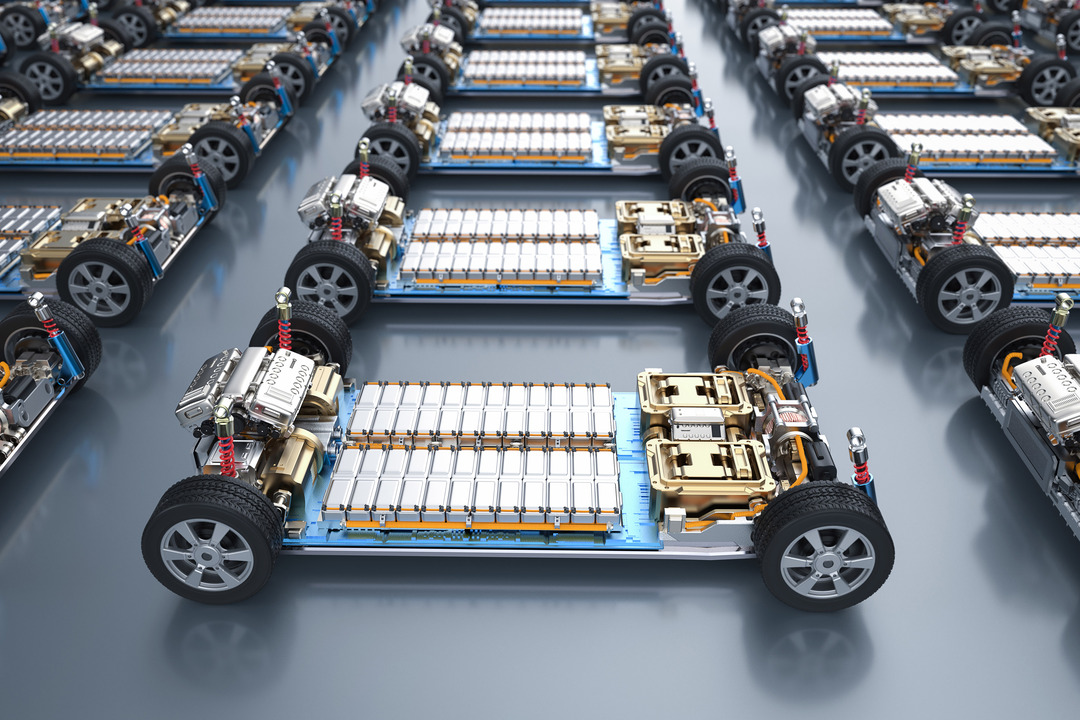
The future of electric vehicle battery management is closely connected to advancements in technology, policy, and industrial collaboration. As millions of electric vehicles enter service globally, end-of-life battery strategies will become increasingly important.
Battery manufacturers are investing in designs that simplify disassembly and recycling. Improved battery architecture can reduce processing costs and increase material recovery efficiency. Design for recycling principles are expected to gain greater prominence in future battery development.
Artificial intelligence and advanced diagnostic systems may improve battery assessment and sorting processes. These technologies can help identify the most suitable pathways for reuse, refurbishment, or recycling, maximizing resource value.
The expansion of second-life battery markets is likely to continue. Growing demand for energy storage solutions creates opportunities for retired vehicle batteries to serve productive roles before recycling. This additional lifecycle stage enhances sustainability and economic value.
Governments and international organizations are also strengthening regulations related to battery traceability, recycling targets, and material recovery requirements. These policies encourage investment and support the creation of more sustainable supply chains.
The future points toward a highly integrated circular battery economy where materials continuously flow through production, usage, reuse, and recycling systems. Such an approach will help ensure that electric mobility remains environmentally responsible and economically viable.
