
Buying a brand-new car is one of the most exciting purchases most people will ever make. You pick the color, choose the trim, sign the paperwork, and drive away feeling like everything is exactly right. Then reality arrives. Sometimes it arrives as a repair bill that nobody warned you about.
Sometimes it shows up as a monthly payment that feels manageable until it suddenly does not. And sometimes it is something as simple as a seat that hurts your back after a 45-minute commute or a back seat so cramped that your family refuses to ride in it.
According to automotive data from iSeeCars, roughly 1.5% to 3.5% of new car buyers experience immediate buyer’s remorse strong enough to push them back to the dealership within the first twelve months. That is a known pattern, and it is not random.
Certain vehicles show up on early resale lists far more often than others, and the reasons follow predictable patterns: luxury costs that outpace budgets, reliability problems that surface early, or practical shortcomings that only become obvious after daily use.
Here are the nine vehicles that owners sell most often within their first year of ownership, along with the honest reasons behind each exit.
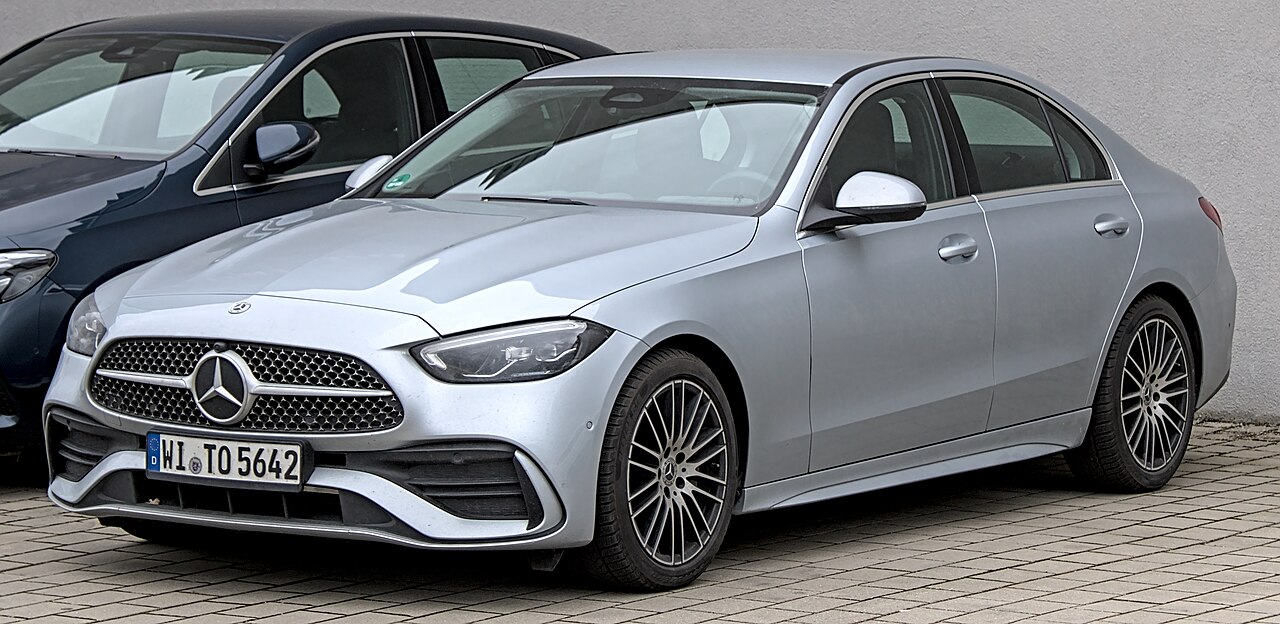
1. Mercedes-Benz C-Class
- Engine: 2.0L Turbo 4-Cylinder
- Horsepower: 255 hp
- Torque: 295 lb-ft
- Size: 187.0 in. Long x 71.7 in. Wide
At the time of purchase, stretching your budget for a Mercedes-Benz C-Class can feel like a smart move. The badge carries strong recognition, the design feels upscale, and it is easy to justify the higher monthly payment. For a short while, that reasoning holds up. Then routine maintenance enters the picture, and the experience begins to change.
Service costs for European luxury cars are often higher than many buyers expect, and the C-Class is a clear example. Even basic maintenance like an oil change costs more than it would for a non-luxury vehicle. This comes down to specialized oil requirements, dealership-level tools, and higher labor rates tied to the brand.
Someone who purchased a 2024 C-Class 300 at around $47,000 may quickly realize that ownership expenses go well beyond the monthly payment, creating ongoing financial pressure. Buyers who choose the base trim to access the brand name sometimes feel a gap between expectations and reality.
While the car is well-made, it may lack features shown in advertisements, such as premium audio, advanced lighting, or upgraded interior details. That difference can leave some owners feeling like they paid for a luxury label without receiving the full experience.
Resale value adds another challenge. Early depreciation tends to be steep, and owners may find that trading the car after a short period results in a larger financial loss than expected. Faced with rising maintenance costs and declining value, some decide to sell sooner than planned, which explains why the C-Class often appears among vehicles resold within the first year.
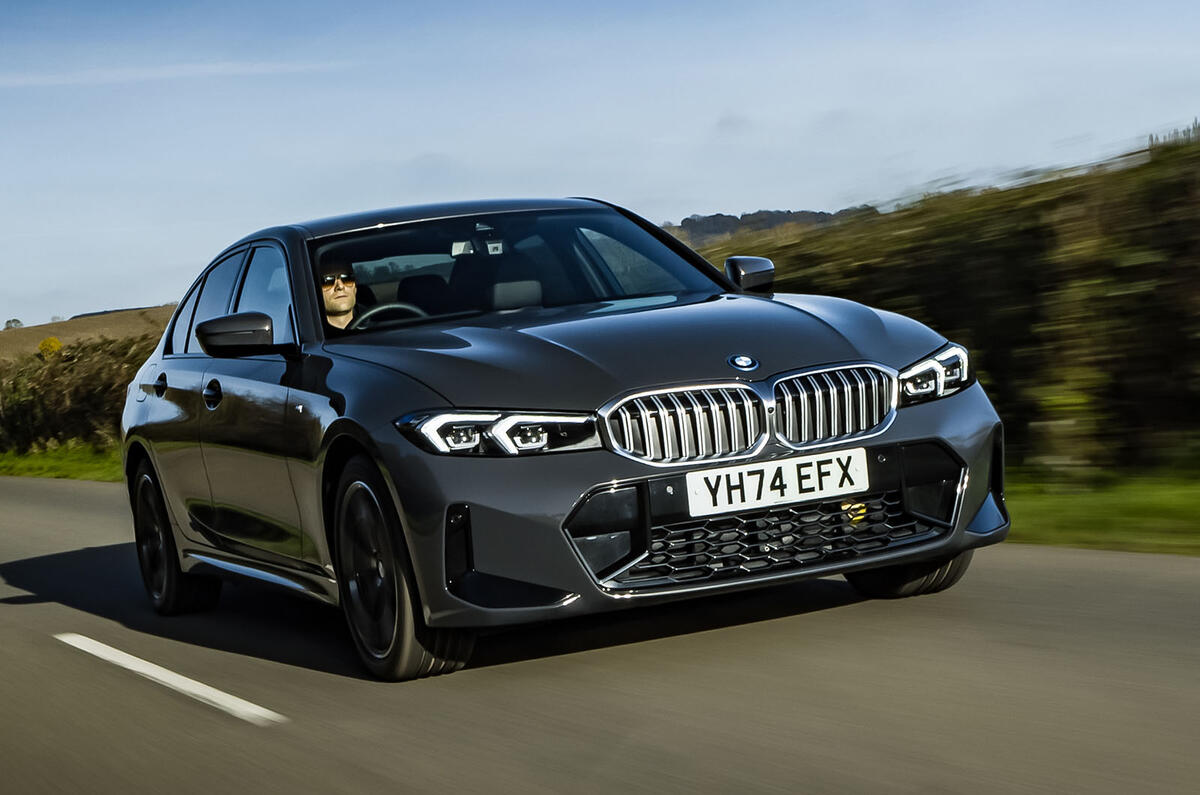
2. BMW 3 Series
- Engine: 2.0L Turbo 4-Cylinder or 3.0L Turbo Inline-6
- Horsepower: 255 to 382 hp
- Torque: 295 to 369 lb-ft
- Size: 185.7 in. Long x 71.9 in. Wide
A closer look at early resale trends for the BMW 3 Series shows that two very different groups are responsible for the steady flow of nearly new models entering the market. Each group plays a separate role, and together they help explain why this popular sedan appears so often in first-year resale data.
One major source comes from dealership operations. BMW dealers frequently use the 3 Series as service loaner vehicles, giving customers temporary transportation while their own cars are being repaired. These cars are typically cycled out after about 10 to 12 months and then sold as used vehicles.
Because of this practice, many low-mileage 3 Series listings were never owned by a single private driver, which increases the number of early resale units beyond what buyer dissatisfaction alone would suggest. A different pattern appears among private owners. Some buyers are drawn to the 3 Series for its sharp handling and sporty character, but that same tuning can feel too firm for daily driving.
Models like the 2024 BMW 330i or M340i xDrive prioritize responsiveness, which can lead to a rougher ride on uneven city roads. Commutes filled with bumps and imperfections can turn what felt exciting during a short test drive into something tiring after regular use.
That realization leads some owners to sell sooner than expected. When higher maintenance costs are added to the equation, similar to other luxury brands, the result is a mix of practical concerns and comfort preferences that push certain buyers to move on within the first year.
Also Read: 8 Vehicles Holding Value Best Despite a Shaky Market
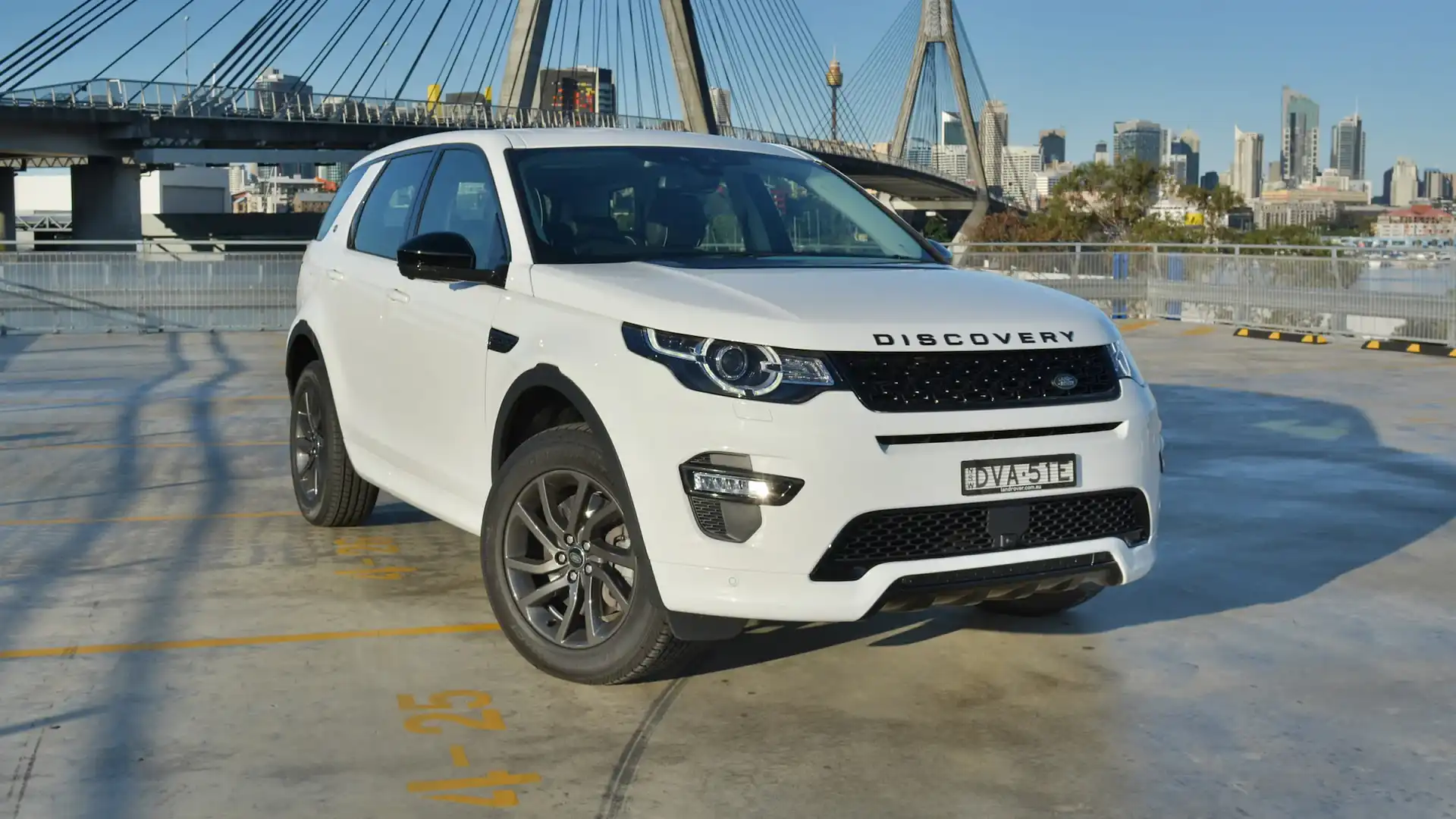
3. Land Rover Discovery Sport
- Engine: 2.0L Turbo 4-Cylinder
- Horsepower: 246 hp
- Torque: 269 lb-ft
- Size: 181.0 in. Long x 75.0 in. Wide
Buying a Land Rover Discovery Sport is a choice driven by a specific kind of appeal: a capable, premium SUV with genuine off-road credentials and a distinctive British character that separates it from the Japanese and German alternatives filling most upscale driveways.
What buyers do not always anticipate is the electronic reliability record that has followed Land Rover products through multiple model generations and continues to generate early surrender decisions at a rate that keeps the Discovery Sport on first-year resale lists.
Electronic and software issues are the primary complaint driving early Discovery Sport resales. Owners report infotainment screens freezing during routine operation, dashboard warning lights appearing without a clear cause, and system resets that require dealership visits to resolve.
For a vehicle in the $50,000 price range, these experiences create a trust problem that goes beyond simple inconvenience. A buyer who sees their infotainment screen go dark while merging onto a highway, or who watches multiple warning lights appear simultaneously on a vehicle with fewer than 10,000 miles, begins questioning whether the vehicle is fundamentally reliable in ways that matter for safety, not just comfort.
Land Rover dealership service experiences during this period often include long wait times for software update appointments, parts availability issues for early-stage warranty repairs, and service advisors who acknowledge the electronic problems while offering limited resolution timelines.
Buyers who paid premium prices for a premium product and then find themselves waiting weeks for software fix appointments that may or may not fully resolve the issue, make a rational decision to cut their losses early, trading the Discovery Sport for a competing premium SUV from a manufacturer with a stronger electronic reliability record.
4. Land Rover Range Rover Evoque
- Engine: 2.0L Turbo 4-Cylinder
- Horsepower: 246 hp
- Torque: 269 lb-ft
- Size: 172.1 in. Long x 74.8 in. Wide
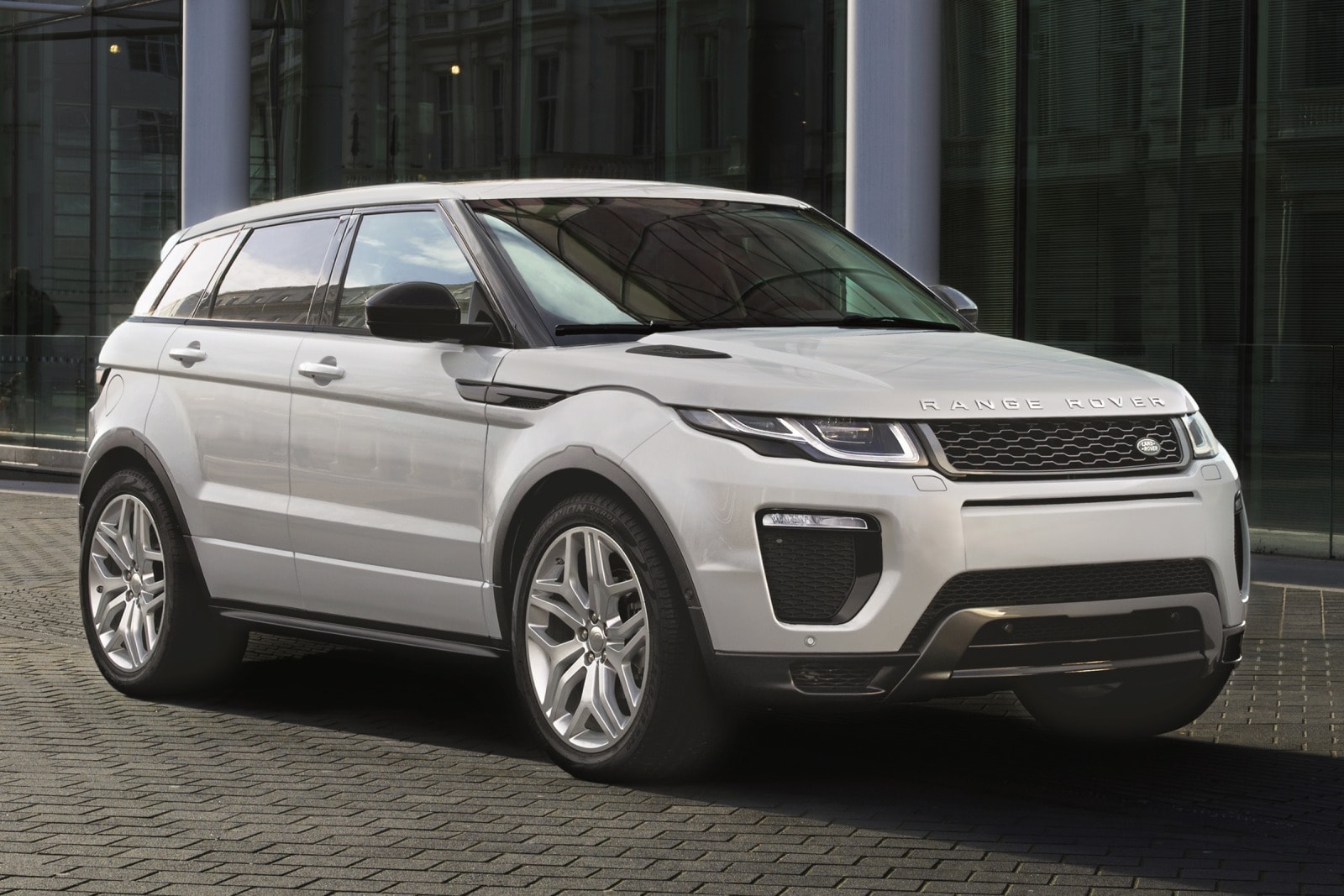
Few vehicles generate as much initial purchase enthusiasm as the Land Rover Range Rover Evoque. Its exterior design is genuinely striking, with proportions and styling details that stand out in a compact luxury SUV segment full of conservative, conservatively shaped alternatives.
Buyers choose it because it looks extraordinary, and at the point of purchase, that looks like sufficient justification for the premium price. Several months of actual ownership typically produce a more complicated assessment. Cabin space is the recurring problem that turns Evoque enthusiasm into resale decisions.
A sloping roofline that creates the vehicle’s distinctive silhouette also reduces rear headroom to a point where adult passengers with average or above-average height find the back seat uncomfortable for anything beyond short trips. Rear cargo space suffers from the same roofline geometry, producing a load area that is meaningfully smaller than what competing compact luxury SUVs offer at comparable price points.
A family that bought the Evoque expecting practical daily utility alongside the styling premium quickly discovers that the styling premium came at the cost of the practicality they actually needed. Blind spots created by the sloping rear roof design add a daily driving frustration that buyers did not evaluate carefully enough during the test drive.
Rear visibility in the 2024 Land Rover Range Rover Evoque requires heavy reliance on the backup camera and parking sensors for routine parking maneuvers, and the camera system, while functional, does not fully compensate for the visibility reduction that the roofline geometry creates.
Day after day of working around those blind spots adds a low-grade frustration that compounds alongside the space limitations until the practical case for keeping the vehicle becomes difficult to sustain.
5. Mini Cooper Clubman
- Engine: 2.0L Turbo 4-Cylinder
- Horsepower: 189 to 301 hp
- Torque: 206 to 331 lb-ft
- Size: 168.3 in. Long x 70.9 in. Wide
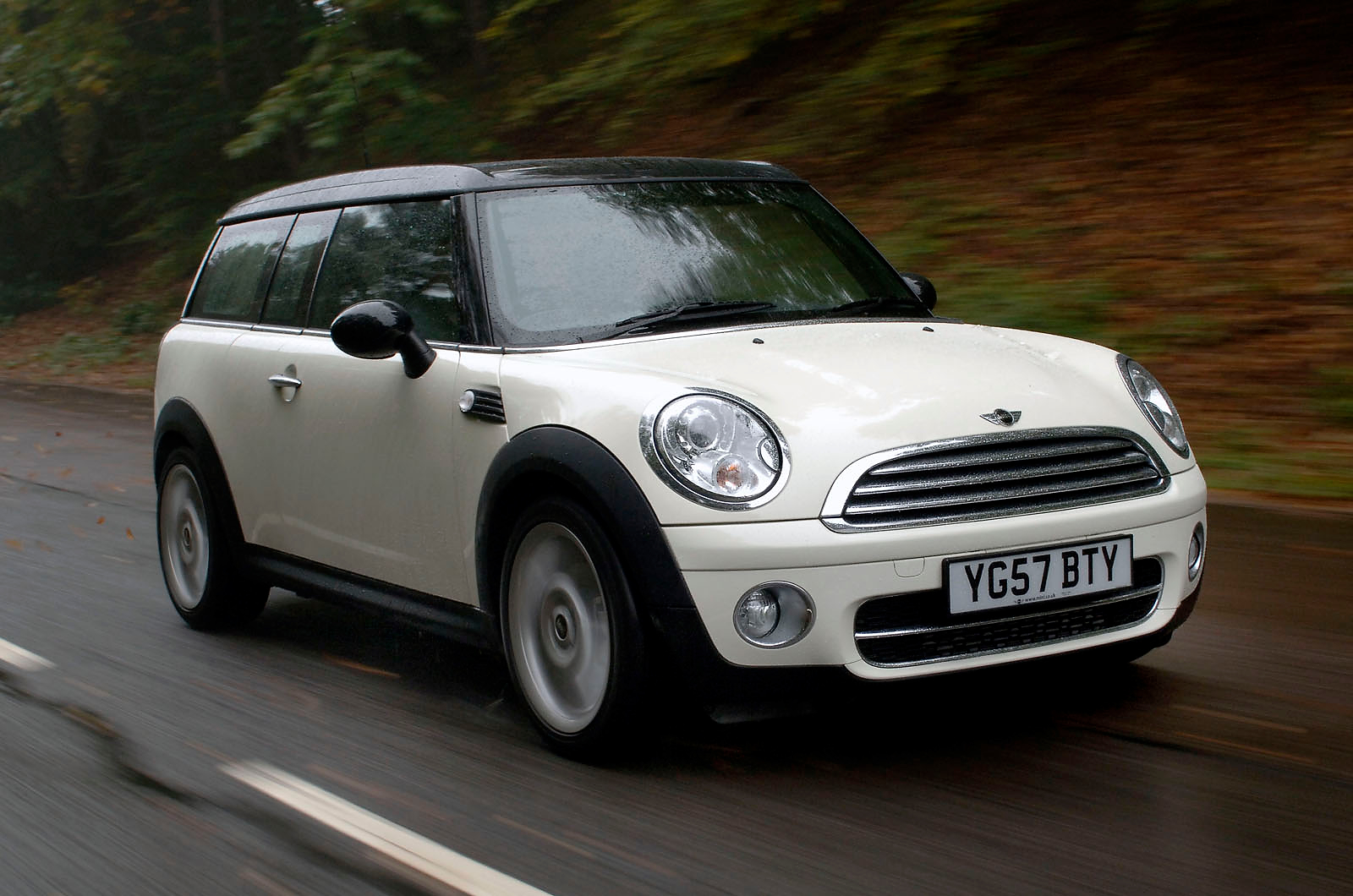
Positioning a vehicle between two established categories is a strategy that works brilliantly when the result genuinely serves both audiences. It fails when the vehicle satisfies neither audience fully, and the Mini Cooper Clubman is a vehicle that automotive observers and actual owners have been debating on exactly those terms since its introduction.
Buyers approach it from two directions: Mini enthusiasts who want more practical space than a standard Cooper provides, and compact wagon buyers who want more personality than a conventional crossover delivers. What both groups discover is a vehicle that compromises enough in each direction to leave both buyer types with lingering doubts.
Mini enthusiasts who upgrade to the Clubman for additional cargo space and rear seat room find that the driving character changes meaningfully with the longer, heavier body. A 2024 Mini Cooper Clubman S no longer delivers the tight, go-kart handling dynamics that define the standard Cooper’s appeal, because the Clubman’s extended wheelbase and added weight soften the steering response and reduce the sense of immediate agility that Cooper buyers love.
It is still an entertaining car by mainstream standards, but for someone who chose Mini specifically for that sharp, connected driving experience, the Clubman feels like a diluted version of what they actually wanted. Practical compact wagon buyers who cross-shop the Clubman against vehicles like the 2024 Volkswagen Golf SportWagen find that the Clubman’s cargo area, while larger than a standard Cooper’s, still falls short of what a conventional wagon or compact crossover provides.
After purchase, buyers who needed genuine cargo utility for family gear, sports equipment, or regular grocery hauls discover that the Clubman’s rear barn doors and relatively shallow load floor do not deliver the space they assumed the wagon-adjacent styling promised.
Those twin disappointments, athletic shortfall for enthusiasts and space shortfall for practical buyers, create a first-year surrender rate high enough to place the Clubman consistently on early resale lists.
6. BMW X1
- Engine: 2.0L Turbo 4-Cylinder
- Horsepower: 241 hp
- Torque: 295 lb-ft
- Size: 177.2 in. Long x 72.6 in. Wide
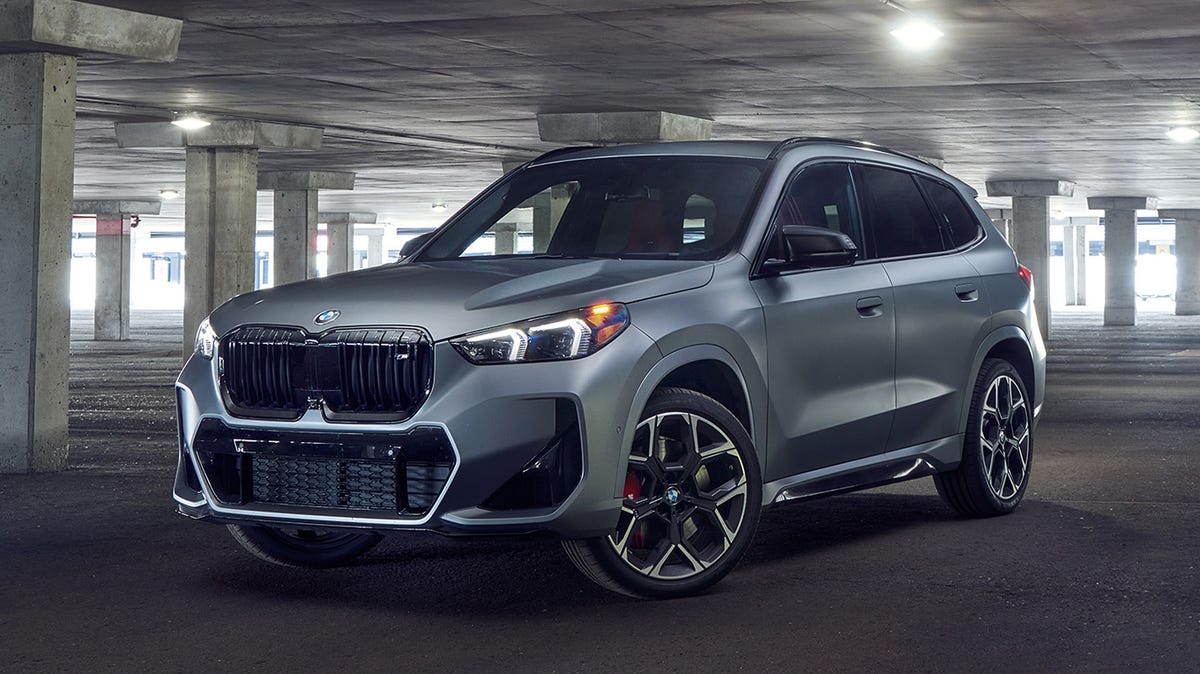
Positioned as the gateway into BMW’s SUV range, the X1 carries the prestige of the brand but doesn’t always meet the expectations tied to that badge. Starting at about $40,000 for the 2024 X1 xDrive28i, it sits above many rivals in price, which naturally raises hopes for upscale materials and a refined cabin. While it can impress during a short test drive, daily use tends to reveal details that feel less premium than buyers anticipated.
Another factor shaping early resale trends comes from dealership practices. BMW retailers frequently use the X1 as a service loaner because of its size and relative affordability within the lineup. These vehicles typically rotate out after about a year, meaning many nearly new X1 models entering the used market were part of a fleet rather than privately owned. That steady supply pushes resale numbers higher in the first year.
Owners who chose the X1 as their introduction to BMW often point to interior quality as a sticking point. After extended use, elements like door panels, dashboard materials, and switchgear can feel less refined than expected. When compared directly with alternatives such as the Audi Q3, Mercedes-Benz GLA 250, or Volvo XC40 Recharge, the base X1 can fall short in perceived quality, especially given its price.
Driving feel also plays a role. Buyers expecting the sharp handling associated with BMW may find the softer suspension tuning less engaging. The focus on comfort and practicality can leave some drivers wanting a more responsive experience, leading them to consider selling sooner than planned.
7. BMW X3
- Engine: 2.0L Turbo 4-Cylinder or 3.0L Turbo Inline-6
- Horsepower: 248 to 382 hp
- Torque: 258 to 369 lb-ft
- Size: 185.7 in. Long x 74.4 in. Wide
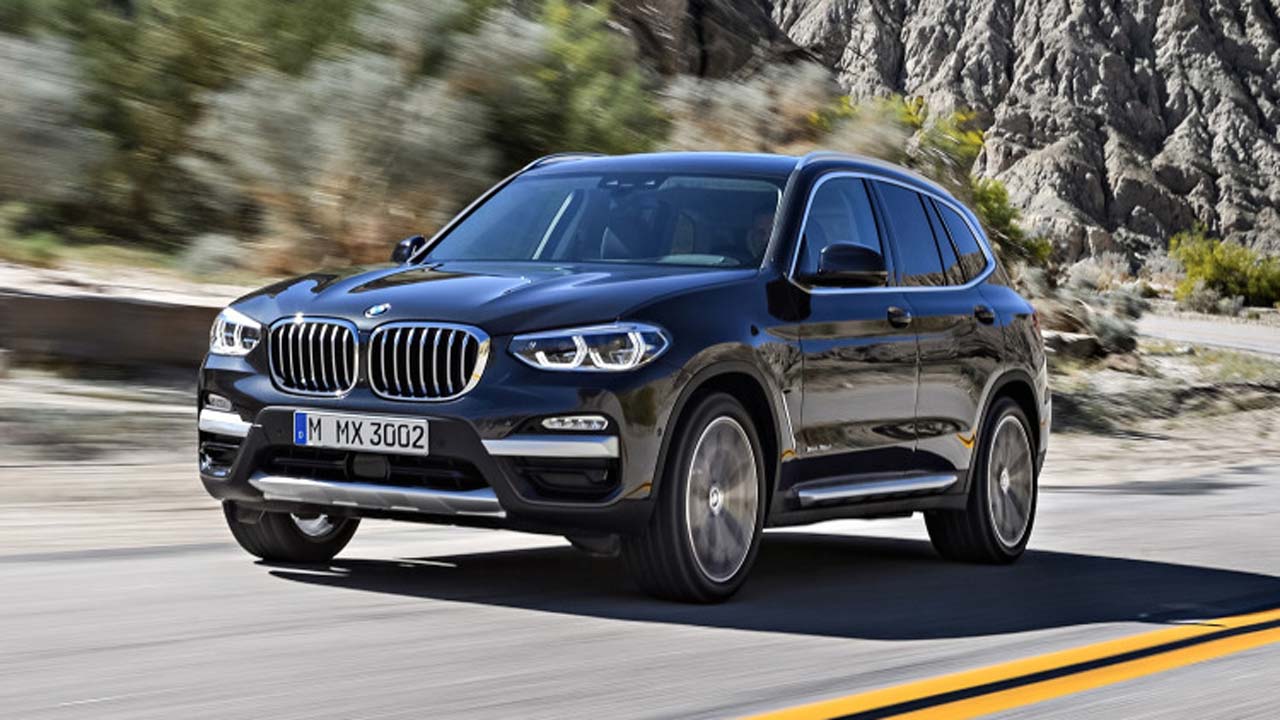
Place a model at the center of a luxury brand’s lineup, attach a price that pushes many buyers to their limits, and rely on it heavily for dealership loaner use, and you get a pattern like the BMW X3. Even with its strong reputation and well-rounded design, it still appears frequently in first-year resale data, which can seem surprising at first glance.
A major reason comes from how dealerships use the vehicle. BMW retailers depend on the X3 as a flexible loaner option that works for a wide range of customers, from those driving smaller sedans to those accustomed to larger SUVs. Because it fits so many needs, it becomes a staple in service fleets.
These loaner vehicles are usually rotated out after about 10 to 14 months, sending a steady stream of lightly used X3 models into the market much earlier than privately owned vehicles would typically appear. Changes in personal finances also contribute to early resale activity. A 2024 BMW X3 xDrive30i starts at roughly $47,700, and higher trims like the M40i can easily climb past $60,000 with options.
Buyers who commit to these payments sometimes experience life changes within the first year, such as job adjustments, rising expenses, or growing family needs. What once felt manageable can become harder to justify, leading many to sell or trade in sooner than expected.
What makes this situation interesting is that the X3 itself earns praise for its performance, interior space, technology, and the whole build quality. The frequent early resale pattern is driven less by dissatisfaction and more by financial realities and the high volume of vehicles coming out of dealership fleets.
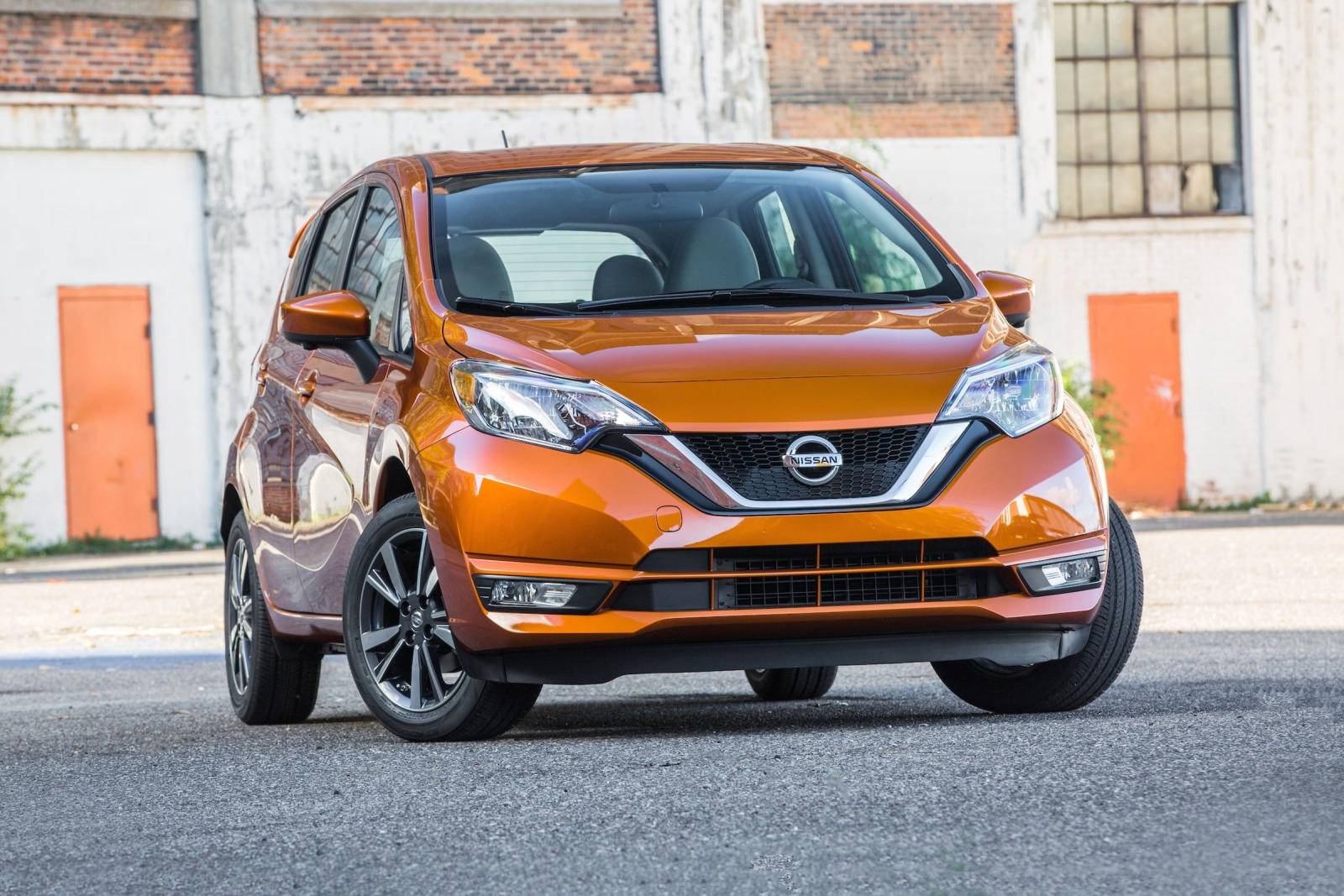
8. Nissan Versa
- Engine: 1.6L 4-Cylinder
- Horsepower: 122 hp
- Torque: 114 lb-ft
- Size: 176.8 in. Long x 68.5 in. Wide
Understanding why a car loses value quickly in its first year requires looking at both why people buy it and why they move on so soon. The Nissan Versa is a clear example of this pattern. As one of the most affordable new cars in the U.S., starting at about $16,000 for the 2024 Versa S, it attracts buyers working within tight financial limits.
Many are building or repairing credit and need dependable transportation without the cost of a higher-priced vehicle. This target audience reflects the purpose of the car rather than any flaw. The 2024 Nissan Versa delivers exactly what it promises: simple, efficient transportation.
With fuel economy rated at 32 mpg in the city and 40 mpg on the highway, along with four doors, standard air conditioning, and a 36,000-mile basic warranty, it meets everyday needs without unnecessary extras. For someone focused on affordability, it serves its role well.
The reason many owners sell early comes from progress in their financial situation. Buyers often use the Versa as a stepping stone, making consistent payments that improve their credit score and savings. Within about a year, better financing opportunities will become available, making it practical to upgrade to a more comfortable or better-equipped vehicle.
Performance also plays a part. The 1.6-liter engine produces 122 horsepower and 114 lb-ft of torque, which works fine for city driving but can feel underpowered during highway merging or when carrying passengers. This limitation, combined with a desire for added features, often pushes owners toward a replacement.
Also Read: 6 Best Off-Road Vehicles Under $50,000
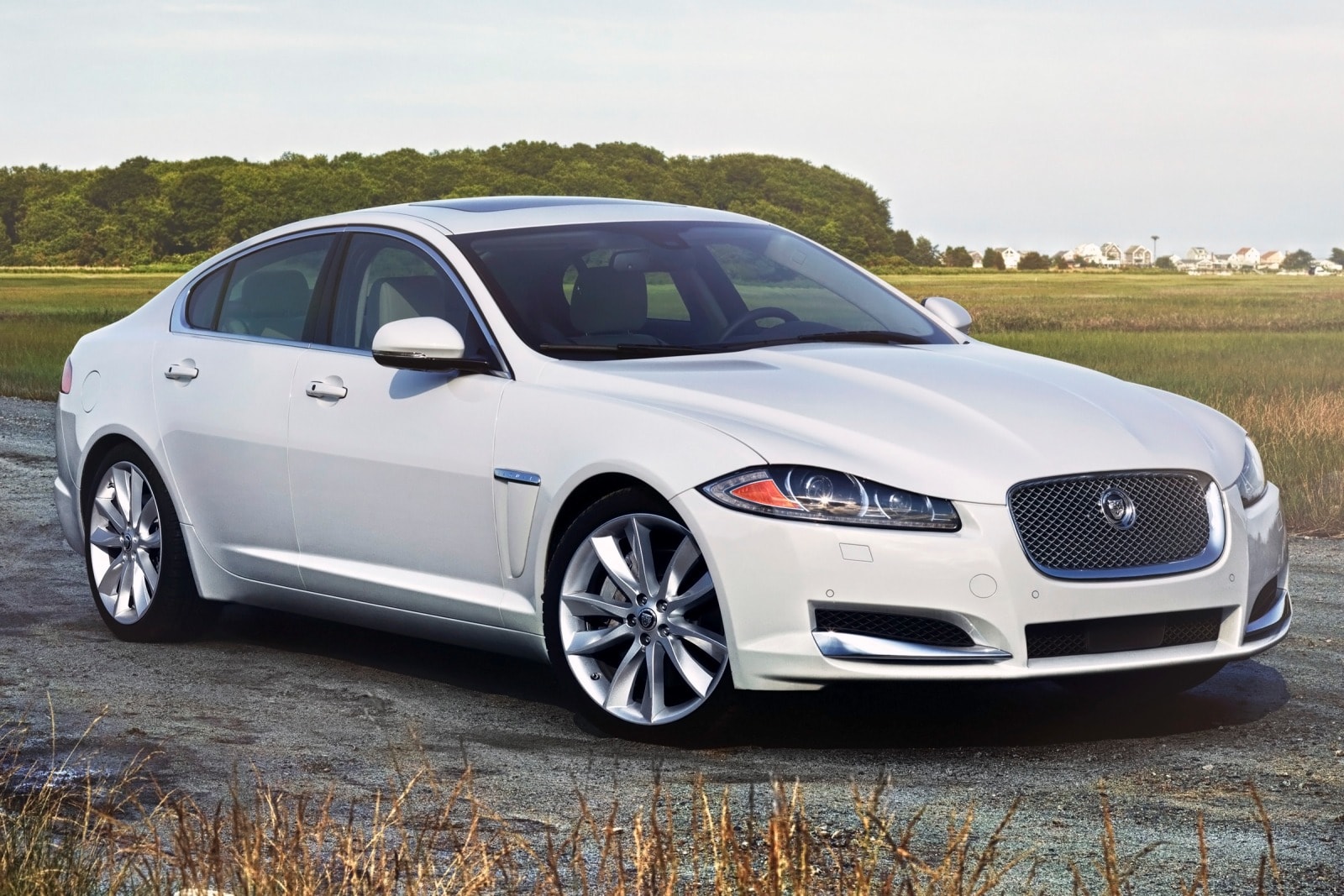
9. Jaguar XF
- Engine: 2.0L Turbo 4-Cylinder
- Horsepower: 246 to 296 hp
- Torque: 269 to 295 lb-ft
- Size: 195.3 in. Long x 74.1 in. Wide
Many vehicles on this list push owners toward early resale due to tangible drawbacks like high upkeep, uncomfortable rides, limited cabin room, dependability concerns, or money strain. The Jaguar XF stands apart for a different reason. Owners often decide to sell sooner after realizing how quickly the car’s value drops, choosing to cut their losses before depreciation deepens.
Luxury cars from Britain, especially Jaguars, have long been associated with faster depreciation. A 2024 Jaguar XF P250 SE that begins around $52,000 can lose a larger share of its worth within the first year compared to rival sedans from Germany or Japan. Owners who monitor resale listings, trade-in offers, or pricing tools notice this decline early. Someone who bought an XF at the start of 2024 and checks its value months later may be surprised by how much it has fallen in such a short period.
For buyers using financing, this creates a difficult financial situation. The remaining loan balance can come close to, or even exceed, the car’s current value, leaving the owner owing more than the vehicle is worth. Instead of continuing payments under those conditions, some choose to sell or trade while the gap is still manageable.
Concerns about reliability also play a role. Even with recent improvements, Jaguar still faces skepticism compared to brands like Mercedes-Benz or BMW. That hesitation leads used buyers to expect lower prices, pushing resale values down further. Many XF owners who sell early still enjoy the driving experience, but decide that holding onto a rapidly depreciating car is not the smartest financial move.
