
Vehicle safety is one of the most important responsibilities of car ownership. While regular maintenance, timely repairs, and safe driving habits all contribute to keeping a vehicle roadworthy, many drivers overlook one critical aspect of vehicle safety: checking for open recalls.
A vehicle recall occurs when a manufacturer or a regulatory agency identifies a safety-related defect or a compliance issue that could affect the safe operation of a vehicle. These defects can range from faulty airbags and defective seat belts to braking system failures and electrical problems that increase the risk of accidents, injuries, or even fatalities.
The challenge is that many vehicle owners are unaware that their cars may be affected by an open recall. In some cases, ownership records become outdated, vehicles change hands, or notification letters are misplaced. As a result, thousands of drivers continue operating vehicles with unresolved safety issues simply because they do not know a recall exists.
Fortunately, checking whether a vehicle has an open recall has become easier than ever. With a Vehicle Identification Number, commonly known as a VIN, drivers can verify recall status in just a few minutes using online tools provided by manufacturers and transportation safety authorities.
A VIN is a unique 17-character code assigned to every vehicle. It serves as the vehicle’s fingerprint, containing information about the manufacturer, model, production year, assembly plant, and other identifying details.
Because every VIN is unique, it allows recall databases to identify whether a specific vehicle is affected by a recall campaign. This level of precision eliminates confusion and ensures that owners receive accurate information regarding their vehicle’s safety status.
Checking your VIN for an open recall is a simple but highly effective safety measure. The process requires minimal effort, costs nothing, and can potentially prevent serious accidents.
Whether you recently purchased a used vehicle, inherited a family car, or simply want peace of mind regarding your current vehicle, spending two minutes to verify recall status is a smart decision. In this guide, you will learn what a VIN is, why recalls matter, where to find your VIN, how to perform a recall search quickly, and what steps to take if an open recall is found.
Also Read: How Much It Really Costs to Own a Truck for 5 Years

Understanding What a Vehicle Recall Means
A vehicle recall is an official action taken when a safety defect or regulatory noncompliance is discovered in a vehicle.
Manufacturers typically initiate recalls voluntarily after identifying a problem, although government agencies can also require manufacturers to address safety concerns. The primary purpose of a recall is to protect vehicle owners, passengers, and other road users from potential harm.
Safety recalls can involve a wide range of vehicle components. Some recalls affect critical systems such as airbags, steering mechanisms, fuel systems, brakes, and electronic controls. Others may involve components that increase fire risks, reduce crash protection, or create unexpected driving hazards. Even seemingly minor defects can become serious under certain circumstances.
When a recall is issued, manufacturers are generally required to repair, replace, or modify the affected component at no cost to the vehicle owner. This means drivers can often resolve potentially dangerous defects without paying for parts or labor. The cost is usually covered entirely by the manufacturer.
Vehicle recalls can affect millions of vehicles across multiple model years. Because automotive production involves complex supply chains and shared components, a single defective part can impact numerous vehicle models. This is why recalls sometimes receive widespread media attention and affect owners across different regions.
Ignoring a recall can have significant consequences. A known defect may worsen over time, increasing the risk of mechanical failure, accidents, injuries, or property damage. Checking for recalls regularly helps ensure that any safety concerns are addressed before they become serious problems.
What Is a VIN and Why Is It Important?
The Vehicle Identification Number is a unique code assigned to every vehicle during manufacturing. Modern VINs contain 17 characters consisting of letters and numbers that provide detailed information about a vehicle’s identity and specifications.
Each section of the VIN has a specific purpose. Certain characters identify the manufacturer and country of origin, while others indicate vehicle type, engine configuration, model year, assembly plant, and production sequence. Together, these details create a unique identifier that distinguishes one vehicle from another.
VINs play a crucial role in vehicle registration, insurance, ownership records, service history tracking, theft prevention, and recall management. Because no two vehicles share the same VIN, it serves as the most accurate way to determine whether a specific vehicle is affected by a recall.
Manufacturers and safety regulators use VINs to identify affected vehicles with precision. Instead of issuing broad warnings that may create confusion, recall databases can determine whether a particular vehicle requires corrective action. This targeted approach improves efficiency and accuracy.
Understanding the importance of your VIN empowers you to access critical vehicle information whenever needed. Whether you are checking for recalls, purchasing a used vehicle, verifying ownership history, or arranging insurance coverage, the VIN serves as the key reference point for obtaining accurate records.
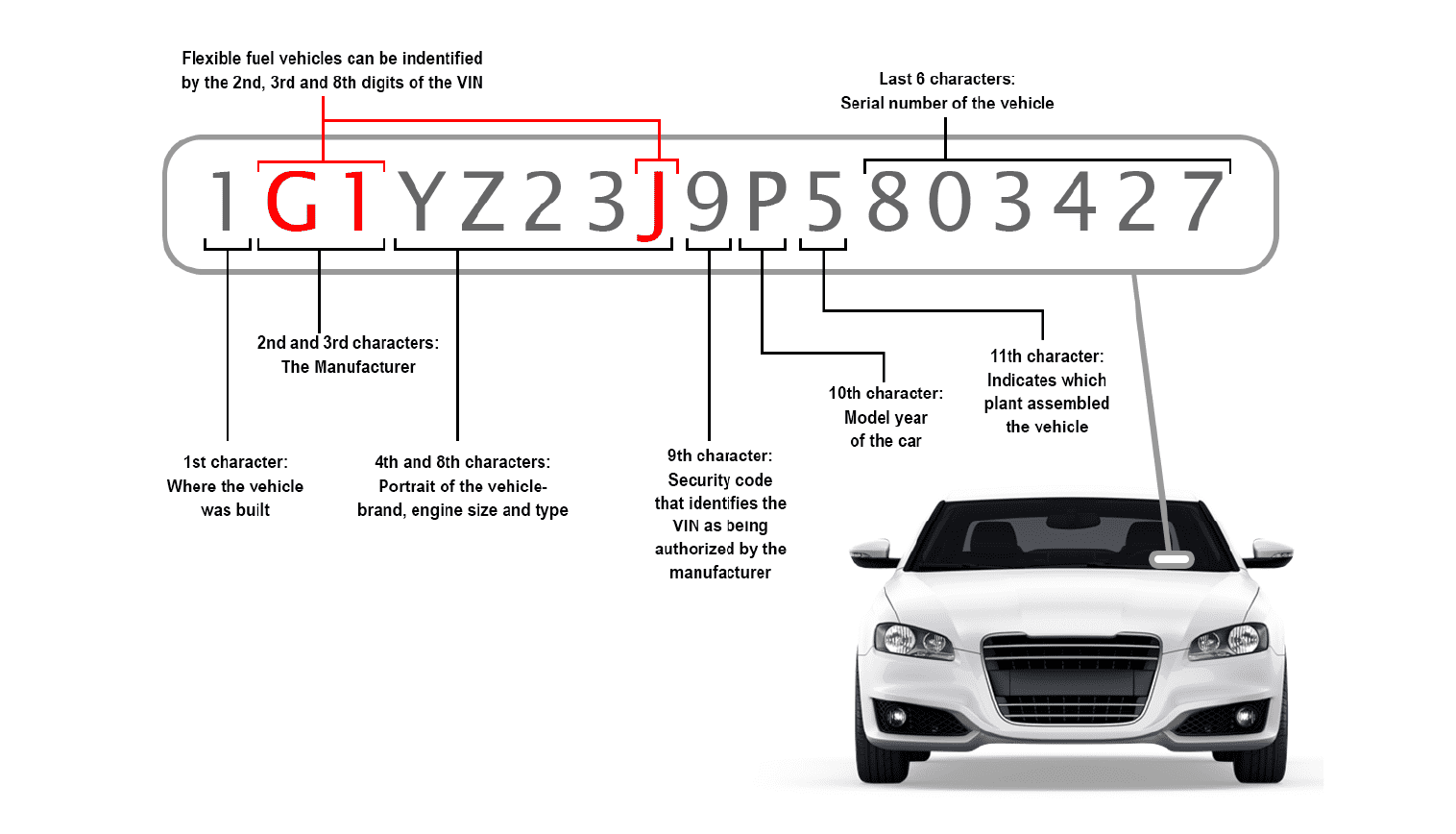
Where to Find Your Vehicle’s VIN
Locating your VIN is usually quick and straightforward. One of the most common locations is on the driver’s side dashboard near the windshield. Standing outside the vehicle and looking through the windshield often provides a clear view of the VIN plate.
Another common location is inside the driver’s side door frame. Opening the driver’s door may reveal a sticker or metal plate containing the VIN along with other vehicle information, such as tire pressure specifications and manufacturing details.
Vehicle registration documents frequently include the VIN. Registration certificates, title documents, and insurance paperwork often display the VIN prominently. These documents can be particularly useful when physical access to the vehicle is not immediately available.
Some manufacturers also include the VIN within vehicle infotainment systems or owner documentation. Depending on the vehicle model, owners may be able to access identification information through onboard menus or digital service records.
Before conducting a recall search, double-check the VIN for accuracy. Since VINs contain both letters and numbers, transcription errors can occur. Entering an incorrect VIN may produce inaccurate results or prevent the recall database from locating the vehicle.
Also Read: What a 10-Year-Old Tacoma Sells For Today?
How to Check Your VIN for an Open Recall in Two Minutes
Checking a VIN for open recalls is one of the fastest vehicle safety checks available today. The process generally takes less than two minutes and requires only internet access and the VIN itself.
Begin by locating the complete 17-character VIN. Ensure the number is copied accurately and free of typing errors. Even a single incorrect character can affect search results and prevent accurate recall identification.
Next, visit an official recall lookup platform provided by a transportation safety authority or vehicle manufacturer. Most recall lookup systems offer a dedicated search field where users can enter their VIN and submit a request.
Once the VIN is entered, the system compares it against active recall databases. Within seconds, the platform typically displays whether any unresolved recalls exist for that specific vehicle. Some systems also provide detailed information about affected components and recommended corrective actions.
Review the results carefully. If no open recalls are found, the vehicle currently has no unresolved recall campaigns listed in the database. If recalls are identified, note the recall numbers and descriptions so appropriate action can be taken promptly.
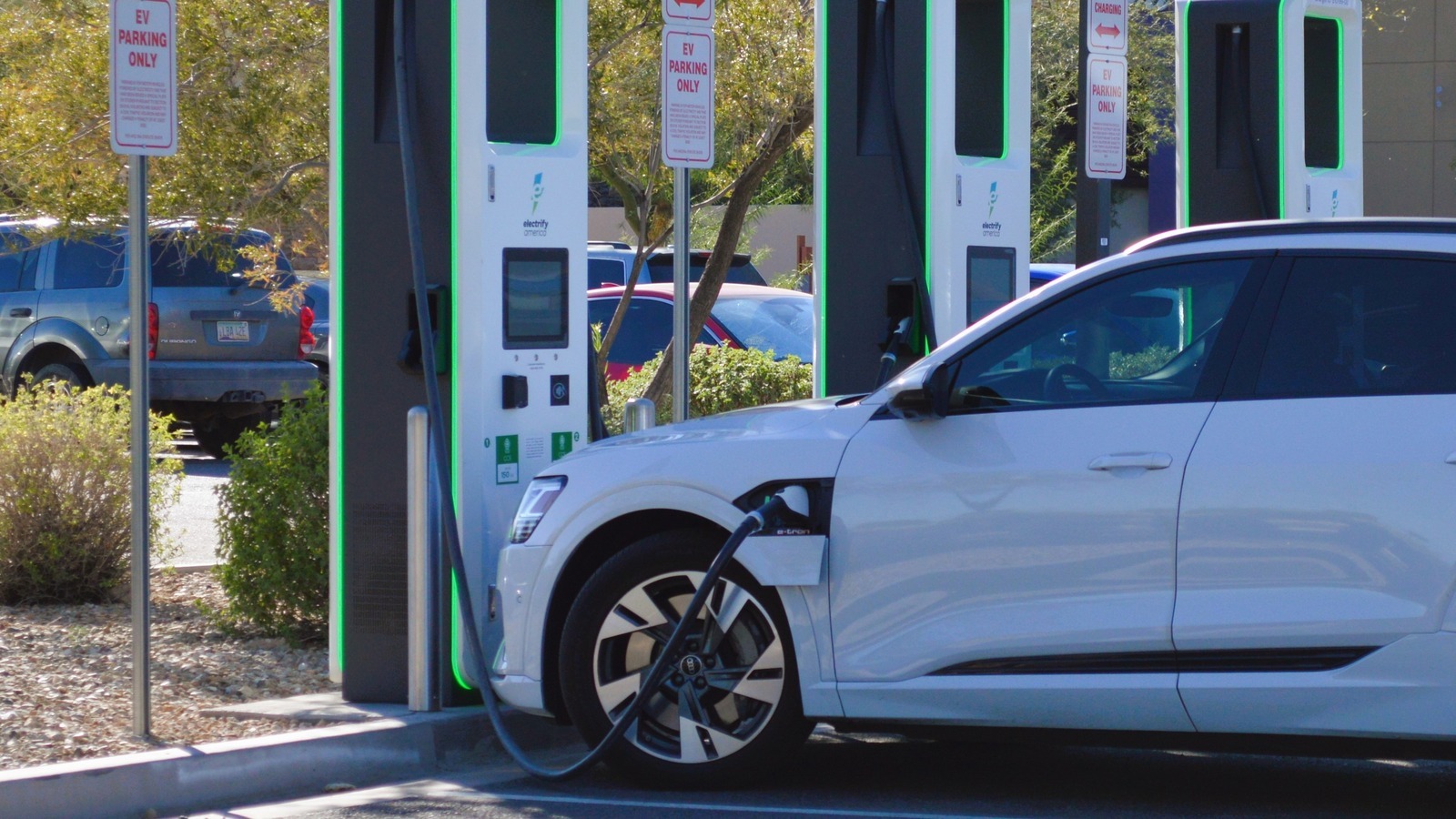
What Information Will You See in Recall Results
Recall search results generally provide an overview of any open safety campaigns associated with the VIN. This information helps owners understand the nature of the issue and the urgency of corrective action.
The recall description typically explains the defect or compliance issue. This overview may identify affected components, potential hazards, and circumstances under which the problem could occur. Reading this information helps owners understand the seriousness of the recall.
Many recall databases also include risk explanations. These details outline how the defect may impact vehicle operation, passenger safety, or crash protection. Understanding these risks can help owners make informed decisions about continued vehicle use.
Recall results often display remedy information. This section explains how the manufacturer plans to address the issue, whether through part replacement, software updates, inspections, or other corrective measures. Most remedies are performed free of charge.
Additional information may include recall dates, campaign identification numbers, and manufacturer contact details. Keeping a record of this information can simplify communication with dealerships and service centers when scheduling repairs.
What to Do If Your Vehicle Has an Open Recall
Finding an open recall should prompt immediate action. While not every recall requires urgent vehicle immobilization, all safety recalls deserve attention and timely resolution.
The first step is contacting an authorized dealership associated with the vehicle manufacturer. Dealership service departments can verify recall status, confirm parts availability, and schedule repair appointments. Providing the VIN helps staff access accurate records quickly.
Ask whether the recall repair is currently available. Some recalls are announced before replacement parts are distributed nationwide. In such cases, dealerships may place owners on notification lists until parts become available.
Keep records of all recall-related communications and repair appointments. Documentation may be useful for future vehicle transactions, warranty discussions, or ownership verification. Maintaining organized records contributes to a complete service history.
After repairs are completed, request written confirmation showing that recall work has been performed. This documentation provides evidence that the vehicle has received the necessary corrective action and no longer has the unresolved recall issue.
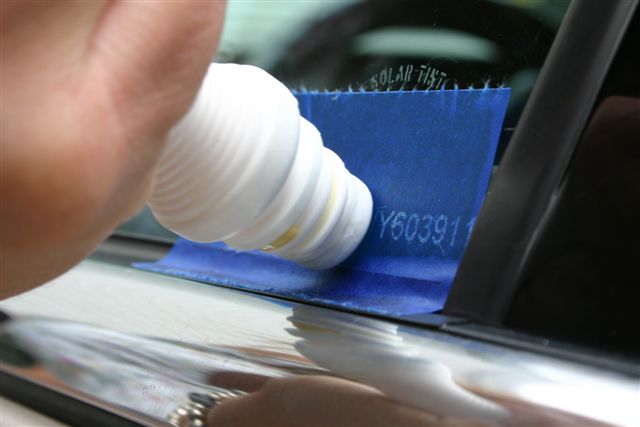
Why Used Car Buyers Should Always Check VIN Recalls
Used vehicle buyers face unique risks because recall notifications may not have reached previous owners or may have been ignored altogether. A vehicle can appear mechanically sound while still carrying unresolved safety defects.
Checking recall status before purchasing a used vehicle provides valuable insight into its safety condition. This simple step can reveal issues that may otherwise remain hidden during visual inspections or test drives.
Many buyers focus primarily on mileage, maintenance records, and cosmetic condition. While these factors are important, unresolved recalls deserve equal attention because they directly affect occupant safety and vehicle reliability.
A recall search can also help buyers evaluate the seller’s level of maintenance responsibility. Vehicles with unresolved recalls may indicate neglected maintenance practices, although this is not always the case. Additional investigation can provide useful context.
Completing a VIN recall check before finalizing a purchase helps buyers make informed decisions and potentially avoid costly complications. It represents a small investment of time that can deliver significant safety benefits.
Tips for Staying Updated on Future Recalls
Vehicle ownership is an ongoing responsibility, and recall monitoring should not be viewed as a one-time task. New recalls can be announced years after a vehicle enters service.
Owners should ensure that vehicle registration information remains current. Accurate ownership records improve the likelihood of receiving manufacturer notifications when recalls are issued. Address changes should be updated promptly with the relevant authorities.
Scheduling periodic VIN checks provides an additional layer of protection. Even if notification letters are delayed or misplaced, regular database searches can identify new recalls before problems escalate.
Maintaining a relationship with an authorized dealership can also be beneficial. Service departments often have access to manufacturer systems that track recall status and can notify customers about applicable campaigns.
Combining official notifications, periodic VIN checks, and routine maintenance creates a comprehensive vehicle safety strategy. This proactive approach helps ensure that recall issues are identified and resolved as quickly as possible.
