Customer feedback has become one of the most powerful forces shaping the modern automotive industry. In an era where consumers can instantly share their experiences through online reviews, social media platforms, surveys, and owner communities, automakers have more access than ever to real-world opinions about their vehicles.
While engineering excellence and innovation remain essential, manufacturers that actively listen to customers often gain a significant competitive advantage. These companies understand that drivers provide valuable insights into everything from vehicle reliability and comfort to technology usability and after-sales service.
By paying attention to customer concerns and suggestions, automakers can improve product quality, strengthen brand loyalty, and develop vehicles that better meet consumer expectations.
The automotive market has evolved dramatically over the past few decades. Customers no longer evaluate vehicles solely based on performance or price. They also consider safety features, fuel efficiency, interior design, infotainment systems, customer service, software updates, and long-term ownership experiences.
As a result, automakers have established extensive feedback systems that collect information from dealerships, customer surveys, warranty claims, owner forums, social media discussions, and connected vehicle data. The most successful companies use this information to identify recurring issues, refine future models, and introduce improvements that directly address customer needs.
Listening to customer feedback goes beyond simply gathering opinions. It requires a commitment to acting on what customers say. Some automakers have earned strong reputations by responding quickly to complaints, introducing software improvements, enhancing reliability, and redesigning features that drivers found frustrating.
Others have developed robust customer support networks that help maintain long-term satisfaction even after a vehicle purchase. These efforts demonstrate that customer-centered thinking can contribute to stronger products and more positive brand perceptions.
This article explores ten automakers widely recognized for their ability to listen to customers and incorporate feedback into their products and services. Each company has developed unique strategies for understanding driver preferences and responding to changing market demands.
From traditional manufacturers with decades of experience to newer electric vehicle innovators, these automakers show how customer feedback can influence vehicle development, technology integration, and ownership satisfaction. Their approaches provide valuable examples of how listening to customers can help create better vehicles and stronger relationships between brands and consumers.
Also Read: 10 Best-Selling Motorcycles of Every Decade
1. Toyota
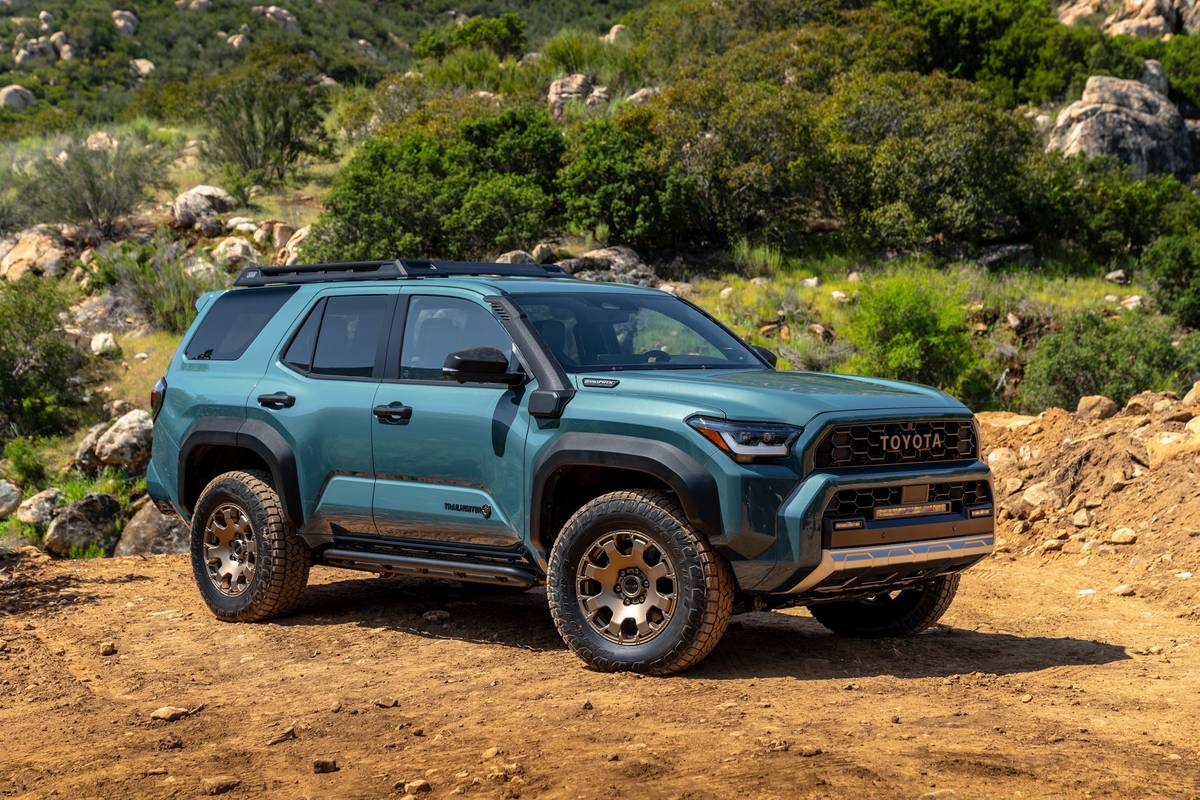
Toyota has long been recognized for placing customer satisfaction at the center of its business philosophy. The company uses extensive owner surveys, dealership reports, and quality monitoring systems to identify areas where improvements are needed. This commitment has helped Toyota maintain a strong reputation for reliability and long-term value across global markets.
One of Toyota’s key strengths is its continuous improvement culture. Often associated with the concept of incremental enhancement, the company constantly evaluates customer experiences to refine existing models. Feedback regarding comfort, fuel economy, safety, and technology frequently influences updates introduced in new model years.
Toyota has also demonstrated a willingness to address customer concerns regarding vehicle recalls and quality issues. Although no manufacturer is immune to challenges, Toyota’s efforts to investigate complaints and implement corrective measures have reinforced consumer confidence. Transparent communication often plays a significant role in these situations.
The company actively incorporates driver preferences into vehicle design. For example, customer demand for improved infotainment systems, enhanced connectivity, and advanced driver assistance features has shaped the evolution of many Toyota models. These improvements reflect changing expectations among modern vehicle buyers.
Toyota’s focus on listening and responding has contributed to high customer retention rates. Many owners remain loyal to the brand because they believe their experiences and concerns influence future vehicle development. This long-standing commitment continues to make Toyota a leader in customer-focused automotive manufacturing.
2. Honda
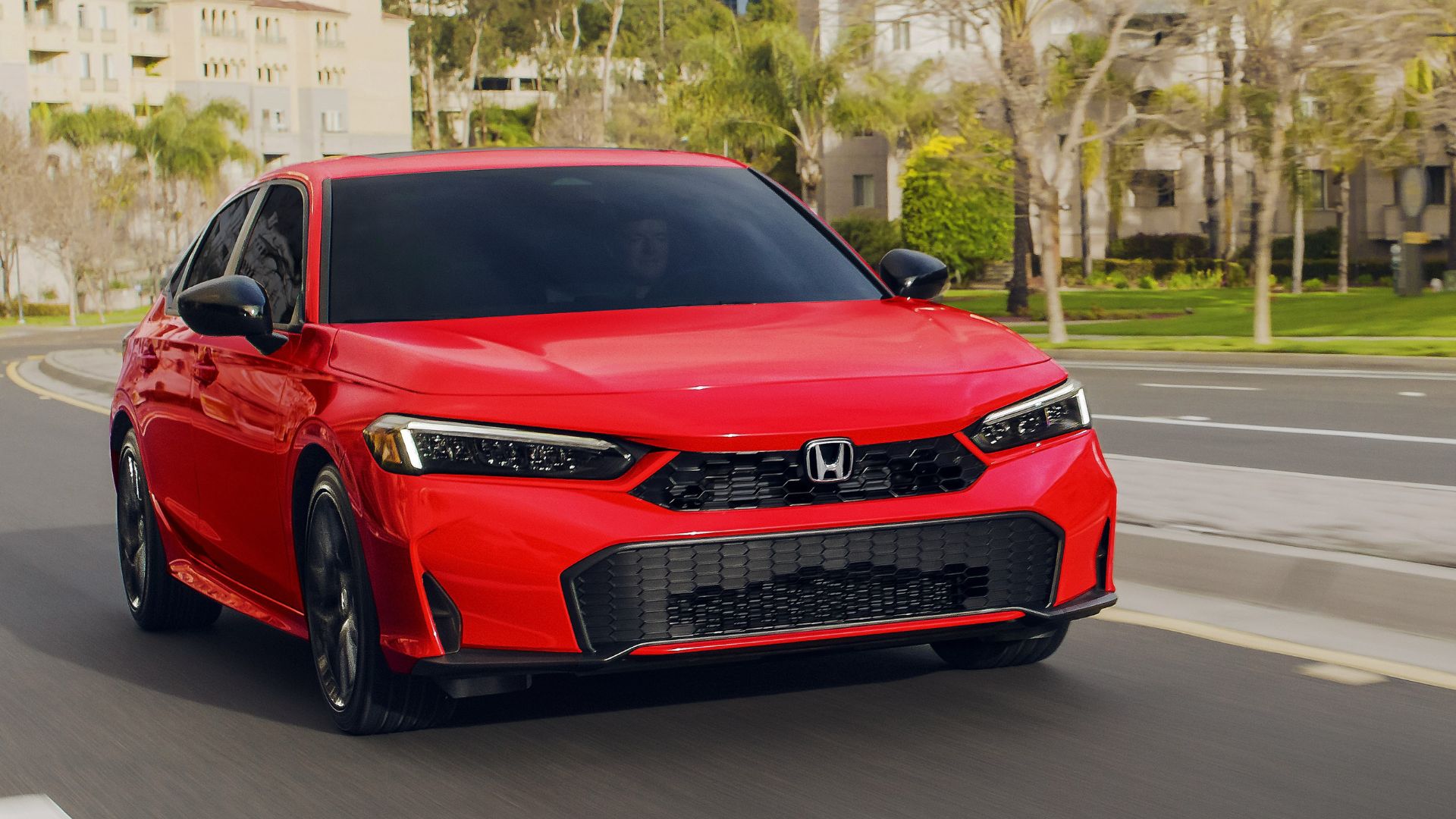
Honda has built a strong reputation for producing practical, reliable, and efficient vehicles while maintaining close attention to customer feedback. The company consistently gathers insights from owners and dealerships to understand how vehicles perform under real-world conditions.
Customer comments have often influenced Honda’s approach to vehicle refinement. Whether addressing ride comfort, cabin noise, fuel efficiency, or technology integration, the company frequently incorporates owner suggestions into future updates and redesigns. This responsiveness helps Honda remain competitive in multiple vehicle segments.
Honda also emphasizes customer satisfaction through extensive quality control and post-purchase support. Owners who report recurring issues contribute valuable information that can lead to technical improvements and service enhancements. This feedback loop allows the company to address concerns before they become widespread problems.
Technology development at Honda often reflects customer preferences. As drivers increasingly requested smartphone connectivity, advanced safety features, and user-friendly interfaces, Honda expanded the availability of these technologies across its lineup. Such changes illustrate how consumer expectations shape product planning.
The company’s commitment to listening has helped cultivate strong customer loyalty. Many Honda owners appreciate the balance between innovation and reliability, as well as the manufacturer’s willingness to respond to changing market demands and ownership experiences.

3. Ford
Ford has made significant investments in understanding customer needs through surveys, connected vehicle data, dealership networks, and digital engagement platforms. These efforts provide valuable insights that influence vehicle design and service improvements.
One aspect of Ford’s customer-focused strategy is its willingness to adapt product offerings based on market demand. Consumer interest in trucks, sport utility vehicles, and advanced technology has played a major role in shaping the company’s recent product lineup. Ford regularly evaluates customer preferences when planning future models.
Ford has also used customer feedback to improve infotainment systems and connectivity features. Earlier technology platforms received criticism for complexity, leading the company to develop more intuitive systems that better aligned with user expectations. This demonstrates the practical impact of customer input.
The manufacturer actively engages with owners through online communities and customer support channels. These interactions help identify common concerns and emerging trends. Feedback gathered from these sources often contributes to software updates and feature enhancements.
By combining traditional market research with modern data analysis, Ford continues to strengthen its ability to understand customer expectations. This approach supports product development efforts and helps improve the ownership experience.
4. Hyundai
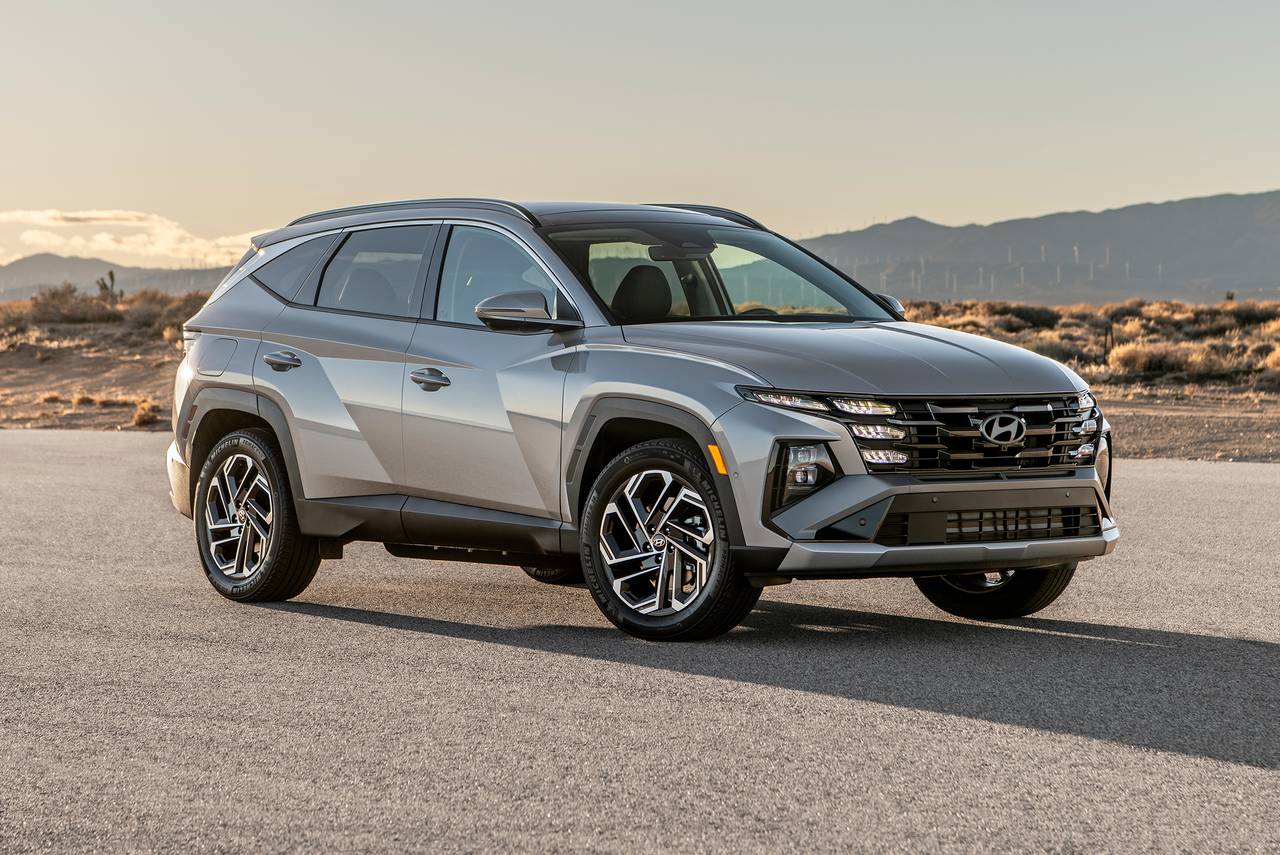
Hyundai’s transformation into a globally respected automotive brand has been driven in part by its commitment to listening to customers. The company has worked diligently to understand consumer expectations and improve vehicle quality, technology, and design.
Customer feedback has played an important role in Hyundai’s product evolution. Owners frequently highlighted areas such as interior refinement, safety features, and technology integration, leading the company to introduce significant upgrades across many models. These changes helped enhance Hyundai’s competitiveness in key markets.
The manufacturer also places strong emphasis on warranty support and customer service. By monitoring owner satisfaction and addressing concerns promptly, Hyundai has built trust among consumers who value long-term ownership support. This customer-centered approach contributes to positive brand perception.
Hyundai’s rapid advancement in electric vehicles and advanced technologies reflects growing consumer interest in sustainability and innovation. Customer demand for environmentally friendly transportation has influenced the company’s investments in electric and hybrid models.
As Hyundai continues to expand globally, its ability to gather and respond to customer feedback remains a major strength. The company demonstrates how careful attention to consumer needs can drive substantial improvements in product quality and market success.
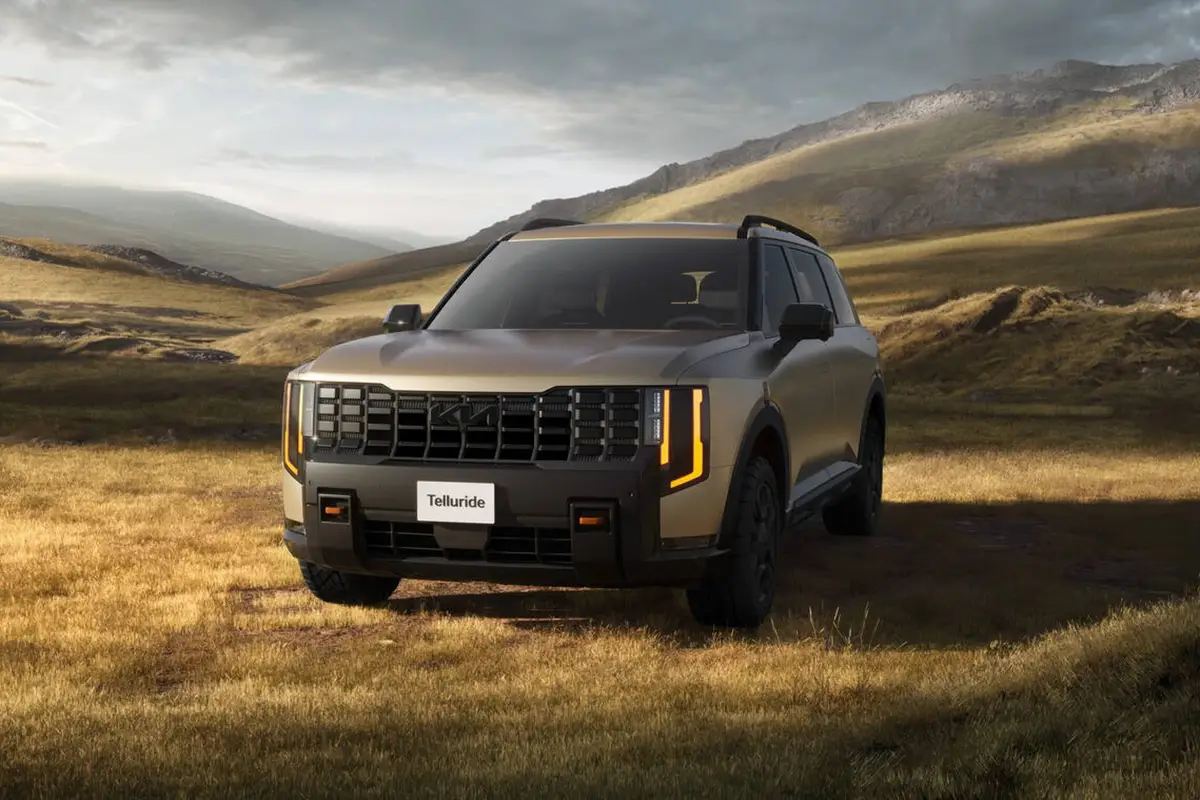
5. Kia
Kia has experienced remarkable growth by prioritizing customer feedback and continuously improving its vehicles. Once viewed primarily as a budget brand, Kia has evolved into a respected manufacturer known for quality, design, and value.
Listening to customer concerns has been a central element of Kia’s development strategy. Feedback regarding styling, comfort, technology, and reliability has contributed to substantial enhancements across the company’s lineup. These improvements have helped attract a broader range of buyers.
Kia regularly evaluates owner experiences to identify opportunities for refinement. Whether addressing cabin materials, safety technologies, or infotainment usability, the company demonstrates a willingness to implement meaningful changes based on consumer input.
The brand’s focus on customer satisfaction extends beyond vehicle design. Strong warranty coverage and responsive service programs help reinforce confidence among owners. These initiatives reflect an understanding of the factors that influence long-term customer loyalty.
Kia’s continued success illustrates the value of customer-centered decision-making. By listening carefully and acting on feedback, the company has significantly strengthened its reputation and competitive position within the automotive industry.
Also Read: 10 Fastest Cars by Decades
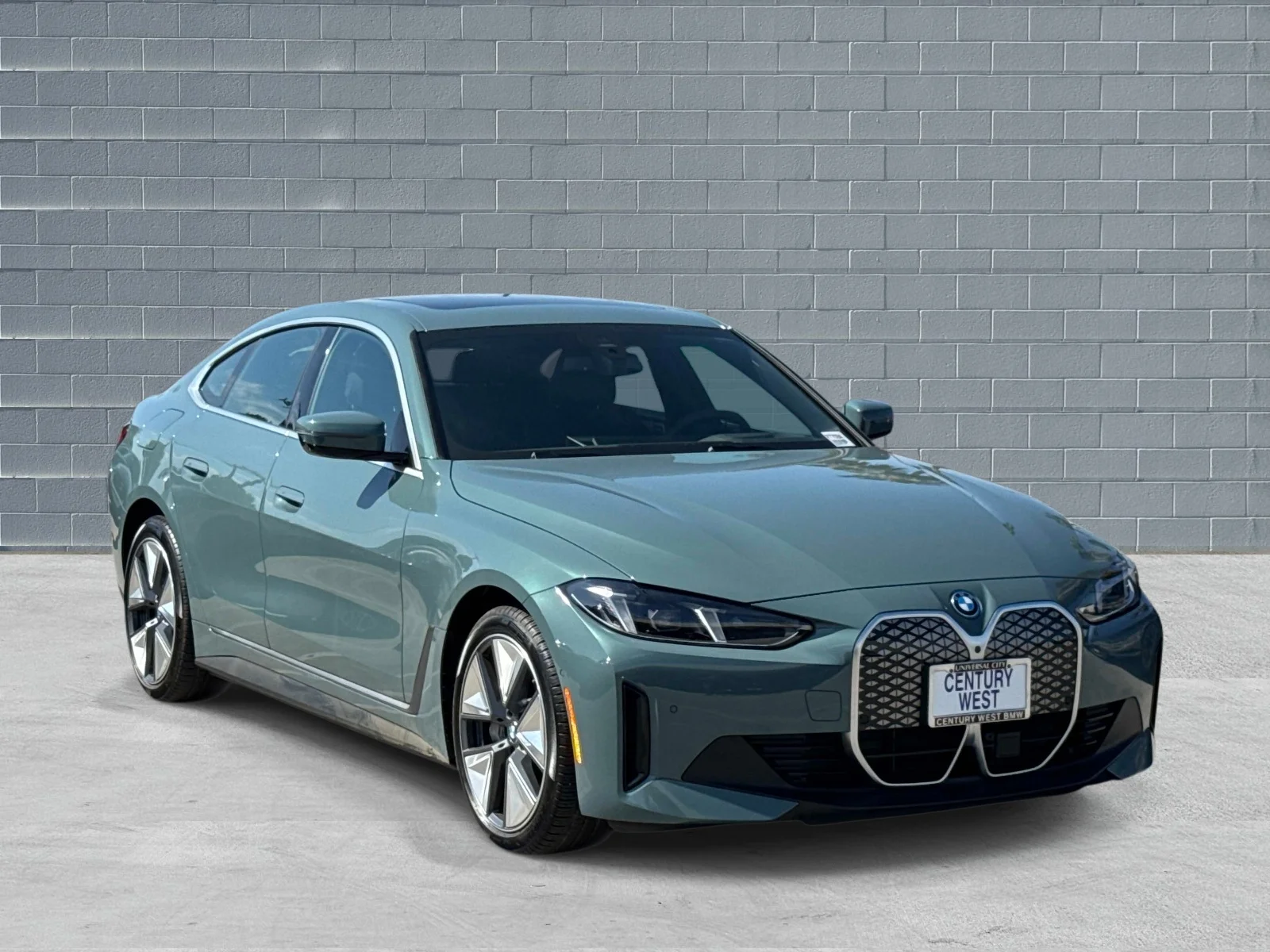
6. BMW
BMW recognizes that luxury vehicle buyers have high expectations regarding performance, comfort, technology, and service. To meet these demands, the company actively collects customer feedback from multiple channels and incorporates insights into product development.
Owners frequently provide input regarding driving dynamics, infotainment systems, and interior features. BMW uses this information to refine vehicle performance and improve user experiences. Such adjustments help maintain the brand’s appeal among demanding consumers.
Technology development represents a major area where customer feedback influences decision-making. BMW continuously updates digital interfaces, connectivity features, and driver assistance systems in response to evolving expectations. This responsiveness supports customer satisfaction in a rapidly changing market.
The company also places importance on dealership experiences and after-sales support. Feedback gathered during vehicle ownership helps identify opportunities to enhance service quality and strengthen customer relationships. Positive ownership experiences often contribute to brand loyalty.
BMW’s ability to balance innovation with customer preferences demonstrates the importance of listening within the luxury segment. By responding to owner feedback, the company continues to refine its vehicles and maintain strong market relevance.

7. Mercedes-Benz
Mercedes-Benz has long emphasized customer satisfaction as a critical component of its luxury brand identity. The company relies on extensive feedback mechanisms to understand how owners interact with its vehicles and services.
Customer insights frequently influence technology development and interior design decisions. As digital features become increasingly important, Mercedes-Benz carefully evaluates user experiences to ensure systems remain intuitive and effective. This process helps improve usability.
The company also pays close attention to owner feedback regarding comfort and refinement. Suggestions related to seating, cabin materials, noise reduction, and convenience features often contribute to future improvements. Such enhancements reinforce the premium nature of the brand.
Mercedes-Benz invests heavily in customer support and dealership service quality. Feedback from owners helps identify areas where experiences can be improved, leading to adjustments in service procedures and communication practices.
By maintaining strong connections with its customer base, Mercedes-Benz continues to evolve alongside changing consumer expectations. Its commitment to listening supports both innovation and long-term customer loyalty.
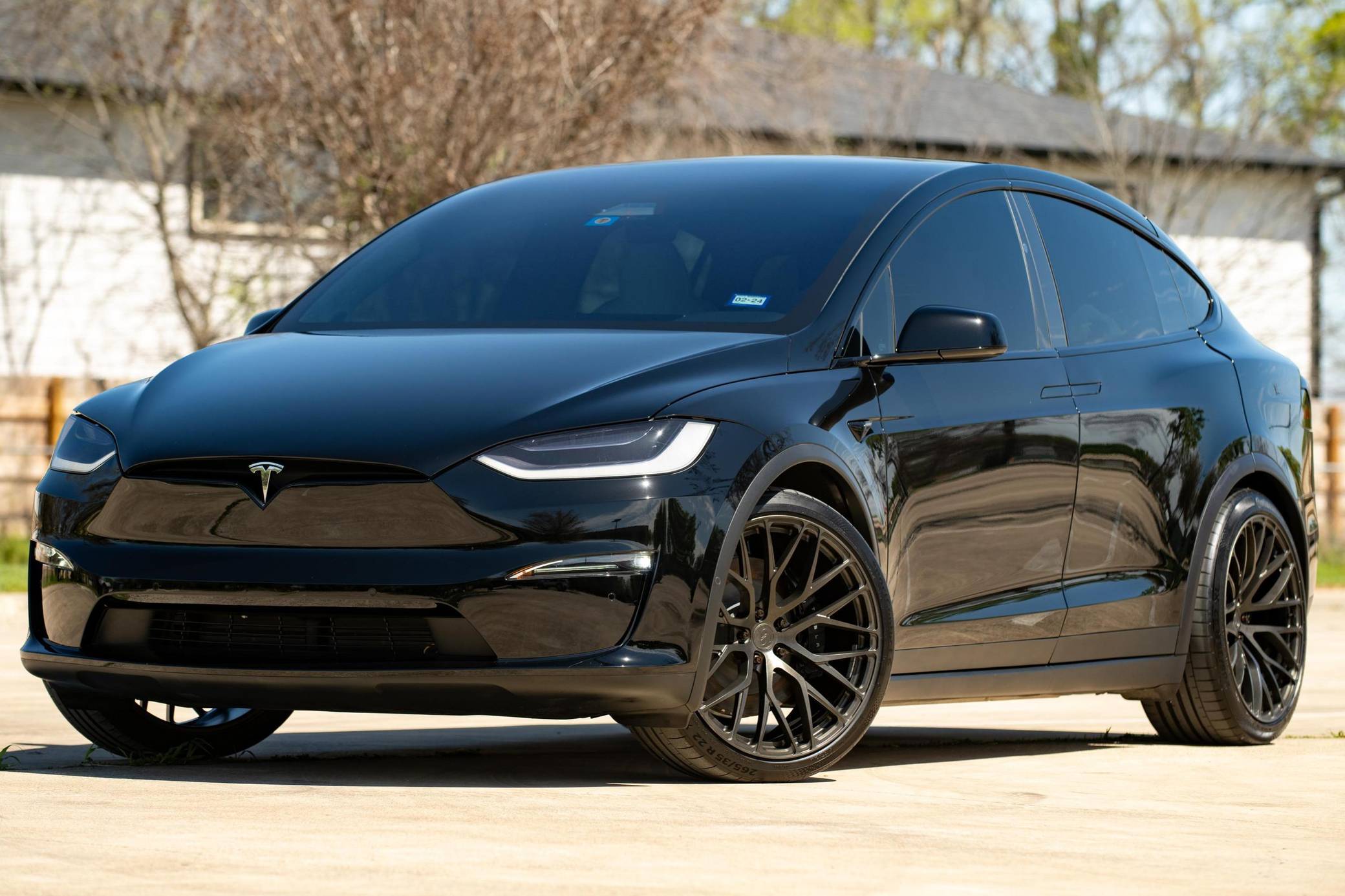
8. Tesla
Tesla has become widely known for its unique approach to customer feedback and software-driven vehicle development. Unlike many traditional automakers, Tesla can deliver significant vehicle improvements through over-the-air software updates.
Owners frequently share feedback through online communities, social media, and direct communication channels. Tesla often analyzes this input when developing software enhancements and new features. As a result, customer suggestions can influence vehicle functionality even after purchase.
The company’s rapid update cycle allows it to respond more quickly than many competitors. Features, performance adjustments, interface changes, and bug fixes can often be deployed without requiring dealership visits. This flexibility creates a dynamic ownership experience.
Tesla also benefits from a highly engaged customer community. Enthusiastic owners frequently discuss vehicle strengths and weaknesses, providing valuable information that can guide future development. This constant stream of feedback contributes to ongoing innovation.
Although Tesla has faced criticism in some areas, its willingness to use customer feedback to drive software improvements has influenced the broader automotive industry. Many manufacturers are now adopting similar approaches to connected vehicle development.
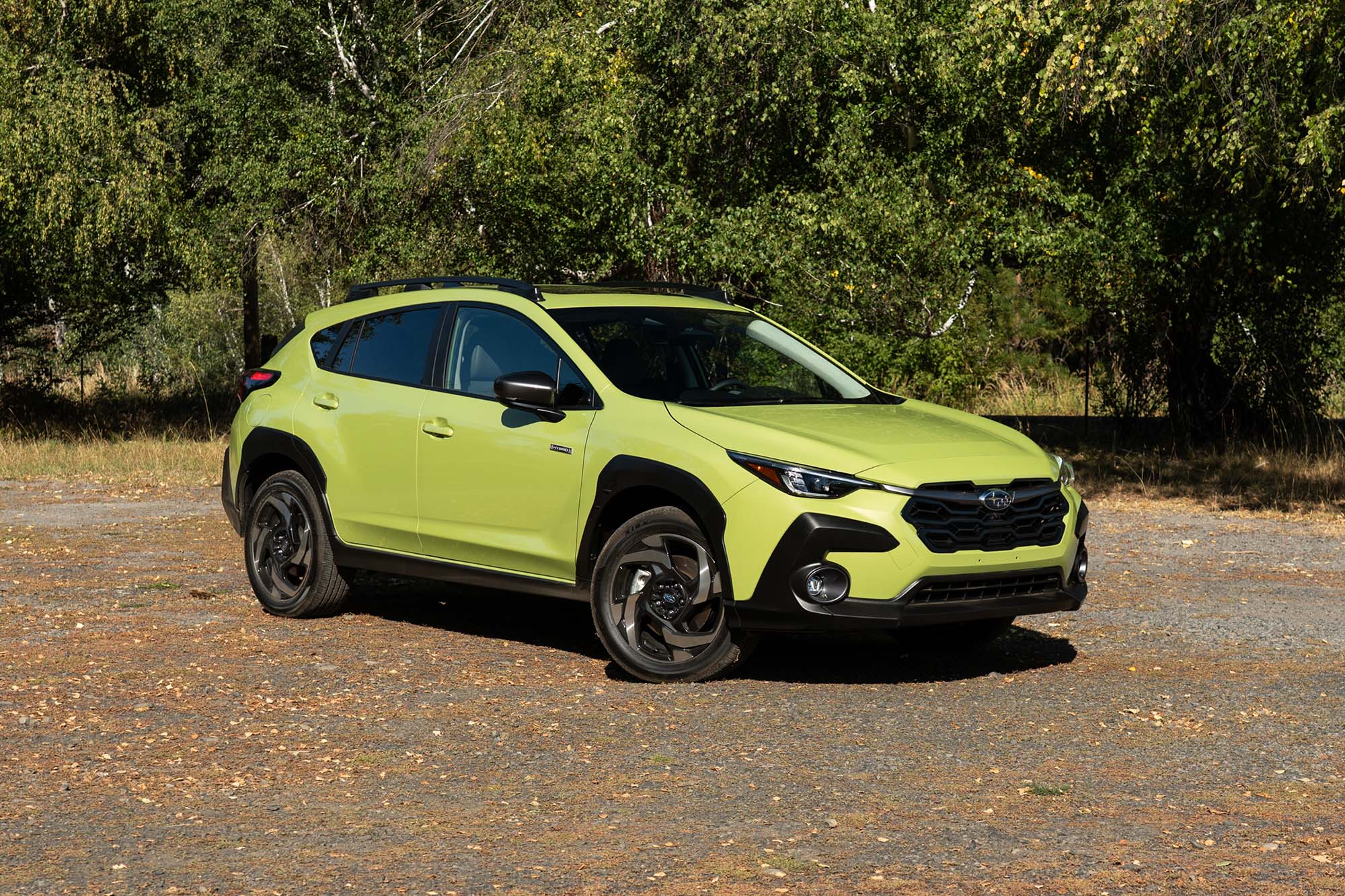
9. Subaru
Subaru has cultivated a loyal customer base by understanding the priorities of drivers who value safety, reliability, and outdoor adventure capabilities. The company actively listens to owners and uses feedback to guide product enhancements.
Safety remains one of Subaru’s defining strengths. Customer demand for advanced driver assistance technologies has contributed to the development and expansion of safety systems throughout the lineup. These features align closely with owner expectations.
Subaru owners often provide feedback regarding practicality and all-weather performance. The company uses this information to refine vehicle functionality, cargo space, comfort, and capability. Such improvements help maintain the brand’s appeal among active lifestyles.
The manufacturer also emphasizes customer relationships through community engagement and owner programs. Feedback gathered through these interactions helps strengthen understanding of consumer needs and preferences.
Subaru’s strong customer loyalty reflects its success in listening to drivers and delivering products that align with their values. This customer-focused approach continues to support the brand’s positive reputation.

10. Mazda
Mazda has earned praise for creating vehicles that combine driving enjoyment with practicality and quality. The company pays close attention to customer feedback to ensure its products meet evolving expectations while preserving the brand’s unique identity.
Owners frequently comment on driving dynamics, interior craftsmanship, and vehicle refinement. Mazda uses these insights to guide product improvements and maintain consistency across its lineup. Customer perspectives play an important role in balancing performance and comfort.
The company has also responded to growing demand for advanced technology and safety features. By incorporating customer preferences into product planning, Mazda has enhanced connectivity, convenience, and driver assistance systems in recent models.
Mazda’s emphasis on thoughtful design extends to customer experiences beyond the vehicle itself. Service quality, dealership interactions, and ownership satisfaction are all areas where feedback contributes to continuous improvement efforts.
By listening carefully to its customers, Mazda has established a reputation for delivering vehicles that exceed expectations in many areas. Its commitment to understanding driver needs remains a key factor in its ongoing success.