
The 1980s were a turning point for the American auto industry. The decade began with strict emissions rules, rising pressure on fuel economy, and performance cars that often produced far less power than the muscle machines of the late 1960s.
By the end of the decade, American automakers had found new ways to make exciting vehicles. Fuel injection, turbocharging, improved suspension designs, electronic dashboards, and more aerodynamic bodywork changed the character of cars built in the United States.
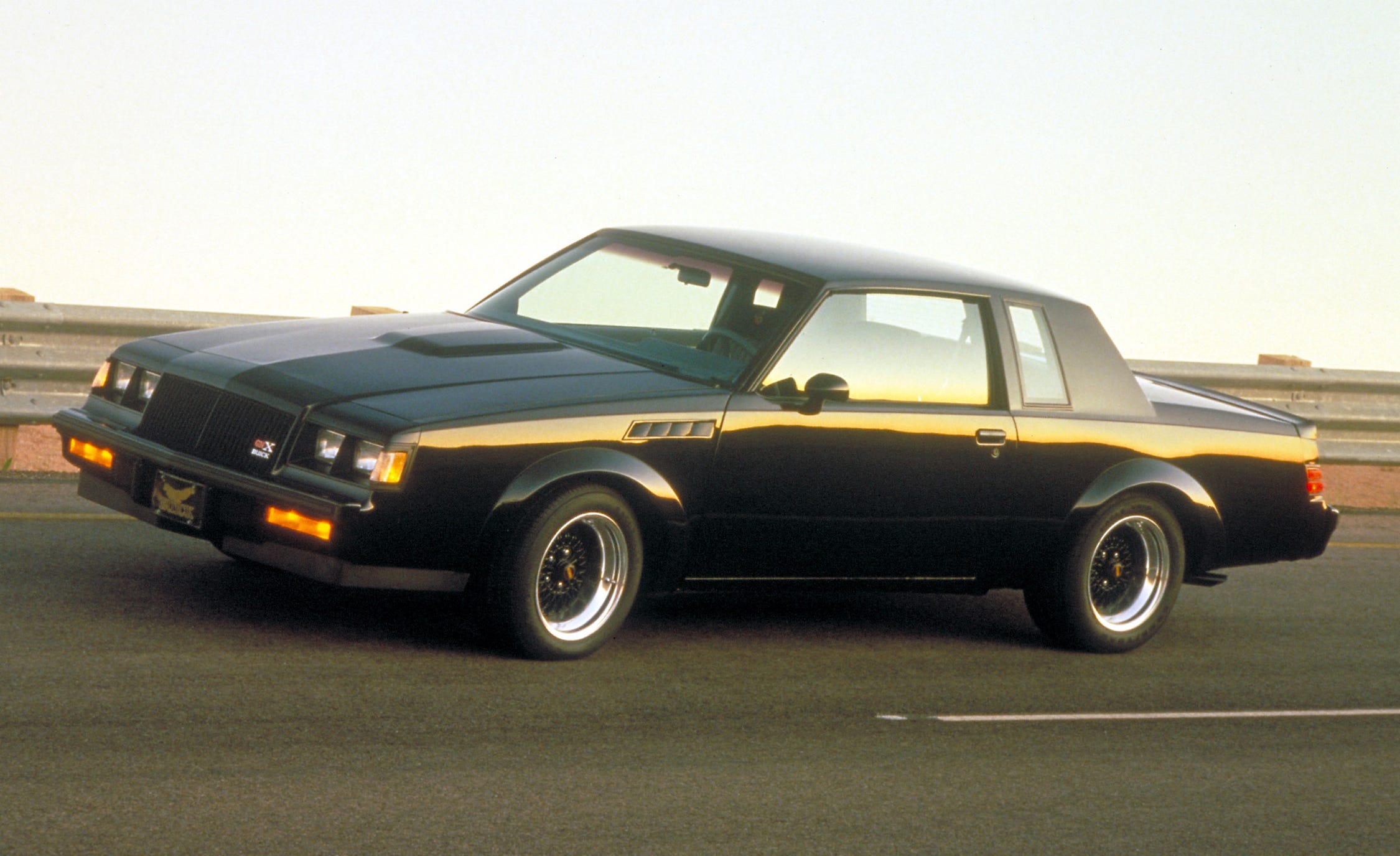
This was also a period when cars became major pop-culture symbols. A black turbocharged coupe could represent street-racing mystery, a wedge-shaped sports car could define modern American performance, and a boxy V8 coupe could become a favorite among enthusiasts, police departments, and drag racers.
Television, movies, music videos, and racing helped turn certain models into lasting icons. The cars from this era were not identical in purpose. Some were affordable performance machines, while others were expensive sports cars or luxury-oriented cruisers.
What connected them was their influence. They reflected the return of American performance after the difficult years of the 1970s and showed that domestic brands could again build cars with speed, personality, and memorable styling. The following models helped shape the image of American motoring during the 1980s.
Also Read: 8 SUVs That Depreciate The Fastest In Three Years
1. Ford Mustang GT 5.0
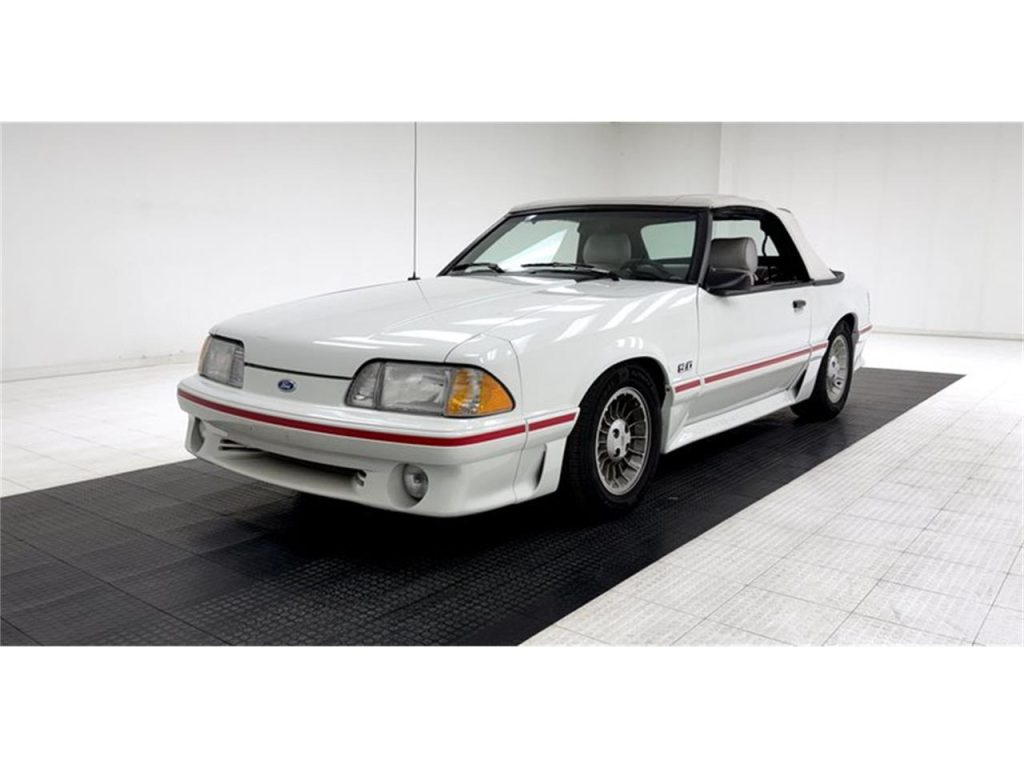
By the middle of the 1980s, the Ford Mustang GT 5.0 had become the car that signaled the return of accessible American V8 performance. The Fox-body Mustang had been around since 1979, but the 5.0-liter high-output V8 gave the platform a stronger identity as the decade progressed.
Its square-edged shape, long hood, compact body, and rear-wheel-drive layout made it feel direct and purposeful at a time when many American cars were becoming softer and more conservative.
The 1987 redesign sharpened the Mustang’s appearance with flush-style headlights, smoother front-end styling, and a more aggressive look. Under the hood, Ford’s fuel-injected 5.0-liter V8 produced 225 horsepower, a strong figure for a relatively affordable domestic coupe in that period.
The engine’s low-end torque made the Mustang feel quick in normal driving, while the available five-speed manual transmission gave enthusiasts the involvement they wanted.
Its importance went beyond factory performance. The Mustang GT became one of the most modified cars in America because its engine bay, rear-wheel-drive chassis, and large production numbers created a huge aftermarket.
Owners could improve acceleration, suspension response, exhaust sound, and braking without needing exotic parts or specialist knowledge. Drag strips, street meets, and amateur racing events were filled with Fox-body Mustangs.
The car also appeared repeatedly in 1980s popular culture, helping it become familiar even to people who were not serious car enthusiasts. It represented a return to the simple American performance formula: a V8 engine, two doors, rear-wheel drive, and strong straight-line acceleration.
The Mustang GT 5.0 remains one of the defining domestic cars of the decade because it brought muscle-car excitement back to a broad group of buyers.
- Engine: 5.0-liter high-output V8
- Torque: 300 lb-ft
- Horsepower: 225 hp
- Length/Width: 179.6 inches / 69.1 inches
2. Chevrolet Corvette C4
When the fourth-generation Chevrolet Corvette arrived for 1984, it looked dramatically different from the Corvettes that came before it. The C4 replaced the curvier, older-school appearance of the C3 with a low, sharply angled body that matched the technology-focused mood of the 1980s.
Its long wedge profile, pop-up headlights, glass rear hatch, and digital instrument display gave it a futuristic character that quickly made it one of the most recognizable American sports cars of the decade.
Chevrolet designed the C4 around handling and structural rigidity. The chassis was much more modern than the previous Corvette’s setup, using an advanced suspension layout and a stiff frame structure intended to improve cornering response.
Early cars did not have huge horsepower figures, but they could feel more controlled and capable through turns than many older American performance cars. That was an important change because it showed that the Corvette was becoming more than a straight-line machine.
The 1985 model brought tuned-port fuel injection to the 5.7-liter V8, increasing output to 230 horsepower. Later versions continued to improve, with the L98 engine reaching 245 horsepower by the end of the decade.
Buyers could choose manual or automatic transmissions, while performance packages gave the Corvette a more track-oriented personality.
Inside, the digital gauges were a major talking point. The display used electronic readouts for speed, engine speed, fuel level, and other information, making the car feel like a product of the space-age design trends that influenced the era.
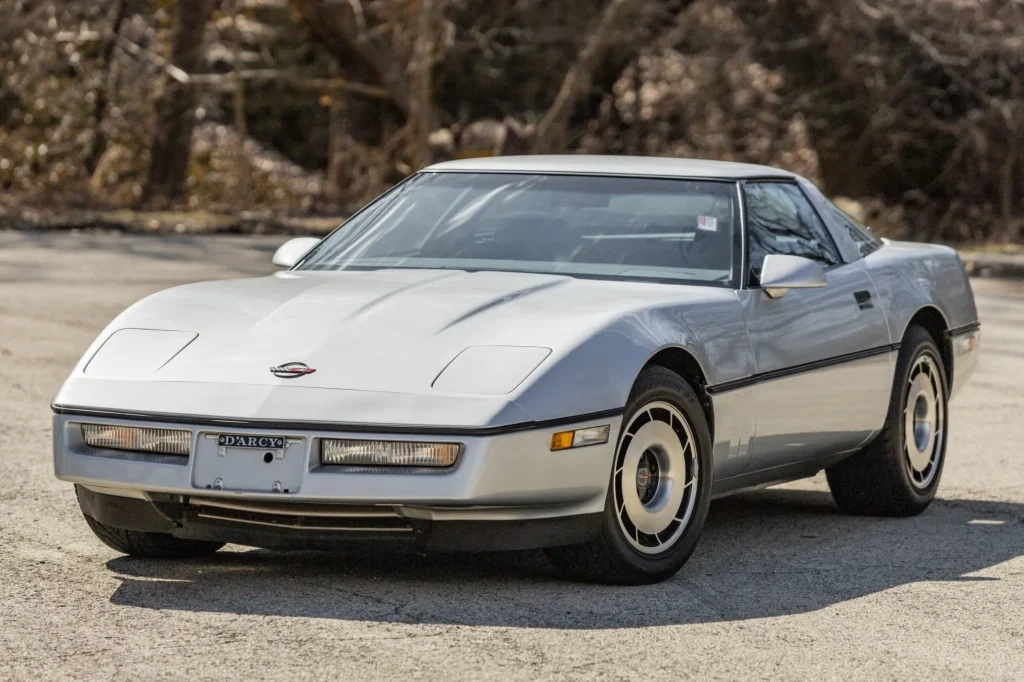
The removable roof panel also allowed drivers to enjoy open-air motoring without choosing a full convertible.
The C4 Corvette became an 1980s icon because it brought a modern identity to America’s best-known sports-car name. It looked fast, used new technology, and gave Chevrolet a serious answer to European performance cars.
- Engine: 5.7-liter V8
- Torque: 330 lb-ft
- Horsepower: 245 hp
- Length/Width: 176.5 inches / 71.0 inches
3. Buick GNX
The 1987 Buick GNX proved that an American performance icon did not need a V8 engine, bright paint, or a loud exterior to make a lasting impact. Based on the Buick Regal Grand National, the GNX arrived at the end of the rear-wheel-drive Regal’s production run as a limited-edition farewell model.
Buick sent 547 cars to ASC/McLaren for further development, turning an already quick turbocharged coupe into one of the most feared American street machines of the decade.
Its appearance was almost entirely black, from the bodywork to the trim, wheels, and grille. That dark presentation gave the GNX a serious presence, especially when most performance cars relied on stripes, spoilers, and bright graphics.
The subtle styling made the car look more like a luxury coupe than a drag-strip contender, which added to its appeal. Drivers who knew what it was understood that the quiet-looking Buick had far more performance than its formal body shape suggested.
The GNX used a turbocharged and intercooled 3.8-liter V6. Buick rated it at 276 horsepower and 360 lb-ft of torque, though many tests and later discussions suggested the actual output was higher.
The engine’s strong torque arrived early, giving the GNX exceptional acceleration from a stop. Its modified rear suspension was designed to help manage that power, while special 16-inch wheels and wider tires gave it a more aggressive stance.
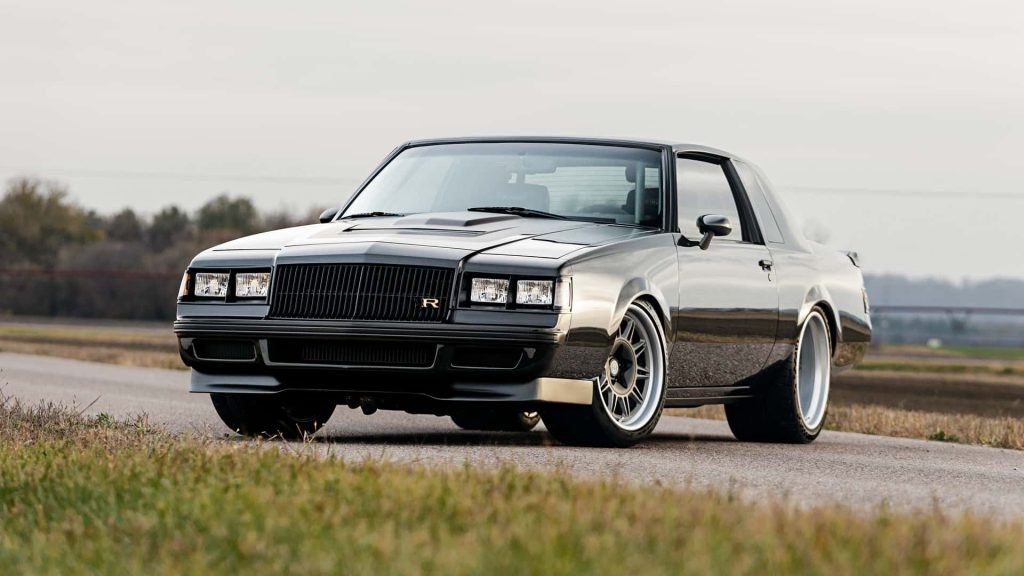
This car became legendary because it challenged assumptions about American performance. A Buick with a V6 engine was not expected to outrun many V8 cars, yet the GNX could deliver startling straight-line speed.
It closed the 1980s as a symbol of turbocharged muscle and remains one of the rarest American performance cars from the era.
- Engine: 3.8-liter turbocharged V6
- Torque: 360 lb-ft
- Horsepower: 276 hp
- Length/Width: 200.6 inches / 71.6 inches
4. DeLorean DMC-12
Few cars from the 1980s are recognized as quickly as the DeLorean DMC-12. Its production run was short, and it was not built by one of Detroit’s established manufacturers, yet it became a permanent part of American automotive culture.
John DeLorean created the car for the U.S. market, and its brushed stainless-steel body panels, gull-wing doors, and sharply folded design made it look unlike anything else on American roads.
The DMC-12 was designed by Giorgetto Giugiaro, whose angular styling gave the car a futuristic appearance before futuristic styling became common.
The unpainted stainless body was its signature feature. Owners did not choose traditional paint colors because the metal finish was intended to be part of the car’s identity. Combined with the dramatic doors, it made even a parked DeLorean feel like a special event.
Underneath the striking bodywork, the DeLorean used a rear-mounted 2.85-liter PRV V6. With 130 horsepower, it was not as quick as its exotic appearance suggested, but raw speed was never the reason it became famous.
The car was built around visual drama, unconventional engineering choices, and the personality of its creator. A five-speed manual transmission was available, while some buyers selected a three-speed automatic.
Its place in 1980s history became secure after it appeared as the time machine in Back to the Future. The movie transformed the DMC-12 from an unusual low-volume sports car into a worldwide pop-culture symbol.
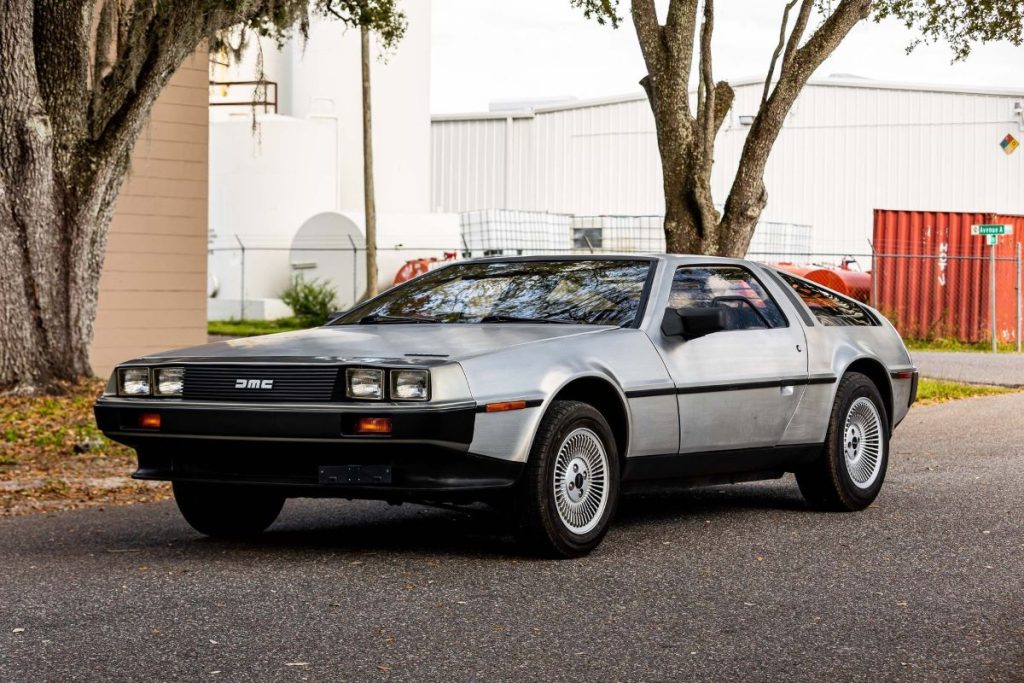
The stainless body and gull-wing doors were perfectly suited to a fictional machine capable of traveling through time, and the car became inseparable from the decade’s imagination.
The DeLorean remains iconic because it represents ambition, risk, and unmistakable design. It may not have been the fastest American-market car of the era, but no other 1980s vehicle created the same sense of spectacle.
- Engine: 2.85-liter PRV V6
- Torque: 160 lb-ft
- Horsepower: 130 hp
- Length/Width: 168.0 inches / 78.3 inches
5. Pontiac Firebird Trans Am
The Pontiac Firebird Trans Am carried the spirit of the 1980s like few other American cars. Its dramatic bodywork, pop-up headlights, sharply sloped windshield, and wide rear spoiler gave it a futuristic look that was far removed from the rounded muscle cars of earlier decades.
Pontiac redesigned the Firebird for 1982, and the Trans Am quickly became the most recognizable version of the lineup.
A major reason for its fame was television. The black-and-gold Trans Am used in Knight Rider became one of the best-known vehicles of the decade. Known as KITT in the series, the car featured a talking computer, a red scanning light, and fictional high-tech abilities.
That exposure turned the Trans Am into a dream car for an entire generation, even for people who had never visited a Pontiac showroom.
The real production car offered several engines during the decade, but the 1989 Turbo Trans Am became the ultimate version.
It used a turbocharged 3.8-liter V6 related to the engine in the Buick Grand National, producing 250 horsepower and 340 lb-ft of torque. Its performance was strong enough to surprise drivers who expected a V8-powered rival to be faster.
Earlier Trans Ams also mattered because they helped keep the American pony-car formula alive. The low seating position, long hood, rear-wheel-drive layout, and available V8 power created a proper performance-car atmosphere. Pontiac combined that formula with styling that looked advanced for its time.
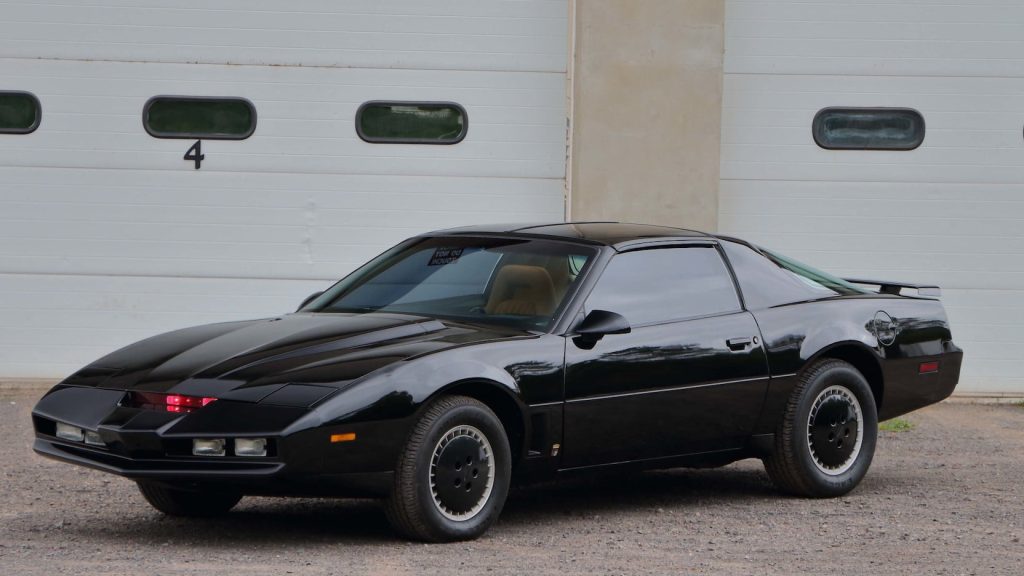
The Trans Am was more than transportation. It represented the bold, electronic, entertainment-driven character of the 1980s.
Its shape was instantly recognizable, its pop-culture presence was enormous, and its performance improved as the decade progressed. For those reasons, the Firebird Trans Am remains one of the defining American cars of the era.
- Engine: 3.8-liter turbocharged V6
- Torque: 340 lb-ft
- Horsepower: 250 hp
- Length/Width: 192.0 inches / 72.8 inches
6. Dodge Shelby Charger
The Dodge Shelby Charger showed that 1980s American performance was not limited to large V8 coupes. Based on Chrysler’s compact front-wheel-drive Charger, this small hatchback became a meaningful part of the decade because it brought Carroll Shelby’s name into the affordable sport-compact market.
It was lighter, smaller, and more fuel-conscious than traditional muscle cars, yet it still offered a serious performance attitude.
Shelby’s early versions used a tuned 2.2-liter four-cylinder engine, upgraded suspension components, revised steering, sportier wheels, and distinctive graphics.
The car was not trying to imitate a Mustang or Camaro. Instead, it delivered a different kind of American performance, with a compact body, front-wheel-drive traction, and a five-speed manual transmission.
The turbocharged Shelby Charger arrived later and gave the model a much stronger identity. Its turbocharged 2.2-liter engine produced 146 horsepower and 170 lb-ft of torque in 1985 form.
Those figures may sound modest today, but the Charger was light, and its acceleration was impressive for an inexpensive compact car of the time. The turbo engine also helped prove that Chrysler could build exciting four-cylinder performance cars.
Styling played an important role in the Charger’s appeal. The low nose, ground effects, rear spoiler, and Shelby badging made it look far more aggressive than the basic economy-car platform beneath it. It became a favorite among younger buyers who wanted something sporty without paying for a larger V8 coupe.
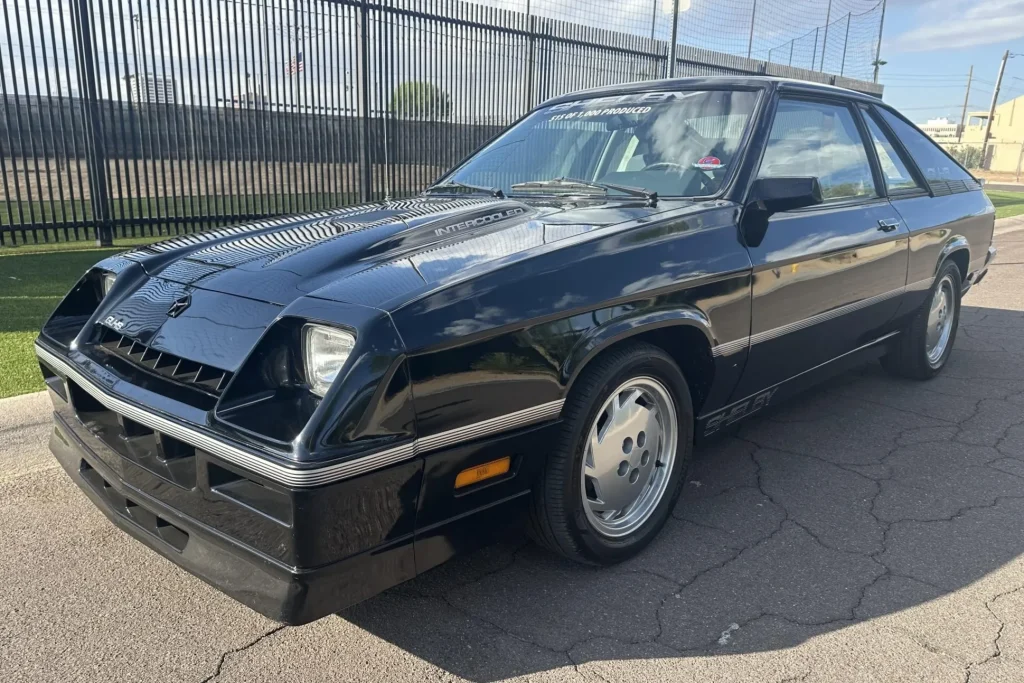
The Shelby Charger deserves recognition because it captured a major shift in the American industry. During the 1980s, turbocharging and smaller engines began to replace displacement as the path to performance. This compact Dodge helped make that change feel exciting rather than restrictive.
- Engine: 2.2-liter turbocharged four-cylinder engine
- Torque: 170 lb-ft
- Horsepower: 146 hp
- Length/Width: 174.8 inches / 66.7 inches
7. Cadillac Allanté
The Cadillac Allanté was one of the boldest luxury-car projects undertaken by an American manufacturer in the 1980s. Introduced in 1987, this two-seat convertible was Cadillac’s answer to prestigious European roadsters such as the Mercedes-Benz SL and Jaguar XJS.
It was designed to show that Cadillac could build a stylish, technology-focused car for buyers who wanted more than a traditional large American luxury coupe.
What made the Allanté unusual was the way it was built. Italian design house Pininfarina produced the body panels in Italy, then the bodies were flown to Detroit for final assembly on Cadillac mechanical components.
This complicated process became known as the “Air Bridge,” and it made the Allanté one of the most expensive and ambitious American automotive projects of the decade.
The car used a 4.1-liter V8 when it first arrived, but the 1989 version received a larger 4.5-liter V8 with 200 horsepower and 270 lb-ft of torque. While it was not intended to be a muscle car, the stronger engine gave the luxury convertible better performance and helped it compete more effectively with imported rivals.
Front-wheel drive was unusual for a premium roadster, but Cadillac used it to create a roomy and comfortable interior for two occupants.
Its appearance was elegant rather than aggressive. The long hood, clean body sides, power-operated convertible roof, and available removable hardtop gave the Allanté a distinctive presence.
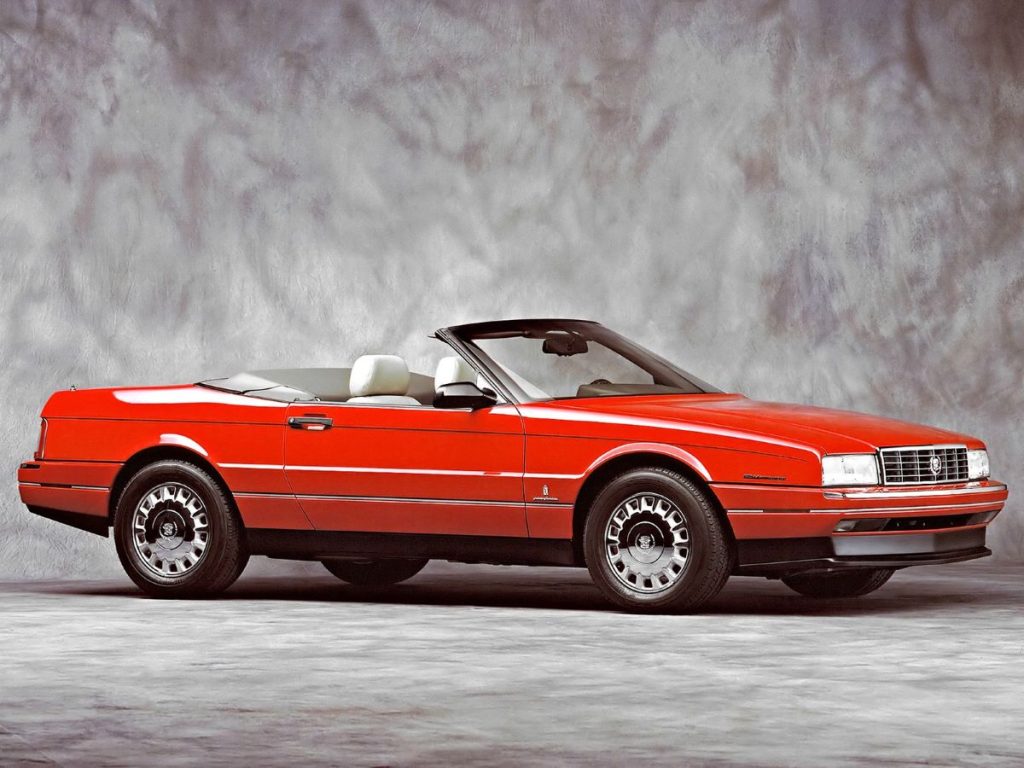
It also featured advanced equipment for its era, including electronic climate controls, digital instrumentation, memory seating, and premium audio options.
The Allanté did not sell in huge numbers, yet it remains important because it captured the experimental side of 1980s American luxury. Cadillac took a major risk by combining Italian coachbuilding with American V8 power, creating a car unlike anything else in its lineup.
- Engine: 4.5-liter V8
- Torque: 270 lb-ft
- Horsepower: 200 hp
- Length/Width: 178.6 inches / 73.5 inches
8. Chevrolet Camaro IROC-Z
The Chevrolet Camaro IROC-Z became one of the strongest symbols of late-1980s American performance. Introduced in 1985, it was named after the International Race of Champions series, linking the Camaro directly to professional motorsport.
Its low body, wide tires, aerodynamic ground effects, rear spoiler, and bold IROC-Z decals made it instantly recognizable. For many young buyers, it was the Chevrolet performance car they wanted parked in the driveway.
The IROC-Z arrived when the Camaro needed a more focused identity. Earlier third-generation Camaros had brought a lighter and more aerodynamic shape, but the IROC-Z added the visual drama and suspension upgrades needed to make the car feel more serious.
Chevrolet gave it firmer springs, revised shocks, larger stabilizer bars, and performance tires. These changes helped the Camaro handle more confidently than many older American pony cars.
Power came from several engines during its production run, but the 5.7-liter Tuned Port Injection V8 became the version enthusiasts wanted most.
By 1989, this engine produced 230 horsepower and 330 lb-ft of torque when paired with an automatic transmission. The torque-rich V8 gave the IROC-Z strong acceleration and a deep exhaust note that matched its aggressive appearance.
The car’s cultural impact was just as important as its mechanical package. The IROC-Z appeared in movies, television shows, music videos, and high-school parking lots across America.
It became connected with the bold fashion, loud music, and performance-car enthusiasm that shaped the later years of the decade. Its styling was not subtle, and that was exactly why it worked.
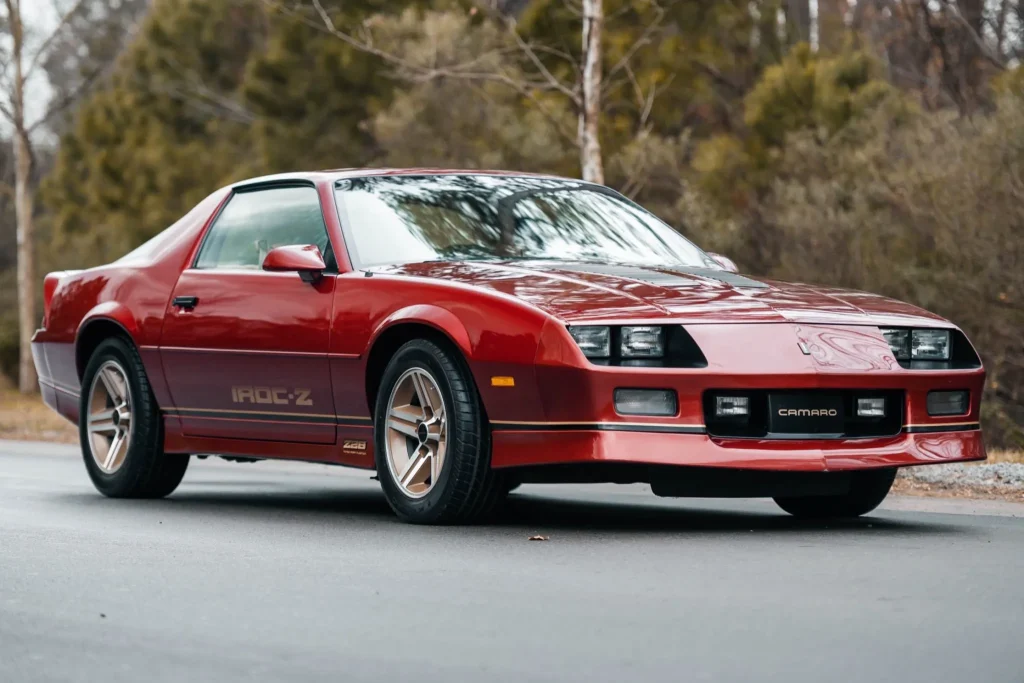
Chevrolet ended IROC-Z production after 1990 because the licensing agreement with the racing series expired. Still, the model’s legacy was already secure. It helped define the third-generation Camaro and remains one of the most memorable American cars associated with the 1980s.
- Engine: 5.7-liter Tuned Port Injection V8
- Torque: 330 lb-ft
- Horsepower: 230 hp
- Length/Width: 192.0 inches / 72.8 inches
Also Read: 8 Brands With the Best New-Car Warranty Coverage in 2026
