
Buying a new SUV feels exciting at the dealership. But the value drop that follows can feel brutal. Some vehicles lose nearly half their sticker price within just three years. Luxury badges and complex tech options often make this worse.
Steep depreciation isn’t always about poor build quality. It’s frequently tied to high MSRPs and an oversupply of inventory on dealer lots. Buyers chasing prestige often pay a premium upfront. That premium evaporates quickly once the SUV reaches the used market.
This list highlights eight SUVs known for losing value fast within three years. Most come from luxury brands with pricey trim levels. We’ve also included an older crash test rating for each model. This reflects how these SUVs performed when they were newer on the road.
Older ratings still matter for today’s used buyers. A three-year-old SUV was tested under whatever standards existed back then. Some of these vehicles scored very well in testing. Others were simply too low-volume for agencies to crash test at all.
Either way, depreciation and safety performance tell two different stories about the same used SUV. Together, they help shoppers make smarter, more informed decisions. Here are eight SUVs that depreciate fastest, along with how they fared in real crash testing.
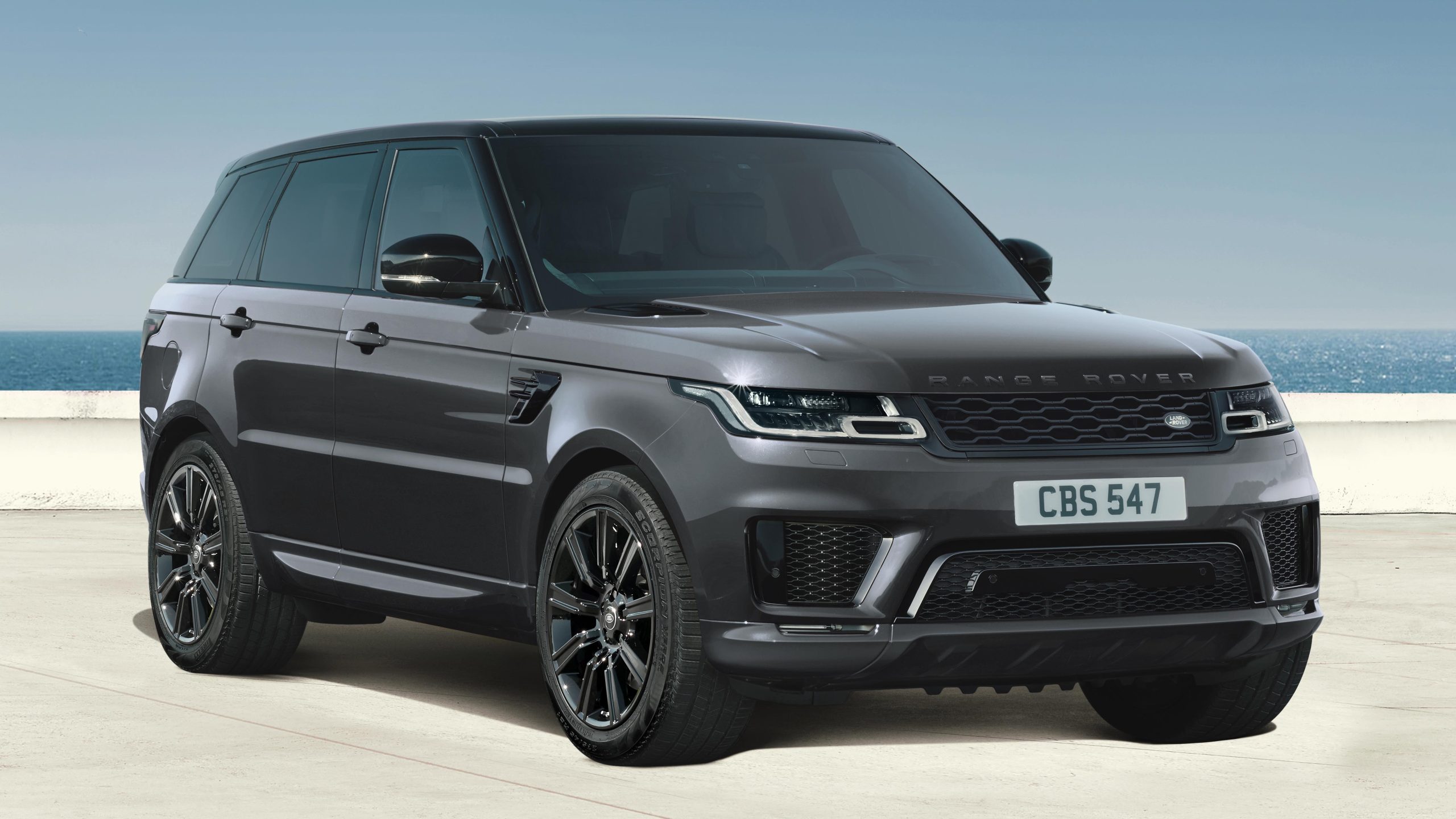
1. Land Rover Range Rover Sport
The Range Rover Sport blends serious off-road capability with first-class luxury. It’s one of the most recognizable nameplates in the segment. That recognition doesn’t protect its resale value. Independent valuation data shows the Sport losing well over half its price within five years.
A large chunk of that drop happens early. Three-year-old examples often trade for dramatically less than their original window stickers. High running costs play a role here.
Maintenance, insurance, and fuel expenses scare off many used buyers. Reliability concerns add to the problem. Land Rover has historically ranked low in dependability studies, which dents buyer confidence.
Used shoppers also worry about complex air suspension repairs. These systems are expensive once warranty coverage runs out. Even so, the Sport remains a tempting used buy. Its blend of comfort, capability, and styling is hard to match elsewhere.
Specifications:
- Engine: Turbocharged 3.0-liter inline-six (base); twin-turbo 4.4-liter V8 (available)
- Horsepower: 355 hp (base I6) up to 626 hp (V8 SV)
- Length: 194.7 inches
- Width: 80.6 inches (excluding mirrors)
Older Crash Test Rating: The 2021 Range Rover Sport earned a five-star rating from the NHTSA. It scored four stars in the frontal crash test and four stars in the rollover evaluation.
The IIHS did not crash test this generation. Low sales volume relative to mainstream SUVs is the usual reason for limited testing. Buyers should weigh this rating against the vehicle’s age. Crash protection standards and structural design have evolved since this test cycle.
2. BMW X7
BMW’s largest SUV brings an imposing presence and three-row practicality. It competes directly with other oversized luxury haulers. Unfortunately, size and price work against it on the used market. Industry depreciation studies place the X7 among the worst performers in its class.
Five-year value retention estimates show losses well above 60 percent. Much of that decline happens in the critical first three years. Part of the issue is overlap with cheaper BMW models.
The X5 offers similar comfort for considerably less money. Luxury depreciation also follows a predictable pattern. Expensive options packages rarely translate into proportional resale value.
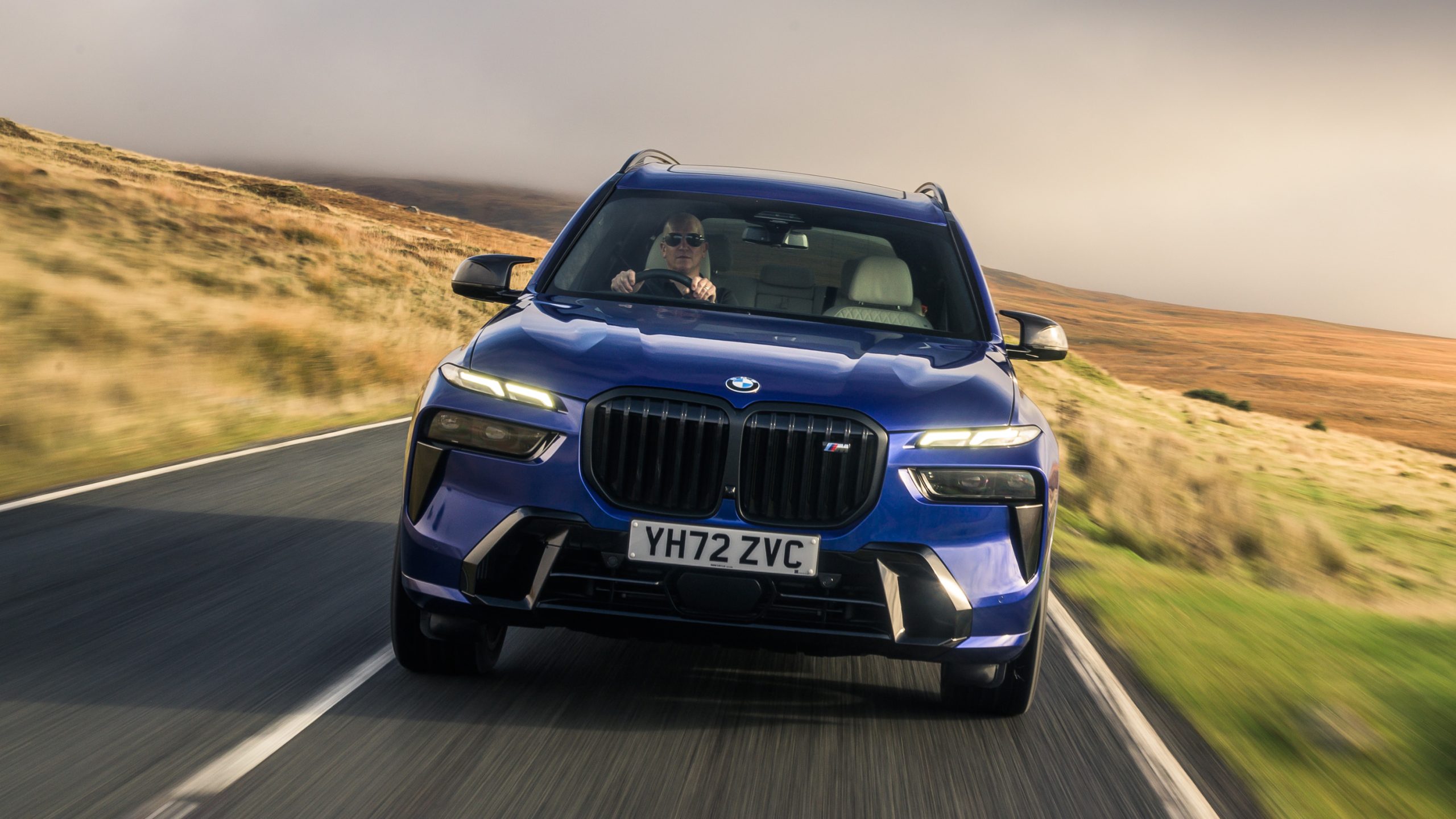
The X7’s striking grille design has also proven divisive. Polarizing styling can soften demand among used buyers. Despite the steep drop, the X7 remains a strong choice secondhand. Buyers get serious luxury for a fraction of the original price.
Specifications:
- Engine: Twin-turbo 3.0-liter inline-six (xDrive40i); twin-turbo 4.4-liter V8 (M60i and ALPINA XB7)
- Horsepower: 375 hp (I6) up to 631 hp (ALPINA XB7)
- Length: 203.6 inches
- Width: 87.3 inches
Older Crash Test Rating: The NHTSA did not complete full crash testing on the 2021 BMW X7. Most rating categories remained listed as not available.
Consumer Reports also noted the absence of NHTSA frontal and side-crash scores for this model year. Low production numbers often keep niche luxury SUVs out of formal testing pools. This doesn’t necessarily indicate poor safety performance. It simply means official crash data for early model years is limited.
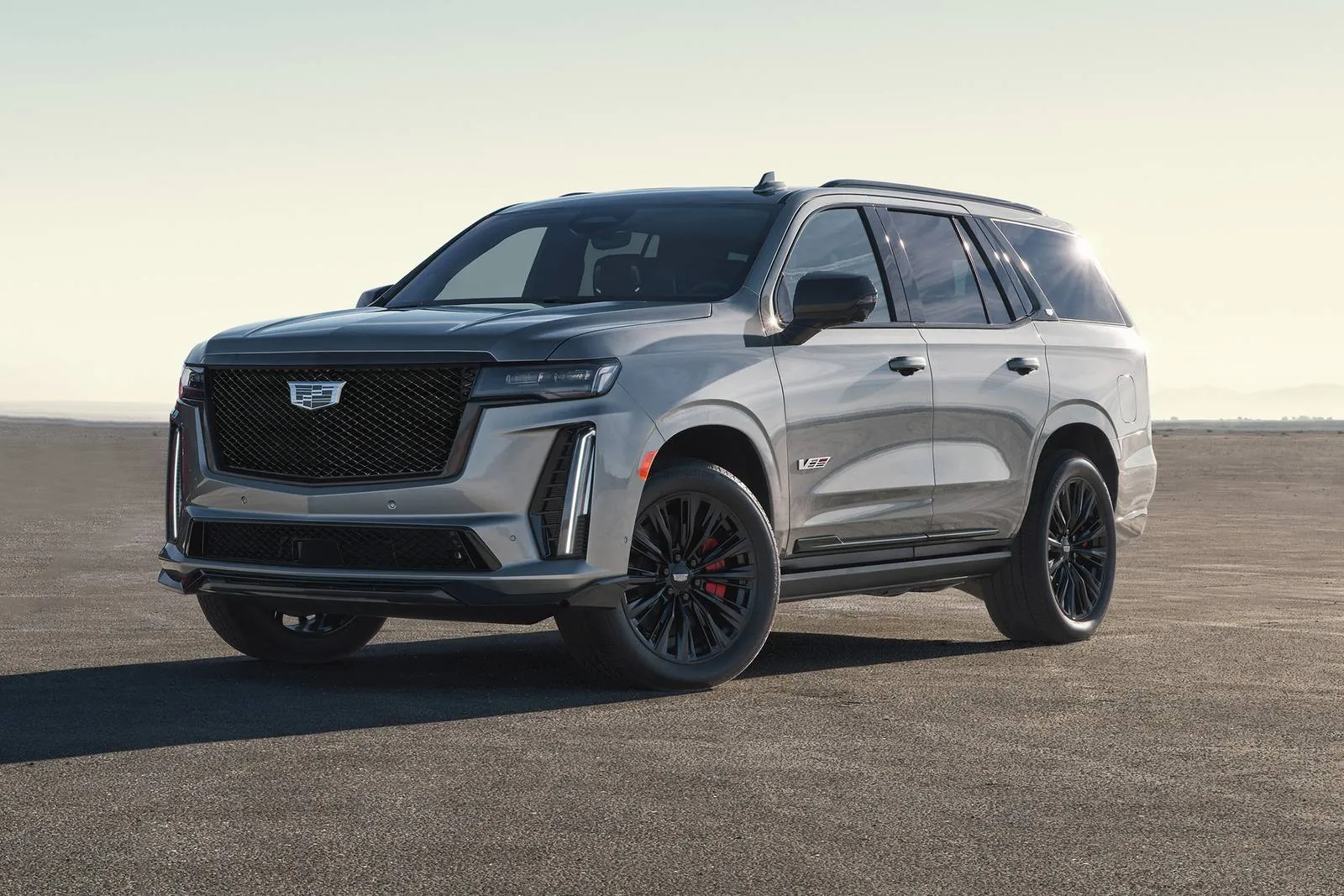
3. Cadillac Escalade ESV
The Escalade ESV is the stretched, more practical version of Cadillac’s flagship SUV. Bigger dimensions mean even bigger depreciation. Valuation data consistently ranks the ESV among the fastest-depreciating large SUVs. Five-year losses can reach the mid-60 percent range.
Fuel economy is a major culprit. The standard V8 engine drinks gas quickly, especially in stop-and-go traffic. Running costs add up fast for ESV owners. Tires, brakes, and routine maintenance all carry a premium price tag. Used buyers also worry about complex tech failures. Massive curved displays and driver-assist hardware can be costly to repair out of warranty.
Despite this, the ESV holds genuine appeal. Few vehicles match its commanding presence and three-row comfort.
Buyers willing to accept higher running costs often find tremendous value here. A heavily depreciated ESV delivers true luxury for a relative bargain.
Specifications:
- Engine: 6.2-liter V8 (standard); supercharged 6.2-liter V8 (Escalade-V)
- Horsepower: 420 hp (standard) up to 682 hp (Escalade-V)
- Length: 226.7 inches
- Width: 81.1 inches
Older Crash Test Rating: The 2021 Cadillac Escalade earned a four-star rating from the NHTSA. Frontal crash protection also scored four stars, while side-impact protection scored a full five stars.
The IIHS had not crash tested this generation as of that model year. The Escalade ESV shared the same structural platform and safety equipment as the standard-length model. Four stars is still a respectable result for a vehicle this large. It falls just short of the five-star scores some rivals achieved that year.
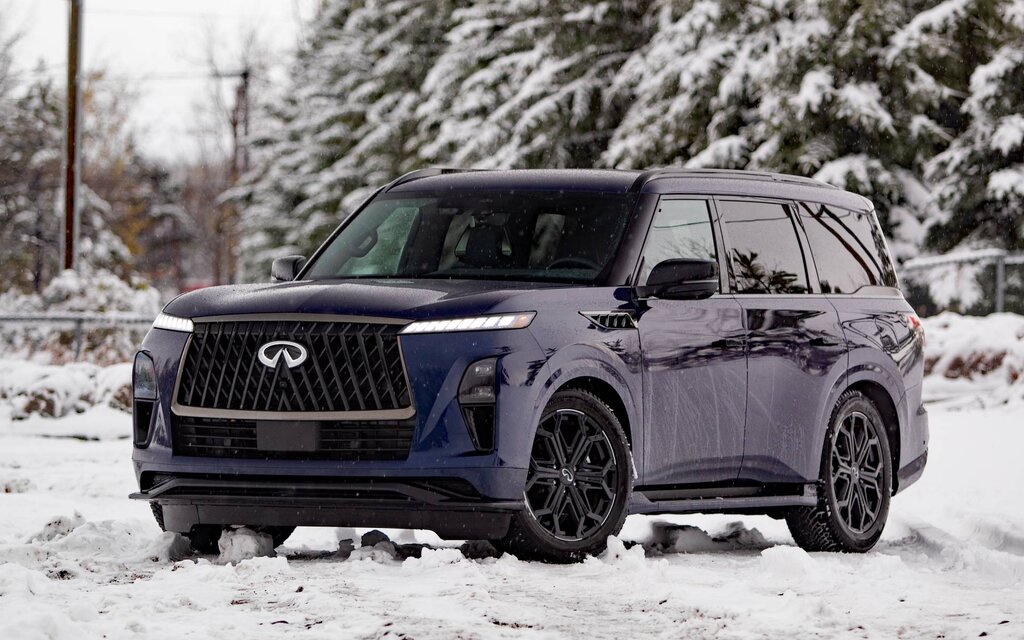
4. Infiniti QX80
The QX80 offers old-school V8 power in a segment increasingly dominated by turbocharged engines. That throwback appeal comes at a depreciation cost.
Industry studies routinely place the QX80 among the steepest-depreciating full-size luxury SUVs. Three-year losses frequently exceed 40 percent of the original MSRP.
Part of the problem is its aging platform. Before its recent redesign, the QX80 carried over much of its architecture for years. Outdated styling cues hurt resale demand. Buyers comparing options often gravitate toward newer-looking competitors instead.
Fuel economy is another sore spot. The big V8 engine struggles to keep pace with thirstier full-size rivals. Reliability, however, tends to be a bright spot. The QX80’s V8 and drivetrain have a reputation for durability. That dependability helps soften the blow for used buyers. A heavily discounted QX80 can be a smart long-term purchase.
Specifications:
- Engine: 5.6-liter V8
- Horsepower: 400 hp
- Length: 208.9 inches
- Width: 79.9 inches
Older Crash Test Rating: The 2021 Infiniti QX80 earned a four-star rating from the NHTSA. Frontal crash protection scored three stars, while side-impact protection earned a full five stars.
Rollover resistance came in at three stars. This is fairly typical for tall, heavy body-on-frame SUVs. The IIHS never conducted a full evaluation of this generation. As with several rivals here, lower sales volume likely limited independent testing interest.
Also Read: 7 Most Reliable Motorcycles You Can Buy Today
5. Audi Q7
The Audi Q7 delivers German engineering and a genuinely upscale cabin. Unfortunately, that polish doesn’t carry over to resale value. Luxury SUV depreciation studies consistently list the Q7 near the top of fastest-declining models. High MSRPs combined with abundant lease returns flood the used market.
Lease-heavy sales strategies hurt long-term value. A steady stream of off-lease Q7s keeps used prices artificially low. Electrical complaints have also chipped away at buyer confidence. Owner complaint data shows electrical faults as a recurring concern.
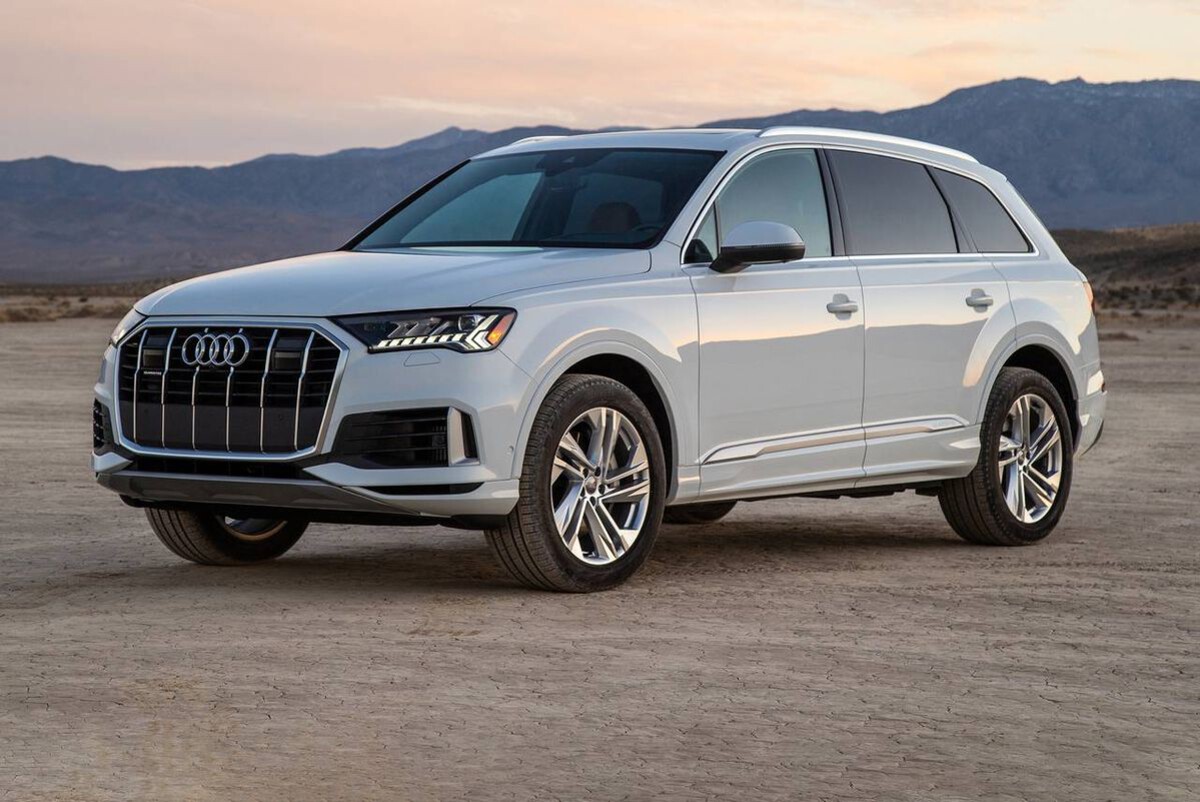
Recalls add to the perception problem. Several recent campaigns have targeted rearview cameras and instrument cluster software. None of this erases the Q7’s genuine strengths. Refined ride quality and a high-quality cabin remain real selling points.
For value-focused shoppers, a depreciated Q7 represents serious bang for the buck. German luxury becomes far more attainable after the initial value drop.
Specifications:
- Engine: Turbocharged 3.0-liter V6 (45 TFSI); turbocharged 3.0-liter V6 (55 TFSI)
- Horsepower: 261 hp (45 TFSI) or 335 hp (55 TFSI)
- Length: 199.6 inches
- Width: 78.1 inches (excluding mirrors)
Older Crash Test Rating: The current-generation Q7 earned five stars from the NHTSA in side-impact testing. Frontal and rollover testing each came in at four stars.
The IIHS awarded this generation a Top Safety Pick designation in an earlier model year. That status didn’t carry forward once stricter criteria were introduced. The Q7’s safety record remains solid. It’s a stronger performer than several rivals on this list when it comes to formal crash testing.
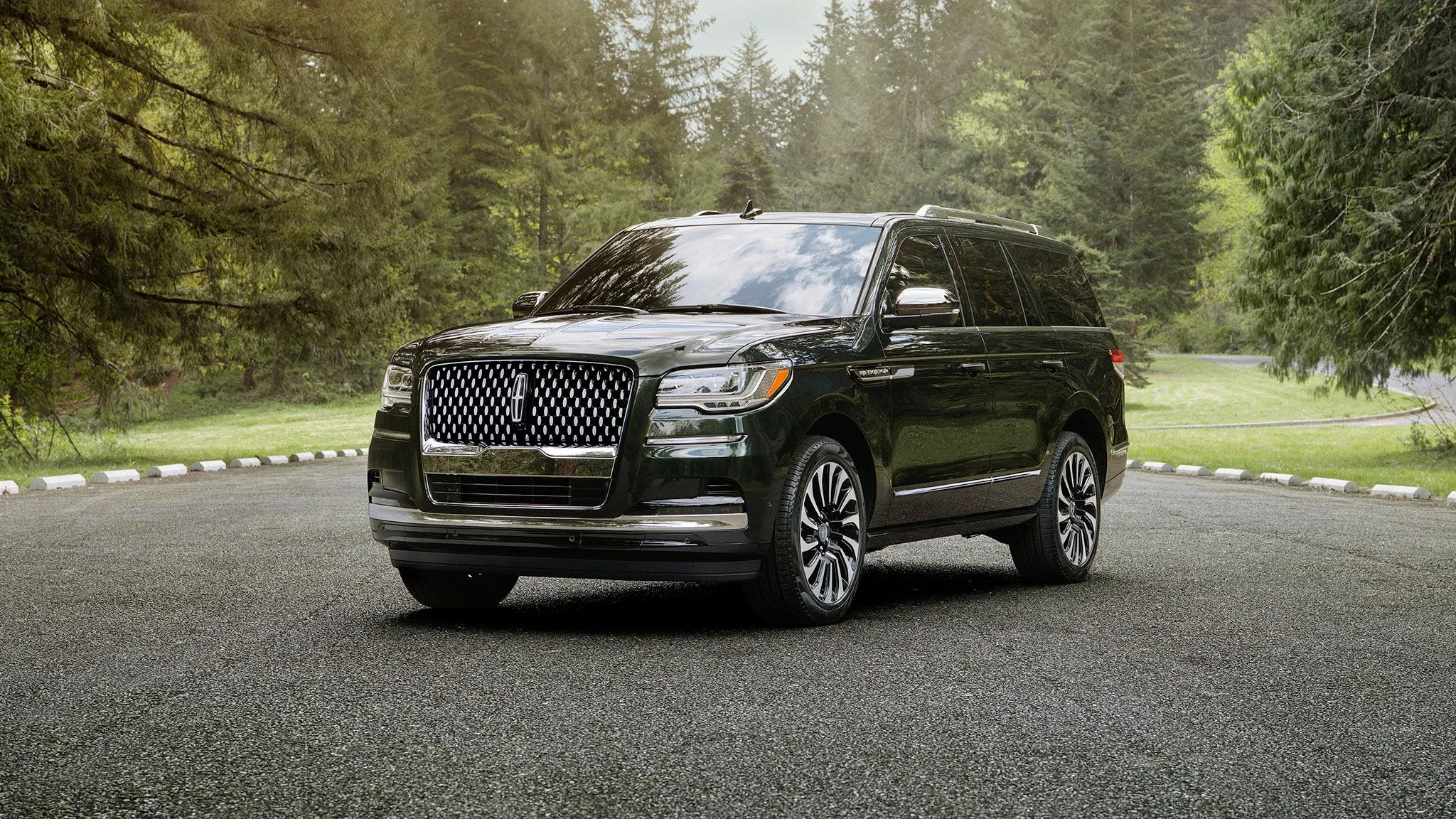
6. Lincoln Navigator
The Navigator competes directly with the Escalade for full-size luxury dominance. Both nameplates share a similar depreciation story. Valuation data shows steep early losses for the Navigator. Three-year depreciation frequently lands in the 40 to 45 percent range.
Fuel economy works against long-term value here, too. The twin-turbo V6, despite its power, doesn’t sip gas lightly. Complex tech features also raise concerns for used buyers. The Navigator’s massive dashboard display can be costly to repair once warranty coverage expires.
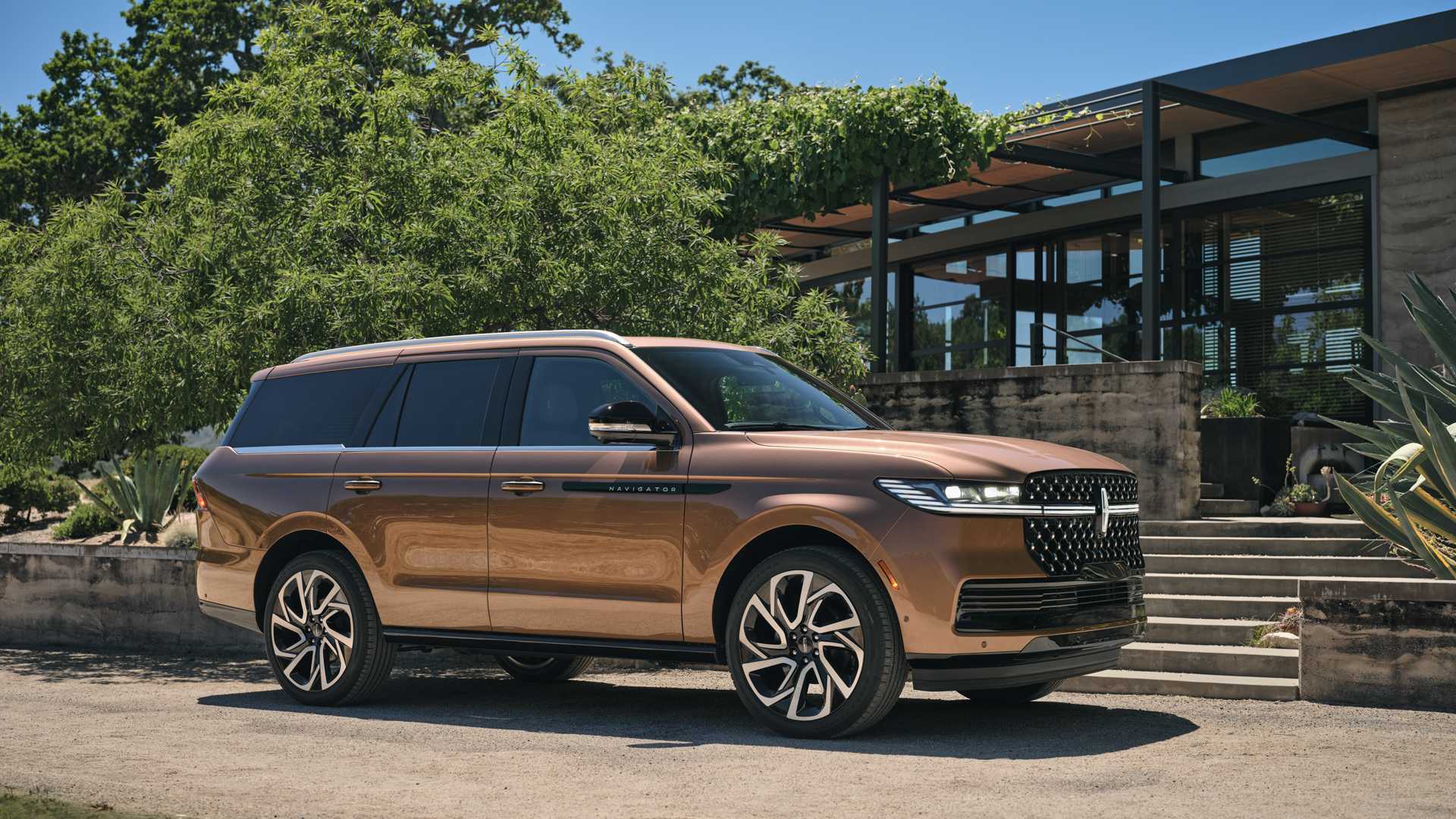
Competition from the Escalade adds pressure. Many shoppers cross-compare the two, often deciding based on price alone. Reliability has improved in recent years.
Lincoln has worked to address earlier electrical and infotainment glitches. For used buyers, the math still works out favorably. A well-equipped Navigator delivers genuine luxury well below its original price tag.
Specifications:
- Engine: Twin-turbocharged 3.5-liter V6 EcoBoost
- Horsepower: 440 hp (Standard, Reserve); 457 hp (Black Label)
- Length: 210.0 inches (standard); 221.9 inches (L model)
- Width: 81.0 inches
Older Crash Test Rating: The 2021 Lincoln Navigator earned a five-star rating from the NHTSA. It also scored five stars in both frontal and side-impact testing.
Rollover resistance testing showed a slightly lower risk than its closest rival, the Escalade, that same year. Standard safety equipment was also more generous than what competitors offered at the time. This strong rating helped the Navigator stand out among full-size luxury SUVs. It remains one of the better-tested vehicles on this list.
7. Mercedes-Benz GLS-Class
The GLS-Class is Mercedes-Benz’s flagship SUV, packed with first-class comfort. Unfortunately, that flagship status comes with flagship depreciation.
Industry depreciation rankings consistently place the GLS among the steepest losers in its segment. High starting prices leave plenty of room to fall.
Maintenance costs are notably steep. Mercedes parts and labor rates tend to run higher than mainstream competitors. Complex air suspension and driver-assist hardware add to repair anxiety. Used buyers often factor in these potential costs before purchasing.
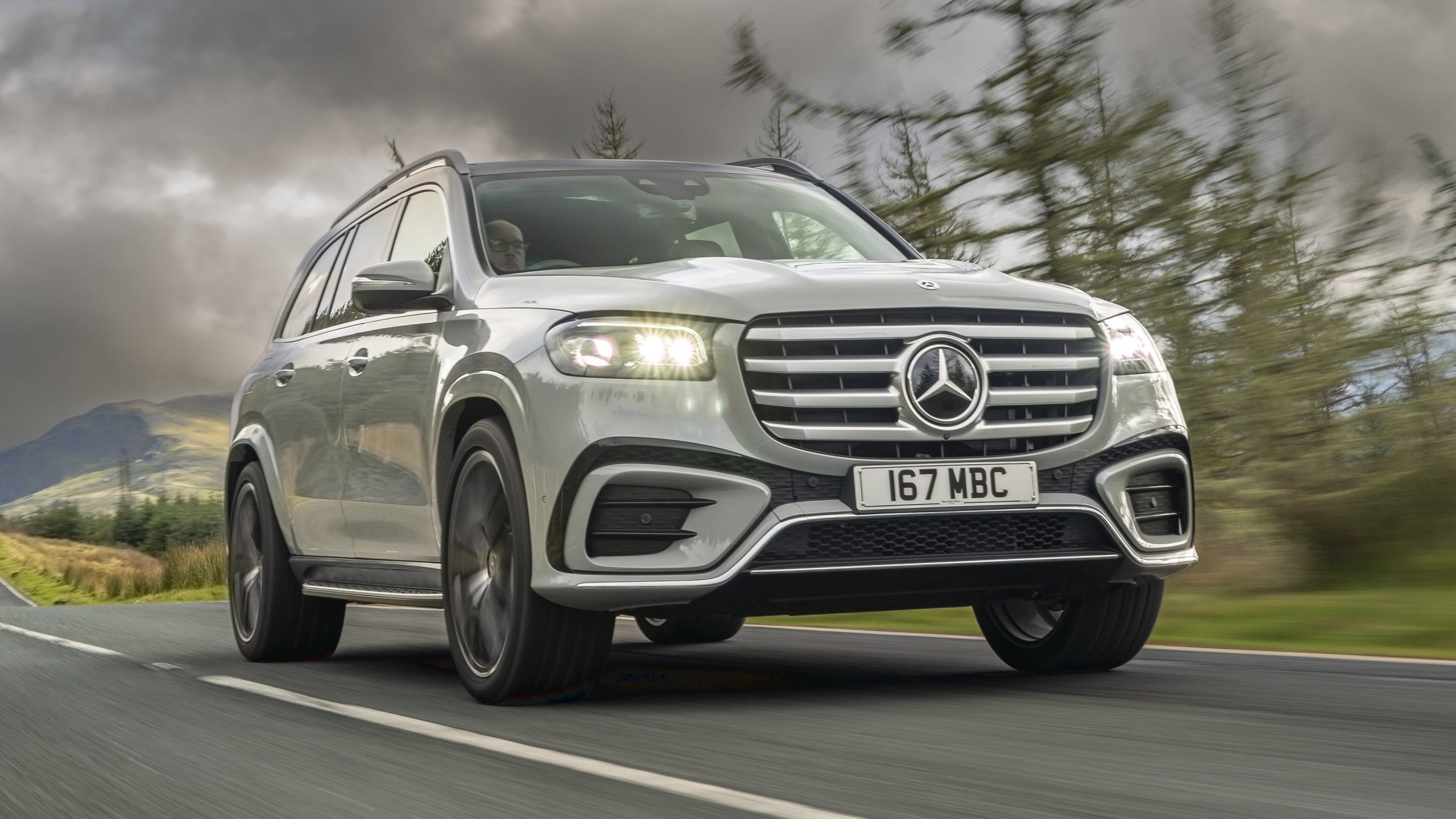
Strong competition from other German rivals doesn’t help either. Buyers frequently cross-shop the GLS against the BMW X7 and Audi Q7. Despite the depreciation, the GLS remains genuinely impressive to drive.
Its cabin quality and ride comfort are difficult to match. A heavily discounted GLS can feel like an incredible deal. Buyers gain access to true flagship comfort for a fraction of the original cost.
Specifications:
- Engine: Turbocharged 3.0-liter inline-six mild hybrid (GLS 450); turbocharged 4.0-liter V8 mild hybrid (GLS 580)
- Horsepower: 375 hp (GLS 450) or 483 hp (GLS 580)
- Length: 203.4 inches
- Width: 78.8 inches (excluding mirrors)
The 2021 GLS Class carries an older crash test record, with NHTSA data showing no completed star ratings across the major safety categories. As is the case with several low-volume luxury SUVs, it was not chosen for full government crash testing during that model year.
The IIHS also did not issue a formal rating for this generation. This absence of testing doesn’t reflect poor performance, but rather limited sales volume relative to mainstream SUVs.
Buyers relying on third-party crash data should keep this gap in mind. Standard safety equipment, however, remained extensive across all trim levels.
8. Jaguar F-Pace
The F-Pace brings genuine sports car DNA to the compact luxury SUV segment. Sharp handling is its calling card. That sporting character doesn’t translate into strong resale value. Depreciation studies place the F-Pace among the worst performers in its class.
Five-year value loss estimates often exceed 65 percent. Much of that decline happens within the crucial first three years. Jaguar’s brand uncertainty plays a role here. Ongoing questions about the brand’s future direction make used buyers hesitant.
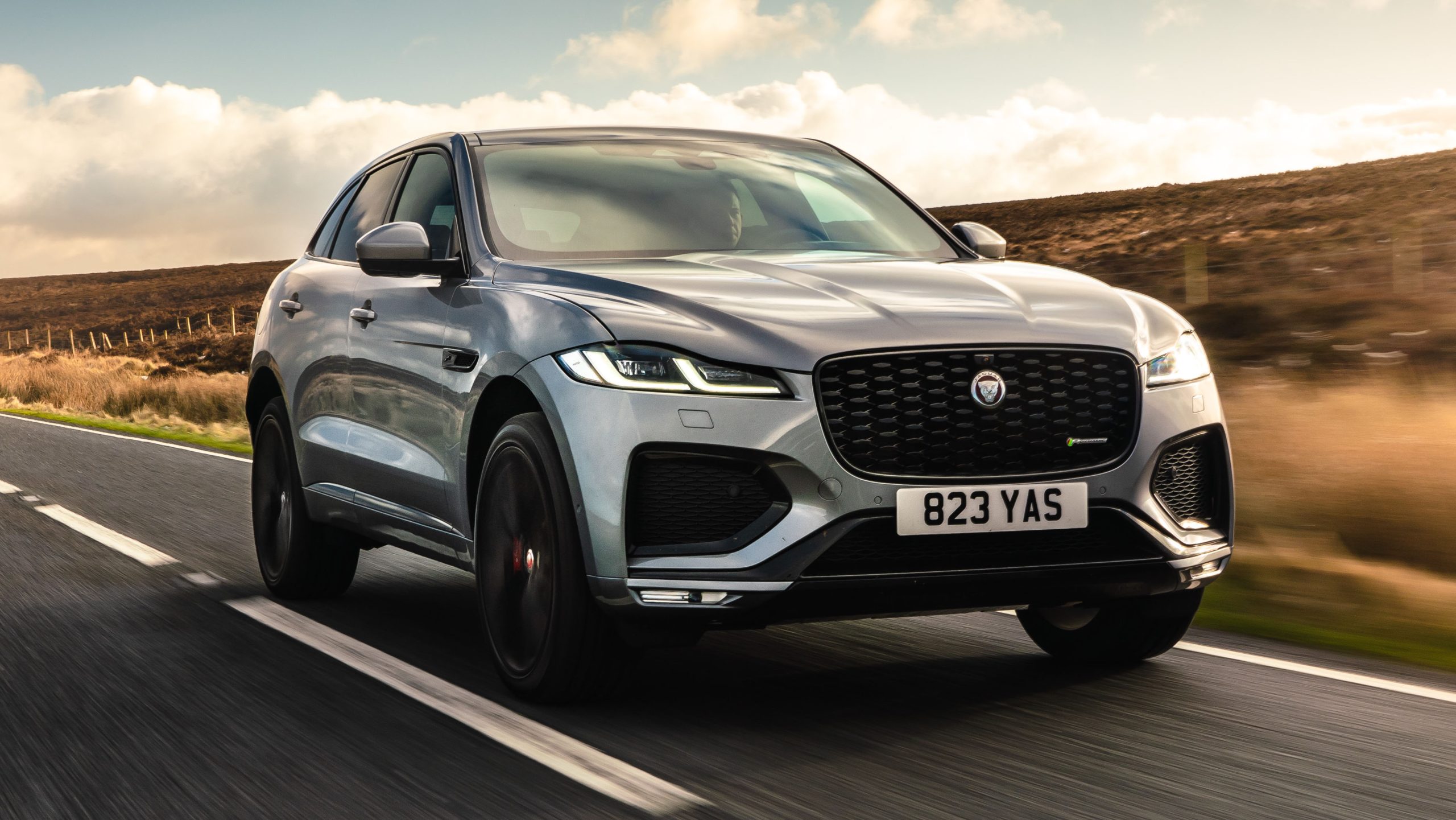
Reliability concerns compound the problem. Jaguar has historically struggled in long-term dependability rankings compared to mainstream luxury rivals.
Performance, though, remains a genuine strength. The available supercharged V8 variant delivers properly thrilling acceleration. For buyers focused purely on value, a used F-Pace is hard to beat. Sports car thrills come at a steep discount once depreciation runs its course.
Specifications:
- Engine: Turbocharged 2.0-liter four-cylinder (P250); turbocharged/supercharged 3.0-liter six-cylinder mild hybrid (P400); supercharged 5.0-liter V8 (SVR, discontinued)
- Horsepower: 247 hp (P250) up to 550 hp (SVR)
- Length: 186.5 inches
- Width: 76.2 inches (excluding mirrors)
Older Crash Test Rating: Neither the NHTSA nor the IIHS conducted a full crash test on the F-Pace during this generation’s recent model years. Low sales volume in the United States kept it outside both agencies’ testing priorities.
Internationally, the F-Pace fared much better. It earned a five-star Euro NCAP rating shortly after its original launch. That earlier international result still offers useful context. It suggests a structurally sound platform, even without recent domestic crash data to confirm it.
Also Read: 10 Cars That Drove Over 800,000 Miles
