
A vehicle’s badge can strongly influence what buyers expect when it comes time to sell. Some brands are associated with dependable long-term ownership and predictable resale strength, while others are often linked with steep depreciation, expensive maintenance, limited dealer networks, or a reputation for producing cars that lose value quickly.
Yet the used-car market does not treat every model from a brand in the same way. Certain vehicles build their own following through distinctive styling, strong performance, practical design, limited production, off-road ability, or a loyal enthusiast community.
These factors can allow a specific model to retain value far better than the rest of its manufacturer’s lineup. A brand may have several slow-selling sedans or luxury models that depreciate heavily, while one SUV, sports car, truck, or performance model remains in demand years later.
Resale value is never guaranteed. Mileage, accident history, service records, color, trim level, regional demand, market conditions, and vehicle condition all influence what a buyer will pay. A clean, well-maintained example with desirable equipment can sell for far more than a neglected version of the same model.
The vehicles below stand out because their resale strength can surprise people who judge them only by the reputation of the brand on the grille. Their value comes from demand that extends beyond the manufacturer’s usual image.
Also Read: 10 Trucks That Held Their Value Better Than Most Over the Last Decade
1. Jeep Wrangler
Jeep has often faced criticism for inconsistent reliability, aging interior designs, and higher ownership costs than many mainstream rivals. Those concerns can affect the resale values of several Jeep models, particularly crossovers and older luxury-oriented SUVs. The Wrangler is different because buyers rarely view it as an ordinary SUV.
Its appeal comes from a formula that few competitors can duplicate. The removable doors, removable roof panels, fold-down windshield, body-on-frame construction, solid axles, and serious off-road hardware create a personality that attracts buyers who want a vehicle for trails, beaches, camping, and weekend adventures.
Even people who never take a Wrangler off pavement often want one because it has a distinctive style and strong enthusiast identity.
Demand for used Wranglers stays high because new versions can become expensive once buyers add four-wheel drive equipment, larger wheels, premium interiors, and factory off-road packages.
A clean used model can, therefore, look attractive to someone who wants the Wrangler experience without paying the full price of a new one.
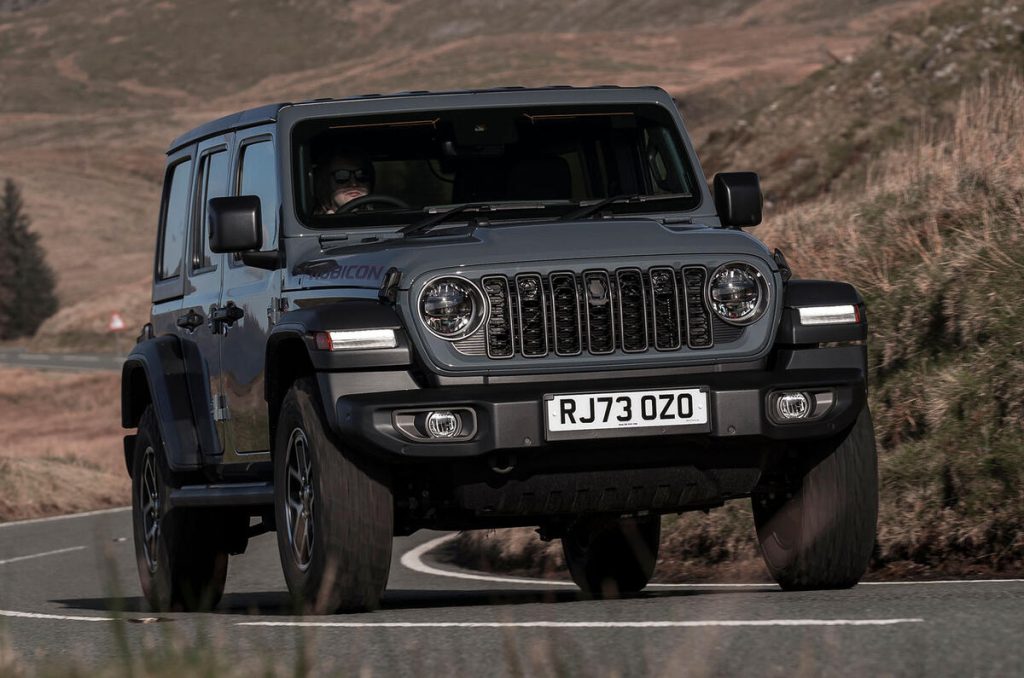
The most desirable examples tend to be well-maintained models with low mileage, clean frames, complete service history, and minimal modifications. Heavy off-road use, poor aftermarket lifts, oversized tires, water damage, and rust can reduce value quickly. Buyers also pay attention to whether the vehicle has been altered properly.
The Wrangler proves that resale value is not determined only by brand-wide reliability rankings. Its demand is driven by character, capability, and a loyal customer base that continues to seek it out.
- Engine: 3.6-liter Pentastar V6
- Torque: 260 lb-ft
- Horsepower: 285 hp
- Length/Width: Approximately 188.4 inches / 73.9 inches
2. Porsche 911
Luxury performance cars often lose value rapidly because they are expensive to buy, costly to maintain, and produced in enough volume that used buyers have many options. Porsche also sells several models that experience more conventional luxury-car depreciation. The 911 has repeatedly separated itself from that pattern.
Part of the reason is continuity. The 911 has retained its familiar rear-engine layout and recognizable shape for decades, which gives older examples a direct connection to newer ones.
Buyers do not see a used 911 as an outdated version of a forgotten model. They see it as part of a long-running sports-car lineage with a dedicated global following.
Demand is supported by performance, usability, and the wide variety of available versions. A buyer can find a rear-wheel-drive Carrera, all-wheel-drive Carrera 4, Turbo, Targa, Cabriolet, GT3, or track-focused special edition.
Manual-transmission examples and limited-production performance models often attract especially strong interest because enthusiasts see them as more engaging and less common.
The 911 also benefits from buyers who are willing to pay for documented maintenance. Service records, original paint, factory options, clean inspections, and careful ownership can have a major effect on resale value. A neglected 911 can still be expensive to repair, so buyers are selective about condition.
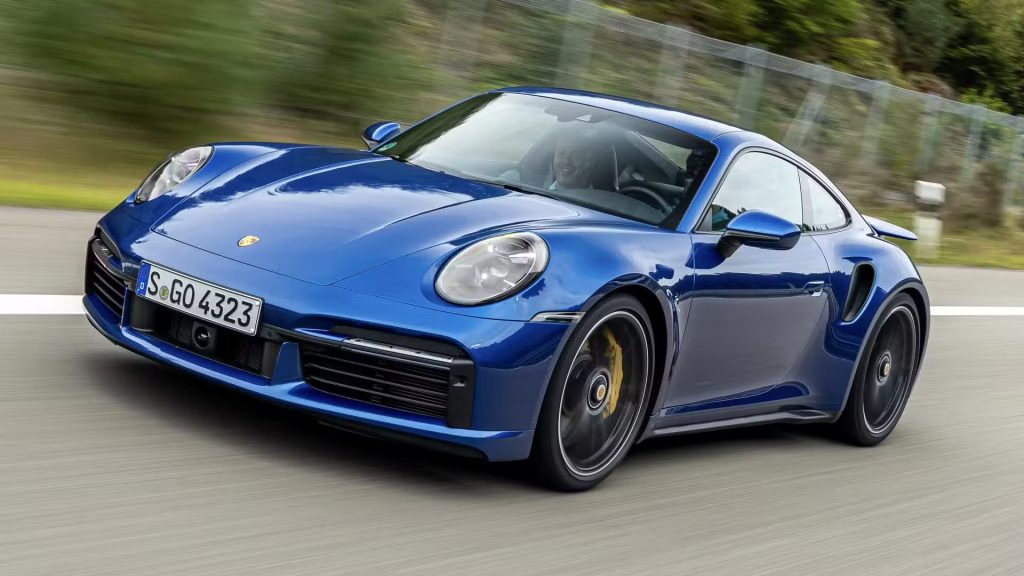
The vehicle does not hold value because Porsche ownership is cheap. It holds value because the 911 has a deep enthusiast market and a reputation that reaches beyond the normal luxury-car buyer. In 2026, some reports continue to place the 911 among the strongest value-retaining luxury vehicles.
- Engine: 3.0-liter twin-turbocharged flat-six
- Torque: 331 lb-ft
- Horsepower: 388 hp
- Length/Width: Approximately 179.2 inches / 72.9 inches
3. Ford Bronco
Ford has a broad lineup that includes practical crossovers, family SUVs, work trucks, and performance cars. While many Ford models follow normal depreciation patterns, the Bronco has created a stronger used-market identity than buyers may expect from a mainstream brand. Its resale appeal comes from the fact that it is not treated like a typical midsize SUV.
The Bronco was designed around open-air driving and trail capability. Removable doors, removable roof sections, available manual transmission, washable interior materials, serious four-wheel-drive hardware, and a large range of factory off-road packages give it a purpose that goes beyond commuting.
Buyers who want a vehicle with this kind of personality often compare it directly with the Jeep Wrangler, which helps keep demand strong.
A used Bronco can also appeal to buyers because new examples become expensive quickly once popular equipment is added. The Sasquatch package, larger tires, locking differentials, upgraded suspension components, roof options, and appearance packages can raise the new-vehicle price significantly.
A clean used model with desirable factory equipment may therefore attract buyers who want capability without paying the price of a new build.
Condition is extremely important. Broncos that have been heavily modified, poorly lifted, damaged during off-road use, or exposed to water can lose value quickly. Buyers usually prefer examples with factory equipment, complete service records, clean underbody condition, and no signs of hard trail damage.
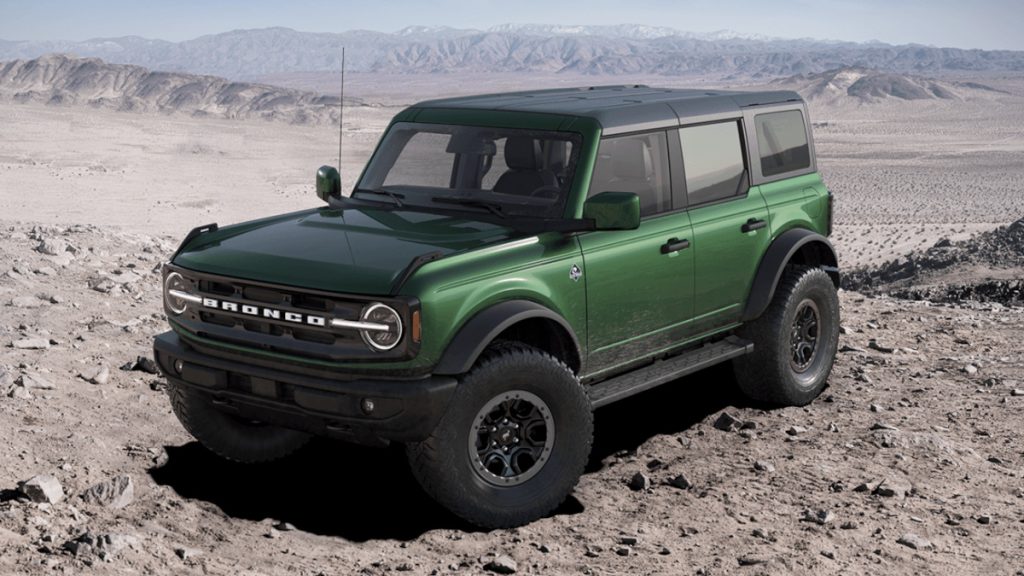
The Bronco’s strong resale position shows how a model can build its own following even when it comes from a brand known for producing many different types of vehicles.
Its appeal is based on adventure-focused design, customization potential, and a large audience of buyers who want a modern off-road SUV with real character.
- Engine: 2.3-liter turbocharged EcoBoost four-cylinder
- Torque: 315 lb-ft
- Horsepower: 300 hp
- Length/Width: Approximately 189.4 inches / 75.9 inches
4. Chevrolet Corvette
Chevrolet produces several vehicles that depreciate like normal mass-market cars, particularly sedans, crossovers, and certain older performance models. The Corvette has always occupied a different place in the brand’s lineup.
It is one of the few American sports cars that can retain buyer interest across generations, especially when the vehicle is well cared for and equipped with desirable options.
The current mid-engine Corvette changed the model’s image significantly. It offers exotic-car proportions, sharp handling, strong acceleration, and a cabin that feels more focused than earlier versions.
Yet it remains less expensive to buy and maintain than many European performance cars. That combination gives it a wide audience in the used market.
Older Corvettes can also hold attention because each generation has its own enthusiast community. Some buyers want the classic styling of a C3, while others prefer the analog feel of a C5 or C6.
Manual-transmission versions, special editions, high-performance Z06 models, and low-mileage cars in original condition often receive the strongest interest.
A Corvette’s resale value can change dramatically depending on how it has been treated. Accident history, aftermarket modifications, poor paintwork, missing service records, and neglected interiors can reduce buyer confidence.
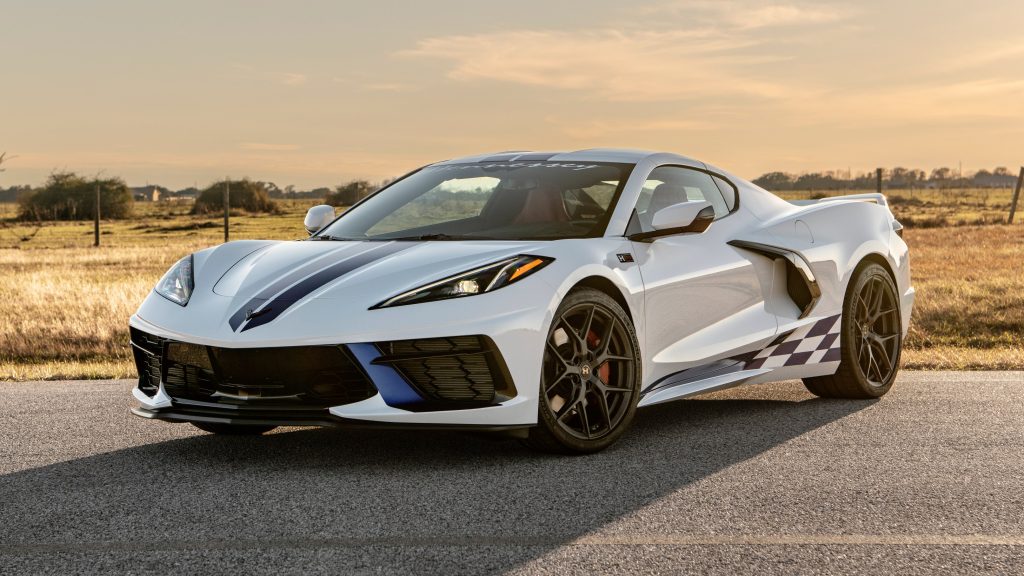
Cars with documented maintenance, original components, clean vehicle history, and desirable colors usually attract more serious buyers.
The Corvette proves that a brand does not need to be considered premium across every segment for one vehicle to command lasting demand. Its performance reputation, long history, and strong enthusiast support help it remain more valuable than many people expect from a Chevrolet badge.
- Engine: 6.2-liter naturally aspirated V8
- Torque: 465 lb-ft
- Horsepower: 490 hp
- Length/Width: Approximately 182.3 inches / 76.1 inches
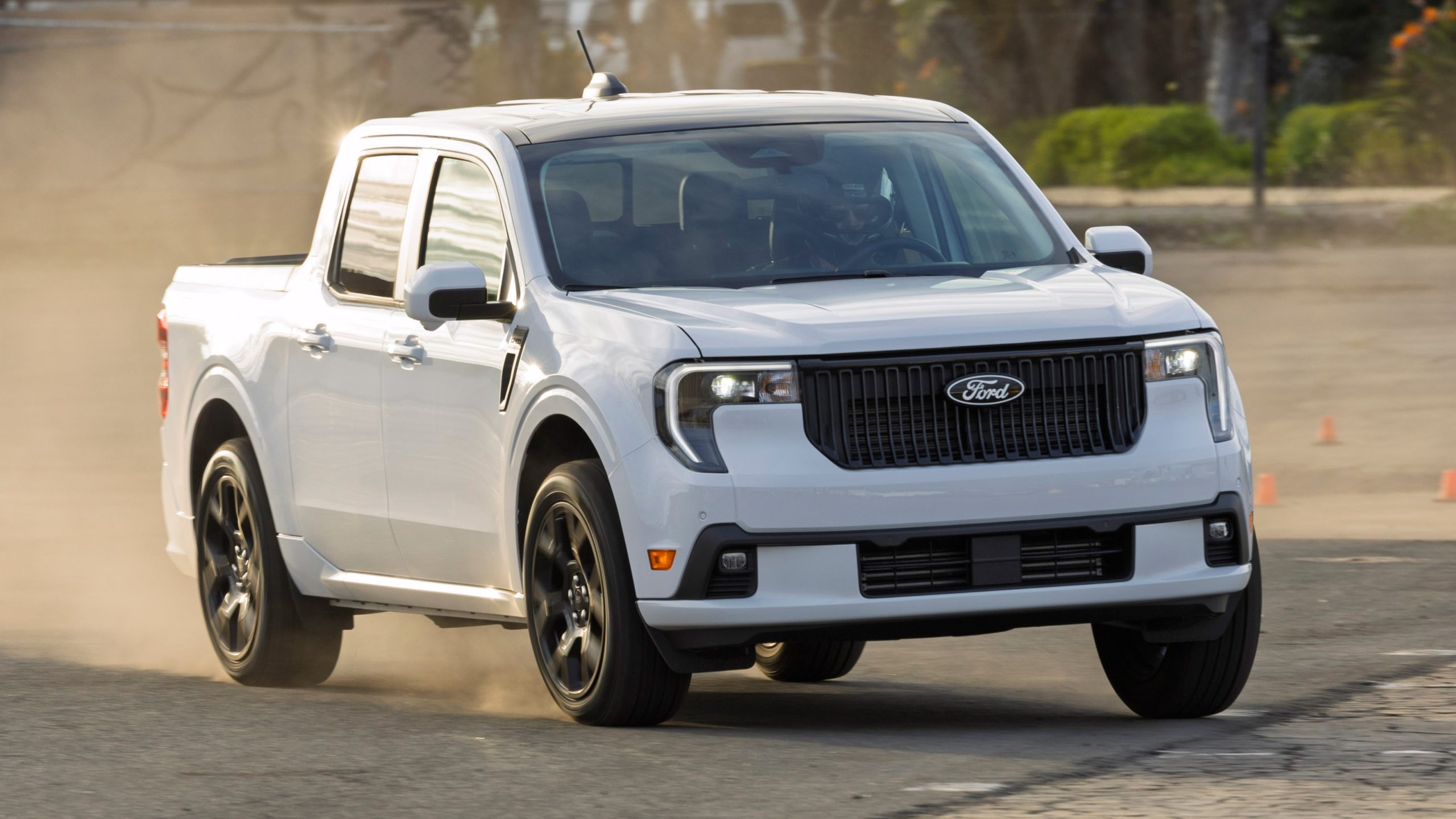
5. Ford Maverick
Ford is a mainstream manufacturer with a wide range of vehicles that can depreciate at very different rates. Some of its larger crossovers and older sedans predictably lose value, especially when new incentives reduce transaction prices.
The Maverick has resisted that pattern because it entered the market with a combination that buyers had been waiting for: compact dimensions, a useful pickup bed, strong fuel economy, and a much lower entry price than a traditional truck.
The Maverick appeals to buyers who do not need the size or expense of a full-size pickup. It can fit into urban parking spaces more easily than a larger truck, yet it still offers an open bed for home-improvement supplies, bicycles, camping equipment, gardening materials, and weekend projects.
That balance has created steady demand among first-time truck buyers, commuters, and owners who previously would have chosen a crossover.
Hybrid versions have added another reason for used buyers to pay attention. Fuel efficiency is a major advantage for drivers who want pickup versatility without the fuel costs commonly associated with trucks.
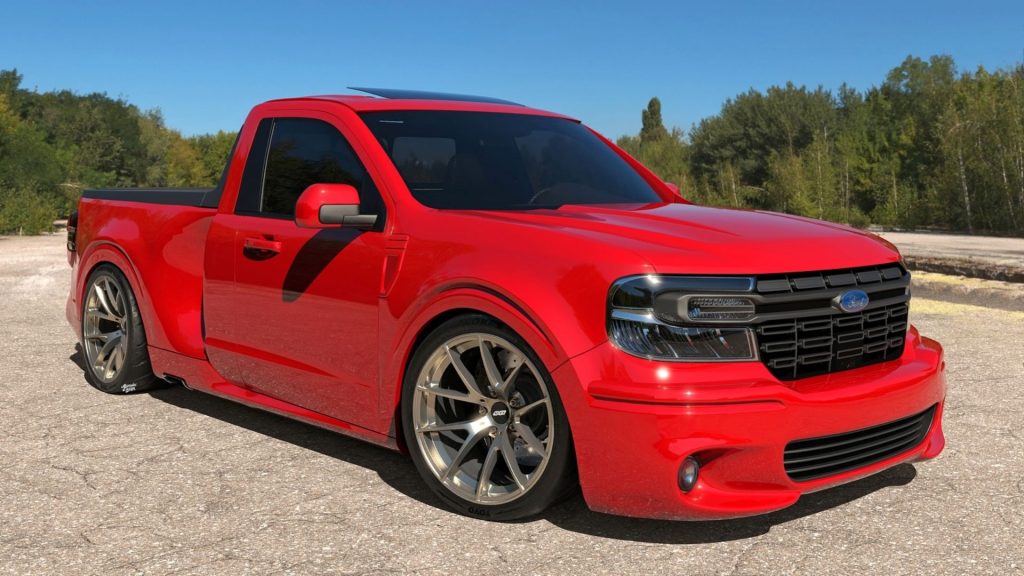
Models equipped with all-wheel drive, the turbocharged engine, towing upgrades, or practical factory accessories can also attract buyers looking for a more capable setup.
Kelley Blue Book placed the 2026 Ford Maverick among its 10 best resale-value vehicles, projecting it to retain 54.1 percent of its original value after five years. That result places it ahead of many more expensive vehicles and demonstrates how strong demand can reshape expectations around a mainstream Ford product.
A clean Maverick with a well-kept bed, complete service history, and no signs of commercial abuse is likely to appeal most strongly in the used market. Its resale strength comes from usefulness rather than prestige.
- Engine: 2.5-liter hybrid four-cylinder
- Torque: 155 lb-ft
- Horsepower: 191 hp
- Length/Width: Approximately 199.7 inches / 72.6 inches
6. Nissan Frontier
Nissan has often struggled with resale perception compared with Toyota, Honda, and some domestic truck brands. Several Nissan cars and crossovers depreciate more quickly than their strongest rivals, partly because of heavy incentives and a less enthusiastic used-market following.
The Frontier is a notable exception because it attracts buyers who want a traditional midsize pickup with a straightforward mechanical layout.
Unlike many modern trucks that have become increasingly large, expensive, and electronically complex, the Frontier keeps a simpler identity.
It offers a naturally aspirated V6 engine, a conventional automatic transmission, available four-wheel drive, and a body-on-frame structure. For used buyers, that formula can be appealing because it feels familiar and durable.
The Frontier also benefits from its pricing. A new Toyota Tacoma or Ford Ranger can become expensive when equipped with off-road packages, upgraded interiors, and towing equipment. A used Frontier may offer a V6 engine, crew-cab seating, and pickup capability for less money, which creates a strong value argument in the secondhand market.
The Pro-4X model usually receives the most attention because it adds off-road-focused equipment, skid plates, upgraded suspension components, all-terrain tires, and more distinctive styling.
However, even lower trims can remain attractive when they have clean frames, documented maintenance, and no evidence of severe towing or off-road damage.
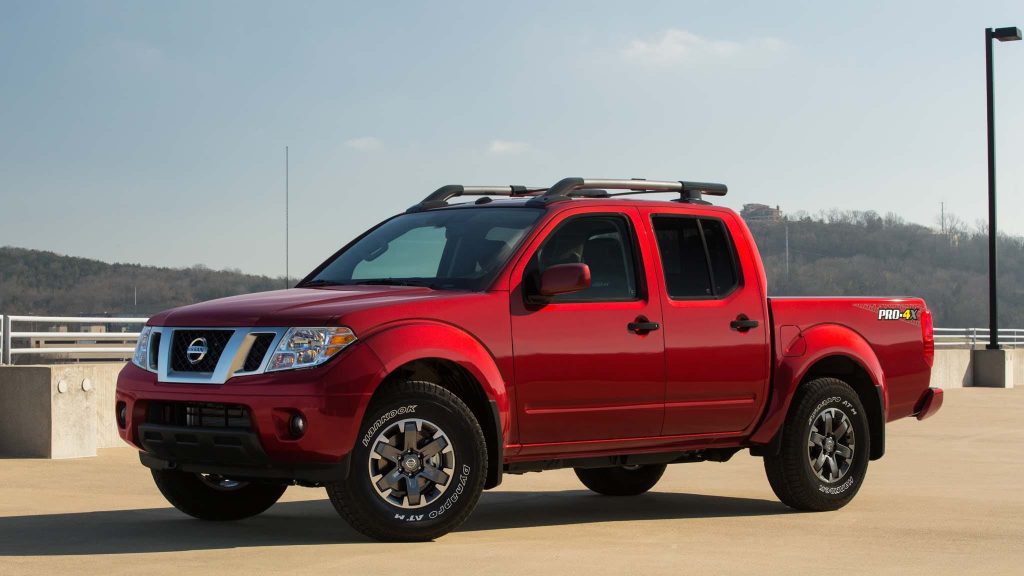
CarEdge’s current depreciation rankings place Nissan below several major brands in average five-year retained value, but the Frontier remains a stronger individual model than many people expect from Nissan’s broader resale reputation.
The truck does not need to outperform every rival to stand out. Its appeal comes from being a practical, durable-looking alternative for buyers who want a midsize pickup without paying premium-brand prices.
- Engine: 3.8-liter naturally aspirated V6
- Torque: 281 lb-ft
- Horsepower: 310 hp
- Length/Width: Approximately 210.2 inches / 72.8 inches
7. Subaru WRX
Subaru’s resale performance can be uneven across its lineup. Some of its crossovers retain value well because of all-wheel-drive demand, but certain models can lose appeal as they age due to concerns about maintenance history, modifications, and changing buyer tastes.
The WRX remains one of the brand’s strongest enthusiast vehicles because it has built a loyal following that extends far beyond ordinary compact-sedan buyers.
Its appeal begins with the drivetrain. Standard all-wheel drive gives the WRX a practical advantage in rain, snow, and poor road conditions, while the turbocharged boxer engine provides the acceleration buyers expect from a performance sedan.
The car can carry passengers and luggage, yet it also delivers a more involved driving experience than many similarly priced crossovers.
Used WRX demand is supported by buyers who want a manual transmission, rally-inspired styling, and a vehicle that can be modified. That same modification culture can also create risk.
A heavily tuned WRX with unknown engine work, aftermarket turbo parts, poorly installed suspension components, or missing maintenance records may be difficult to sell. Buyers often pay more for cars that remain close to factory specification.
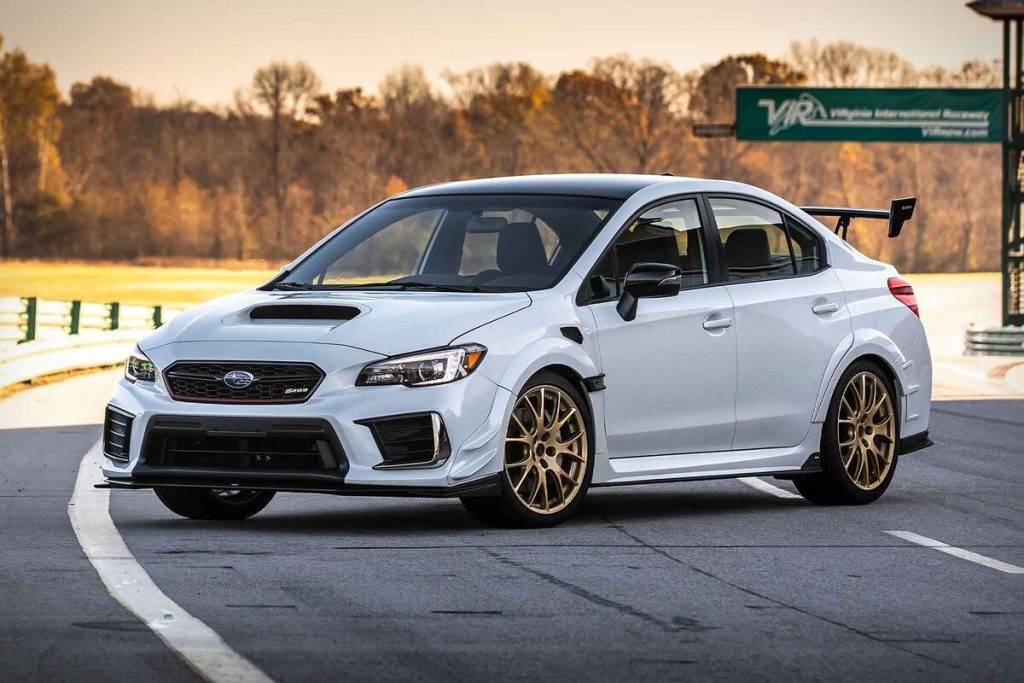
A clean WRX with documented oil changes, stock exhaust components, original wheels, careful warm-up habits, and no accident history can stand apart quickly in the used market. The best examples attract drivers who want the performance image without stepping into a more expensive sports car.
The WRX does not retain value simply because it is a Subaru. Its resale strength comes from a specific audience that values its all-weather capability, manual-transmission availability, and long-running motorsport identity. It is a car that has created its own market within the brand.
- Engine: 2.4-liter turbocharged boxer four-cylinder
- Torque: 258 lb-ft
- Horsepower: 271 hp
- Length/Width: Approximately 183.8 inches / 71.9 inches
8. Dodge Challenger
Dodge has a reputation for producing powerful vehicles with bold styling, but it is not always associated with strong resale value across its full lineup. Older Dodge sedans, compact cars, and crossovers can depreciate heavily, especially when new-car discounts are common.
The Challenger has been a major exception because it became one of the last widely available American muscle cars with a traditional long-hood, rear-wheel-drive design.
Its resale appeal is tied to more than acceleration. The Challenger offers a visual identity that remained recognizable for years, and buyers can choose from V6, V8, Scat Pack, SRT, and high-output Hellcat versions.
As production ended, interest in clean examples increased because there are no direct replacements with the same combination of size, styling, and engine choices.
V8 models generally command the strongest attention, particularly cars with manual transmissions, low mileage, original condition, and desirable factory colors. Special editions can also attract collectors.
However, a Challenger that has been heavily modified, raced, damaged, or poorly maintained can lose value rapidly. Performance cars are judged closely by condition because buyers worry about abuse.
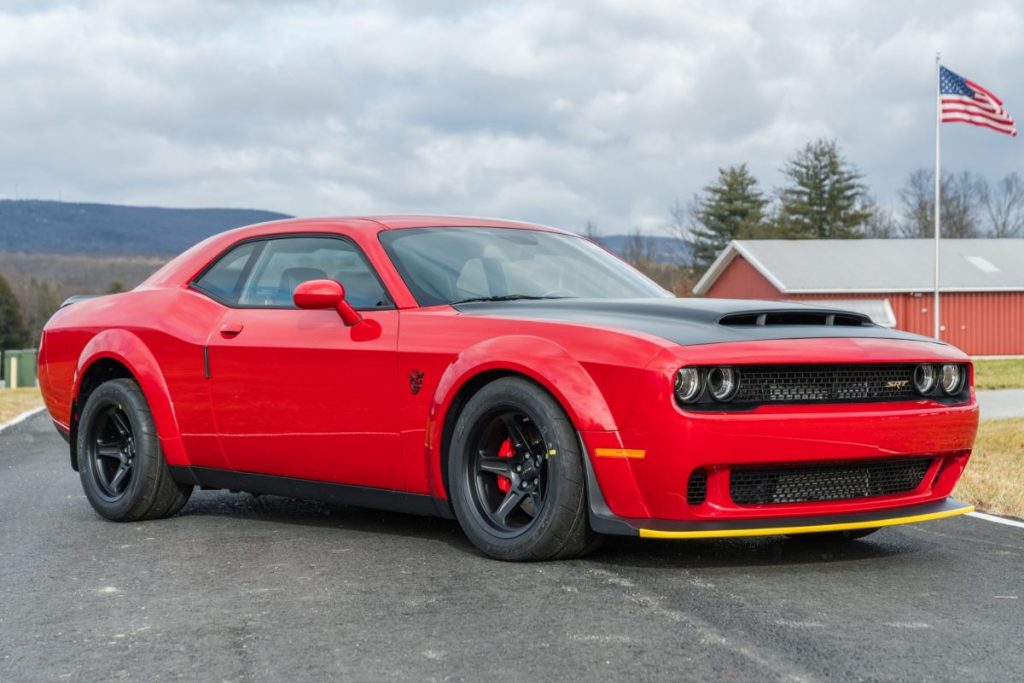
The model’s wide cabin and usable trunk also help it appeal to people who want muscle-car character without giving up daily practicality. That makes it different from smaller two-seat sports cars that have a narrower audience.
The Challenger shows how a vehicle can become more valuable than the broader reputation of its brand. Its final-year status, strong enthusiast demand, and traditional muscle-car layout help it remain sought after in the used market.
- Engine: 5.7-liter HEMI V8
- Torque: 410 lb-ft
- Horsepower: 372 hp
- Length/Width: Approximately 197.9 inches / 75.7 inches
