Airbags are often discussed as a front-seat safety feature, with attention usually focused on the driver airbag, front passenger airbag, front side airbags, and curtain airbags. Yet rear-seat protection has become more important as families keep children, teenagers, and adult passengers in the second and third rows.
A vehicle may advertise a high airbag count, but buyers do not always know where each airbag is placed or which occupants it is designed to protect.
Rear-seat airbags can take several forms. Curtain airbags deploy from the roofline to protect rear passengers’ heads during a side impact or rollover. Rear side airbags can be fitted into the outer rear seatbacks to protect occupants’ torso areas.
A few high-end vehicles also use special rear frontal airbags that deploy from the back of the front seats to help protect rear passengers during a serious frontal crash.
Not every vehicle with many airbags has a dedicated rear-seat airbag. In many models, rear passengers receive protection through curtain airbags rather than airbags built into the rear seats themselves. Equipment can also differ by country, trim level, seating layout, and optional safety package.
The following vehicles stand out because they offer rear-seat-focused airbag protection that many shoppers may overlook. Seatbelts remain essential because airbags are supplemental restraint systems, not replacements for proper seatbelt use.
Also Read: 10 Cars Worth More Used Today Than Their Original MSRP
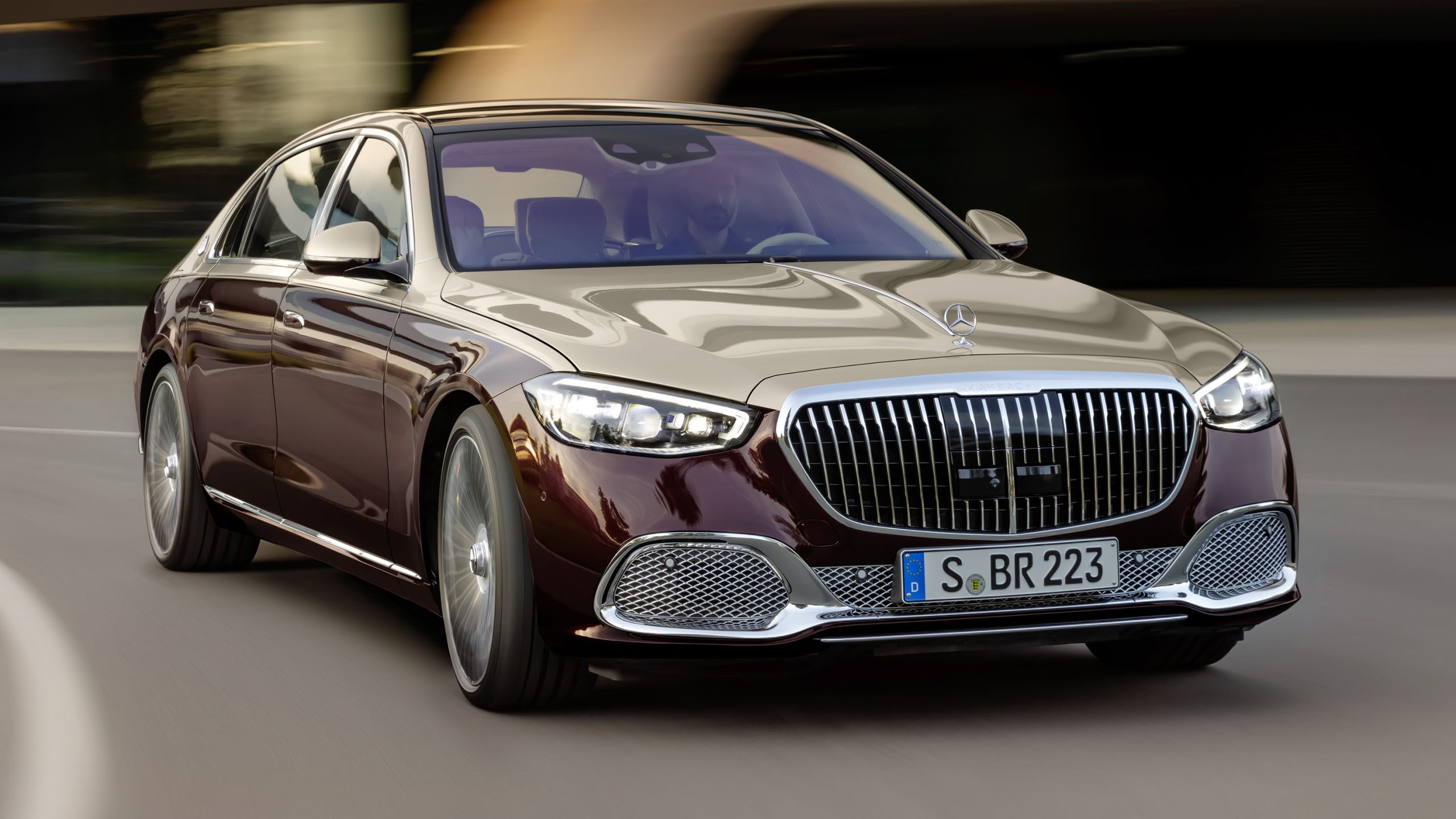
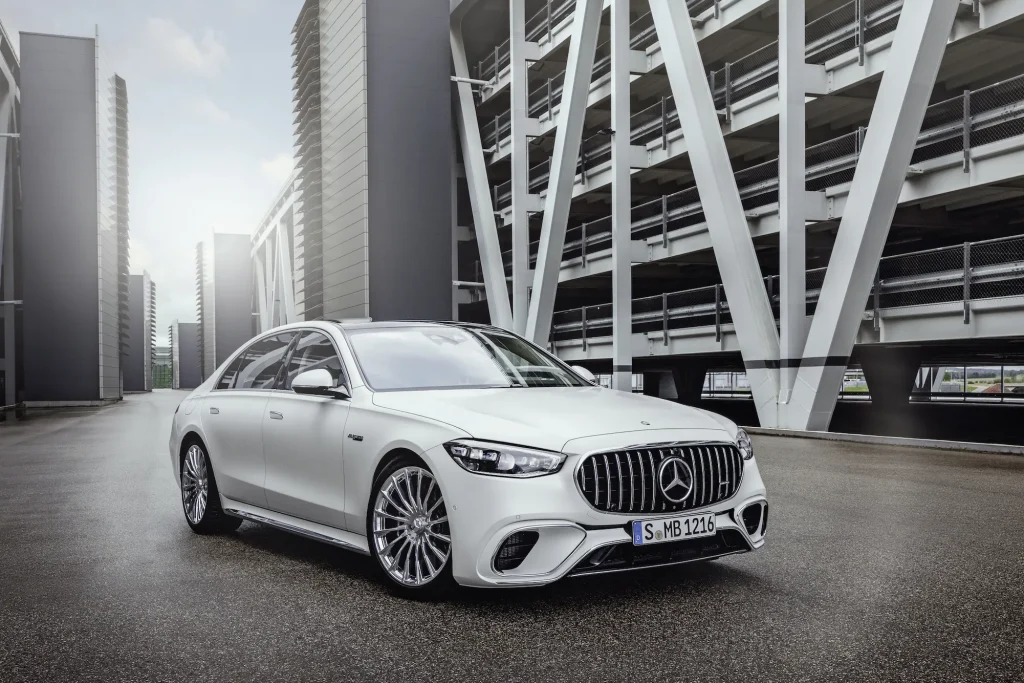
1. Mercedes-Benz S-Class
The Mercedes-Benz S-Class is one of the few luxury sedans that gives rear-seat safety the same attention normally reserved for the driver and front passenger. It offers a rear airbag system designed to deploy from the backrests of the front seats during a severe frontal collision.
Instead of using the same compact shape as a front airbag, the rear airbag uses a softer, more carefully shaped design intended to reduce the risk of rear occupants striking the front seat structure.
This matters because rear passengers often sit farther away from the dashboard and have a different seating position from people in the front. The S-Class system is designed to work with the outer rear seats and can provide added protection for adults and children seated in compatible child seats.
Mercedes-Benz pairs the rear airbag with available BeltBag inflatable seat belts, which widen during a serious frontal impact to spread force across a larger part of the passenger’s chest and shoulder area.
The S-Class also offers rear side airbags and window airbags, giving the second row more protection in side impacts. This layered setup is important because no single airbag can protect every part of the body in every type of crash.
Seat belts remain necessary, and passengers should sit upright with the belt correctly positioned.
Buyers may focus on the S-Class for its rear screens, reclining seats, and chauffeur-style comfort, but its rear passenger safety equipment is equally significant. It demonstrates how luxury vehicles are beginning to treat the second row as a serious safety priority rather than simply extra seating.
- Engine: 3.0-liter turbocharged inline-six with mild-hybrid assistance
- Torque: 369 lb-ft
- Horsepower: 442 hp
- Length/Width: Approximately 208.2 inches / 76.9 inches
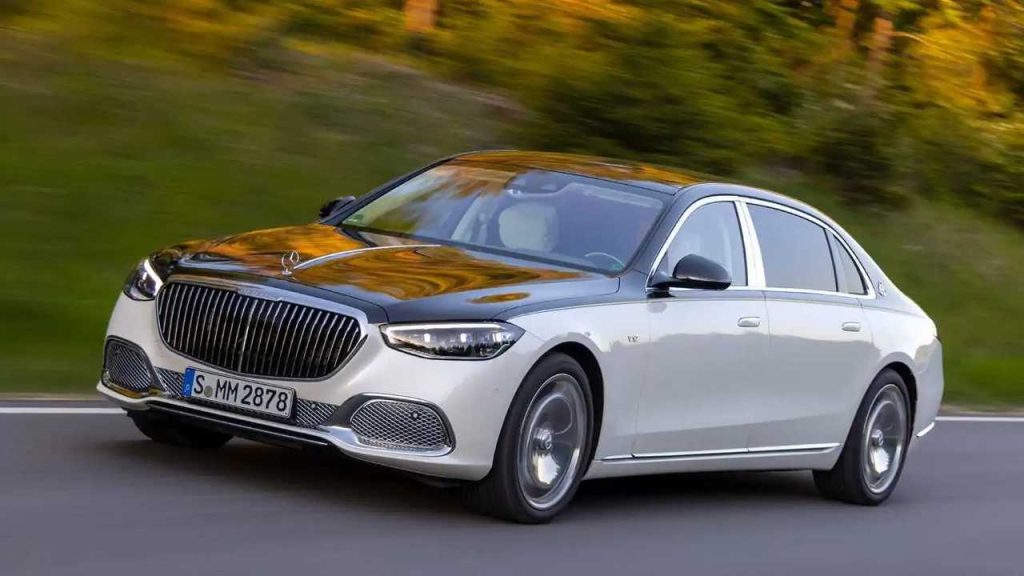
2. Mercedes-Maybach S-Class
The Mercedes-Maybach S-Class is designed for passengers who spend much of their time in the rear cabin, so it makes sense that Mercedes-Benz includes some of its most advanced rear-seat protection in this model.
The Maybach version is based on the S-Class but adds an even stronger focus on rear comfort, with executive seating, reclining functions, rear entertainment screens, and a cabin intended to feel like a private lounge.
Its rear-seat airbag system is especially important because the outer rear seats are often occupied in a chauffeur-driven vehicle.
During a serious frontal collision, rear airbags can deploy from the front seatbacks to help reduce the chance of rear passengers striking hard interior surfaces. The system is designed to work alongside the seat belts, not replace them.
The Maybach can also be equipped with Beltbag inflatable rear seatbelts. These belts expand during a crash to increase the contact area across the passenger’s upper body.
This can help reduce concentrated pressure on the chest and shoulder area, particularly for rear occupants who may be seated in a more relaxed position than front-seat passengers.
Rear side airbags and curtain airbags add further protection in side impacts. The combination of systems gives the Maybach one of the most complete rear-passenger safety packages available in a production sedan. However, passengers should still sit correctly, keep seat belts fastened, and avoid placing objects between themselves and the seat belt.
The Maybach proves that rear-seat luxury and rear-seat safety can be developed together. Its technology is not always obvious during a showroom visit, but it can be one of the vehicle’s most meaningful features.
- Engine: 4.0-liter twin-turbocharged V8 with mild-hybrid assistance
- Torque: 516 lb-ft
- Horsepower: 496 hp
- Length/Width: Approximately 215.3 inches / 76.9 inches
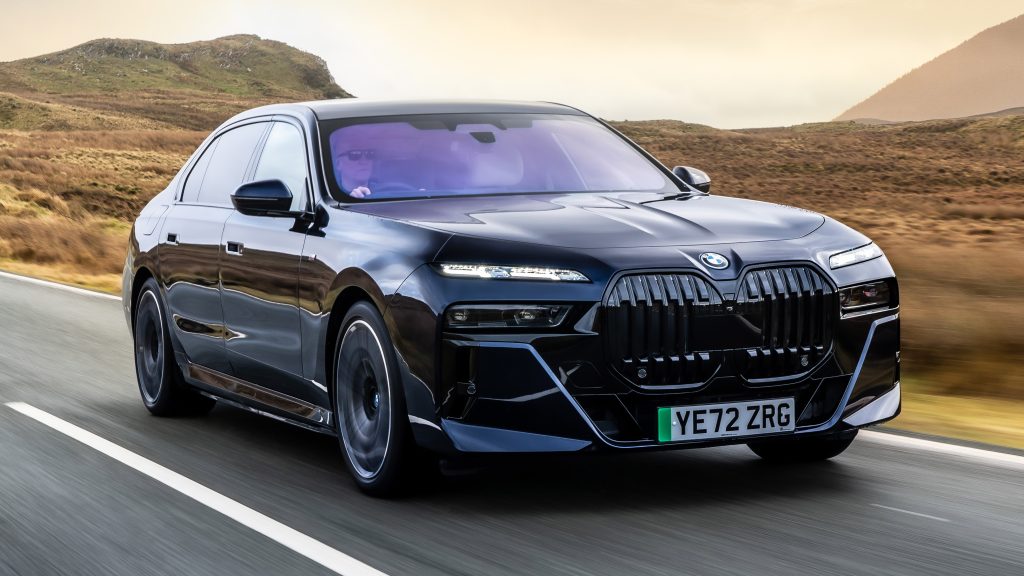
3. BMW 7 Series
The BMW 7 Series is often chosen for its rear-seat entertainment, reclining executive lounge seating, and limousine-like comfort. Its safety equipment is less obvious, but the sedan includes head airbags that extend protection to the second row.
These curtain-style airbags deploy from the roof area during certain side impacts and rollover events, helping protect the heads of rear passengers seated near the doors.
This type of protection is particularly valuable in a large luxury sedan because rear occupants may be relaxing, using entertainment screens, or sitting farther back than passengers in a normal sedan.
The head airbags create a protective cushion between the passenger and the side glass or pillar area. They are designed to work alongside the three-point seat belts fitted to rear occupants.
The 7 Series does not use the same rear and frontal airbag setup found in the Mercedes-Benz S-Class. Its rear passenger protection relies more on the extended curtain airbag system and the vehicle’s strong passenger cell.
That distinction is important because “rear-seat airbags” can mean several different things. Buyers should check the exact safety specification for the model year and market before assuming that all rear protection systems are identical.
BMW also gives the 7 Series advanced crash sensing and restraint technology that can prepare the cabin when the vehicle detects a likely collision. The system may tighten seat belts and activate other protective measures before impact, depending on the situation.
For buyers who spend time in the second row, the 7 Series combines comfort features with meaningful side-impact protection. It is a reminder that rear-seat safety does not always come from a visible airbag in the seatback.
- Engine: 3.0-liter turbocharged inline-six mild-hybrid
- Torque: 398 lb-ft
- Horsepower: 375 hp
- Length/Width: Approximately 212.2 inches / 76.8 inches
4. Volvo EX90
The Volvo EX90 is a three-row electric SUV built around family transportation, so its rear passenger safety equipment extends beyond the front seats.
It includes side-impact airbags for all outboard seating positions, meaning passengers seated next to the doors in the second and third rows receive added torso protection.
Curtain airbags also extend across all three rows to help protect occupants’ heads in side collisions and rollover situations.
That broad coverage matters in a seven-seat SUV. Many vehicles provide curtain airbags for the first two rows but offer less protection for people in the third row. The EX90 is designed to protect passengers across the cabin, which makes it especially relevant for families carrying children, teenagers, or adults in the rear-most seats.
The airbags work as part of a larger safety structure that includes a reinforced passenger compartment, seat belts, crash sensors, and electronic systems intended to help avoid collisions before they occur.
The EX90 also uses lidar and camera-based technology to monitor hazards around the vehicle. These systems cannot prevent every accident, but they can provide extra warning and intervention in certain situations.
Rear passengers should still wear their seat belts correctly and sit upright. Airbags are designed as supplemental restraints, meaning they work with seat belts rather than replacing them. Parents should also follow child-seat instructions carefully, particularly when using the second-row outer seats.
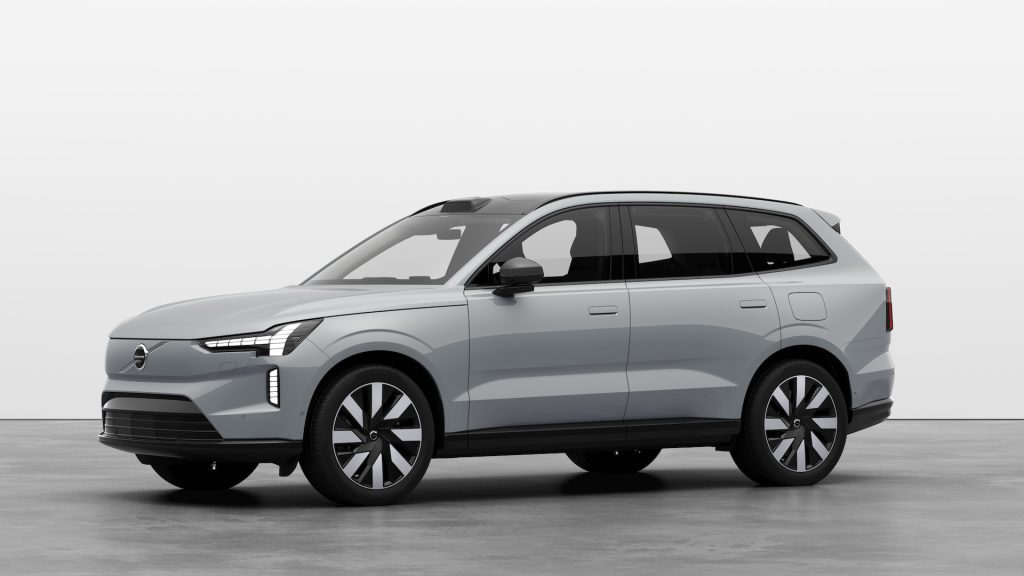
The EX90 shows that rear-seat airbag protection is no longer limited to flagship sedans. In a large electric SUV, side airbags and full-length curtain airbags can help give passengers in every row more protection during a serious side impact.
- Engine: Dual electric motors
- Torque: 671 lb-ft
- Horsepower: 510 hp
- Length/Width: Approximately 198.3 inches / 77.3 inches
5. Genesis G90
The Genesis G90 is a flagship luxury sedan that places a strong emphasis on second-row comfort, but its rear safety equipment deserves just as much attention.
It includes rear side-impact airbags, which are positioned to help protect outboard rear passengers during certain side collisions. The vehicle also uses rollover-resistant curtain airbags that extend along the side windows to help protect occupants’ heads in both rows.
Rear side airbags are different from the curtain airbags mounted near the roofline. Curtain airbags are intended mainly to create a protective barrier between the occupant’s head and the side glass, pillars, or intruding objects.
Rear side airbags add protection closer to the torso area, which can be important when another vehicle strikes the side of the G90.
The G90’s rear-seat safety design works with its three-point belts, pretensioners, reinforced body structure, and crash-sensing electronics. In a collision, the vehicle can deploy restraint systems quickly, but the airbags are still supplemental devices.
Passengers must wear their seat belts correctly and avoid leaning toward the doors or resting against the window.
This equipment is easy to miss because the G90 is usually discussed for its elegant interior, available long-wheelbase configuration, rear massage functions, and premium audio system. Yet people who are chauffeured or regularly carry adults in the second row can benefit from knowing that the sedan includes dedicated rear side-impact protection.
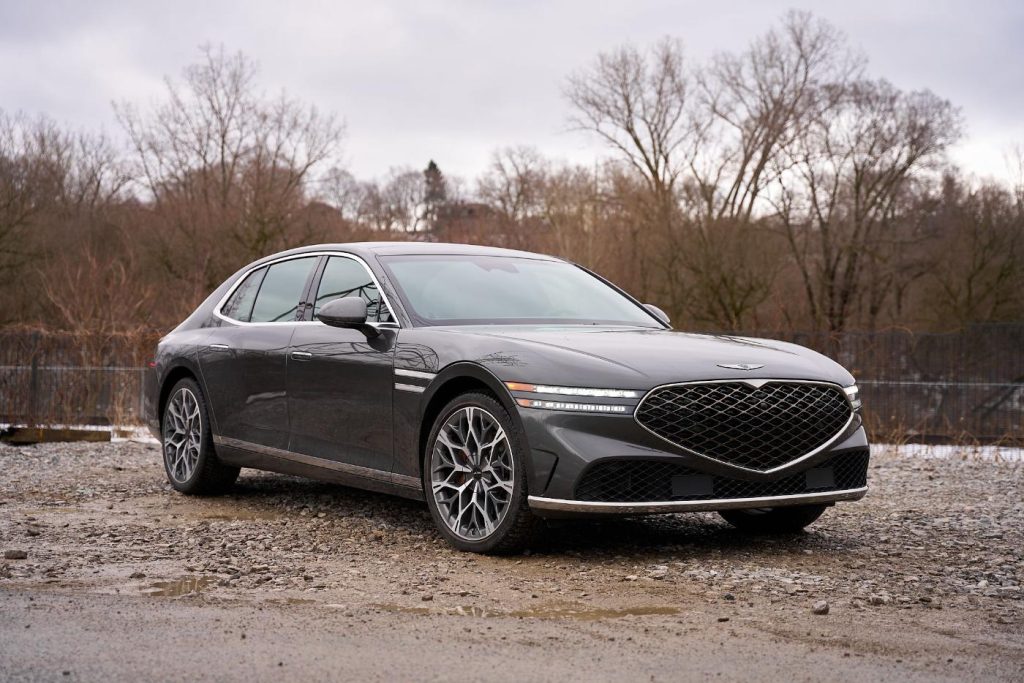
The exact airbag arrangement can vary by market and model year, so buyers should confirm the official equipment list for the vehicle they are considering. Still, the G90 stands out as a luxury sedan that provides more than basic curtain-airbag coverage for rear passengers.
- Engine: 3.5-liter twin-turbocharged V6 with 48-volt mild-hybrid assistance
- Torque: 405 lb-ft
- Horsepower: 409 hp
- Length/Width: Approximately 207.7 inches / 76.0 inches
6. Audi A8
Audi’s A8 is a full-size luxury sedan whose understated exterior can make its safety equipment easy to overlook. Rear passengers receive protection from rear side-impact airbags and side curtain airbags, creating a layered restraint system for people seated beside the rear doors.
This matters in a limousine-style sedan because occupants in the second row may spend long periods riding in comfort-focused seating rather than simply using the rear bench occasionally.
The rear side airbags are intended to help protect the torso area of outboard rear passengers in certain side crashes. Above them, the head-protection curtain airbags deploy from the roofline to reduce the chance of contact with side glass and interior pillars.
These systems work together with seat belts, pretensioners, and the A8’s rigid passenger compartment.
The A8 does not offer the distinctive rear and frontal airbag arrangement found in the Mercedes-Benz S-Class. Its approach is centered on side-impact protection, which remains a major part of rear-seat safety.
This is why shoppers should look beyond an advertised airbag count. Knowing where airbags are placed is more useful than simply knowing how many are fitted.
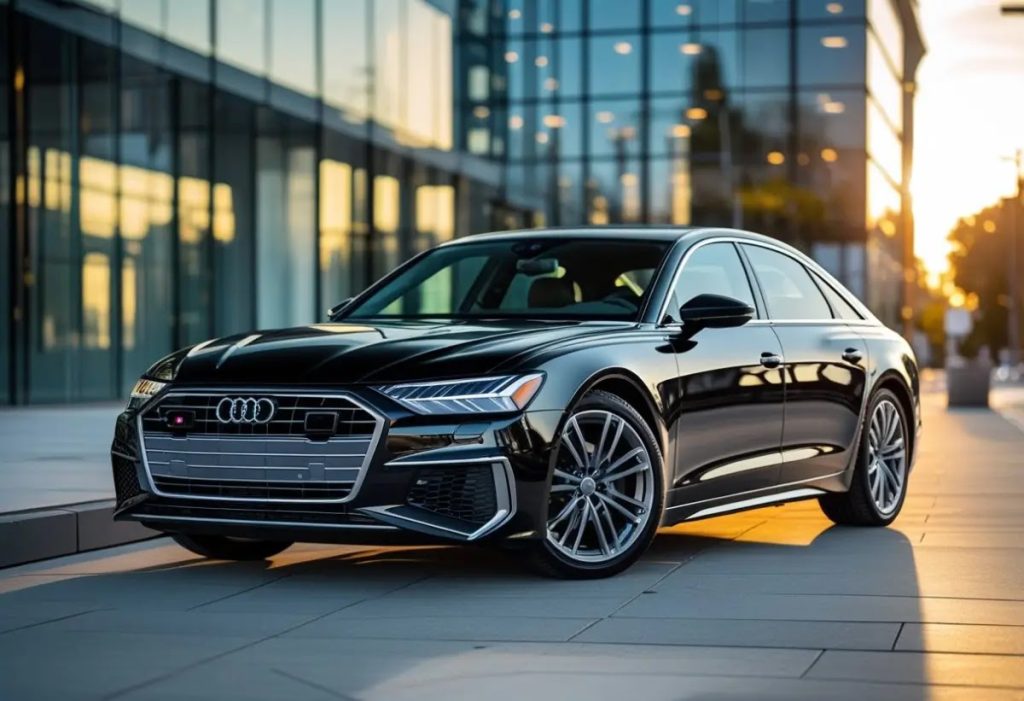
The A8 also includes a 48-volt mild-hybrid system, standard all-wheel drive, and an air suspension that supports its quiet, comfortable character. It is a sedan often selected by buyers who value a discreet luxury experience, but it also provides meaningful protection for rear passengers through its rear side and curtain airbags.
Equipment can vary by country and trim level, so buyers should check the specific window sticker or official owner documentation before purchase.
- Engine: 3.0-liter turbocharged V6 with 48-volt mild-hybrid assistance
- Torque: 331 lb-ft
- Horsepower: 335 hp
- Length/Width: Approximately 208.7 inches / 76.6 inches
7. Lexus LS
The Lexus LS is often associated with quiet comfort, smooth ride quality, and a reputation for long-term dependability.
Its rear-seat safety equipment is less frequently discussed, but the sedan offers rear side airbags and side curtain airbags to help protect passengers seated in the second row. This gives the LS more complete rear occupant protection than many standard luxury sedans.
The rear side airbags are designed to deploy from the outer rear seating area during certain side impacts. Their purpose is to help reduce the force reaching the torso and pelvis of passengers sitting beside the doors.
At the same time, the curtain airbags deploy downward from the roofline to cover the side windows, helping reduce the risk of head contact with glass, pillars, or intruding objects.
This arrangement is especially important in the LS because the car is often used for long-distance travel with adult passengers in the rear.
Some versions offer a more comfort-oriented rear seating layout, making the second row feel more like a lounge than a typical sedan bench. Safety systems must account for those passengers, not only the people in front.
The LS also uses seat belt pretensioners and force limiters to manage restraint forces during a crash. These features work with the airbags to help keep occupants positioned correctly.
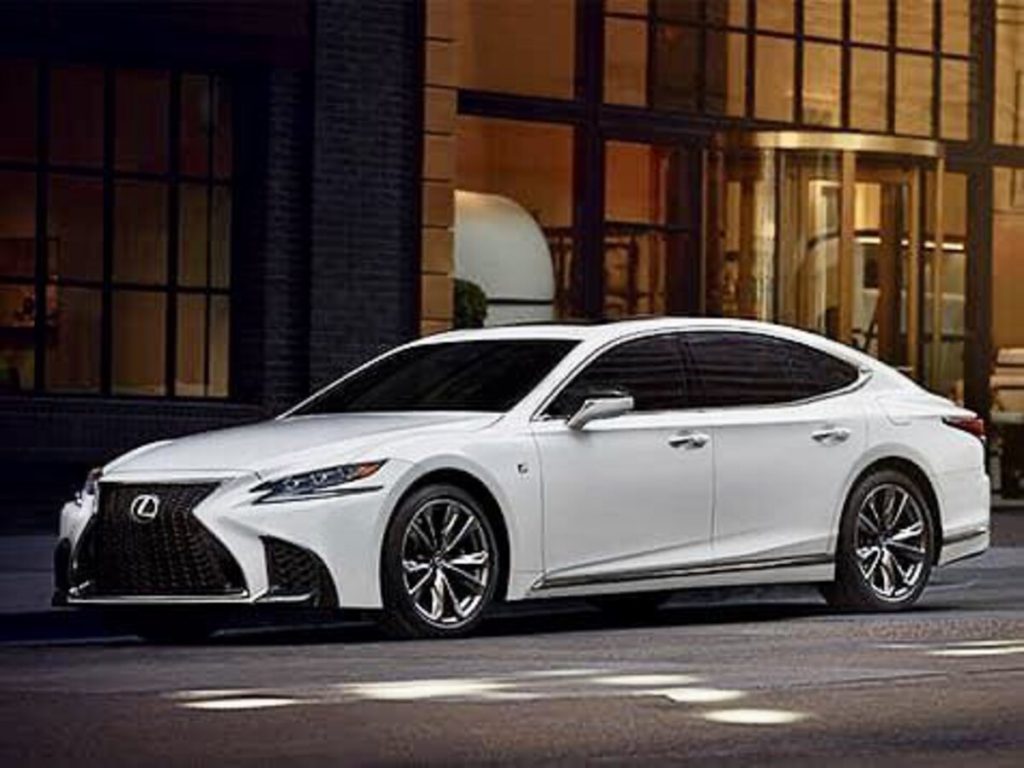
However, passengers should remain seated upright and keep their belts fastened. Leaning against the door or sleeping in an unusual position can reduce the effectiveness of safety restraints.
The Lexus LS proves that rear passenger protection is not limited to German flagship sedans. Buyers who want a luxury car with a calmer ownership reputation can still find rear side and curtain airbag coverage in this model.
- Engine: 3.4-liter twin-turbocharged V6
- Torque: 406 lb-ft
- Horsepower: 416 hp
- Length/Width: Approximately 206.1 inches / 74.8 inches
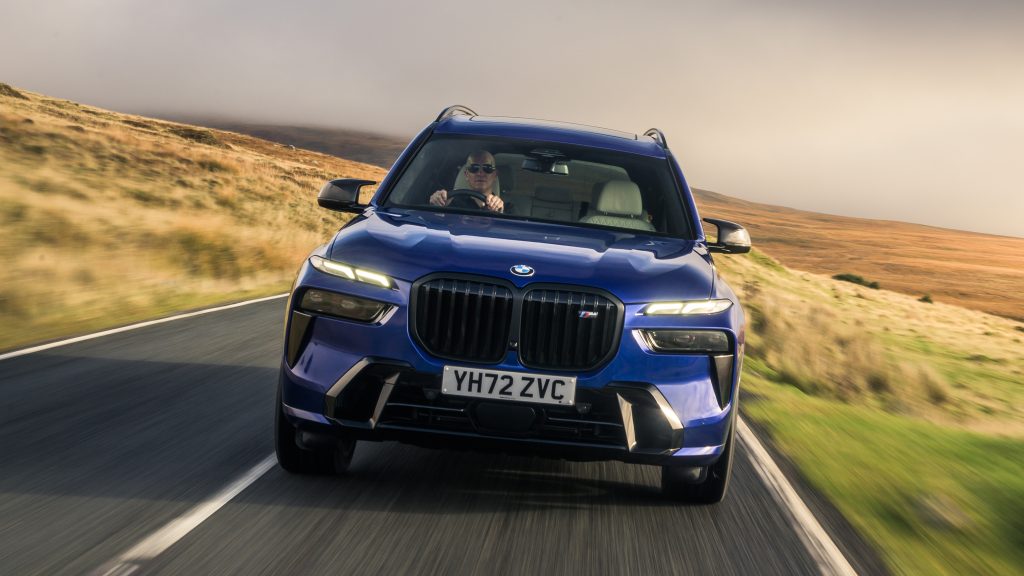
8. BMW X7
The BMW X7 is a large three-row luxury SUV, and its airbag system is designed to protect occupants beyond the first two seats. It includes head airbags that extend along the side windows for passengers in all three rows.
This is an important feature because third-row occupants can sometimes receive less attention in vehicle safety discussions, even though families may use those seats for children, teenagers, or adults.
The curtain airbags deploy from the roof area during certain side collisions and rollover events. They create a protective barrier between passengers’ heads and the side glass, roof pillars, or outside objects.
In the X7, their coverage reaches the third row, which helps make the SUV a stronger choice for buyers who regularly carry a full load of passengers.
The vehicle also uses front and rear side-impact airbags for outboard occupants. Together with the curtain airbags, these systems provide protection for different parts of the body during a side crash.
The X7’s large structure and high seating position can create a sense of security, but airbags and seat belts remain essential because vehicle size alone cannot prevent injury.
Parents should still follow child-seat guidance carefully. The third row may be suitable for certain passengers, but child-seat placement should always follow the owner’s manual and local safety recommendations. Airbags are designed to supplement the seat belt system, not replace a proper seating position.
The BMW X7 is often chosen for its spacious cabin, powerful engines, and luxury features. Its full-length curtain-airbag coverage is another reason it deserves attention from buyers who need a three-row vehicle with rear-seat safety in mind.
- Engine: 3.0-liter turbocharged inline-six mild-hybrid
- Torque: 398 lb-ft
- Horsepower: 375 hp
- Length/Width: Approximately 203.9 inches / 78.7 inches
Also Read: 10 Most Popular Trucks of Every Decade Since the 1960s