The automotive world is going through one of the most dramatic transformations in its history, and the year 2027 is shaping up to be a turning point for both enthusiasts and mainstream buyers.
Over the past decade, manufacturers have aggressively streamlined their lineups, discontinuing slow-selling sedans, aging sports cars, and even some well-loved SUVs to make room for electrification, hybrid technology, and rapidly changing consumer demand.
However, what makes 2027 especially interesting is not just the number of vehicles being discontinued, but the surprising return of several iconic nameplates that many believed were gone forever.
Car brands have always relied on heritage and emotional connection to build loyalty, and reviving discontinued nameplates is one of the most effective ways to tap into nostalgia while introducing modern engineering.
Whether it is a legendary sports coupe returning with hybrid performance, or a once-popular SUV reimagined as a rugged off-roader with advanced driver assistance systems, automakers are increasingly leaning on the past to shape the future.
Industry reports and early manufacturer announcements suggest that several long-dead nameplates could reappear in 2027 or just beyond, either as completely redesigned models or as spiritual successors carrying the original badge.
This resurgence is also driven by competition in the global automotive market. Brands like Toyota, Ford, BMW, and General Motors are balancing electrification goals with consumer demand for emotional, performance-oriented vehicles.
While electric vehicles dominate headlines, many buyers still crave familiar nameplates that carry decades of identity and trust. As a result, we are seeing a unique blend of old and new, where discontinued models are being revived with modern platforms, updated safety systems, and hybrid or fully electric powertrains.
A key factor behind these revivals is platform sharing and cost efficiency. Developing an entirely new model from scratch is extremely expensive, but reviving a discontinued nameplate allows manufacturers to reuse brand recognition while building on flexible global architectures.
This strategy not only reduces marketing costs but also ensures faster acceptance in competitive segments like compact SUVs, performance coupes, and mid-size sedans.
As we move closer to 2027, speculation is growing around which famous models will return. Some revivals are already strongly hinted at by automaker statements, while others are based on industry leaks and dealer presentations.
Interestingly, several of these returning models are expected to come back in completely different forms, such as electric crossovers replacing traditional sports cars or hybrid SUVs replacing discontinued off-road legends.
In this article, we explore 8 discontinued car nameplates that are strongly rumored or widely expected to return around 2027. These are not simple facelifts or minor updates, but meaningful revivals of names that once defined entire segments.
Each section breaks down the history of the nameplate, why it was discontinued, and what its 2027 comeback could look like in today’s rapidly evolving automotive industry.
Also Read: 7 Most Reliable Motorcycles You Can Buy Today
- Engine: 1.6L turbo hybrid / possible 2.0L turbo variant
- Horsepower: ~220 to 320 hp (depending on trim)
- Torque: ~250 to 400 Nm
- Length: ~4,350 to 4,500 mm (estimated compact coupe size)
- Width: ~1,790 to 1,850 mm
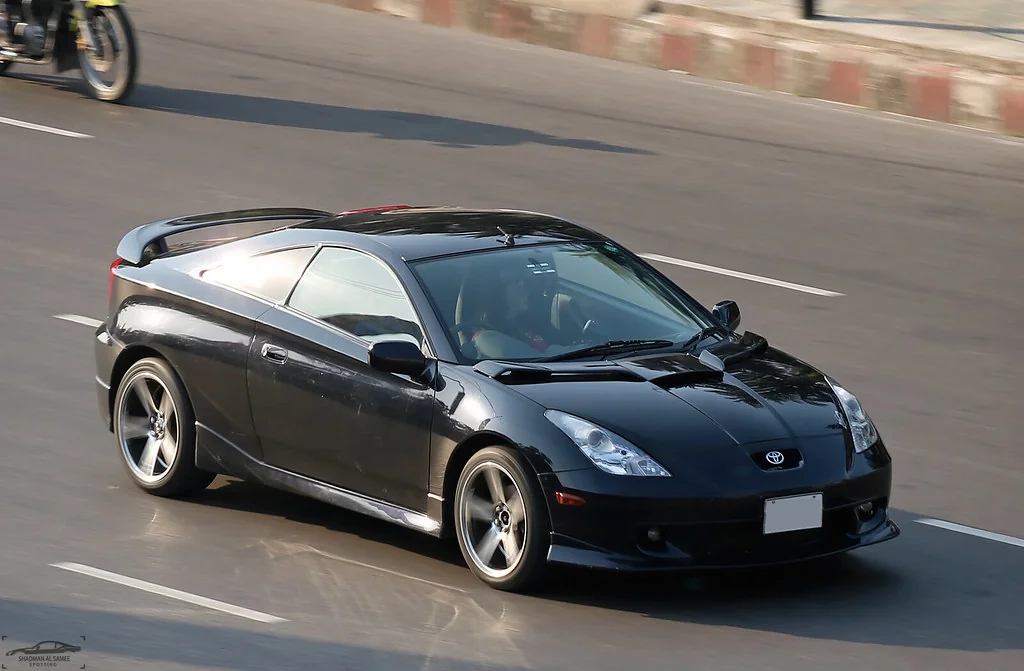
1. Toyota Celica
The Toyota Celica is one of the most recognized sports car nameplates in automotive history, and its rumored return for 2027 has generated massive excitement among enthusiasts.
Originally launched in the 1970s, the Celica built its reputation as an affordable, stylish, and reliable performance coupe that appealed to younger drivers worldwide. Over multiple generations, it evolved from a simple sporty coupe into a more performance-focused machine, especially during its rally-inspired GT Four era.
The discontinuation of the Celica in the mid 2000s marked the end of an era for Toyota’s lightweight sports coupe lineup. At the time, shifting market demand toward SUVs and crossovers made it difficult for small two-door sports cars to remain profitable.
However, the emotional attachment to the Celica name never truly disappeared, and enthusiasts have consistently called for its return over the years.
The rumored 2027 revival of the Celica is expected to align with Toyota’s modern performance strategy, which includes hybrid systems and turbocharged efficiency-focused engines. Unlike the original naturally aspirated models, the new version is expected to integrate hybrid assistance for improved performance and fuel efficiency. This would position it as a competitor to modern sports coupes that blend power with sustainability.
The 2027 Celica is expected to adopt a more aggressive and aerodynamic profile, influenced by Toyota’s current global design language.
It may also incorporate advanced digital interiors, driver assist systems, and lightweight construction materials to meet modern safety and efficiency standards. While it may not be a pure analog sports car like its predecessors, it is expected to retain the spirit of affordability and driving enjoyment.
The return of the Celica also fits into Toyota’s broader strategy of reviving emotional nameplates, as seen with other performance-oriented models in recent years. By bringing back the Celica, Toyota would not only appeal to nostalgic buyers but also attract a new generation of drivers seeking accessible sports car experiences.
- Engine: 2.0L turbo / 3.0L twin turbo / possible EV dual motor version
- Horsepower: ~300 to 650 hp (high-performance EV variant could exceed this)
- Torque: ~400 to 900 Nm (EV models significantly higher)
- Length: ~4,800 to 5,000 mm
- Width: ~1,900 to 2,000 mm
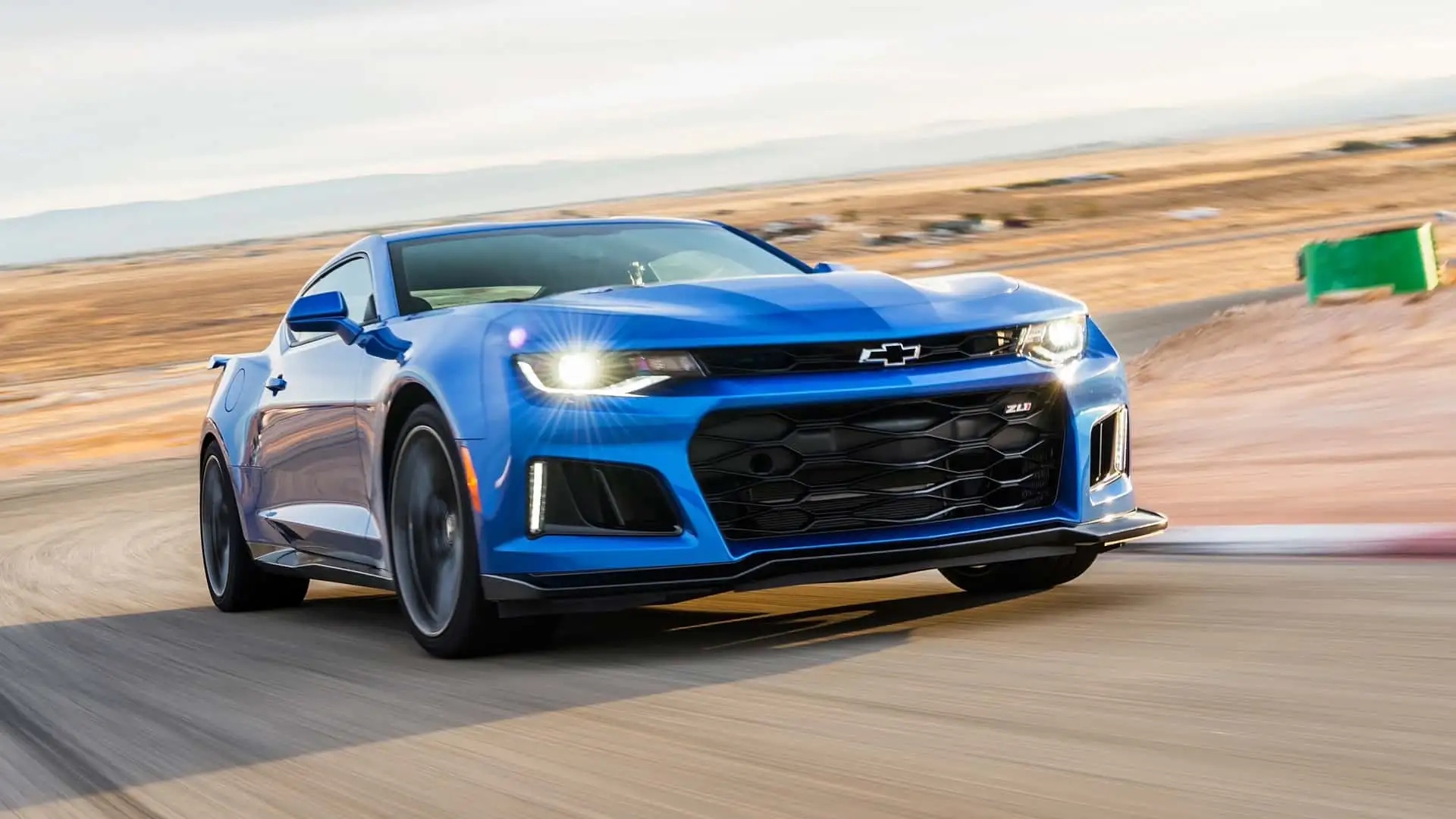
2. Chevrolet Camaro
The Chevrolet Camaro has long been one of the pillars of American muscle car culture, competing directly with iconic rivals for decades. After its recent discontinuation phase in certain markets, rumors suggest that Chevrolet is preparing a next-generation Camaro expected around 2027, potentially built on a shared platform with other General Motors performance vehicles.
The Camaro originally became famous for its aggressive styling, powerful V8 engines, and strong presence in motorsport and pop culture. However, like many performance coupes, it struggled in recent years due to declining demand for traditional two-door sports cars and rising interest in SUVs and electric vehicles. This led to production pauses and uncertainty about its long-term future.
The 2027 revival is expected to bring the Camaro back with a modern interpretation of muscle performance. Unlike earlier generations that relied heavily on large displacement engines, the new model is likely to feature a combination of turbocharged engines, hybrid assistance, and possibly an electric variant.
This shift reflects broader industry trends while maintaining the Camaro’s performance identity. One of the most interesting aspects of the rumored comeback is platform sharing within General Motors.
Reports suggest that the new Camaro could share architecture with other upcoming performance sedans and coupes, improving cost efficiency while allowing engineering flexibility. This could also enable advanced suspension systems, improved handling dynamics, and better weight distribution.
Even as the Camaro evolves, Chevrolet is expected to preserve the bold styling cues that have long defined the model. A wide, planted stance, an assertive front-end design, and carefully integrated aerodynamic features will likely continue to play a central role in shaping its unmistakable appearance.
The interior is also expected to see a major overhaul, featuring digital interfaces, performance tracking systems, and enhanced connectivity features.
- Engine: Dual motor electric AWD system
- Horsepower: ~350 to 500 hp
- Torque: ~500 to 750 Nm
- Length: ~4,600 to 4,800 mm
- Width: ~1,850 to 1,950 mm
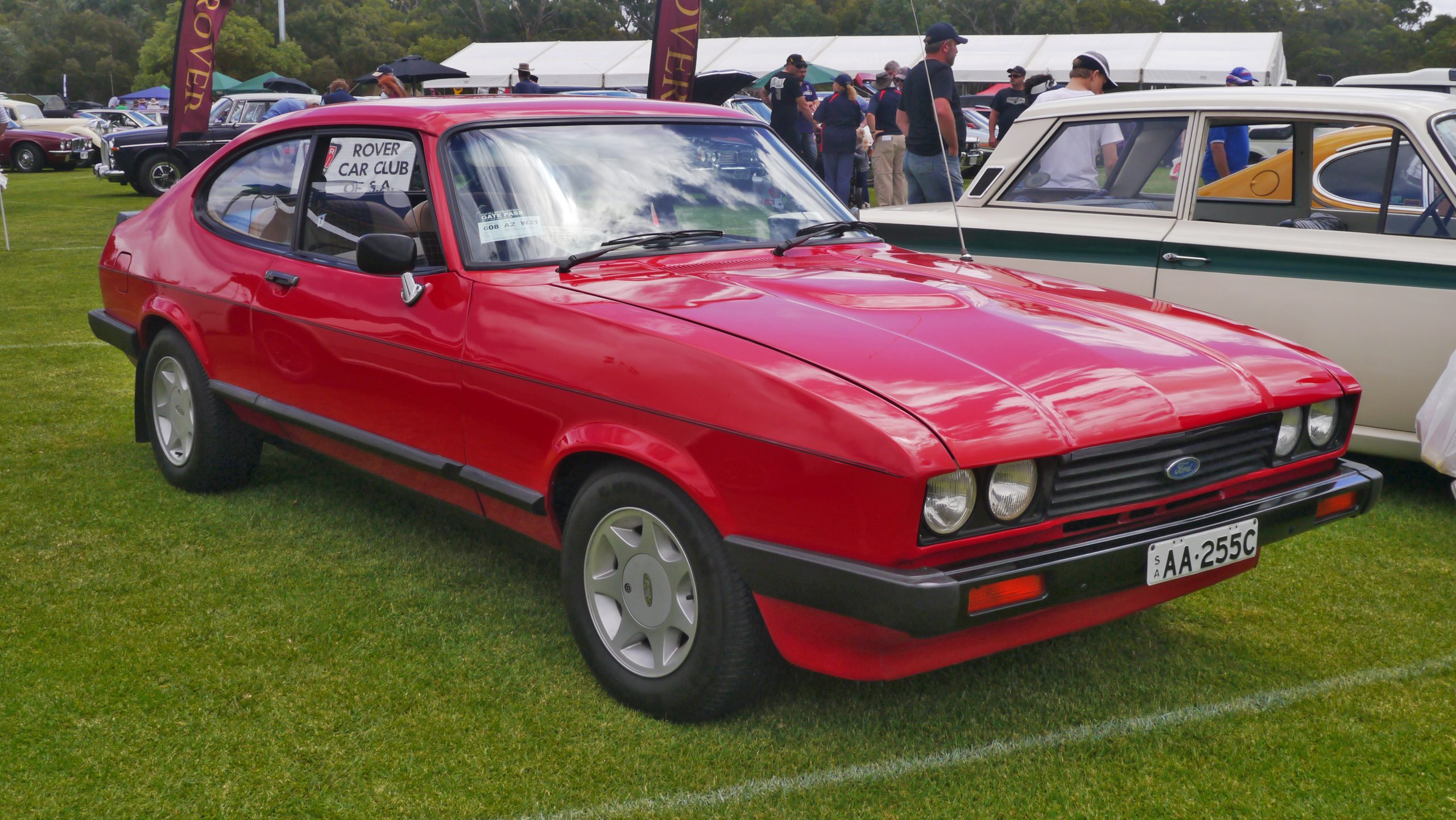
3. Ford Capri Revival
The Ford Capri was once a beloved European coupe that offered stylish design and affordable performance during its original production run. Often referred to as the European Mustang alternative, it built a strong reputation among enthusiasts in the 1970s and 1980s. However, changing market conditions eventually led to its discontinuation.
The rumored 2027 revival of the Capri is expected to be very different from the original. Instead of a traditional coupe, it is likely to return as a performance-oriented electric crossover or fastback SUV. This reflects Ford’s current strategy of electrifying legacy nameplates while adapting them to modern consumer preferences.
The decision to revive the Capri name is primarily driven by brand recognition. Ford has already demonstrated success in repurposing historic nameplates for modern electric vehicles, and the Capri fits perfectly into this strategy. By leveraging nostalgia, Ford can attract both older enthusiasts and younger buyers looking for stylish EV alternatives.
The new Capri is expected to feature a dual motor electric drivetrain, offering strong acceleration and All Wheel Drive capability. Range efficiency will likely be a key focus, along with fast charging compatibility and advanced driver assistance systems. This positions it directly against other premium electric crossovers in the market.
The Capri revival is expected to blend retro inspiration with futuristic styling. While it will not replicate the original coupe proportions, subtle design cues may reference its heritage. A sleek roofline, aerodynamic bodywork, and modern lighting signatures are likely to define its appearance.
The 2027 Capri represents how legacy performance cars are being reinterpreted for the electric age, maintaining emotional appeal while embracing technological change.
- Engine: 3.0L inline-6 mild hybrid / V8 hybrid / EV variant expected
- Horsepower: ~380 to 700 hp
- Torque: ~500 to 900 Nm
- Length: ~5,000 to 5,200 mm
- Width: ~1,930 to 2,000 mm
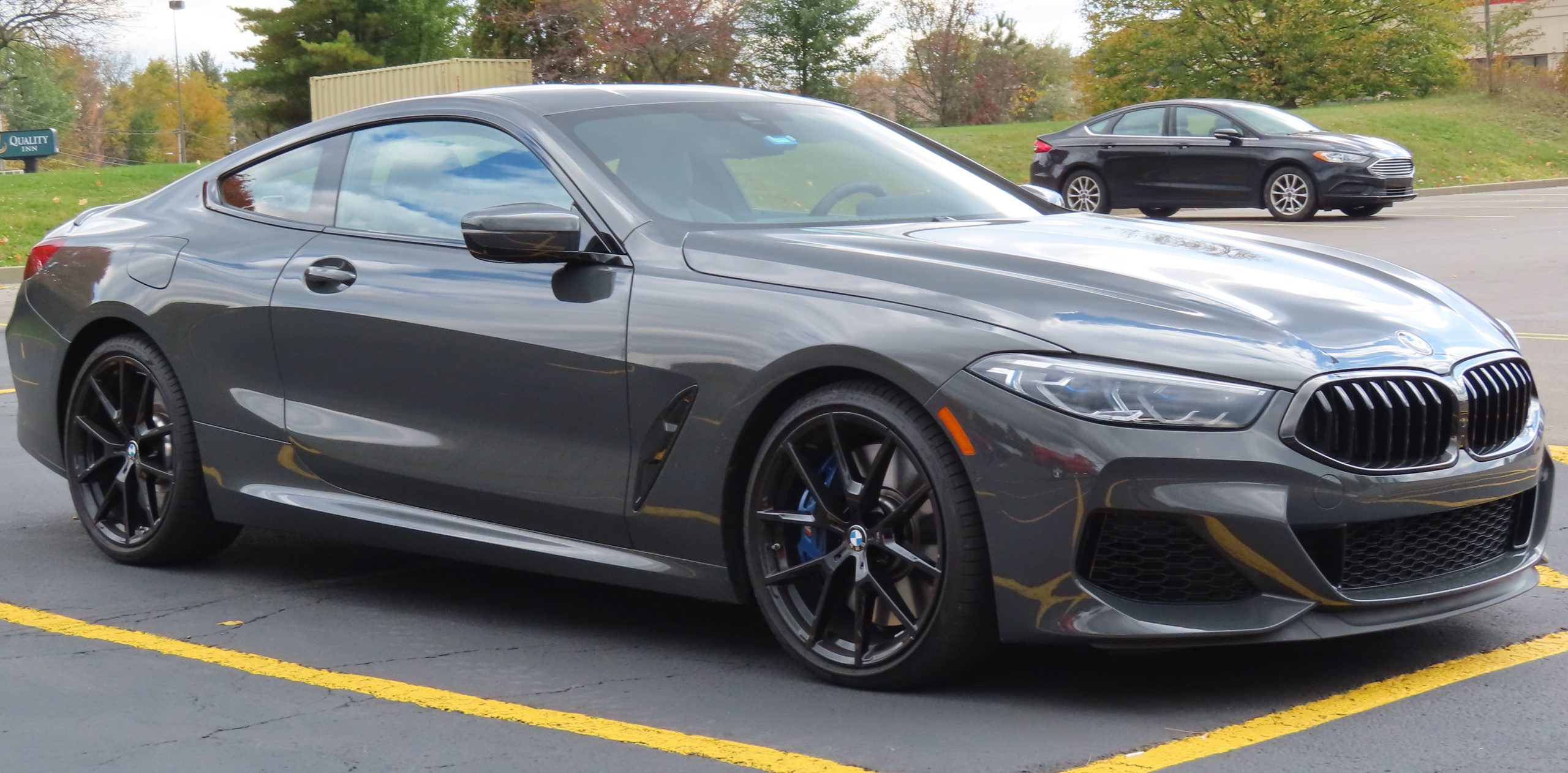
4. BMW 8 Series Revival (Luxury Performance Return)
The BMW 8 Series has historically represented the brand’s luxury grand touring philosophy, combining high performance with premium comfort. After being discontinued in its recent form, there is strong speculation that BMW may bring the 8 Series nameplate back in a new generation around 2027 or later.
The original 8 Series was known for its sleek coupe design, powerful engines, and advanced technology for its time. However, shifting demand toward SUVs and changing luxury market dynamics led to its decline. Despite this, the nameplate still carries significant prestige and recognition among BMW enthusiasts.
The potential 2027 revival is expected to align with BMW’s next-generation platform strategy, which focuses heavily on electrification and digital integration. The new 8 Series could feature hybrid and fully electric variants, offering high performance while meeting modern emissions standards.
BMW is likely to position the revived 8 Series as a flagship luxury coupe or grand tourer, competing with other high-end performance luxury vehicles. Advanced autonomous driving features, premium interior materials, and cutting-edge infotainment systems would define its modern identity.
Design-wise, the 2027 version is expected to maintain a low, elegant silhouette while incorporating BMW’s latest styling language. This includes sharper lighting elements, improved aerodynamics, and a more futuristic cabin layout.
The 8 Series would reinforce BMW’s commitment to maintaining emotional performance vehicles alongside its expanding electric SUV lineup.
Also Read: 10 Cars That Drove Over 800,000 Miles
- Engine: 3.0L turbo inline-6 / EV dual motor platform
- Horsepower: ~400 to 900 hp (top EV performance trims)
- Torque: ~550 to 1,100 Nm
- Length: ~5,050 to 5,250 mm
- Width: ~1,950 to 2,050 mm
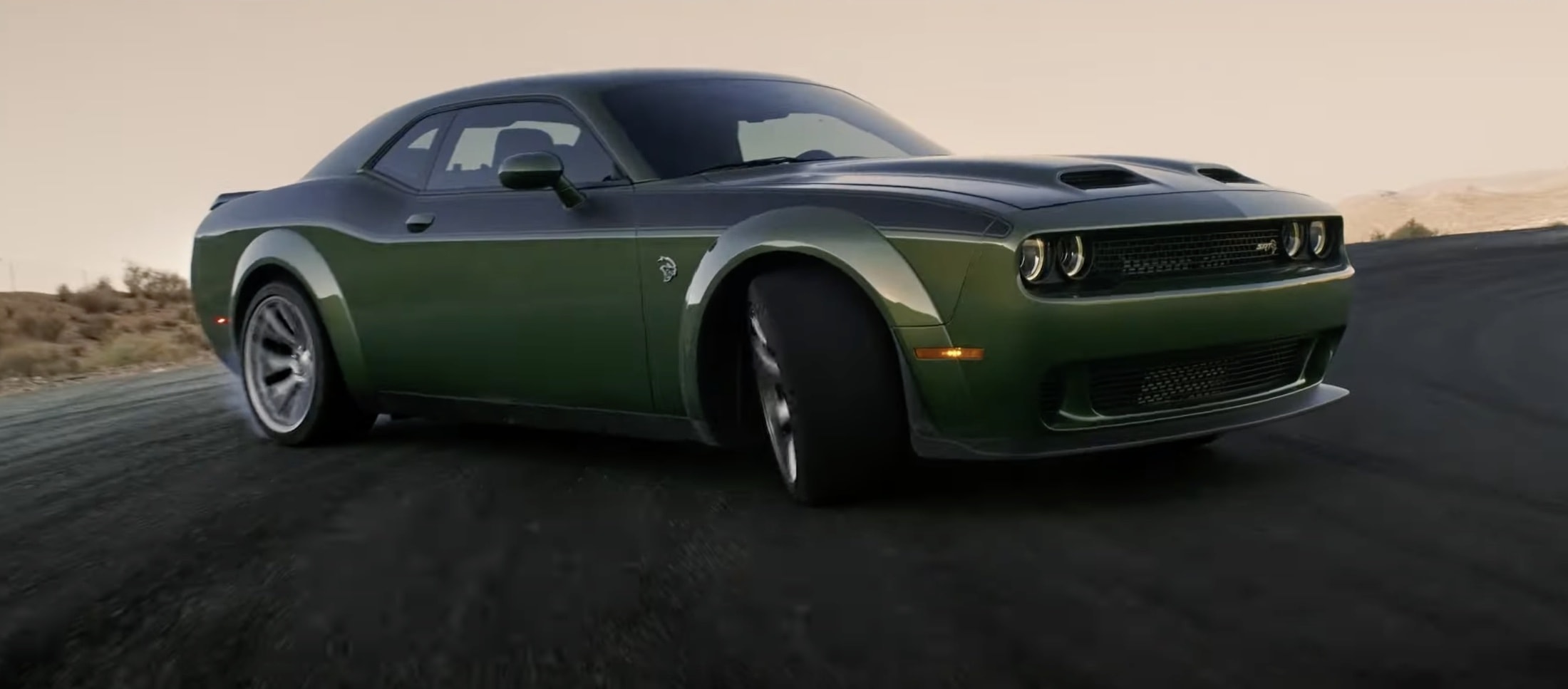
5. Dodge Charger Evolution
The Dodge Charger has long been one of the most enduring symbols of American muscle performance, representing raw power blended with everyday usability. Over multiple generations, it evolved from a classic two-door muscle coupe into a modern four-door performance sedan that still retained aggressive styling and strong engine options.
However, as global regulations tightened and consumer preferences shifted toward electrification, the Charger nameplate entered a transitional phase, with uncertainty surrounding its long-term identity.
The expected 2027 evolution of the Charger is not simply a redesign but a complete rethinking of what a muscle car can be in the modern era. Rather than relying exclusively on large displacement V8 engines, the new generation is expected to integrate a multi-energy platform strategy.
This means the Charger could exist in electric, hybrid, and possibly performance-tuned combustion variants depending on market demand and regulatory conditions.
One of the most important aspects of this evolution is platform flexibility. Stellantis is reportedly investing in modular architectures that allow the Charger to maintain its performance identity while adapting to different powertrains.
This ensures that traditional muscle car enthusiasts can still access high-performance combustion models, while newer buyers can experience electric acceleration without compromising brand heritage.
Design evolution is expected to be equally significant. The Charger has always been known for its bold stance, wide body proportions, and aggressive front fascia.
The 2027 direction is likely to preserve these core visual elements while improving aerodynamics and efficiency. Expect sharper lines, advanced lighting signatures, and more sculpted surfaces that reflect modern performance aesthetics.
Inside the cabin, the Charger is expected to undergo a dramatic transformation. Digital dashboards, performance telemetry systems, and advanced infotainment interfaces will likely replace older analog-inspired layouts.
While these changes will modernize the vehicle, preserving the connection between car and driver will remain a top priority. Even as the Charger embraces electrification, it is expected to retain the excitement, responsiveness, and character that have long defined its appeal.
- Engine: 2.4L turbo diesel / hybrid-assisted petrol variant
- Horsepower: ~200 to 300 hp
- Torque: ~450 to 650 Nm
- Length: ~4,900 to 5,100 mm
- Width: ~1,900 to 2,000 mm
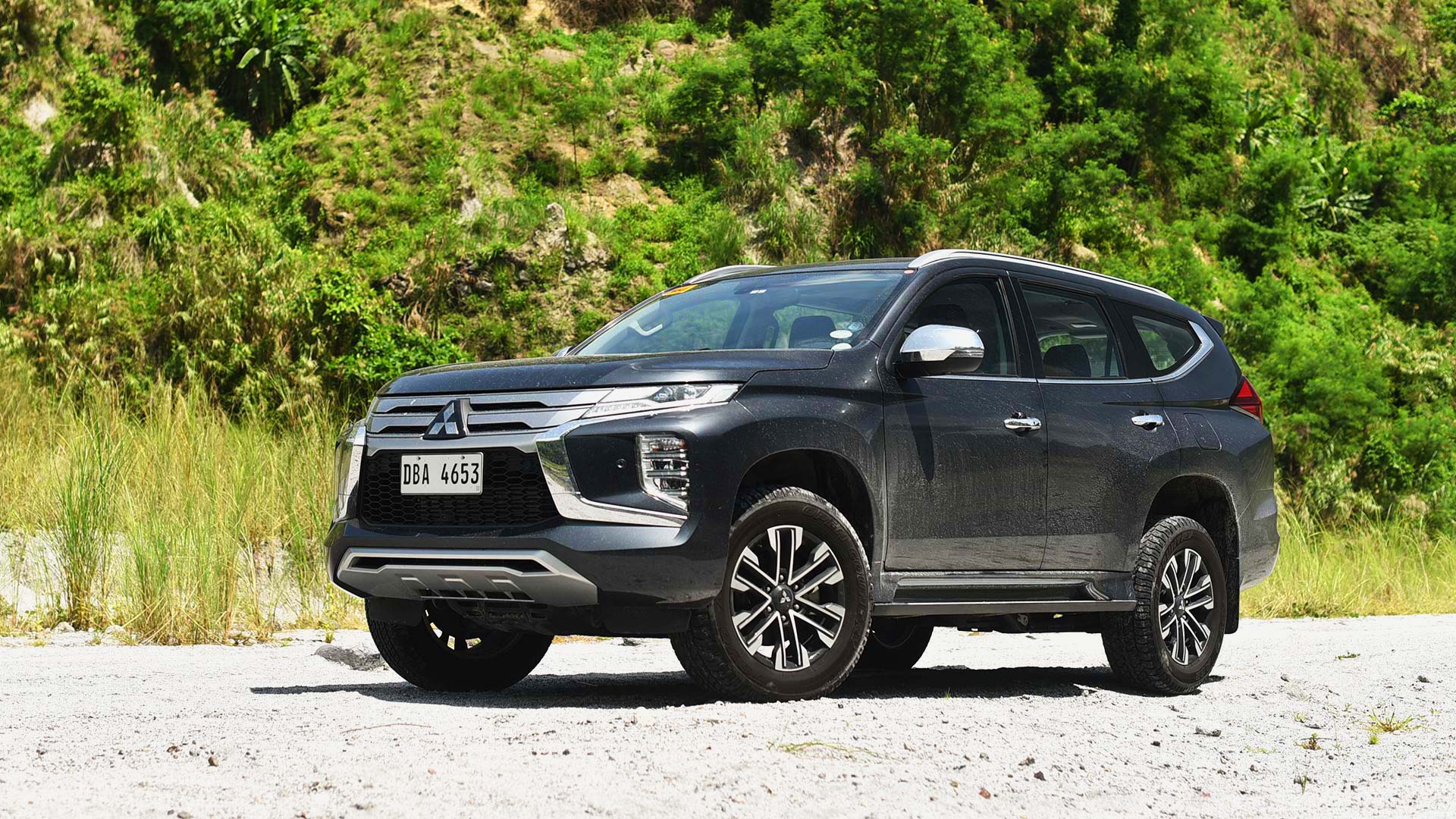
6. Mitsubishi Montero
The Mitsubishi Montero, known in some markets as the Pajero, has a deeply respected legacy as one of the most capable and durable off-road SUVs ever produced.
It earned its reputation through decades of success in demanding environments, including rally raid competitions such as the Dakar Rally. Its combination of rugged engineering, reliability, and off-road capability made it a global favorite among adventure-oriented drivers.
The discontinuation of the Montero marked the end of an era for Mitsubishi’s traditional SUV identity. As the company shifted focus toward compact crossovers and fuel-efficient models, the large body-on-frame SUV segment was deprioritized. However, the global resurgence in demand for rugged SUVs has revived interest in iconic nameplates like the Montero.
The expected 2027 revival would position the Montero as a modern off-road flagship. Unlike its predecessor, which relied purely on mechanical strength, the new version is expected to combine traditional durability with modern hybrid assistance. This approach allows Mitsubishi to meet emissions standards while preserving the torque and capability required for serious off-road driving.
From a design perspective, the Montero is likely to embrace a bold, upright stance that emphasizes strength and utility. High ground clearance, protective body cladding, and a functional exterior design would remain core characteristics. However, modern lighting systems, aerodynamic refinements, and updated proportions would give it a contemporary identity.
The Montero is expected to offer a balance between rugged practicality and modern comfort. Durable materials, advanced terrain management systems, and digital driver interfaces will likely define the cabin experience. The focus will remain on versatility, ensuring that the vehicle performs equally well in urban environments and extreme off-road conditions.
- Engine: Hybrid V8 or dual motor EV performance system
- Horsepower: ~700 to 1,000+ hp
- Torque: ~800 to 1,200 Nm (especially EV/hybrid torque delivery)
- Length: ~4,600 to 4,800 mm
- Width: ~1,950 to 2,050 mm
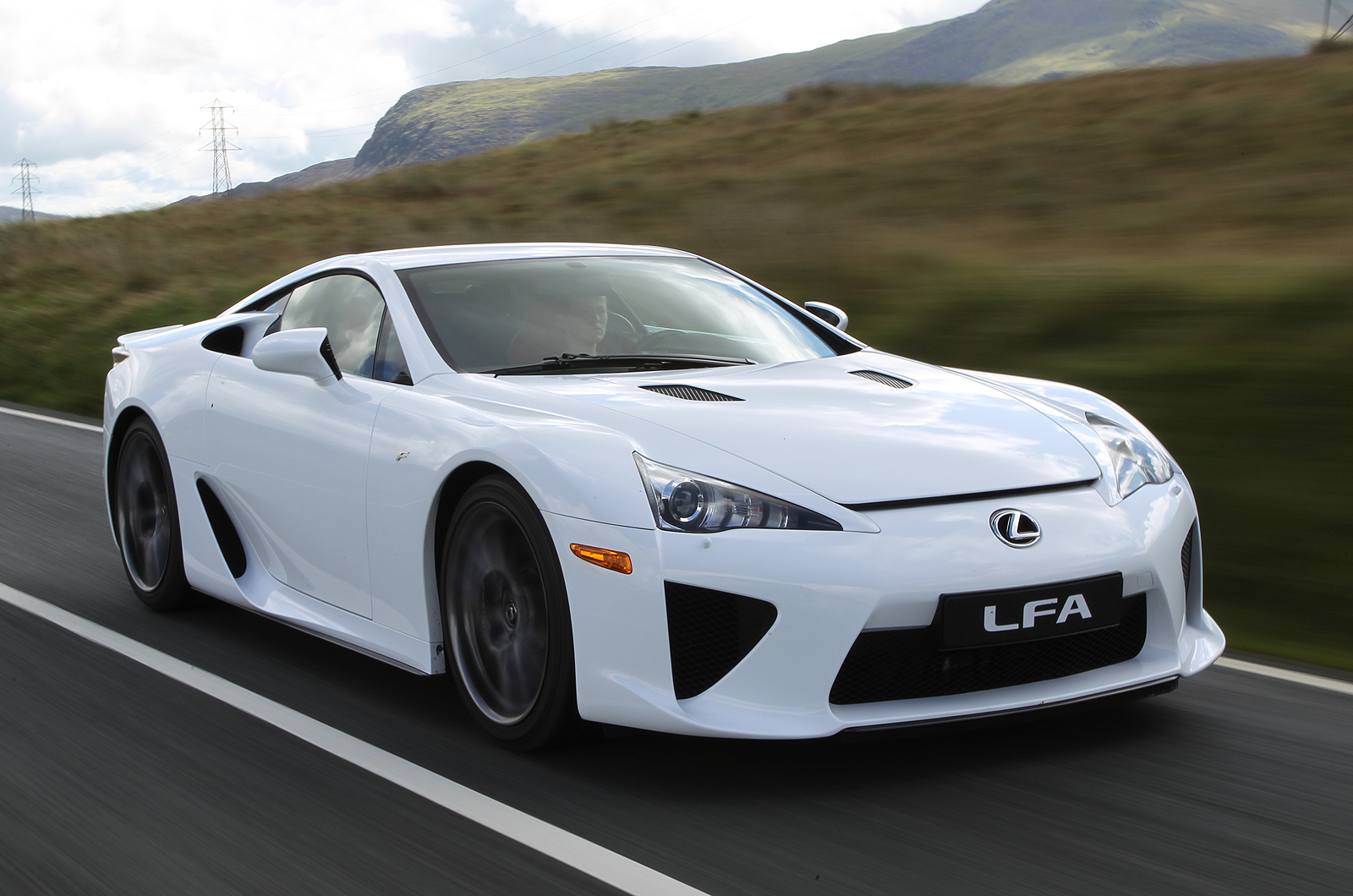
7. Lexus LFA Inspired
The Lexus LFA is widely regarded as one of the most iconic Japanese supercars ever built, known for its exceptional engineering, lightweight construction, and legendary high-revving V10 engine. Although production ended years ago, the LFA left a lasting impact on the automotive world, establishing Lexus as a serious contender in the global performance segment.
The rumored 2027 successor is not expected to be a direct continuation of the original LFA but rather a spiritual evolution of its philosophy. Lexus has been increasingly active in performance-oriented development, and industry expectations suggest that a new flagship supercar could emerge to redefine the brand’s performance identity in the electrified era.
Unlike the naturally aspirated V10 of the original LFA, the new generation is expected to adopt hybrid or fully electric performance technology.
This shift is driven by global emissions regulations and advancements in electric motor performance. Despite the change in powertrain, the focus on precision engineering, lightweight materials, and driving purity is expected to remain central.
The design philosophy of the new model is likely to emphasize aerodynamic efficiency and futuristic aesthetics. Lexus has already introduced bold styling language in its recent concept vehicles, and the 2027 supercar could push this even further with advanced airflow management, active aerodynamics, and a low, sculpted silhouette.
Inside the cabin, the focus will likely shift toward a driver-centric experience with minimal distraction. Advanced digital interfaces, performance visualization systems, and premium lightweight materials would define the interior environment. The goal would be to create a machine that feels both technologically advanced and emotionally engaging.
- Engine: 2.0L hybrid petrol-electric system
- Horsepower: ~200 to 250 hp
- Torque: ~250 to 400 Nm
- Length: ~4,400 to 4,600 mm
- Width: ~1,780 to 1,880 mm
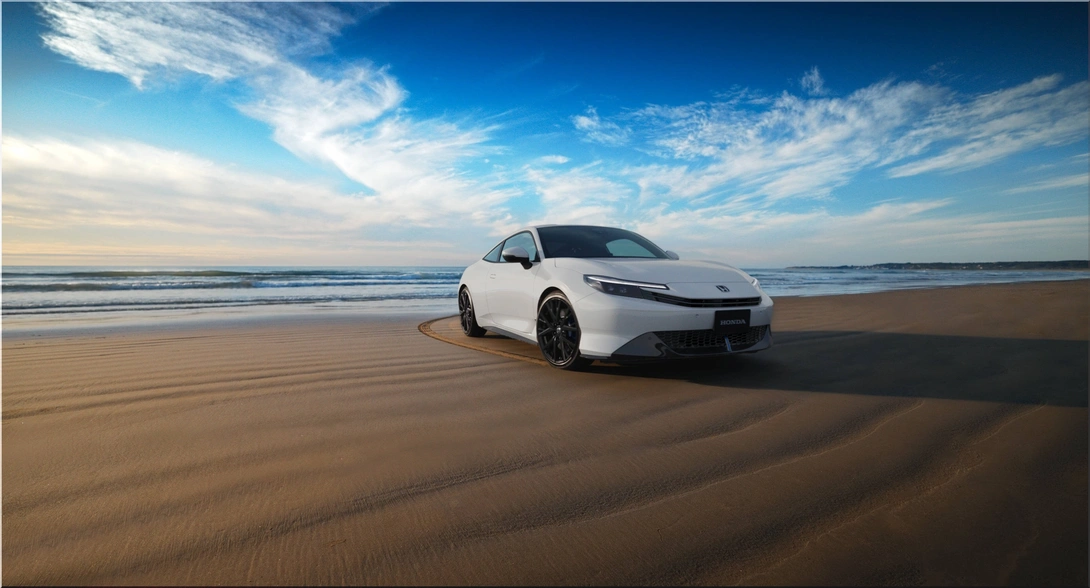
8. Honda Prelude Revival
The Honda Prelude is one of the most beloved nameplates in Honda’s performance history, known for its combination of sporty design, innovative technology, and accessible driving dynamics. Over its production history, the Prelude served as a showcase for Honda’s engineering capabilities, often introducing advanced features ahead of its time.
The discontinuation of the Prelude left a noticeable gap in Honda’s coupe lineup, especially for enthusiasts who valued balanced performance rather than extreme power. Over the years, demand for its return has remained consistent, fueled by nostalgia and the growing interest in affordable performance vehicles.
The expected 2027 revival of the Prelude is closely aligned with Honda’s broader hybrid strategy. Rather than returning as a traditional high-revving coupe, the new Prelude is expected to incorporate hybrid powertrain technology designed to deliver both efficiency and responsive performance. This positions it as a modern interpretation of the classic sporty coupe formula.
Design-wise, the new Prelude is expected to feature a sleek, aerodynamic profile with a focus on elegance and motion. Unlike aggressive muscle-oriented vehicles, the Prelude has historically leaned toward refined sportiness, and the 2027 version is likely to continue that tradition with smooth surfaces and balanced proportions.
Honda is expected to emphasize driver engagement combined with modern digital convenience. Lightweight materials, intuitive controls, and advanced infotainment systems will likely define the experience. The goal will be to create a coupe that feels engaging to drive while remaining practical for everyday use.