
Buying a new car used to mean having a long list of genuinely inexpensive choices. Shoppers could find small sedans, hatchbacks, compact crossovers, and basic commuter cars with manageable monthly payments and a full factory warranty.
That part of the market is shrinking rapidly. As automakers chase higher-profit SUVs, trucks, hybrids, and electric vehicles, the affordable end of the showroom is losing many of its most familiar models.
The Nissan Versa was the clearest example of this shift. It was America’s cheapest new car and one of the last vehicles available near the $20,000 mark.
Its exit after the 2025 model year leaves a major gap for first-time buyers, students, delivery drivers, and families who simply want dependable transportation without taking on a large loan.
The Kia Soul is another major loss. It offered a roomy cabin, a practical shape, and a price that made it accessible to buyers who did not want a conventional sedan.
This list looks at eight affordable vehicles that are vanishing from the U.S. market as the cheap-car era becomes harder to find. Some were discontinued because demand fell, while others were replaced by more expensive alternatives or pushed aside by changing product plans.
Their departures show that a low purchase price is no longer enough to guarantee a place in modern showrooms.
Also Read: 8 Hidden Features In The Hyundai Palisade
1. Nissan Versa
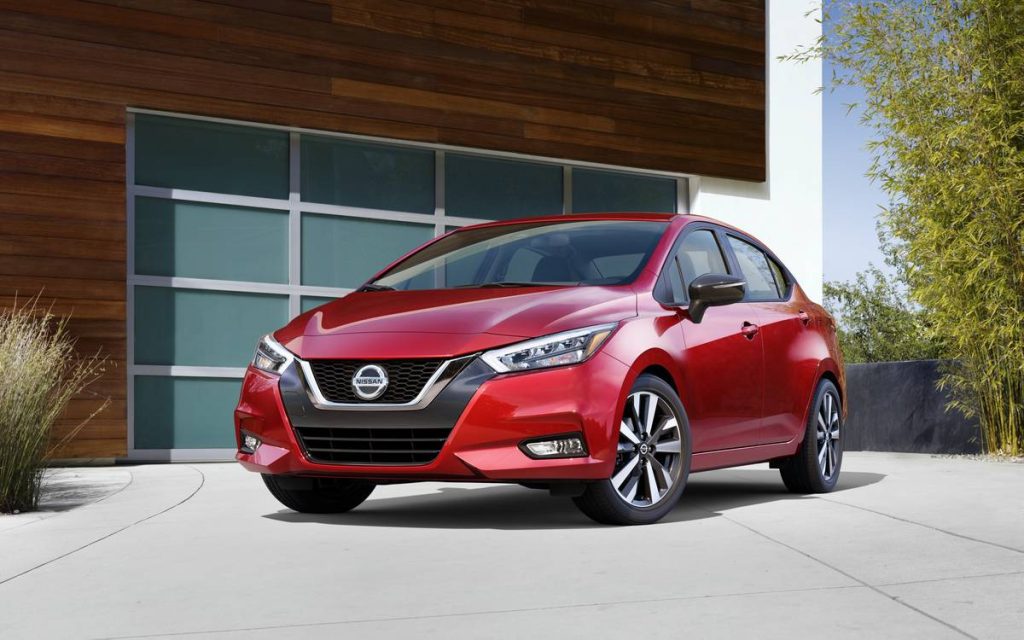
For years, the Nissan Versa served a purpose that very few new vehicles could match: it gave buyers a way to purchase a brand-new car without entering luxury-level payment territory. The Versa was America’s cheapest new car during its final years, and its departure after the 2025 model year marks a serious turning point for affordable transportation.
Nissan ended U.S. Versa production in December 2025, meaning there is no 2026 model for American buyers. The sedan had already lost its manual transmission earlier in its final run, but it remained one of the lowest-cost ways to get a new-car warranty, modern safety equipment, smartphone connectivity, and low running costs.
The final Versa was not designed to impress with speed or premium materials. Its value came from doing ordinary tasks well. It had room for five passengers, a usable trunk, good fuel economy, and a compact footprint that made it easy to park in crowded cities.
For commuters, students, and first-time owners, those qualities mattered more than flashy styling or powerful engines.
Its disappearance also raises the price of entry into the new-car market. Nissan’s Sentra and Kicks now sit above the Versa in price, while competing brands have also moved their cheapest models upward.
The end of the Versa does not just remove a small sedan from dealerships. It removes one of the final examples of a new car built around affordability first.
- Engine: 1.6-liter naturally aspirated four-cylinder
- Torque: 112 lb-ft
- Horsepower: 122 hp
- Length/Width: 177.0 inches / 68.5 inches
2. Kia Soul
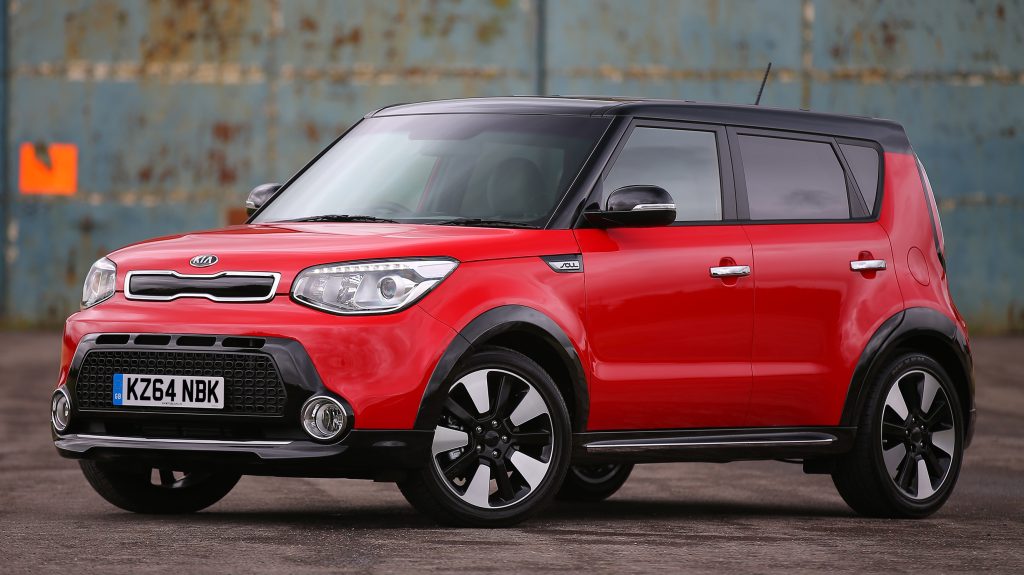
The Kia Soul never looked like a typical budget vehicle, and that was a major reason buyers remembered it. Its upright body, square roofline, and tall windows gave it a playful identity in a market full of similar-looking compact crossovers. Kia will end Soul production after the 2025 model year, bringing a 16-year run to a close.
While many affordable cars focus only on low pricing, the Soul offered a more distinctive package. Its boxy design created a surprisingly spacious cabin, especially for rear-seat passengers.
The high roof also made entry and exit easier than in many low-slung compact sedans. Cargo space was useful for groceries, luggage, or daily errands, and its compact dimensions made it practical for city driving.
The final version used a 2.0-liter four-cylinder engine paired with a continuously variable transmission. It was not quick, but performance was never the soul’s main purpose. Buyers chose it for visibility, easy maneuverability, practicality, and a personality that stood apart from more conservative rivals.
Kia’s decision leaves the K4 sedan and Seltos crossover to handle much of the brand’s entry-level market. Neither one replaces the soul directly. The K4 is more traditional, while the Seltos is more SUV-like and typically costs more once popular features are added.
The Soul’s departure means buyers lose one of the few affordable vehicles that combined compact exterior dimensions with a tall, versatile interior.
- Engine: 2.0-liter naturally aspirated four-cylinder
- Torque: 132 lb-ft
- Horsepower: 147 hp
- Length/Width: 165.2 inches / 70.9 inches
3. Mitsubishi Mirage
The Mitsubishi Mirage disappeared from the U.S. market after the 2024 model year, but its loss still defines the affordability crisis facing new-car shoppers in 2026. It was one of the final vehicles that treated low ownership costs as its central mission.
Buyers did not choose the Mirage for luxury materials, fast acceleration, or premium technology. They chose it because it was inexpensive to buy, inexpensive to fuel, and easy to maintain.
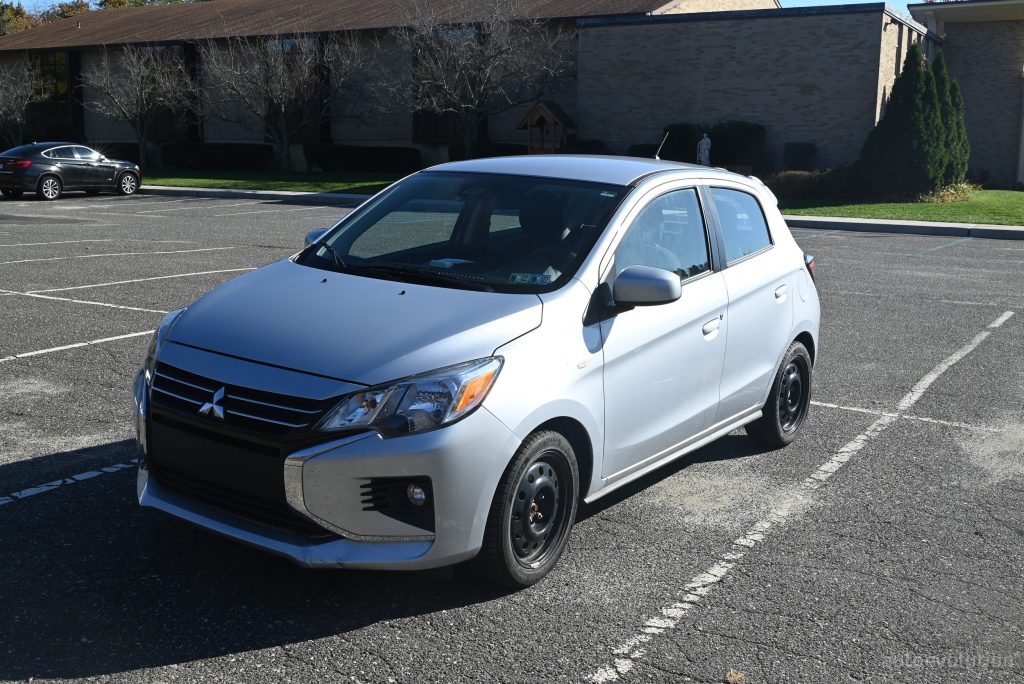
Available as a hatchback and sedan, the Mirage gave shoppers a choice that has become rare: a genuinely small new car with a low entry price.
The hatchback was particularly useful for urban drivers because its short body made parking easy, while the rear cargo area offered more flexibility than a conventional small sedan. Its light weight also helped it deliver excellent fuel economy.
The little three-cylinder engine produced modest power, but the Mirage was never meant to be driven aggressively. It worked best as basic transportation for commuters, students, delivery drivers, and buyers who wanted a new vehicle without a large monthly payment.
Mitsubishi also offered one of the strongest warranty packages in the segment, making the car more appealing to buyers focused on long-term costs.
Its departure left the Versa as the final true low-price new-car option for a brief period. Now that the Versa is gone too, the Mirage feels even more important in hindsight.
Both vehicles showed that there was still a market for uncomplicated, low-cost transportation, even as manufacturers shifted toward larger and more profitable models.
- Engine: 1.2-liter naturally aspirated three-cylinder
- Torque: 74 lb-ft
- Horsepower: 78 hp
- Length/Width: 151.4 inches / 65.6 inches
4. Chevrolet Malibu
The Chevrolet Malibu ended production after the 2024 model year, removing one of the last relatively affordable midsize sedans from the American market. For decades, the Malibu was a familiar choice for buyers who wanted more interior space than a compact car could offer without moving into an expensive SUV.
It served families, commuters, rental fleets, and business drivers with a straightforward formula: four doors, a roomy cabin, a large trunk, and a price that stayed below many similarly sized crossovers.
Its final generation was not the newest sedan in the segment, but it still offered useful strengths. The standard turbocharged four-cylinder engine delivered adequate power for highway driving, while the spacious rear seat and wide trunk opening made it practical for daily use.
The Malibu also gave buyers a lower seating position and more car-like road manners than many compact SUVs.
Chevrolet’s decision to end the model was tied to changing priorities at the Fairfax Assembly plant in Kansas, where the Malibu was built.
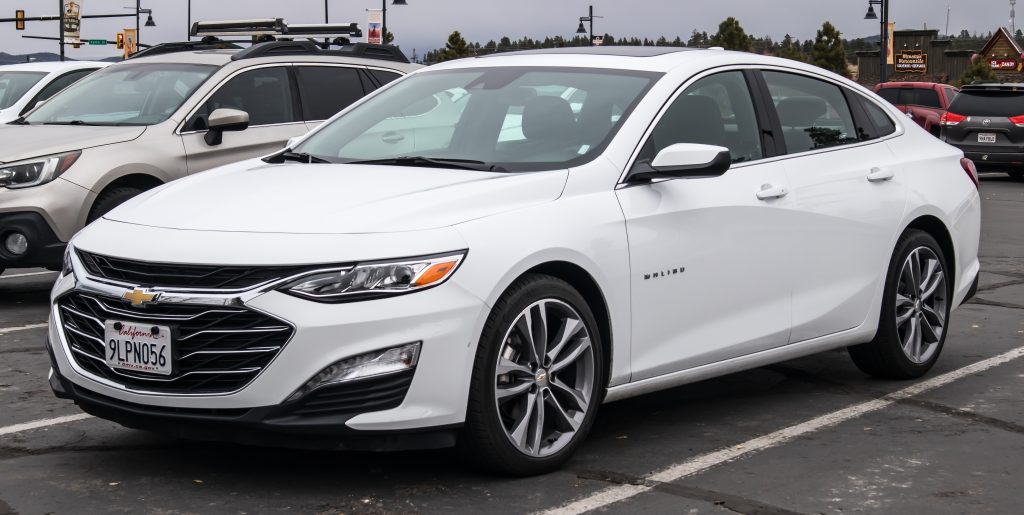
The company shifted attention toward future electric vehicle production, while demand across the midsize sedan segment continued to decline. SUVs such as the Equinox, Trax, and Trailblazer now play a much larger role in Chevrolet’s lineup.
The Malibu’s disappearance is significant because it removes another affordable sedan option from a market already losing choices. Buyers who want a new midsize Chevrolet now have to look toward crossovers, which usually cost more once comparable features are added.
- Engine: 1.5-liter turbocharged four-cylinder
- Torque: 184 lb-ft
- Horsepower: 163 hp
- Length/Width: 194.2 inches / 73.0 inches
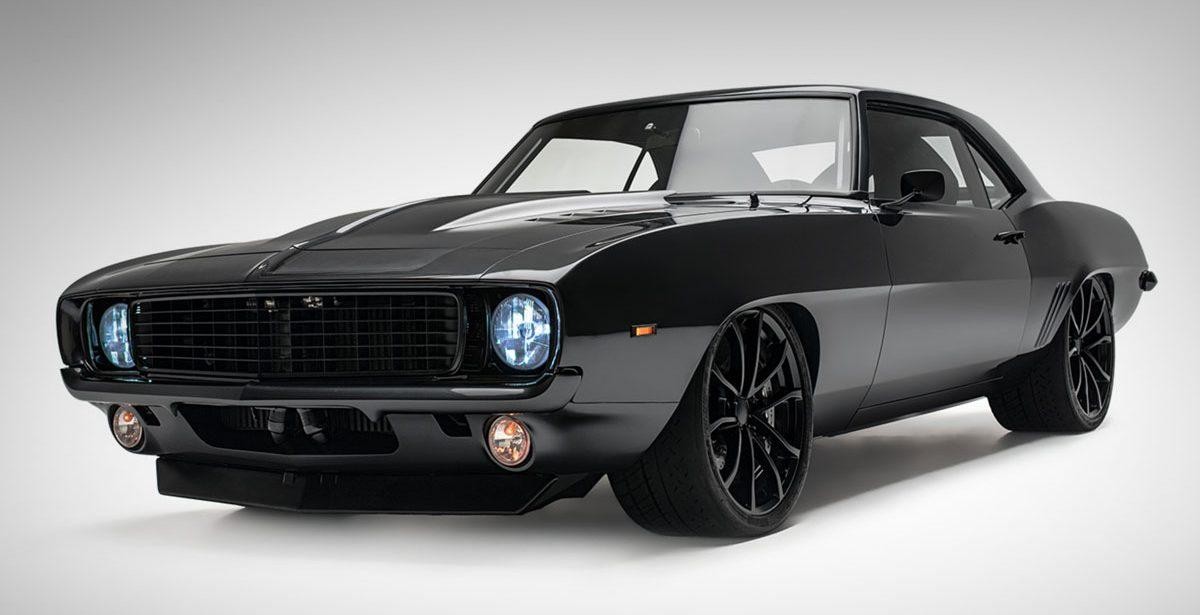
5. Chevrolet Camaro
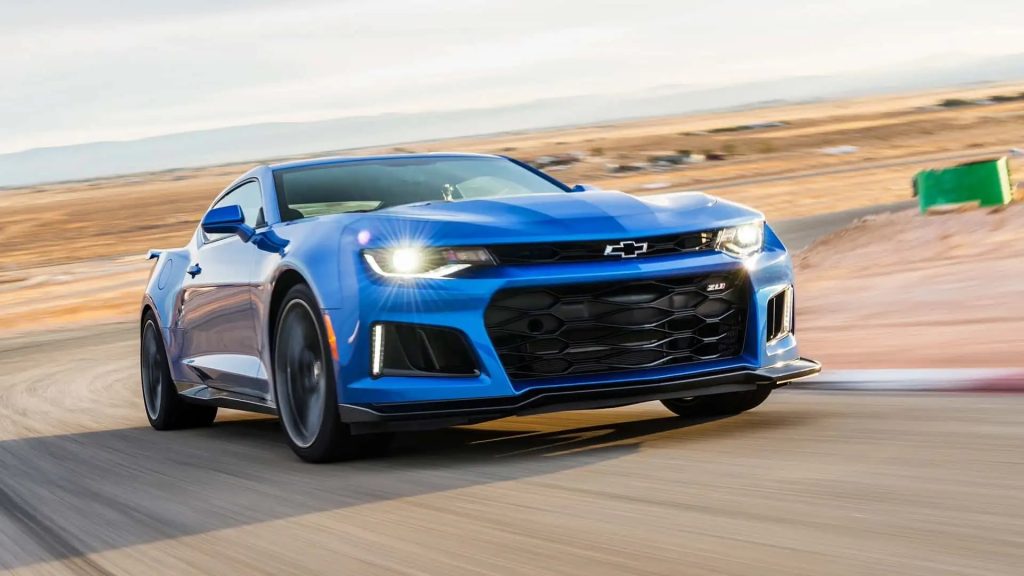
The Chevrolet Camaro left production after the 2024 model year, ending one of America’s best-known affordable performance-car stories.
It may not have been as inexpensive as a subcompact sedan, but the Camaro offered something that is becoming rare at its price point: serious rear-wheel-drive performance, available V8 power, and a recognizable muscle-car identity without moving into luxury-car territory.
For buyers who wanted a powerful coupe without spending supercar money, the Camaro remained a compelling choice. The final generation offered several engines, beginning with a turbocharged four-cylinder and moving through V6 and V8 options.
The SS model was the centerpiece of the range, using a naturally aspirated 6.2-liter V8 that produced strong acceleration and a deep exhaust note. Higher-performance versions, including the ZL1, pushed the formula much further, but even the standard V8 Camaro gave enthusiasts a great deal of performance for the money.
The Camaro was also more capable than its retro styling suggested. Its chassis was widely respected for sharp handling, and track-focused versions proved that a muscle car could be genuinely competitive on demanding circuits.
Still, its narrow rear visibility, limited rear-seat space, and declining coupe demand made it harder to sell against SUVs and crossovers.
Chevrolet has not confirmed a direct replacement. That uncertainty makes the Camaro’s departure more significant. The affordable performance market is losing another traditional two-door car, leaving buyers with fewer ways to own a new V8-powered American coupe.
- Engine: 6.2-liter naturally aspirated V8
- Torque: 455 lb-ft
- Horsepower: 455 hp
- Length/Width: 188.3 inches / 74.7 inches
6. MINI Clubman
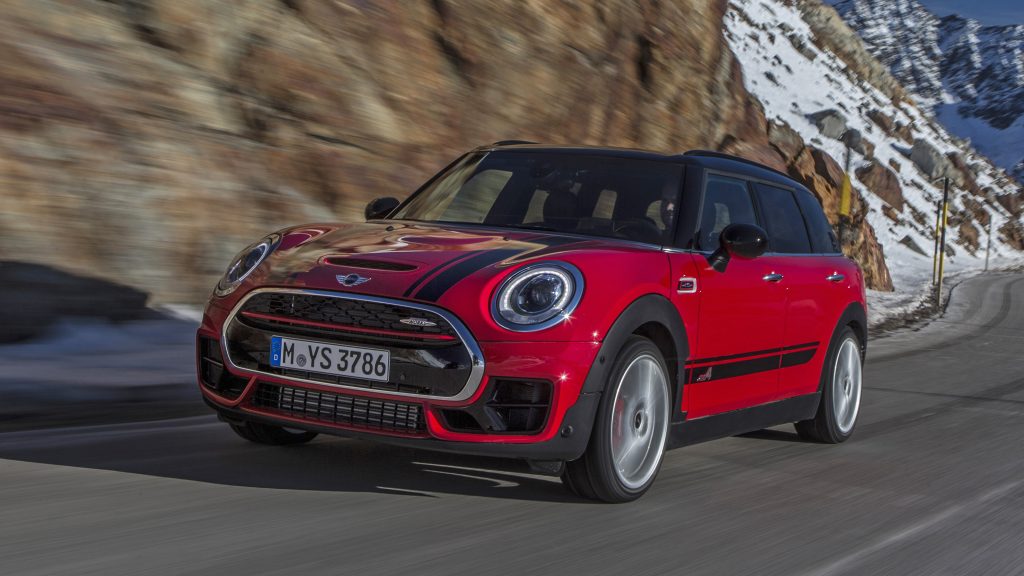
The MINI Clubman ended its U.S. run after the 2024 model year, taking with it one of the most unusual affordable premium cars available. It was not a conventional hatchback, wagon, or crossover.
Instead, the Clubman blended pieces of all three, creating a compact vehicle with more passenger room and cargo capacity than the standard MINI Cooper while retaining the brand’s playful character.
Its design was instantly recognizable. The Clubman used split rear barn doors rather than a traditional hatch, and its stretched body gave it a more mature appearance than the smaller three-door MINI. That extra length made a meaningful difference inside.
Rear-seat passengers had more room, and the cargo area was better suited to shopping bags, weekend luggage, and daily family use.
The final Clubman range included a turbocharged three-cylinder engine in the Cooper S model and a more powerful turbocharged four-cylinder in the John Cooper Works version. The performance-focused JCW model delivered quick acceleration and all-wheel drive, giving it an advantage in wet or snowy conditions.
Even the standard Clubman felt more engaging than many small crossovers because of its low seating position and responsive steering.
MINI ended the Clubman as it reorganized its lineup around a new generation of electric and crossover-focused products. The Countryman now handles much of the practical side of the brand, but it is larger and more expensive.
The Clubman’s departure removes a distinctive choice for buyers who wanted compact size, wagon-like usefulness, and a more entertaining driving experience than most affordable SUVs can provide.
- Engine: 2.0-liter turbocharged four-cylinder
- Torque: 331 lb-ft
- Horsepower: 301 hp
- Length/Width: 168.3 inches / 70.9 inches
7. Chrysler 300
The Chrysler 300 disappeared after the 2023 model year, but its exit remains a major example of how affordable large sedans have faded from the American market.
It was not a cheap car in the same way as the Nissan Versa or Mitsubishi Mirage, yet it gave buyers access to a full-size rear-wheel-drive sedan, available V8 power, and a commanding road presence for far less money than many luxury alternatives.
For much of its life, the 300 appealed to buyers who wanted something more substantial than a midsize sedan. Its broad body, upright grille, long hood, and available large wheels gave it a premium appearance without requiring a luxury-brand badge.
The cabin offered generous passenger space, a wide rear seat, and a large trunk, making it useful for families and long-distance travel.
The final years of the 300s were especially notable because Chrysler continued offering the 5.7-liter HEMI V8 in the 300C. That version delivered strong acceleration and the kind of deep V8 character that has become uncommon in modern sedans.
Most buyers selected the 3.6-liter V6, which was less powerful but still capable enough for regular commuting and highway driving.
Chrysler ended the 300 as it shifted its attention toward future electrified products. The company has not introduced a direct replacement, leaving buyers without a new Chrysler sedan.
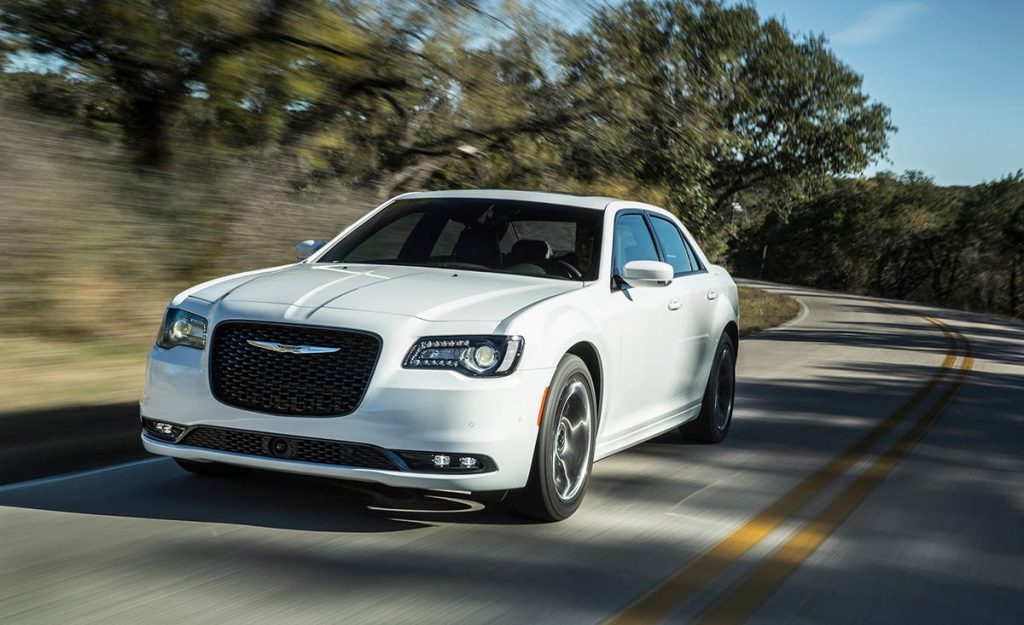
Its departure matters because a large, rear-wheel-drive American sedan with available V8 power is now far harder to find without moving into a much more expensive performance or luxury category.
- Engine: 3.6L Pentastar V6 (292–300 hp), 5.7L HEMI V8 (363 hp), or 6.4L HEMI V8 (485 hp)
- Horsepower: 292–485 hp
- Torque: 260–475 lb-ft (353–644 Nm)
- Length: 198.6 in (5,044 mm)
- Width: 74.9–75.0 in (1,902–1,905 mm)
8. Dodge Challenger
The Dodge Challenger ended production after the 2023 model year, closing the door on one of the most accessible ways to buy a new American muscle car.
Its final versions became expensive in high-performance form, but the Challenger spent much of its modern life offering buyers a relatively attainable entry into rear-wheel-drive coupe ownership, V8 power, and classic muscle-car styling.
Unlike many modern performance cars, the Challenger did not chase compact dimensions or lightweight handling. It was large, wide, and deliberately old-fashioned in its approach.
That gave it a different kind of appeal. The long hood, broad stance, and retro-inspired shape made it feel like a traditional American coupe, while the spacious cabin and usable rear seat gave it more practicality than many two-door rivals.
The final lineup included V6, 5.7-liter V8, 6.4-liter V8, and supercharged Hellcat versions. For many buyers, the R/T was the sweet spot. Its 5.7-liter HEMI V8 produced enough power to make the car feel properly muscular without reaching the far higher prices of the Scat Pack or Hellcat models.
It also offered the unmistakable sound and response that enthusiasts expect from a naturally aspirated V8.
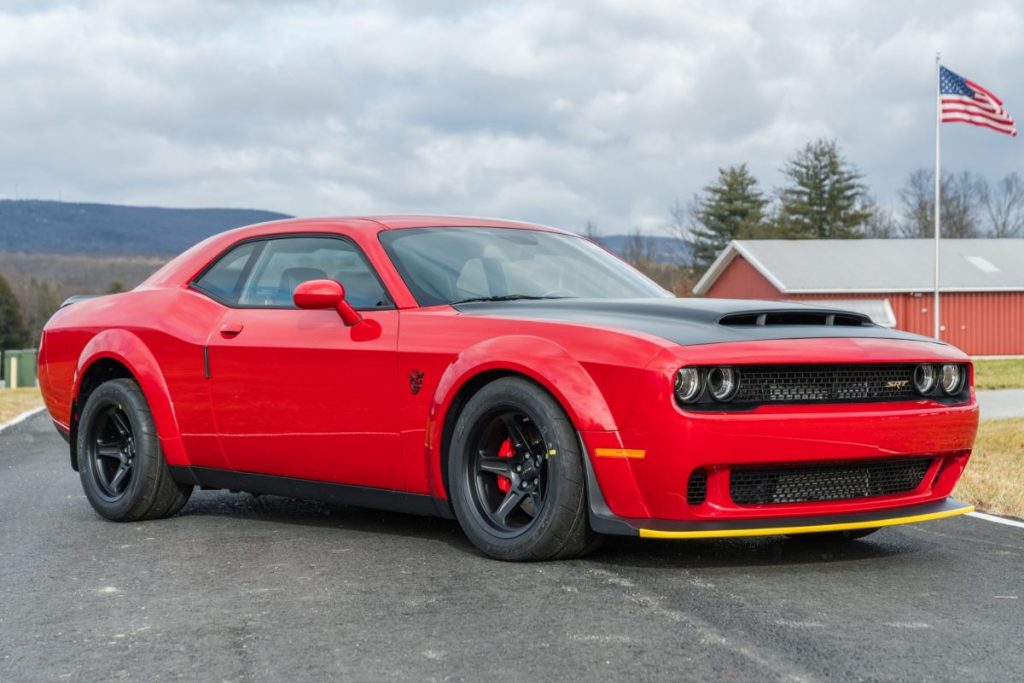
Dodge has moved toward a new generation of performance cars with electrification and turbocharged power in the picture. That makes the Challenger’s retirement especially meaningful.
It was one of the last mainstream coupes where buyers could still choose a big-displacement V8, a traditional automatic transmission, and a body shape built around old-school muscle-car drama.
- Engine: 5.7-liter naturally aspirated V8
- Torque: 410 lb-ft
- Horsepower: 372 hp
- Length/Width: 197.9 inches / 75.7 inches
Also Read: 8 Cars Whose Resale Defies Their Brand’s Reputation
