The Honda S2000 has become one of the most talked-about modern classic sports cars in the automotive world, especially among enthusiasts, collectors, and investors who closely track rising values of performance vehicles from the late 1990s and early 2000s.
When it was first introduced, it was seen as a bold statement from Honda, showcasing the brand’s engineering confidence and willingness to build a pure, high-revving, Rear Wheel Drive roadster in an era increasingly dominated by comfort-focused cars and emerging electronic driver aids.
Today, however, the same car that once sat in dealership showrooms as a relatively accessible sports car has transformed into a highly desirable collector asset, with prices steadily increasing across global markets.
One of the main reasons the Honda S2000 continues to rise in value is its reputation for delivering one of the most engaging driving experiences ever produced by a mass manufacturer. The car is powered by a naturally aspirated four-cylinder engine known for its extremely high redline, sharp throttle response, and mechanical purity.
Unlike many modern performance cars that rely heavily on turbocharging or hybrid assistance, the S2000 represents an era where engineering precision and driver connection were prioritized above outright convenience or efficiency. This purity has become increasingly rare, making the car more desirable as time goes on.
A major factor contributing to its appreciation is its limited production and strong enthusiast following. Although it was produced for several years, the S2000 was never built in the same volumes as mainstream commuter vehicles, and many examples have been modified, tracked heavily, or lost over time.
As a result, well-preserved original models have become increasingly scarce. Collectors now actively seek unmodified or lightly modified examples, pushing prices upward as demand continues to outpace supply. This imbalance between availability and demand is a key driver in its growing market value.
Additionally, the Honda S2000 has developed a strong cultural identity within automotive communities worldwide. It is frequently featured in motorsport culture, video games, tuning scenes, and enthusiast discussions, which has helped maintain its relevance even decades after its release.
Cars that maintain cultural significance tend to age differently compared to ordinary vehicles, often transitioning from used machines into collectible icons. The S2000 fits this pattern extremely well, as it represents not only a performance vehicle but also a symbol of Honda’s engineering peak in the sports car segment.
Finally, broader trends in the classic car market have also contributed to the rising value of the S2000. As modern vehicles become increasingly complex and computerized, many enthusiasts are turning their attention toward analog driving experiences.
Cars that offer manual transmissions, high-revving engines, and minimal electronic interference are becoming especially desirable. The S2000 sits perfectly within this niche, making it a strong candidate for long-term appreciation. Combined with its reputation, rarity, and driving dynamics, these factors explain why the Honda S2000 continues to climb in value year after year.
Also Read: 8 SUVs With The Most Space For Comfort
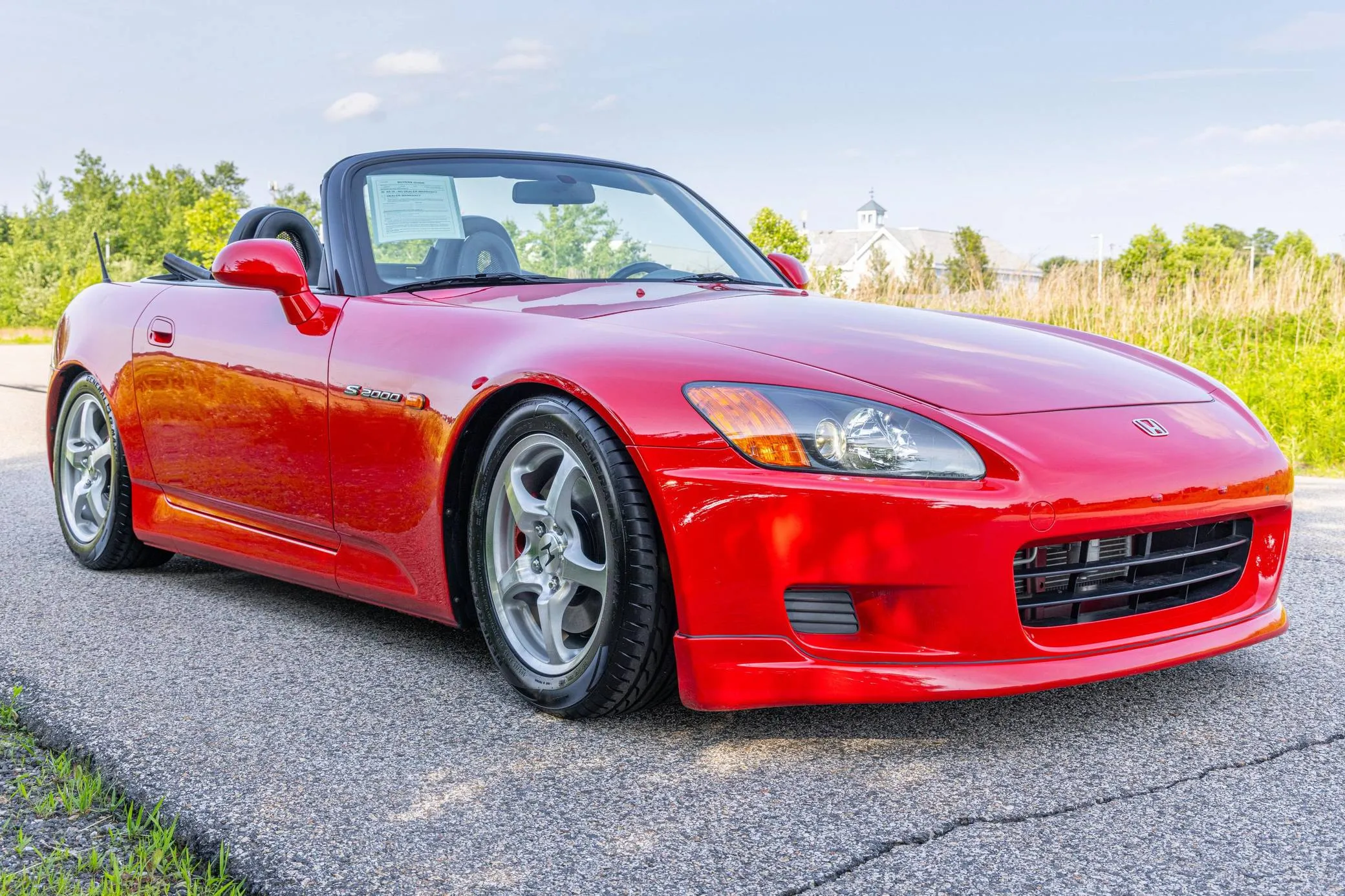
Engineering Excellence and High-Revving Character
The engineering philosophy behind the Honda S2000 is one of the most important reasons for its rising value in today’s collector market. Honda designed the car with a clear focus on creating a pure driver experience, and this intent is most clearly seen in its F20C and F22C1 engines.
These engines are widely regarded as some of the highest specific output naturally aspirated four-cylinder engines ever produced for a production car. The ability to rev to extremely high engine speeds while maintaining reliability was a remarkable achievement at the time, and it continues to impress enthusiasts today.
The high-revving nature of the S2000 engine creates a driving sensation that is increasingly rare in modern performance cars. Most contemporary vehicles achieve performance through turbocharging, which delivers torque at lower RPM ranges but sacrifices the linear power delivery and acoustic excitement of a naturally aspirated engine.
In contrast, the S2000 builds power progressively, encouraging drivers to explore the upper reaches of the rev range. This creates a sense of engagement that is deeply rewarding and difficult to replicate, making the car especially appealing to purists.
Another key aspect of the engineering is the precise manual transmission, often considered one of the best ever installed in a production car. The short-throw shifter, mechanical feedback, and tight gate pattern contribute to a driving experience that feels direct and intentional.
This transmission plays a key role in defining the car’s personality, strengthening the bond between driver and machine. In the collector market, vehicles equipped with outstanding manual gearboxes often retain and gain value more successfully because they deliver a level of engagement that modern automated transmissions struggle to replicate.
The chassis design also contributes significantly to the S2000’s reputation. With near-perfect weight distribution and a rigid structure, the car delivers balanced handling that responds predictably to driver input. This makes it not only fast but also highly controllable, even at the limit.
Enthusiasts appreciate this balance because it allows both novice and experienced drivers to enjoy the car in different ways. As driving dynamics become more electronically controlled in newer vehicles, the raw mechanical balance of the S2000 becomes even more valuable.
Durability and engineering reliability further enhance its long-term appeal. Honda’s reputation for building dependable engines is well represented in the S2000, where many examples have achieved high mileage with proper maintenance. This reliability means that surviving cars remain usable rather than becoming static display pieces.
The S2000 exists in a unique space where it can be both a collector item and a functional performance car, which strengthens demand and supports rising values over time.
Rarity, Condition, and Market Scarcity
One of the strongest forces driving the increasing value of the Honda S2000 is simple scarcity. Although it was not produced in extremely limited numbers compared to exotic supercars, the survival rate of original, unmodified examples has significantly decreased over time.
Many S2000s were purchased by enthusiasts who drove them aggressively, modified them for performance, or used them extensively in track environments. While this contributes to the car’s cultural legacy, it also reduces the number of pristine examples available for collectors today.
Condition plays a critical role in determining value within the S2000 market. Vehicles that retain original paint, factory components, and minimal modifications are now considered highly desirable. Collectors are willing to pay significant premiums for cars that have been preserved in near factory condition.
This shift in preference reflects a broader trend in the automotive collector world, where originality is often valued more than modified performance. As a result, untouched S2000 models are becoming increasingly rare and increasingly expensive.
Geographic distribution also influences scarcity. In certain markets, especially regions with harsh climates or dense urban usage, many S2000s have suffered wear, corrosion, or accidents. This reduces the pool of high-quality vehicles available globally.
Even in countries where the car was relatively popular, the passage of time has naturally thinned out the number of well-preserved units. The global collector market now competes for a shrinking supply of clean examples, which drives prices upward.
Unlike ordinary vehicles that are frequently traded or replaced, many S2000 owners develop strong emotional attachments to the car. As a result, fewer cars enter the resale market each year.
This creates a situation where demand remains steady or increases, while supply becomes more restricted. In economic terms, this imbalance strongly supports long-term price appreciation.
Auction results and private sales further reinforce this trend. As more high-quality S2000s achieve record prices, market expectations shift upward.
Buyers begin to view the car not just as a used sports car, but as a legitimate collectible asset. This perception change accelerates scarcity-driven appreciation, as owners become more reluctant to sell and buyers become more competitive when opportunities arise.
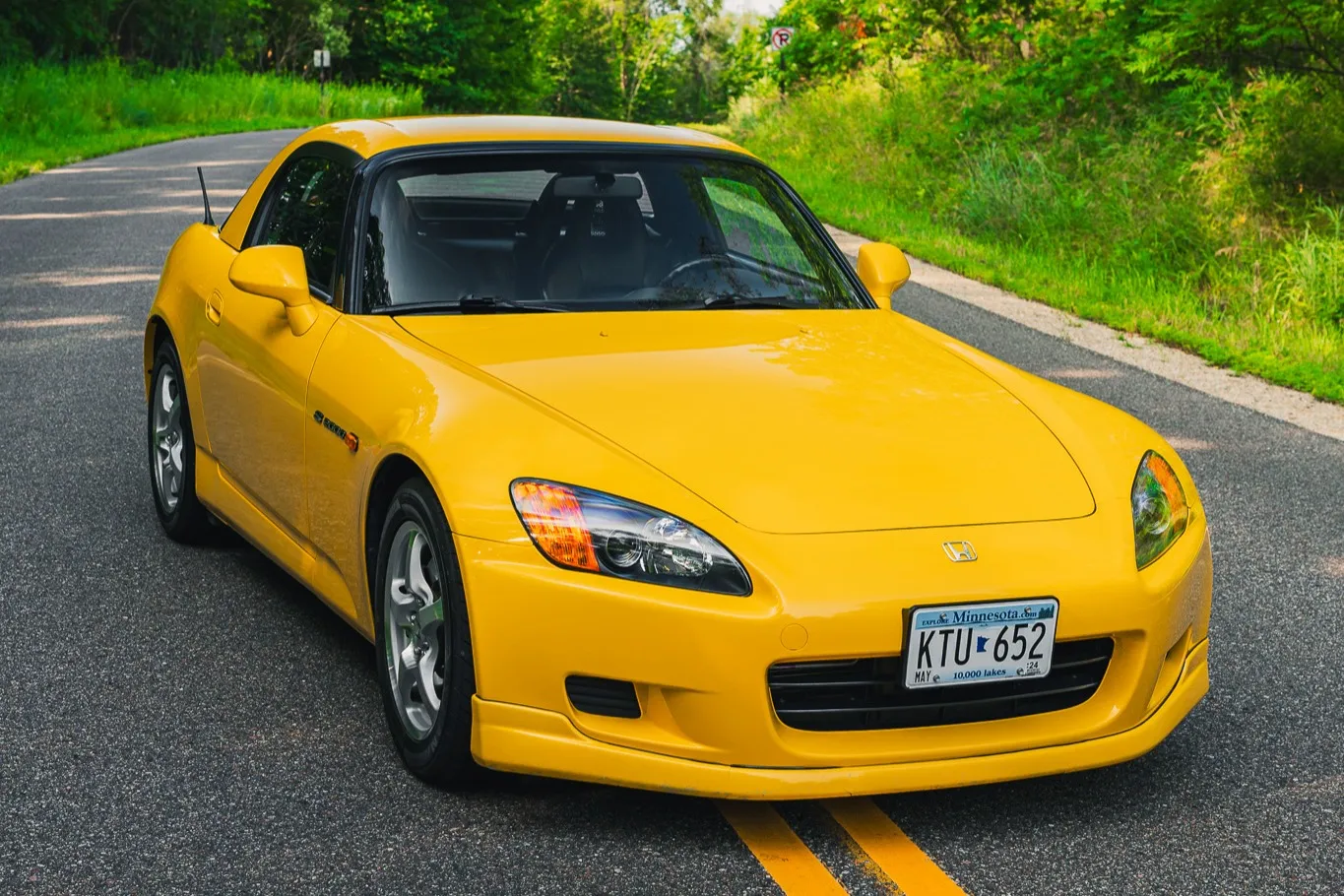
Cultural Influence and Enthusiast Demand
The Honda S2000 has achieved a level of cultural recognition that plays a significant role in its rising value. It is widely regarded as one of the most iconic Japanese sports cars of its era, representing the peak of Honda’s performance engineering philosophy.
This cultural status has been reinforced through motorsport involvement, media representation, and a strong presence in enthusiast communities around the world.
One of the most important cultural factors is its popularity in motorsport and track day environments. The S2000 was designed with performance driving in mind, and it quickly became a favorite among amateur racers and track enthusiasts.
Its balanced chassis and high-revving engine made it highly competitive in its class, and this reputation has persisted over time. Cars that perform well in motorsport contexts often gain long-term respect, which translates into stronger collector demand.
The S2000 also gained widespread recognition through automotive media and entertainment. It has appeared in racing video games, films, and online automotive content, which has helped maintain its visibility across generations.
Younger enthusiasts who may not have experienced the car when it was new are still exposed to it through these platforms, creating continued interest and demand. This cross-generational appeal is important for sustaining long-term value growth.
Enthusiast communities have played a major role in preserving the S2000’s legacy. Online forums, social media groups, and car clubs continue to celebrate the model, sharing maintenance knowledge, modification guides, and ownership experiences.
This strong community support ensures that the car remains relevant even as newer models are released. Vehicles with active enthusiast communities tend to maintain stronger resale values because they benefit from ongoing cultural reinforcement.
Finally, the S2000 has become a symbol of a specific automotive philosophy that resonates deeply with enthusiasts. It represents a time when manufacturers prioritized driver engagement over automation and comfort.
As modern cars become increasingly digital and isolated in driving feel, the S2000 stands as a reminder of a more mechanical and visceral era. This emotional and cultural significance continues to grow, directly contributing to its increasing value in the collector market.
Also Read: 7 Most Reliable Motorcycles You Can Buy Today
Investment Trends and Future Value Outlook
The Honda S2000 is increasingly viewed not only as a sports car but also as an investment asset within the automotive collector market.
Over the past several years, its value trajectory has shown consistent upward movement, driven by the combined effects of rarity, demand, and cultural significance. Investors who specialize in collectible vehicles often identify the S2000 as one of the strongest candidates within the modern classic segment due to its proven appreciation pattern.
One of the key investment drivers is the broader shift in collector preferences toward modern classics. Vehicles from the late 1990s and early 2000s are now entering the age where they are old enough to be considered collectible but still modern enough to be usable.
This transitional category has become highly desirable because it offers both usability and long-term appreciation potential. The S2000 fits perfectly into this category, making it attractive to both enthusiasts and investors.
Market data from private sales and auctions shows a steady increase in average transaction prices for well-preserved examples. Limited edition variants, such as the AP1 and AP2 models in excellent condition, often command even higher premiums.
As awareness of the car’s investment potential grows, competition among buyers has intensified, further accelerating price growth. This trend suggests that the market has not yet fully stabilized, and continued appreciation is likely.
One factor influencing future value is the decreasing availability of low-mileage, original condition vehicles. As time progresses, more cars are modified, damaged, or retired from use.
This natural attrition reduces supply even further, while global demand remains strong. In investment markets, scarcity combined with consistent demand is one of the most reliable indicators of long-term value appreciation.
The Honda S2000 is expected to remain a strong performer in the collector car market. While no asset class is guaranteed to rise indefinitely, the combination of engineering excellence, cultural importance, and scarcity suggests continued upward pressure on values.