
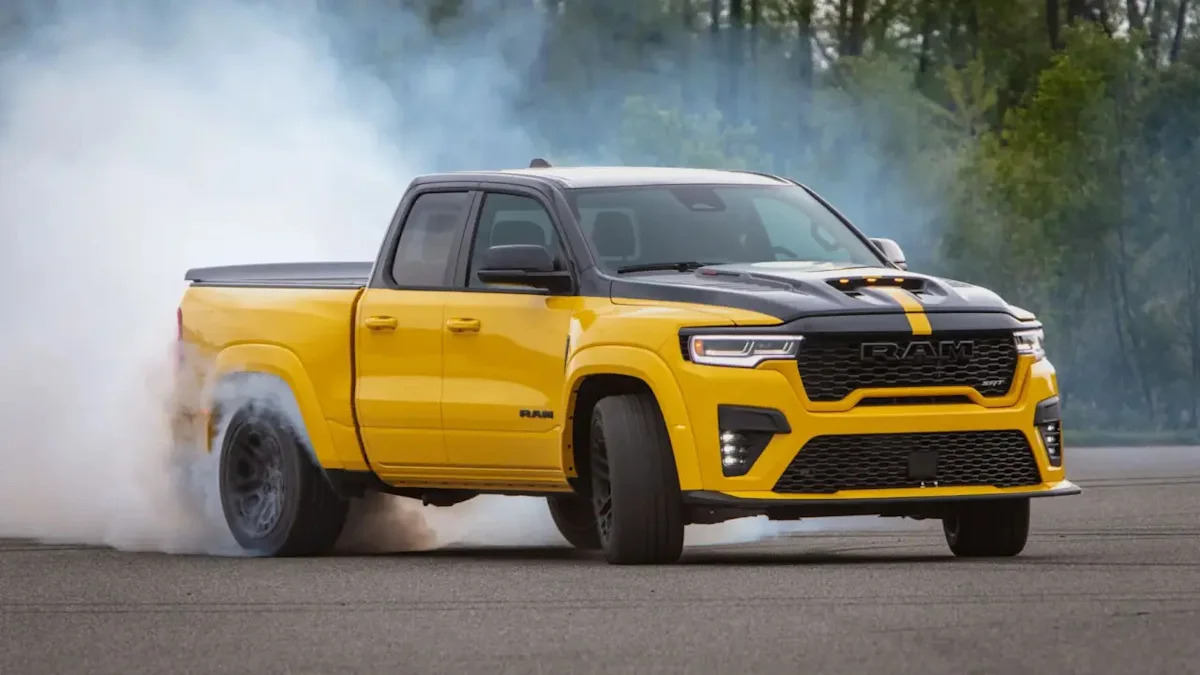
Few headlines sting quite like seeing your favorite truck brand labeled the worst in its class, and that is exactly the situation Ram has found itself in recently. Despite winning over countless loyal owners with its smooth ride, muscular styling, and genuinely impressive interior, the Ram 1500 has repeatedly shown up near the bottom of reliability rankings from sources like Consumer Reports.
One recent evaluation went so far as to call a current model year the worst pickup truck the organization has ever tested. That is a startling label for a truck that, in other rankings from groups like J.D. Power, still earns respectable long-term dependability scores. So what is actually going on here?
The truth lies somewhere between aggressive new technology, an ambitious new engine, and a string of frustrating electrical gremlins that have left some owners stranded in their own driveways. This breakdown digs into exactly why the Ram 1500 keeps landing on these brutal lists, and what every shopper or current owner should understand about the real risks hiding under that handsome sheet metal.
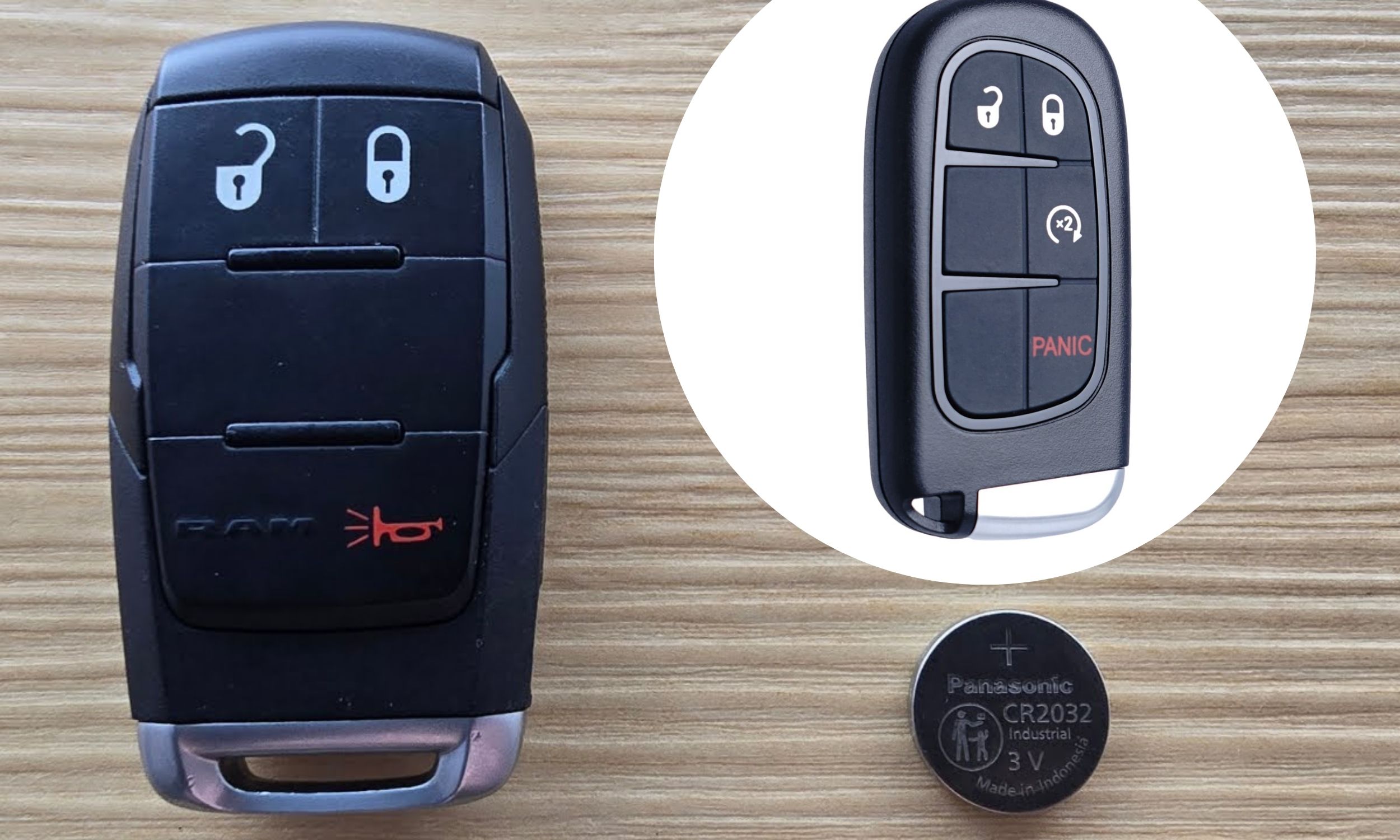
A Key Fob That Quietly Kills Your Battery
Nothing frustrates a truck owner faster than walking outside to a vehicle that simply will not start, especially when the truck sat parked and untouched the night before. This exact scenario has become disturbingly common among Ram 1500 owners, and the cause traces back to something as small and ordinary as a key fob sitting nearby.
Forum members have come to believe that the fob communicating with the truck when an owner does not actually want it to, simply by sitting nearby but not approaching the vehicle, causes the electronics to wake up unnecessarily, draining the battery overnight.
What makes this issue particularly maddening is how invisible it can feel until the damage is already done. One owner described the exact moment this problem revealed itself. Every time they got close to their truck while carrying their fob, the lights would turn on, and they could hear things buzzing and whirring under the hood, a pattern that stopped completely only after they placed the fob inside a Faraday bag. That single fix, oddly low-tech for such a high-tech truck, has become something of a folk remedy passed around enthusiast forums.
Technicians digging deeper into this pattern point toward something more fundamental than a simple fob glitch. The issue is often made worse when the key fob is stored too close to the vehicle, keeping the body control module in a “ready” state and preventing the truck from entering deep-sleep mode, which can create a serious voltage drop during what should be a quiet overnight rest cycle. Stellantis has not ignored the pattern entirely.
There is a technical service bulletin addressing this exact issue, instructing dealers to reflash the body control module with updated software specifically designed to stop the problem from happening.
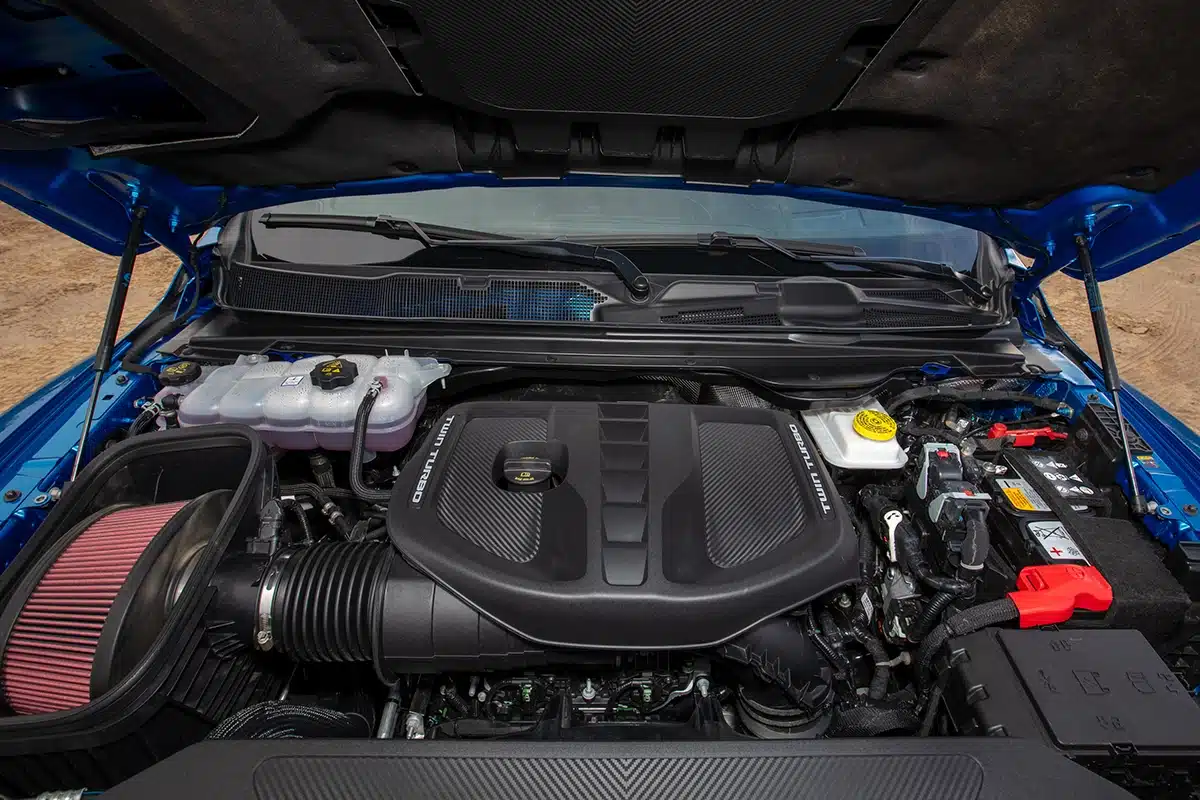
A New Engine Still Working Out Its Growing Pains
Launching a completely new engine is always a challenge, and Ram took a bold step by replacing its long-serving V6 with the new 3.0-liter Hurricane turbocharged inline-six. While the engine has earned praise for its strong performance and smooth power delivery, some early owners have reported problems that are common with first-generation powertrains.
The 2025 model year marked the debut of the Hurricane engine in the Ram 1500, and reports from 2025 and 2026 trucks have included check engine lights, misfires, cooling system issues, and electrical concerns. These problems have affected only a portion of owners, but they have drawn attention because the trucks are still so new.
A few cases have been especially frustrating. One owner in Texas reported that her 2025 Ram 1500 Hurricane Limited became completely unresponsive with fewer than 4,000 miles on the odometer. Despite multiple inspections, technicians were unable to pinpoint the cause. Another owner in New York experienced serious electrical issues in a 2026 Ram 1500 Bighorn with only 90 miles, including warning lights and low battery voltage shortly after delivery.
Buyers choosing the 5.7-liter Hemi V8 are not entirely free from concerns either. That engine continues to be associated with the well-known “Hemi tick,” often linked to lifter wear or exhaust manifold issues. Models equipped with the eTorque system can also experience problems related to the motor-generator unit, adding another potential maintenance concern for owners.
Also Read: 2027 Ram 1500 TRX SRT May Exceed $162,000 Before Taxes
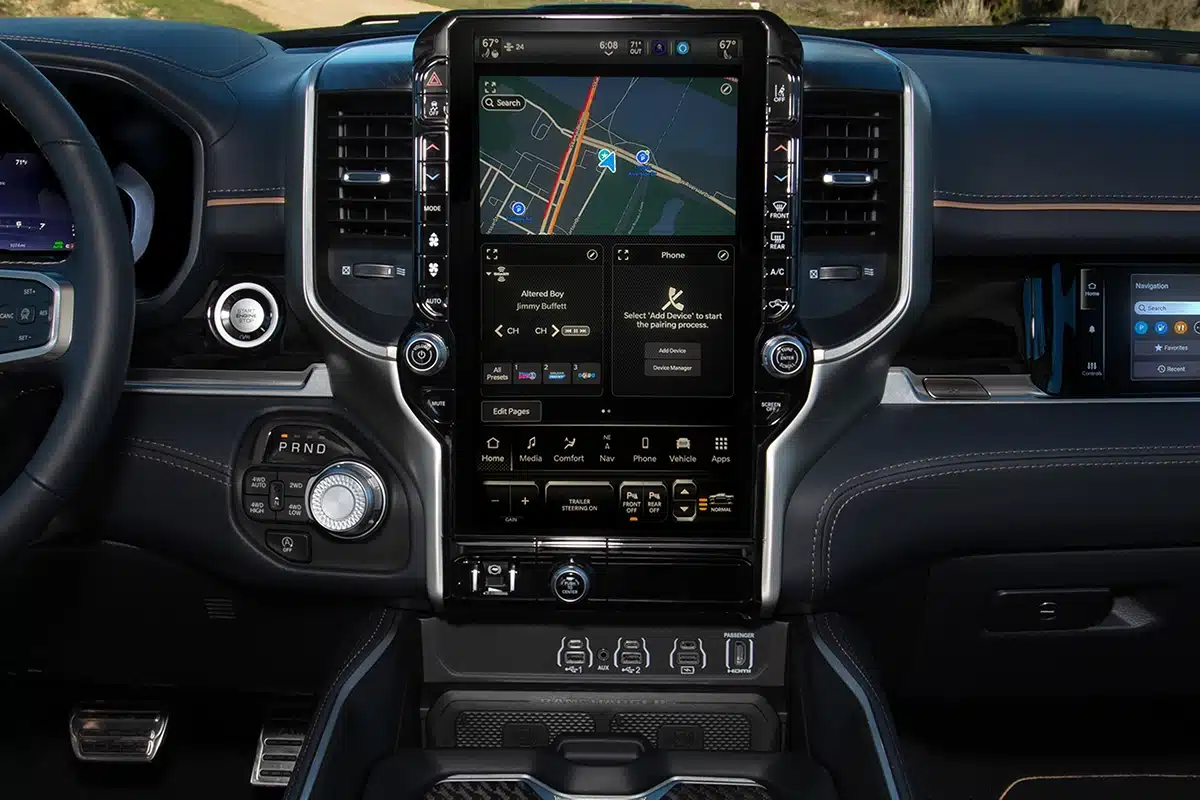
Industry-Wide Software Problem Hiding Behind the Headlines
A growing number of modern pickup trucks are running into a similar problem: advanced technology is arriving faster than the software needed to support it. This issue is not limited to Ram. Industry-wide studies have pointed to rising concerns involving electrical faults, battery drain, braking system problems, and even engine-related issues.
As trucks become packed with more technology than ever before, reliability can sometimes suffer as a result. Ram is facing this challenge while introducing a brand-new engine family and a far more sophisticated electronic system at the same time.
Data from industry researchers suggests that software and electronics are becoming some of the biggest factors affecting vehicle dependability. Reports from organizations such as J.D. Power and Consumer Reports indicate that many modern truck problems stem from electronic systems rather than traditional mechanical failures. In many cases, the engine itself is not the source of trouble.
Instead, issues arise from the growing network of computers and sensors responsible for managing everything from climate controls and infotainment features to battery charging and vehicle security systems. When one module fails to communicate properly with another, the result can be anything from a drained battery to a dashboard full of warning messages.
Many owners become frustrated when repeated trips to the dealership fail to produce a clear answer. A common response is a “no fault found” diagnosis, which usually means technicians were unable to detect an active trouble code during inspection.
The challenge is that many software-related issues occur intermittently, often appearing only after the truck sits overnight. Without extended monitoring, these problems can be difficult to identify, leaving owners with unresolved concerns and growing doubts about a vehicle they expected to depend on every day.
Recalls and Build Quality Slips That Keep Piling Up
Looking beyond individual owner complaints, recent Ram 1500 models have faced a growing number of recalls that raise concerns about reliability and quality control. Safety-related issues have affected several 2025 and 2026 trucks, with one of the largest recalls involving problems with trailer lights and trailer brake systems, both of which are critical for towing safety.
One of the most widely reported concerns centers on the digital instrument cluster. Some trucks were built or serviced with software that can cause the 12-inch display to go blank or fail to shut down correctly. Since the cluster provides important information such as speed, warning messages, and vehicle status, any malfunction can create safety concerns and frustrate owners.
Many critics point to these electronic issues as a major reason the Ram 1500 has struggled in recent reliability rankings. While some competing trucks have faced mechanical problems, repeated failures involving essential displays and electronic systems have drawn plenty of attention from both owners and industry observers.
Smaller technology-related complaints continue to surface as well. Owners have reported battery drain issues that leave trucks unable to start, infotainment systems that freeze or crash, and wireless charging pads that either overheat or fail to charge devices properly. None of these problems is usually severe on its own, but they can make daily ownership far less enjoyable.
Taken together, these issues suggest that Ram’s electronics and software systems still need refinement. The truck remains capable in many areas, but ongoing technology problems have become difficult for buyers and owners to ignore.
Also Read: Ram 1500 vs. F-150 vs. Silverado – Which Is Better?
The Warranty That Softens the Blow
Despite all of this turmoil, Ram has not stood still on the financial protection side of ownership, and this detail matters enormously for anyone weighing the real-world risk of buying one of these trucks. Build quality tied to electrical accessories has brought the Ram 1500 down the reliability rankings, though the brand has upped its game with a powertrain warranty that is now the best in the segment at 10 years and 100,000 miles.
That kind of extended coverage genuinely offsets a meaningful portion of the financial anxiety that comes with owning a vehicle prone to electrical surprises, since a major mechanical failure within that window will not land squarely on the owner’s wallet.
Context matters here, too, since Ram’s reputation has not been universally bad across every recent measurement. Ram’s rise to the top of one particular reliability list is certain to make people challenge the accuracy of rankings based on the troubled Dodge trucks of decades past, yet the brand has genuinely improved considerably since those earlier years, even while still wrestling with these newer electronic growing pains.
That contradiction, excellent long-term durability data sitting right alongside alarming short-term electrical complaints, is precisely why the Ram 1500’s reputation depends so heavily on exactly which model year, engine, and trim a shopper happens to be looking at.
Buyers eyeing a 2025 or 2026 Hurricane-powered model should go in with eyes open about the early-cycle software risks, while those considering a slightly older, more proven model year may sidestep much of this drama entirely. Anyone seriously cross-shopping this truck should ask specifically about model year and powertrain before signing anything, since that single detail often determines whether ownership feels smooth or genuinely frustrating.
