
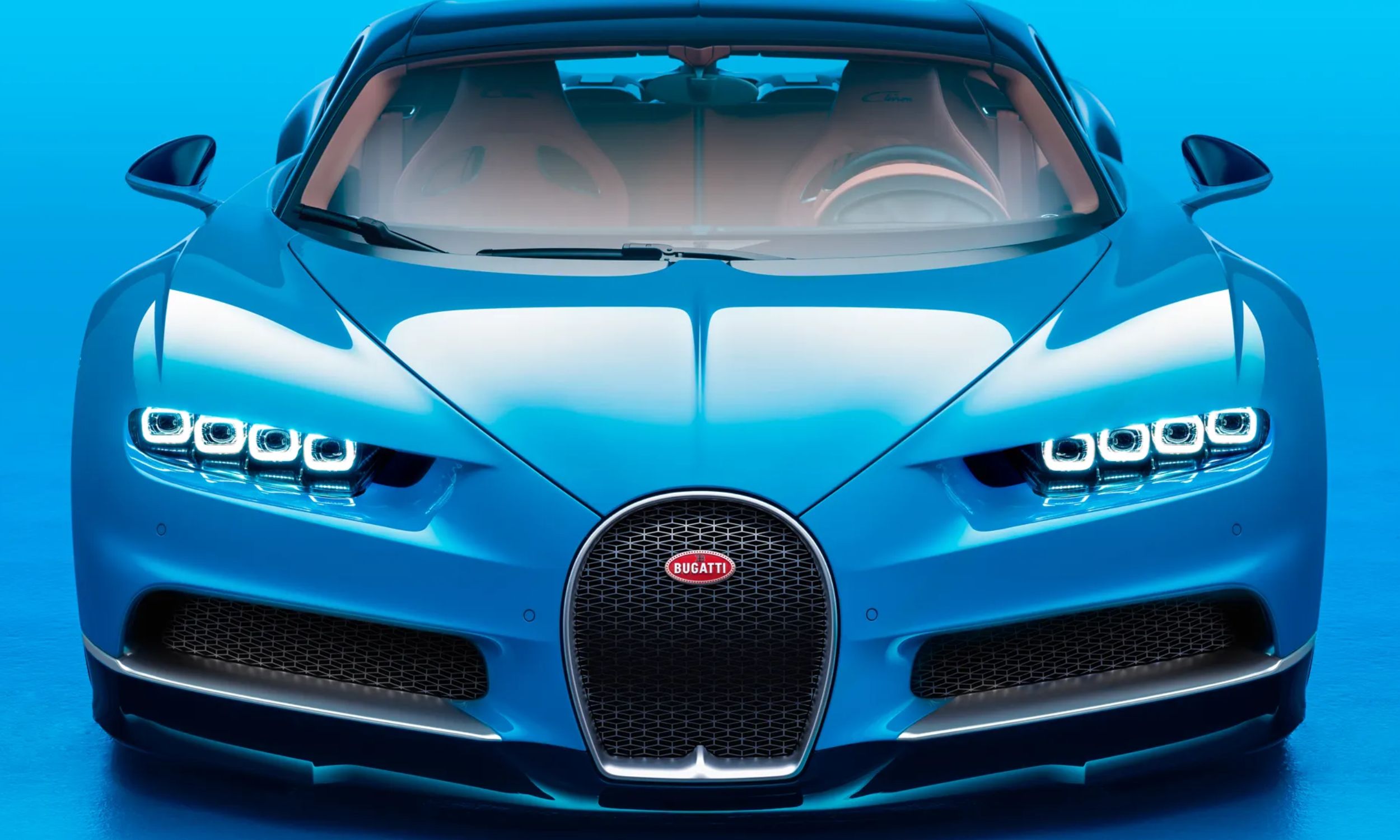
Being an owner of an exotic car is a dream that comes with a price tag most people never see coming. Yes, the sticker price is eye-watering enough on its own. But for the vehicles on this list, the purchase price is actually the cheaper part of the ownership experience. What happens after you drive off the lot is where things get truly expensive.
We are talking about cars that cost anywhere from 80 cents to over $20 per mile just to keep roadworthy. Not to fuel up, not to insure, not to finance. Just to maintain, repair, and service at the intervals the manufacturer requires. A standard commuter car costs roughly 5 to 9 cents per mile in upkeep. A Bugatti Veyron costs more per mile than most people earn per hour at their jobs.
What drives these costs to such extremes? Three things: highly specialized diagnostic software that only works on proprietary dealer equipment, imported replacement parts that are either hand-built or produced in extremely limited quantities, and labor rates that can pass $300 an hour at authorized service centers.
When all three collide in a single repair appointment, the bill can exceed what most people spend on a used car. Here are the ten most expensive vehicles to keep running, ranked from highest to lowest cost per mile.
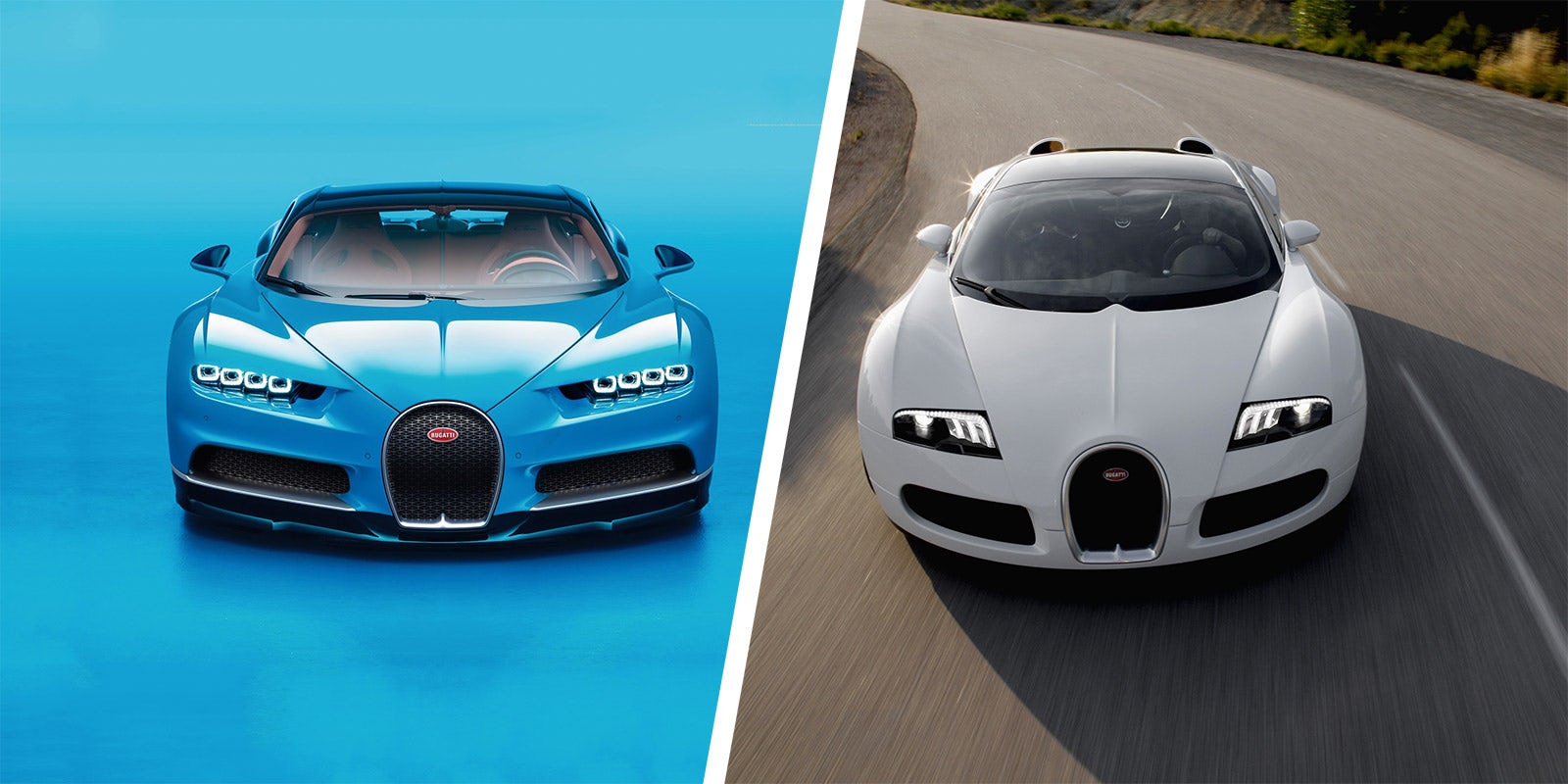
1. Bugatti Veyron and Bugatti Chiron
Estimated Cost Per Mile: $20.00 to $25.00
- Engine: 8.0L Quad-Turbocharged W16
- Horsepower: 1,001 hp to 1,500 hp
- Torque: 922 lb-ft to 1,180 lb-ft
- Size: 175.7 in Long x 78.7 in Wide
There is no gentle way to introduce costs like these. The numbers are so high that explanation almost feels unnecessary. A standard oil and fluid service on the Bugatti Veyron or Chiron runs roughly twenty to twenty-five thousand dollars. This is not major mechanical work. It is routine maintenance that every owner must complete. That single visit already places both cars in a class of expense that ordinary vehicles never approach.
The reason becomes clear once you examine what sits behind the seats. Each car uses an 8.0-liter quad turbocharged W16 engine, a layout found nowhere else in production form. Sixteen cylinders arranged in a compact W shape, supported by four turbochargers, demand specialized fluids and procedures. Bugatti supplies its own lubricants and coolants, and only factory-trained technicians using brand-specific tools are authorized to perform service. This is precision work that cannot be handed off to a typical performance shop.
Tires create an even heavier burden. Bugatti requires new tires every 2,500 miles on both models. A full set costs between thirty-eight and forty-two thousand dollars. That expense alone works out to roughly fifteen to seventeen dollars per mile before accounting for anything else. When oil service costs are added, the running total climbs to about twenty to twenty-five dollars per mile.
These figures are not estimates pulled from speculation. They are drawn from real service records inside Bugatti’s support network. Every design choice that allowed these cars to reach extreme speed came with a matching maintenance price. Ownership goes far beyond purchase cost, and anyone who drives these machines regularly pays for every mile in a very real way.
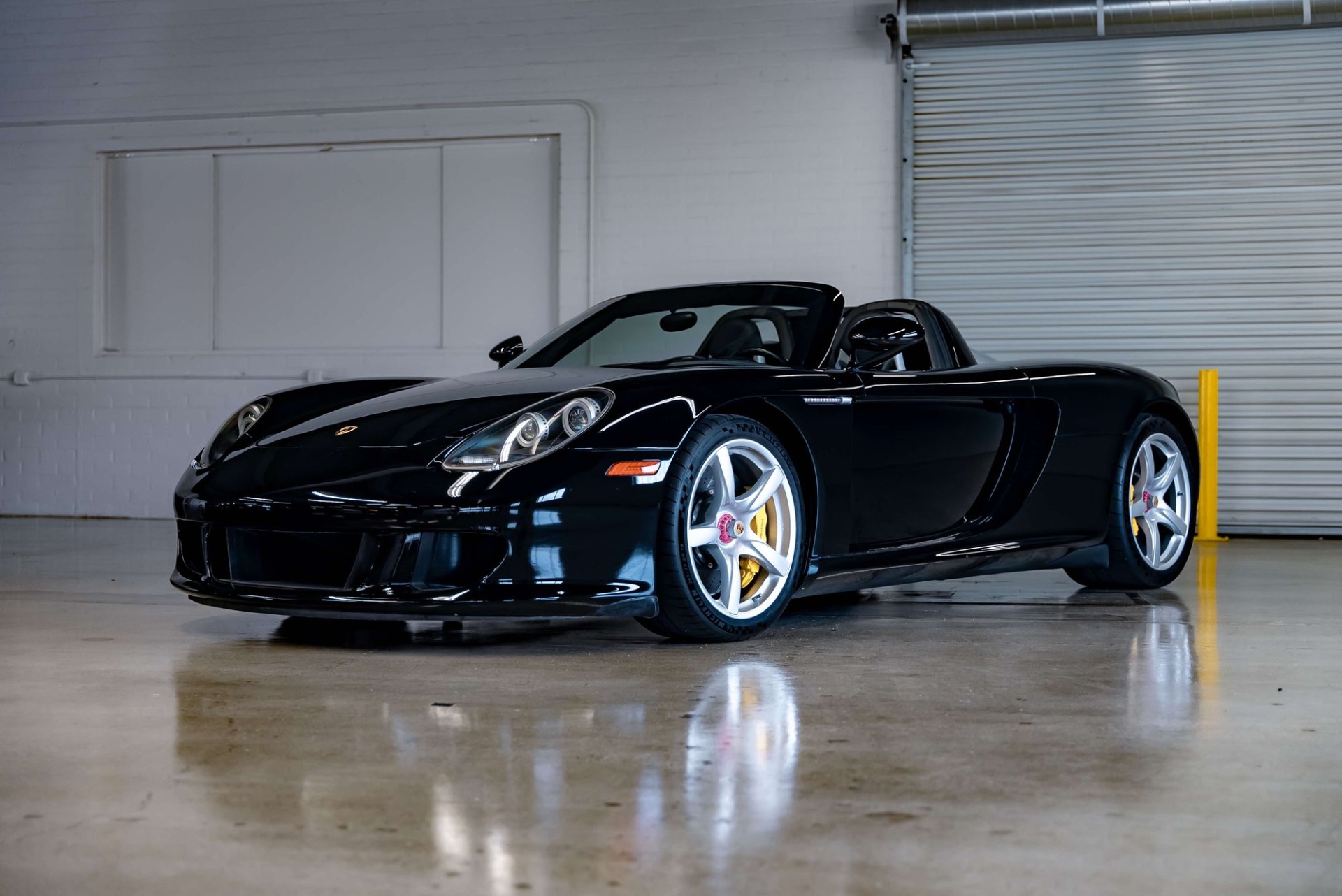
2. Porsche Carrera GT
Estimated Cost Per Mile: $5.00 to $8.00
- Engine: 5.7L Naturally Aspirated V10 (Formula 1 derived)
- Horsepower: 605 hp
- Torque: 435 lb-ft
- Size: 181.6 in Long x 75.6 in Wide
Porsche designed the Carrera GT as a street car shaped almost entirely by racing ideas. Its layout, materials, and mechanical layout all come straight from motorsport thinking, and that background explains why ownership demands so much attention and money. Power comes from a 5.7-liter naturally aspirated V10 pushing 605 horsepower, delivered through high revs and tight tolerances that leave no room for neglect or shortcuts.
Parts created for racing do not age like ordinary road car components, and the Carrera GT proves that point repeatedly. The most expensive wear item is the carbon ceramic clutch. A replacement typically runs between twenty and twenty-five thousand dollars, and drivers who enjoy the car regularly can expect to face that expense more than once. This clutch needs careful engagement to last. Any rough use shortens its life quickly.
Engine service adds another layer of cost. The V10 uses narrow valve clearances to achieve its performance, which means regular inspections and adjustments are mandatory. Accessing those components requires major disassembly, performed only by technicians deeply familiar with the model. Labor rates at that level can exceed three hundred dollars per hour, and time adds up fast.
Tires are another ongoing expense. The Carrera GT requires specially approved compounds designed to handle its grip and braking forces. These tires wear quickly and cost far more than typical performance rubber. When clutch work, engine servicing, tires, and labor are combined, running costs land around five to eight dollars per mile. Keeping a Carrera GT in proper condition is a serious financial obligation.
Also Read: 10 Cars That Lost Their Top Safety Pick Status in 2026

3. Ferrari Enzo and Ferrari LaFerrari
Estimated Cost Per Mile: $4.00 to $6.00
- Engine: 6.0L V12 (Enzo) / 6.3L V12 Hybrid (LaFerrari)
- Horsepower: 651 hp to 950 hp
- Torque: 485 lb-ft to 664 lb-ft
- Size: 185.1 in Long x 79.1 in Wide
Ferrari built the Enzo in a run limited to just 400 cars, then raised the bar with the LaFerrari, a tighter production hypercar pairing a 6.3-liter V12 with an electric assist system for a combined 950 horsepower. Each model marked the peak of Ferrari engineering for its era, and each brings ownership expenses that match how rare and specialized these machines really are.
When serious service is required, support can involve technicians traveling from Italy to work on the vehicle. This is not a local dealer specialist or a regional adviser. These are factory experts sent from the brand’s headquarters, with travel and lodging added to an already enormous bill. That level of oversight exists because these cars demand procedures few people on earth are trained to perform.
Parts pricing follows the same logic. An unpainted carbon fiber bumper can exceed fifteen thousand dollars. A single brake rotor replacement can reach a similar amount. These costs are not inflated by retailers. They reflect small batch production, handcrafted materials, and designs that were never considered affordable.
Once routine fluids, tires, and wear items are included, owners face operating expenses estimated between four and six dollars per mile. The costs alone explain ownership reality.
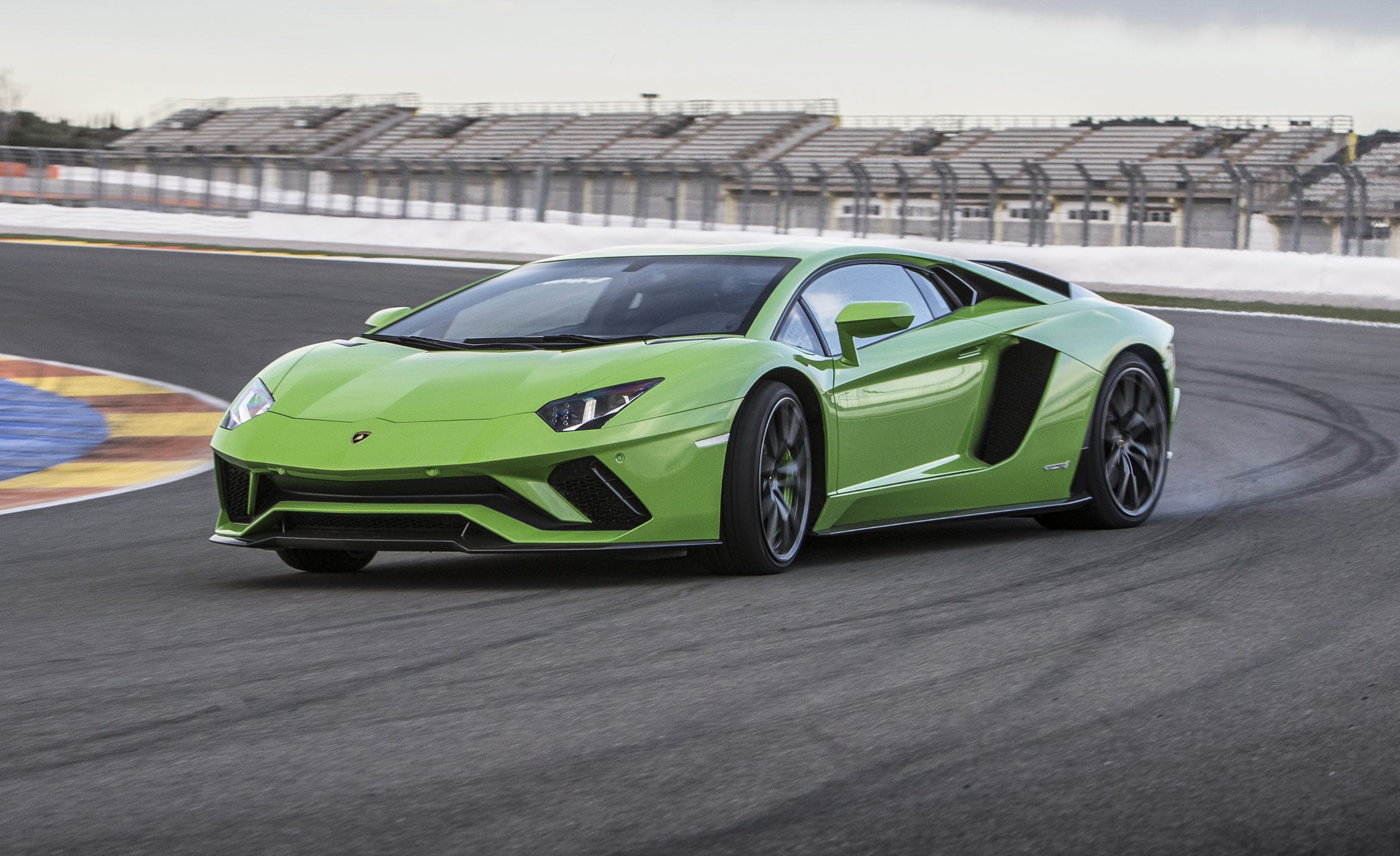
4. Lamborghini Aventador
Estimated Cost Per Mile: $3.00 to $4.50
- Engine: 6.5L Naturally Aspirated V12
- Horsepower: 690 hp to 769 hp
- Torque: 509 lb-ft to 531 lb-ft
- Size: 188.1 in Long x 79.9 in Wide
Lamborghini equipped the Aventador with a 6.5-liter naturally aspirated V12 producing between 690 and 769 horsepower, mated to a single-clutch automated manual transmission that is one of the most mechanically demanding gearbox configurations in any production car. That combination of extreme engine output and an aggressive single-clutch system is responsible for the Aventador’s most expensive recurring service item, and it shows up on the bill with regularity for owners who drive their cars as intended.
Clutch replacement and flywheel resurfacing on the Aventador is not a minor procedure. Accessing the transmission requires disassembly of the rear of the car, and once the technician reaches the clutch assembly, the hardware itself is expensive. Labor and parts combined, a clutch service on the Aventador frequently costs owners around $12,000. For a car that can be driven hard on track days or canyon roads, clutch wear is not a distant concern. It is a present and recurring reality that owners budget for from the moment they take delivery.
Beyond the transmission, the V12 engine block places constant thermal and mechanical stress on surrounding components. Cooling system maintenance, fuel injector service, and the general cost of keeping twelve cylinders in proper working order at Lamborghini’s service rates all contribute to a running cost that averages $3 to $4.50 per mile. Lamborghini’s Sant’Agata service network charges rates that reflect the brand’s positioning, and parts availability for the Aventador, while better than some hypercars, is still limited enough to keep prices elevated across all service categories.
For buyers who want raw V12 performance without the even higher costs of the Bugatti or Ferrari entries above it, the Aventador sits in a relatively sweet spot on this list. Relative, of course, is a very generous term when the baseline is still several dollars per mile to keep it running.
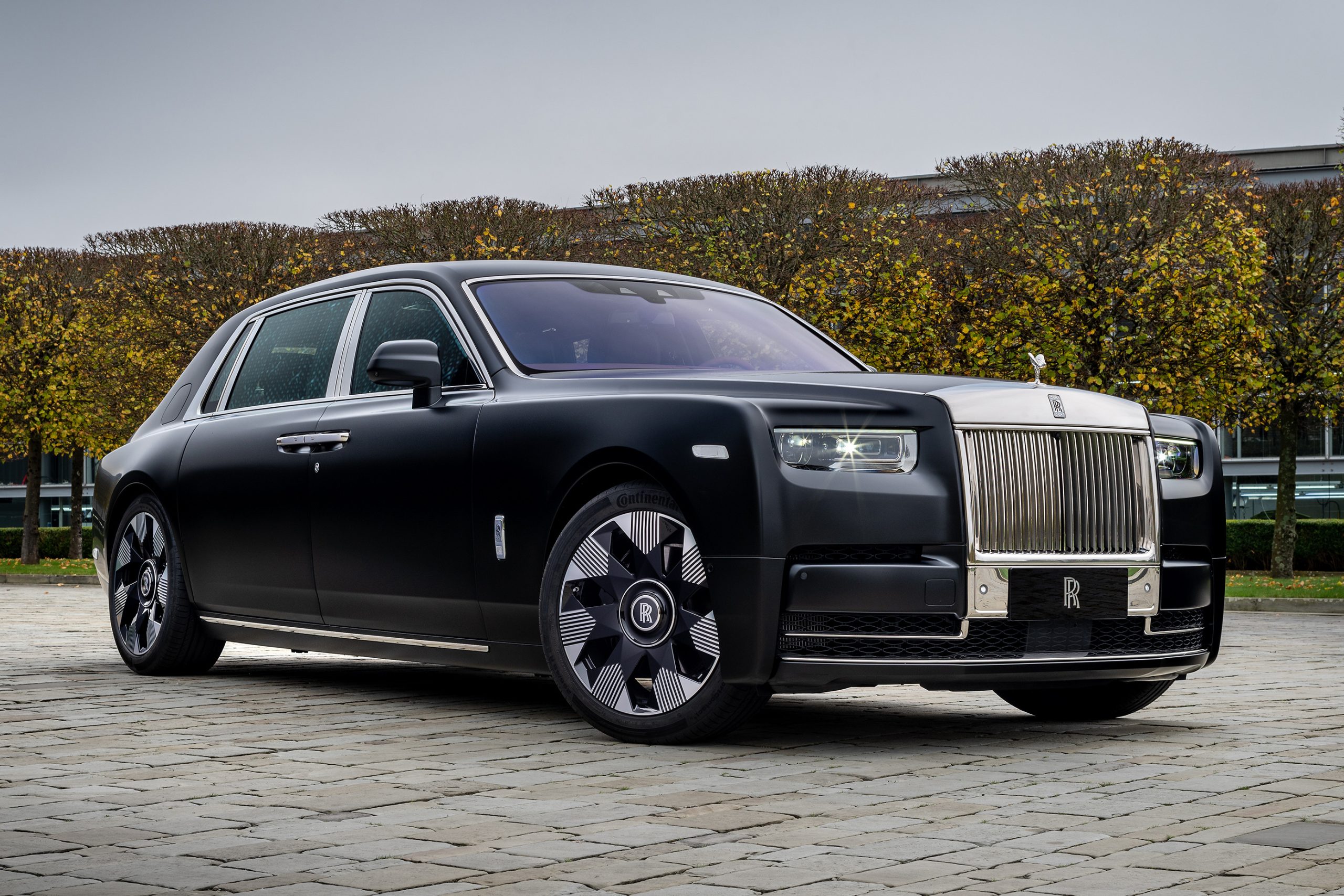
5. Rolls-Royce Phantom
Estimated Cost Per Mile: $1.50 to $2.50
- Engine: 6.75L Twin-Turbo V12
- Horsepower: 563 hp
- Torque: 664 lb-ft
- Size: 227.2 in Long x 79.4 in Wide
Rolls-Royce builds the Phantom as the definitive statement of automotive luxury, a car where nearly every component is either custom-crafted, bespoke-ordered, or engineered to a specification that exists nowhere else in the production vehicle market. At 563 horsepower and 664 lb-ft of torque from a 6.75-liter twin-turbocharged V12, and stretching 227.2 inches long by 79.4 inches wide, it is the largest, most opulent entry on this list. It is also one of the most expensive cars to maintain once its warranty expires.
What makes the Phantom so costly to keep running is not any single component but the density of proprietary systems layered throughout the car. Rolls-Royce fits the Phantom with a computerized air suspension system that manages ride height, body leveling, and road isolation with constant electronic adjustment.
Self-leveling wheel centers, thick acoustic glass panels bonded into custom frames, and a bespoke electronic chassis management network all function seamlessly when the car is new and covered by manufacturer support. When they begin to fail as the car ages, repair costs escalate quickly.
A single component failure anywhere in the Phantom’s electronic chassis network can produce a repair bill that passes $8,000 before a technician has ordered a single replacement part. Diagnostic time alone on the Rolls-Royce platform requires proprietary software and certified service technicians whose hourly rates reflect their specialization. Owners who purchase used Phantoms without a warranty extension plan in place frequently discover these costs firsthand within the first year of ownership.
Averaging $1.50 to $2.50 per mile across all maintenance categories, the Rolls-Royce Phantom earns its place on this list not through single catastrophic repairs but through the consistent financial weight of keeping a car this bespoke in perfect working order.
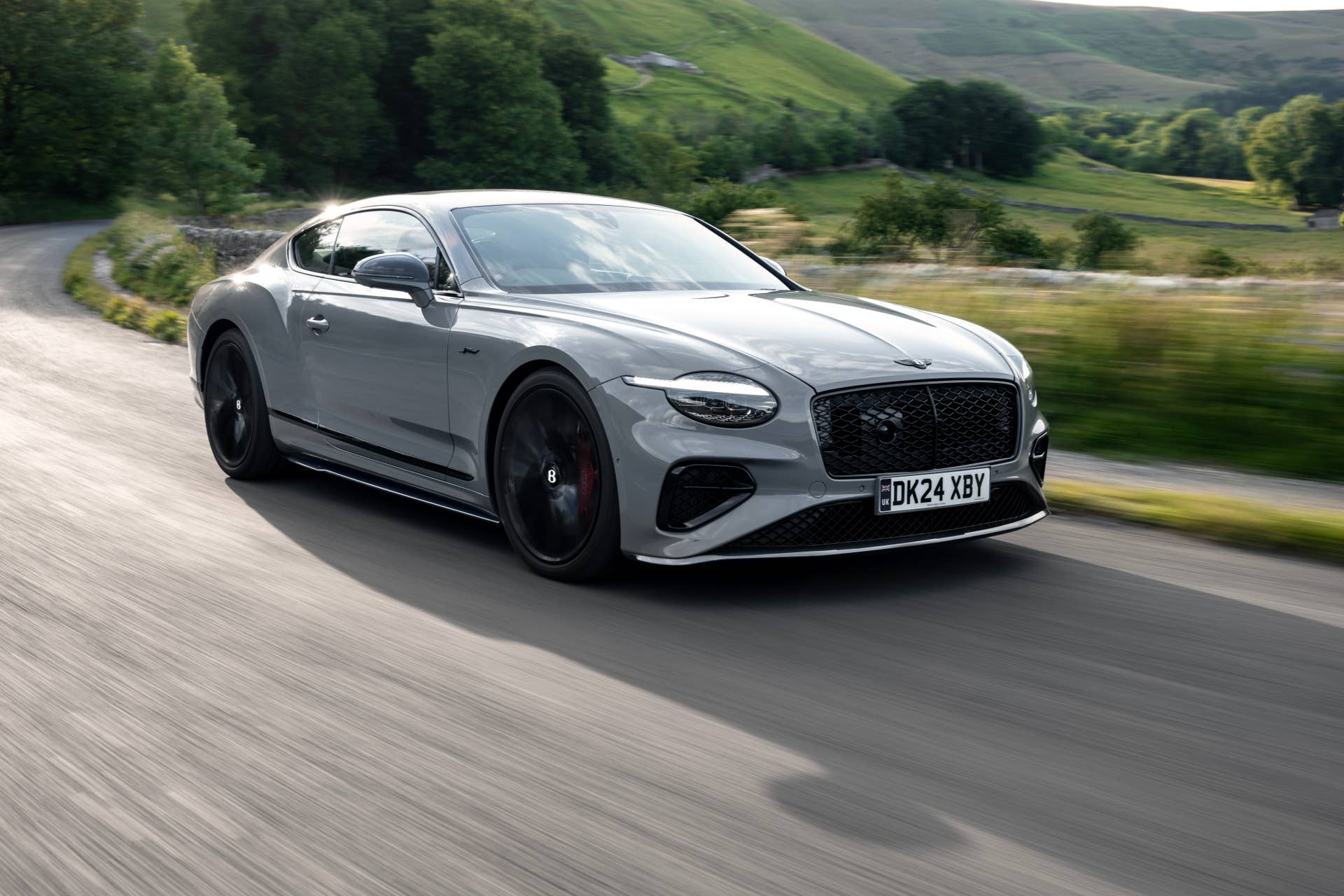
6. Bentley Continental GT
Estimated Cost Per Mile: $1.20 to $2.00
- Engine: 6.0L Twin-Turbo W12 or 4.0L Twin-Turbo V8
- Horsepower: 542 hp to 650 hp
- Torque: 568 lb-ft to 664 lb-ft
- Size: 190.9 in Long x 77.4 in Wide
Bentley designed the Continental GT as a grand touring coupe that could cross continents in absolute comfort while delivering genuine performance from either a twin-turbocharged W12 or a twin-turbocharged V8. Producing between 542 and 650 horsepower and measuring 190.9 inches long by 77.4 inches wide, it is one of the most accomplished high-performance luxury vehicles ever built. It is also one of the most labor-intensive cars to work on in its entire price segment, and that labor intensity is the primary driver of its per-mile operating cost.
Bentley packaged the Continental GT’s engine bay with extraordinary density. Twelve cylinders, twin turbochargers, a sophisticated all-wheel-drive system, and dozens of supporting sensors and actuators are all compressed into a space that leaves virtually no room for a technician’s hands to work.
Reaching basic components like vacuum lines, minor sensors, or coolant fittings requires a process that Bentley service centers describe as a partial engine removal. Pulling the engine out of the car simply to access an otherwise minor repair is not an emergency procedure on the Continental GT. It is a routine reality of working on this platform.
That labor requirement transforms what would be a modest repair on almost any other vehicle into a multi-thousand-dollar service event. A vacuum leak that costs $200 to fix on a standard car can cost $2,000 or more on a Continental GT once the engine has been removed, the repair completed, and the engine reinstalled and recalibrated.
Multiply that across a full ownership cycle, and the Continental GT’s estimated $1.20 to $2.00 per mile operating cost becomes entirely understandable, even if it is never easy to accept at the service counter.
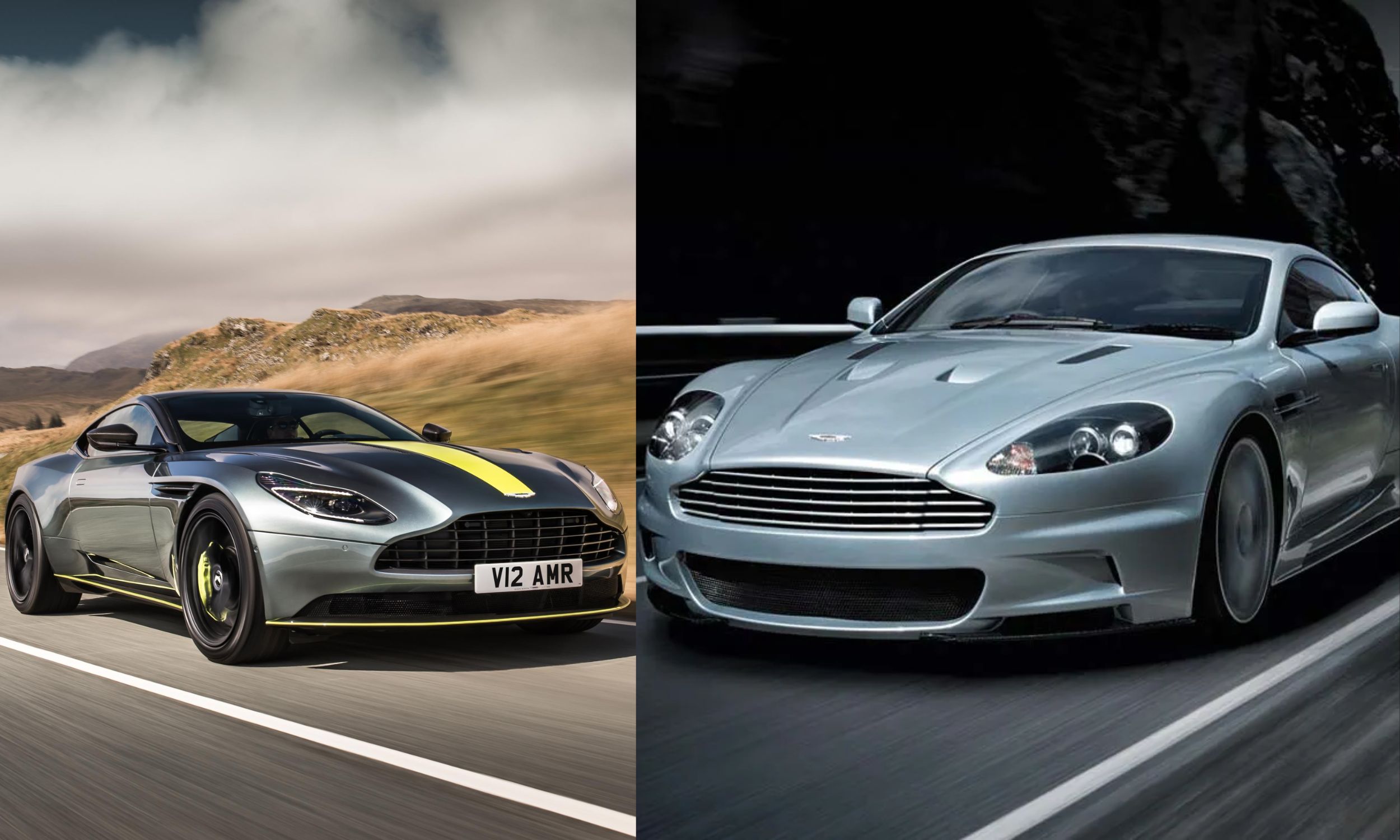
7. Aston Martin DB11 and Aston Martin DBS
Estimated Cost Per Mile: $1.10 to $1.80
- Engine: 5.2L Twin-Turbo V12 or 4.0L Twin-Turbo V8
- Horsepower: 503 hp to 715 hp
- Torque: 513 lb-ft to 663 lb-ft
- Size: 186.6 in Long x 76.4 in Wide
Aston Martin produces vehicles in relatively small global volumes compared to mainstream luxury brands, and that production scale creates a parts availability problem that directly affects every owner who needs a repair. At 503 to 715 horsepower from either a twin-turbocharged V12 or a twin-turbocharged V8, and measuring 186.6 inches long by 76.4 inches wide, the DB11 and DBS are beautifully engineered grand touring cars with a maintenance profile that rewards patience and a healthy bank balance in equal measure.
Spare mechanical parts for both models must frequently be custom-ordered from overseas suppliers, and lead times can stretch from weeks to months depending on the specific component required. During that waiting period, a car sitting at the service center is not generating any use value for its owner, but storage fees and diagnostic labor charges continue to accumulate. When the part finally arrives, it carries an import cost and a price premium that reflects its limited production volume.
Ignition coil repairs are a recurring pain point across the Aston Martin lineup. The coils themselves are proprietary, priced above what equivalent components cost on higher-volume platforms, and replacing a full set across a twelve-cylinder engine is a labor-intensive process.
Hand-painted body panels and bespoke interior components add further cost whenever cosmetic repairs are needed. Running costs averaging $1.10 to $1.80 per mile reflect all of these factors compounding across a normal ownership cycle.
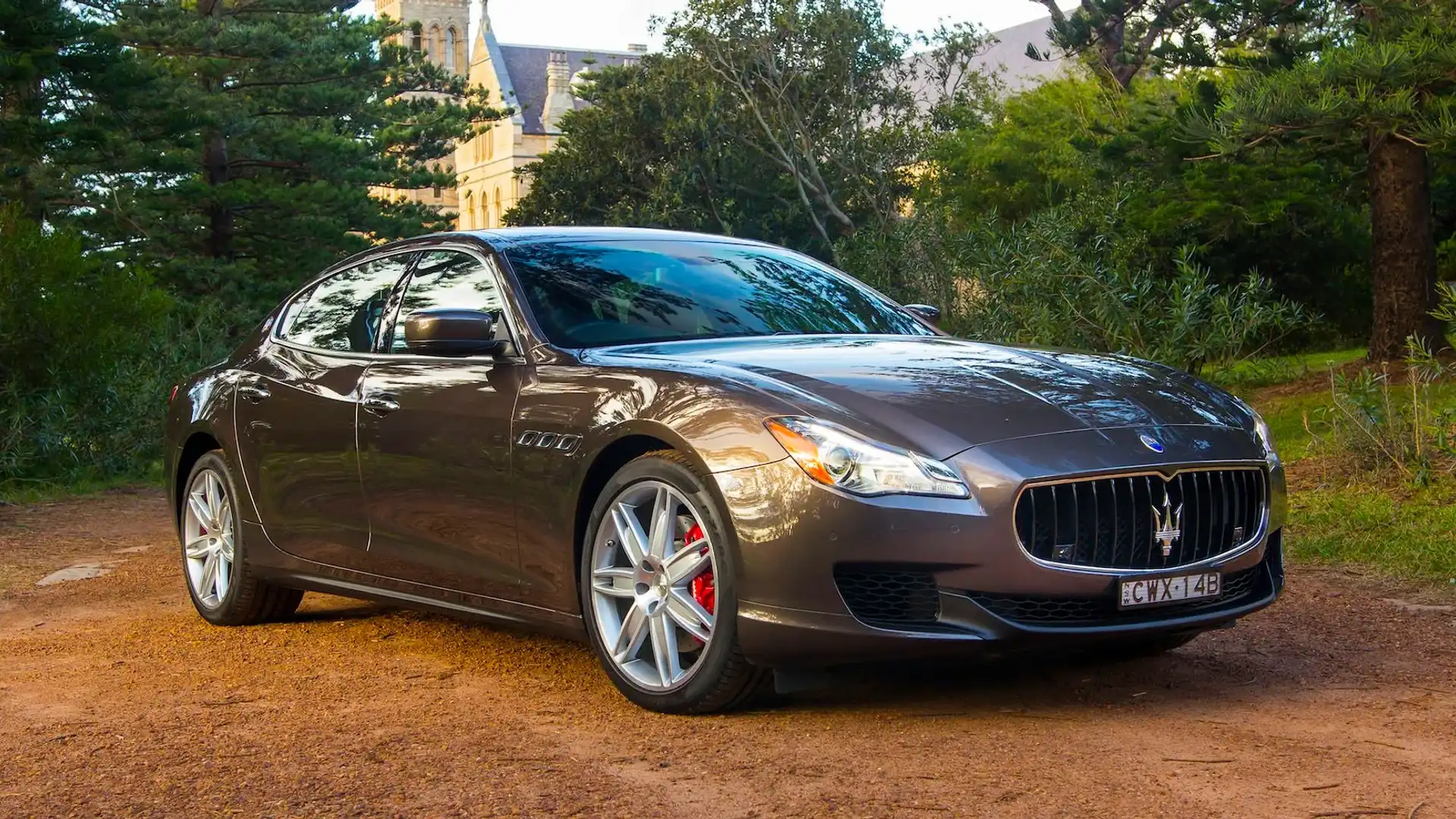
8. Maserati Quattroporte
Estimated Cost Per Mile: $0.95 to $1.50
- Engine: 3.0L Twin-Turbo V6 or 3.8L Twin-Turbo V8
- Horsepower: 424 hp to 572 hp
- Torque: 428 lb-ft to 538 lb-ft
- Size: 207.2 in Long x 77.1 in Wide
Maserati positions the Quattroporte as a performance-focused luxury flagship sedan that competes with the Porsche Panamera, the BMW 7 Series, and the Mercedes-Benz S-Class on comfort and driving dynamics. Producing between 424 and 572 horsepower from either a twin-turbocharged V6 or V8, and stretching 207.2 inches long by 77.1 inches wide, it is a genuinely impressive car when everything is working correctly. Long-term ownership data consistently show that getting everything to keep working correctly is where the Quattroporte becomes financially punishing.
Electronic systems and sub-frame components on the Quattroporte have a documented history of degrading earlier than expected. Automotive reliability surveys and independent ownership data place Maserati consistently at the high end of long-term maintenance cost rankings among production luxury sedans.
Components that should last 80,000 to 100,000 miles on a German or Japanese luxury sedan begin showing issues on the Quattroporte at considerably lower mileage. Sensors, seals, electrical connections, and suspension components all contribute to a repair frequency that keeps service visits coming more often than owners anticipate.
Maserati’s service network is smaller than that of mainstream luxury brands, which limits the competitive options available to owners seeking independent service alternatives. At $0.95 to $1.50 per mile over a decade of ownership, the Quattroporte costs more per mile than almost any non-exotic vehicle on the market, despite its lower sticker price relative to the cars above it on this list.

9. Land Rover Range Rover V8 Supercharged
Estimated Cost Per Mile: $0.85 to $1.35
- Engine: 4.4L Twin-Turbo V8 or 5.0L Supercharged V8 (older models)
- Horsepower: 523 hp to 606 hp
- Torque: 553 lb-ft to 551 lb-ft
- Size: 199.0 in Long x 78.7 in Wide
Land Rover’s reputation for high long-term maintenance costs is one of the most well-documented in the entire automotive industry. Among the Range Rover lineup, the V8 Supercharged configuration carries the highest operating costs due to the combination of its performance-focused powertrain and the brand’s comprehensive suite of electronic systems.
At 523 to 606 horsepower and 199 inches long by 78.7 inches wide, this is a large, capable, genuinely impressive vehicle that costs a lot to keep in proper working order once the factory warranty ends. Adaptive air suspension systems are the most frequently cited source of expensive repairs on the V8 Range Rover.
These systems adjust ride height automatically based on driving conditions and road, but the air compressors, bags, and electronic control units that make them work are prone to failure, particularly on higher-mileage examples. A complete air suspension replacement can run $3,000 to $5,000 at a Land Rover dealer. Electronic active locking differentials, touchscreen infotainment systems, and multiple driver assistance control modules add further failure points that carry high repair costs.
Owners who purchase used V8 Range Rovers outside of warranty coverage routinely report annual repair bills that approach or exceed the vehicle’s market value after a few years. Running costs averaging $0.85 to $1.35 per mile place the Range Rover V8 firmly among the most expensive mass-market vehicles to own long-term.
Also Read: 8 Cars That Outrun a 1990s Ferrari to 60 MPH for Under $40,000
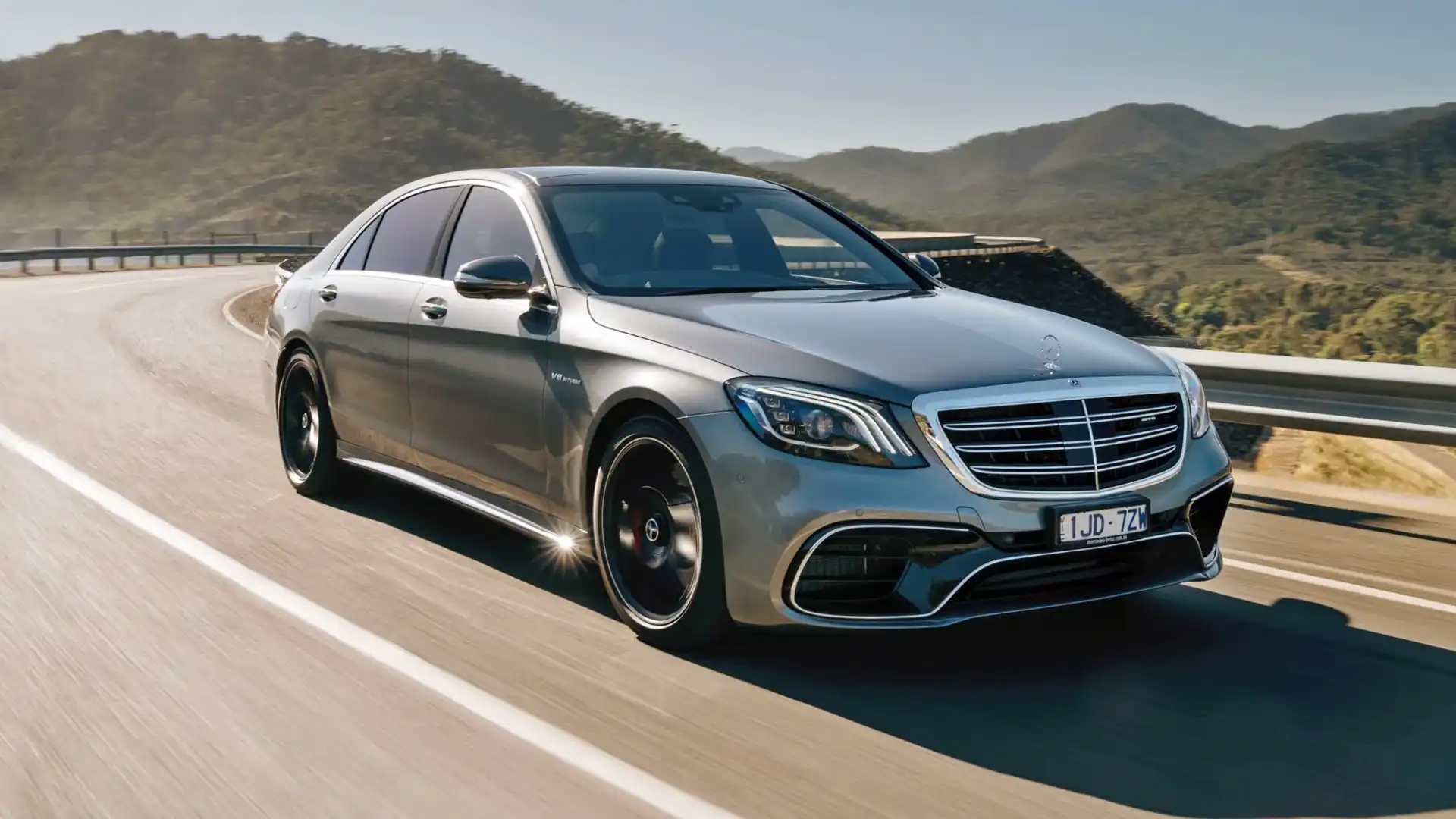
10. Mercedes-Benz S-Class S63 AMG and S600
Estimated Cost Per Mile: $0.80 to $1.30
- Engine: 4.0L Twin-Turbo V8 Hybrid or 6.0L Twin-Turbo V12
- Horsepower: 523 hp to 791 hp
- Torque: 612 lb-ft to 1,055 lb-ft
- Size: 210.0 in Long x 75.6 in Wide
Mercedes-Benz uses the S-Class as its rolling technology showcase, packing every new system, every new sensor array, and every new comfort innovation into this flagship sedan before those technologies filter down to more mainstream models. For buyers who want to drive the most technologically advanced Mercedes available, the S63 AMG and S600 deliver exactly that. For mechanics asked to repair those same systems years after launch, the cutting-edge technology of today becomes the diagnostic puzzle of tomorrow.
Active hydraulic suspension pumps, multi-chamber air ride systems, intricate hybrid electrical architectures on the S63, and a dense network of motorized cabin luxury features all function brilliantly when the car is new. As mileage accumulates and components age, diagnosing failures in a system this technologically dense requires proprietary software, Mercedes-trained technicians, and parts that carry price premiums reflecting their complication.
A failing active suspension component on the S600 is not a cheap fix. Neither is a malfunctioning hybrid battery module on the S63, nor is it a damaged infotainment control unit that manages dozens of connected cabin systems simultaneously. Mercedes produces the S-Class in higher volumes than most vehicles on this list, which helps parts availability and keeps some costs more manageable than the exotics above it. But at $0.80 to $1.30 per mile for combined maintenance and repair costs, the S63 AMG and S600 still cost roughly ten to fifteen times more per mile to keep running than an average mainstream sedan.
For buyers who want the very best Mercedes offers, that per-mile premium is part of the ownership experience, and it starts the moment the warranty expires.
