
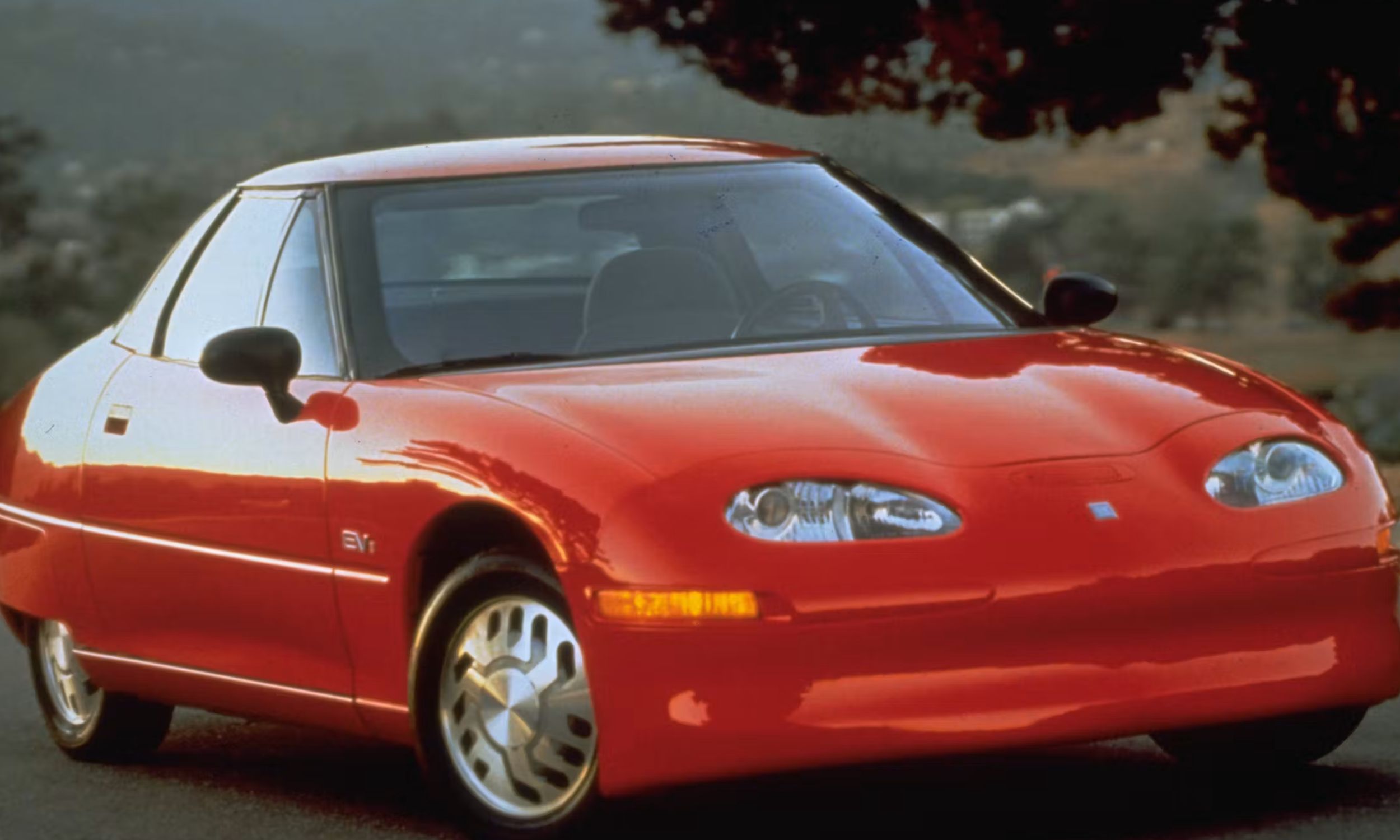
Before Tesla became a household name and before every major automaker had an electric vehicle in its lineup, a small but determined group of engineers, regulators, and automotive companies was quietly building the foundation for everything the EV industry has become today. Most people assume the electric vehicle revolution started somewhere around 2012 or 2013. The real story begins much earlier.
Through the 1990s and into the 2000s, a handful of pioneering electric vehicles hit public roads, fleet garages, and California driveways with limited range, experimental batteries, and zero public charging infrastructure to support them. Some were compliance cars built to satisfy zero-emission mandates. Others were genuine attempts to prove that battery-powered transportation could work for real people. A few were canceled and destroyed before their time. One changed the entire industry.
These eight electric vehicles represent the earliest chapter of modern EV history, produced and sold or leased to the public before 2010. Each one contributed something that the engineers who followed built upon directly. Understanding where electric vehicles came from makes it considerably easier to appreciate how far they have come in a remarkably short time. Here are the machines that started it all.
1. General Motors EV1 (1996)
Launch Year: 1996
- Engine: Three-Phase AC Induction Electric Motor
- Horsepower: 137 hp
- Torque: 110 lb-ft
- Size: 169.7 in Long x 69.5 in Wide
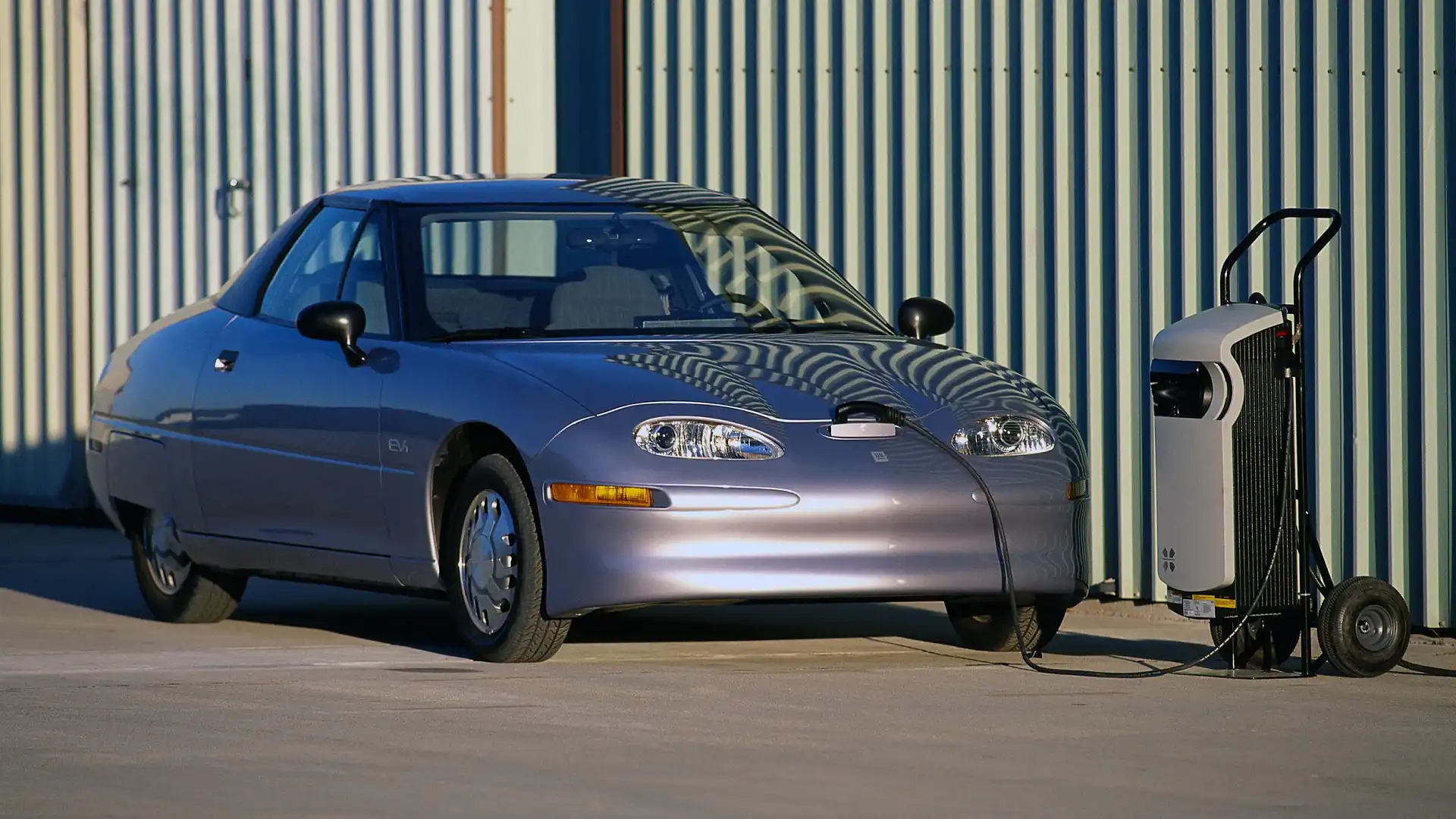
No discussion of early electric vehicles begins anywhere other than the General Motors EV1, and for good reason. This was the first mass-produced modern electric vehicle released by a major global automaker, and its story is one of the most controversial in automotive history.
GM launched the EV1 exclusively as a lease-only vehicle in California, targeting drivers in the Los Angeles and San Francisco markets where California’s zero-emission vehicle mandates were pushing manufacturers toward alternatives to the internal combustion engine. At 137 horsepower and measuring 169.7 inches long by 69.5 inches wide, the EV1 was a purpose-built two-seat coupe with aerodynamic bodywork that looked unlike anything else on the road in 1996.
Early production versions used heavy lead-acid battery packs that limited real-world range to around 60 to 70 miles, which was a genuine constraint for the era’s driving habits. Later models received upgraded nickel-metal hydride batteries that pushed range closer to 100 miles, addressing the primary complaint from lease customers who wanted more usable distance between charges.
What makes the EV1’s story so enduring is what happened after GM decided to cancel the program. Rather than allowing lease customers to purchase their vehicles outright, which many lessees actively requested and lobbied for, GM recalled every EV1 at the end of each lease and crushed nearly all of them. A small number were donated to museums with their powertrains disabled.
The documentary film “Who Killed the Electric Car?” brought this decision to a wide public audience in 2006 and fueled ongoing debate about whether GM’s cancellation was driven by economics, oil industry pressure, or genuine engineering limitations. That controversy ensured the EV1 became one of the most discussed vehicles in automotive history, far beyond its production numbers.
2. Toyota RAV4 EV First Generation (1997)
Launch Year: 1997
- Engine: Permanent Magnet Electric Motor
- Horsepower: 67 hp
- Torque: 140 lb-ft
- Size: 156.5 in Long x 66.7 in Wide
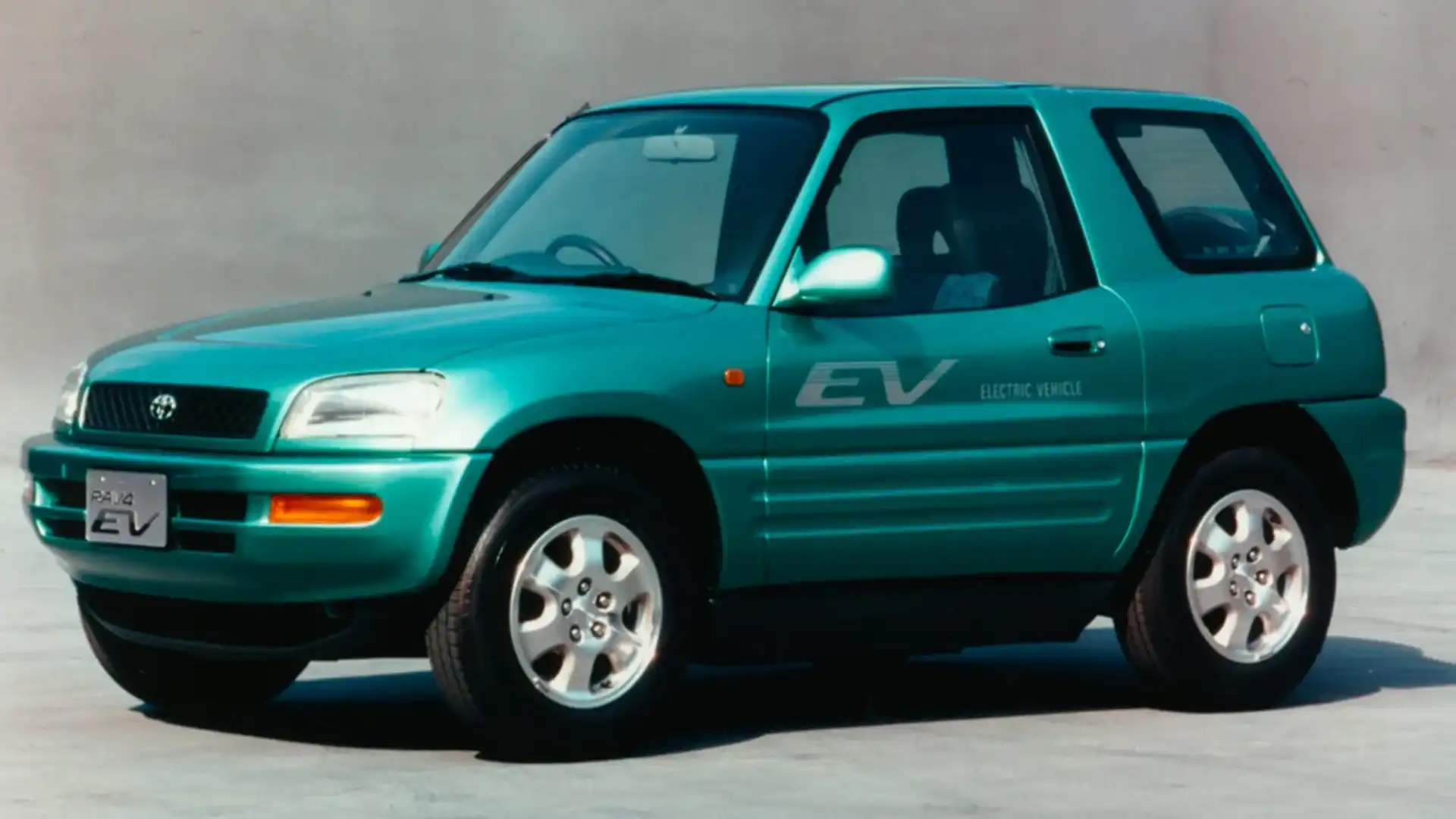
California’s zero-emission vehicle mandate did not just pressure GM. Toyota responded with an all-electric version of its RAV4 compact SUV, and the result was a vehicle that developed one of the most passionate owner communities of any early electric car. Unlike the EV1, which GM restricted to lease-only agreements, Toyota eventually sold the first-generation RAV4 EV outright to buyers who wanted to own rather than lease. That decision proved decisive in shaping how its ownership story played out.
Equipped with high-capacity nickel-metal hydride batteries, the first-generation Toyota RAV4 EV delivered a real-world driving range of up to 95 miles, which was genuinely practical for a daily commuter vehicle in the late 1990s. At 67 horsepower and 140 lb-ft of torque, performance was modest but sufficient for urban and suburban driving. Measuring 156.5 inches long and 66.7 inches wide, it was a compact SUV sized appropriately for the practical needs of the buyers who chose it.
What set this vehicle apart from most of its contemporaries was the quality of its NiMH battery chemistry. Many first-generation RAV4 EV owners reported that their vehicles continued to deliver usable range well into the 2010s and even the 2020s, with some examples reportedly still operational decades after original purchase.
This real-world longevity directly contradicted the argument that early EV batteries were too degradation-prone for long-term ownership, and it gave ammunition to advocates pushing for broader electric vehicle adoption throughout the 2000s. Owners who managed to purchase their RAV4 EVs outright formed active communities dedicated to maintaining and preserving their vehicles, making this one of the most historically important early EVs produced.
Also Read: 10 EVs That Beat Their EPA Range on the Highway
3. Honda EV Plus (1997)
Launch Year: 1997
- Engine: Brushless DC Electric Motor
- Horsepower: 66 hp
- Torque: 203 lb-ft
- Size: 159.3 in Long x 68.9 in Wide
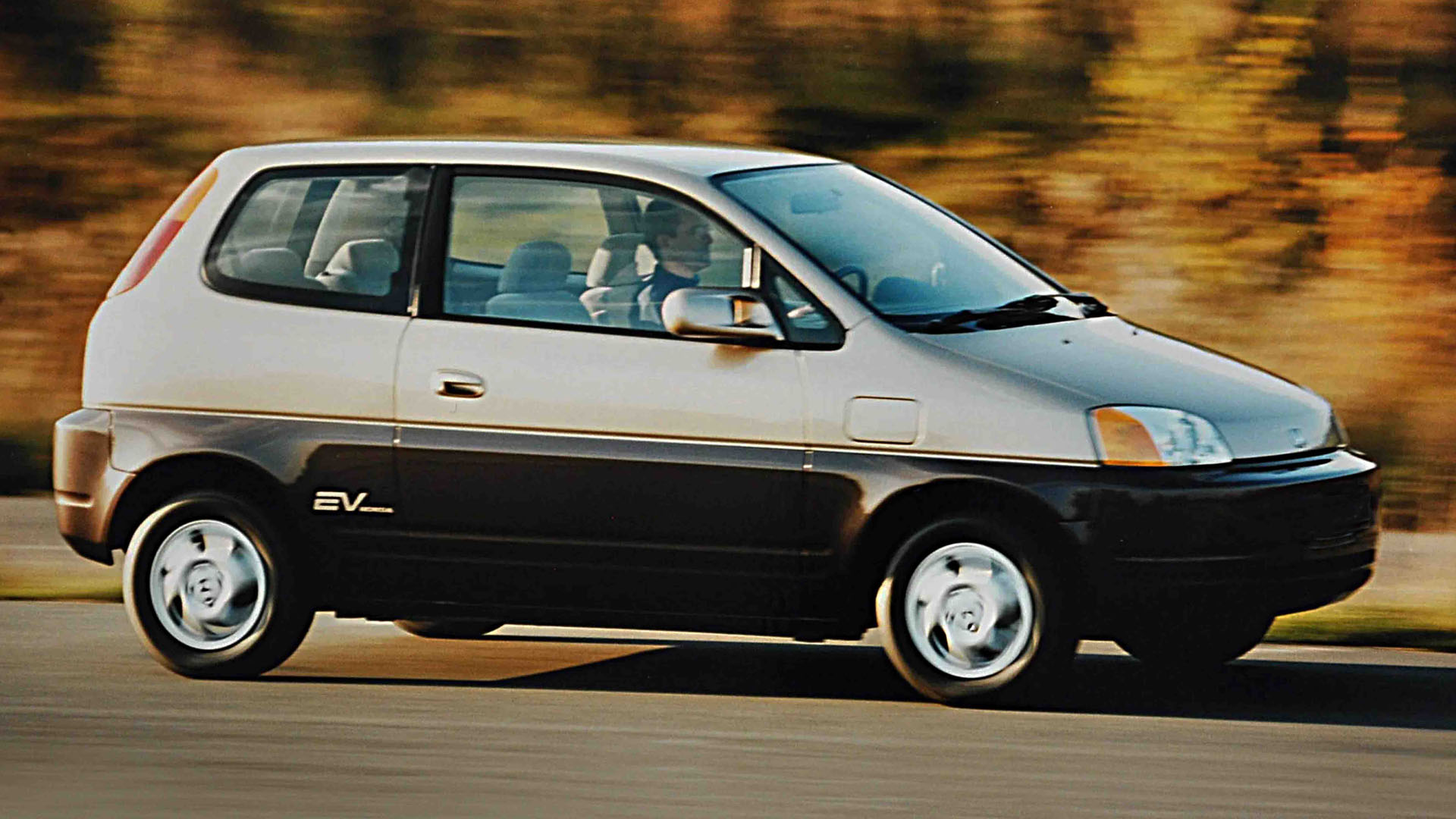
Early electric vehicle development at Honda followed a path that set it apart from many rivals of the time. Instead of adapting a gasoline-powered model, Honda chose to create the EV Plus as a purpose-built electric car. Engineers started with a blank slate, allowing them to design the structure, cabin, and mechanical layout specifically around an electric drivetrain. This approach delivered clear advantages, including a lower floor and a more efficient use of interior space than conversions could offer.
Performance figures for the EV Plus were more impressive than they first appeared. While the brushless DC motor produced just 66 horsepower, it delivered a strong 203 lb ft of torque, giving the car confident low-speed response. Measuring 161.4 inches long and 68.9 inches wide, the EV Plus was a compact four-door hatchback with seating for four people.
Unlike some early electric experiments that limited practicality, this model could comfortably carry a small family. Honda also fitted it with a nickel-metal hydride battery pack, which was advanced for the late 1990s. The system supported a top speed of 80 miles per hour and offered an estimated driving range close to 100 miles, both respectable figures at the time.
Production numbers remained very limited. Roughly 300 units were built before the program ended in 1999. Market demand and high development costs played a major role in that decision, similar to challenges faced by other early electric projects. Honda did not sell the EV Plus outright, choosing instead to lease every unit and require their return once the lease terms ended.
By committing to a clean-sheet electric design so early, Honda showed engineering ambition well ahead of broader market readiness. The EV Plus now stands as a rare and forward-looking example of what electric mobility could be, long before it became mainstream.
4. Chevrolet S-10 EV (1997)
Launch Year: 1997
- Engine: Liquid-Cooled AC Induction Motor
- Horsepower: 114 hp
- Torque: 215 lb-ft
- Size: 190.1 in Long x 67.9 in Wide
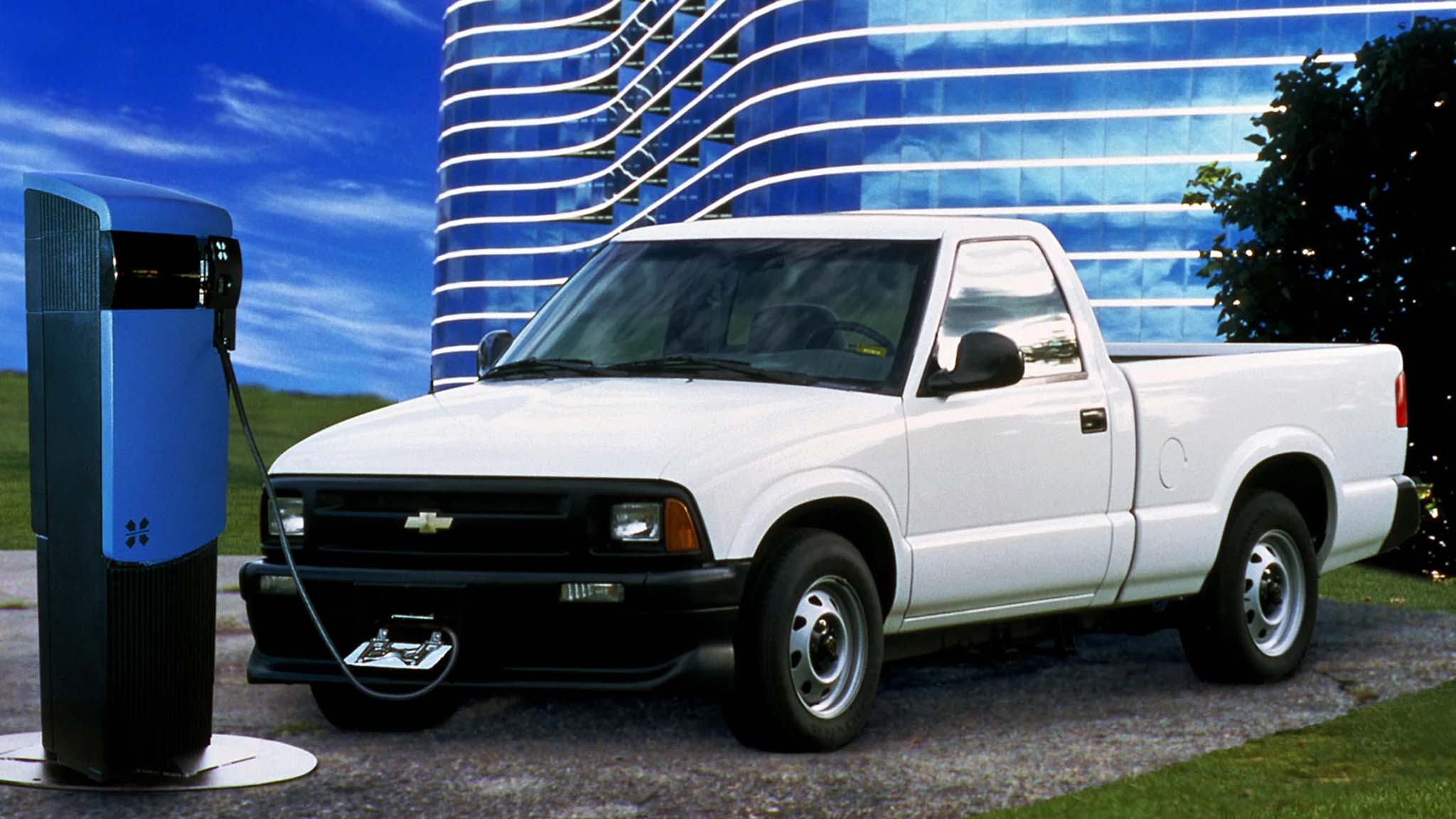
Decades before the Rivian R1T and the Ford F-150 Lightning made electric pickup trucks a mainstream conversation, Chevrolet built and deployed an all-electric S-10 compact pickup truck for commercial and government fleet use. This vehicle did not generate the cultural attention that the EV1 received, largely because it was never offered to private consumers and never became the subject of controversy when the program ended. But its existence as an electric work truck in 1997 is a genuinely remarkable piece of American automotive history.
Producing 114 horsepower and 215 lb-ft of torque from a liquid-cooled AC induction motor, the Chevrolet S-10 EV had enough capability to serve as a functional utility vehicle for urban delivery operations, utility companies, and government agencies.
It could carry a payload of up to 951 pounds, which made it useful for real work rather than just light-duty transportation. Measuring 190.1 inches long and 67.9 inches wide, it used the standard S-10 regular-cab body, meaning it looked like an ordinary Chevrolet compact truck from the outside.
Early versions used lead-acid battery packs that limited driving range to around 40 to 60 miles, later upgraded to nickel-metal hydride units on subsequent production runs. That range was sufficient for predictable urban fleet routes where vehicles returned to a central depot for overnight charging.
Fleet operators who used the S-10 EV in controlled route environments reported that the electric powertrain reduced fuel costs and simplified maintenance compared to gasoline counterparts. The Chevrolet S-10 EV deserves recognition as a direct ancestor of the electric truck segment that dominates automotive headlines today.
5. Ford Ranger EV (1998)
Launch Year: 1998
- Engine: Siemens AC Induction Motor
- Horsepower: 90 hp
- Torque: 149 lb-ft
- Size: 187.5 in Long x 70.3 in Wide
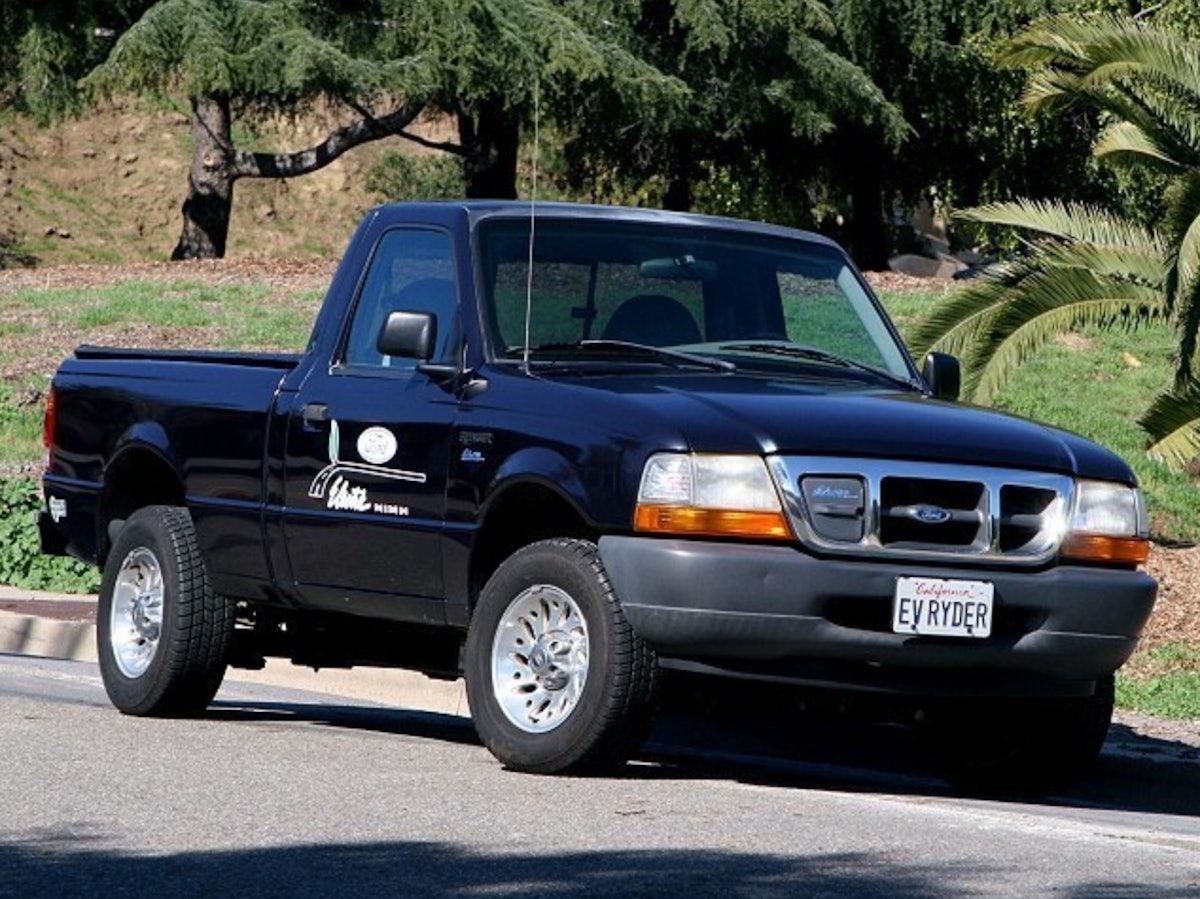
Ford developed the Ranger EV as its response to California’s zero-emission vehicle program, building an all-electric version of the Ranger compact pickup truck on a specialized rear-wheel-drive platform. Where Chevrolet deployed the S-10 EV almost exclusively to commercial and government operators, Ford made the Ranger EV available through retail lease agreements to individual customers in California and Arizona, giving more buyers direct access to an electric truck experience in the late 1990s.
Powered by a Siemens AC induction motor producing 90 horsepower and 140 lb-ft of torque, the Ranger EV mounted its heavy battery trays between the frame rails of the truck chassis, which kept the center of gravity low and preserved most of the standard Ranger bed for cargo use.
Real-world range came in at roughly 65 miles on a full charge, which was adequate for the short-distance urban and suburban applications Ford targeted. Measuring 187.5 inches long and 70.3 inches wide, it presented as a conventional compact pickup with no external visual cues indicating its electric powertrain.
Ford offered the Ranger EV with an optional conductive charging system that supported both standard 120-volt and faster 240-volt Level 2 charging, a detail that anticipated infrastructure concepts the broader industry would not standardize for another decade. Some fleet customers reported positive experiences with the vehicle’s low operating costs and minimal maintenance requirements compared to their gasoline Ranger counterparts.
Like most of its era, the Ranger EV program ended when California adjusted its zero-emission vehicle mandate requirements in the early 2000s, and most units were eventually recalled and destroyed rather than sold to interested buyers.
6. Chrysler TEVan (1993)
Launch Year: 1993
- Engine: Direct Current Advanced Motor
- Horsepower: 70 hp
- Torque: 115 lb-ft
- Size: 178.1 in Long x 72.0 in Wide
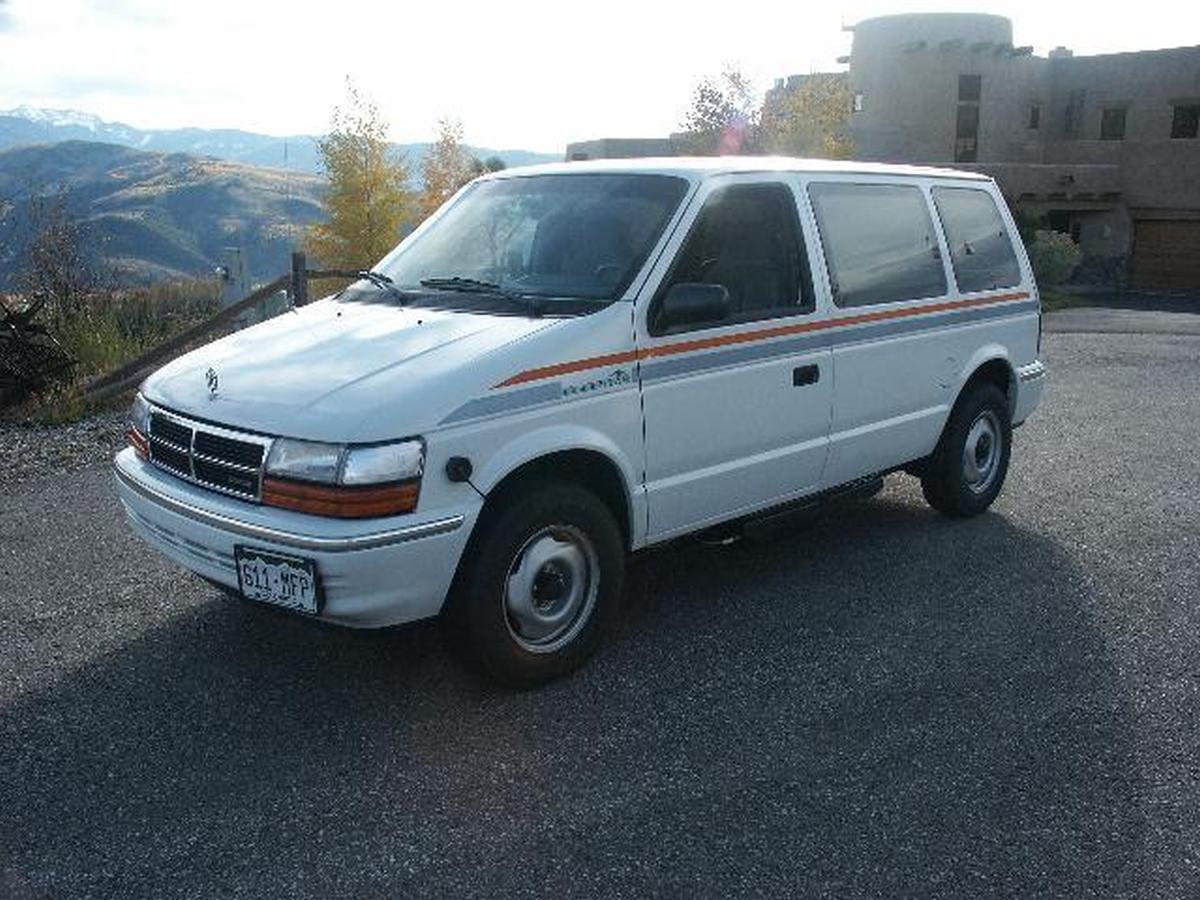
Long before electric vehicles became a talking point in mainstream automotive discussions, Chrysler quietly introduced an electric minivan that few people ever saw. Known as the TEVan, this vehicle was created in the early 1990s using the familiar Dodge Caravan and Plymouth Voyager body design.
Rather than building something new from scratch, Chrysler focused on adapting an existing minivan shape for electric use, aiming squarely at fleet operations that valued practicality over style. Only about 56 units were produced, which explains why awareness of the TEVan never spread beyond utility managers and institutional buyers.
Pricing alone made the TEVan inaccessible to everyday drivers. With a sticker price of about 120,000 dollars in 1993, it was aimed at organizations with deep budgets and specific operational needs. Utility companies, government departments, and research facilities formed the intended customer base.
The battery technology reflected the era, relying on nickel-iron or nickel-cadmium packs. These systems were bulky and heavy, offering less efficiency than the nickel metal hydride batteries that appeared later in the decade. Still, they represented one of the earliest attempts to power a full-size vehicle entirely with electricity.
From a driving standpoint, expectations were modest. The electric motor produced 70 horsepower and 115 pound feet of torque, which suited city-based duties such as short trips and service routes. Measuring 178.1 inches in length and 72 inches in width, the TEVan retained the dimensions and interior usefulness of Chrysler’s standard minivans.
This familiarity reduced production challenges and made the vehicle easy for fleet drivers to adapt to. While its production run was extremely limited, the TEVan arrived in 1993, placing it years ahead of most manufacturers experimenting with battery-powered commercial vehicles at scale.
7. Tesla Roadster First Generation (2008)
Launch Year: 2008
- Engine: 3-Phase, 4-Pole AC Induction Electric Motor
- Horsepower: 248 hp to 288 hp (depending on trim)
- Torque: 200 lb-ft to 295 lb-ft
- Size: 155.4 in Long x 73.7 in Wide
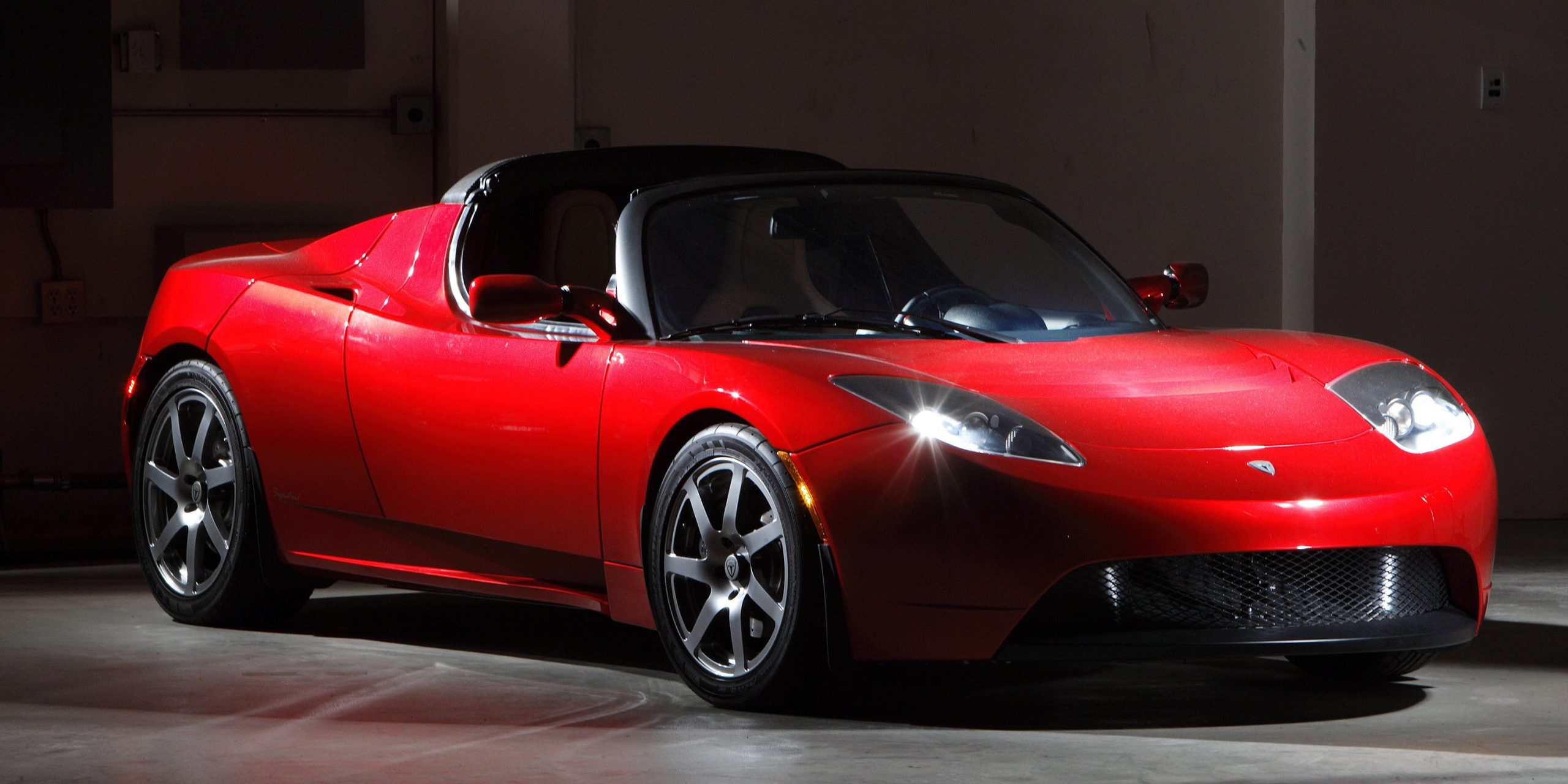
Every other vehicle on this list proved that electric cars could work for short-range transportation. The original Tesla Roadster proved something far more disruptive: that an electric vehicle could be genuinely desirable. Before the first-generation Roadster arrived in 2008, the prevailing assumption in the automotive industry was that electric vehicles were penalty boxes, slow and utilitarian machines that people chose out of obligation rather than enthusiasm.
Tesla’s founders decided that assumption was the primary obstacle to mass adoption and built a vehicle specifically designed to demolish it. Based on a heavily modified Lotus Elise chassis and measuring 155.4 inches long by 73.7 inches wide, the original Roadster was a proper two-seat sports car that produced between 248 and 288 horsepower and up to 295 lb-ft of torque depending on trim level.
It accelerated from zero to 60 mph in under four seconds, a figure that put it in direct competition with established gasoline sports cars at similar price points. That performance number was not a quirky EV statistic. It was a genuine sports car benchmark, and it forced automotive journalists and enthusiasts to reconsider their assumptions about electric powertrains.
More consequential than the performance was the battery technology. By using thousands of lithium-ion cells derived from laptop battery manufacturing, Tesla’s engineering team built a pack that broke the 200-mile driving range barrier, the first production electric vehicle in history to achieve that milestone.
That combination of sports car performance and legitimate long-range capability demonstrated that lithium-ion battery technology could power real vehicles for real distances, establishing the technical and commercial foundation that every electric vehicle manufacturer has built on since.
Also Read: 8 EVs That Lose the Most Range on the Highway
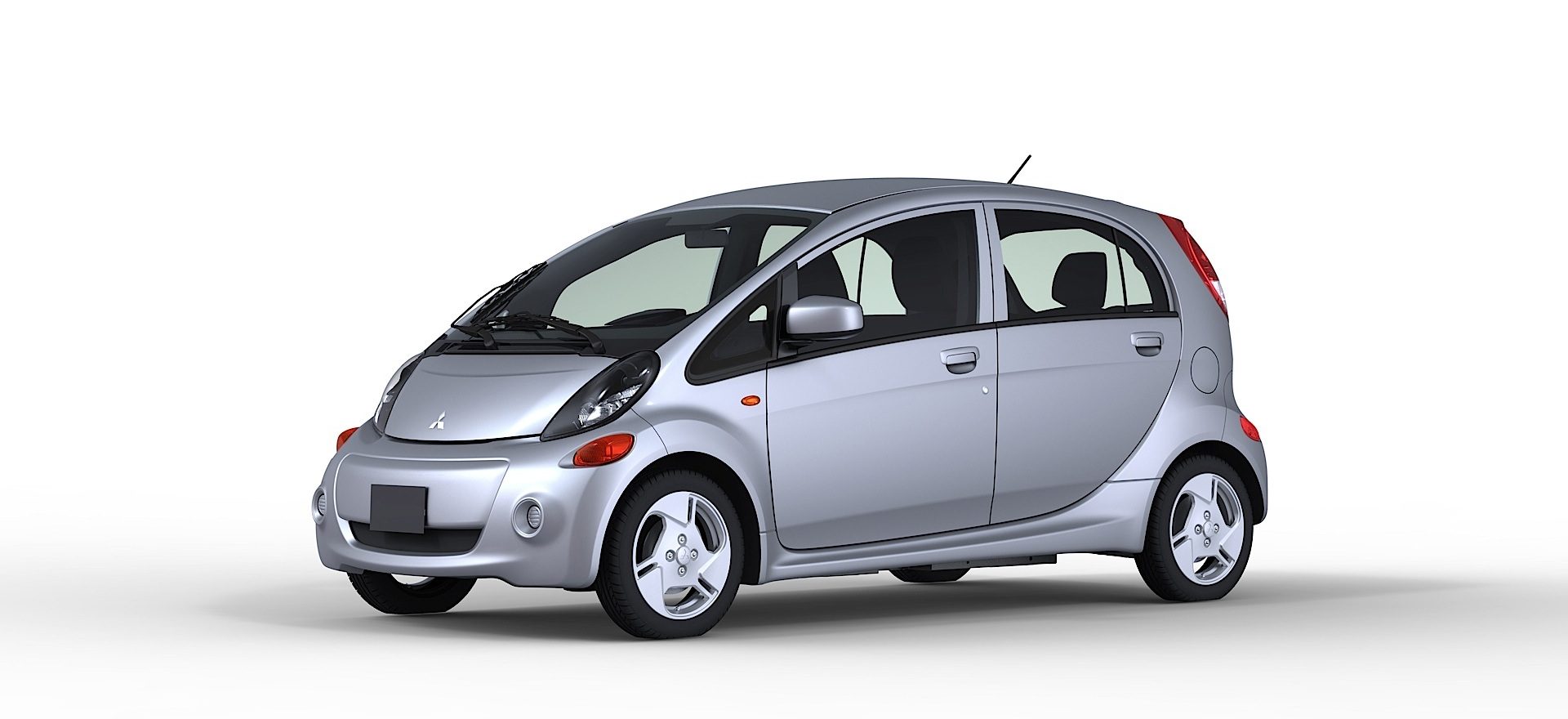
8. Mitsubishi i-MiEV (2009)
Launch Year: 2009
- Engine: Permanent Magnet Synchronous Motor
- Horsepower: 63 hp
- Torque: 133 lb-ft
- Size: 133.7 in Long x 58.1 in Wide
A quiet release in mid-2009 marked the beginning of an electric car that would exceed expectations far beyond its modest appearance. Mitsubishi introduced the i-MiEV in Japan first, offering it to fleet operators before rolling it out to wider markets.
While its design and specifications appeared simple, the car earned an early place in electric vehicle history by becoming the first fully electric, road-legal model to record more than 10,000 sales worldwide. At the time, no other battery-powered vehicle had reached that level of adoption.
Performance was never the main objective. The rear-mounted permanent magnet motor produced 63 horsepower and 133 pound-feet of torque, enough to handle city traffic without drama. Its compact dimensions, just 133.7 inches long and 58.1 inches wide, reflected a clear focus on dense urban areas where smaller vehicles were already common.
With a practical driving range of about 62 miles, the car comfortably handled daily commutes for most city drivers. Parking also posed little challenge, as the narrow body fit easily into tight spaces that larger vehicles could not manage. The real achievement of the i-MiEV lay in what it proved about buyer behavior.
It showed that interest in electric cars extended beyond experimental programs and regulatory requirements when pricing and sizing matched real needs. Crossing the 10,000-unit sales mark happened before many automakers had even finalized their first production EV plans. By allowing customers to purchase the vehicle outright instead of limiting access to lease agreements,
Mitsubishi encouraged true ownership. That decision generated real-world driving data and firsthand feedback, both of which played a role in shaping confidence around electric transportation and helped pave the way for the broader growth of the EV market during the following decade.
