
Hot weather changes how people judge a vehicle faster than almost anything else. When the cabin turns into a rolling oven, patience disappears and trust in the badge fades. Air conditioning stops being a luxury and becomes basic survival, especially during long commutes, road trips, school runs, or hours stuck in traffic.
A strong AC system earns loyalty quietly, while a weak one creates resentment that never fully leaves. Among all AC components, the compressor carries the heaviest burden. It works under pressure, cycles constantly, and deals with heat, vibration, and age all at once.
SUV buyers often assume that a higher price or brand reputation guarantees reliable cooling. Reality tells a different story. Some models run their original compressors well past 150,000 miles without complaint. Others develop noise, leaks, or total failure early enough to feel insulting.
Costly replacements, repeat repairs, and warm air at the worst times leave lasting impressions. Owners remember which vehicles kept blowing cold and which ones turned summer drives into endurance tests. This page focuses on two very different groups of SUVs. One group built a quiet reputation for AC compressors that seem impossible to wear out under normal care.
Another group earned frustration through repeated failures that arrive far too early. Each model listed carries its full name and model, with no repeats. The discussion stays practical, human, and grounded in ownership experience rather than marketing claims. Part One begins with SUVs known for compressor durability that surprise even long-time mechanics.
6 SUVs Where the AC Compressor Lasts Forever
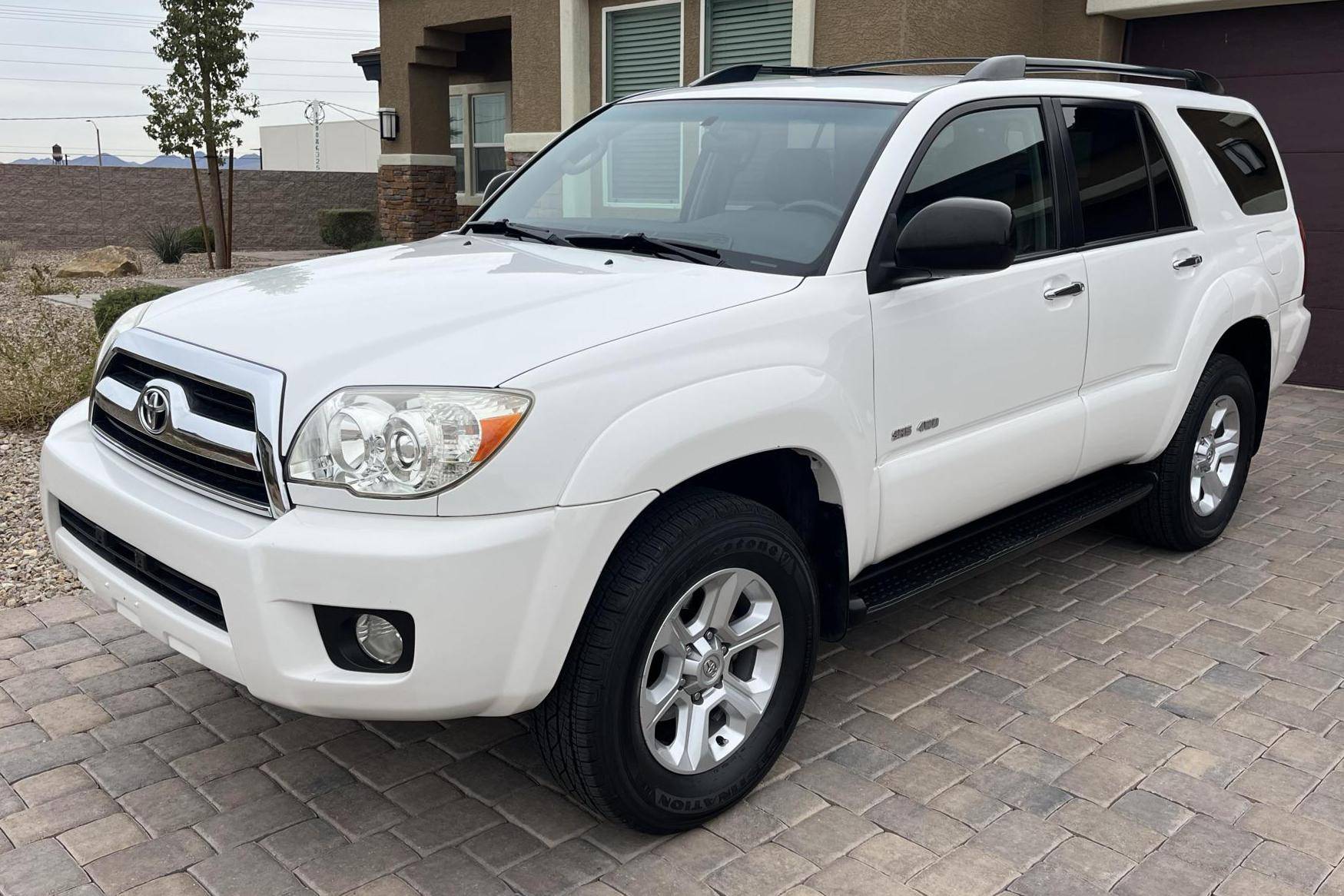
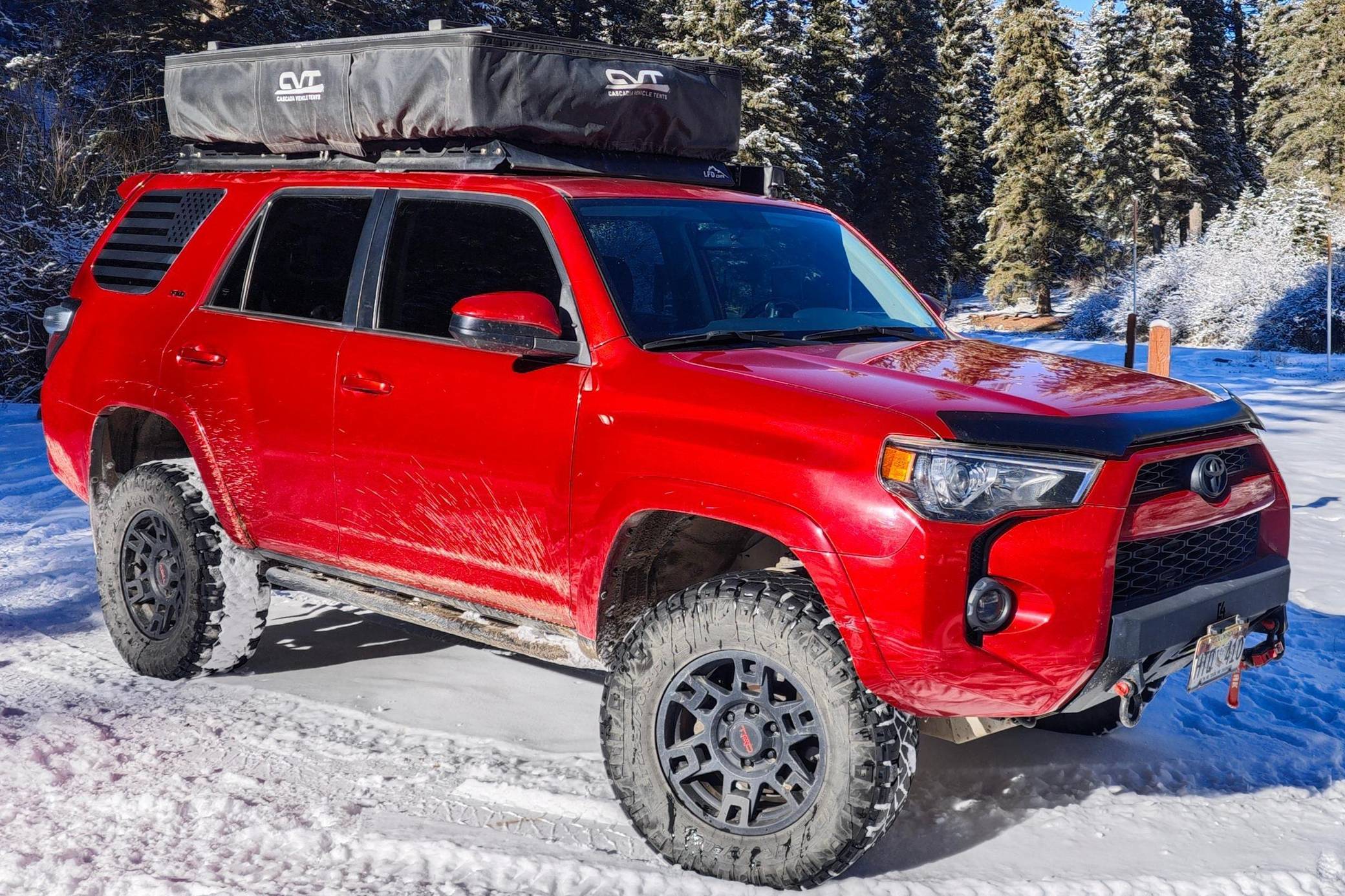
1. Toyota 4Runner SR5
Reliability defines the Toyota 4Runner SR5 in ways that go far beyond engine longevity or suspension strength. Cooling performance remains one of its quiet strengths, especially regarding the AC compressor. Owners often report factory compressors running smoothly well into high mileage territory without loss of pressure or noise. That consistency builds trust during summer travel and off-road trips alike.
Engineering choices play a major role here. Compressor sizing feels conservative rather than pushed to its limit. Instead of chasing quick cabin chill at the expense of stress, the system cools steadily and maintains temperature without frantic cycling. That measured operation reduces internal wear and lowers heat buildup inside the compressor housing.
Usage patterns matter, yet the 4Runner seems tolerant of neglect. Missed cabin filter changes or occasional low refrigerant situations rarely result in immediate failure. Compressors tend to remain quiet, avoiding the rattling or grinding sounds that warn owners in other SUVs. Even after years of daily use, cold air delivery stays consistent across vents.
Climate variation does little to shake that dependability. Desert heat, humid summers, and long idling periods all test AC systems harshly. Reports from owners in extreme conditions still point to long compressor life. This resilience suggests internal components built with generous tolerances rather than razor-thin margins.
Repair data reinforces the reputation. Independent shops see far fewer compressor replacements on this model compared to others of similar age. When AC service becomes necessary, it usually involves refrigerant recharge or minor seals instead of full component replacement. That distinction saves owners thousands across the life of the vehicle.
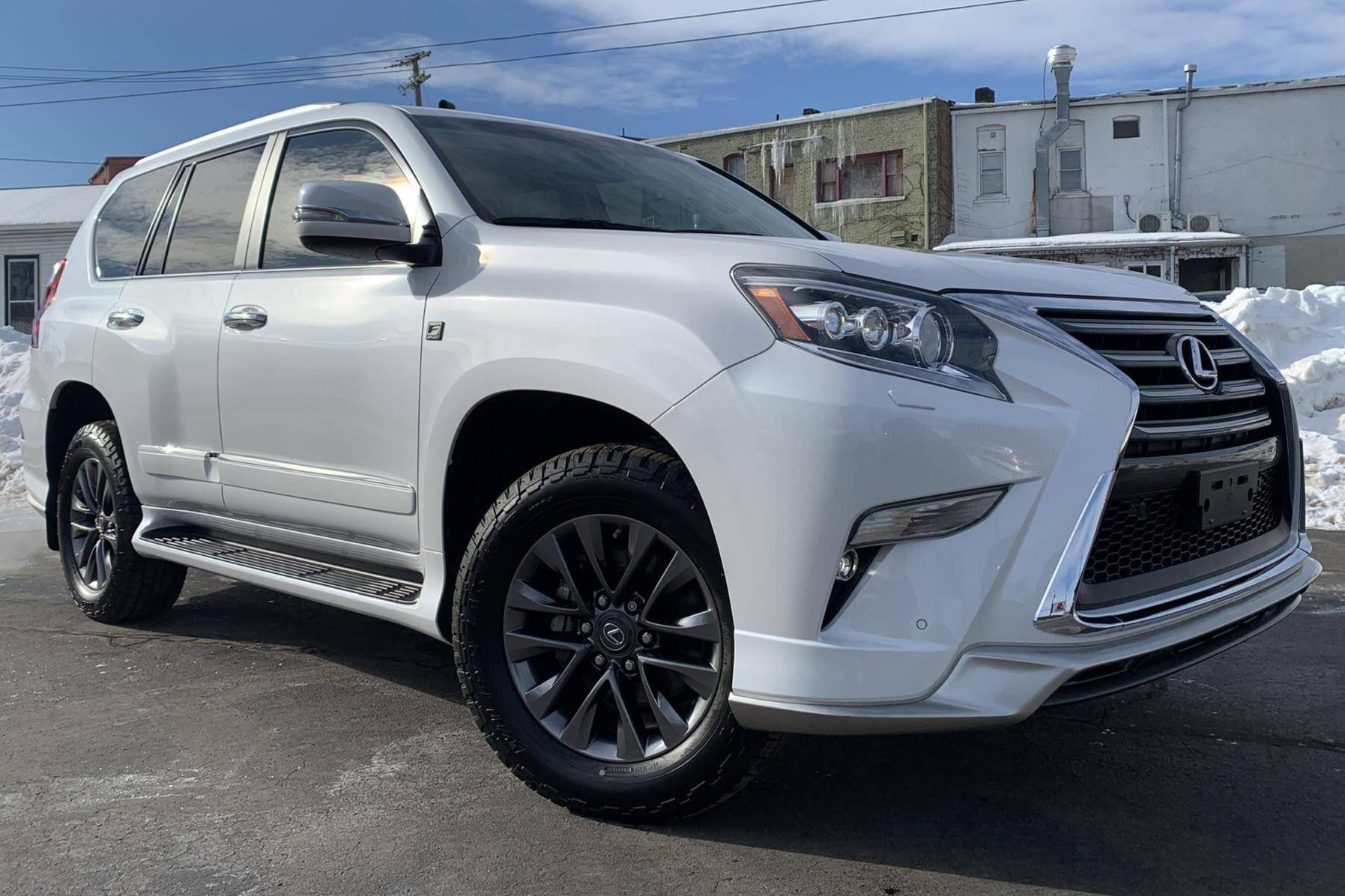
2. Lexus GX 460
Luxury SUVs often hide mechanical excellence behind comfort and quietness. Lexus GX 460 fits that pattern while delivering exceptional AC compressor durability. Beneath the leather and sound insulation sits a cooling system designed with patience rather than urgency. That design philosophy rewards owners long after the new car smell fades.
Cold air delivery starts quickly but never feels strained. Compressor operation stays calm, even during aggressive cooling demands. Instead of constant high-speed cycling, the system balances airflow and temperature smoothly. That approach reduces internal stress and extends component life.
Material quality separates this model from many competitors. Compressor housings, seals, and clutches show fewer leaks and failures across high-mileage examples. Service records often reveal original compressors surviving well past 180,000 miles without performance loss. For a luxury SUV, that level of endurance feels refreshing.
Noise control also matters. Failing compressors often announce trouble early through whining or knocking sounds. In the GX 460, silence remains the norm. Cabin quiet stays intact even as mileage climbs, which suggests consistent internal clearances and stable lubrication inside the unit.
Heat management deserves credit. The cooling system handles engine bay temperatures efficiently, preventing excessive thermal stress on AC components. Less heat translates into slower wear and reduced risk of internal breakdowns. Owners benefit without ever noticing the engineering at work.
Driving in traffic reveals another strength. Extended idling with the AC running places heavy demand on compressors. The GX 460 maintains steady cooling without surging or cycling excessively. That calm behavior supports longer service life and consistent comfort.
Long-term ownership stories often mention surprise at how little attention the AC system needs. Routine service usually suffices. Compressor replacement rarely enters the conversation unless external damage or severe neglect occurs. That peace of mind aligns perfectly with the vehicle’s premium positioning.
Luxury sometimes masks durability, yet this model proves comfort and longevity can coexist. For drivers wanting refined cooling without repair anxiety, the Lexus GX 460 earns its reputation quietly and convincingly.
Also Read: 10 SUVs From the 2000s That Outlasted Everything Built in the 2010s
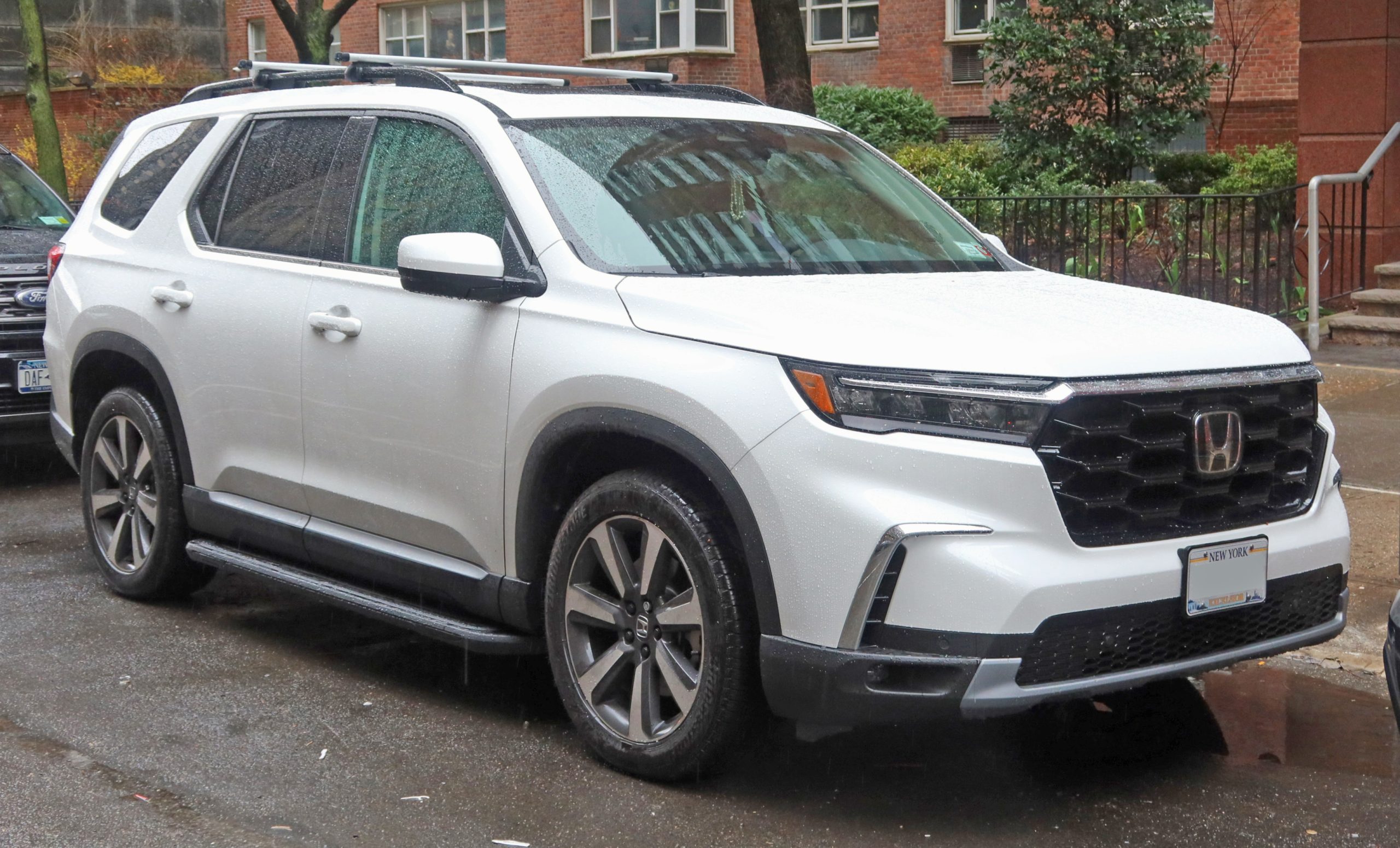
3. Honda Pilot Touring
Family-focused SUVs face unique demands on their AC systems. Multiple passengers, frequent door openings, and long trips push cooling hardware harder than solo commuting. Honda Pilot Touring handles that challenge with a compressor known for dependable service across many years.
Cooling performance leans toward steady rather than aggressive. The system cools the cabin evenly, avoiding sudden bursts that strain components. That gentle approach keeps internal parts from overheating or wearing prematurely. Families benefit from consistent comfort without mechanical penalty.
Compressor design reflects Honda’s reputation for durability. Internal components resist scoring and seal degradation, two issues that shorten compressor life elsewhere. Many owners report original units lasting well into six-digit mileage without leaks or noise.
Daily use patterns tell an encouraging story. School drop-offs, grocery runs, and highway trips create constant cycling demands. The compressor handles that repetition calmly. Engagement remains smooth, and cooling output stays reliable even during peak summer months.
Service technicians often praise accessibility and component quality. When AC service becomes necessary, the surrounding parts show minimal corrosion or wear. That environment helps preserve compressor health by maintaining clean refrigerant flow and stable pressures.
Cabin comfort extends to rear passengers, increasing compressor workload. Despite that added demand, failure rates remain low. The system distributes cooling effectively without forcing the compressor to operate at extreme levels. Balanced airflow reduces unnecessary stress.
Ownership satisfaction grows quietly through summers that pass without AC drama. While other SUVs earn complaints about warm air or costly repairs, this model often escapes those conversations. That absence of trouble becomes its own form of praise. Longevity rarely attracts attention until something breaks. In this case, the lack of failure speaks volumes.
Honda Pilot Touring delivers reliable cooling year after year, making it a dependable choice for drivers who value function that stays out of the spotlight.

4. Toyota Highlander Limited
Confidence in a vehicle’s air conditioning system often grows slowly, shaped by years of quiet performance rather than bold claims. Toyota Highlander Limited builds that confidence through consistency that owners experience season after season. The AC compressor in this SUV has earned a reputation for longevity that surprises drivers who expect repairs once mileage climbs.
Design restraint explains much of that success. Instead of pushing rapid temperature drops that strain hardware, the system focuses on stable cabin control. Air cools evenly, pressure stays balanced, and the compressor avoids harsh engagement cycles. This controlled behavior reduces wear on internal bearings and seals, allowing the unit to operate for extended periods without complaint.
Daily driving places steady demand on cooling. Commuting, traffic delays, family trips, and long highway stretches all add hours of operation. The compressor handles that routine without noise escalation or vibration. Owners often remark that cooling performance remains unchanged years after purchase, which builds trust during the hottest months.
Service history reinforces that perception. Many Highlander Limited examples reach high mileage with the original compressor intact. When AC work becomes necessary, it often involves refrigerant service or sensors rather than full component replacement. That distinction matters to long-term owners watching repair budgets.
Climate exposure adds another layer. Humid regions, dry heat, and mixed seasonal swings all challenge AC systems differently. Reports from varied climates still show stable compressor performance. That adaptability suggests internal parts designed with durability rather than minimal tolerance.
5. Subaru Outback Touring
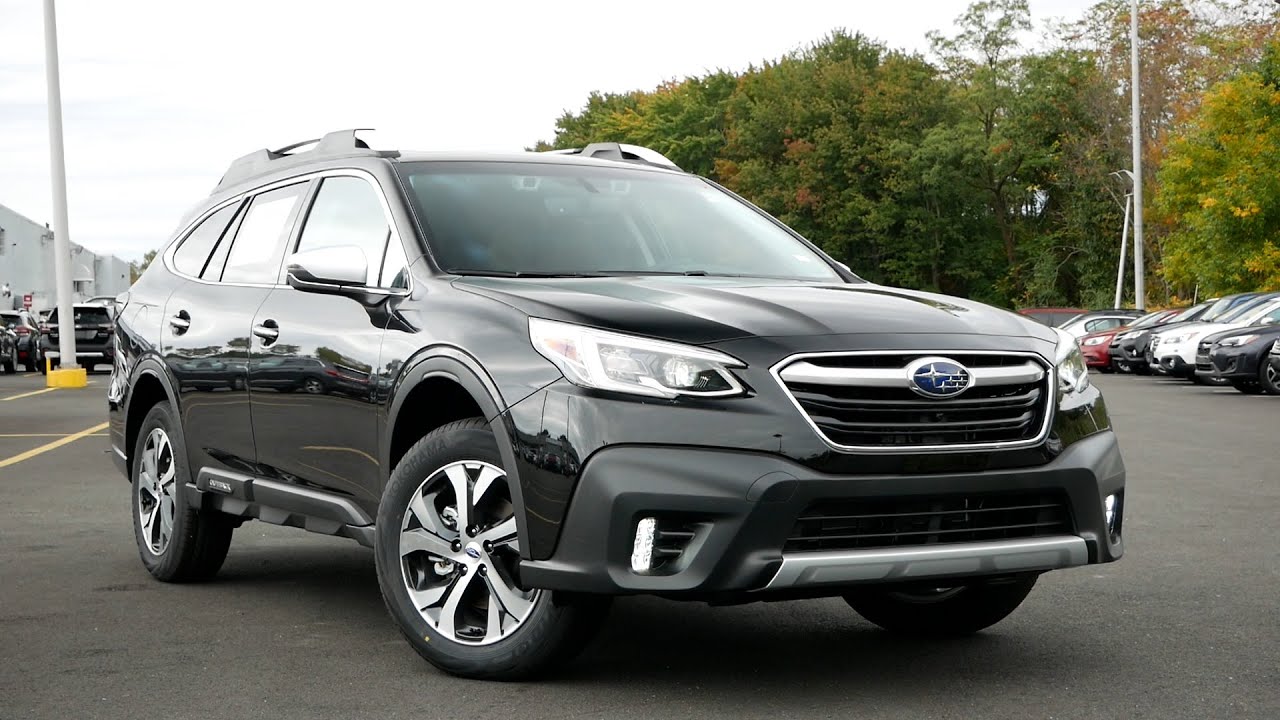
Durability often hides behind subtle engineering choices, and the Subaru Outback Touring demonstrates that principle through its AC system. Owners may not think about the compressor until years pass without issues. That absence of trouble becomes the strongest endorsement possible.
Cooling delivery feels smooth rather than aggressive. Instead of sharp bursts of cold air, the system maintains temperature gently. That approach limits internal stress and reduces friction inside the compressor. Bearings and seals benefit from steady operation rather than abrupt cycling.
Subaru’s attention to system balance supports longevity. Refrigerant pressures remain stable, preventing excessive load during peak demand. Even during extended summer drives, compressor engagement stays quiet and predictable. Noise complaints remain rare, which signals healthy internal operation.
Real-world use includes varied conditions. Mountain driving, stop-and-go traffic, and long idle periods all test cooling hardware. The compressor handles these scenarios without overheating or loss of efficiency. That resilience contributes to a reputation for extended service life.
Maintenance patterns reveal another advantage. Regular service tends to keep the system healthy without major intervention. When issues arise, they usually involve sensors or minor electrical components rather than compressor failure. That distinction saves owners from costly repairs.
Cabin comfort extends across rows, increasing workload. Despite that demand, performance remains steady. The compressor does not need to overwork to maintain cooling, which preserves its internal structure across years of use. Drivers who prioritize reliability over flash appreciate this consistency.
Cooling remains dependable without drawing attention. For an SUV designed to handle varied conditions calmly, the Subaru Outback Touring offers AC durability that matches its practical character.
6. Lexus RX 350
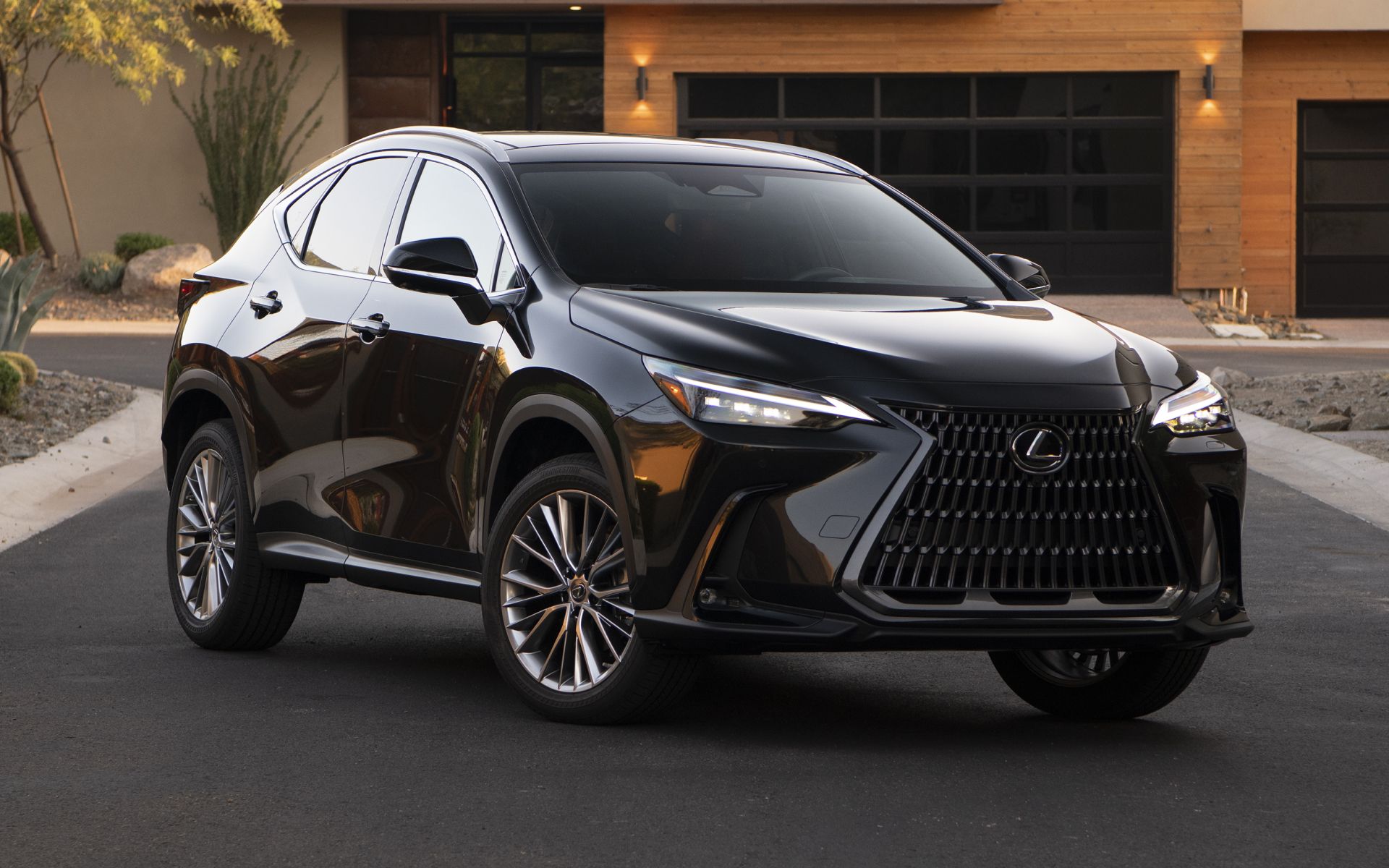
Luxury expectations often include quiet cabins and reliable comfort. Lexus RX 350 meets those expectations with an AC compressor known for extended service life. Owners enjoy cold air delivery that stays consistent long after warranty periods expire.
System design favors smooth engagement. Compressor activation avoids harsh transitions that strain components. That refinement reduces vibration and internal wear. After a long period of time, those small advantages accumulate into impressive durability.
Material quality supports that performance. Internal components resist corrosion and heat degradation. Seals maintain integrity across repeated thermal cycles. As a result, refrigerant loss remains minimal, preserving efficiency and cooling strength.
High-mileage examples frequently retain factory compressors without noise or failure. Service technicians often comment on how rarely they replace compressors on this model. When AC work becomes necessary, it usually focuses on routine service rather than major component replacement.
Traffic-heavy environments highlight another strength. Extended idling with AC running can overwhelm weaker systems. The RX 350 maintains stable cooling without erratic cycling or pressure spikes. That calm operation protects internal parts and enhances longevity.
Cabin insulation also contributes indirectly. Efficient insulation reduces cooling demand, allowing the compressor to work less aggressively. Lower workload translates into longer service life without sacrificing comfort. Luxury does not always guarantee durability, yet this model proves that careful engineering can deliver both. For drivers seeking refined comfort paired with dependable cooling, the Lexus RX 350 stands as a reassuring choice.
6 SUVs Where the AC Compressor Fails Twice
1. Jeep Compass Latitude
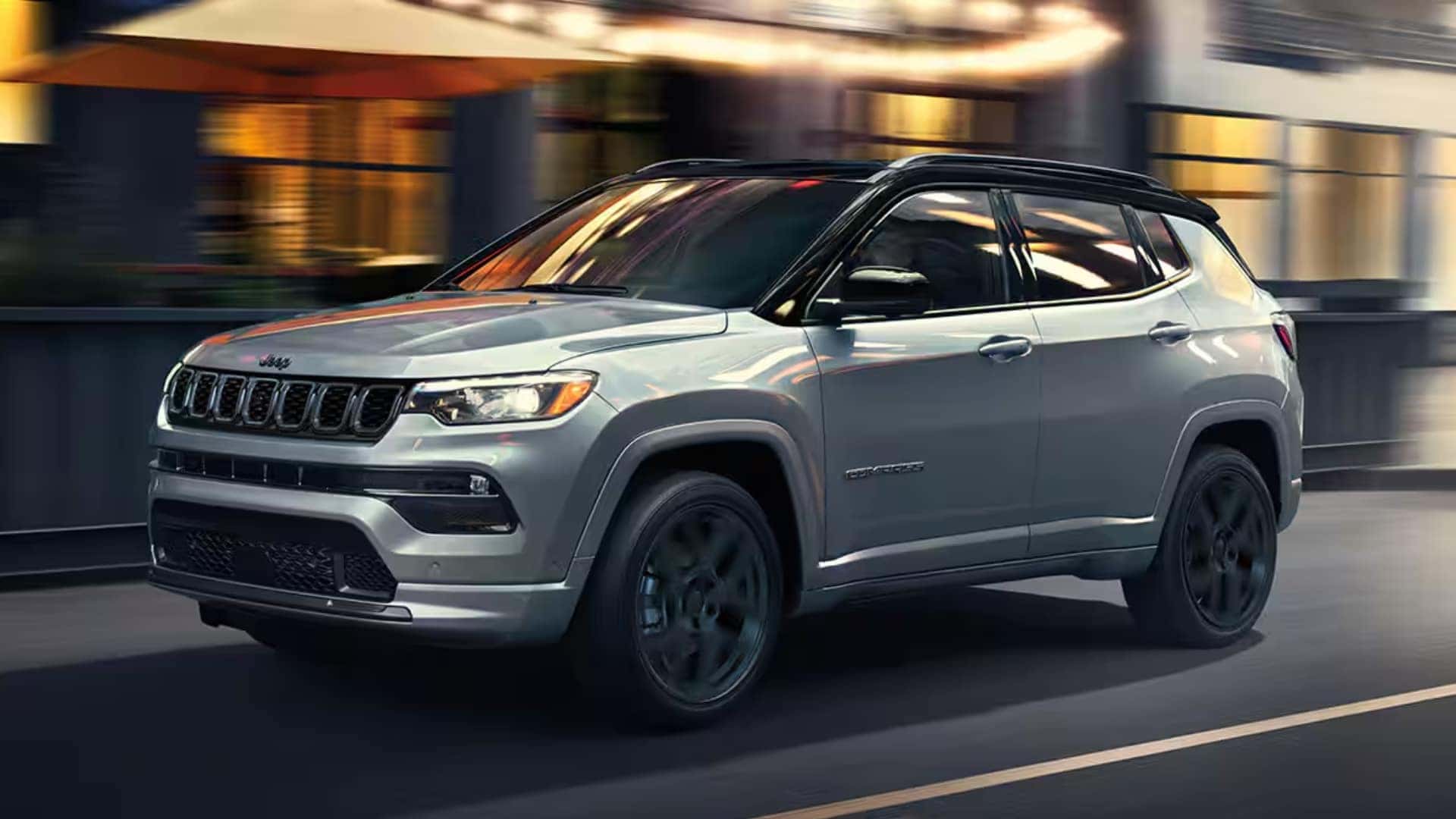
Ownership experiences linked to the air conditioning system in the Jeep Compass Latitude frequently reflect disappointment rather than reassurance. Buyers often enter ownership with reasonable expectations, believing routine comfort will remain reliable for years.
Early impressions can appear positive, as cold air flows well during initial use. That early satisfaction rarely lasts, as compressor performance tends to decline far sooner than expected. Audible warning signs often emerge first. Drivers report faint whining sounds that later develop into grinding or rattling noises when the system engages.
These sounds usually indicate internal wear within the compressor. Once noise becomes noticeable, cooling strength begins to fade, even when the system remains set to maximum output. Warm air gradually replaces cold airflow, leaving occupants uncomfortable during hot conditions.
Repair records reveal a pattern that troubles many owners. Compressor replacement does not always restore confidence. Some drivers encounter a second failure within a few years, sometimes sooner. Repeated replacements raise doubts about the durability of both original and replacement components. Financial pressure follows, as air conditioning repairs require specialized labor and refrigerant handling.
Heat exposure worsens these issues. Daily commuting through congested traffic places a steady demand on the system. Extended idling prevents effective heat dissipation, forcing the compressor to work harder under limited airflow. This environment increases stress on internal components, accelerating wear and raising the chance of breakdown.
2. Ford Explorer XLT
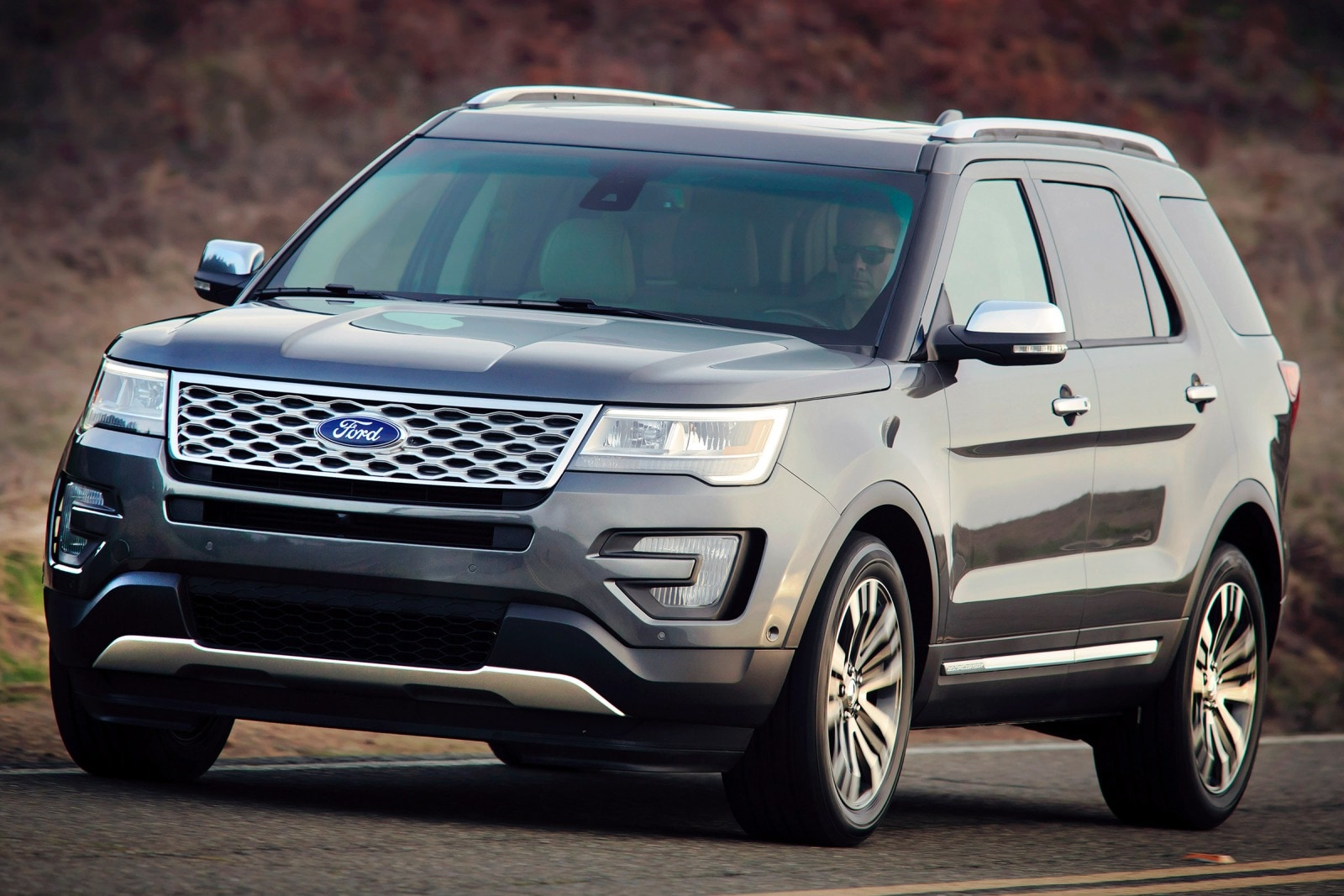
Family-oriented SUVs carry an expectation of comfort during long trips, school runs, and daily errands. Ford Explorer XLT promises spaciousness and capability, yet its air conditioning system has disappointed many owners. Compressor problems frequently surface earlier than anticipated, undermining confidence during periods of heavy use.
Cooling issues often appear gradually. Air no longer cools the cabin as quickly, even with settings unchanged. Airflow weakens, and subtle noises accompany compressor engagement. These early signs rarely receive immediate attention, yet they often signal deeper mechanical trouble waiting to surface.
Repeated repairs create lasting frustration. Replacement compressors sometimes fail again within a relatively short period. Each service visit chips away at confidence, especially when explanations vary. Owners begin questioning whether the system design can withstand regular use rather than blaming isolated defects.
Large interior volume compounds the problem. Cooling a spacious cabin demands sustained output, especially during high temperatures. The compressor frequently operates near its capacity, which increases internal stress. Prolonged strain reduces service life and raises the likelihood of repeated failure.
Family travel suffers as a result. Summer trips lose their comfort, and daily routines become uncomfortable. Parents expect reliable cooling for children and passengers, yet repeated system breakdowns disrupt plans and budgets. Unexpected repair bills replace peace of mind.
Technician feedback reinforces owner concerns. Service centers report higher compressor replacement frequency for this model compared to some competitors. That reputation affects resale decisions, as buyers factor potential cooling repairs into future ownership costs.
Despite strengths such as interior space and road presence, unreliable cooling leaves a lasting impression. Drivers often remember discomfort more vividly than performance highlights. For those who prioritize dependable climate control, this weakness becomes difficult to ignore.
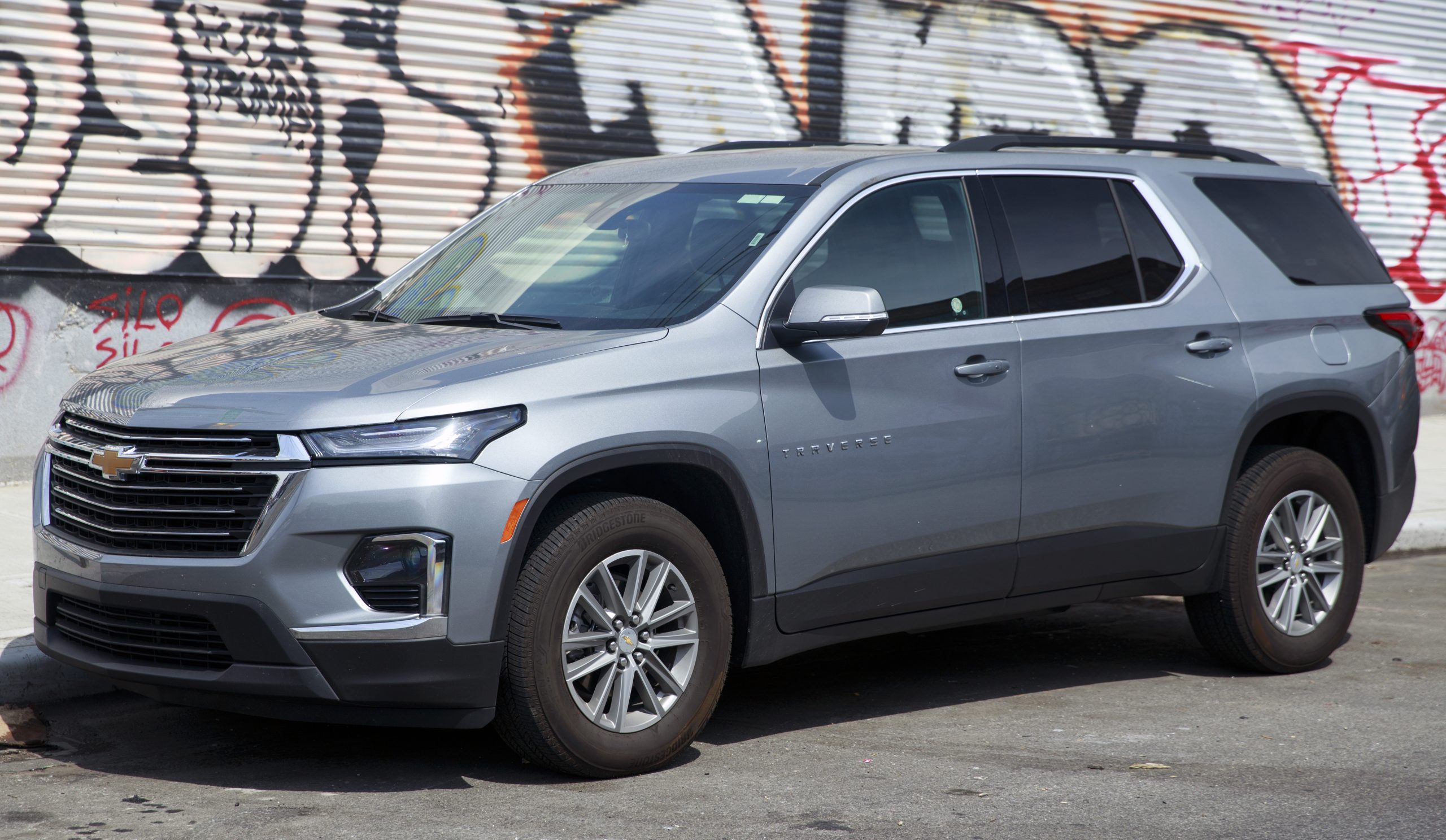
3. Chevrolet Traverse LT
Cabin size plays a major role in cooling demands, and the Chevrolet Traverse LT faces challenges meeting those demands consistently. Owners frequently report air conditioning compressor problems that arise earlier than expected. These issues become especially noticeable during extended hot periods.
Initial cooling performance often creates false reassurance. Cold air flows well during early ownership, masking underlying stress within the system. As mileage increases, airflow weakens, and compressor noise becomes noticeable. These symptoms usually progress steadily toward failure when left unaddressed.
Replacement rarely offers permanent relief. Many owners report more than one compressor replacement during ownership. Each recurrence reduces trust in the system’s durability and raises long-term ownership costs. Confidence declines as cooling reliability becomes unpredictable.
Traffic conditions worsen the strain. Extended idle time during congestion places constant demand on the system. The compressor struggles to maintain pressure and temperature stability under such conditions. Repeated exposure accelerates wear and increases failure risk.
Repair procedures add further frustration. The system’s size requires larger refrigerant volumes and longer labor hours. Each service visit consumes time and money, making repeated repairs particularly burdensome. Passenger comfort suffers as cooling imbalance becomes evident.
Rear seating areas often receive weaker airflow as the system strains to keep up. That uneven performance highlights compressor limitations more clearly. Drivers seeking dependable comfort often reconsider their expectations after experiencing repeated failures. When cooling becomes unreliable, trust in the vehicle diminishes, regardless of other strengths.
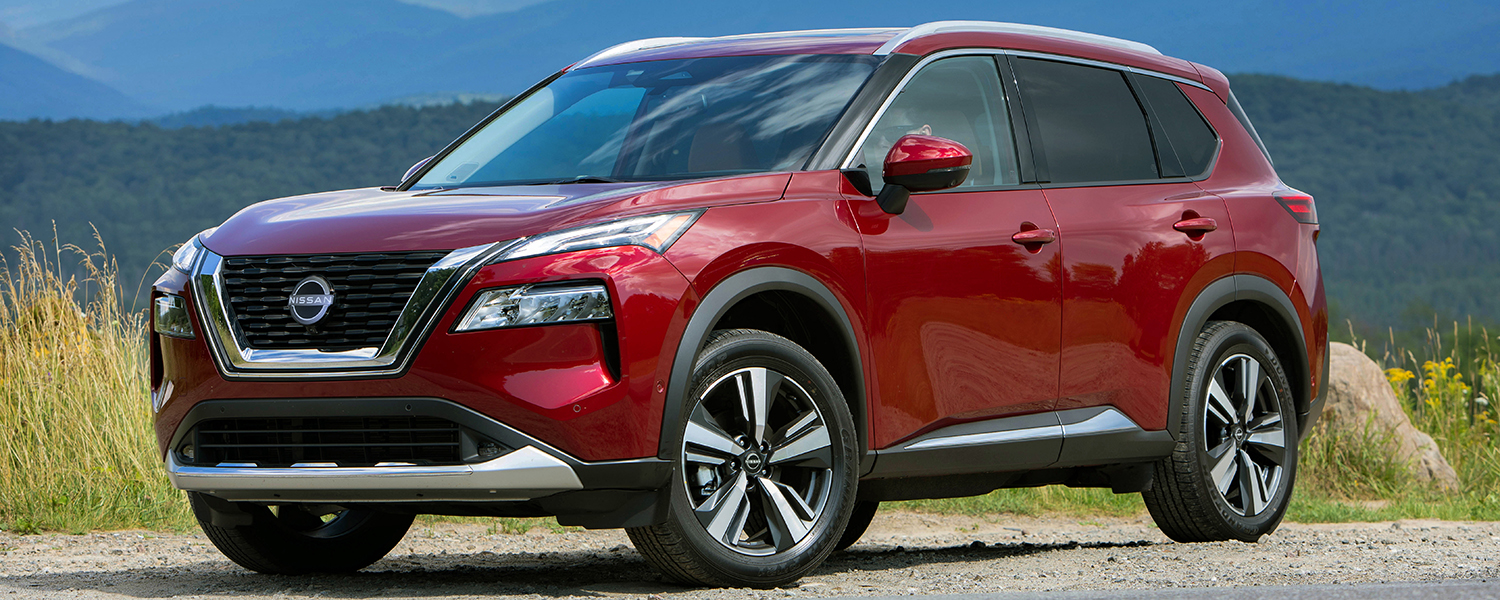
4. Nissan Rogue SV
Compact sport utility vehicles are frequently marketed as balanced choices that blend fuel efficiency with daily comfort. Ownership feedback tied to the Nissan Rogue SV, however, reveals recurring dissatisfaction with air conditioning durability. Many drivers report compressor failure arriving far earlier than expected, sometimes repeating after replacement.
These experiences create a lingering sense of disappointment that overshadows the vehicle’s otherwise practical appeal. Gradual cooling decline often marks the beginning of trouble. Air that once felt crisp slowly loses its effectiveness, even when settings remain unchanged.
System response becomes slower, and unusual sounds appear during compressor engagement. Clicking, faint rattling, or brief squeals encourage owners to suspect refrigerant loss or minor valve issues. Professional inspection frequently confirms a more serious diagnosis involving compressor wear or internal failure.
Replacement rarely brings lasting reassurance. Several owners describe a frustrating cycle where a new compressor restores cooling only temporarily. Within a few years, performance drops again, repeating the same symptoms. That repetition damages trust in the repair process and raises concerns about component quality or system design limitations. Each recurrence reinforces the feeling that the solution remains incomplete.
Ownership costs rise unexpectedly. Compact vehicles typically attract buyers seeking manageable maintenance expenses. Repeated air conditioning repairs challenge that expectation. Compressor replacement involves labor-intensive procedures and refrigerant handling that quickly inflate service bills. For owners budgeting carefully, repeated failures feel disproportionate to vehicle size and segment.
Market perception reflects these concerns. Resale discussions frequently include references to cooling reliability. Prospective buyers approach with caution once a pattern becomes widely discussed. That hesitation influences long-term value and buyer confidence, even when other vehicle systems perform adequately.

5. Volkswagen Tiguan SE
Interior design and driving refinement shape strong expectations for comfort, particularly within vehicles positioned as premium compact choices. Volkswagen Tiguan SE enters ownership with that promise, yet air conditioning durability has left many drivers dissatisfied. Compressor-related issues often emerge enough to become a recurring topic among affected owners.
Early symptoms rarely feel dramatic. Temperature control becomes inconsistent, producing cool air intermittently rather than steadily. Clicking sounds accompany engagement, and system behavior grows unpredictable. These signs frequently appear without warning, leaving limited opportunity for preventative attention before full failure occurs.
Replacement does not always resolve concerns. Several owners describe a second breakdown following compressor replacement, suggesting ongoing system strain or component vulnerability. Each failure compounds frustration and reduces confidence in repair outcomes. Trust weakens when comfort systems behave unpredictably after professional service.
Thermal sensitivity intensifies the problem. High ambient temperatures demand sustained compressor output. Urban driving, frequent stops, and prolonged idle periods magnify stress on internal components. Continuous strain accelerates wear, particularly during peak summer conditions when cooling demand remains constant.
Service expenses amplify dissatisfaction. Specialized parts and diagnostic procedures raise costs compared to many competitors in the same class. Labor time adds further expense, turning each repair into a financial burden rather than routine upkeep. Repeated visits leave owners questioning long-term ownership value.
Comfort expectations suffer as reliability declines. Drivers lose confidence during the moments when cooling matters most, such as long commutes or holiday travel. Trust in cabin comfort fades, even when other aspects of the vehicle deliver satisfying performance.
Brand perception changes through lived experience. Owners remember discomfort far longer than initial showroom impressions. Repeated cooling failures leave a lasting imprint that influences future purchasing decisions and recommendations.
Also Read: 5 SUVs Where Heated Steering Wheels Still Work vs 5 That Burn Out Fast
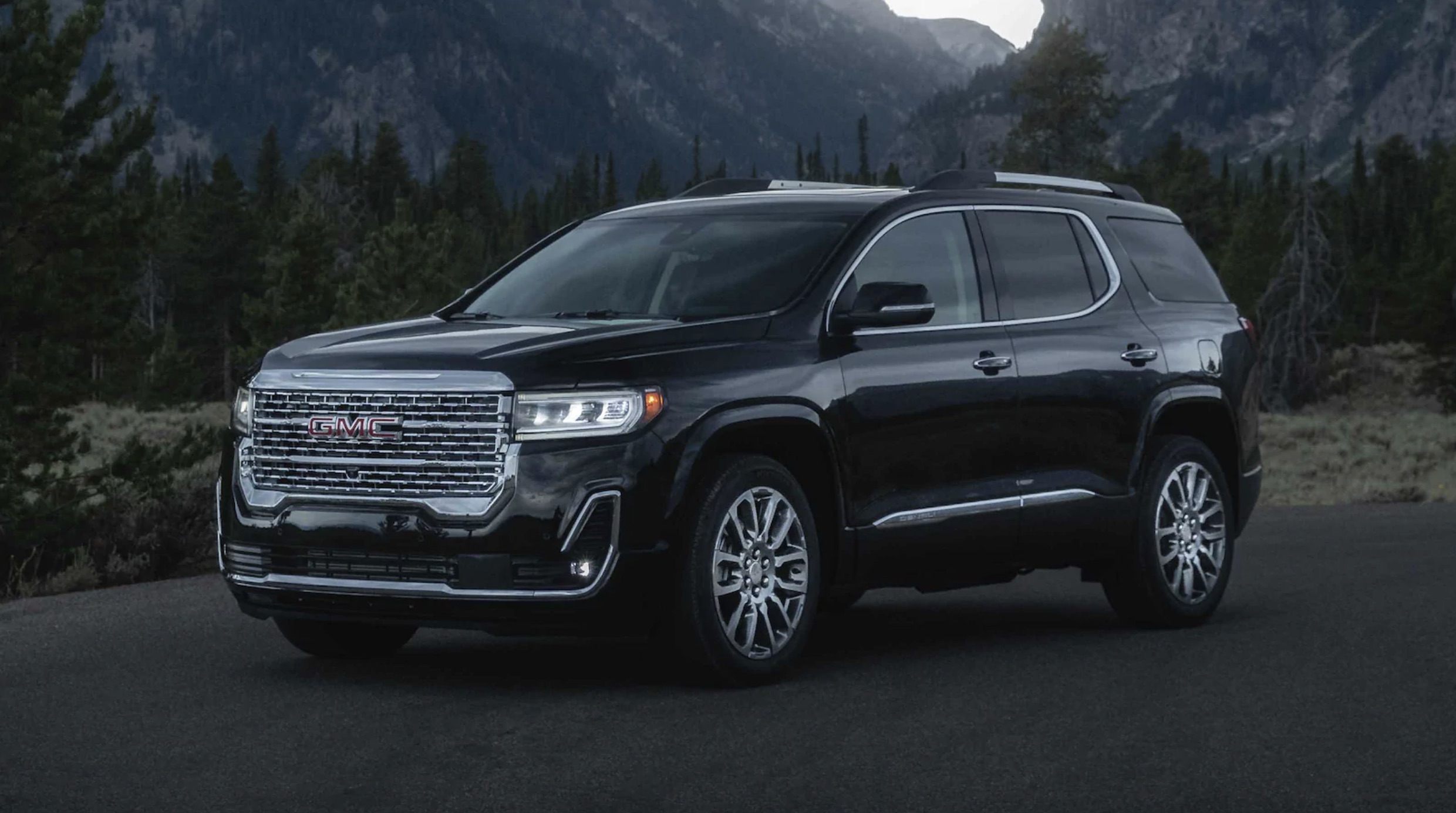
6. GMC Acadia SLT
Design emphasis on passenger comfort places high expectations on climate control performance. GMC Acadia SLT arrives positioned as a refined family-oriented vehicle, yet air conditioning compressor reliability has disappointed many owners. Failures often occur earlier than anticipated, prompting repeated service visits that erode confidence.
Cooling problems usually begin subtly. Airflow weakens gradually, and temperature consistency declines. Compressor engagement becomes rough, accompanied by unfamiliar noises that suggest internal wear. These early signs often progress steadily rather than resolving on their own.
Replacement parts do not always restore long-term dependability. Some owners experience multiple compressor failures across ownership. Each incident transforms air conditioning service into a recurring expense rather than a one-time repair. Confidence diminishes with every repetition.
Cabin size increases demand on the system. Cooling a large interior requires sustained output, particularly during hot conditions. Continuous operation pushes the compressor near its capacity for extended periods. Prolonged stress accelerates wear and increases the likelihood of breakdown.
Repair costs accumulate quickly. Labor-intensive procedures, refrigerant requirements, and system diagnostics add up with each failure. Owners often express frustration at the frequency and expense of these services, especially when other vehicle systems remain dependable.
Trust gradually erodes. Even when engine performance and ride quality meet expectations, unreliable cooling becomes difficult to ignore. Comfort remains central to daily use, and repeated failures dominate the ownership experience. For buyers who prioritize dependable cabin cooling, the history associated with this model raises clear concerns. Long-term satisfaction depends heavily on climate control consistency, and repeated compressor issues leave a lasting negative impression.
