
Many people focus on engine performance, fuel economy, or interior features when buying a car, yet the paint colour deserves equal attention. Weather conditions have a direct effect on how a vehicle performs, making certain colours more suitable for particular regions.
A shade that works perfectly in sunny states such as Arizona or Florida may not deliver the same benefits in colder places like Minnesota or Maine. Cold weather creates a different set of demands for vehicle owners. Dark paint absorbs more heat from sunlight, allowing the body panels to warm up faster after being parked outside.
This extra warmth can help loosen light frost on the windscreen, reduce ice around door handles, and ease the workload on the heating system during chilly mornings. Even a small temperature difference can improve daily comfort before a journey begins.
Safety also deserves careful attention during winter driving. Bright colours that stand out clearly against snow and dull skies make vehicles easier for other road users to notice. Resistance to road salt and dirty slush is equally valuable because these conditions can quickly affect a car’s appearance. This guide highlights eight paint colours that combine warmth, visibility, and durability for drivers who regularly face freezing weather.
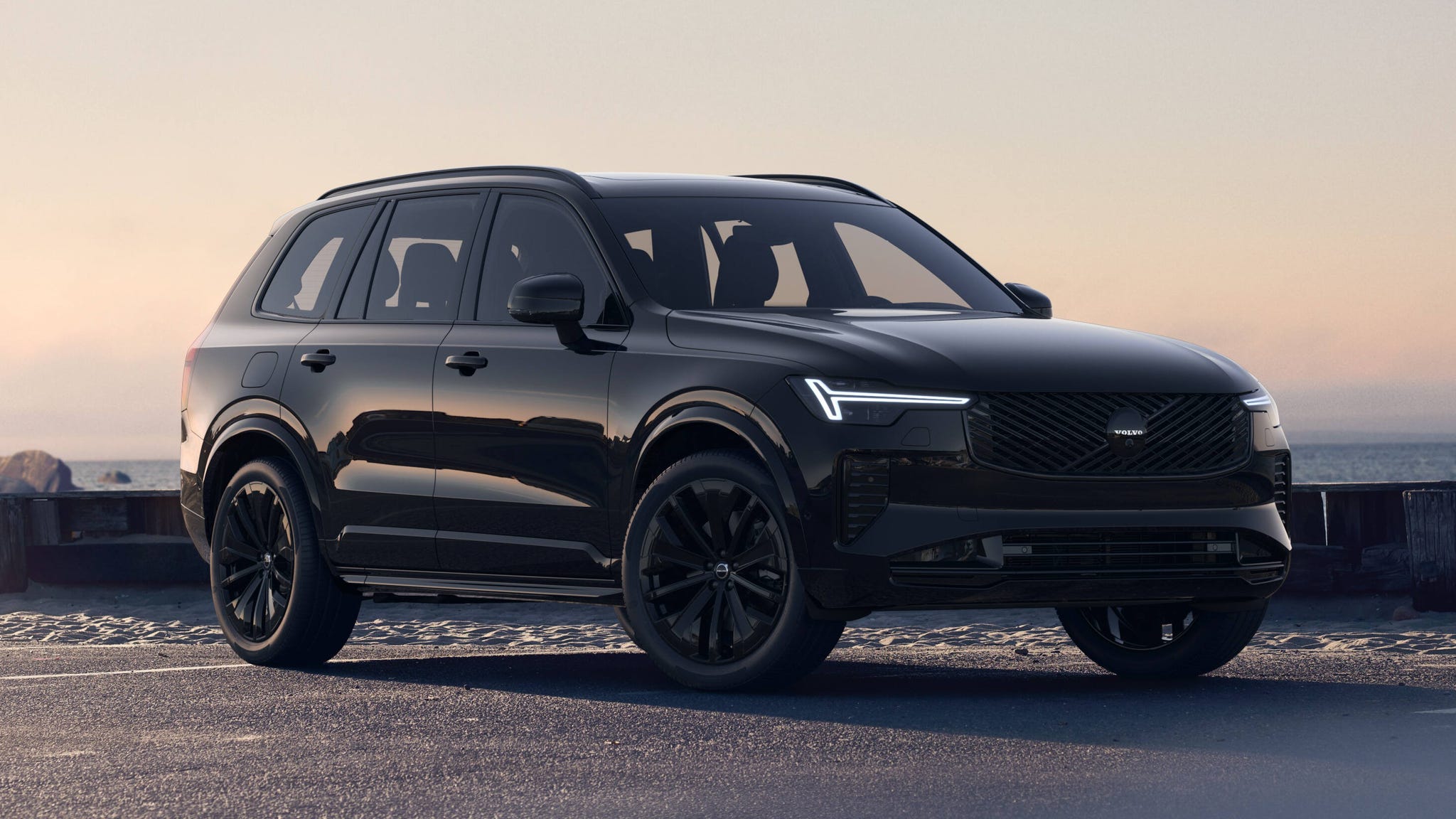
1. Metallic Black
Solar Heat Absorption: ~90% (Reflects only 10% of solar radiation)
Best Car Example: Volvo XC90 Plug-in Hybrid in Onyx Black
Black paint functions essentially as a literal thermal sponge, soaking up nearly every bit of solar energy that strikes the body panels rather than bouncing it away the way lighter colors do. On a freezing, sunny winter afternoon, a black car’s metal panels can run anywhere from 20 to 30 degrees Fahrenheit warmer than an identical white vehicle parked in that exact same spot, a genuinely dramatic temperature gap considering both cars are sitting under the same sky.
That trapped solar energy does real, practical work for owners rather than simply existing as a curiosity. The added warmth takes some of the baseline load off your engine or battery pack, specifically when it comes to heating the interior cabin once you actually start driving, meaning your defroster and heater system do not need to work quite as hard fighting against a deeply frozen starting temperature.
This advantage becomes especially valuable on a vehicle already engineered with serious winter capability in mind. The Volvo XC90 Plug-in Hybrid, finished in Onyx Black, brings together a genuinely luxurious three-row family SUV experience with Scandinavian winter engineering built directly into its DNA, including a heated windshield designed specifically to clear ice and frost quickly during cold morning starts.
Pairing that black exterior with Volvo’s already winter-focused engineering creates a genuinely compounding effect throughout a typical frigid morning commute. The interior cabin heats up rapidly under direct morning sun exposure, working alongside the heated windshield and Volvo’s other cold-weather features rather than against them, giving northern families a vehicle that feels noticeably warmer and more comfortable before the heater has even finished its first full warm-up cycle.
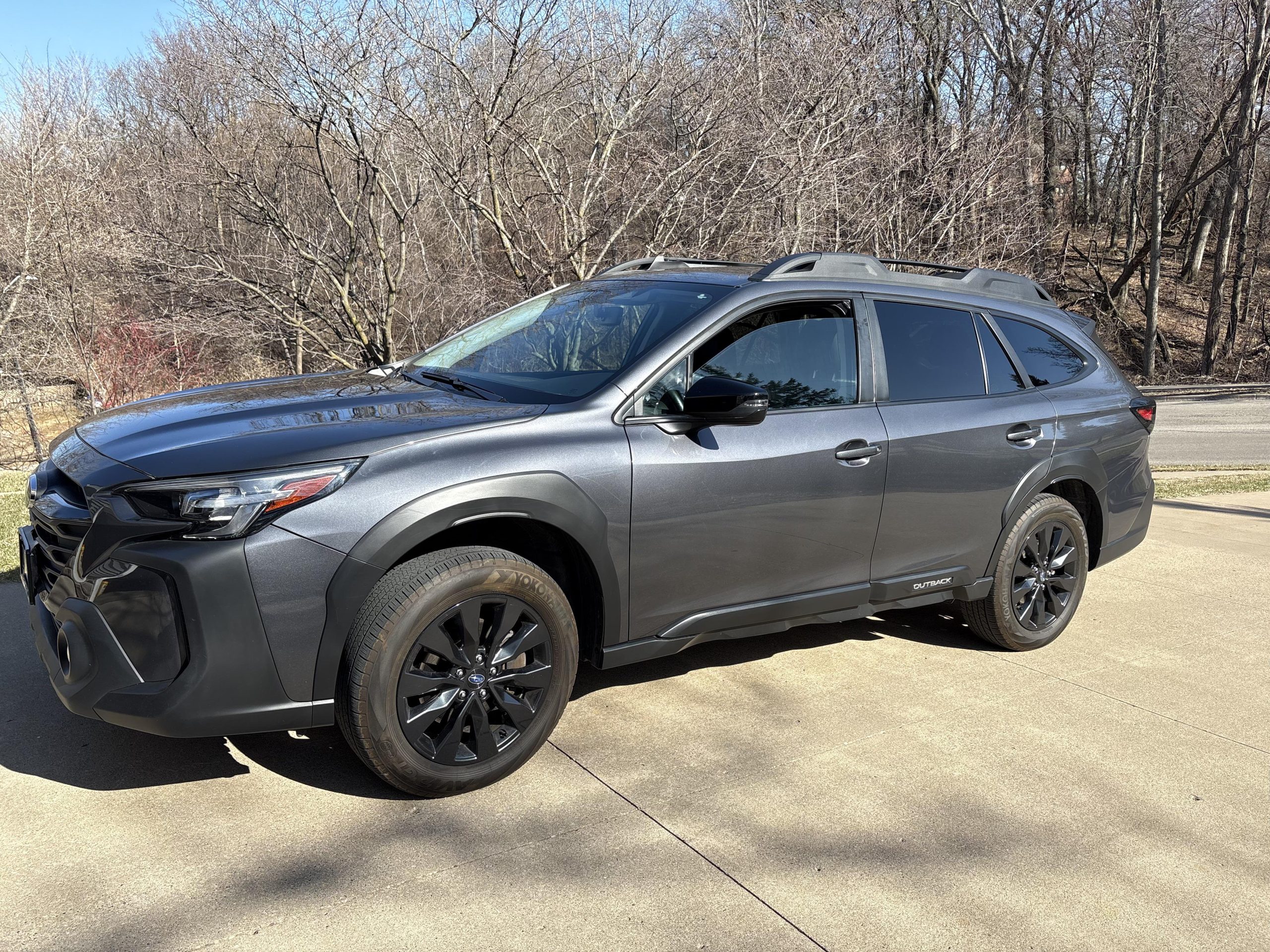
2. Deep Charcoal / Gunmetal Gray
Solar Heat Absorption: ~80% to 85%
Best Car Example: Subaru Outback in Magnetite Gray Metallic
Choosing the right paint colour becomes more important when a vehicle is used in places where winter lasts for several months. Dark gray is one of the most practical options because it absorbs much of the sun’s warmth without being as harsh in appearance as black.
After a vehicle has been parked outside in cold weather, this extra heat absorption can help keep the body slightly warmer, making winter mornings a little more comfortable for the driver. Beyond its ability to retain warmth, dark gray also offers an advantage that becomes obvious after just a few days of driving through snow and ice.
Roads during winter are usually covered with slush, salt, muddy water, and other debris thrown up by passing vehicles. These materials quickly collect around the doors, wheel arches, bumpers, and lower body panels. Black paint tends to expose every mark and splash, making the vehicle appear dirty almost immediately.
Dark gray, however, blends well with these stains, allowing the vehicle to maintain a cleaner appearance for much longer. This means owners can spend less time washing the car while still keeping it looking respectable throughout the season. A good example is the Subaru Outback finished in Magnetite Gray Metallic.
The colour suits the vehicle’s rugged design and works perfectly with its standard Symmetrical All-Wheel Drive system, which provides dependable grip on icy and snow-covered roads. Drivers who face freezing temperatures every day will appreciate both the dependable traction and the paint’s ability to disguise dirt collected from salted roads.
This thoughtful combination gives owners confidence during difficult winter journeys while helping the vehicle maintain an attractive appearance, even after repeated trips through harsh weather and challenging road conditions.
Also Read: The Car Colors That Cost You the Most at Trade-In
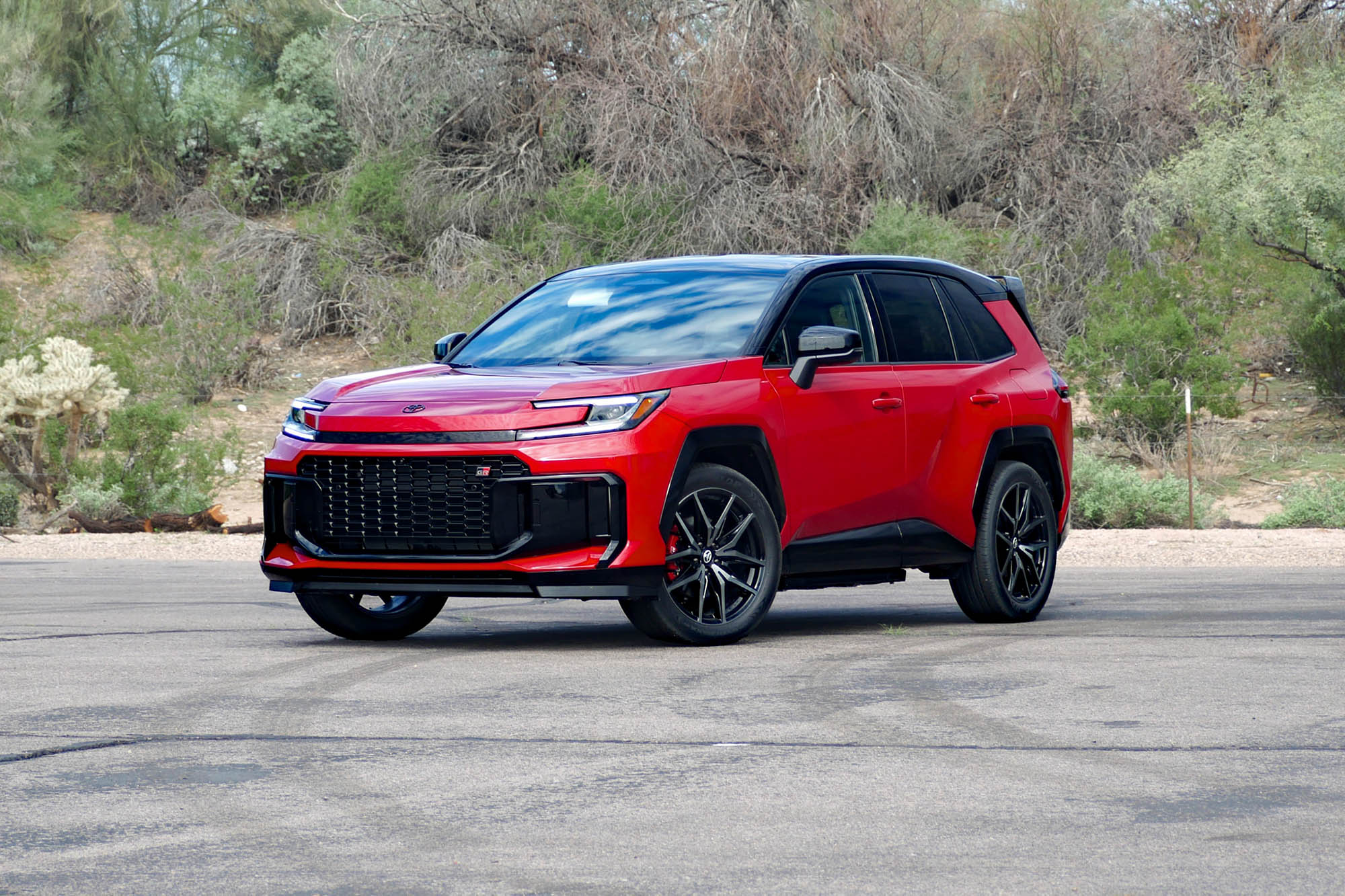
3. Bright Red
Solar Heat Absorption: ~60% to 65%
Best Car Example: Toyota RAV4 Hybrid in Supersonic Red
Paint color does more than improve a vehicle’s appearance, especially in regions where snow and poor weather are common. Bright red may not absorb as much warmth as black or dark gray, yet it offers a different advantage that becomes valuable during winter driving. Its bold appearance makes it much easier for other road users to notice, even when weather conditions reduce visibility.
Snow-covered roads, heavy snowfall, and dull gray skies can make many vehicles blend into their surroundings. A bright red finish remains easy to spot against white snowbanks and gloomy winter backgrounds, helping drivers identify the vehicle from a greater distance. That extra visibility can improve awareness for motorists approaching from the opposite direction, joining traffic from side roads, or driving through falling snow where seeing clearly becomes more difficult.
The Toyota RAV4 Hybrid finished in Supersonic Red is a strong example of how a vibrant paint color can complement a practical winter vehicle. Along with its available all-wheel-drive system, the hybrid powertrain delivers impressive fuel economy without sacrificing confidence on slippery roads. The bright exterior also helps the vehicle remain easy to recognize during snowy commutes, reducing the chance of being overlooked in poor weather.
For drivers who spend months dealing with icy roads, frequent snowfall, and limited daylight, this combination of dependable performance, fuel savings, and outstanding visibility makes the RAV4 Hybrid an excellent companion for daily travel.
4. Midnight / Navy Blue
Solar Heat Absorption: ~75% to 80%
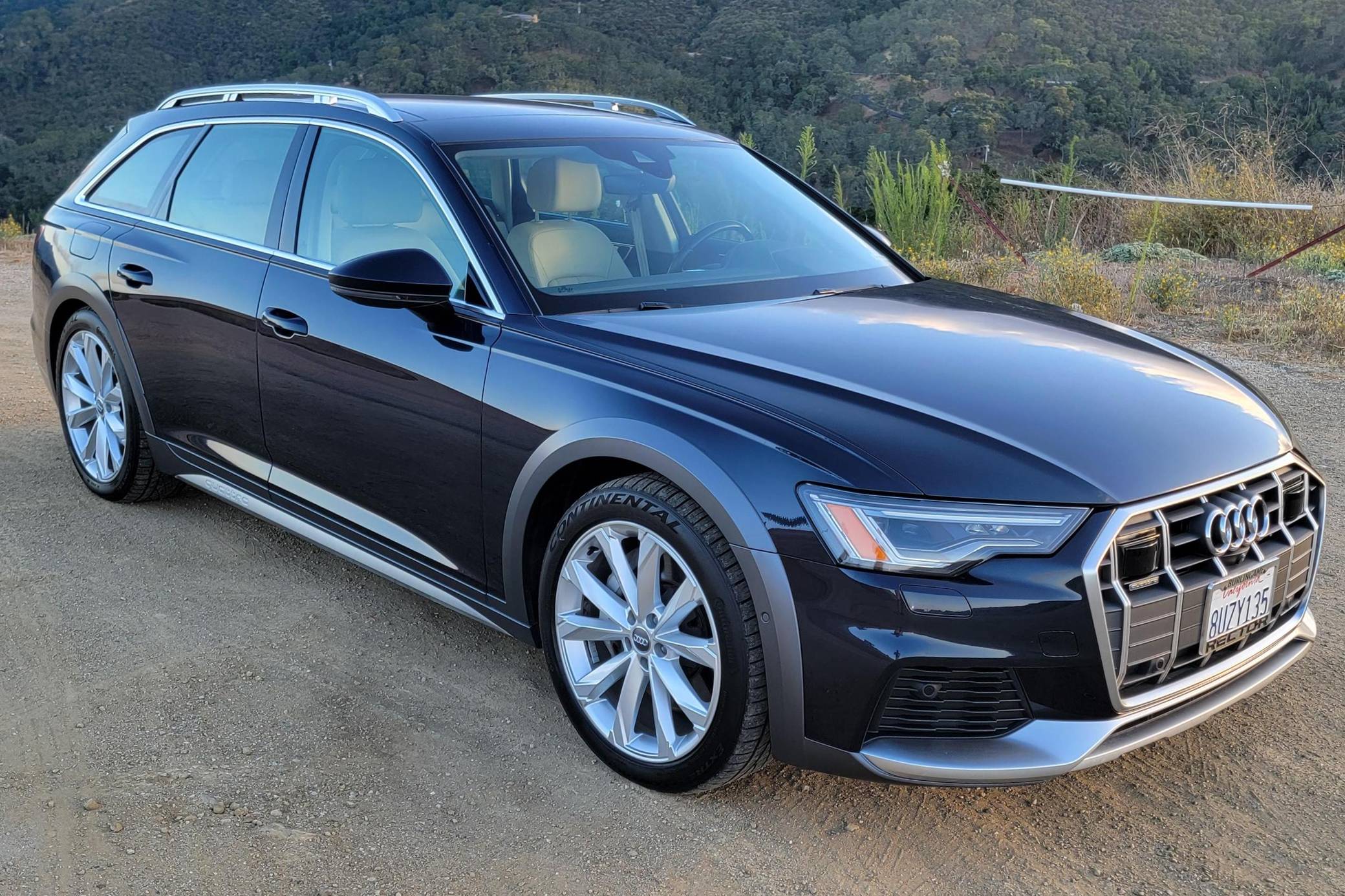
Best Car Example: Audi A6 Allroad in Firmament Blue Metallic
Midnight blue captures genuinely intense thermal energy throughout a sunny winter day, performing only slightly behind charcoal gray and pure black in terms of raw heat absorption, all while delivering a noticeably more upscale, executive-style profile that plenty of luxury buyers specifically seek out compared to a simpler black or gray finish.
That deep blue hue absorbs solar radiation effectively enough to genuinely assist with windshield defrosting times during early morning winter commutes, a benefit that matters considerably to anyone who has ever sat shivering in a frozen driveway waiting for ice to clear before pulling out onto the road. The darker the shade, generally speaking, the faster that accumulated solar warmth helps loosen frost clinging stubbornly to the glass.
Beyond pure thermal performance, midnight blue carries a genuinely sophisticated visual quality that distinguishes it from more common dark colors found throughout winter parking lots and dealership lots alike. This shade reads as distinctly more premium and considered compared to standard black, giving executive and luxury buyers a dark color option that still signals genuine taste and intentionality rather than simply defaulting to the most common dark shade available.
The Audi A6 Allroad, finished in Firmament Blue Metallic, brings this premium midnight blue advantage to a genuinely capable platform built specifically for winter driving demands.
This high-clearance station wagon comes equipped with Audi’s legendary Quattro all-wheel-drive system, pairing serious mechanical winter capability with a deep, sun-absorbing dark-color scheme that works continuously in the background to ease morning defrosting and reduce the initial strain on the cabin’s heating system during a typical frigid commute across icy northern roads.
5. Bright Orange
Solar Heat Absorption: ~55%
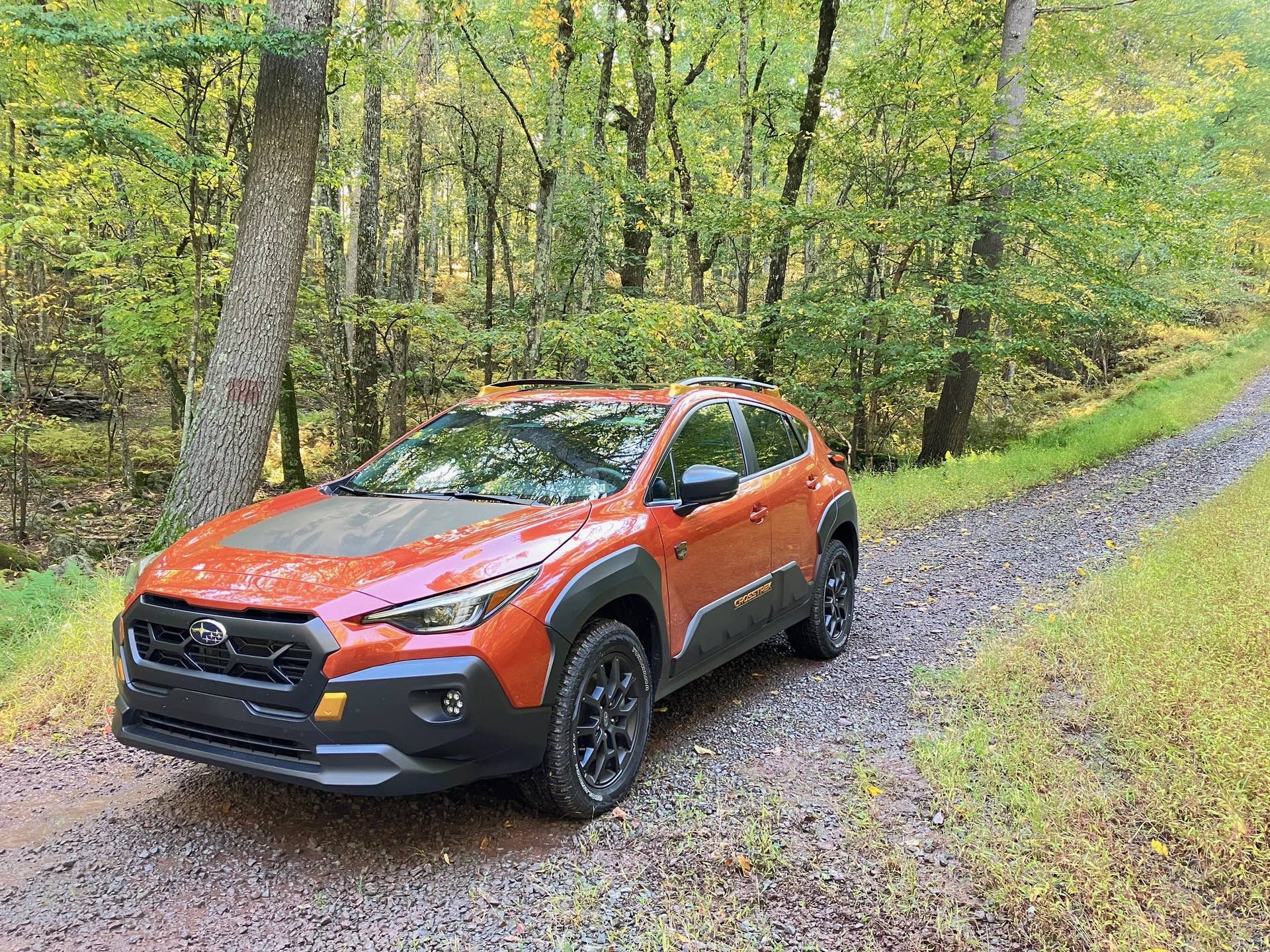
Best Car Example: Subaru Crosstrek in Sun Blaze Pearl
Bright orange may not be the most common choice in a dealership, but it becomes a smart option once winter arrives. When roads are covered in snow and visibility begins to drop, a vehicle finished in this bold color is much easier to spot than one painted in gray, silver, or other muted shades.
Drivers often underestimate how much paint color can influence safety until they encounter a heavy snowstorm, dense fog, or an afternoon filled with dark clouds. Under those conditions, bright orange remains highly visible and helps a vehicle stand out from its surroundings.
Winter driving presents many challenges, and poor visibility sits near the top of the list. Falling snow, blowing ice, and white road surfaces can make vehicles disappear into the background, especially if they wear neutral paint colors. A bright orange finish creates a sharp visual difference against snow-covered roads, giving approaching drivers more time to notice the vehicle and respond safely.
That extra reaction time can be valuable on busy highways, winding rural roads, and neighborhood streets where weather conditions can change quickly. The Subaru Crosstrek finished in Sun Blaze Pearl pairs this eye-catching color with features designed for demanding winter conditions.
Its generous ground clearance allows it to travel through deep snow that could stop lower vehicles, while Subaru’s standard Symmetrical All-Wheel Drive provides dependable traction on slippery roads. Together, the capable drivetrain and highly visible paint create a practical combination for cold-weather driving.
Owners who spend long months dealing with icy roads, snow-covered streets, and reduced daylight can enjoy greater confidence, knowing their vehicle offers dependable performance while remaining easy for other motorists to recognize in poor weather.
6. Forest / Hunter Green
Solar Heat Absorption: ~70% to 75%
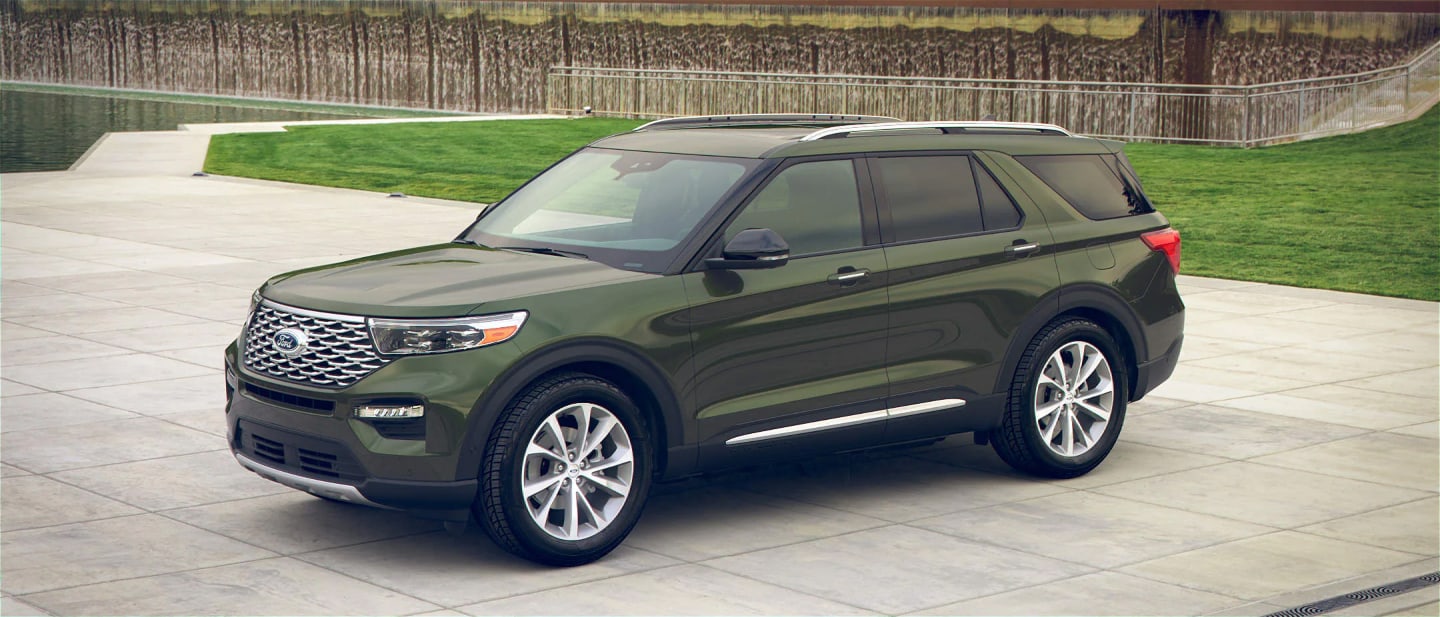
Best Car Example: Ford Explorer in Forged Green Metallic
Dark, earthy green tones provide genuinely excellent heat absorption throughout a typical winter day, landing comfortably within the upper-middle range of thermal performance covered throughout this entire list while offering a couple of distinctly practical advantages that make this color family particularly well-suited to brutal northern winters.
Hiding road sludge ranks among the most immediately noticeable benefits this shade delivers throughout daily winter driving. Forest and hunter green tones disguise standard road grime and sludge buildup considerably better than lighter colors manage, since the natural muddy brown-gray tone that accumulates on lower panels throughout a slushy commute tends to blend into this earthy color family rather than creating an obvious, jarring difference.
Durability against physical abrasion matters just as much as visual grime-hiding throughout a genuine winter season, and dark green performs exceptionally well on this front specifically. This color proves exceptionally stable against the kind of abrasive impacts that flying sand, salt pebbles, and loose gravel routinely deliver whenever snowplows pass by on a busy highway, kicking up debris that can chip or wear down a vehicle’s clear coat over repeated exposure throughout an entire winter season.
The Ford Explorer finished in Forged Green Metallic brings this resilient, grime-hiding color advantage to a genuinely rugged midsize family vehicle built specifically to handle exactly these kinds of brutal winter elements without showing excessive wear.
Families relying on this Explorer for daily school runs, grocery trips, and longer winter road trips benefit from a paint finish designed to hold its structural integrity and clean appearance throughout months of plowed highways, salted roads, and the kind of repeated abrasive debris exposure that would visibly wear down a more delicate paint finish considerably faster.
7. Metallic Bronze / Copper
Solar Heat Absorption: ~65% to 70%
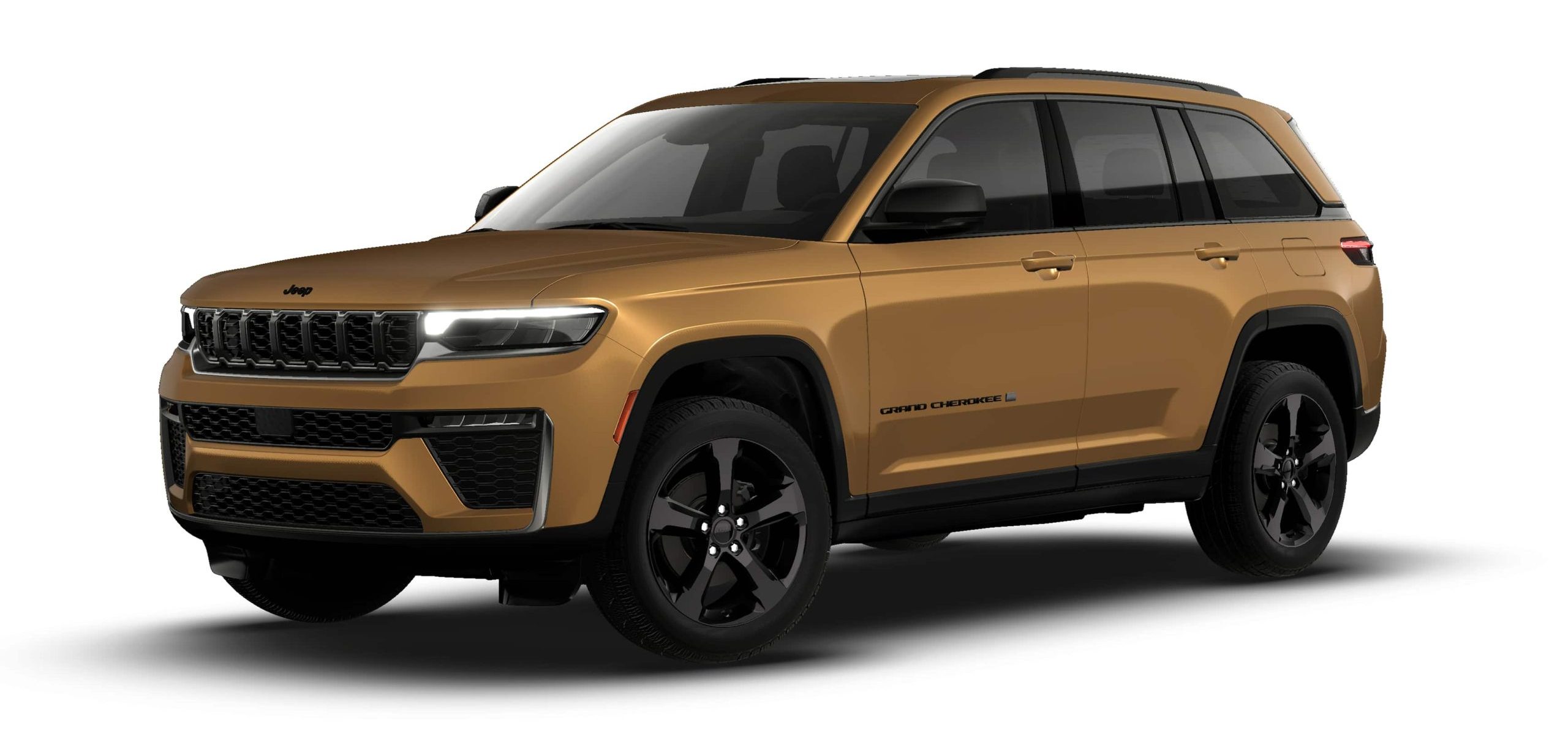
Best Car Example: Jeep Grand Cherokee 4xe in Rocky Mountain Brown
Deep metallic bronze and copper tones bring a genuinely clever bit of camouflage engineering to this entire ranking, masterfully matching the exact color that dried road sand and salt crust naturally take on once it bakes onto a vehicle’s lower panels throughout a typical winter commute. That color-matching quality gives bronze and copper paint a genuinely practical edge that few other shades on this list can claim quite as effectively.
Beyond that camouflage advantage, this color family still absorbs a genuinely healthy amount of solar energy throughout a sunny winter day, landing comfortably within a strong middle-tier range for thermal performance compared to the darker shades sitting higher up in this entire ranking. Drivers get real heat absorption benefits without needing to commit to the deepest, darkest colors covered earlier on this list.
That balance between heat absorption and grime concealment means a bronze or copper vehicle looks genuinely clean far longer than a pure black car parked in that exact same messy winter environment, since black paint shows dried salt residue and road film considerably more obviously against its glossy, dark surface compared to this earthier metallic tone.
The Jeep Grand Cherokee 4xe, finished in Rocky Mountain Brown, showcases this advantage on a genuinely capable plug-in hybrid platform built for serious winter utility. This particular Jeep can execute short winter errands running on pure electricity alone, giving owners a quiet, efficient option for quick neighborhood trips, all while utilizing a dirt-concealing, heat-soaking paint layer that keeps the vehicle looking presentable through months of salt-covered highways and slushy parking lots that would otherwise demand constant washing.
Also Read: 5 Car Colors That Resell for a Premium vs 5 That Hurt Value
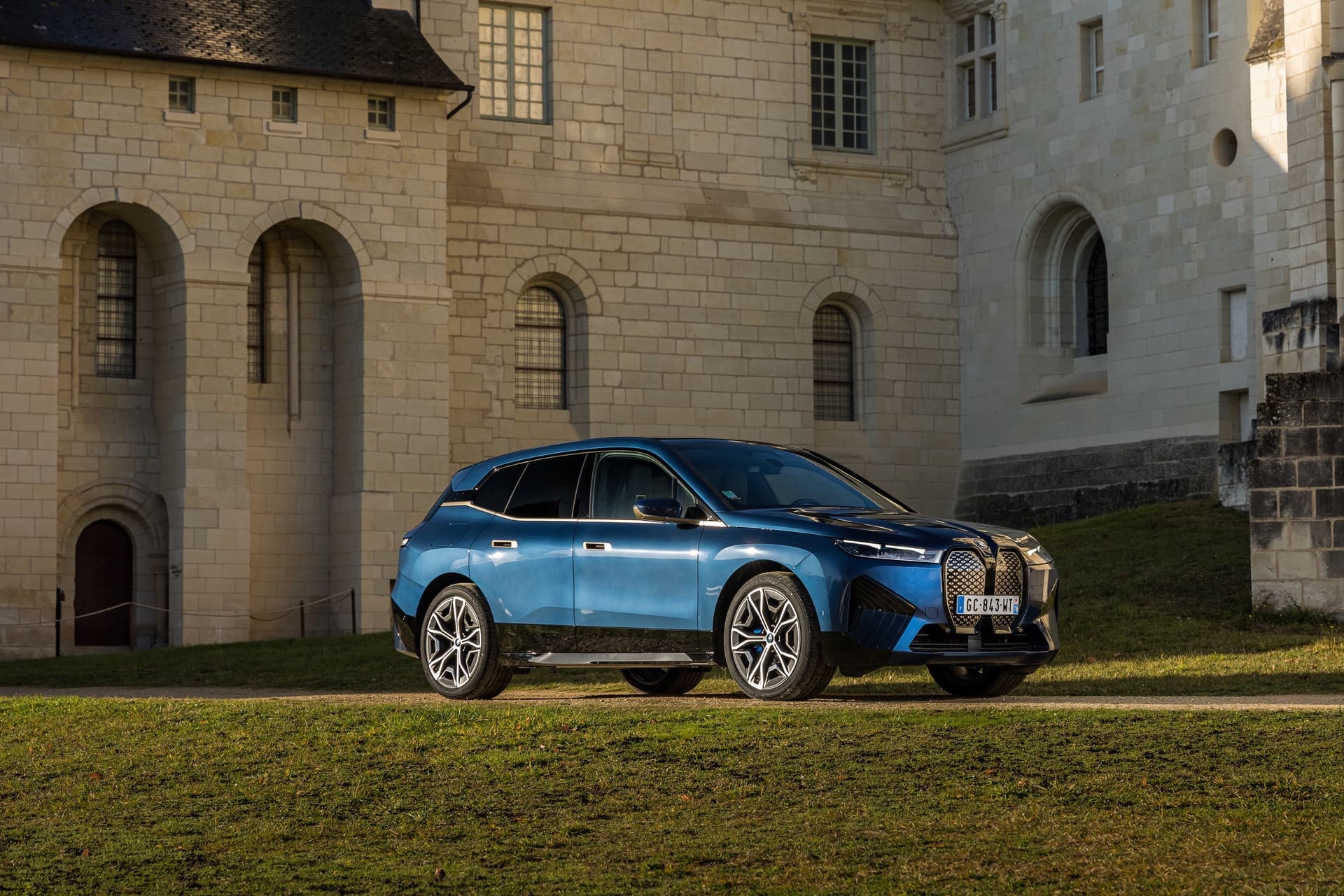
8. Electric / Sonic Blue
Solar Heat Absorption: ~50% to 55%
Best Car Example: BMW iX (xDrive50) in Phytonic Blue Metallic
Blue metallic finishes deserve attention from drivers who regularly face freezing weather because they combine strong visibility with practical everyday benefits. Electric Blue and Sonic Blue, in particular, stand out clearly against dirty snow, slush, and cloudy skies without absorbing as much heat as darker shades.
Their rich appearance also remains attractive during long periods of dull winter weather, when many paint colours can appear flat or lifeless. Winter driving often brings poor visibility, making paint colour more than just a styling decision. A vibrant blue finish is easier for other motorists to notice on roads surrounded by snow and ice, giving everyone a better chance to react safely.
This advantage becomes even more valuable for electric vehicle owners, who already have enough to think about during cold weather. Low temperatures can reduce driving range, so any feature that helps make daily travel safer deserves careful consideration.
The BMW iX xDrive50 finished in Phytonic Blue Metallic is a good example of how a carefully selected paint colour can complement a capable vehicle. Its all-wheel-drive system provides dependable traction on slippery roads, while the bright blue exterior remains easy to spot against winter’s white and gray surroundings.
Drivers who spend months dealing with snow-covered streets, freezing temperatures, and poor daylight conditions can benefit from this combination of confident handling and improved visibility. Along with its electric powertrain, the vehicle offers a reassuring driving experience for people who depend on reliable transportation throughout the coldest months of the year.
