
A vehicle’s color is usually treated as a personal choice. Buyers choose black because it looks premium, white because it feels clean, gray because it hides dirt, and red because it adds personality. Yet when trade-in time arrives, color can become a financial factor.
Not every shade affects a vehicle’s value equally. Some colors are easy for dealers to resell because they appeal to the broadest possible group of used-car shoppers.
Others create a narrower market, sit longer on dealer lots, and can force retailers to discount the vehicle before it finds a buyer. That risk is often reflected in the trade-in offer.
The surprise is that the colors most likely to cost owners money are not always the rare or unusual ones. Recent market data suggests that several of America’s most common colors can lose more value than brighter alternatives.
Gold, white, and black were the three weakest colors in iSeeCars’ latest depreciation study, while yellow, orange, and green retained value more effectively over three years.
That does not mean every yellow car will command more money than every black car. Vehicle type, mileage, condition, location, trim level, accident history, and local demand still matter far more. But color can influence the final number, especially when two otherwise identical vehicles compete for the same buyer.
Also Read: 10 Cars Faster Than a Lamborghini for Under $50,000
Gold Can Be the Most Expensive Color Mistake
Gold has become one of the weakest colors for resale and trade-in value in the current market.
According to iSeeCars, gold vehicles lost an average of 34.4% of their value after three years, compared with the market average of 31%. In dollar terms, the study found an average loss of $16,679 for gold vehicles, making it the worst-performing color among the shades analyzed.
The problem is not that gold is unattractive. It is that it has limited appeal in the used-car market.
Gold was especially popular during earlier automotive eras, particularly on sedans and luxury vehicles. Today’s buyers are more likely to gravitate toward gray, black, white, blue, or a more contemporary metallic finish. A gold vehicle can look dated even when the model itself remains modern.
That perception matters at trade-in. A dealer accepting a gold vehicle has to consider how quickly it can be resold. If the store expects fewer shoppers to be interested, it may offer less money upfront to protect itself against longer holding time, reconditioning costs, and potential future discounts.
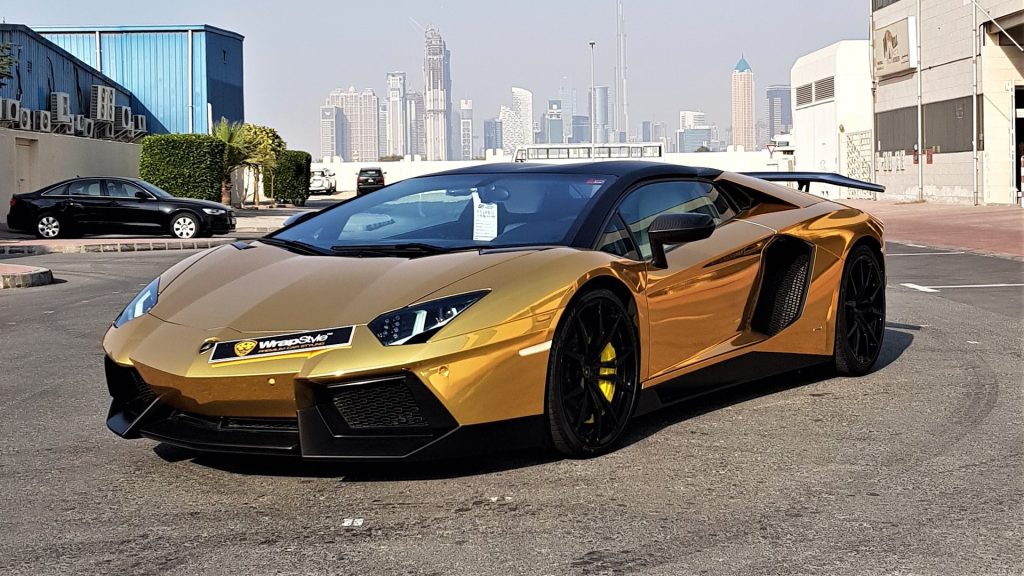
Gold can work on a few specialty models, but it is rarely the safest choice for a mainstream sedan, crossover, or family SUV. Buyers who want the strongest trade-in position should think carefully before choosing it.
White Is Popular, But Supply Can Work Against It
White has long been one of the most common vehicle colors in America. It looks clean, reflects heat better than darker finishes, and works on nearly every type of vehicle, from compact cars to luxury SUVs and work trucks.
However, popularity does not always equal a stronger trade-in value. The iSeeCars study found that white vehicles lost 32.1% of their value over three years, slightly worse than black and above the average depreciation rate for all colors. The average dollar loss for white vehicles was $15,557.
The main reason is supply. White vehicles are everywhere. Kelley Blue Book reported that white accounted for 28% of the American vehicle market in 2025, making it the region’s most common color.
When a dealer takes in another white compact SUV or white midsize sedan, it may be adding one more nearly identical vehicle to a crowded used-car inventory.
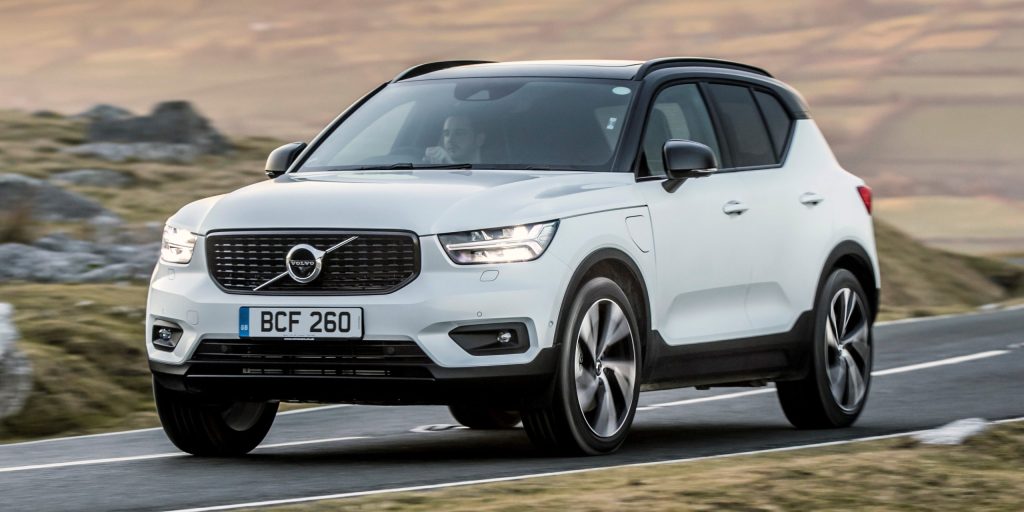
A dealer does not necessarily dislike white. In many segments, it remains easy to sell. But there is little scarcity premium attached to it.
If a buyer can choose from dozens of white examples online, a retailer may need to price the vehicle aggressively. That can reduce the amount it is willing to pay at trade-in.
White still makes sense for commercial vehicles, fleet vehicles, luxury SUVs, and hot-selling models. But on a common mainstream vehicle, it may not deliver the resale advantage buyers assume.
Black Looks Expensive but Can Cost More Later
Black remains one of the most desirable colors on luxury vehicles. It can make a sedan look formal, a performance car look aggressive, and a large SUV look more expensive than it actually is.
It also creates one of the most demanding ownership experiences. Black paint reveals dust, pollen, water spots, swirl marks, scratches, and minor body imperfections more easily than lighter colors. Kelley Blue Book notes that black surfaces can look excellent immediately after washing but show dirt and surface flaws quickly.
That matters at trade-in because appearance is part of a dealer’s appraisal process. A black vehicle with visible wash scratches, faded trim, paint chips, or dull panels may require more detailing and paint correction before it can be displayed for sale.
Even if the vehicle is mechanically sound, the dealer may subtract expected reconditioning costs from its offer.
iSeeCars found that black vehicles lost 31.9% of their value after three years, with an average dollar loss of $15,381.
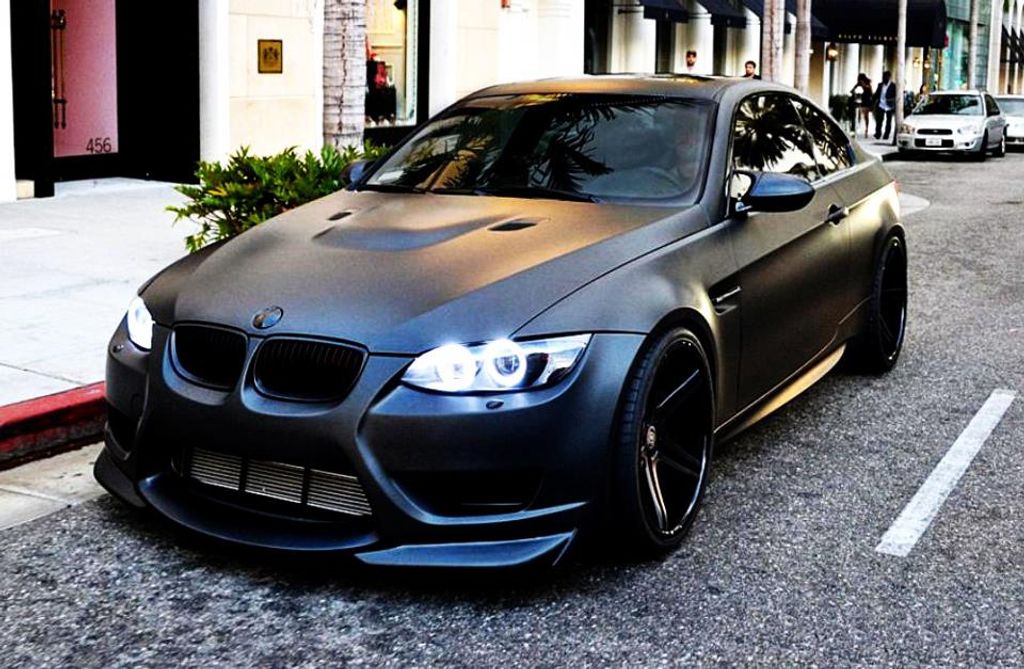
Black is not automatically a bad color choice. On premium vehicles, sports cars, and full-size SUVs, it can remain highly desirable. But buyers should understand that black requires more paint care if they want it to look strong when trade-in day arrives.
Bright Blue Can Narrow the Buyer Pool
Blue is not among the worst colors in broad depreciation data, but certain shades can still create trade-in problems.
Dark navy blue is usually easy to sell. Medium metallic blue can work well on crossovers and trucks. The issue arises with bright, unusual, or highly specific blue shades that only appeal to a limited group of buyers.
A dealer may love a vivid blue sports coupe because it suits the vehicle’s personality. The same color on a midsize family sedan or three-row SUV may be harder to move.
Trade-in pricing is based on risk. If the dealer believes a color will limit its audience, it may reduce the offer even if the vehicle is otherwise clean and well-equipped.
Kelley Blue Book also notes that blue paint can reveal water spots, scratches, and swirl marks more readily than some lighter finishes.
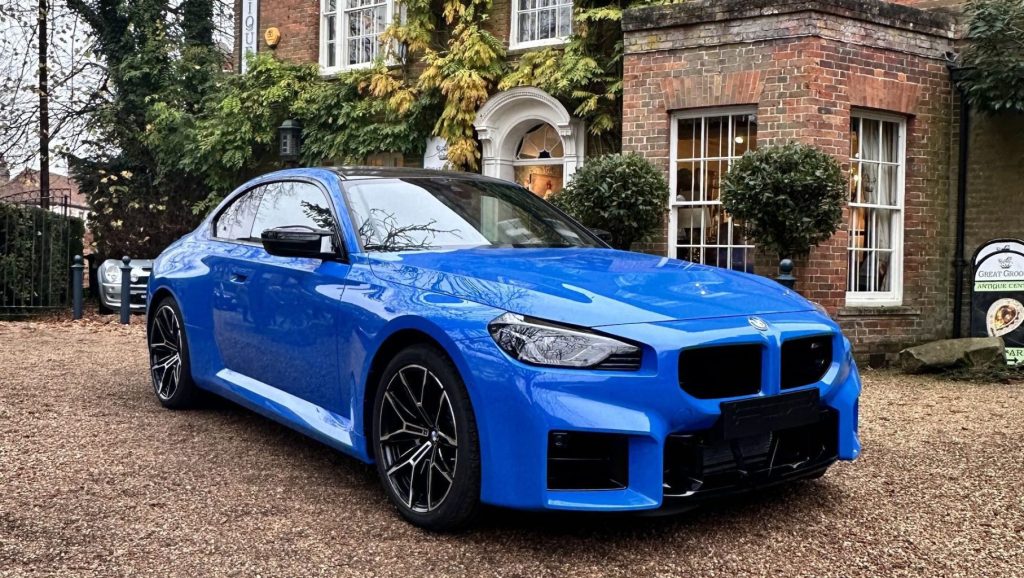
That means blue can create two separate challenges: a smaller resale audience for unusual shades and more visible cosmetic wear if the paint has not been maintained carefully.
For buyers who love blue, the safest approach is usually to choose a conventional shade that suits the vehicle category. A deep blue luxury sedan or metallic blue pickup can remain appealing. An extremely bright blue family crossover may be harder to trade later.
Purple and Other Niche Colors Can Become Dealer Risk
Purple, bright lime green, vivid turquoise, and other unusual factory colors can make a vehicle stand out. That is often exactly why buyers choose them.
But standing out can be a disadvantage in the used market. A dealer wants inventory that appeals to the largest number of shoppers. A niche color reduces that pool. It may attract one buyer who loves it, but it may also turn away ten buyers who would have considered the same vehicle in gray, silver, white, or black.
This does not mean rare colors are always bad investments. On collectible vehicles, limited-production performance models, and enthusiast-focused cars, an unusual factory shade can become desirable and even add value. A bright orange muscle car or a heritage green sports car may be more valuable than a plain black version.
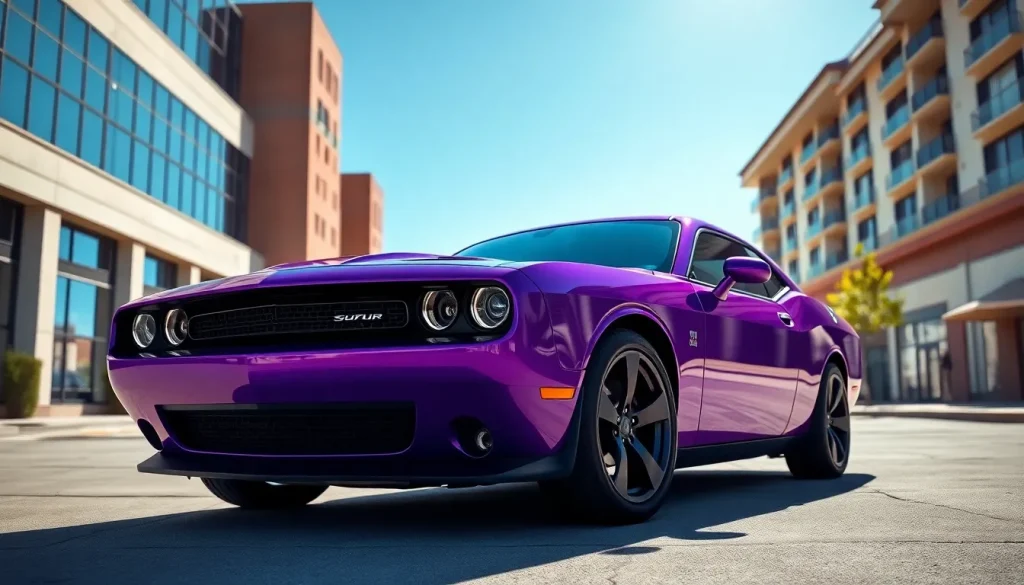
The key is context. A rare color works best when it matches a vehicle’s identity. It is much riskier on a practical daily driver where buyers prioritize easy resale, conservative styling, and broad availability.
For mainstream trade-ins, dealers usually prefer colors that make the next sale simple.
Why Bright Colors Can Sometimes Hold Value Better
The most surprising finding from recent data is that yellow, orange, and green were the strongest colors for three-year value retention.
iSeeCars found that yellow vehicles depreciated 24%, orange vehicles depreciated 24.4%, and green vehicles depreciated 26.3%. Each performed better than the 31% market average.
The explanation is not that every buyer suddenly wants a yellow commuter car.
Scarcity plays a major role. Bright colors are produced in lower numbers. When they are offered on vehicles where buyers expect personality, such as coupes, convertibles, sports cars, off-road SUVs, and certain trucks, a limited supply can support demand.
A buyer looking specifically for a yellow sports car may have fewer choices, which can strengthen resale value.
The result is a useful lesson for shoppers: common does not always mean valuable, and unusual does not always mean risky. Color must fit the vehicle.
Orange may be excellent for a performance coupe but poor for a luxury sedan. Green may work well on an off-road SUV, but be harder to sell on a minivan. The strongest trade-in color is not universal. It depends on the type of vehicle and the audience most likely to buy it used.
What Matters More Than Paint Color
Color can affect trade-in value, but it should never be treated as the biggest factor. Kelley Blue Book notes that depreciation is shaped by supply, demand, projected market conditions, and consumer interest.
The average 2025 model-year vehicle is projected to retain about 45% of its original value after five years, showing how much broader depreciation matters compared with paint choice alone.
A popular, reliable SUV in gold will usually be worth more than an unpopular, poorly maintained SUV in gray. A vehicle with clean service records, low mileage, good tires, no accident history, and a desirable trim level will usually earn a better offer regardless of color.
Still, color can become the difference between a strong trade-in and a merely acceptable one when every other factor is equal.
The safest strategy is simple. Choose a color you genuinely enjoy, but consider how well it fits the vehicle. Avoid assuming white, black, or grey automatically guarantees the best resale value. Keep the paint in excellent condition, and remember that the right color for a sports car may be the wrong color for a family vehicle.
At trade-in, dealers are not only buying your car. They are buying the ease of selling it to the next owner.
Also Read: 10 Most Reliable Trucks Of The Last Decade & RANKED
