
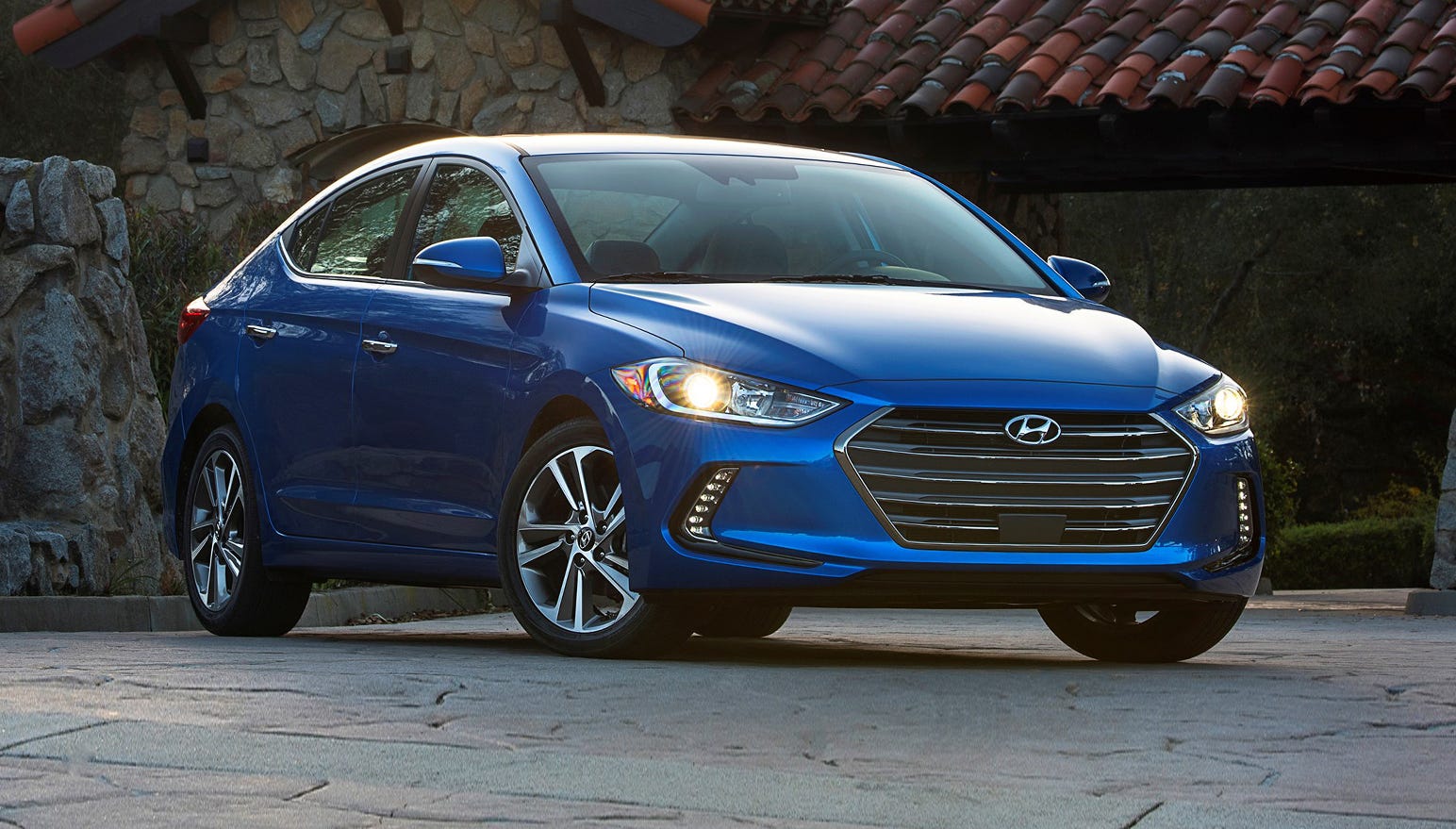
Many buyers assume that choosing a larger SUV automatically provides better crash protection than purchasing a smaller car. While vehicle size and weight can influence certain real-world crash outcomes, modern safety engineering has changed the way automobiles protect their occupants.
Advances in high-strength steel construction, sophisticated crumple zones, intelligent restraint systems, and comprehensive driver assistance technology have enabled many compact cars to achieve exceptional crash test results that rival or even exceed those of significantly larger sport utility vehicles.
Organizations such as the Insurance Institute for Highway Safety (IIHS) and the National Highway Traffic Safety Administration (NHTSA) evaluate vehicles using demanding crash tests that measure occupant protection, structural integrity, crash avoidance technology, and pedestrian safety.
Their latest testing procedures have become increasingly difficult, placing greater emphasis on rear-seat occupant protection and advanced collision prevention systems. As a result, earning top safety awards now requires far more than simply building a large vehicle with substantial mass.
The eight small cars featured in this article demonstrate how intelligent engineering can outperform size alone. Each has earned outstanding crash ratings that compare favorably with, and in many cases surpass, numerous larger SUVs that failed to achieve equivalent safety recognition.
These vehicles prove that buyers no longer need to choose the biggest automobile on the road to receive exceptional occupant protection, making them excellent choices for drivers who value safety alongside efficiency, affordability, and everyday practicality.
Also Read: 8 Car Features Automakers Now Lock Behind a Monthly Subscription
1. Honda Civic
The Honda Civic has earned a reputation for delivering impressive safety performance despite its compact dimensions.
While many buyers naturally assume that larger SUVs provide superior protection, the Civic has repeatedly demonstrated through IIHS and NHTSA testing that intelligent engineering can produce outstanding crash performance without relying on vehicle size alone.
Its excellent ratings place it ahead of numerous larger sport utility vehicles that have fallen short of the highest safety awards.
A major reason for the Civic’s success is Honda’s Advanced Compatibility Engineering body structure. This carefully designed framework distributes crash forces through multiple structural pathways, reducing the amount of energy reaching the passenger compartment.
During frontal, side, and offset impacts, the reinforced cabin maintains occupant survival space while the surrounding crumple zones absorb much of the collision energy.
Safety extends well beyond the body structure. Every Civic comes equipped with Honda Sensing, a comprehensive suite of driver assistance technologies including Collision Mitigation Braking System, Lane Keeping Assist, Adaptive Cruise Control, Road Departure Mitigation, and Traffic Sign Recognition.
These systems actively work to prevent collisions before they occur rather than focusing solely on occupant protection after impact.
Inside the cabin, multiple airbags, pretensioning seat belts, and carefully engineered seating positions further improve crash performance. Excellent visibility and predictable handling characteristics also help drivers avoid emergencies through confident vehicle control.
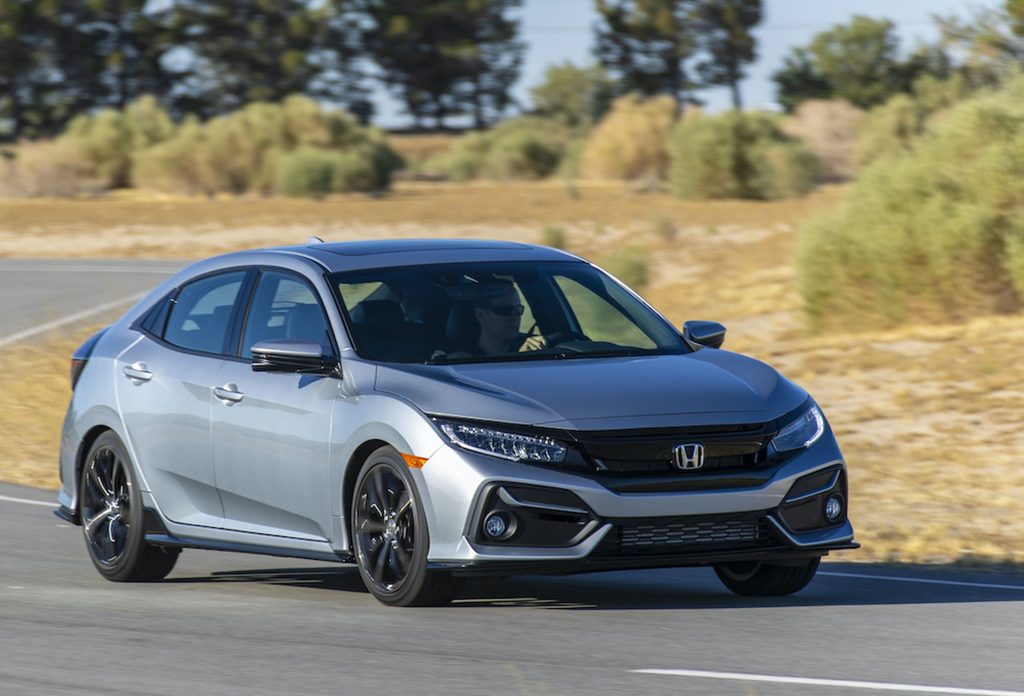
The Civic demonstrates that a compact sedan does not need excessive size to provide first-class protection.
By combining advanced structural engineering with sophisticated crash avoidance technology, Honda has created a vehicle capable of matching or outperforming many substantially larger SUVs in standardized crash evaluations, proving that thoughtful design often matters more than physical dimensions.
Specifications
- Engine: 2.0-liter Naturally Aspirated Inline-4
- Torque: 133 lb-ft
- Horsepower: 150 hp
- Length/Width: 184.0 inches / 70.9 inches
2. Mazda3
Few compact cars demonstrate the importance of precision engineering as effectively as the Mazda3. Although considerably smaller than most midsize and full-size SUVs, it consistently earns outstanding crash test results through a carefully engineered structure and an extensive list of standard safety technologies.
Its performance illustrates that intelligent vehicle design can deliver occupant protection comparable to, and sometimes exceeding, that of much larger automobiles.
Mazda developed the Mazda3 using its Skyactiv-Vehicle Architecture, emphasizing controlled energy absorption and passenger compartment integrity.
During a collision, specially engineered structural members channel impact forces away from occupants while preserving the integrity of the cabin. High-strength steel is used extensively throughout the body, increasing rigidity without adding unnecessary weight.
The Mazda3 also includes the i-Activsense safety suite as standard equipment. Features such as Smart Brake Support, Lane Departure Warning, Lane Keep Assist, Driver Attention Alert, and Radar Cruise Control continuously monitor surrounding traffic.
Instead of reacting only after a collision occurs, these technologies help drivers recognize hazards early enough to avoid many accidents altogether.
Handling characteristics further strengthen the Mazda3’s safety credentials. Responsive steering, balanced suspension tuning, and excellent body control allow drivers to perform emergency avoidance maneuvers with confidence.
Combined with strong braking performance, these qualities reduce the likelihood of losing control during unexpected situations.
Multiple airbags, electronic stability control, anti-lock braking, and advanced seat belt systems complete the safety package, working together to protect occupants during severe impacts.
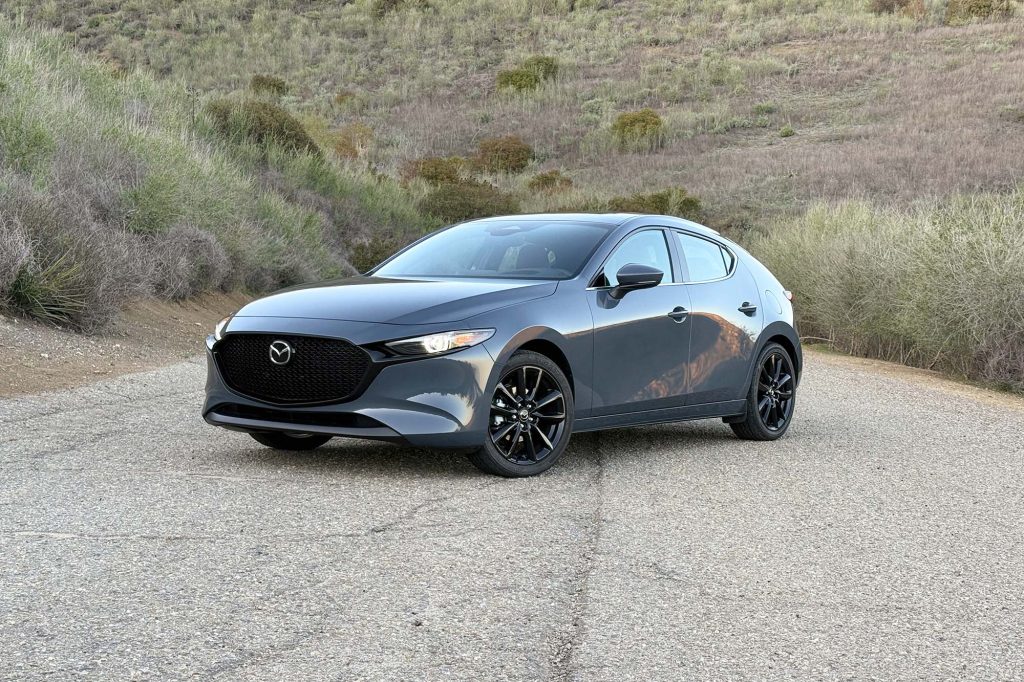
The Mazda3 proves that exceptional crash protection is not reserved exclusively for larger vehicles. Through careful engineering, premium construction techniques, and comprehensive driver assistance technology, it has established itself as one of the safest compact cars available today.
Specifications
- Engine: 2.5-liter Naturally Aspirated Inline-4
- Torque: 186 lb-ft
- Horsepower: 191 hp
- Length/Width: 183.5 inches / 70.7 inches
3. Toyota Prius
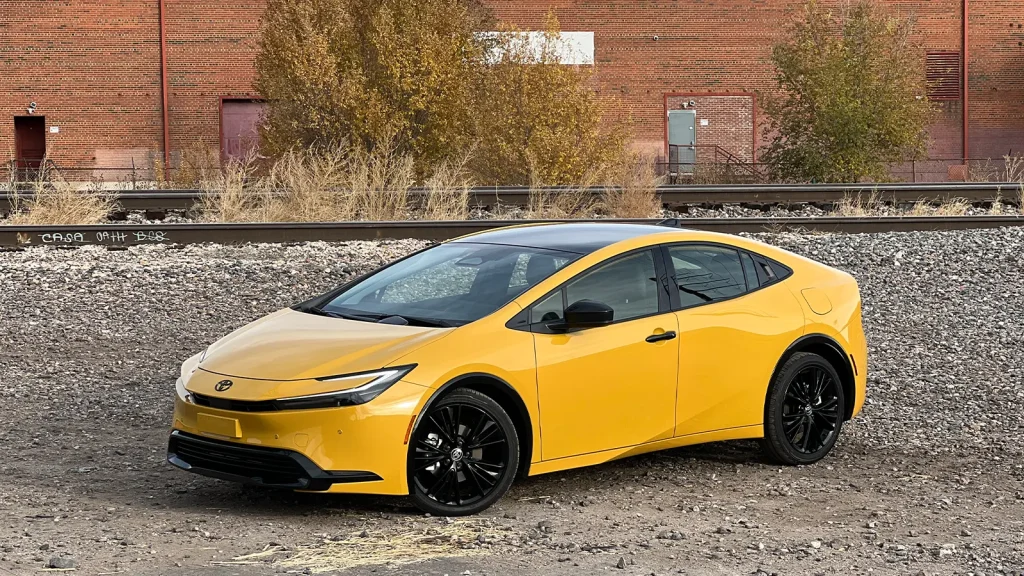
The Toyota Prius has undergone a dramatic transformation in recent years, evolving from a fuel-efficient hybrid into one of the safest compact cars available.
Its sleek profile may suggest efficiency takes priority over protection, yet the latest generation has achieved exceptional crash test performance through extensive structural improvements and a comprehensive suite of standard safety technologies.
In several evaluations, it has matched or exceeded the scores earned by larger SUVs that failed to meet the highest safety standards.
Toyota built the Prius on the TNGA-C platform, which incorporates extensive use of high-strength steel to create a rigid passenger compartment.
Carefully engineered front and rear crumple zones absorb collision energy before it reaches occupants, while reinforced side structures improve protection during side impacts. This balanced approach allows the vehicle to maintain structural integrity without excessive weight.
Standard Toyota Safety Sense further strengthens the Prius’ credentials. The package includes a Pre-Collision System with Pedestrian Detection, Lane Departure Alert, Lane Tracing Assist, Dynamic Radar Cruise Control, Road Sign Assist, and Automatic High Beams.
Working together, these systems help drivers recognize hazards early and reduce the likelihood of accidents before they occur.
The hybrid hatchback also benefits from a low center of gravity created by its battery placement. This contributes to stable handling during emergency avoidance maneuvers, reducing body roll and improving driver confidence in difficult situations.
Multiple airbags, electronic stability control, advanced seat belt pretensioners, and carefully engineered seating positions complete the safety package. These passive systems complement the active driver assistance technologies to create comprehensive occupant protection.
The modern Prius demonstrates that advanced engineering can allow a compact hybrid to compete directly with much larger vehicles in crash testing, making it one of the strongest examples of intelligent safety design in today’s automotive market.
Specifications
- Engine: 2.0-liter Hybrid Inline-4
- Torque: 139 lb-ft
- Horsepower: 194 hp
- Length/Width: 181.1 inches / 70.2 inches
4. Hyundai Elantra
Compact sedans are often overlooked when shoppers focus on family safety, yet the Hyundai Elantra continues to prove that intelligent engineering can rival much larger vehicles in crash evaluations.
Through continuous improvements to both structural design and driver assistance technology, the Elantra has established itself as one of the safest vehicles in its class while outperforming numerous SUVs that have earned lower crash ratings.
The passenger compartment is built using a high percentage of advanced high-strength steel, allowing engineers to create a rigid safety cage that resists deformation during severe impacts.
Surrounding crumple zones are carefully tuned to absorb collision energy before it reaches occupants, reducing the forces transmitted into the cabin.
Every Elantra also benefits from Hyundai SmartSense as standard equipment. Forward Collision Avoidance Assist, Lane Keeping Assist, Lane Following Assist, Driver Attention Warning, High Beam Assist, and Rear Occupant Alert all contribute to accident prevention.
Instead of relying solely on structural protection, the vehicle actively assists the driver in avoiding hazardous situations before they develop into collisions.
Another advantage comes from the sedan’s balanced chassis. Predictable steering response, controlled body motions, and effective braking help drivers perform emergency maneuvers with greater confidence than many heavier vehicles. Stability control and traction control provide additional support when road conditions become challenging.
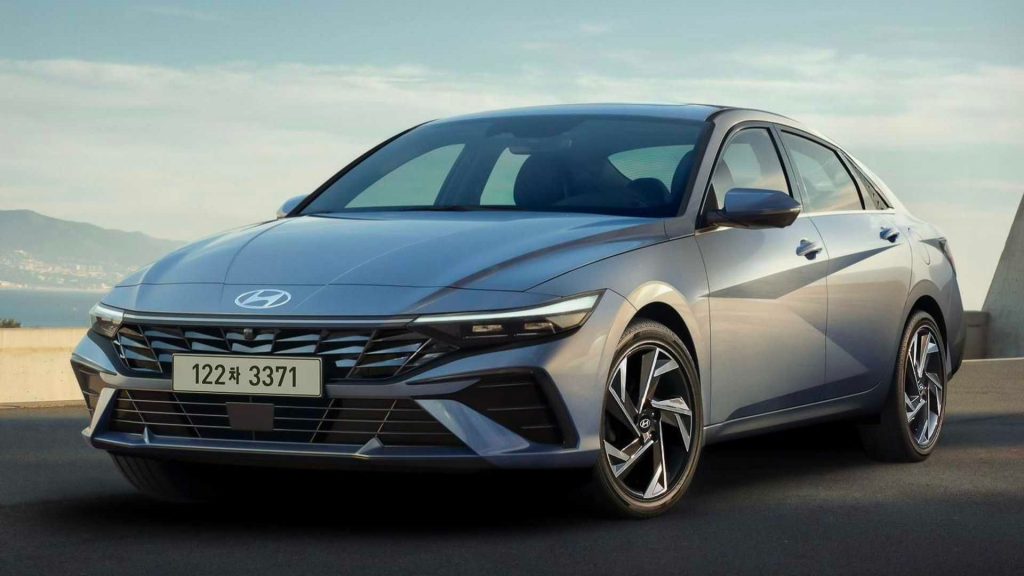
Occupant protection is enhanced by an integrated network of safety features within the cabin. Strategically placed airbags, advanced restraint systems, and reinforced seating structures are engineered to work together, providing effective protection across a wide range of crash scenarios rather than operating as separate components.
The Hyundai Elantra demonstrates that modern compact sedans can deliver exceptional crash protection without requiring the size or weight of a traditional SUV, reinforcing the importance of engineering quality over vehicle dimensions.
Specifications
- Engine: 2.0-liter Naturally Aspirated Inline-4
- Torque: 132 lb-ft
- Horsepower: 147 hp
- Length/Width: 184.1 inches / 71.9 inches
5. Subaru Impreza
The Subaru Impreza has built its reputation around dependable all-weather capability, but one of its greatest strengths lies in its outstanding crash protection.
Despite being significantly smaller than many midsize and full-size SUVs, the Impreza consistently earns excellent safety ratings through a combination of advanced structural engineering and standard driver assistance technology.
Its performance demonstrates that intelligent design can often outweigh sheer vehicle size in standardized crash evaluations.
Subaru constructs the Impreza using the Subaru Global Platform, a chassis engineered with extensive high-strength steel and enhanced structural rigidity.
During frontal, side, and offset impacts, the platform distributes crash forces efficiently while preserving occupant survival space. This carefully engineered framework also contributes to predictable handling and improved stability during emergency avoidance maneuvers.
Every Impreza equipped with the continuously variable transmission includes Subaru EyeSight Driver Assist Technology as standard.
Stereo cameras mounted near the windshield continuously monitor traffic conditions and support systems such as pre-collision braking, adaptive cruise control, lane keep assist, lane departure warning, and lead vehicle start alert. These technologies help reduce the likelihood of collisions by assisting the driver before an accident develops.
Symmetrical all-wheel drive further enhances safety in everyday driving. By distributing power evenly to all four wheels, the system improves traction on wet, snowy, or icy roads, giving drivers greater confidence when weather conditions deteriorate. Better grip can make a meaningful difference during sudden steering or braking maneuvers.
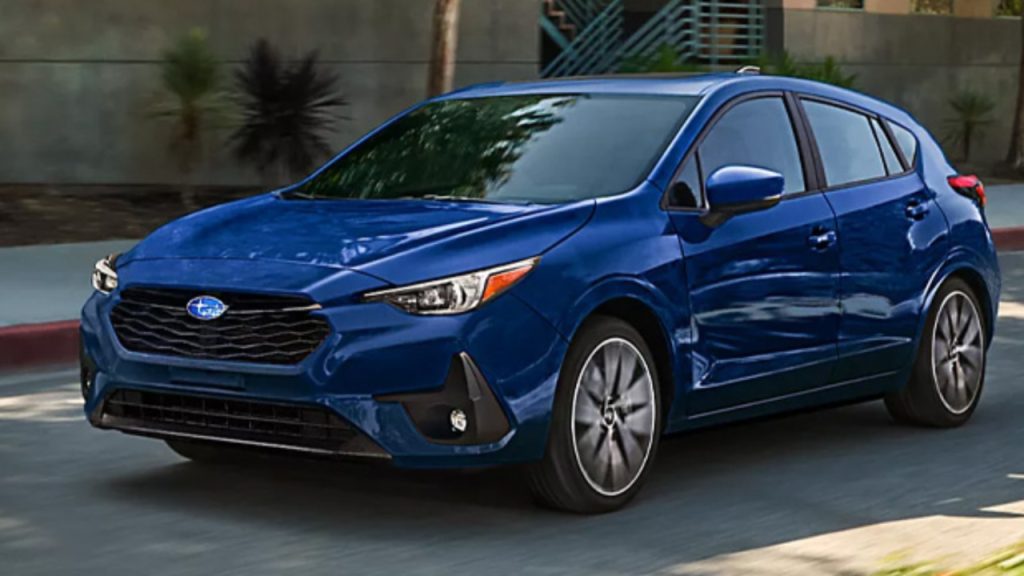
The cabin is equipped with multiple safety features designed to enhance occupant protection, including multiple airbags, reinforced seat structures, advanced seat belt pretensioners, and electronic stability control. Together, these systems help reduce the risk of injury by providing support and stability in a variety of driving conditions.
Combined with the vehicle’s rigid body structure, these features allow the Impreza to achieve crash performance that rivals many considerably larger SUVs.
Specifications
- Engine: 2.0-liter Naturally Aspirated Boxer-4
- Torque: 145 lb-ft
- Horsepower: 152 hp
- Length/Width: 176.2 inches / 70.1 inches
6. Acura Integra
Luxury compact cars often emphasize refinement and performance, but the Acura Integra also places considerable focus on occupant protection.
Sharing much of its engineering foundation with the Honda Civic while incorporating Acura’s premium refinements, the Integra has earned outstanding crash ratings despite its relatively compact dimensions. It serves as another example that exceptional safety does not require a large SUV footprint.
The Integra benefits from Honda’s Advanced Compatibility Engineering body structure, which channels crash energy through multiple structural pathways during an impact.
This approach minimizes intrusion into the passenger compartment while helping preserve survival space for occupants seated in both rows. Extensive use of high-strength steel further strengthens the vehicle without unnecessary weight increases.
Standard AcuraWatch provides an impressive collection of advanced safety technologies. The Collision Mitigation Braking System, Adaptive Cruise Control, Lane Keeping Assist, Road Departure Mitigation, Forward Collision Warning, and Traffic Sign Recognition continuously monitor surrounding traffic and assist the driver whenever hazards are detected.
These systems work quietly in the background, reducing the likelihood of accidents before they occur.
The Integra also benefits from responsive steering, excellent chassis balance, and predictable braking characteristics. These qualities allow drivers to perform emergency avoidance maneuvers with greater confidence while maintaining vehicle stability under difficult conditions.
Passive safety remains equally important. Multiple airbags, advanced restraint systems, reinforced seating structures, and electronic stability control complement the vehicle’s structural engineering to provide comprehensive occupant protection.
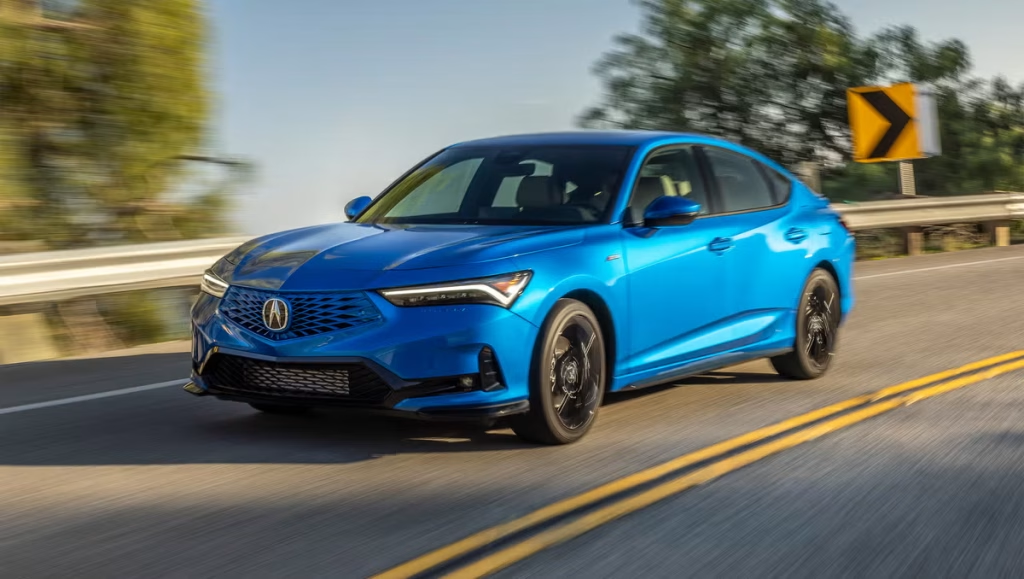
Although smaller than most family SUVs, the Acura Integra demonstrates that careful engineering, advanced electronics, and intelligent structural design can deliver crash performance that competes with much larger vehicles while preserving the agility and efficiency expected from a premium compact hatchback.
Specifications
- Engine: 1.5-liter Turbocharged Inline-4
- Torque: 192 lb-ft
- Horsepower: 200 hp
- Length/Width: 185.8 inches / 72.0 inches
7. Kia K4
Replacing the Forte, the Kia K4 enters the compact sedan segment with a stronger emphasis on occupant protection, structural integrity, and advanced driver assistance technology.
Although it occupies far less road space than many crossover SUVs, the K4 incorporates safety engineering that enables it to compete with much larger vehicles in crash performance.
Its modern platform, reinforced passenger cell, and generous list of standard safety equipment demonstrate how today’s compact cars are closing the gap with larger family vehicles.
A significant contributor to the K4’s safety is its extensive use of advanced high-strength steel throughout the body structure. Engineers designed multiple load paths that direct crash energy away from the passenger compartment during frontal and side impacts.
Carefully calibrated crumple zones absorb much of the collision force before it reaches occupants, helping preserve cabin integrity during severe crashes.
Standard driver assistance features further strengthen the K4’s safety credentials. Forward Collision Avoidance Assist monitors the road ahead for vehicles, pedestrians, and cyclists while preparing to intervene if a collision appears imminent.
Lane Keeping Assist and Lane Following Assist help maintain proper lane position, while Driver Attention Warning monitors steering behavior for signs of fatigue or distraction.
The sedan also benefits from balanced chassis tuning and predictable steering response. Combined with electronic stability control and anti-lock braking, these characteristics help drivers retain control during emergency avoidance maneuvers. Better handling can often prevent accidents before passive safety systems are required.
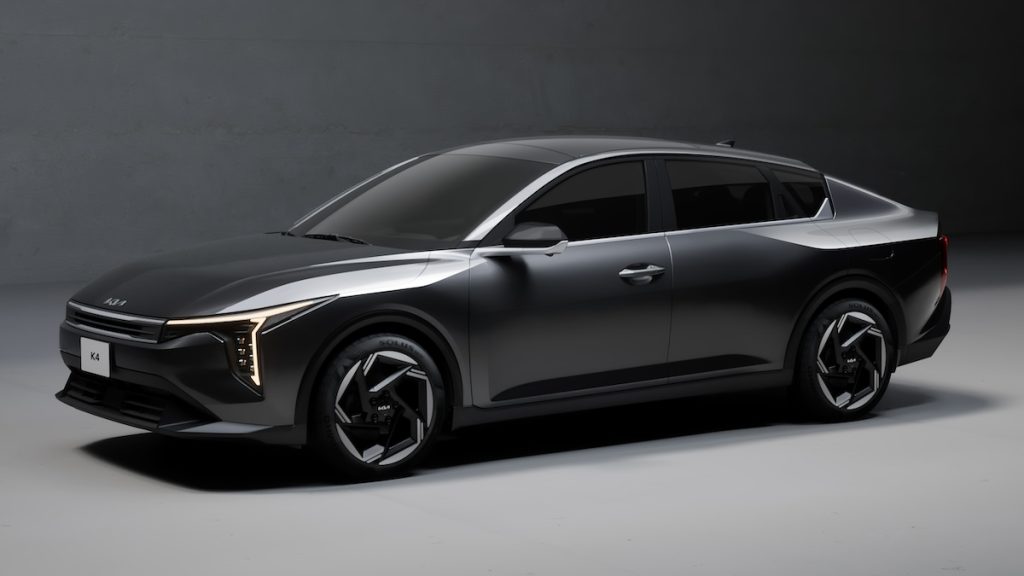
The cabin incorporates strategically positioned airbags, reinforced seating structures, and advanced restraint systems to enhance occupant safety. These features operate as an integrated safety setup that helps improve protection across a broad range of crash situations rather than depending on one primary layer of defense.
The Kia K4 demonstrates that a modern compact sedan can deliver protection that rivals many larger SUVs, proving once again that engineering sophistication often matters more than vehicle size alone.
Specifications
- Engine: 2.0-liter Naturally Aspirated Inline-4
- Torque: 132 lb-ft
- Horsepower: 147 hp
- Length/Width: 185.4 inches / 72.8 inches
8. Toyota Corolla
For decades, the Toyota Corolla has been known primarily for reliability and efficiency, but modern generations have added another defining characteristic: exceptional safety.
Despite being one of the smallest passenger cars on the road, the Corolla consistently performs well in demanding crash evaluations thanks to advanced structural engineering and one of the industry’s most comprehensive standard safety packages. Its results often compare favorably with those achieved by considerably larger SUVs.
The Corolla rides on Toyota’s TNGA-C platform, which incorporates extensive high-strength steel to create a rigid passenger safety cell.
During frontal, side, and offset impacts, the platform efficiently distributes collision forces throughout the structure while minimizing intrusion into the cabin. This careful engineering helps maintain occupant survival space during severe crashes.
Every Corolla includes Toyota Safety Sense as standard equipment. The package features a Pre-Collision System with Pedestrian Detection, Lane Departure Alert, Lane Tracing Assist, Dynamic Radar Cruise Control, Road Sign Assist, and Automatic High Beams.
These technologies continuously monitor traffic conditions and provide warnings or intervention when necessary, helping drivers avoid accidents before they occur.
The Corolla’s responsive steering, predictable braking, and composed handling also contribute to accident avoidance. Drivers can perform sudden lane changes or emergency stops with confidence because the vehicle remains stable and easy to control.
Electronic stability control and traction management further enhance security on slippery roads.
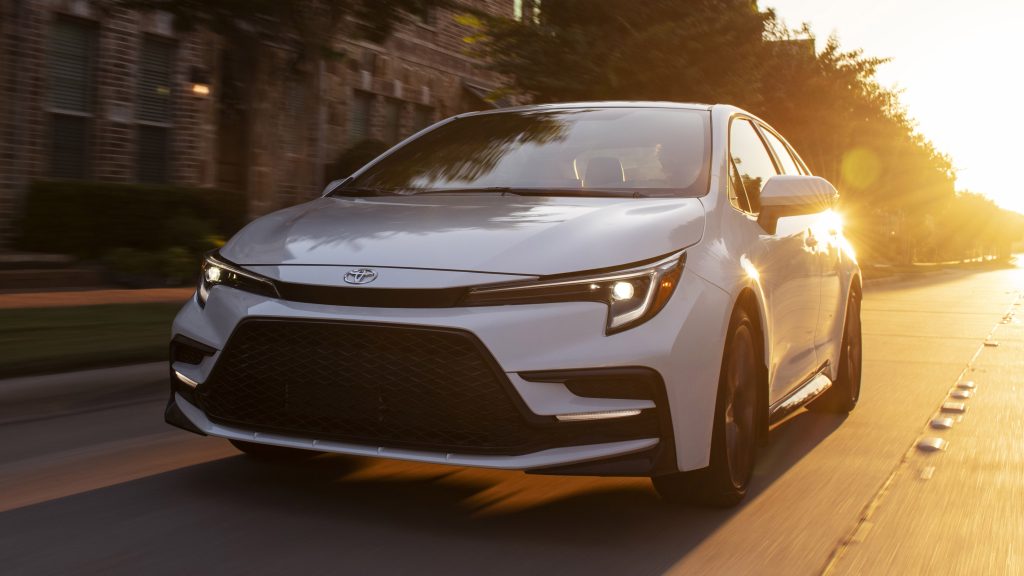
Multiple airbags, advanced seat belt pretensioners, and carefully engineered restraint systems complete the safety package, working together with the reinforced body structure to protect occupants during collisions.
The Toyota Corolla proves that compact dimensions do not prevent outstanding crash performance. Through intelligent engineering and comprehensive driver assistance technology, it stands alongside many larger vehicles as one of the safest choices available for everyday transportation.
Specifications
- Engine: 2.0-liter Naturally Aspirated Inline-4
- Torque: 151 lb-ft
- Horsepower: 169 hp
- Length/Width: 182.5 inches / 70.1 inches
Also Read: 8 Cheapest BMW Cars Ever Made – Ranked
