
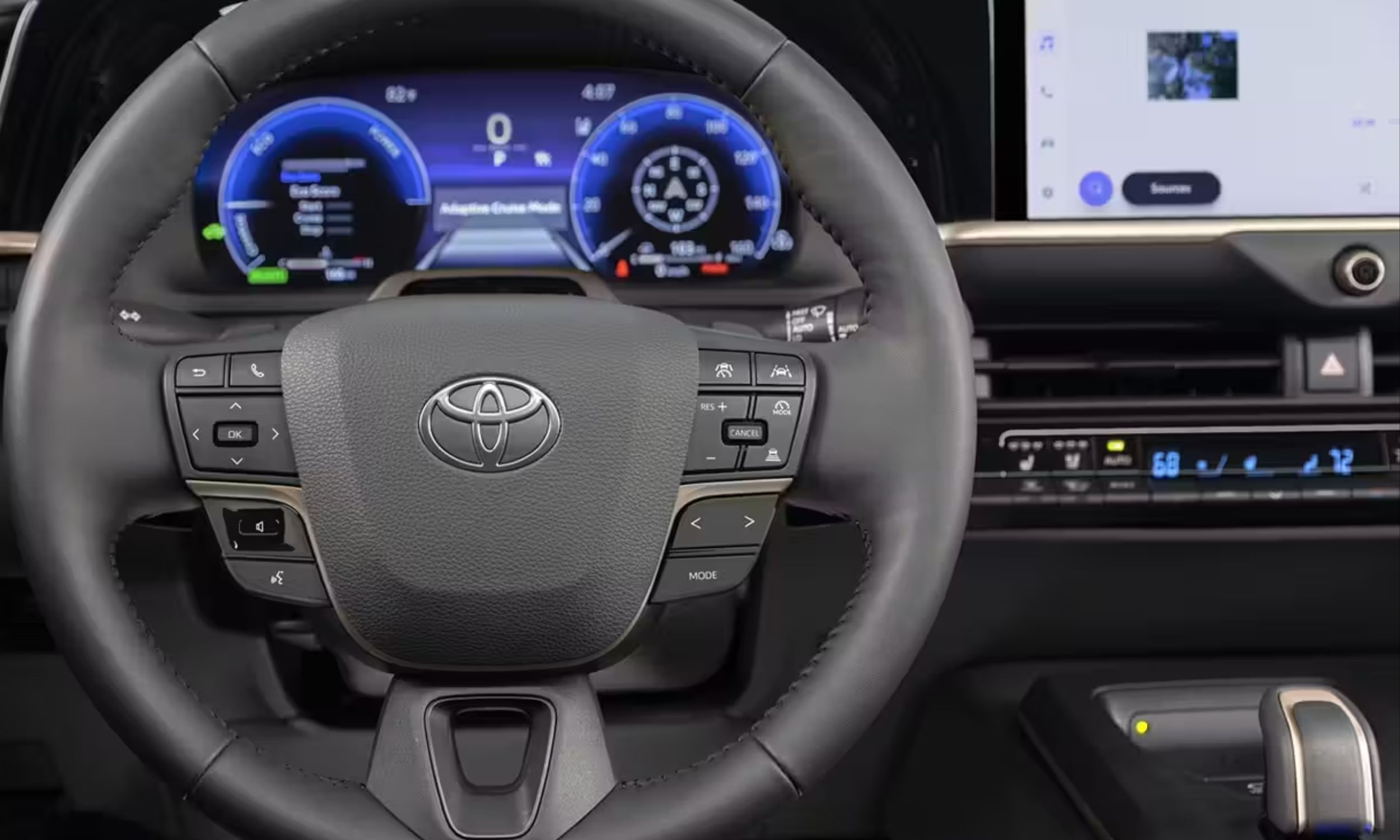
Buying a new vehicle no longer ends when you drive it off the lot. Many modern cars continue adding services, updates, and digital tools long after delivery. As a result, more automakers are offering certain features through monthly or annual subscriptions instead of including everything in the purchase price.
This approach has sparked plenty of discussion because some drivers enjoy the flexibility, while others prefer paying once and owning every function permanently. The idea comes from the growing role of software in today’s vehicles. Many advanced systems rely on cloud computing, mobile networks, remote servers, and regular software updates to keep working properly.
Instead of treating these services as one-time purchases, manufacturers increasingly view them as ongoing products that require continuous support. Automakers also see subscriptions as a way to lower the upfront price of expensive technology while creating a steady source of income after the vehicle is sold.
At the same time, customer feedback has influenced which features qualify for recurring payments. The result is a careful balancing act between business goals, operating costs, technology requirements, and consumer expectations.

Connectivity and Live Data
Many subscription-based vehicle features have one thing in common: they depend on continuous communication with servers outside the car. Unlike traditional hardware that works independently, these services require cellular connections, cloud computing, and live information that changes every minute. Since maintaining those systems involves ongoing expenses, automakers often charge recurring fees instead of including lifetime access in the purchase price.
Navigation is one of the clearest examples. A system offering live traffic, construction alerts, accident reports, weather conditions, and constantly updated maps needs fresh information every time the driver starts a trip. Vehicles such as the 2025 Mercedes-Benz E-Class, 2025 BMW X5, and 2025 Genesis GV80 provide connected navigation services that become much more useful because of real-time data rather than static maps stored inside the vehicle.
Entertainment services follow the same pattern. Streaming music, onboard Wi-Fi hotspots, internet browsing, and connected media apps all rely on wireless data networks. A vehicle cannot provide those services without paying cellular providers and maintaining digital infrastructure behind the scenes. Subscription plans help recover those expenses while allowing drivers to activate the services only when they need them.
Safety services also fit naturally into this model. Features like emergency assistance, stolen vehicle recovery, remote vehicle monitoring, and automatic crash notification depend on communication centers operating every hour of every day. Systems similar to those found in the 2025 Chevrolet Tahoe and 2025 GMC Yukon require constant monitoring, software maintenance, and customer support.
Rather than building those long-term costs into every vehicle purchase, manufacturers spread the expense through subscription plans that continue as long as drivers want access.

Infrastructure and Maintenance Costs
Building connected services is only part of the investment. Keeping those services running year after year demands an extensive network of servers, cybersecurity protection, software engineers, customer support teams, and partnerships with wireless carriers. These ongoing responsibilities influence which vehicle features become subscriptions because the expenses never stop after the vehicle leaves the factory.
Consider remote smartphone applications that allow owners to lock doors, start the engine, locate the vehicle, or monitor battery status from anywhere. Each command travels through encrypted servers before reaching the vehicle. That process happens within seconds, yet it requires reliable cloud infrastructure that must remain available every day. If the servers go offline, many connected services immediately stop functioning.
Cybersecurity also plays a growing role. Modern vehicles exchange data with mobile apps, dealerships, and manufacturer servers. Keeping that information protected requires frequent security patches and continuous monitoring for new digital threats. Those updates are expensive to develop, test, and distribute across thousands or even millions of connected vehicles.
Examples include connected platforms offered in the 2025 Hyundai Ioniq 5, 2025 Kia EV9, and 2025 Volvo XC90, where owners can manage charging schedules, climate settings, and vehicle status remotely. Supporting those services involves cloud computing resources that continue operating throughout the vehicle’s life.
Call centers add another layer of expense. Emergency assistance services require trained personnel available around the clock to contact emergency responders, provide roadside assistance, or help recover stolen vehicles. Those employees, facilities, communication systems, and software platforms create operating costs that continue every month. Subscription fees allow automakers to support these services without adding the entire lifetime expense to every new vehicle sold.
Also Read: 10 Standard Features That Are Now Subscriptions in Modern Vehicles

Usage Frequency and Flexibility
Not every driver needs every advanced feature every day. Some technologies are most valuable during vacations, highway travel, business trips, or special driving events. Recognizing that difference, automakers increasingly offer selected services through subscriptions that owners can activate only when they expect to benefit from them.
Hands-free highway driving illustrates this approach well. Systems such as Ford BlueCruise, available on vehicles including the 2025 Ford F-150 Lightning and 2025 Ford Mustang Mach-E, are designed primarily for approved highways. A driver who spends most of the year commuting through city streets may not want to pay permanently for a feature used only during occasional long-distance travel.
Monthly or yearly subscriptions provide greater flexibility by allowing activation during busy travel seasons. Performance upgrades present another example. Electric vehicles depend heavily on software that controls battery output, power delivery, and acceleration.
Since much of the hardware already exists inside the vehicle, manufacturers can enable additional performance through software. Some companies have experimented with temporary upgrades that allow drivers to unlock extra capability before a road trip or track event instead of purchasing permanent access.
Battery-related services may follow a similar pattern. Depending on the manufacturer, owners could temporarily activate extra driving range or specialized charging features for certain trips while returning to standard settings afterward. This allows customers to match vehicle capability with changing needs rather than paying for maximum performance every day.
Subscription flexibility also benefits drivers who lease vehicles. Someone keeping a car for only a few years may appreciate paying for advanced technology only during the lease period instead of financing expensive features into the purchase price.
This arrangement gives customers additional control over how much they spend while allowing automakers to continue improving software throughout the vehicle’s lifespan.
Also Read: Opinion: Car Subscriptions Are the Worst Trend the Automotive Industry Has Ever Tried

Hardware vs. Software Divergence
Early subscription experiments generated strong criticism when some manufacturers attempted to charge recurring fees for physical equipment already installed inside the vehicle. Drivers questioned why they should continue paying for hardware they technically owned after purchasing the car. That reaction encouraged many automakers to rethink where subscriptions make sense.
Heated seats became one of the most discussed examples because the physical components already existed inside certain vehicles before owners activated them. Many customers viewed this arrangement as paying repeatedly for equipment that had already been manufactured and installed. The public response demonstrated that drivers generally separate hardware ownership from software services.
Since then, many companies have focused subscription efforts on digital experiences rather than physical components. Software can continue receiving updates, gain fresh capabilities, improve security, and connect with cloud-based services throughout the vehicle’s life. Customers often accept recurring payments more easily when they receive ongoing improvements instead of simply unlocking equipment that never changes.
Vehicles such as the 2025 Lucid Air, 2025 Rivian R1S, and 2025 Polestar 3 illustrate how software has become central to the ownership experience. Features delivered through software updates can improve efficiency, add digital functions, refine driver assistance systems, or introduce entirely new capabilities without replacing physical hardware.
This direction also aligns with consumer expectations developed through smartphones, streaming platforms, cloud storage, and productivity software. People have grown accustomed to paying subscriptions for services that continue evolving through frequent updates.
While opinions still differ about automotive subscriptions, manufacturers increasingly concentrate on services requiring active support rather than charging recurring fees simply because hardware already exists inside the vehicle.
