

Owning a Honda CR-V for years without discovering everything it can actually do is more common than most owners would like to admit. Honda engineers packed this crossover with convenience features, software automations, and physical design tricks that never show up in the quick walkaround a dealer provides on delivery day.
Most owners learn the basics, adjust their seat, connect their phone, and drive away without ever opening the settings menus or experimenting with the hardware tucked into the cargo area. That leaves a genuinely useful layer of functionality sitting completely dormant inside a vehicle being driven every single day.
Some of these hidden features solve real frustrations that owners have quietly lived with for years, like a car that stays uncomfortably hot in a summer parking lot, or maintenance warning lights that do not explain a yellow wrench symbol.
Others add convenience that transforms daily routines in small but genuinely meaningful ways. This guide walks through eight of the most useful hidden features inside the Honda CR-V, explaining exactly where to find each one and what it actually does once you know it is there.

1. Double-Action Hidden Trunk Floor Lowering
Most owners open the Honda CR-V’s rear cargo area, place their groceries on the carpeted floor, and close the tailgate without ever suspecting the floor itself has a second position that changes how that cargo area functions. This physical feature sits hiding in plain sight for the entire life of the vehicle for owners who simply never pulled the floor upward and explored what happens next.
Opening the rear tailgate and lifting the flat carpeted trunk floorboard by its handle is the starting point, and the critical step is what comes after. Rather than simply letting the board rest on the top plastic rails where it naturally wants to sit, pushing it downward into the hidden lower tracking channels built into the cargo area walls changes the entire character of the space behind the rear seats.
Dropping the floor by two to three inches creates a recessed cargo bucket with noticeably more vertical height available above the floor surface, a dimension that matters considerably more than horizontal cargo area measurement for many of the items families actually load into their CR-V regularly. A potted plant, a standing lamp, a tall cooler, or a boxed appliance that barely fits or refuses to fit at the standard floor height often loads comfortably once those extra inches of vertical clearance become available.
Equally practical is the containment benefit the lowered floor creates for smaller items. Groceries, sports equipment, and round items that roll freely across a flat cargo floor whenever the driver brakes or corners are naturally contained within the recessed bucket, staying in place rather than sliding forward and hitting the seatbacks or tumbling against each other during a typical drive home.
Families who regularly load mixed cargo find this physical containment far more effective than cargo nets or adhesive mat solutions, since it works through simple geometry rather than requiring any additional product to manage the problem.
2. Speed-Dependent Audio Volume Automation
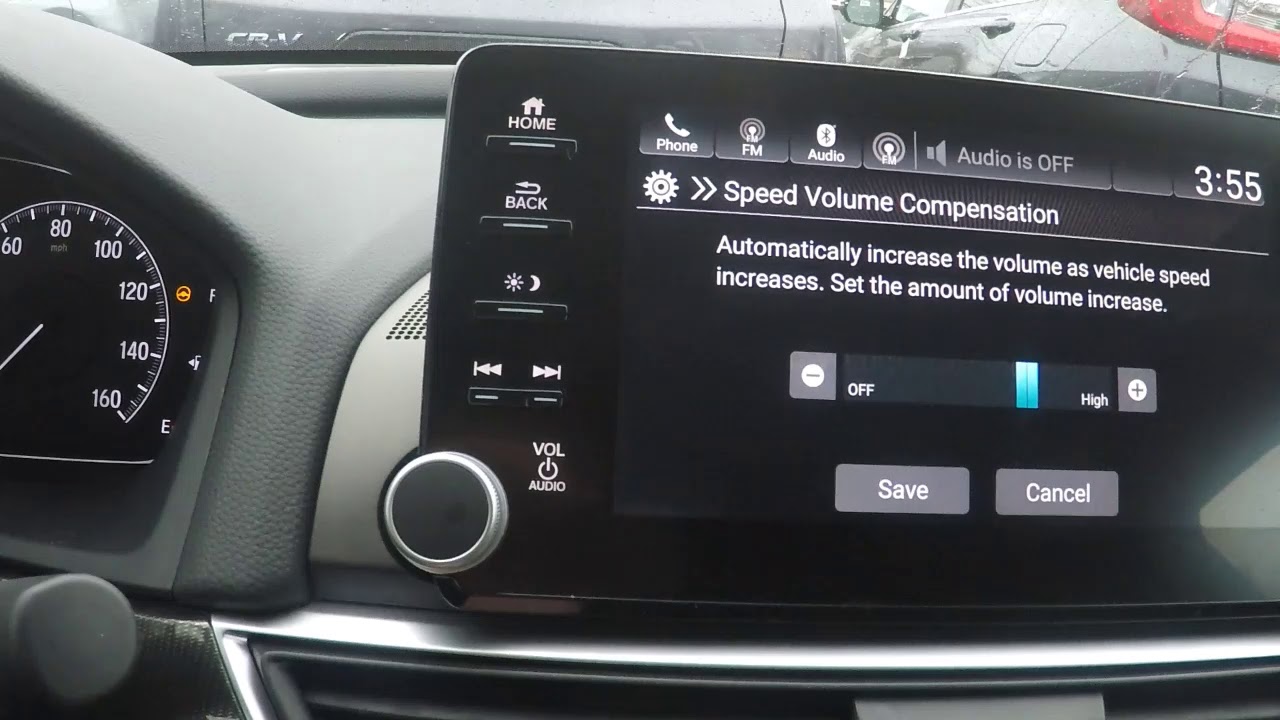
Long highway trips usually bring more wind and tire noise into the cabin, making music and conversations harder to hear. Many drivers respond by repeatedly increasing or lowering the audio volume as road conditions change. Although this becomes a habit, it is still another small task that takes attention away from driving. Honda addressed this issue by including an automatic feature in the CR-V that adjusts the sound level without any input from the driver.
Accessing this function is simple through the infotainment system. Open the Settings menu, select Sound, and locate Speed-Dependent Volume Compensation, also called SVC. Despite being available on many CR-V models, plenty of owners never discover it because they rarely go through the audio settings after buying the vehicle.
As driving speed increases, road and wind noise naturally become louder inside the cabin. The same volume level that sounds perfect while driving through town may become too low once the vehicle reaches highway speeds. Instead of expecting the driver to keep adjusting the controls, the system monitors the vehicle’s speed and responds automatically.
When the CR-V accelerates, Speed-Dependent Volume Compensation gradually raises the audio volume to keep music, podcasts, or phone conversations clear above the extra background noise. As the vehicle slows down and returns to quieter roads, the volume decreases smoothly to a more comfortable level. The adjustments are so gentle that many drivers hardly notice the system working.
After enabling this feature, there is little reason to touch the volume controls during a trip. It keeps the listening experience consistent, reduces small distractions, and makes every journey more comfortable without requiring constant attention from the driver.
Also Read: 10 Hidden Features in the Kia Telluride
3. Intricate Smart Key Fob Window Venting
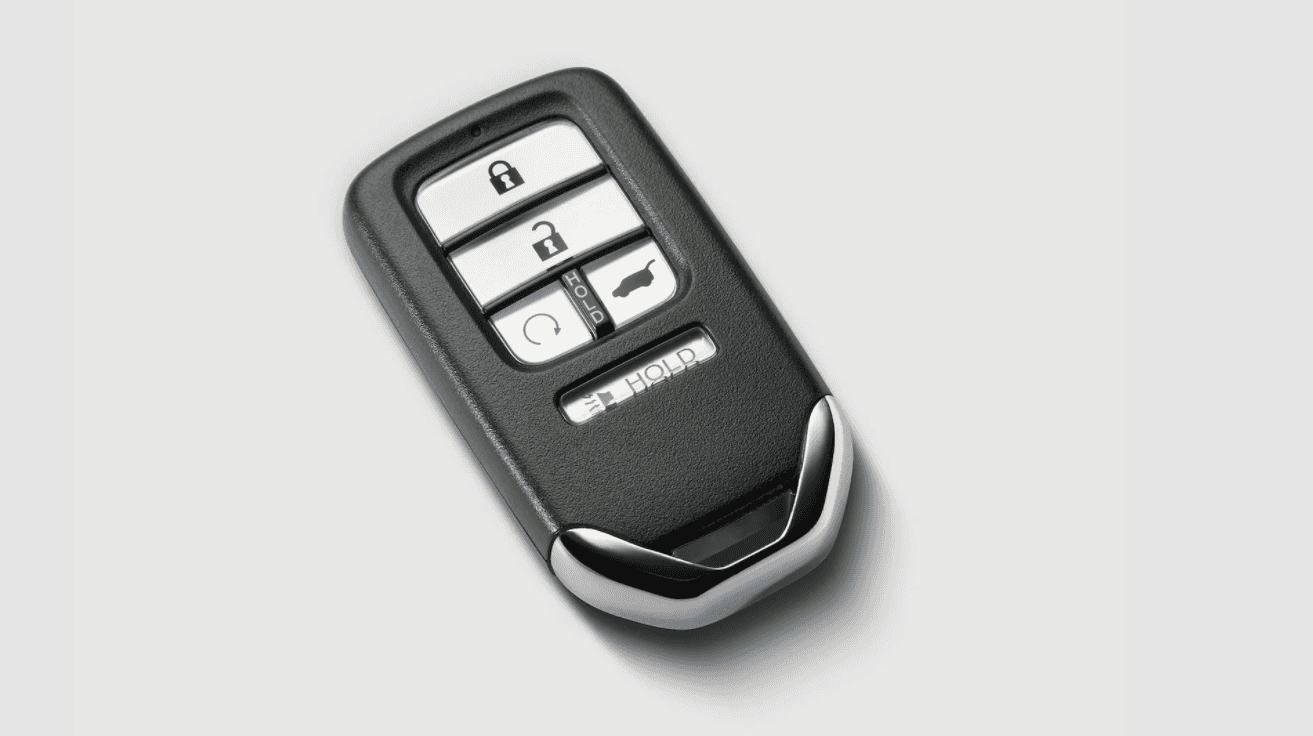
A vehicle parked under direct summer sun for several hours can reach interior temperatures that make sitting down immediately genuinely uncomfortable, and the usual solution involves sitting in the hot cabin waiting for air conditioning to catch up while the steering wheel and seat surfaces cool down. Honda built a remote venting solution directly into the key fob that most CR-V owners carry every single day without knowing this capability exists.
This feature requires a specific button sequence rather than a simple long press, which explains why owners who accidentally discover the hold function on their fob do not typically trigger the window venting script without knowing the correct combination.
Standing within key fob range, pressing the Unlock button once and releasing it completely, then pressing it a second time and holding it down immediately afterward activates the global window command that most owners never see in action.
All four windows roll down simultaneously the moment this held press registers, and the sunroof panel slides open at the same time, creating maximum ventilation airflow through the entire cabin before the driver ever touches the door handle. The trapped hot air that builds to genuinely extreme temperatures during a parked car’s baking cycle exits through these open pathways rather than remaining sealed inside waiting to assault a driver who opens the door.
This remote venting capability proves most valuable not just for initial comfort but for the practical benefit of walking toward a visibly ventilating vehicle from across a parking lot, giving the interior those extra minutes of airflow while the owner covers the remaining distance.
Parents loading children into the vehicle benefit from not placing kids immediately into a seat surface that has been absorbing direct sunlight for hours, since the seat temperatures drop meaningfully during even a brief open-window ventilation period before anyone enters the cabin.
4. Walk-Away Automatic Proximity Door Locking
Many drivers have experienced the moment of walking away from their vehicle and suddenly wondering if they remembered to lock the doors. That small doubt often leads to turning around for another look, pressing the lock button on the remote from a distance, or simply hoping everything is secure. Honda addressed this everyday concern by including a built-in feature on the CR-V that automatically locks the vehicle after the driver walks away.
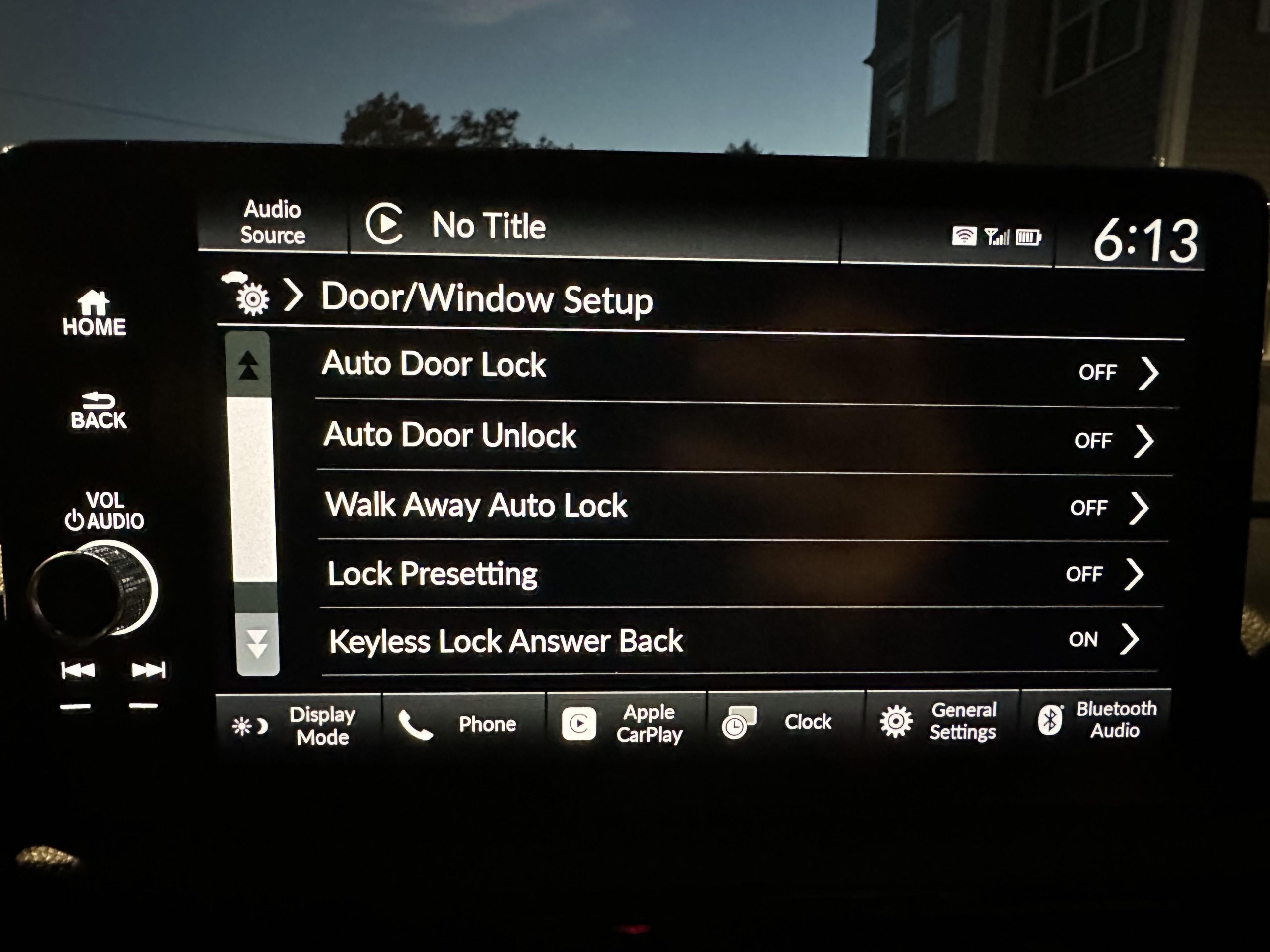
Setting up the feature takes only a few moments through the infotainment system. Open the Settings menu, choose Vehicle, then select Door and Window Setup. From there, switch on the Walk Away Auto Lock function. Once this option is enabled, there is nothing else the driver needs to do, and the system works automatically every time the vehicle is parked.
After the doors are closed, the smart key monitors its distance from the vehicle using the CR-V’s proximity sensors. As the driver moves about five feet away, the system detects that the key is no longer close to the vehicle and locks all the doors automatically. At the same time, the vehicle produces a confirmation beep to let the driver know the locking process has been completed successfully without pressing any buttons.
That audible confirmation is what makes the feature especially useful. Instead of wondering whether the doors are locked, drivers receive immediate feedback that everything is secure. Many CR-V owners say this simple function quickly becomes part of their daily routine because it removes the need to double-check the vehicle before leaving. It saves time, reduces unnecessary worry, and adds extra convenience every time the vehicle is parked.
5. Second-Row Reclining Passenger Seats
Rear-seat passengers in most family crossovers spend their time in whatever fixed position the manufacturer chose as the default seatback angle, which typically prioritizes cargo volume behind the seat over passenger comfort during actual occupancy. Most CR-V owners accept this arrangement without questioning it, assuming the rear seatbacks are fixed structures that cannot be adjusted beyond folding completely flat for cargo purposes.
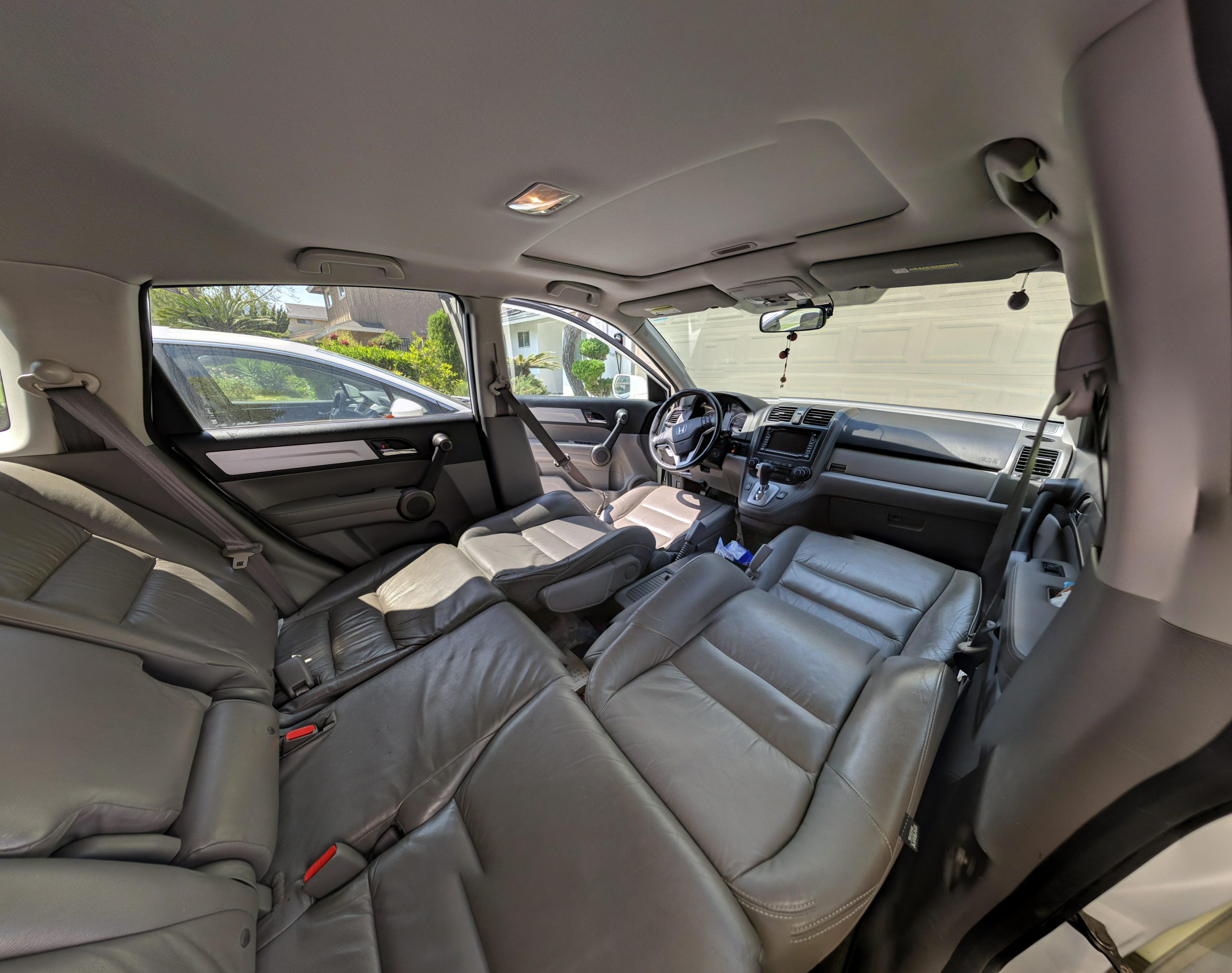
Physical pull-straps or lever bars tucked near the outer shoulder bolsters of the rear seats reveal a reclining function that contradicts this assumption entirely, yet these straps sit in positions that blend into the seat upholstery and trim without drawing attention to themselves during normal loading and exiting of the rear seating area. Years of rear-seat use can pass without a single passenger ever noticing the strap or experimenting with what pulling it does.
Pulling this lever or strap releases the seatback lock and allows the rear seat to tilt backward through several degrees across multiple locking positions, changing the seating angle from the standard upright position into something considerably more relaxed for longer drives.
The difference between sitting upright in a fixed position for a two-hour highway stretch and having the ability to recline several degrees into a supported, slightly reclined angle represents a genuine comfort improvement that rear passengers appreciate immediately once they discover the option exists.
Families who frequently travel with rear passengers, particularly adults on road trips where journey time extends beyond thirty to sixty minutes, find this reclining capability transforms rear-seat comfort from functional toleration into something approaching genuine relaxation.
The adjustment range does not match dedicated luxury vehicle rear seating, yet it delivers enough postural variation to meaningfully reduce the fatigue that fixed upright seating accumulates across a long drive.
6. Hidden Digital Maintenance Minder Code Breakdowns
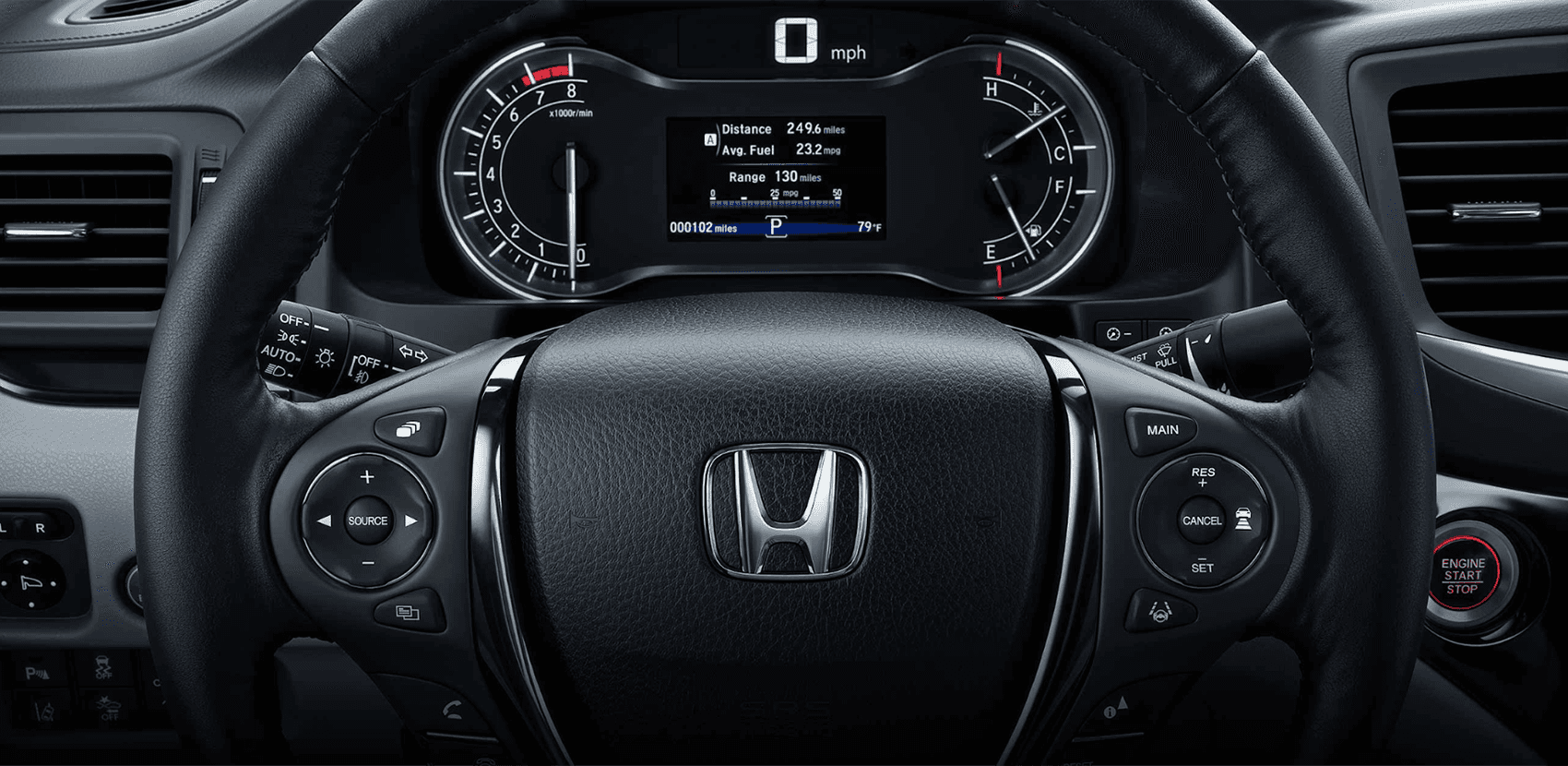
A warning light on the dashboard can easily make drivers uneasy, especially when it does not clearly explain the problem. The yellow wrench symbol on the Honda CR-V is a good example. It tells you that maintenance is due, but it does not immediately show what needs attention. As a result, many owners depend entirely on a service advisor to explain the warning, even though the vehicle already provides the information they need.
Honda included a simple feature that removes the guesswork. When the wrench light appears, opening the Oil Life and Maintenance menu on the instrument cluster reveals an alphanumeric maintenance code instead of a general alert. Codes such as A17 or B12 tell the driver exactly which services are due.
This gives owners a clearer understanding of the vehicle’s maintenance needs before visiting a workshop. The coding system is easy to understand once you know how it works. The letter identifies the main service required. An “A” means the engine oil should be changed, while a “B” means an oil change along with a mechanical inspection.
The numbers that follow point to additional maintenance items based on how the vehicle has actually been driven. For example, one means tire rotation, two indicates the cabin air filter, three refers to transmission fluid, four points to spark plugs, five calls for engine coolant replacement, and seven means the brake fluid needs attention.
Knowing how to read these codes allows CR-V owners to approach service appointments with confidence. Instead of relying completely on recommendations from the service desk, drivers can confirm what the vehicle actually requires. This simple knowledge can help prevent unnecessary maintenance and reduce service costs while keeping the vehicle in proper condition.
7. The Capless Fuel Filler Emergency Funnel Bypass
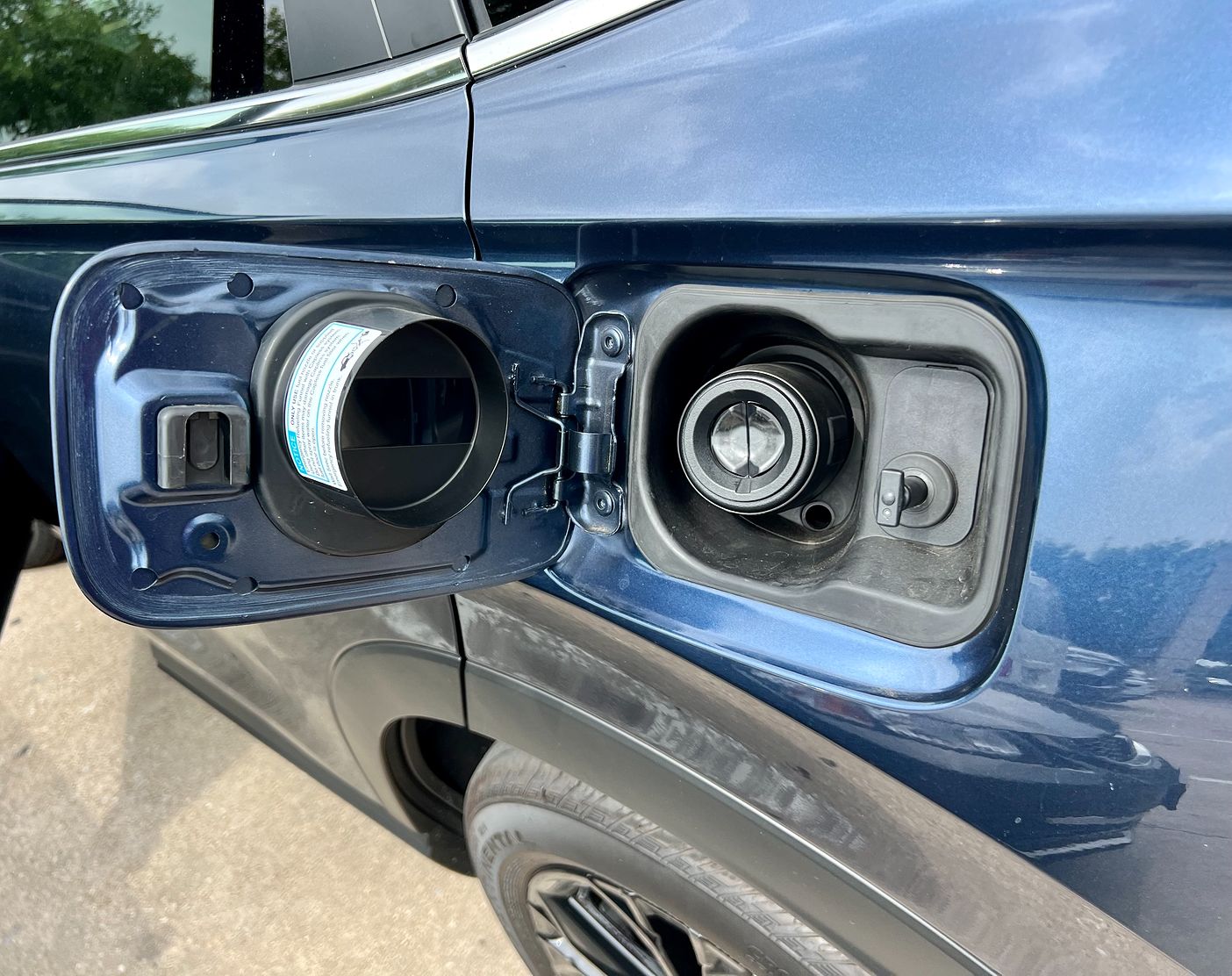
Modern capless fuel filler systems eliminate the ritual of unscrewing and pocketing a fuel cap at every fill-up, replacing that cap with a spring-loaded mechanical door that opens when a fuel nozzle inserts correctly and closes when it withdraws. This design works seamlessly during normal gas station fill-ups using standard pump nozzles, yet it creates a specific, practical problem that becomes apparent the moment an owner needs to add fuel from a portable container on the side of a road.
Attempting to pour fuel from a typical plastic jerry can directly into a capless filler neck results in the fuel hitting the closed anti-siphon spring door and splashing back out rather than entering the tank, since the spring mechanism requires the correct diameter and pressure profile of a standard fuel nozzle to open properly.
A driver who has run out of fuel on the highway, purchased a small container of gasoline at a nearby station, and returned to their CR-V expecting a straightforward pour faces a genuinely frustrating situation without knowing what Honda placed in the spare tire area specifically for this scenario.
Opening the rear trunk floorboard, lifting the spare tire cover panel, and looking beside the factory jack tool wrap reveals a distinct black plastic funnel tool that most CR-V owners have never noticed despite potentially owning the vehicle for years.
This factory tool is designed with an external diameter that correctly interfaces with the capless filler’s mechanical door, opening the spring-loaded trapdoor mechanism in the same way a proper fuel nozzle does, allowing the jerry can fuel to pour cleanly into the tank without spillage or the splash-back problem that an unequipped attempt creates.
Also Read: 8 Hidden Features in the Cadillac Lyriq
8. Customize the “Driver 1” vs. “Driver 2” Key Fob Memory Sync
Sharing a vehicle often means dealing with different seat and mirror positions every time the driver changes. Many couples or family members either adjust everything manually or rely on memory seat buttons, which can still become frustrating when someone forgets to return the settings.
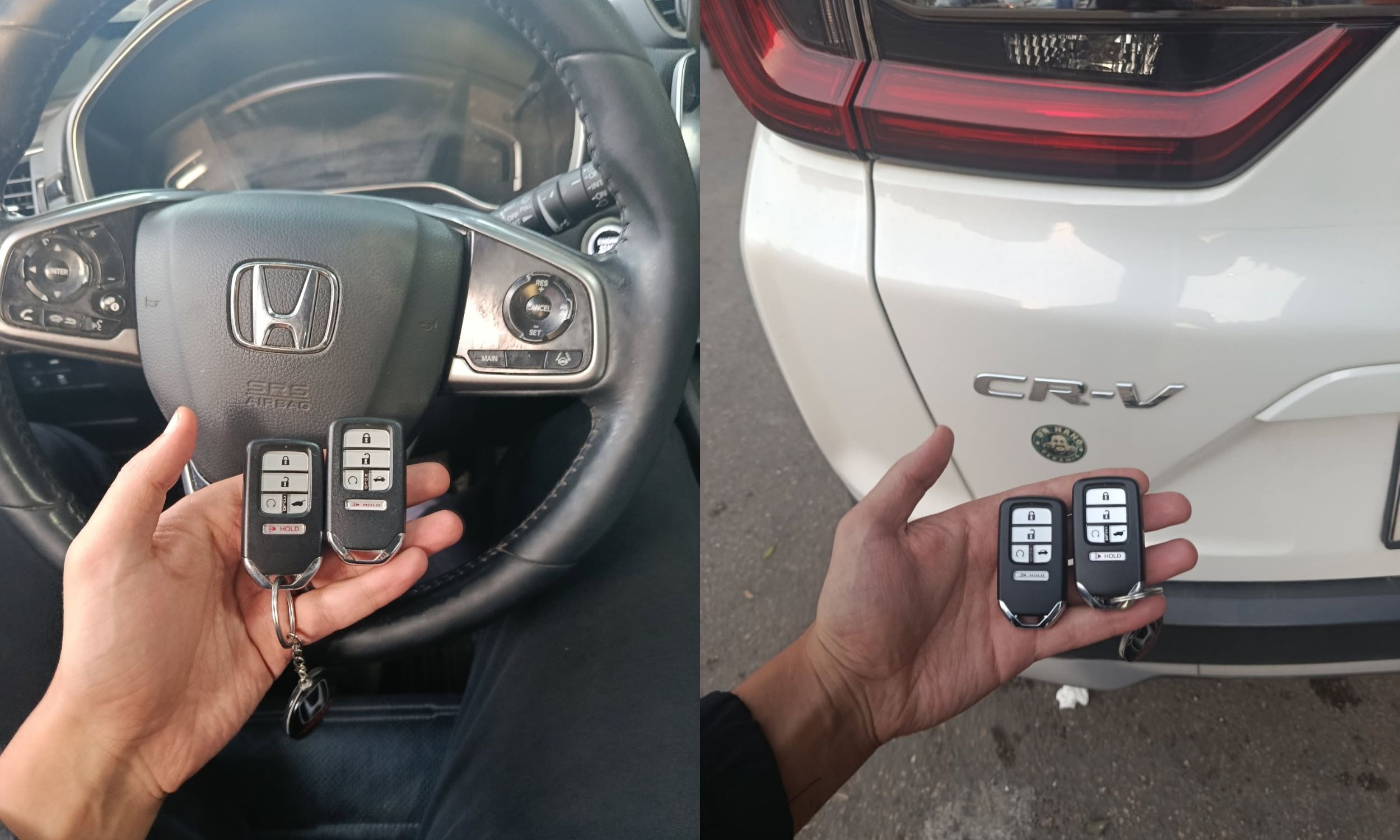
The Honda CR-V offers a smarter solution by linking individual driver preferences to each factory key fob, yet many owners never realize this feature exists or take the time to activate it. A closer look at the back of the original key fobs reveals a small number stamped on each one.
One is labeled “1” while the other carries a “2.” These numbers are more than simple identifiers. Each key is designed to activate a separate driver profile. Setting it up is straightforward. From the infotainment system, open the Settings menu, select Vehicle, then Driving Position Setup, and assign each key to its preferred driving position.
After the setup is complete, the system works automatically. Unlocking the vehicle with Key 1 prompts the driver’s seat to move into the saved position before the driver gets inside. The side mirrors also adjust to the stored angles, while the digital instrument cluster loads the driver’s preferred display layout, creating a personalized driving experience without pressing any extra buttons.
The same process happens when Key 2 unlocks the CR-V. The second driver’s seat position, mirror adjustments, and display preferences are restored automatically. Once the initial setup is finished, there is no need for repeated manual adjustments. It is a simple feature that saves time, reduces everyday inconvenience, and makes sharing the vehicle much easier for households with more than one regular driver.
