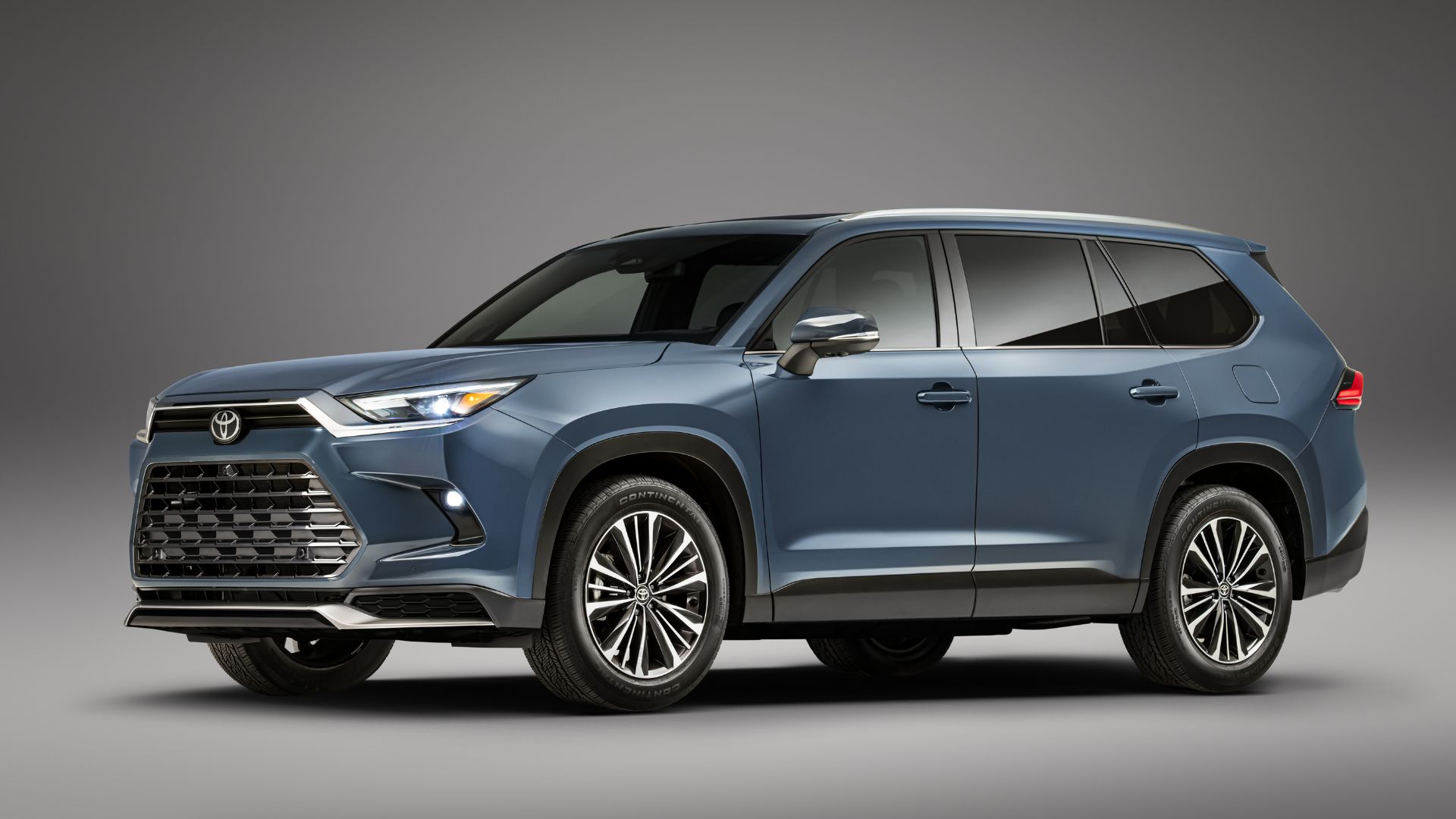
The Toyota Highlander has become one of the most trusted midsize SUVs on the market by consistently delivering the qualities families value most. Since its introduction in 2001, it has earned a reputation for dependable engineering, comfortable road manners, spacious seating, and strong resale value.
Whether used for daily commuting, long-distance road trips, or transporting a growing family, the Highlander has proven capable of handling a wide variety of driving needs. Its combination of practicality and reliability has helped it remain one of Toyota’s best-selling vehicles for more than two decades.
However, no vehicle enjoys a perfect production history. As the Highlander evolved through multiple generations, some model years stood out because Toyota refined the platform, improved durability, and introduced dependable powertrains that continue to perform well even after high mileage.
Other years experienced issues involving engine oil leaks, transmission concerns, electrical problems, or first-year redesign challenges that affected owner satisfaction. While many of these problems were addressed in later production years, buyers shopping for a used Highlander should understand the differences before making a purchase.
A carefully chosen model year can provide years of reliable service with relatively low maintenance costs, while selecting one with documented reliability concerns may result in unexpected repair expenses. Looking beyond appearance and mileage often makes a significant difference when evaluating a used SUV.
This guide highlights five Toyota Highlander model years that consistently rank among the strongest choices for reliability, comfort, and long-term ownership. It also identifies five model years that deserve extra caution because of recurring mechanical issues or higher-than-average owner complaints.
Knowing which years have earned lasting trust and which ones present greater risks can help buyers make a more informed decision.
Also Read: 5 Volkswagen Models Worth Buying vs 5 to Avoid
5 Best Toyota Highlander Model Years
1. 2021 Toyota Highlander
By the 2021 model year, Toyota had refined the fourth-generation Highlander into one of the most complete family SUVs available. Building on the redesign introduced a year earlier, the 2021 version benefited from production improvements that enhanced quality while preserving the reliability buyers expected from the brand.
It combines modern technology, a comfortable cabin, and dependable engineering in a package that remains highly desirable in both new and used markets.
Power comes from Toyota’s naturally aspirated 3.5-liter V6 paired with an eight-speed automatic transmission. This engine has established an excellent reputation for smooth operation and long-term durability when serviced according to Toyota’s maintenance schedule.
Acceleration is confident without being excessive, making the Highlander equally capable during highway merging, mountain driving, and everyday commuting.
Inside, the Highlander emphasizes family-friendly practicality. Three rows of seating provide flexibility for larger households, while the second row offers generous legroom and easy access to the rear seats.
Cargo space is well organized, allowing owners to transport luggage, sports equipment, or groceries without difficulty. High-quality materials and thoughtful ergonomics help the cabin remain comfortable on long journeys.
Toyota Safety Sense 2.5 comes standard, including adaptive cruise control, lane departure alert, automatic emergency braking, and road sign recognition. These systems enhance confidence without becoming intrusive.
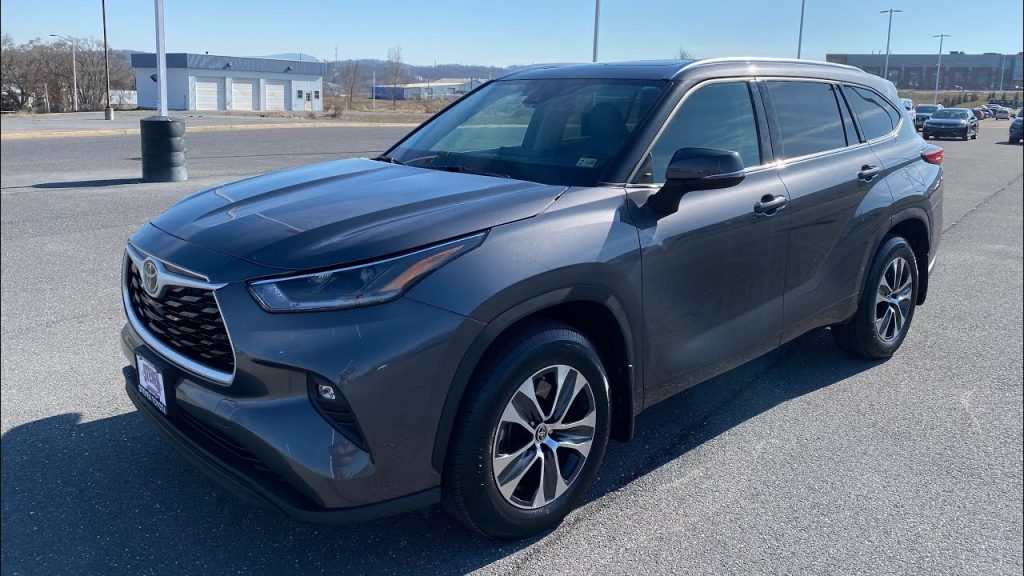
The 2021 Highlander also enjoys excellent resale value, relatively low maintenance costs, and widespread parts availability. Buyers looking for a dependable midsize SUV with modern safety features and proven mechanical reliability will find this model year among the strongest choices Toyota has produced.
Specifications
- Engine: 3.5-liter naturally aspirated V6
- Torque: 263 lb-ft
- Horsepower: 295 hp
- Length/Width: 194.9 inches / 76.0 inches
2. 2019 Toyota Highlander
The final years of a vehicle generation often represent the most refined versions of the platform, and the 2019 Toyota Highlander perfectly illustrates that principle.
After several years of continuous improvements, Toyota delivered an SUV that balanced comfort, reliability, practicality, and mature engineering better than almost any competitor in its class.
Its 3.5-liter V6 engine is one of the Highlander’s greatest strengths. The powerplant delivers smooth acceleration while maintaining the durability that has become synonymous with Toyota’s reputation.
Paired with an eight-speed automatic transmission, it provides responsive performance for city driving and relaxed highway cruising without sacrificing fuel economy.
The 2019 Highlander also excels in everyday usability. The cabin accommodates up to eight passengers depending on configuration, and the seats remain comfortable even during extended road trips.
Numerous storage compartments, a spacious cargo area, and user-friendly controls contribute to a stress-free ownership experience. Rather than overwhelming drivers with complicated technology, Toyota focused on intuitive operation and dependable functionality.
Ride quality remains another highlight. The suspension absorbs rough pavement effectively while maintaining stable handling during cornering and highway travel. Noise insulation also received attention, creating a quieter cabin than many earlier Highlander generations.
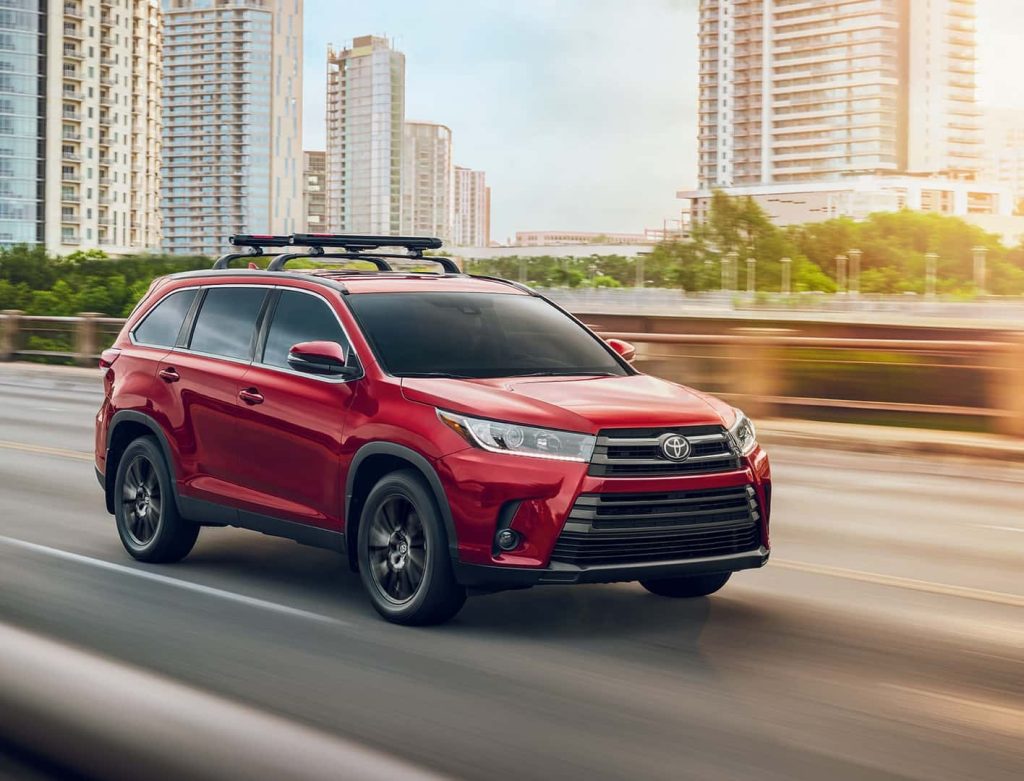
Long-term ownership costs remain relatively modest because the vehicle has a proven reliability record, replacement parts are easy to obtain, and routine maintenance is straightforward. Strong resale values further reinforce its appeal in the used market.
For families seeking a midsize SUV capable of delivering years of dependable service with minimal surprises, the 2019 Toyota Highlander continues to stand among the best options available.
Specifications
- Engine: 3.5-liter naturally aspirated V6
- Torque: 263 lb-ft
- Horsepower: 295 hp
- Length/Width: 192.5 inches / 75.8 inches
3. 2016 Toyota Highlander
Some SUVs become favorites because they introduce groundbreaking features, while others earn respect by refining an already successful formula. The 2016 Toyota Highlander belongs in the second category.
Positioned in the middle of the third generation, this model benefited from several years of production improvements that helped eliminate many of the minor concerns seen in earlier versions.
The result was a family SUV that combined durability, comfort, and practicality in a package that continues to perform well in the used market.
Under the hood, the 2016 Highlander offered Toyota’s trusted 3.5-liter V6, an engine recognized for smooth performance and exceptional longevity. Paired with a dependable six-speed automatic transmission, the powertrain provides confident acceleration while maintaining respectable fuel efficiency for a three-row SUV.
Owners frequently report driving well beyond 200,000 miles with only routine maintenance, reinforcing Toyota’s reputation for dependable engineering.
Inside, the Highlander focuses on making everyday life easier. The cabin provides generous seating for families, with supportive front seats and a spacious second row that remains comfortable during long trips.
Fold-flat rear seats increase cargo flexibility, allowing owners to carry large items without difficulty. Soft-touch materials, straightforward controls, and a quiet interior contribute to a premium driving experience without unnecessary complexity.
Safety is another reason the 2016 model remains highly regarded. Excellent crash-test ratings and available driver assistance features add confidence, while low ownership costs continue to attract used-car buyers.
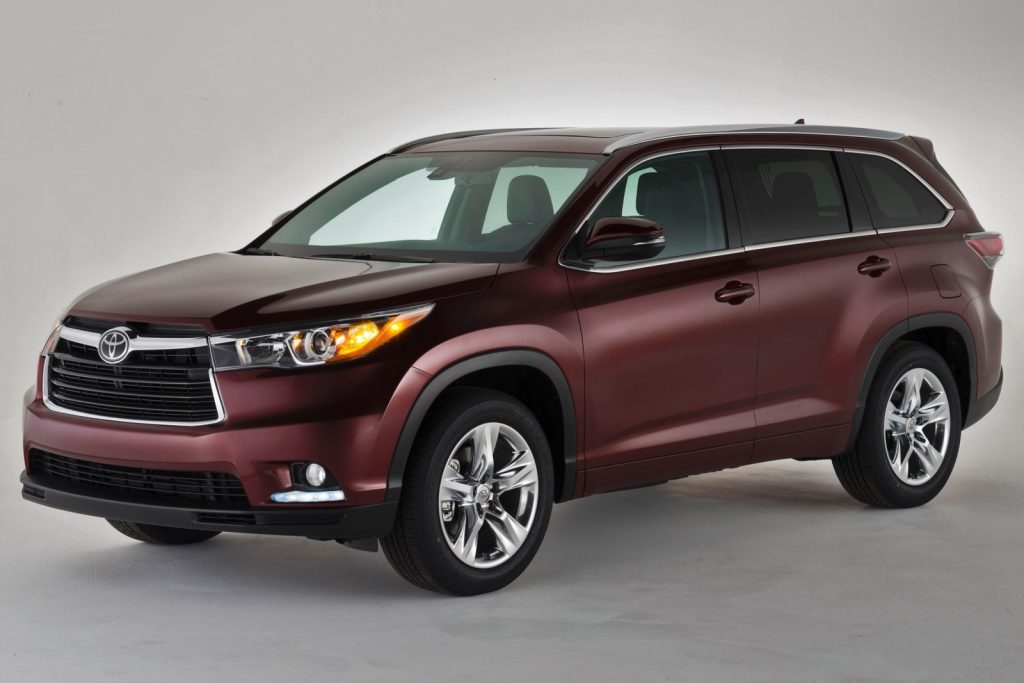
Routine servicing is simple, parts are readily available, and independent repair shops are familiar with the vehicle.
For anyone seeking a reliable family SUV that balances practicality, durability, and everyday comfort, the 2016 Toyota Highlander continues to be one of the strongest choices from its generation.
Specifications
- Engine: 3.5-liter naturally aspirated V6
- Torque: 248 lb-ft
- Horsepower: 270 hp
- Length/Width: 191.1 inches / 75.8 inches
4. 2008 Toyota Highlander
The second-generation Toyota Highlander introduced in 2008 represented a major step forward in refinement, interior space, and full capability.
While first-year redesigns sometimes struggle with reliability, Toyota managed to produce a vehicle that quickly gained a reputation for dependable performance and family-friendly practicality.
More than fifteen years later, the 2008 Highlander continues to be a popular choice among buyers looking for an affordable midsize SUV with proven mechanical components.
Its available 3.5-liter V6 remains the standout engine, delivering smooth power and excellent long-term durability.
The five-speed automatic transmission complements the engine well, providing seamless shifts and a strong reliability record when serviced regularly. The powertrain handles highway driving, towing, and daily commuting with equal confidence.
Toyota also made substantial improvements to passenger comfort. Compared with the first generation, the cabin became noticeably larger, offering increased rear-seat space and a more versatile cargo area.
Large windows improve visibility, while the upgraded seating position creates a commanding view of the road. Controls are simple to operate, reducing distractions during everyday driving.
Another advantage of the 2008 Highlander is its reputation for relatively low maintenance costs. Replacement parts remain widely available, and many independent mechanics have years of experience servicing this generation.
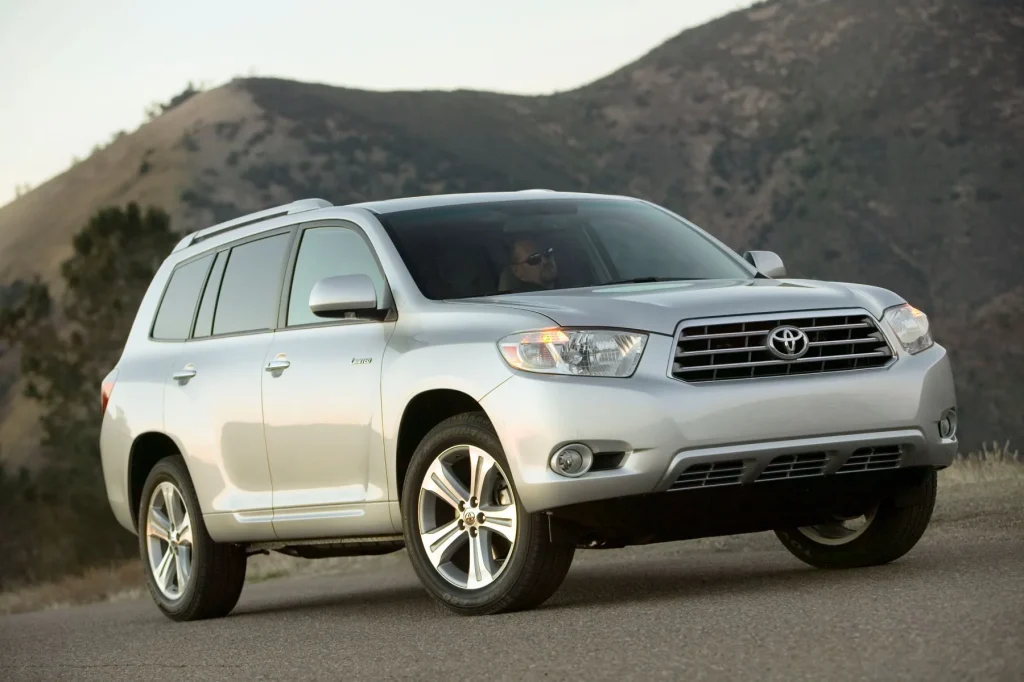
The SUV also earned strong safety ratings, making it an appealing option for families shopping on a budget.
Although newer Highlanders offer more advanced technology, the 2008 model continues to stand out because of its dependable engineering, comfortable ride, and ability to provide years of reliable transportation with proper maintenance.
Specifications
- Engine: 3.5-liter naturally aspirated V6
- Torque: 248 lb-ft
- Horsepower: 270 hp
- Length/Width: 188.4 inches / 75.2 inches
5. 2013 Toyota Highlander
A dependable family SUV should inspire confidence long after its warranty has expired, and the 2013 Toyota Highlander continues to do exactly that. As the final model year of the second generation, it benefited from years of continuous refinement that corrected many of the minor issues found in earlier production years.
By the time this version reached dealerships, Toyota had created one of the most reliable midsize SUVs available, making it a favorite among families and used-vehicle shoppers alike.
The available 3.5-liter V6 engine is the primary reason for its strong reputation. It delivers smooth acceleration, dependable performance, and excellent durability. Combined with a proven five-speed automatic transmission, the powertrain has demonstrated the ability to exceed 200,000 miles with routine maintenance.
Owners frequently praise the engine for its quiet operation and predictable reliability, qualities that have helped maintain the Highlander’s impressive resale value.
Practicality remains another defining strength. The interior comfortably accommodates up to seven passengers, while the second-row seats slide and recline to improve passenger comfort.
The rear cargo area is generous, and folding the third-row seats creates enough room for luggage, home improvement supplies, or outdoor equipment. Large door openings and an upgraded seating position make entering and exiting the vehicle especially convenient.
The suspension prioritizes ride comfort, absorbing rough pavement without excessive body movement. Steering is light but accurate, making the Highlander easy to maneuver in parking lots and comfortable during long highway journeys.
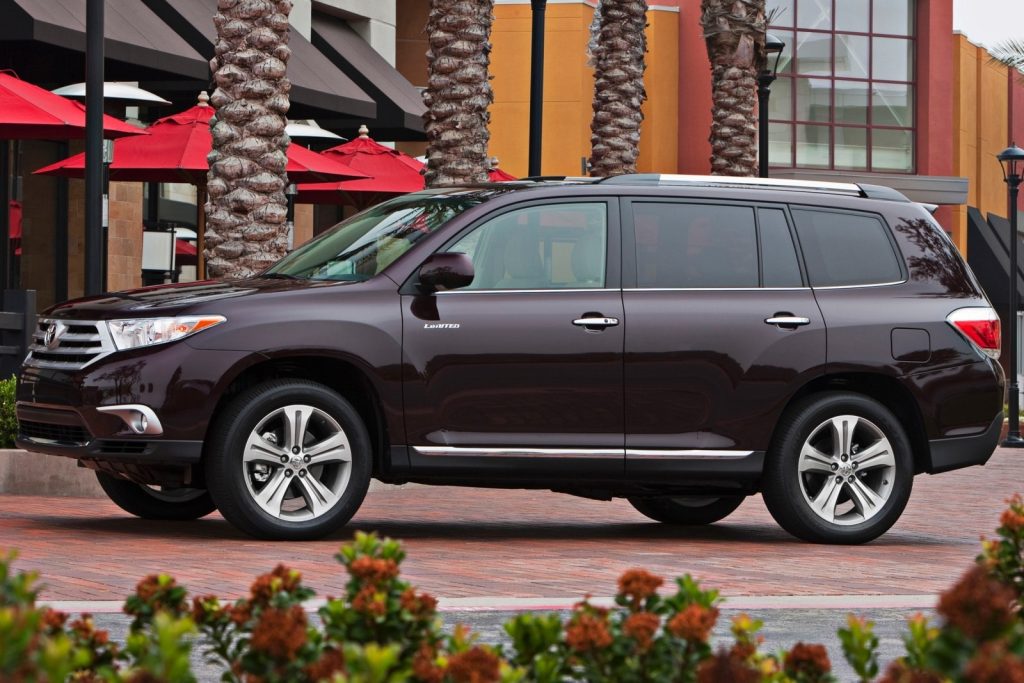
Routine maintenance is also straightforward, and replacement parts remain widely available through Toyota dealerships and independent suppliers.
For buyers seeking a dependable three-row SUV with a long history of owner satisfaction, the 2013 Toyota Highlander remains one of the smartest used purchases in its class.
Specifications
- Engine: 3.5-liter naturally aspirated V6
- Torque: 248 lb-ft
- Horsepower: 270 hp
- Length/Width: 188.4 inches / 75.2 inches
5 You Should Avoid
1. 2003 Toyota Highlander
The 2003 Toyota Highlander helped establish the model as a practical family SUV, but it also represents one of the less desirable years of the first generation because of several recurring mechanical concerns.
Although many examples remain on the road today, buyers considering this model should understand the common issues that have affected long-term ownership.
One of the biggest complaints involves the automatic transmission. Some owners experienced delayed gear engagement, harsh shifting, or complete transmission failure after higher mileage.
Repair costs could become significant, especially for vehicles that had not received regular transmission fluid service. Engine oil sludge was another concern on certain V6 models if oil changes were neglected.
While Toyota addressed many of these situations through maintenance recommendations and service campaigns, the model year continued to receive attention for engine-related problems.
Additional complaints included oxygen sensor failures, steering rack leaks, and aging suspension components that required replacement sooner than expected.
Because these vehicles are now more than twenty years old, buyers should also expect deterioration of rubber seals, cooling system hoses, and electrical connectors simply due to age.
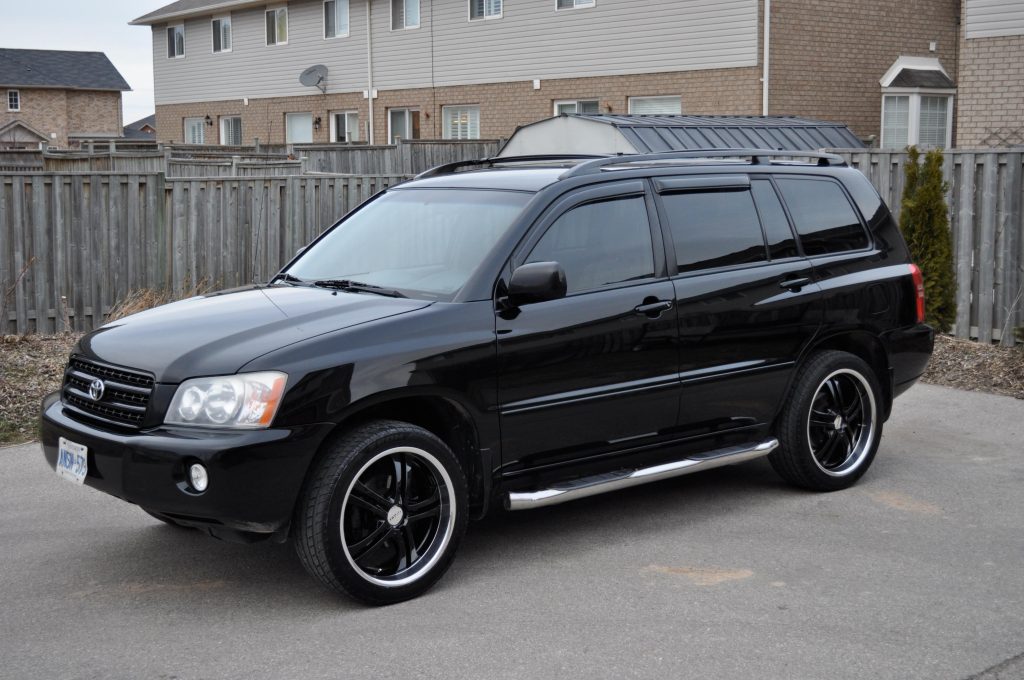
Despite these shortcomings, the Highlander still offers a spacious interior and a comfortable ride. However, anyone shopping for an early Highlander should carefully inspect maintenance records and verify that major drivetrain repairs have already been completed.
Later first-generation models generally provide a more dependable ownership experience with fewer recurring complaints.
Specifications
- Engine: 3.0-liter naturally aspirated V6
- Torque: 220 lb-ft
- Horsepower: 220 hp
- Length/Width: 184.4 inches / 71.9 inches
2. 2008 Toyota Highlander Four-Cylinder
Although the 2008 Toyota Highlander introduced a successful second generation, the base model equipped with the 2.7-liter four-cylinder engine struggled to match the performance expected from a midsize three-row SUV.
Unlike the dependable V6 version highlighted among the best model years, the four-cylinder variant often left owners disappointed because of its limited power and increased workload under heavier driving conditions.
Producing only 187 horsepower, the engine had to work considerably harder when carrying passengers or climbing steep grades. Drivers frequently reported sluggish acceleration, particularly during highway merging or when the vehicle was fully loaded.
While the engine itself proved reasonably durable, the lack of power negatively affected the driving experience and made the Highlander feel less capable than competing SUVs equipped with stronger engines.
Some owners also noted increased engine noise during acceleration and higher fuel consumption than expected because the engine frequently operated at higher revolutions to maintain speed.
Combined with occasional complaints involving steering components and minor electrical issues found on early second-generation models, the four-cylinder Highlander became one of the least recommended configurations of this generation.
The V6-powered Highlander from the same model year remains a much stronger choice because it delivers noticeably better performance without sacrificing Toyota’s well-known reliability. Buyers considering a 2008 Highlander should prioritize the V6 model whenever possible.
Specifications
- Engine: 2.7-liter naturally aspirated inline-four
- Torque: 186 lb-ft
- Horsepower: 187 hp
- Length/Width: 188.4 inches / 75.2 inches
3. 2014 Toyota Highlander
The 2014 Toyota Highlander introduced the third generation with a completely redesigned exterior, a roomier cabin, and improved technology. It quickly attracted buyers looking for a modern family SUV, but like many first-year redesigns, it experienced several issues that were gradually corrected in later production years.
While the vehicle retained Toyota’s reputation for durability, recurring complaints make this one of the model years buyers should evaluate carefully.
One of the most frequently reported concerns involved the new six-speed automatic transmission. Some owners described delayed shifting, hesitation during acceleration, or rough gear changes, particularly at lower speeds.
Although software updates improved the driving experience for many vehicles, not every owner felt the transmission behaved as smoothly as expected.
The 2014 Highlander also generated complaints about wind noise around the doors and side mirrors, reducing cabin refinement during highway travel.
Several owners reported rattles from interior trim panels and occasional issues involving the infotainment system, including frozen screens and Bluetooth connectivity problems. While these concerns rarely left the vehicle stranded, they affected long-term owner satisfaction.
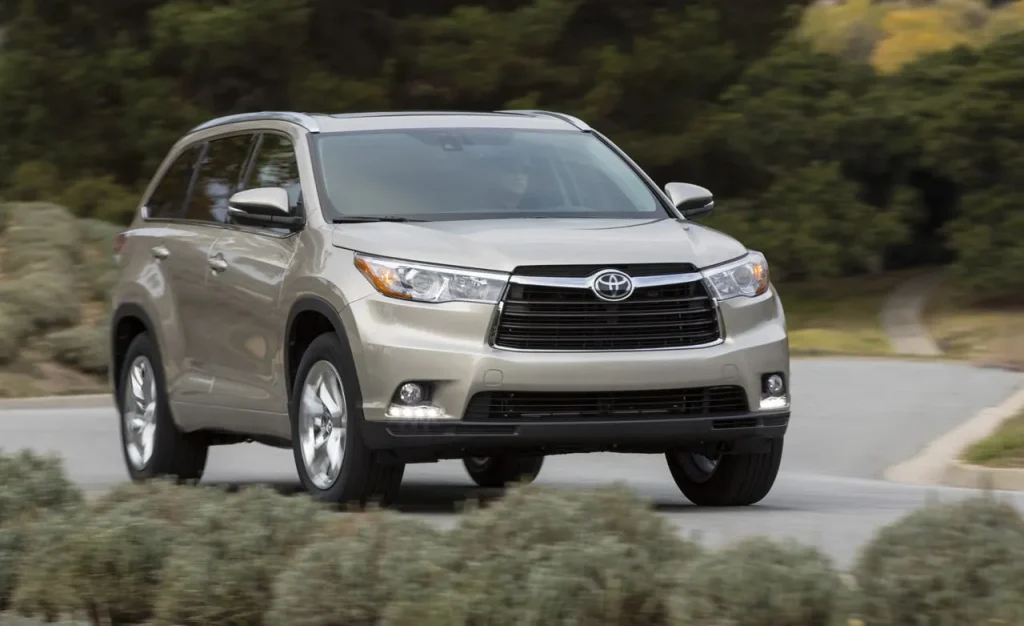
Mechanically, the available 3.5-liter V6 remained dependable, but buyers should still verify that all software updates, recalls, and recommended maintenance have been completed.
Choosing a later third-generation Highlander, such as the 2016 or 2019 models, typically results in a more polished ownership experience because Toyota had additional time to refine the platform.
Specifications
- Engine: 3.5-liter naturally aspirated V6
- Torque: 248 lb-ft
- Horsepower: 270 hp
- Length/Width: 191.1 inches / 75.8 inches
4. 2001 Toyota Highlander
Launching an entirely new vehicle is rarely without challenges, and the 2001 Toyota Highlander was no exception.
As the very first model year, it introduced a comfortable car-based SUV platform that would eventually become one of Toyota’s greatest successes. However, several early production issues make it a less desirable choice than later first-generation Highlanders.
The available 3.0-liter V6 was generally durable, but some owners experienced engine oil sludge formation when maintenance intervals were neglected.
Automatic transmission performance also generated complaints involving rough shifting and premature wear, particularly on vehicles that did not receive regular fluid changes. Steering rack leaks and suspension wear became increasingly common as mileage accumulated.
Because the 2001 Highlander is now well over two decades old, age-related issues must also be considered. Rubber bushings, cooling system components, fuel lines, and electrical wiring can deteriorate simply because of time.
Interior materials may also show significant wear, and replacement parts for certain trim components have become harder to locate.
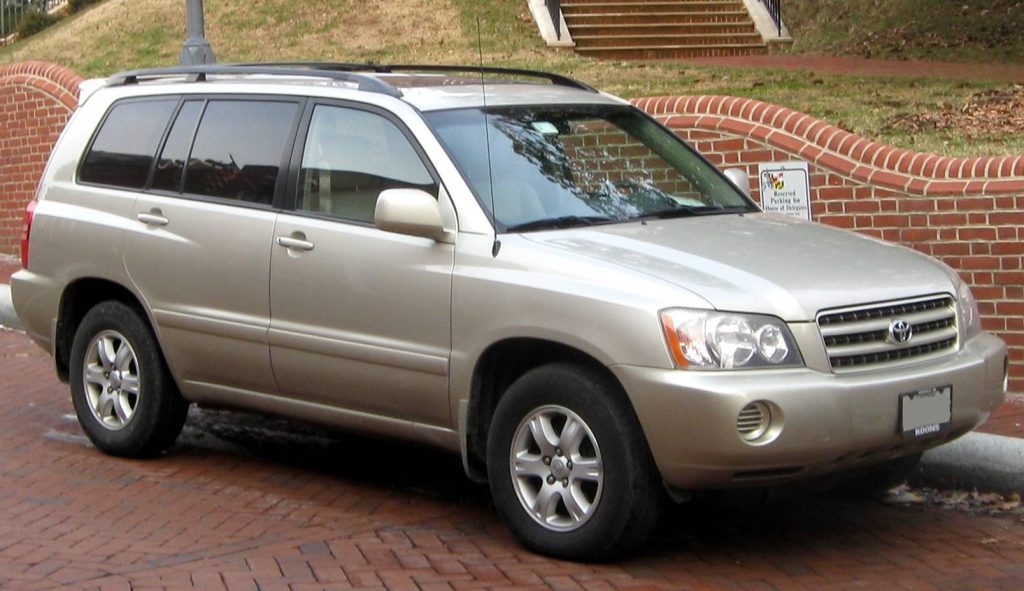
The first-generation Highlander established the foundation for Toyota’s future success, but buyers seeking dependable long-term ownership are usually better served by later first-generation models that benefited from several years of engineering improvements and production refinements.
Specifications
- Engine: 3.0-liter naturally aspirated V6
- Torque: 220 lb-ft
- Horsepower: 220 hp
- Length/Width: 184.4 inches / 71.9 inches
5. 2020 Toyota Highlander
The 2020 Toyota Highlander introduced the fourth generation on Toyota’s TNGA-K platform, bringing a completely redesigned body, improved safety features, and a more upscale interior.
Although the redesign was widely praised, the first production year experienced a handful of issues that made it less appealing than the 2021 and newer models.
Several owners reported transmission hesitation during low-speed driving and occasional rough shifting as the new eight-speed automatic adapted to different driving conditions.
Toyota released software updates to improve transmission calibration, but some drivers continued to notice inconsistent behavior.
The infotainment system also generated complaints involving touchscreen responsiveness, smartphone connectivity, and occasional system freezes. A few owners experienced electronic glitches affecting driver assistance features, while others mentioned interior rattles and minor fit-and-finish concerns during the first years of ownership.
None of these problems were widespread mechanical failures, but they reflected the growing pains often associated with an all-new generation.
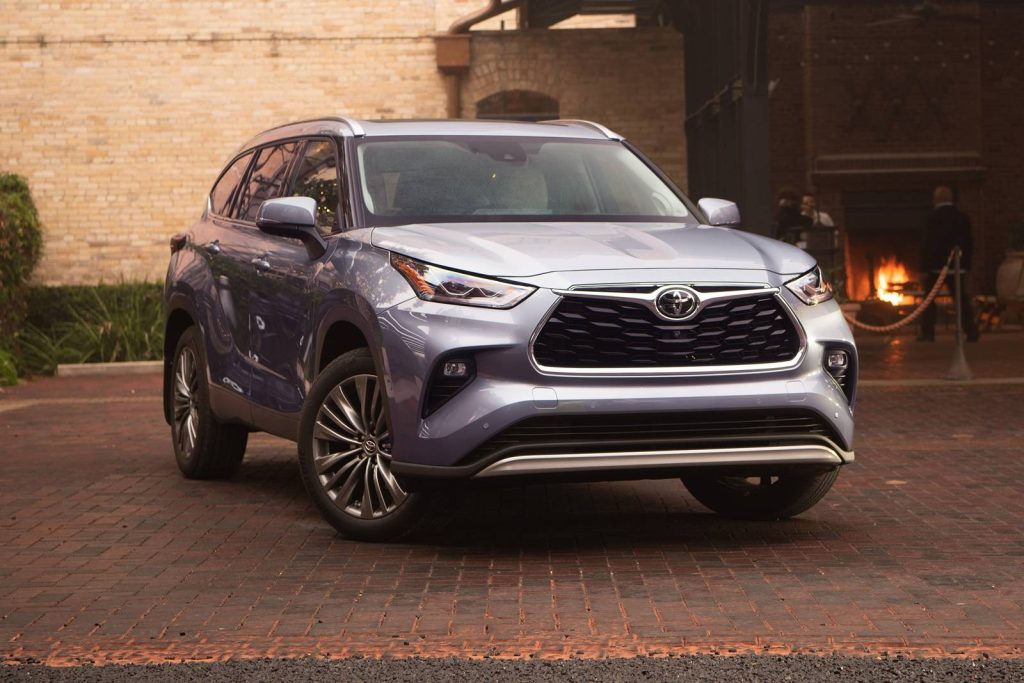
The naturally aspirated 3.5-liter V6 itself remains a dependable engine with an excellent long-term reliability record. Buyers considering a 2020 Highlander should verify that software updates, recall work, and regular maintenance have been completed.
Those willing to spend slightly more will generally find the 2021 Highlander to be the stronger purchase because it benefits from additional production refinements while retaining the same practical strengths.
Specifications
- Engine: 3.5-liter naturally aspirated V6
- Torque: 263 lb-ft
- Horsepower: 295 hp
- Length/Width: 194.9 inches / 76.0 inches
Also Read: 5 Best and Worst Years for the Honda CR-V