
Car buyers often focus on purchase price, fuel economy, reliability, and maintenance costs when choosing their next vehicle. However, one ownership expense can significantly impact long-term affordability: insurance.
A vehicle that seems financially manageable at the dealership can become far more expensive once monthly insurance payments are factored into the equation.
Insurance companies calculate premiums using a wide range of data. Vehicle value, repair costs, theft rates, accident statistics, performance capabilities, and claim frequency all play important roles.
Cars that are expensive to repair or replace typically cost more to insure. Likewise, models associated with higher accident rates or aggressive driving behavior often carry upgraded premiums.
High-performance vehicles naturally appear near the top of insurance rankings because they possess powerful engines and expensive components. Yet raw horsepower is not the only factor.
Luxury vehicles frequently command high insurance costs because replacement parts, specialized labor, and advanced technology systems make repairs extremely expensive after even minor accidents.
Modern safety features can help reduce risk, but they can also increase repair expenses. A damaged bumper on a contemporary luxury vehicle may contain cameras, radar sensors, and electronic systems that dramatically increase repair costs. Insurance companies account for these realities when setting premiums.
Average drivers are often surprised by which vehicles generate the highest insurance costs. Some models are obvious candidates, while others earn expensive premiums because of theft rates, claim histories, or repair complexity rather than outright performance. In many cases, two vehicles with similar purchase prices can have dramatically different insurance costs.
The cars on this list consistently rank among the most expensive vehicles to insure for typical drivers. While exact premiums vary based on location, age, driving history, and coverage levels, these models frequently generate some of the highest insurance bills in the industry.
Their combination of value, performance, repair costs, and claim statistics makes them particularly expensive to protect.
Also Read: 10 Driving Habits That Quietly Destroy Your Transmission
1. Dodge Challenger SRT Hellcat
The Dodge Challenger SRT Hellcat has earned legendary status among muscle car enthusiasts. Its supercharged V8 produces extraordinary power, its aggressive styling commands attention, and its performance figures rival many exotic sports cars. Unfortunately for owners, insurance companies view those same attributes from a very different perspective.
From an insurer’s standpoint, the Hellcat presents multiple risk factors simultaneously. The vehicle’s immense horsepower makes it capable of extremely rapid acceleration, which naturally increases the likelihood of high-speed incidents.
Statistical data often show that vehicles with exceptional performance capabilities are involved in more severe claims than ordinary passenger cars.
Repair costs further complicate matters. The Hellcat uses specialized performance components that are considerably more expensive than those found on standard Challengers.
Body panels, suspension components, wheels, and braking systems can generate substantial repair bills after even moderate accidents. Insurance companies account for these potential costs when determining premiums.
Theft rates have also played a significant role in the Hellcat’s insurance reputation. In recent years, high-performance Dodge models have become popular targets for thieves due to their value and desirability. Increased theft claims inevitably translate into higher premiums for owners.
Another consideration involves driver demographics. Powerful muscle cars often attract younger enthusiasts and performance-oriented buyers. Insurers evaluate claim history across entire vehicle populations rather than individual owners, meaning responsible drivers may still face upgraded rates because of broader trends associated with the model.
What surprises many buyers is how dramatically insurance costs can differ between a standard Challenger and a Hellcat. The increase is often substantial, even when the two vehicles share similar body structures and many common components.
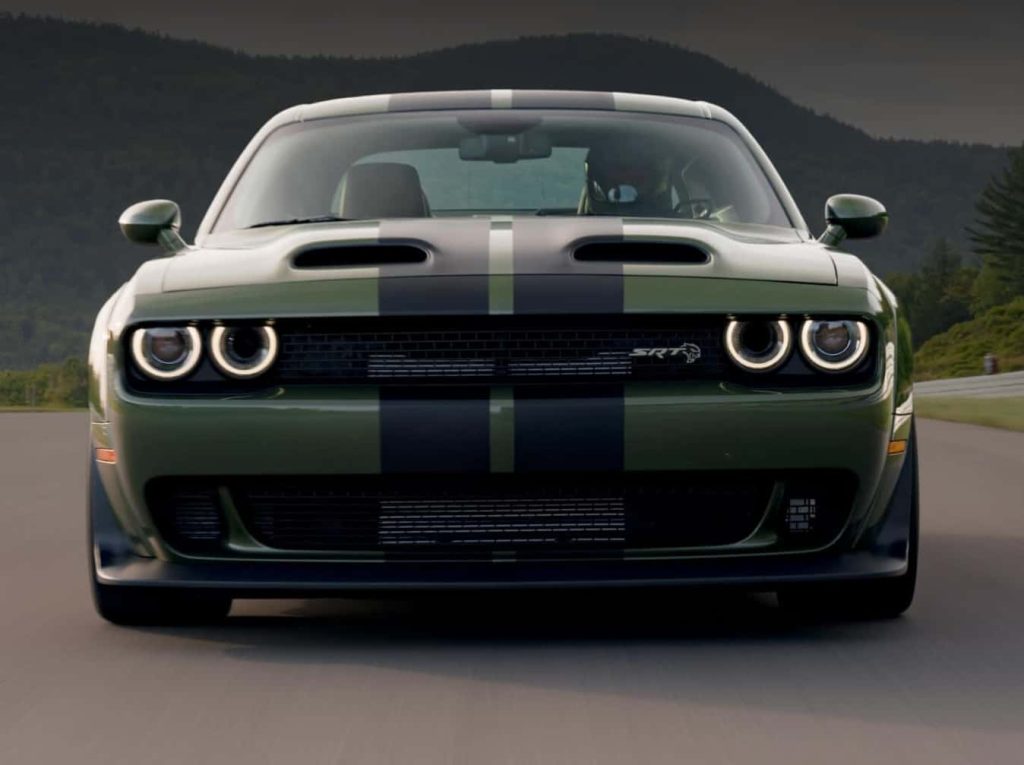
The Hellcat remains one of the most exciting performance cars available. Yet its combination of speed, repair costs, theft risk, and claim frequency places it firmly among the most expensive vehicles to insure for average drivers.
Specifications
- Engine: 6.2 Liter Supercharged V8
- Torque: 650 lb-ft
- Horsepower: 717 hp
- Length/Width: 197.9 in / 75.7 in
2. Tesla Model S Plaid
The Tesla Model S Plaid demonstrates how insurance costs are not limited to traditional high-performance sports cars. Although it is an electric luxury sedan, it consistently ranks among the most expensive vehicles to insure due to a unique combination of performance, technology, and repair complexity.
Acceleration is one of the biggest reasons. The Plaid delivers supercar-level performance that exceeds many exotic vehicles costing significantly more. Insurance companies recognize that such extraordinary acceleration capability can increase risk, particularly when drivers are tempted to use the vehicle’s immense power.
Repair costs create an even greater challenge. The Model S Plaid contains advanced battery systems, specialized structural components, and highly integrated electronics. Following an accident, repairs often require technicians trained specifically to work on Tesla vehicles. Limited repair networks and specialized procedures contribute to higher claim costs.
Body repairs can be especially expensive. Aluminum construction, integrated technology, and unique manufacturing techniques often make collision repairs more complicated than those involving traditional luxury sedans. Even seemingly minor damage may require extensive labor and calibration procedures.
The vehicle’s high market value also affects premiums. Insurance companies must consider replacement costs when determining rates. Because the Plaid remains a premium vehicle with advanced technology, replacement expenses can be substantial in the event of a total loss.
Another factor involves claim severity. Data has shown that repairs on advanced electric vehicles frequently cost more than expected due to battery-related inspections, sensor replacements, and specialized safety procedures. These realities increase insurer exposure whenever a claim occurs.
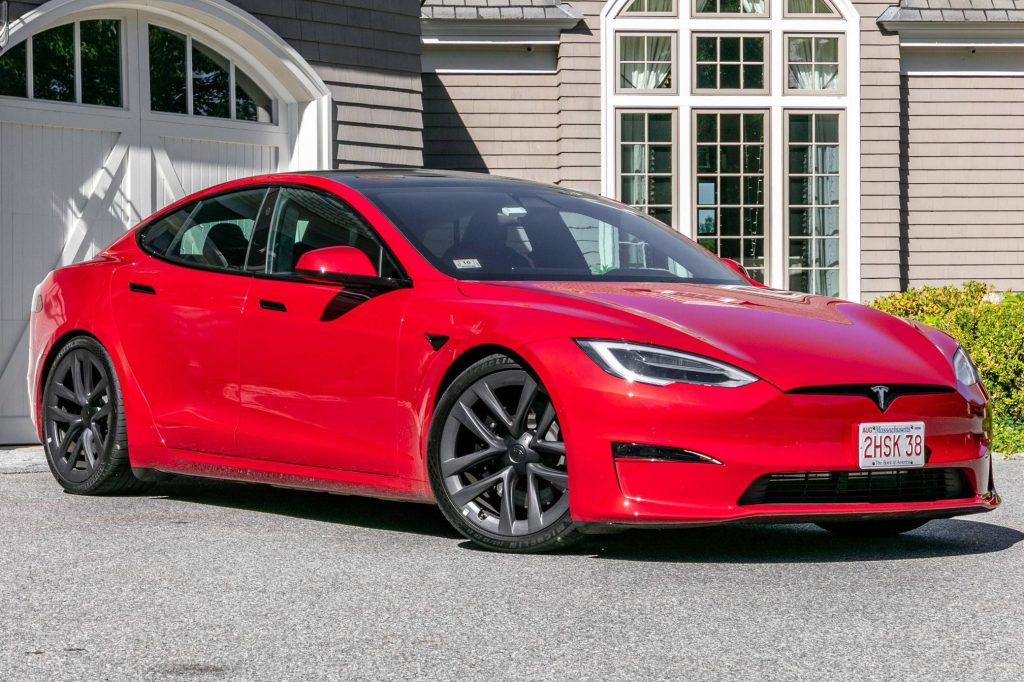
Owners often assume that safety technology will automatically lead to lower premiums. While advanced safety systems can reduce accident risk, the cost of repairing those systems sometimes offsets potential savings.
The Model S Plaid remains a remarkable achievement in automotive engineering. However, its combination of extreme performance, sophisticated technology, and expensive repairs makes it one of the costliest vehicles to insure for the average driver.
Specifications
- Engine: Triple Electric Motors
- Torque: 1,050 lb-ft
- Horsepower: 1,020 hp
- Length/Width: 197.7 in / 78.2 in
3. BMW M8 Competition Gran Coupe
Luxury and performance often lead to higher insurance premiums, and few vehicles combine those qualities as thoroughly as the BMW M8 Competition Gran Coupe.
It serves as BMW’s flagship performance sedan, blending executive comfort with supercar-level acceleration. While owners appreciate the vehicle’s versatility, insurance companies see a machine that presents significant financial risk.
The M8 Competition’s twin-turbocharged V8 produces enormous power, allowing the car to reach speeds that rival many exotic sports cars.
Vehicles capable of such performance generally receive higher insurance ratings because accidents involving them tend to result in greater claim costs. Even responsible drivers often face upgraded premiums simply because of the vehicle’s capabilities.
Repair expenses play an equally important role. The M8 uses specialized suspension components, high-performance brakes, advanced electronics, and premium materials throughout the cabin.
Replacing damaged parts can be extremely expensive, particularly after collisions involving the front or rear sections, where numerous sensors and driver-assistance systems are located.
Insurance companies also consider vehicle value. The M8 Competition commands a high purchase price, which directly affects replacement costs. A total-loss claim involving a flagship luxury performance car represents a much larger financial obligation than one involving a mainstream sedan.
Technology further increases insurer concerns. Adaptive suspension systems, digital displays, radar-based safety features, cameras, and advanced connectivity functions all add complexity. Even a relatively minor accident may require recalibration of multiple systems, increasing labor costs significantly.
The ownership profile associated with performance luxury vehicles can influence premiums as well. Cars capable of extraordinary acceleration often generate higher claim frequencies than standard luxury sedans, leading insurers to charge more for coverage.
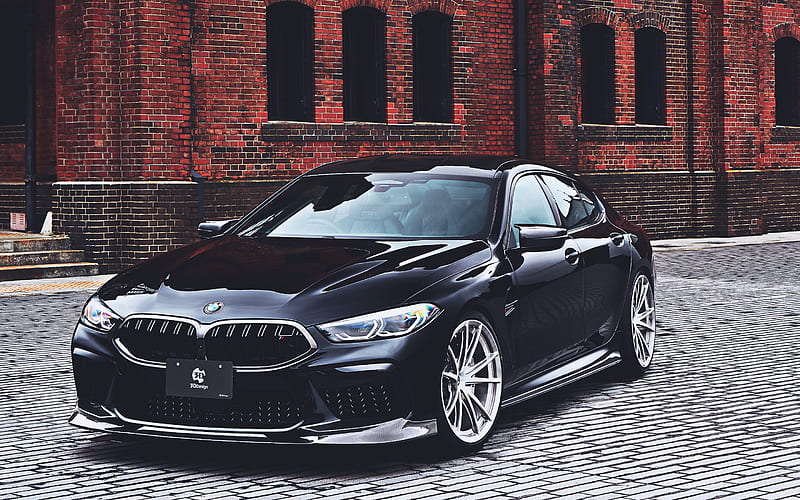
The BMW M8 Competition Gran Coupe remains an exceptional automobile that balances luxury and performance remarkably well. Yet the combination of high value, expensive repairs, advanced technology, and immense power places it among the vehicles carrying some of the highest insurance premiums for average drivers.
Specifications
- Engine: 4.4 Liter Twin Turbocharged V8
- Torque: 553 lb-ft
- Horsepower: 617 hp
- Length/Width: 200.9 in / 74.9 in
4. Porsche Taycan Turbo S
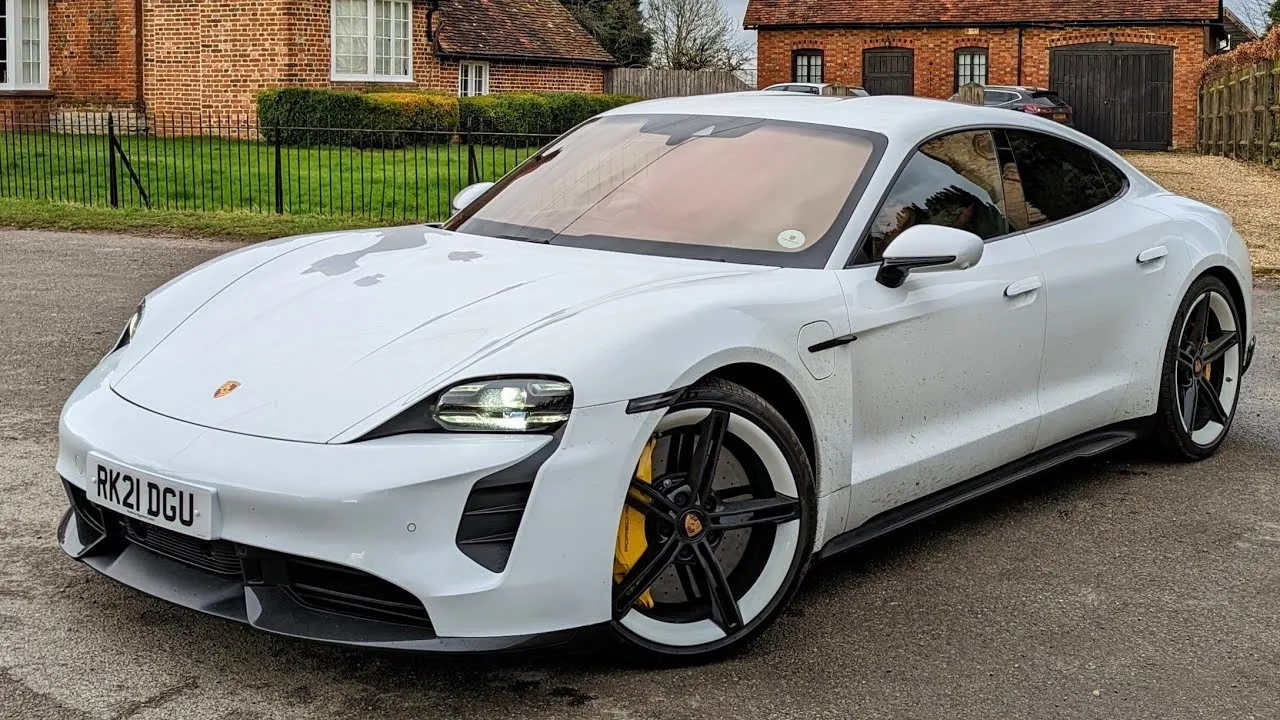
Electric vehicles are often associated with efficiency and innovation, but insurance companies evaluate them through a different lens. The Porsche Taycan Turbo S is one of the clearest examples of how advanced technology and premium engineering can lead to exceptionally high insurance costs.
At first glance, some buyers assume an electric sedan should be relatively affordable to insure. The Taycan Turbo S quickly challenges that assumption.
With acceleration capabilities approaching those of exotic supercars, it delivers performance that places it among the quickest production vehicles available today. Insurers recognize that such performance potential increases risk, regardless of the vehicle’s power source.
The vehicle’s repair costs are a major factor. Porsche engineered the Taycan using advanced materials, sophisticated battery technology, and highly specialized components. Repairs often require factory-trained technicians and dedicated equipment, which increases labor expenses considerably.
Battery-related considerations also influence insurance rates. While battery failures are uncommon, damage assessments following accidents can be complicated and expensive. Insurers must account for the possibility of significant repair or replacement costs involving one of the vehicle’s most valuable components.
The Taycan’s advanced safety and convenience technologies further contribute to higher premiums. Cameras, sensors, radar systems, and electronic control modules are integrated throughout the vehicle. When collisions occur, repairing and recalibrating these systems can add thousands of dollars to claim costs.
Vehicle value remains another important consideration. The Turbo S sits near the top of the Taycan lineup, carrying a premium price tag that increases potential insurer liability. Higher replacement costs naturally translate into more expensive coverage.
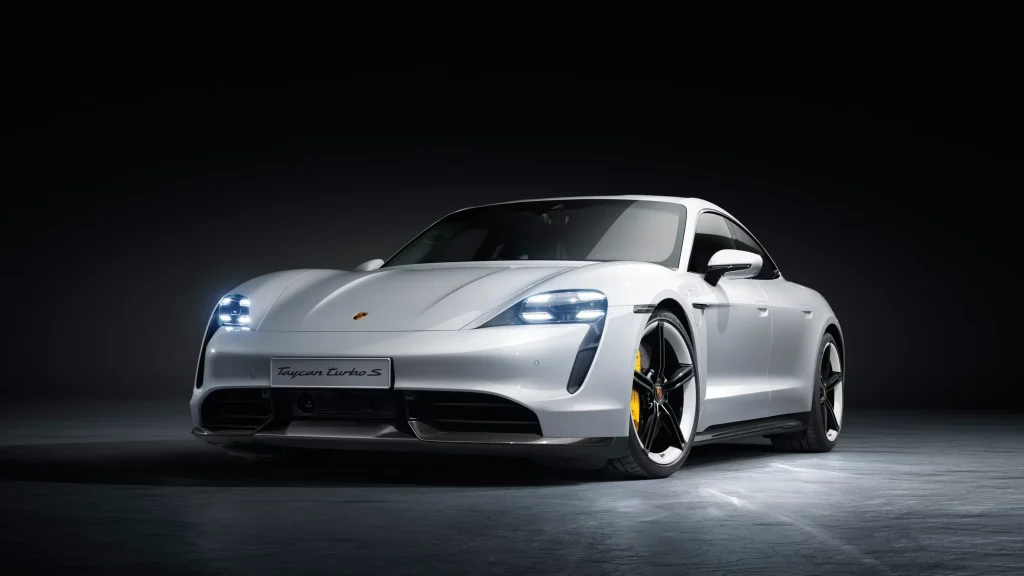
Owners often accept these costs because the Taycan Turbo S offers a unique combination of luxury, performance, and cutting-edge engineering. Nevertheless, average drivers frequently discover that insurance premiums are significantly higher than expected, making it one of the most expensive electric vehicles to insure.
Specifications
- Engine: Dual Electric Motors
- Torque: 774 lb-ft
- Horsepower: 750 hp
- Length/Width: 195.4 in / 77.4 in
5. Mercedes-AMG GT 63 S 4-Door Coupe
Some cars occupy a unique space between luxury sedans and exotic sports cars. The Mercedes-AMG GT 63 S 4-Door Coupe is one of those vehicles.
It offers four doors, practical seating, and daily usability, yet beneath its elegant bodywork lies a machine capable of astonishing performance. Insurance companies pay close attention to that combination, and the resulting premiums are often among the highest in the industry.
The first factor is simple: speed. The AMG GT 63 S produces immense power from its twin-turbocharged V8, allowing acceleration that rivals many dedicated supercars. Vehicles capable of reaching high speeds quickly are statistically associated with larger claims and more expensive accident repairs.
Repair complexity is another major concern. The AMG GT 63 S uses advanced suspension systems, active aerodynamics, high-performance braking components, and sophisticated electronics. When accidents occur, replacing and recalibrating these systems can dramatically increase repair costs.
Luxury features also contribute to insurance expenses. Premium leather interiors, digital displays, driver-assistance technologies, and specialized trim materials all add value to the vehicle. Insurance companies must consider the cost of restoring these components following a claim.
The vehicle’s rarity plays a role as well. Unlike mainstream sedans produced in huge numbers, the AMG GT 63 S is a lower-volume performance model. Parts availability can be more limited, and replacement components are often significantly more expensive than those found on standard Mercedes-Benz vehicles.
Another consideration involves theft risk. High-value luxury performance cars attract attention from both enthusiasts and criminals. Insurers incorporate theft statistics into premium calculations, and desirable vehicles frequently receive higher rates as a result.
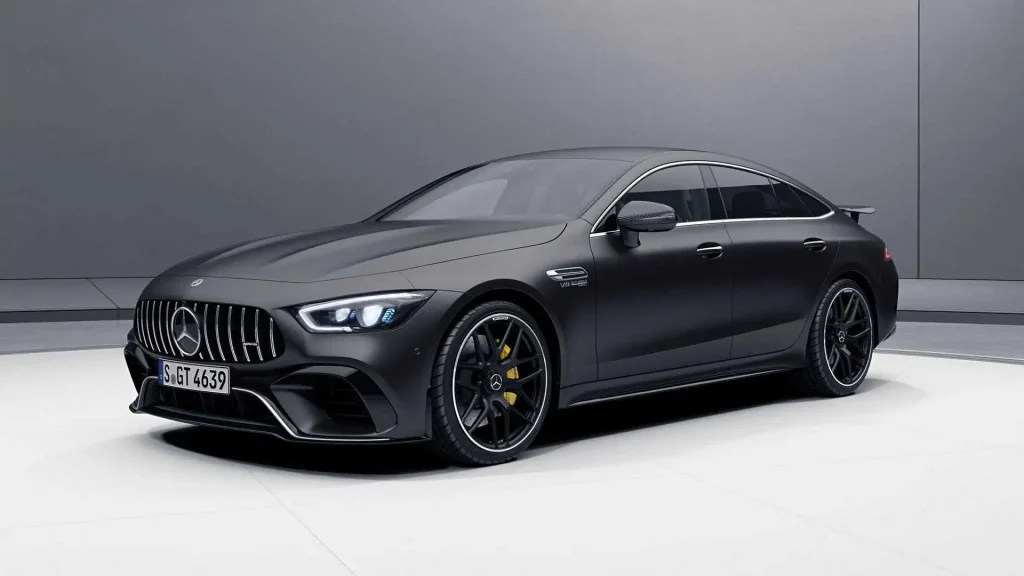
For owners, the appeal is easy to understand. The AMG GT 63 S combines luxury, practicality, and breathtaking performance in a single package. For insurance providers, however, it represents a collection of expensive risks. That reality makes it one of the costliest vehicles to insure for average drivers.
Specifications
- Engine: 4.0 Liter Twin Turbocharged V8
- Torque: 664 lb-ft
- Horsepower: 630 hp
- Length/Width: 199.2 in / 76.3 in
6. Land Rover Range Rover SV
Insurance costs are not driven solely by performance. The Range Rover SV demonstrates how luxury, technology, and repair complexity can push premiums into extremely high territory even when the vehicle is not marketed primarily as a sports car.
The SV represents the pinnacle of the Range Rover lineup. It features handcrafted materials, advanced technology, powerful engines, and some of the most sophisticated comfort systems available in an SUV. Every one of those attributes contributes to higher insurance costs.
A major factor is repair expense. Modern Range Rovers contain extensive networks of sensors, cameras, radar systems, and electronic control modules. Even a relatively minor collision can require the replacement and recalibration of multiple components, dramatically increasing claim costs.
The vehicle’s size creates another challenge. Larger SUVs often generate higher repair bills because of the amount of material involved in body repairs. Premium paint finishes, specialized trim pieces, and luxury interior components further raise costs when damage occurs.
Replacement value also influences premiums. The SV sits at the very top of the luxury SUV market, carrying a price tag that rivals many exotic cars. Insurance companies must account for the possibility of a total loss, and replacing such a vehicle can be extraordinarily expensive.
Theft statistics add another layer to the equation. High-end luxury SUVs remain desirable targets in many markets, increasing insurer exposure and contributing to upgraded rates.
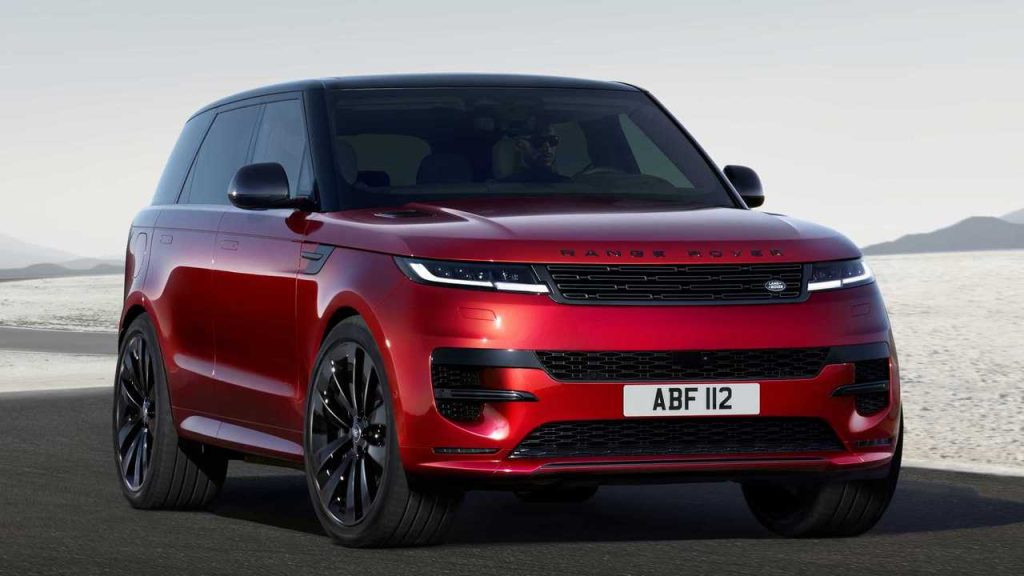
Unlike performance cars that receive high premiums because of speed, the Range Rover SV earns its place through a different formula. Luxury materials, expensive technology, high replacement costs, and complex repair procedures combine to create one of the most expensive insurance profiles in the SUV segment.
Owners receive an exceptional driving experience in return, but they also receive some of the highest insurance quotes many drivers will ever encounter.
Specifications
- Engine: 4.4 Liter Twin Turbocharged V8
- Torque: 553 lb-ft
- Horsepower: 606 hp
- Length/Width: 199.0 in / 81.0 in
7. Audi RS e-tron GT
The Audi RS e-tron GT demonstrates how electric performance cars have created a new category of insurance challenges. On the surface, it appears to be a sleek luxury grand tourer.
Underneath, however, it combines advanced battery technology, supercar-level acceleration, and premium construction techniques that make insurers extremely cautious when calculating premiums.
Performance is one of the primary reasons. The RS e-tron GT can accelerate with remarkable speed, placing it in direct competition with some of the world’s quickest production vehicles. Insurance companies consistently charge more for cars capable of such rapid acceleration because higher-performance vehicles tend to generate more expensive claims.
The vehicle’s construction further increases costs. Audi uses sophisticated materials and advanced engineering throughout the RS e-tron GT. If body damage occurs, repairs often require specialized equipment and highly trained technicians. Even seemingly minor accidents can result in surprisingly large repair estimates.
Battery systems create another area of concern. Following a collision, technicians must carefully inspect battery components to ensure there is no structural or thermal damage. These procedures add time and expense to the repair process. In some situations, battery-related concerns can significantly increase the cost of a claim.
Technology is integrated into nearly every aspect of the vehicle. Cameras, radar sensors, advanced driver-assistance systems, and digital interfaces contribute to the driving experience but also increase repair complexity. Replacing and recalibrating these systems after an accident can be expensive.
Vehicle value remains an important factor as well. The RS e-tron GT is positioned as a premium performance model with a substantial purchase price. Insurance providers must account for the possibility of major repairs or complete replacement, which naturally results in higher premiums.
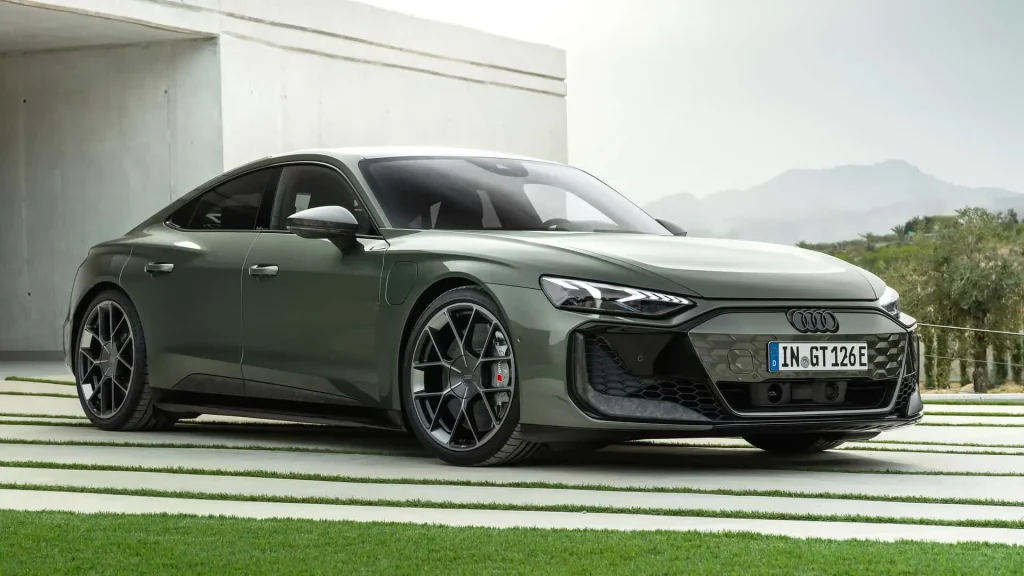
For enthusiasts, the Audi RS e-tron GT offers a compelling blend of luxury, technology, and performance. For insurers, it represents a high-value vehicle with costly repair requirements and extraordinary performance capabilities, making it one of the most expensive electric cars to insure.
Specifications
- Engine: Dual Electric Motors
- Torque: 612 lb-ft
- Horsepower: 637 hp
- Length/Width: 196.4 in / 77.3 in
8. Maserati Levante Trofeo
Luxury SUVs have become increasingly common, but very few carry the combination of exclusivity and performance found in the Maserati Levante Trofeo.
It stands apart from mainstream competitors through its Italian styling, powerful engine, and limited production numbers. Those same qualities also contribute to exceptionally high insurance premiums.
The Levante Trofeo is powered by a high-output V8 capable of delivering sports-car-like acceleration. Vehicles with such performance levels almost always attract higher insurance rates because of the increased likelihood of costly claims. Speed alone is enough to place the Trofeo in a high-risk category.
Exclusivity creates additional challenges. Maserati produces far fewer vehicles than major luxury manufacturers. As a result, replacement parts are often more expensive and sometimes less readily available. Insurance companies recognize that repairs can take longer and cost more than those involving higher-volume models.
Body repairs can be particularly expensive. Premium materials, unique styling elements, and specialized components mean even moderate collision damage can generate substantial repair bills. Labor costs may also be higher because technicians familiar with Maserati vehicles are less common than those servicing mainstream brands.
The Levante Trofeo’s high market value further influences premiums. Expensive vehicles cost more to replace, and insurers must prepare for the possibility of a total-loss claim. This reality alone can significantly increase insurance rates.
Theft risk is another factor. Exclusive luxury vehicles often attract attention due to their value and rarity. Insurers carefully monitor theft statistics and incorporate them into premium calculations.
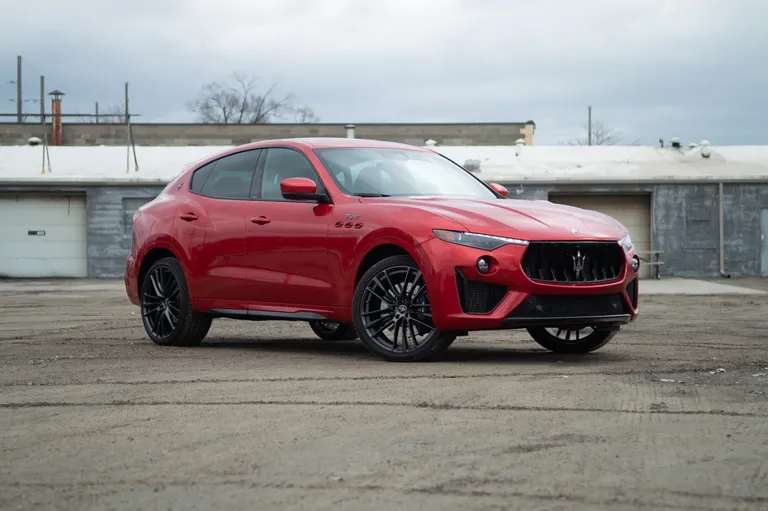
Despite these expenses, buyers continue to be drawn to the Levante Trofeo because it offers a driving experience unlike most luxury SUVs. Its distinctive character, powerful engine, and exclusivity make it highly desirable. Unfortunately, those same traits also make it one of the most expensive SUVs for average drivers to insure.
Specifications
- Engine: 3.8 Liter Twin-Turbocharged V8
- Torque: 538 lb-ft
- Horsepower: 580 hp
- Length/Width: 197.6 in / 77.5 in
9. Porsche 911 Turbo S
The Porsche 911 Turbo S has long been regarded as one of the finest performance cars ever built. It combines everyday usability with breathtaking speed, allowing owners to enjoy supercar-level performance without sacrificing comfort or reliability.
While those qualities make it highly desirable, they also contribute to some of the highest insurance premiums in the automotive world.
Insurance companies begin with the obvious factor: performance. The Turbo S is capable of acceleration figures that rival exotic hypercars costing substantially more. Vehicles with this level of capability are statistically associated with higher claim costs, particularly when accidents occur at upgraded speeds.
Repair expenses are equally significant. Porsche engineers the 911 Turbo S with advanced materials, sophisticated electronics, and highly specialized performance components.
Body panels, suspension systems, active aerodynamics, and braking hardware can all be extremely expensive to replace. Even relatively minor collisions often lead to repair estimates that exceed what many luxury sedans would cost after a much more serious accident.
The vehicle’s value further increases insurer exposure. The Turbo S commands a premium purchase price, meaning replacement costs remain high even after several years of ownership. A total-loss claim involving a 911 Turbo S represents a major financial obligation for any insurance provider.
Technology also plays a role. Modern examples include advanced driver-assistance systems, multiple cameras, sensors, adaptive suspension components, and complex electronic controls. Following an accident, these systems frequently require recalibration, increasing labor expenses considerably.
Theft risk adds another layer to the equation. The 911 remains one of the most recognizable and desirable sports cars in the world, making it an attractive target in certain markets. Insurance companies incorporate these risks when calculating premiums.
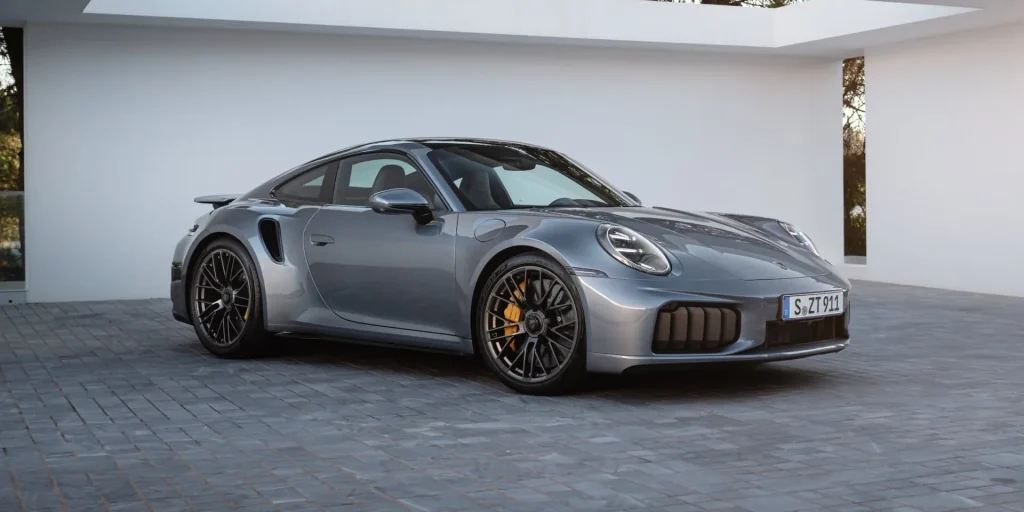
Owners often consider the costs worthwhile because the Turbo S delivers an extraordinary driving experience. However, average drivers seeking insurance coverage quickly discover that the combination of performance, value, and repair complexity places the Porsche 911 Turbo S among the most expensive cars to insure.
Specifications
- Engine: 3.8 Liter Twin-Turbocharged Flat 6
- Torque: 590 lb-ft
- Horsepower: 640 hp
- Length/Width: 178.6 in / 74.9 in
10. Nissan GT-R Nismo
The Nissan GT-R earned the nickname “Godzilla” because of its ability to challenge exotic supercars at a fraction of the cost. The Nismo version takes that formula even further, adding more power, track-focused upgrades, and advanced engineering.
While enthusiasts celebrate these improvements, insurance companies see a vehicle that combines multiple high-risk characteristics.
Unlike many sports cars that prioritize appearance, the GT-R Nismo is built around performance. Its twin-turbocharged V6, sophisticated all-wheel-drive system, and advanced aerodynamics allow it to achieve astonishing levels of speed and grip. Such capability naturally places it in a category associated with upgraded insurance costs.
Repair complexity is one of the biggest reasons premiums remain high. The GT-R’s drivetrain contains specialized components that require expert knowledge to service correctly. Transmission repairs, suspension work, and collision-related repairs often involve significant labor and expensive replacement parts.
The Nismo model amplifies these concerns. Carbon-fiber components, unique bodywork, performance-focused suspension hardware, and specialized wheels all increase repair costs. If damaged, many of these parts are considerably more expensive than those found on the standard GT-R.
Insurance companies also evaluate claim severity. High-performance vehicles frequently generate larger claims because parts, labor, and repair procedures are more expensive than average. The GT-R Nismo consistently falls into this category.
Another factor is limited production. Lower-volume vehicles generally cost more to repair because parts availability is reduced, and replacement components may need to be sourced through specialized channels.

The GT-R Nismo remains one of the most respected performance cars of the modern era. It delivers incredible speed, advanced technology, and a driving experience that continues to impress enthusiasts worldwide. Yet those same strengths result in some of the highest insurance premiums many drivers will ever encounter.
Specifications
- Engine: 3.8 Liter Twin-Turbocharged V6
- Torque: 481 lb-ft
- Horsepower: 600 hp
- Length/Width: 184.6 in / 74.6 in
