
Unexpected vehicle repairs can quickly turn an affordable ownership experience into an expensive one.
While routine maintenance such as oil changes, tire rotations, and brake service is expected, unplanned repairs involving engines, transmissions, electrical systems, or suspension components often arrive without warning and can cost hundreds or even thousands of dollars.
For many buyers, choosing a vehicle with a strong reputation for long-term reliability is just as important as fuel economy, comfort, or performance.
Certain vehicles consistently stand out because owners report remarkably few unexpected mechanical problems over years of ownership. These models benefit from proven powertrains, careful engineering, high manufacturing quality, and a history of dependable performance in real-world driving.
Rather than relying solely on warranty coverage, they earn their reputation by spending more time on the road and less time in repair shops.
Low rates of unplanned repairs also contribute to stronger resale values and lower ownership costs. Drivers gain confidence knowing they are less likely to face sudden repair bills or extended downtime.
Whether used for commuting, family transportation, or long-distance travel, dependable vehicles provide valuable peace of mind throughout their service lives.
The following eight vehicles have consistently developed reputations for requiring very few unexpected repairs when maintained according to manufacturer recommendations.
While no automobile is completely immune from mechanical issues, these models have repeatedly demonstrated exceptional dependability and have earned the trust of owners looking for reliable transportation over many years.
Also Read: 8 Tallest New SUVs You Can Buy in 2026
1. Toyota Corolla
The Toyota Corolla has built its reputation through consistency rather than dramatic innovation. Generation after generation, Toyota has refined the compact sedan with an emphasis on durability, straightforward engineering, and dependable mechanical components.
That philosophy has resulted in one of the lowest rates of unexpected repairs in the automotive industry, making the Corolla a favorite among commuters, families, and fleet operators alike.
One of the biggest reasons for its reliability is the use of well-proven powertrains. Toyota typically introduces gradual improvements instead of radical redesigns, allowing engineers to correct potential weaknesses before they become widespread problems.
The naturally aspirated four-cylinder engine and continuously variable transmission have benefited from years of development, contributing to dependable long-term performance.
Owners frequently report driving well beyond 200,000 miles while experiencing little more than scheduled maintenance. Oil changes, brake service, tire replacements, and fluid changes account for most ownership expenses, while major engine and transmission failures remain comparatively uncommon when maintenance schedules are followed.
The Corolla’s simplicity also plays an important role. Rather than filling the vehicle with unnecessary mechanical complexity, Toyota has focused on refining proven technology that performs consistently under everyday driving conditions.
This approach reduces the likelihood of expensive failures while keeping maintenance procedures relatively straightforward.
Strong manufacturing quality further enhances long-term dependability. Interior components age well, electrical systems have earned a reputation for stability, and the suspension typically withstands years of regular use without requiring significant repairs.
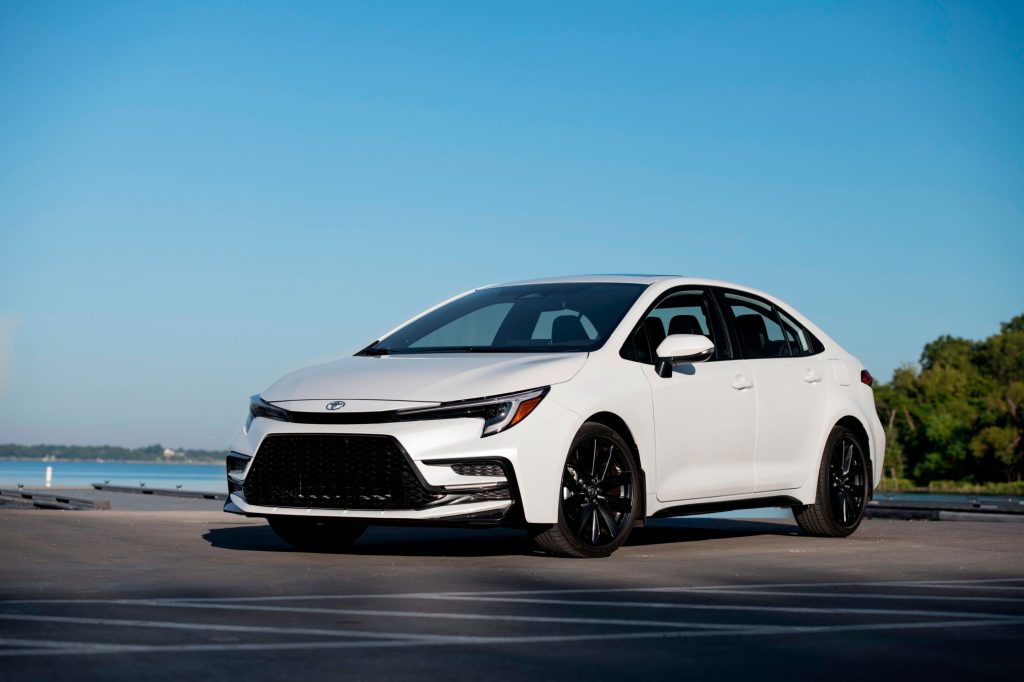
For buyers seeking transportation that minimizes unexpected repair bills, the Corolla continues setting one of the highest standards in the compact sedan segment. Its long history of dependable ownership has made it one of the safest choices for anyone prioritizing reliability above all else.
Specifications
- Engine: 2.0-liter naturally aspirated inline-four
- Torque: 151 lb-ft
- Horsepower: 169 hp
- Length/Width: 182.5 in / 70.1 in
2. Honda Accord
The Honda Accord has earned decades of owner loyalty by delivering a rare combination of comfort, efficiency, and long-term dependability.
While many midsize sedans experience increasing repair costs as they age, the Accord has consistently demonstrated an ability to remain reliable even after accumulating substantial mileage. Owners frequently report years of trouble-free driving with very few unexpected mechanical failures.
Honda’s engineering philosophy contributes significantly to this reputation. The Accord uses carefully developed engines that balance performance with durability, while transmissions have steadily improved through continuous refinement.
Rather than introducing unnecessary mechanical complexity, Honda focuses on systems designed to withstand everyday driving over extended periods.
Routine maintenance remains the key to preserving reliability. Owners who perform regular oil changes, transmission fluid service, coolant replacement, and scheduled inspections often experience remarkably low rates of unplanned repairs.
Major failures involving the engine or drivetrain are relatively uncommon compared with many competitors in the same segment.
The Accord also benefits from excellent build quality throughout the cabin. Switches, climate controls, electronic systems, and interior materials typically maintain their functionality for many years without frequent replacement.
Suspension components also demonstrate impressive longevity under normal driving conditions, reducing unexpected maintenance expenses.
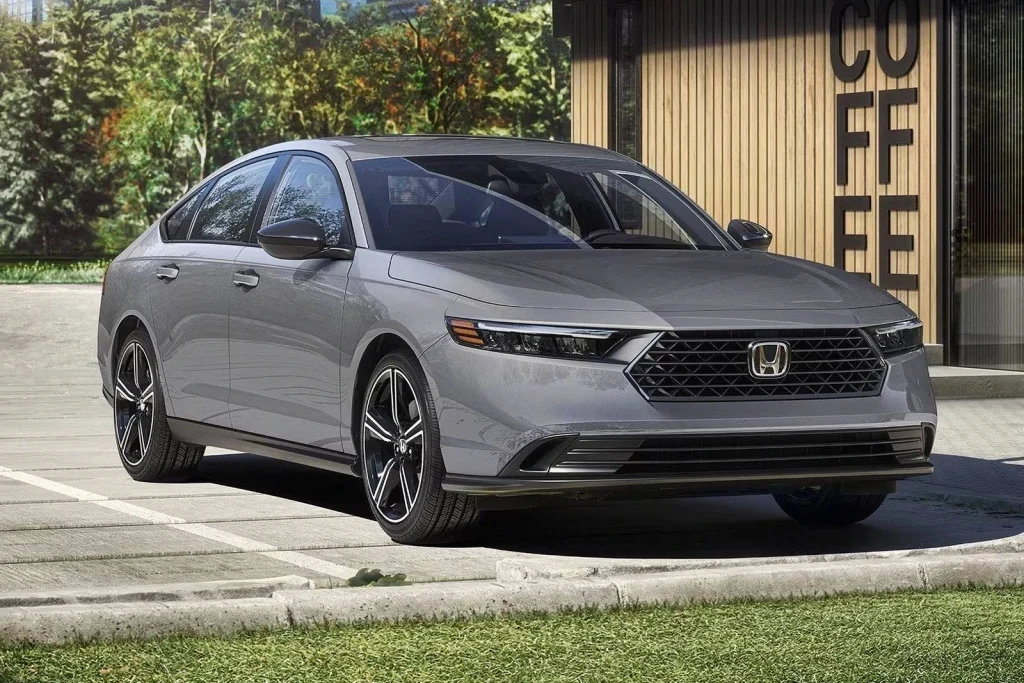
Another reason owners remain satisfied is the widespread availability of replacement parts and experienced service technicians. Should repairs eventually become necessary after many years of ownership, maintenance is generally straightforward and reasonably affordable.
The Accord continues attracting buyers who want a comfortable daily driver capable of providing dependable transportation for well over a decade. Its strong reputation for minimizing surprise repair bills has made it one of the most respected midsize sedans available and a consistent benchmark for long-term reliability.
Specifications
- Engine: 1.5-liter turbocharged inline-four
- Torque: 192 lb-ft
- Horsepower: 192 hp
- Length/Width: 195.7 in / 73.3 in
3. Mazda CX-5
The Mazda CX-5 has earned a loyal following by combining refined driving dynamics with exceptional long-term dependability. While many compact SUVs compete primarily on technology or interior space, Mazda focused heavily on engineering a vehicle that remains mechanically reliable through years of everyday use.
Owners consistently report relatively few unexpected repairs, helping the CX-5 establish one of the strongest reliability reputations in its segment.
A significant contributor to this success is Mazda’s Skyactiv engineering philosophy. Instead of relying on overly complicated powertrains, the company developed naturally aspirated engines and conventional automatic transmissions that emphasize durability and efficiency.
These components have accumulated years of real-world experience, allowing Mazda to refine potential weaknesses while maintaining consistent reliability.
Many owners surpass six-figure mileage without experiencing major drivetrain failures. Routine maintenance such as oil changes, brake service, coolant replacement, and transmission fluid inspections typically represents the majority of ownership expenses.
Serious engine or transmission repairs remain comparatively uncommon when recommended service intervals are followed.
The CX-5 also demonstrates impressive build quality throughout the cabin. Interior controls, climate systems, infotainment hardware, and seating materials generally age gracefully, reducing the likelihood of unexpected repairs involving electrical or comfort features.
Suspension components likewise hold up well under normal driving conditions, contributing to low long-term maintenance costs.
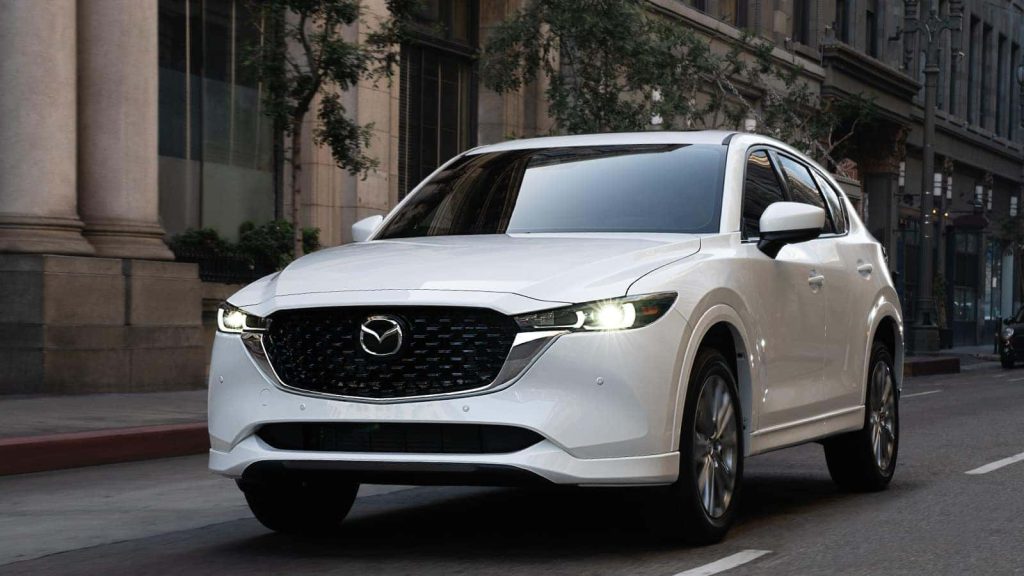
Drivers often appreciate that reliability does not come at the expense of enjoyment. Responsive steering, composed handling, and a quiet cabin create a premium feel while preserving the durability expected from a dependable family SUV.
For buyers seeking a compact crossover capable of delivering years of dependable transportation with minimal surprise repair bills, the Mazda CX-5 continues to stand among the strongest choices available in today’s market.
Specifications
- Engine: 2.5-liter naturally aspirated inline-four
- Torque: 186 lb-ft
- Horsepower: 187 hp
- Length/Width: 180.1 in / 72.6 in
4. Lexus ES 350
Luxury vehicles are sometimes associated with expensive repairs, yet the Lexus ES 350 consistently proves that premium comfort and outstanding reliability can exist together.
Built using proven Toyota engineering principles, the ES 350 has developed an exceptional reputation for requiring very few unexpected repairs throughout its ownership life. Many owners report driving well beyond 200,000 miles while experiencing little more than scheduled maintenance.
The naturally aspirated V6 engine plays a major role in this reputation. Rather than relying on high levels of turbocharging or complicated performance systems, Lexus chose a refined engine known for durability, smooth operation, and long service life.
Paired with a dependable automatic transmission, the powertrain has demonstrated excellent reliability across multiple generations.
Cabin quality further supports the vehicle’s reputation. Buttons, switches, infotainment components, climate controls, and premium materials are engineered to withstand years of continuous use without frequent failures. Owners often comment that the interior remains solid and quiet even after significant mileage.
The ES 350 also benefits from conservative engineering decisions. Lexus traditionally avoids introducing new technology before it has been thoroughly tested, reducing the possibility of widespread mechanical or electronic problems. This careful development strategy contributes directly to the vehicle’s low rate of unexpected repairs.
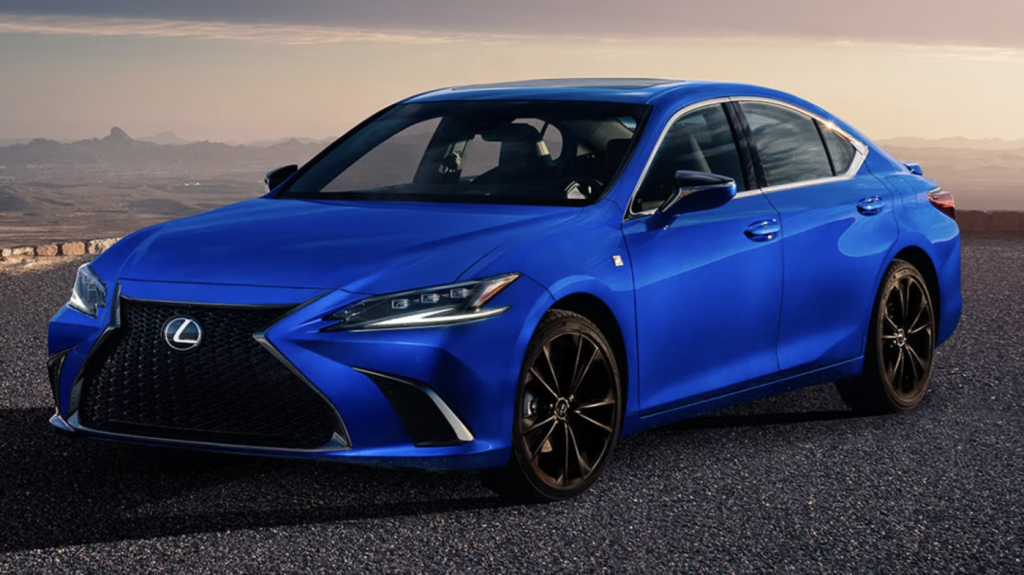
Maintenance costs remain reasonable for a luxury sedan because replacement parts are widely available through Toyota and Lexus service networks. Technicians are also highly familiar with the platform, simplifying routine servicing throughout the ownership experience.
For buyers who want luxury without the uncertainty often associated with premium vehicles, the Lexus ES 350 continues to represent one of the safest long-term investments. Its reputation for reliability has become one of the defining characteristics of the model.
Specifications
- Engine: 3.5-liter naturally aspirated V6
- Torque: 267 lb-ft
- Horsepower: 302 hp
- Length/Width: 195.9 in / 73.4 in
5. Toyota Camry
The Toyota Camry has spent decades earning the confidence of drivers who expect dependable transportation with minimal surprises. Rather than constantly reinventing the formula, Toyota has refined the Camry through steady improvements, resulting in a midsize sedan that consistently ranks among the vehicles with the fewest unexpected repairs.
Owners frequently report years of reliable service with little more than scheduled maintenance, making the Camry a benchmark for long-term dependability.
A major reason for this reputation is Toyota’s commitment to proven engineering. Both the naturally aspirated four-cylinder engine and the available V6 have established impressive durability records, while the automatic transmissions paired with these engines have undergone continuous refinement across multiple generations.
By introducing improvements gradually, Toyota has minimized the likelihood of widespread mechanical issues.
Reliability extends well beyond the powertrain. Electrical systems, climate controls, infotainment hardware, and interior components generally remain dependable as mileage increases. Even suspension parts often provide a long service life before requiring replacement, reducing ownership costs over time.
Owners also benefit from predictable maintenance. Routine oil changes, brake service, tire replacements, coolant exchanges, and transmission fluid maintenance typically account for the majority of expenses.
Major drivetrain failures that are both costly and unexpected are relatively rare when the vehicle is properly maintained in line with Toyota’s recommended service schedule.
The Camry’s popularity also provides practical advantages. Replacement parts are widely available, qualified technicians are easy to find, and repair procedures are familiar to independent service shops across the country. Should maintenance eventually become necessary, repairs are usually straightforward and reasonably priced.
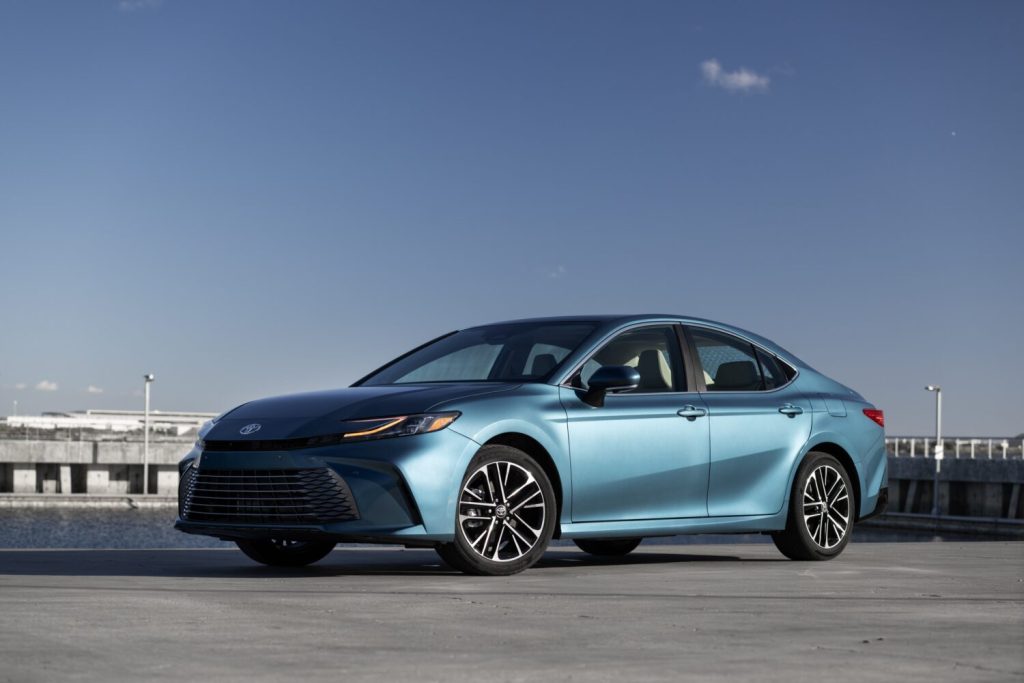
For anyone seeking a comfortable sedan that delivers dependable transportation year after year, the Toyota Camry continues setting one of the highest standards in the midsize segment. Its reputation has been built through millions of satisfied owners who value consistency above unnecessary complexity.
Specifications
- Engine: 2.5-liter naturally aspirated inline-four
- Torque: 163 lb-ft
- Horsepower: 225 hp
- Length/Width: 193.5 in / 72.4 in
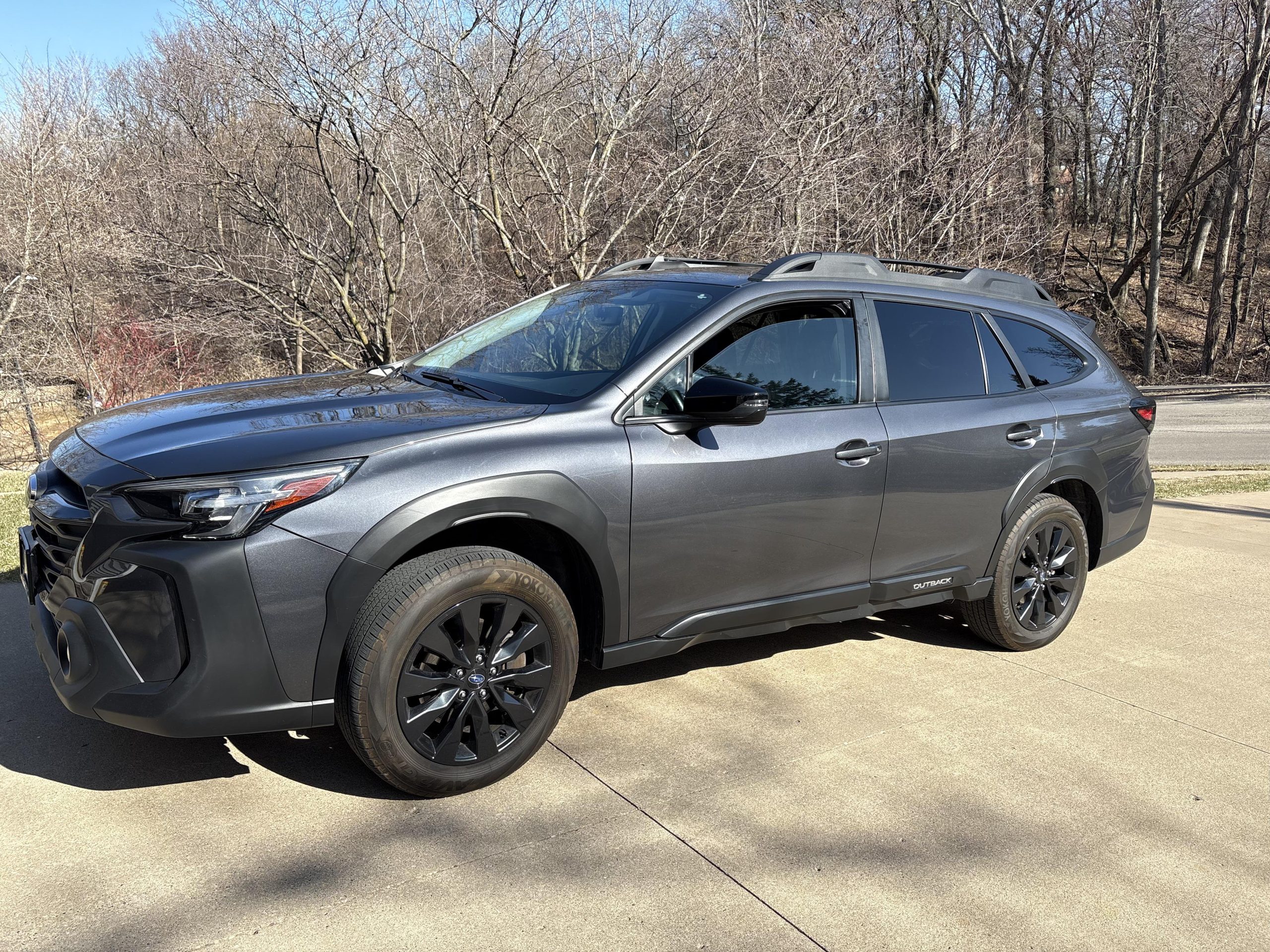
6. Subaru Outback
The Subaru Outback occupies a unique position by blending wagon practicality with SUV capability, and it has also developed a strong reputation for minimizing unexpected repair visits.
Owners who follow the recommended maintenance schedule frequently report dependable service across many years of ownership, particularly with newer generations that have benefited from substantial engineering improvements.
Subaru’s naturally aspirated boxer engine has become increasingly refined over time. Combined with the continuously variable transmission, it delivers predictable performance while maintaining reliability during daily commuting, long-distance travel, and moderate off-road use.
Engineers have addressed many concerns associated with earlier generations, allowing the latest Outback to achieve much stronger long-term dependability.
The symmetrical all-wheel-drive system also contributes to owner satisfaction. Designed as a permanent part of the drivetrain rather than an added feature, it operates seamlessly in changing weather conditions without requiring frequent attention.
Many owners experience years of reliable performance from the system with only routine maintenance.
The Outback’s durable construction extends into the cabin. Seats, switches, climate controls, and infotainment systems generally withstand extensive daily use while maintaining their functionality. Combined with a practical interior and generous cargo capacity, the vehicle continues serving families and outdoor enthusiasts with very few surprise repair expenses.
Regular maintenance remains essential. Oil changes, fluid inspections, brake servicing, and tire rotations help preserve the drivetrain and suspension throughout the vehicle’s lifespan. Owners who remain consistent with these services often enjoy hundreds of thousands of dependable miles.
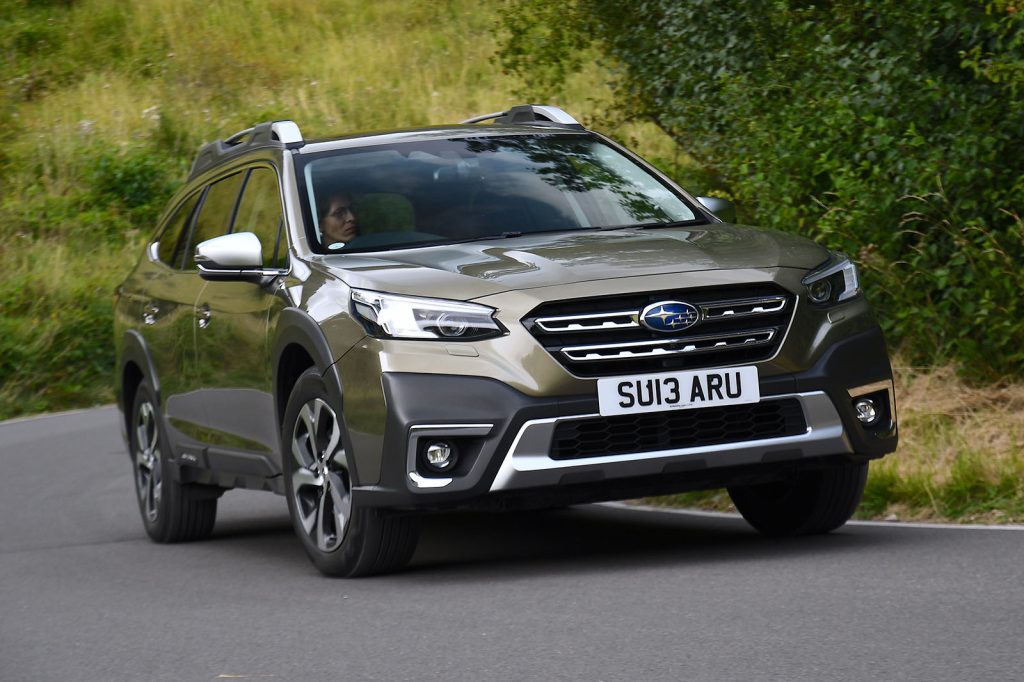
The Subaru Outback continues proving that versatility and reliability can exist together. Its ability to perform comfortably on highways while confidently handling poor weather has helped establish it as one of the vehicles that owners trust to deliver dependable transportation with minimal unexpected mechanical issues.
Specifications
- Engine: 2.5-liter naturally aspirated flat-four
- Torque: 178 lb-ft
- Horsepower: 182 hp
- Length/Width: 191.9 in / 74.6 in
7. Hyundai Tucson
The Hyundai Tucson has steadily transformed from a value-focused compact SUV into one of the most dependable choices in its class. Recent generations have benefited from significant engineering improvements, allowing the Tucson to earn positive owner feedback for requiring very few unexpected repairs.
Many drivers report years of dependable ownership with maintenance costs largely limited to scheduled service rather than expensive mechanical failures.
A major contributor to Tucson’s reliability is its refined powertrain. The naturally aspirated 2.5-liter four-cylinder engine is engineered for smooth, predictable operation instead of chasing maximum output.
Paired with a conventional eight-speed automatic transmission, the drivetrain has demonstrated dependable performance under a wide variety of driving conditions. Owners frequently note that both the engine and transmission continue operating reliably even after accumulating substantial mileage.
Hyundai has also invested heavily in manufacturing quality. Interior materials, climate control systems, digital displays, and electronic safety features have become increasingly dependable with each generation.
As a result, owners encounter relatively few electrical issues compared with many competitors in the compact SUV segment.
Another advantage involves warranty support. Hyundai’s comprehensive factory warranty provides additional confidence during the early years of ownership while encouraging regular maintenance through authorized service centers.
Many owners continue following those maintenance schedules after the warranty expires, contributing to excellent long-term reliability.
The Tucson’s suspension and steering systems have also earned praise for durability. Even after years of commuting and family use, many vehicles require only routine maintenance such as brake replacement, fluid changes, and tire service rather than major component repairs.
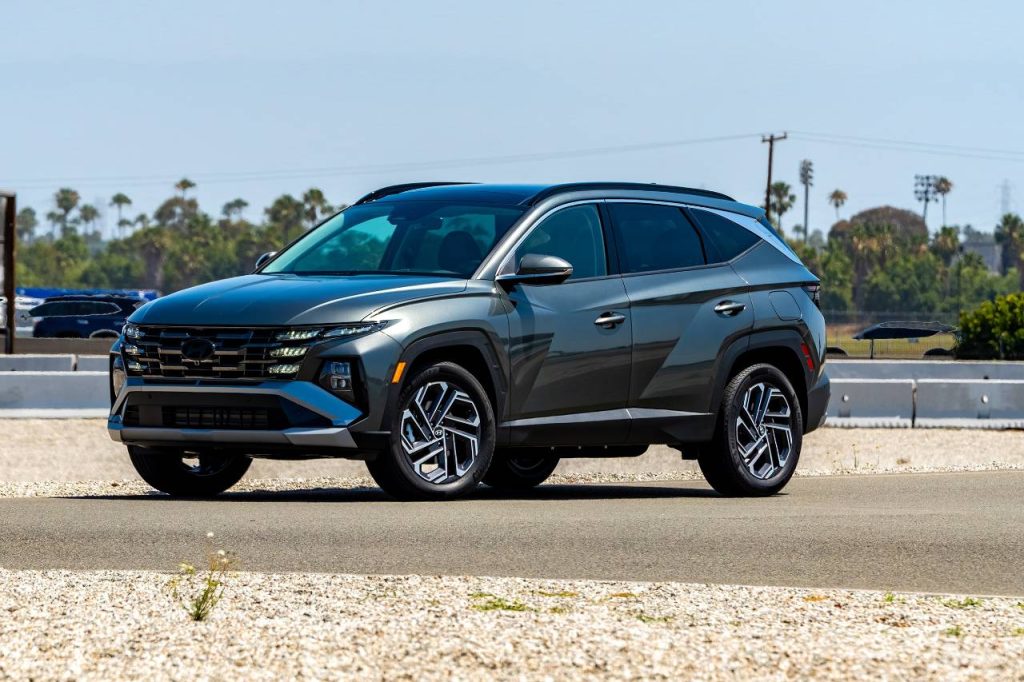
For buyers looking for a compact SUV that balances comfort, modern technology, and dependable ownership, the Hyundai Tucson has become one of the strongest options available. Its combination of thoughtful engineering and consistent reliability helps minimize the likelihood of costly surprise repairs.
Specifications
- Engine: 2.5-liter naturally aspirated inline-four
- Torque: 181 lb-ft
- Horsepower: 187 hp
- Length/Width: 182.7 in / 73.4 in
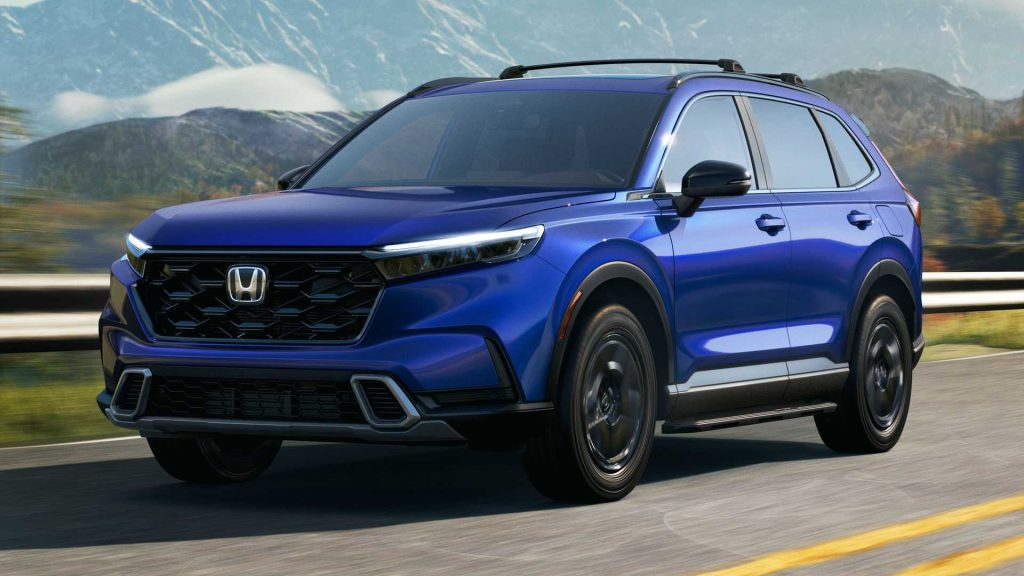
8. Honda CR-V
The Honda CR-V has spent decades earning a reputation as one of the most dependable compact SUVs on the market. Owners consistently praise its ability to provide reliable transportation year after year with remarkably few unexpected repairs.
Whether serving as a daily commuter, family vehicle, or long-distance travel companion, the CR-V has repeatedly demonstrated the durability that has made it one of Honda’s best-selling models.
Its dependable reputation begins with the powertrain. Honda’s turbocharged engine has benefited from continuous refinement, while the continuously variable transmission is engineered to deliver smooth performance without introducing unnecessary mechanical complexity.
When maintained according to Honda’s service schedule, both components have shown excellent long-term durability in real-world ownership.
Reliability extends throughout the rest of the vehicle as well. Electrical systems, climate controls, infotainment functions, and driver assistance technologies generally operate consistently over many years.
Owners also report that interior materials withstand everyday use exceptionally well, preserving both appearance and functionality as mileage increases.
The CR-V’s suspension deserves recognition for balancing ride comfort with durability. Components such as control arms, bushings, and shock absorbers often provide long service life before requiring replacement, helping reduce unexpected maintenance expenses.
Combined with efficient fuel economy and practical cargo space, the SUV offers one of the lowest-stress ownership experiences in its class.
Routine maintenance remains straightforward and affordable. Oil changes, brake service, fluid inspections, and scheduled filter replacements typically represent the majority of ownership costs, while major engine and transmission failures remain relatively uncommon.
For buyers prioritizing long-term peace of mind, the Honda CR-V continues standing among the industry’s most trusted compact SUVs. Its history of dependable performance and consistently low rates of unplanned repairs make it an excellent choice for anyone seeking reliable transportation over many years.
Specifications
- Engine: 1.5-liter turbocharged inline-four
- Torque: 179 lb-ft
- Horsepower: 190 hp
- Length/Width: 184.8 in / 73.5 in
Also Read: 10 Sedans That Hit 60 MPH Much Faster Than You’d Expect
