
Audi is widely recognized for its luxury vehicles, advanced engineering, and premium design, but the brand has also produced several affordable models that introduced more buyers to Audi ownership. These entry-level cars combined German engineering, quality interiors, and practical performance at lower price points than the company’s flagship sedans and sports cars.
Over the years, Audi’s approach evolved from emphasizing simplicity and reliability to offering modern technology, enhanced safety, and refined styling without sacrificing its premium identity. Features such as turbocharged engines, available all-wheel drive, and well-crafted cabins helped these budget-friendly models stand out from mainstream competitors.
This list ranks eight of the cheapest Audi models ever produced based on their original market position, value, and accessibility. Many have also become attractive used-car options for enthusiasts seeking affordable luxury, though buyers should still consider maintenance costs, repair expenses, and parts availability before purchasing an older premium vehicle.
Also Read: 2027 Kia Telluride Grows Larger and Adds a Hybrid for the First Time
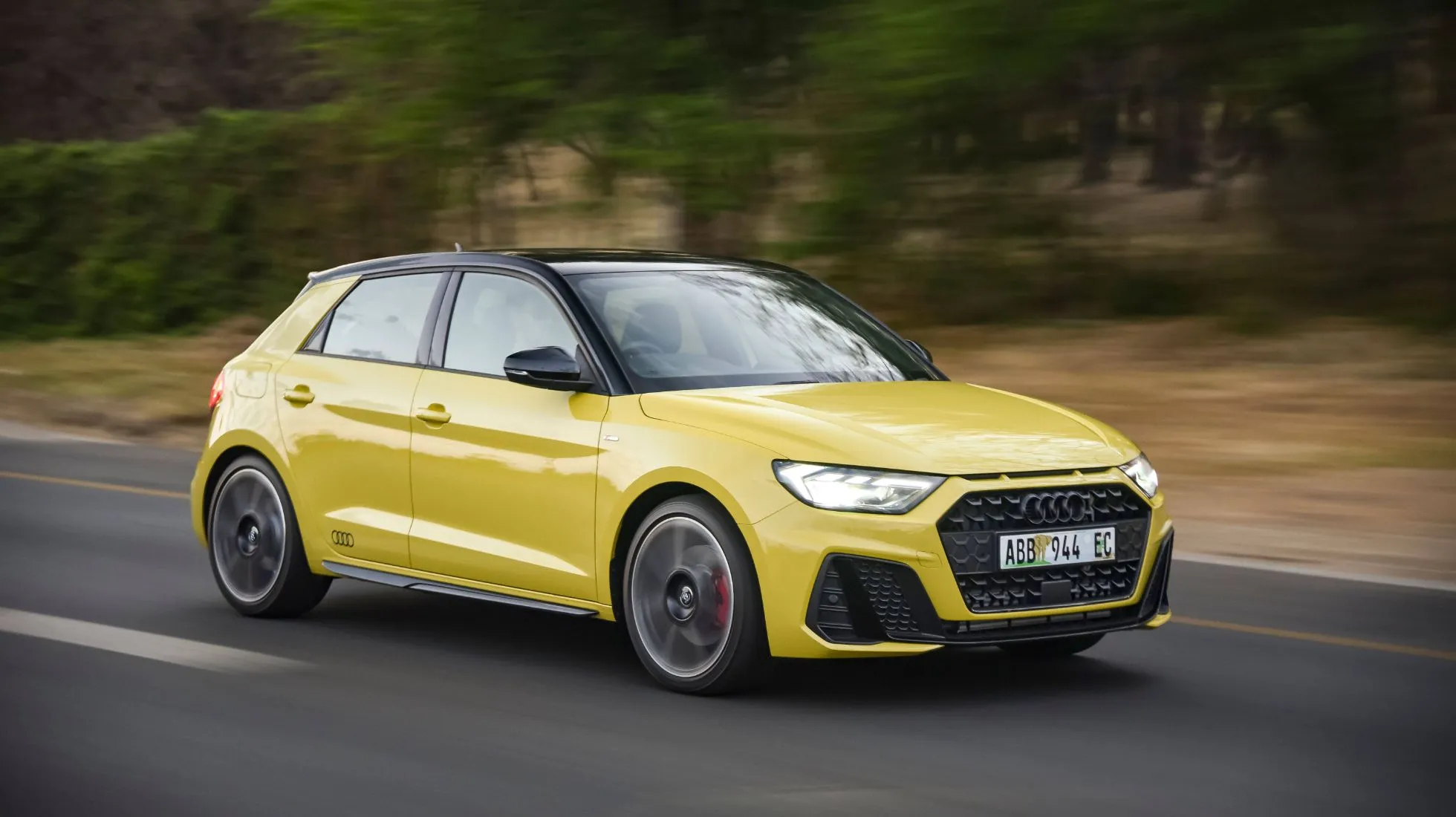
- Engine: 1.0L TFSI 3-cylinder petrol, 1.2L TFSI, 1.4L TFSI, 1.5L TFSI, 2.0L TFSI, 1.6L TDI diesel
- Horsepower: Approximately 86 hp to 207 hp
- Torque: Approximately 160 Nm to 320 Nm
- Length: Approximately 3,950 mm to 4,030 mm depending on generation
- Width: Approximately 1,740 mm to 1,756 mm
8. Audi A1
The Audi A1 holds a special place in the company’s history because it was created as the brand’s smallest and most affordable modern vehicle. Introduced in 2010, the A1 was designed to compete in the premium small-car segment and attract younger buyers who wanted Audi styling and quality in a compact package.
Positioned below the Audi A3, the A1 allowed customers to enter the Audi brand without moving into the higher price range associated with larger models.
The first-generation Audi A1 was built on a platform shared with other small Volkswagen Group vehicles, but Audi gave the car its own identity through distinctive styling, premium materials, and a more upscale driving experience.
The exterior design featured a sporty appearance with a strong front grille, sharp headlights, and customizable color options. This approach helped the A1 stand out among small hatchbacks by offering more personality than many competitors in the same category.
Inside, the Audi A1 focused on providing a premium cabin despite its compact dimensions. The dashboard layout followed Audi’s traditional design philosophy, with high-quality controls and an emphasis on driver-focused ergonomics.
While rear-seat space and cargo capacity were limited compared with larger vehicles, the A1 offered enough practicality for city driving and daily commuting. Its interior quality was one of the main reasons buyers considered it a true Audi rather than simply a small economy car.
Engine choices varied depending on the market, but many versions featured efficient turbocharged petrol and diesel engines. These powertrains provided a balance between performance and fuel economy, making the A1 suitable for urban environments.
Higher-performance versions, such as the S1, demonstrated that even Audi’s smallest vehicle could deliver an engaging driving experience with stronger performance capabilities.
Although the Audi A1 was not sold in every global market, it became one of the most accessible ways to own a new Audi. Its lower entry price compared with larger Audi models made it an important vehicle for expanding the company’s customer base.
The A1 proved that a smaller Audi could still offer premium design, modern technology, and a sophisticated driving experience while remaining relatively affordable.
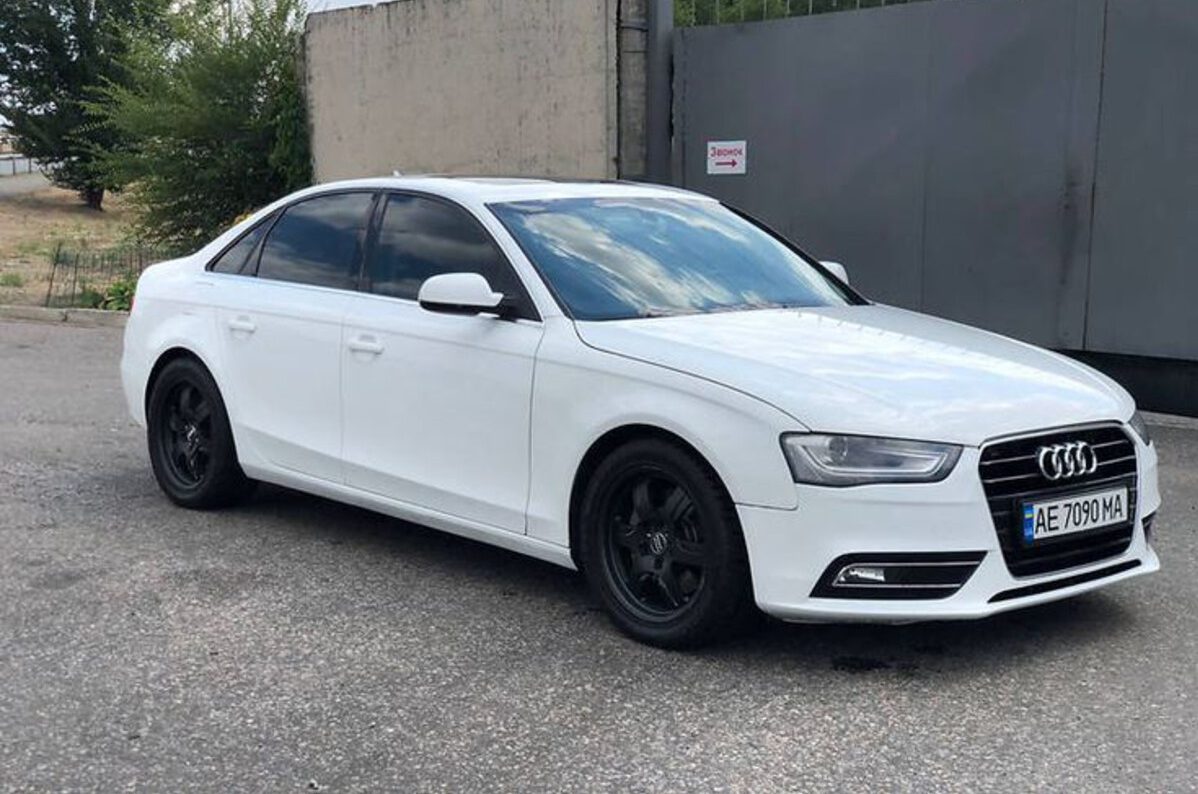
- Engine: 1.1L and 1.3L inline-four petrol engines
- Horsepower: Approximately 50 hp to 60 hp
- Torque: Approximately 75 Nm to 95 Nm
- Length: 3,490 mm
- Width: 1,560 mm
7. Audi 50
The Audi 50 was one of the earliest attempts by Audi to create a small and affordable passenger vehicle. Introduced in 1974, the Audi 50 arrived during a period when fuel efficiency and compact vehicle design were becoming increasingly important.
Unlike larger luxury models associated with the Audi name at the time, the Audi 50 focused on practicality, affordability, and economical transportation.
The Audi 50 was a compact hatchback developed as part of the Volkswagen Group’s strategy to create efficient small cars. Its design featured a front-wheel-drive layout and a lightweight body, which helped improve fuel economy and handling.
The vehicle was particularly suited for European cities, where compact dimensions made parking and maneuvering easier. Its small size also helped reduce ownership costs compared with larger vehicles.
One of the most interesting aspects of the Audi 50 was its relationship with the Volkswagen Polo. The two vehicles shared significant engineering elements, and the Audi 50 helped introduce concepts that later became important for Volkswagen’s small-car lineup.
While the Audi version was positioned as the more premium offering, the Polo became the longer-running and more widely recognized model.
The interior of the Audi 50 was simple compared with modern vehicles, but it reflected the practical design priorities of the 1970s. The cabin focused on functionality rather than luxury features. Buyers received a compact, efficient vehicle that carried Audi branding while remaining affordable for a broader range of customers.
Although production of the Audi 50 ended after only a few years, its importance in Audi’s history cannot be ignored. It demonstrated that the brand could produce smaller, more economical vehicles while maintaining engineering quality.
The Audi 50 helped establish the foundation for future compact Audi models and showed that affordability could be part of the company’s strategy.
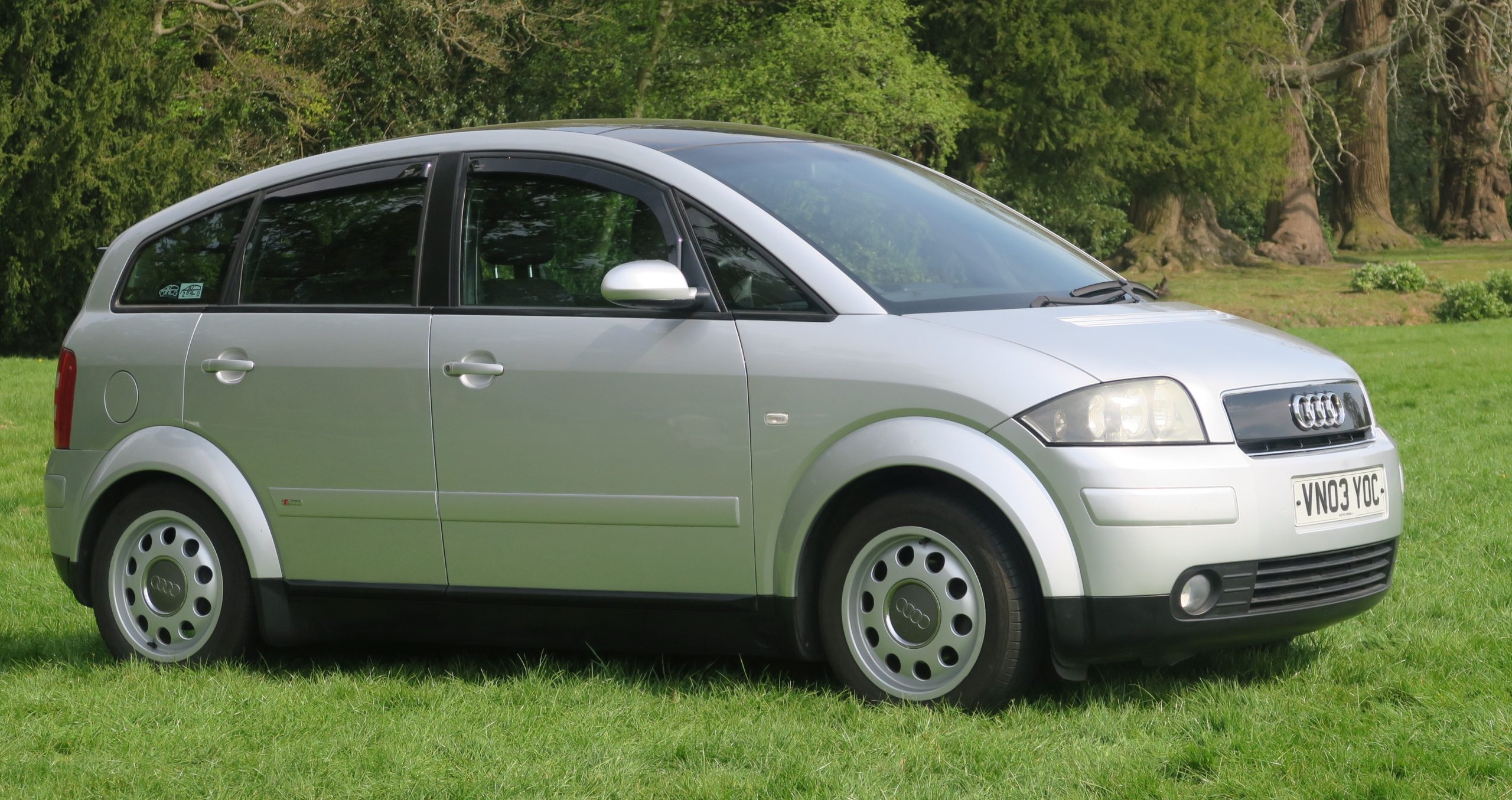
- Engine: 1.4L petrol, 1.6L FSI petrol, 1.2L TDI diesel, 1.4L TDI diesel
- Horsepower: Approximately 61 hp to 110 hp
- Torque: Approximately 140 Nm to 250 Nm
- Length: 3,820 mm
- Width: 1,673 mm
6. Audi A2
The Audi A2 was one of the most innovative compact cars ever produced by Audi and represented a bold attempt to create a highly efficient premium small vehicle. Introduced in 1999, the A2 was developed with advanced engineering techniques that were unusual for its segment.
While it was not the cheapest Audi in terms of manufacturing complexity, it became one of the company’s most affordable models for customers seeking a compact premium vehicle. The A2 was designed around efficiency, lightweight construction, and futuristic technology, making it very different from traditional Audi models of that period.
One of the most notable features of the Audi A2 was its aluminum space frame construction. Audi used its aluminum expertise to reduce weight and improve fuel efficiency, a technology that was also used in more expensive models.
The lightweight structure allowed the A2 to achieve impressive fuel economy while maintaining strong safety standards. This engineering approach made the A2 unique because most affordable cars at the time relied on conventional steel construction rather than advanced materials.
The exterior design of the Audi A2 focused heavily on aerodynamics and practicality. Its tall hatchback shape provided excellent interior space despite its compact footprint.
The unusual styling divided opinions when it was launched, but it was clearly designed with efficiency in mind. The smooth body lines, short front end, and aerodynamic profile helped reduce drag and improve performance from smaller engines.
Inside, the Audi A2 offered a surprisingly spacious cabin for its size. The clever interior layout provided good headroom and practical storage solutions. Audi used quality materials and a clean dashboard design to create a premium atmosphere.
Although some features were simpler than those found in larger Audi models, the cabin still reflected the brand’s focus on craftsmanship and attention to detail.
The Audi A2 was eventually discontinued in 2005 because its advanced construction methods made it expensive to produce. However, its original mission remains important in Audi’s history.
It proved that an affordable compact vehicle could include advanced technology and premium engineering. Today, the A2 is remembered by enthusiasts as an innovative model that was ahead of its time and one of the most interesting affordable Audis ever created.
Also Read: The 2027 Kia Telluride vs the Hyundai Palisade
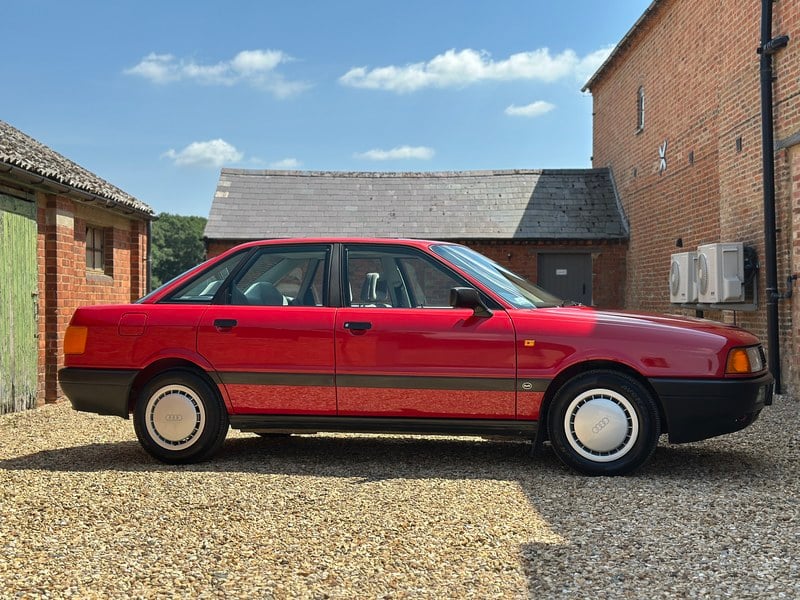
- Engine: 1.3L, 1.6L, 1.8L, 2.0L petrol engines; 1.6L and 1.9L diesel engines depending on generation
- Horsepower: Approximately 55 hp to 137 hp
- Torque: Approximately 95 Nm to 180 Nm
- Length: Approximately 4,180 mm to 4,480 mm depending on generation
- Width: Approximately 1,610 mm to 1,700 mm
5. Audi 80
The Audi 80 was one of the most successful affordable models in Audi’s history and played a major role in establishing the brand’s reputation for quality engineering.
First introduced in 1972, the Audi 80 was positioned as a compact family sedan that offered buyers a more refined alternative to mainstream vehicles. It became one of Audi’s most important models because it combined reasonable pricing with the company’s growing reputation for German engineering.
The first-generation Audi 80 was designed to compete in the compact sedan market, offering practicality and efficient performance. It featured a lightweight design, reliable engines, and a comfortable driving experience.
At a time when many affordable cars focused primarily on basic transportation, the Audi 80 provided a more sophisticated option with better handling and a higher-quality feel.
Over several generations, the Audi 80 continued to evolve with improved technology, safety features, and more powerful engines.
Later versions introduced advanced engineering solutions that helped Audi compete with other German manufacturers. The model also became known for its excellent build quality, with many examples remaining durable even after decades of use.
The interior of the Audi 80 reflected Audi’s philosophy of creating functional yet premium cabins. The design was usually simple and driver-focused, with controls placed logically and materials chosen for durability. Although it did not offer the luxury levels of larger Audi models, it provided a comfortable environment that helped distinguish it from ordinary family cars.
The Audi 80 eventually evolved into the Audi A4, which became one of Audi’s most recognizable vehicles worldwide. Its success created a foundation for Audi’s modern lineup by proving that buyers wanted compact premium vehicles.
Because of its affordability, reliability, and importance in Audi’s development, the Audi 80 deserves recognition among the cheapest and most influential Audis ever made.
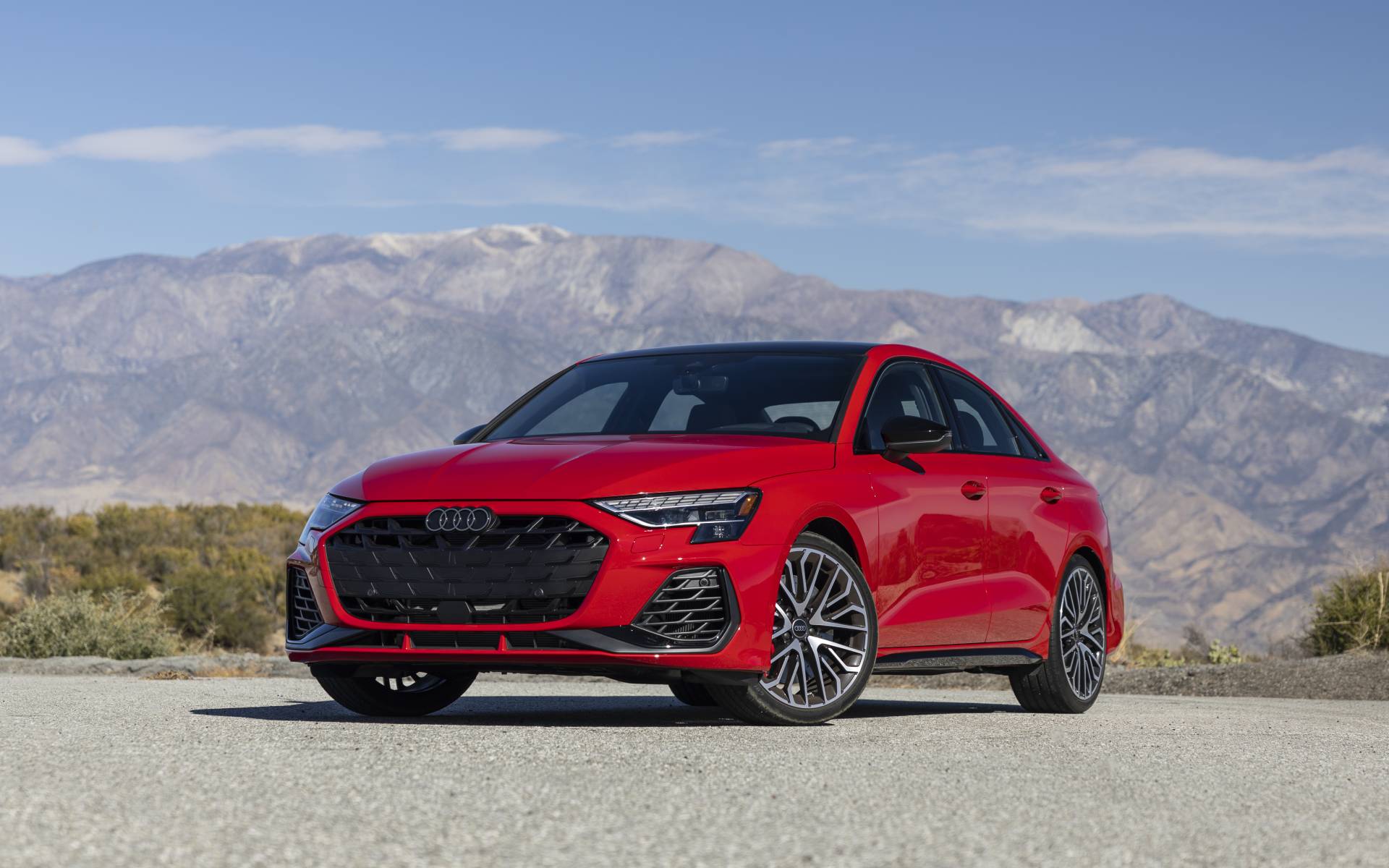
- Engine: 1.0L TFSI, 1.2L TFSI, 1.4L TFSI, 1.5L TFSI, 1.8L TFSI, 2.0L TFSI petrol engines; 1.6L and 2.0L TDI diesel engines
- Horsepower: Approximately 95 hp to 310 hp (S3 versions)
- Torque: Approximately 175 Nm to 400 Nm
- Length: Approximately 4,310 mm to 4,500 mm depending on generation and body style
- Width: Approximately 1,760 mm to 1,820 mm
4. Audi A3
The Audi A3 is one of the most successful entry-level luxury cars ever produced by Audi. Introduced in 1996, the A3 was created to bring Audi’s premium experience to a younger audience and compete in the growing compact luxury segment.
It became the company’s gateway model, offering a lower starting price than larger Audi vehicles while still delivering many characteristics associated with the brand.
The first-generation Audi A3 was launched as a three-door hatchback and was built on a platform shared with other Volkswagen Group models.
However, Audi differentiated the vehicle through styling, interior quality, and driving refinement. The A3 provided an affordable way for customers to experience Audi ownership without purchasing a larger sedan or expensive performance model.
Over time, the A3 expanded into different body styles, including five-door hatchbacks, sedans, and convertible versions in some markets. This flexibility helped Audi reach a wider audience. The model became especially popular among buyers who wanted a premium compact vehicle for urban driving, commuting, and everyday use.
The interior quality of the Audi A3 has always been one of its strongest features. Even entry-level versions typically offered a more refined cabin compared with many mainstream competitors.
Audi focused on high-quality materials, modern technology, and a sophisticated dashboard layout. Later generations introduced advanced infotainment systems, digital displays, and improved driver assistance features.
The A3 remains one of Audi’s most important vehicles because it successfully balanced affordability and premium appeal. It demonstrated that luxury cars did not need to be large or extremely expensive to provide a high-quality experience.
For many buyers around the world, the A3 became their first introduction to Audi ownership, making it one of the most significant affordable models in the company’s history.
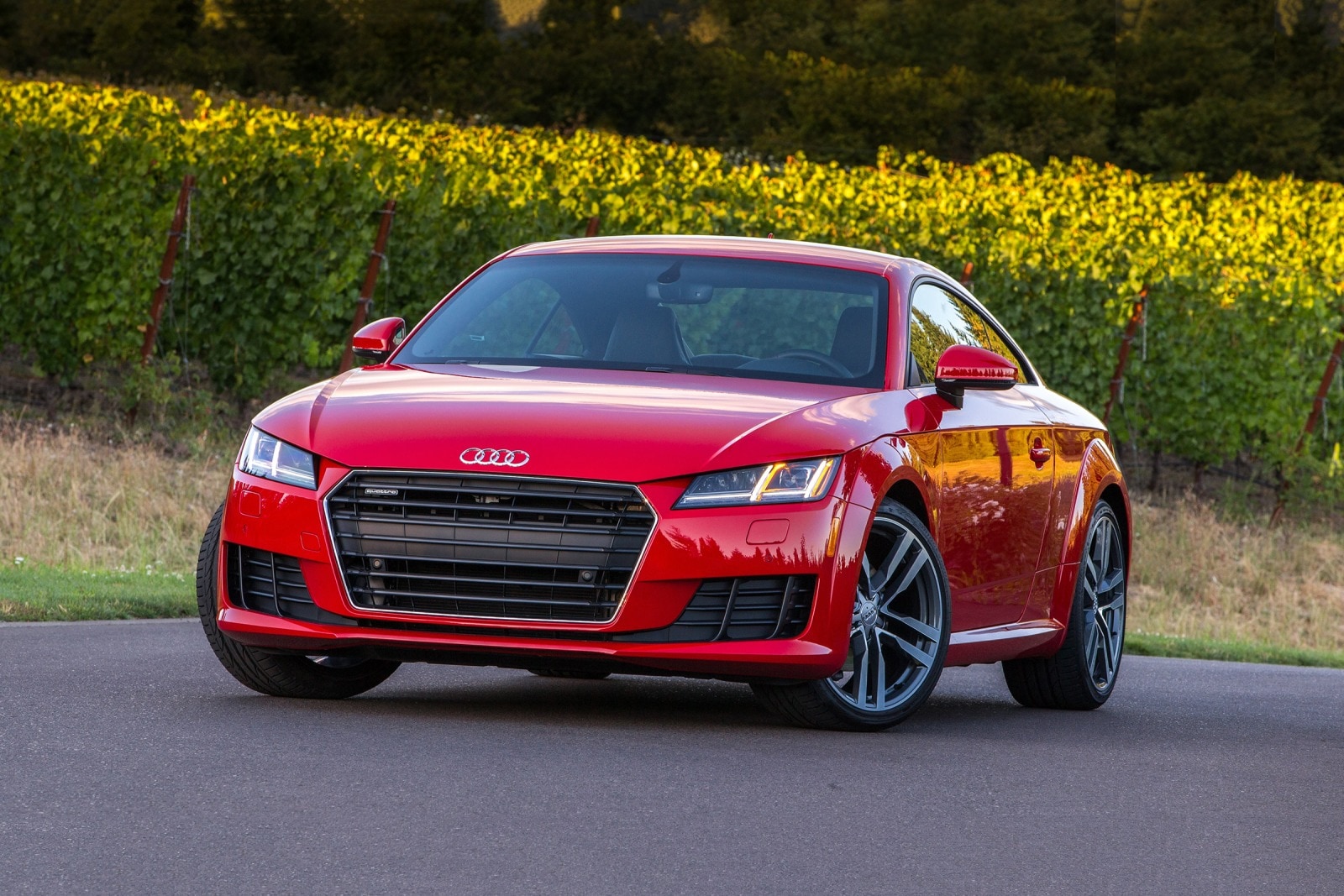
- Engine: 1.8L turbocharged petrol, 2.0L TFSI turbo petrol, 3.2L VR6 petrol, 2.5L five-cylinder engine in TT RS
- Horsepower: Approximately 150 hp to 400 hp
- Torque: Approximately 210 Nm to 480 Nm
- Length: Approximately 4,170 mm to 4,190 mm depending on generation
- Width: Approximately 1,830 mm to 1,840 mm
3. Audi TT
The Audi TT is an interesting addition to this ranking because it was not designed as a budget car, but it became one of the more accessible ways to own a stylish Audi sports vehicle.
Introduced in 1998, the TT quickly gained attention because of its unique design, compact dimensions, and combination of performance and everyday usability. Compared with Audi’s larger performance models, the TT offered a lower entry point for buyers seeking a more emotional driving experience.
The original Audi TT featured a distinctive rounded design inspired by classic automotive shapes while incorporating modern German styling. Its appearance immediately separated it from traditional sports cars. The clean curves, compact body, and minimalist interior created a unique identity that helped the TT become one of Audi’s most recognizable models.
Despite its sporty image, the Audi TT was designed to be practical enough for daily driving. It offered comfortable seating, manageable dimensions, and available all-wheel-drive technology. The quattro system provided improved traction and helped give the TT a more confident driving feel, especially in challenging weather conditions.
Throughout its production, the TT was offered with various engines, including efficient four-cylinder options and more powerful performance versions.
Buyers could choose between relaxed cruising and sportier driving experiences. This range helped the TT appeal to different types of customers, from those wanting a stylish coupe to enthusiasts looking for stronger performance.
The Audi TT became a symbol of affordable Audi performance. While it was not the cheapest Audi available, it allowed more customers to experience a sports-oriented vehicle from the brand without paying the extremely high prices associated with models like the R8.
Its combination of design, performance, and accessibility helped secure its place among Audi’s most memorable affordable cars.
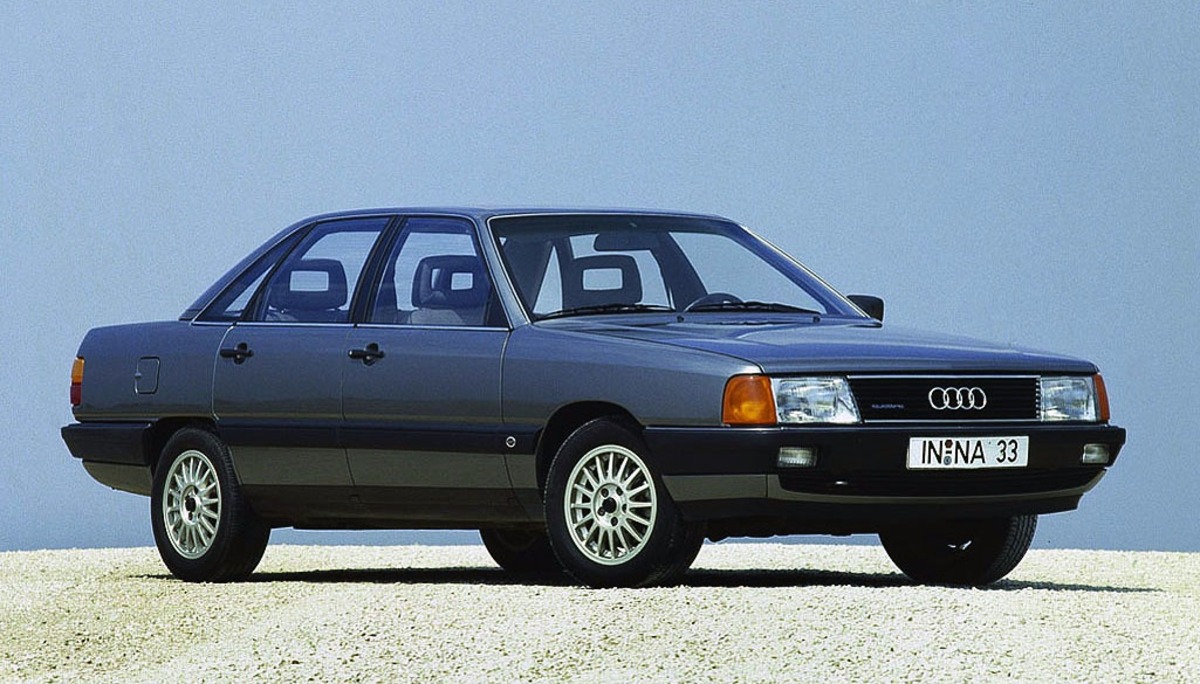
- Engine: Range of 1.6L, 1.8L, 2.0L, 2.2L, 2.3L petrol engines and diesel engines depending on generation
- Horsepower: Approximately 85 hp to 220 hp
- Torque: Approximately 130 Nm to 330 Nm
- Length: Approximately 4,390 mm to 4,790 mm depending on generation
- Width: Approximately 1,680 mm to 1,810 mm depending on generation
2. Audi 100
The Audi 100 was one of the most important models in Audi’s transformation from a niche German manufacturer into a globally recognized premium brand.
First introduced in 1968, the Audi 100 was positioned as a mid-size executive car that offered a more affordable alternative to larger luxury vehicles. While it was not an entry-level compact model, it became one of the more accessible Audi options because it provided premium engineering without the extremely high prices associated with luxury competitors.
The Audi 100 was designed to deliver a combination of comfort, practicality, and advanced technology. Early versions featured clean styling, efficient engines, and a focus on quality construction.
The vehicle helped establish Audi’s reputation for producing refined sedans that could compete with more established European brands. Its balanced approach made it attractive to customers who wanted a premium automobile without excessive ownership costs.
One of the biggest strengths of the Audi 100 was its engineering innovation. Throughout its generations, Audi introduced improvements in aerodynamics, safety, and efficiency. Later models became known for their streamlined designs, which helped reduce fuel consumption and improve performance.
The Audi 100 also played an important role in developing technologies that would influence future Audi vehicles, including advanced body construction techniques and improved drivetrain systems.
The interior of the Audi 100 reflected the company’s growing focus on premium comfort. It offered spacious seating, practical layouts, and a level of refinement that helped separate it from ordinary family sedans.
While early models were simpler than modern luxury vehicles, they provided a solid and comfortable driving environment. Later generations added more technology and higher-quality materials, strengthening Audi’s position in the executive car market.
The Audi 100 was eventually replaced by the Audi A6, but its impact remains significant. It helped create the foundation for Audi’s modern sedan lineup and demonstrated that premium vehicles could be engineered with efficiency and practicality in mind.
Because it offered advanced features and luxury characteristics at a relatively approachable price, the Audi 100 remains one of the most important affordable Audi models ever produced.
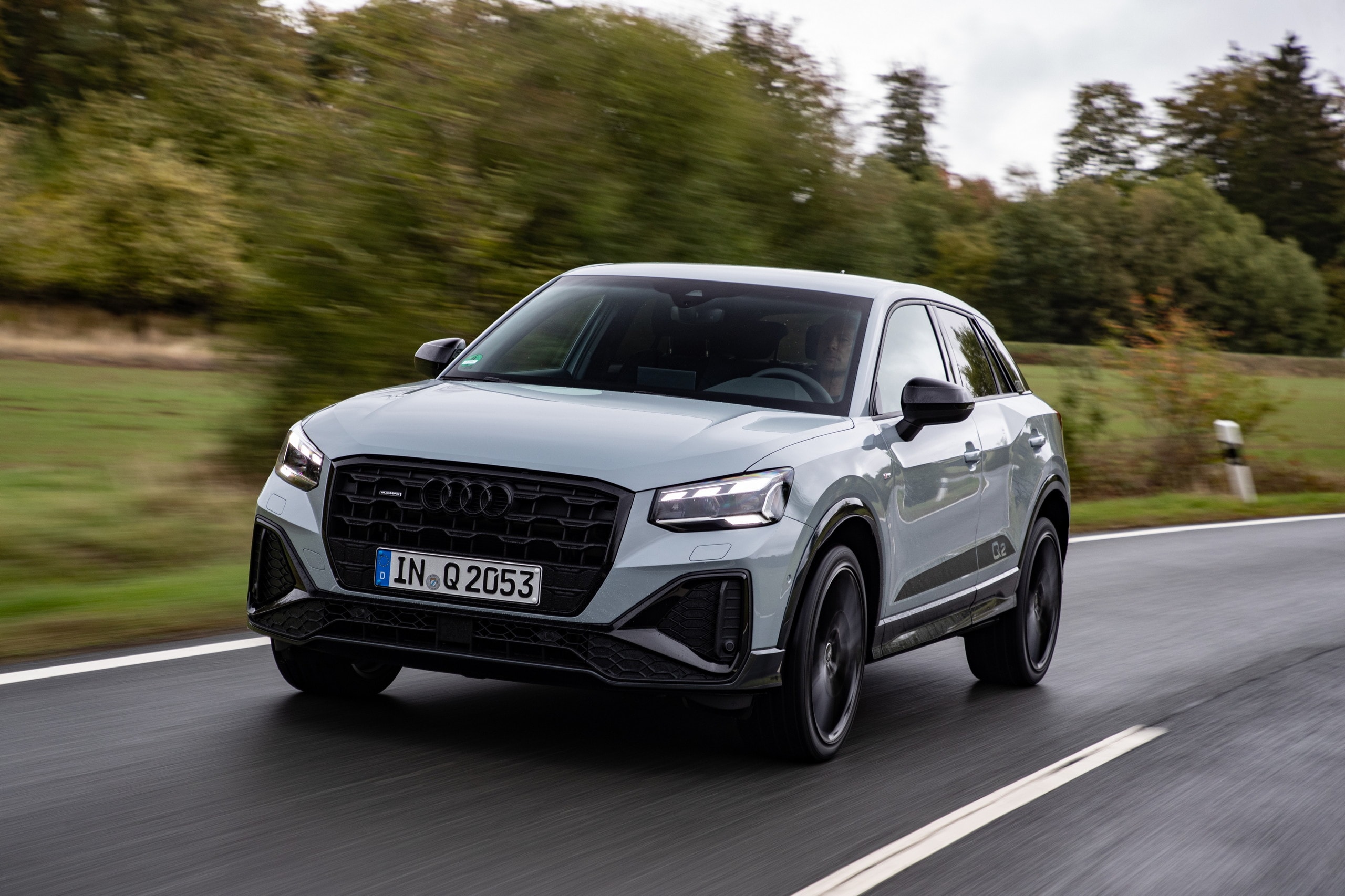
- Engine: 1.0L TFSI turbocharged 3-cylinder petrol, 1.4L TFSI turbo petrol, 1.5L TFSI turbo petrol, 2.0L TDI diesel (varies by market)
- Horsepower: Approximately 114 hp to 187 hp
- Torque: Approximately 200 Nm to 400 Nm
- Length: 4,191 mm
- Width: 1,794 mm
1. Audi Q2
The Audi Q2 ranks as one of the cheapest Audi vehicles ever made because it was specifically designed to make Audi ownership accessible to a broader audience in the modern era.
Introduced in 2016, the Q2 entered the growing compact SUV market and became Audi’s smallest crossover model. It was created for customers who wanted the elevated driving position and practicality of an SUV while maintaining a lower purchase price compared with larger Audi SUVs.
The popularity of compact SUVs played a major role in the development of the Audi Q2. As more buyers moved away from traditional hatchbacks and sedans, premium manufacturers began creating smaller crossovers to attract new customers.
The Q2 allowed Audi to compete in this expanding segment by offering a vehicle that combined compact dimensions with the brand’s traditional design philosophy and technology.
The exterior design of the Audi Q2 was intentionally different from other Audi models. It featured sharper lines, a more youthful appearance, and customizable styling elements.
Audi wanted the Q2 to appeal to younger buyers and urban drivers who valued individuality. The compact size made it easy to drive in crowded cities while still providing the practicality expected from a crossover.
Inside, the Audi Q2 maintained many characteristics associated with the brand. The cabin featured a driver-focused layout, quality materials, and available technology features.
Depending on the market and trim level, buyers could choose features such as digital displays, advanced infotainment systems, and driver assistance technology. Although smaller than models like the Q3 and Q5, the Q2 still provided a premium experience.
The Audi Q2 became an important part of Audi’s strategy because it lowered the barrier to entry for customers interested in a luxury SUV.
It demonstrated that premium vehicles could be compact, practical, and relatively affordable while still maintaining the design and engineering standards expected from Audi. Its combination of size, style, and accessibility makes it one of the strongest examples of an affordable modern Audi.
