
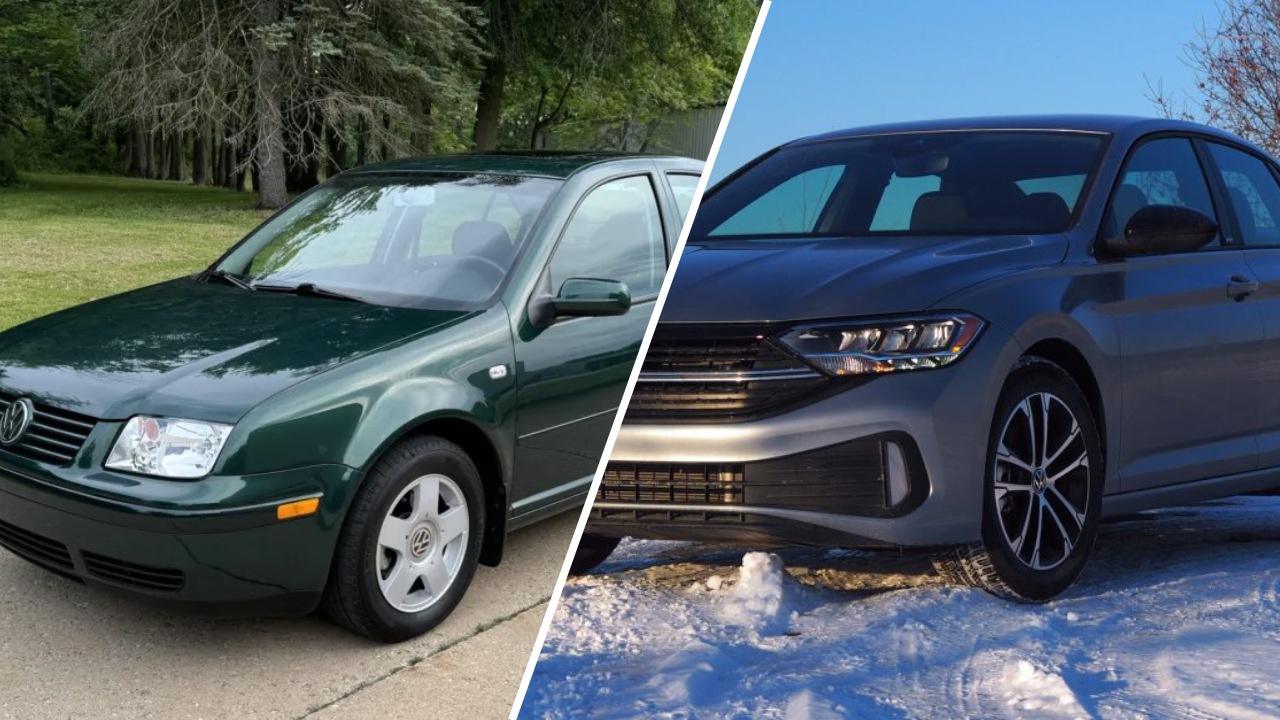
The Volkswagen Jetta has earned a lasting reputation as a practical compact sedan that combines comfortable driving, solid fuel economy, and European-inspired handling. However, its long-term reliability varies by model year. While some versions are known for dependable performance and low maintenance costs, others have developed recurring mechanical and electrical problems that can make ownership far more expensive.
This comparison highlights four Volkswagen Jetta model years with strong reliability records and four that have generated frequent owner complaints. It covers the strengths of the most dependable models as well as common issues affecting less reliable years, including transmission failures, timing chain problems, excessive oil consumption, electrical faults, and emissions-related repairs. Knowing these differences can help buyers choose a used Jetta with greater confidence.
Also Read: 4 Best and Worst Years for the Chevrolet Malibu
1. 2023 Volkswagen Jetta
The 2023 Volkswagen Jetta represents one of the most refined versions of the current generation. Rather than introducing major mechanical changes, Volkswagen concentrated on improving software, interior technology, and driving refinement while continuing to build on a platform that had already demonstrated encouraging reliability.
This steady development makes the 2023 model one of the strongest choices for buyers seeking a modern compact sedan.
The updated turbocharged 1.5-liter four-cylinder engine is one of the vehicle’s greatest strengths. It delivers noticeably better low-speed torque than the older 1.4-liter engine while maintaining excellent fuel economy.
Combined with either the six-speed manual transmission or the smooth eight-speed automatic, the Jetta offers confident acceleration for city commuting and highway travel.
Inside the cabin, Volkswagen improved materials and technology without sacrificing simplicity. The digital instrument cluster, responsive infotainment system, wireless Apple CarPlay, and Android Auto contribute to a modern driving experience.
Passenger comfort also benefits from supportive seating and generous rear legroom, making the Jetta practical for both families and commuters.
Safety equipment remains another highlight. Standard features include Forward Collision Warning, Autonomous Emergency Braking, Blind Spot Monitoring, Rear Traffic Alert, and Lane Keeping Assist. These systems operate smoothly and enhance driver confidence without becoming intrusive.
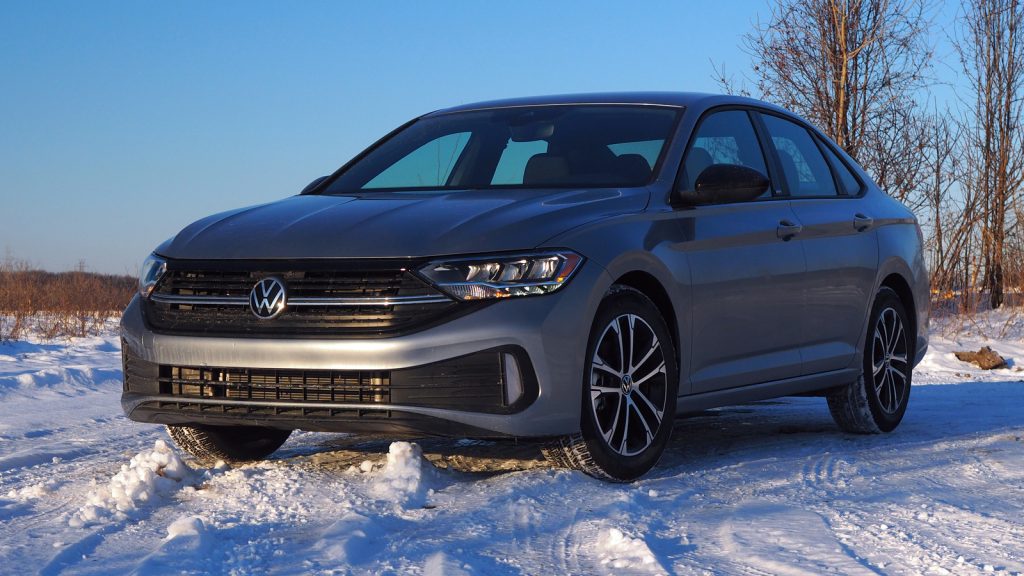
The 2023 Volkswagen Jetta earns its place among the best years because it combines refined engineering, strong fuel economy, comfortable ride quality, modern technology, and encouraging reliability. Buyers searching for an affordable compact sedan with European driving characteristics will find this model especially appealing.
Specifications
- Engine: 1.5-liter Turbocharged Inline-4
- Torque: 184 lb-ft
- Horsepower: 158 hp
- Length/Width: 186.5 in / 70.8 in
2. 2021 Volkswagen Jetta
The 2021 Volkswagen Jetta demonstrates how consistency often becomes one of the most valuable qualities in a compact sedan.
By this point, Volkswagen had already refined the seventh-generation platform, producing a vehicle that delivers dependable daily transportation while maintaining the composed handling that has long distinguished the Jetta from many competitors.
The 1.4-liter turbocharged engine remains an excellent choice for buyers prioritizing efficiency. Its broad torque curve allows the sedan to accelerate confidently in everyday driving while achieving impressive fuel economy.
The available six-speed manual transmission appeals to enthusiasts, while the eight-speed automatic provides smooth and predictable operation for commuters.
Ride quality is another reason this model deserves recognition. The suspension comfortably absorbs rough pavement while preserving the stable handling expected from a European-designed sedan. Highway cruising feels composed, and steering remains precise without becoming unnecessarily heavy.
The interior emphasizes practicality with straightforward controls, supportive front seats, and generous passenger space. The infotainment system supports Apple CarPlay and Android Auto, and higher trims include features such as adaptive cruise control, heated seats, and a digital cockpit display.
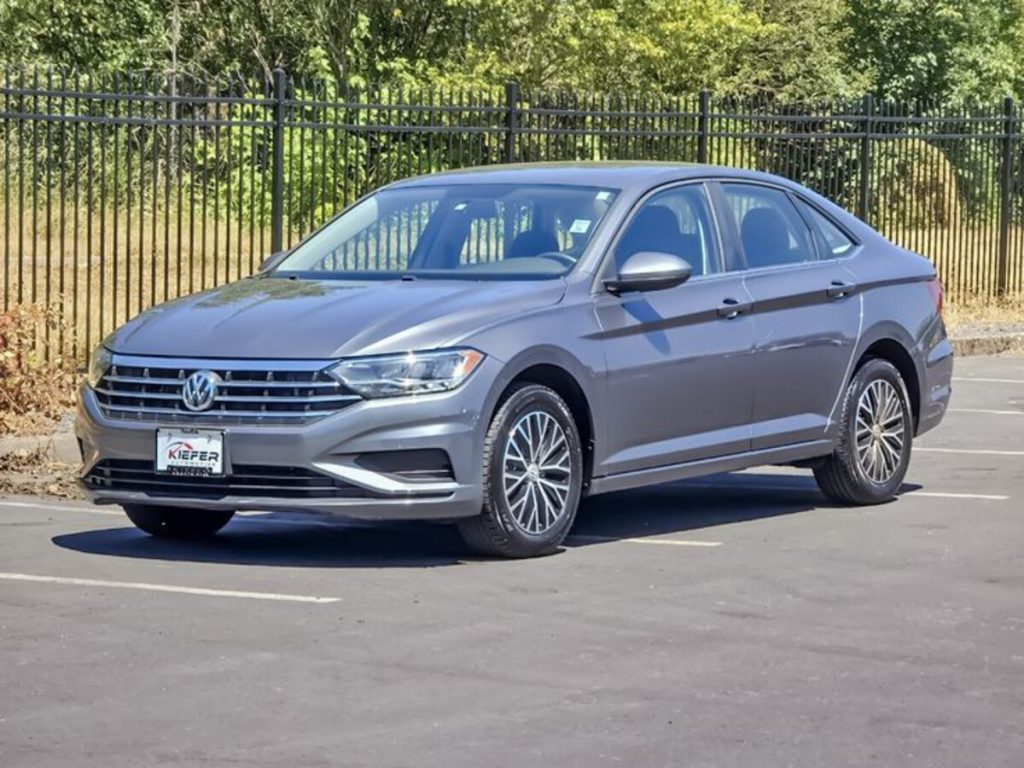
The 2021 Jetta earns its recommendation because it combines dependable engineering, low operating costs, refined driving dynamics, and strong fuel economy into a package that continues to satisfy owners years after production. For used-car buyers wanting a modern compact sedan, it remains one of the smartest choices in Volkswagen’s lineup.
Specifications
- Engine: 1.4-liter Turbocharged Inline-4
- Torque: 184 lb-ft
- Horsepower: 147 hp
- Length/Width: 185.1 in / 70.8 in
3. 2019 Volkswagen Jetta
The 2019 Volkswagen Jetta introduced the seventh generation on Volkswagen’s MQB platform, bringing a lighter structure, improved safety, and a more spacious cabin. Unlike many first-year redesigns, the new Jetta avoided widespread mechanical problems and quickly established itself as one of the better compact sedans in its class.
Buyers looking for a used vehicle that combines European road manners with everyday practicality often consider this model year a strong value.
The standard 1.4-liter turbocharged engine deserves much of the credit. It provides smooth acceleration, excellent fuel efficiency, and a broad torque curve that makes the sedan feel responsive in city traffic.
Whether paired with the six-speed manual or the eight-speed automatic transmission, the powertrain has demonstrated dependable performance when serviced according to Volkswagen’s maintenance schedule.
Another strength lies in the redesigned interior. Rear-seat legroom increased noticeably compared with the previous generation, making the Jetta one of the roomiest compact sedans available.
The dashboard features a clean design with intuitive controls, while available digital instrumentation and smartphone integration give the cabin a modern appearance.
The driving experience also benefits from the MQB platform. The chassis feels solid, steering is accurate, and highway stability is excellent. Combined with good fuel economy and low wind noise, the sedan performs well as both a commuter vehicle and a long-distance cruiser.
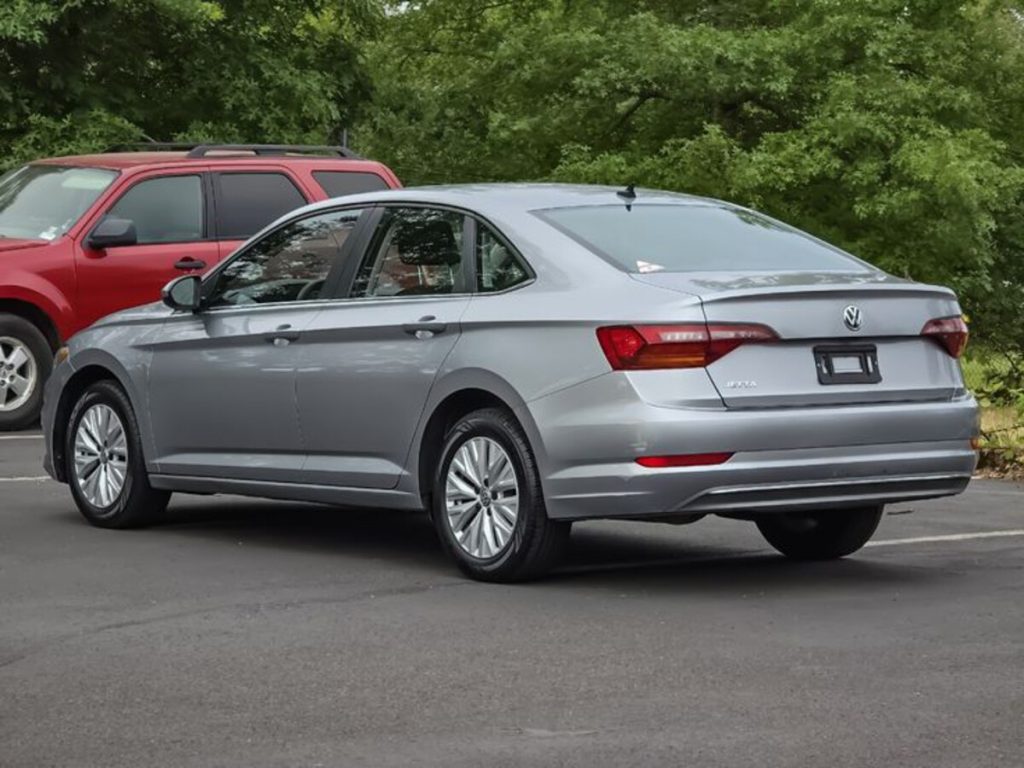
The 2019 Volkswagen Jetta earns its place among the best years because it introduced meaningful improvements without sacrificing reliability. It offers comfortable accommodations, efficient performance, and dependable engineering that continue to make it an attractive option in the used-car market.
Specifications
- Engine: 1.4-liter Turbocharged Inline-4
- Torque: 184 lb-ft
- Horsepower: 147 hp
- Length/Width: 185.1 in / 70.8 in
4. 2015 Volkswagen Jetta
The 2015 Volkswagen Jetta represents the benefit of gradual refinement rather than dramatic redesign. By this stage of the sixth generation, Volkswagen had addressed many earlier concerns while introducing updated styling, improved technology, and a revised engine lineup.
The result is a compact sedan that balances enjoyable driving characteristics with encouraging long-term durability.
One of the highlights is the 1.8-liter turbocharged TSI engine, which replaced the older 1.8-liter naturally aspirated unit in many trims. This engine provides stronger low-end torque, smooth acceleration, and competitive fuel economy while earning a solid reliability reputation when maintained properly.
Buyers also had access to efficient diesel and hybrid variants, although gasoline-powered models remain the most practical choice for long-term ownership.
The cabin emphasizes simplicity and functionality. Controls are logically positioned, seating remains supportive during long trips, and the trunk offers generous cargo capacity for a compact sedan. Material quality also improved following the mid-cycle refresh, giving the interior a more premium feel than many competitors.
Ride quality continues to distinguish the Jetta from many rivals. The suspension delivers a composed balance between comfort and handling, while steering remains responsive enough to make daily driving enjoyable without becoming tiring.
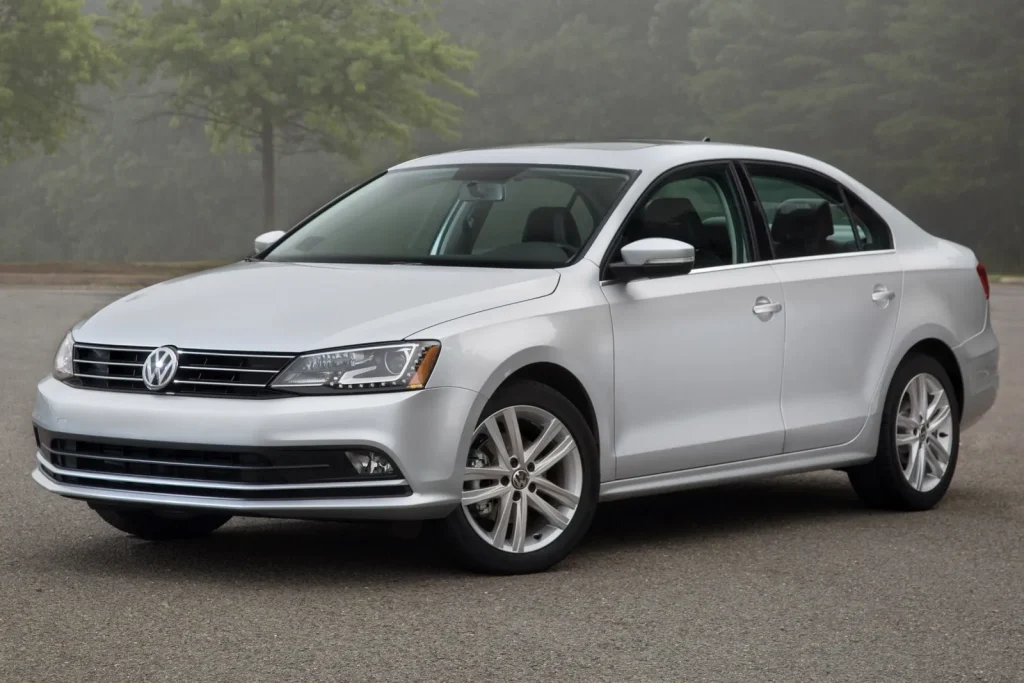
The 2015 Volkswagen Jetta deserves recognition because it combines refined engineering, practical design, dependable performance, and reasonable ownership costs. Buyers searching for an affordable European sedan with strong highway manners will find this model year particularly appealing.
Specifications
- Engine: 1.8-liter Turbocharged TSI Inline-4
- Torque: 184 lb-ft
- Horsepower: 170 hp
- Length/Width: 183.3 in / 70.0 in
5. 2012 Volkswagen Jetta
The 2012 Volkswagen Jetta attracted buyers with its spacious interior, comfortable ride, and efficient engine options, but long-term ownership revealed several mechanical concerns that affected its reputation.
Although many examples continue to operate reliably, this model year accumulated enough recurring issues to make it one of the Jetta versions buyers should approach with caution.
One of the most significant concerns involves the 2.0-liter TSI turbocharged engine found in certain trims. Early versions of this engine were equipped with a timing chain tensioner design that could fail prematurely.
If the tensioner malfunctioned, the timing chain could jump, potentially causing severe internal engine damage. Many vehicles received updated components, but prospective buyers should verify whether the repair has been completed.
The available DSG dual-clutch transmission also requires careful attention. While it provides quick gear changes and excellent efficiency, neglecting the recommended transmission fluid and filter service can lead to expensive repairs. Buyers should always request maintenance records before purchasing a DSG-equipped Jetta.
Electrical issues have also been reported, including faulty window regulators, malfunctioning door locks, and intermittent dashboard warning lights. These problems may not disable the vehicle, but they can increase ownership costs over time.
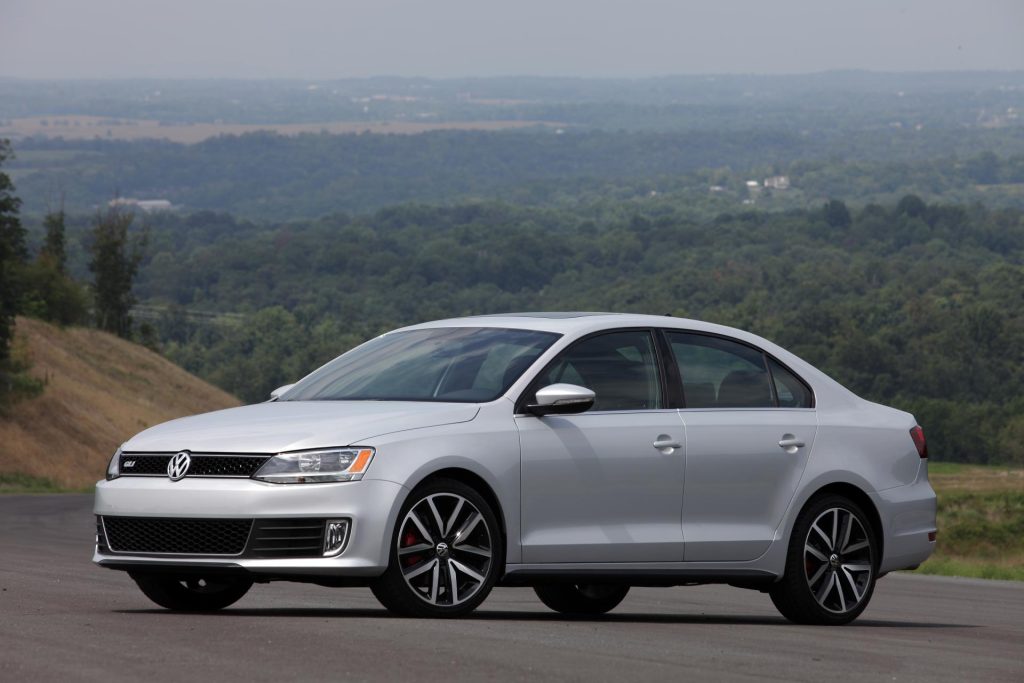
The 2012 Jetta still offers solid fuel economy and enjoyable handling, yet its engine and transmission concerns make it a model year worth inspecting carefully. Buyers willing to consider later production years will generally encounter fewer long-term reliability concerns.
Specifications
- Engine: 2.0-liter Naturally Aspirated Inline-4 (Base)
- Torque: 140 lb-ft
- Horsepower: 115 hp
- Length/Width: 183.3 in / 70.0 in
6. 2006 Volkswagen Jetta
The 2006 Volkswagen Jetta introduced the fifth generation with improved structural rigidity, a larger cabin, and more sophisticated technology.
While these changes modernized the sedan, the first production year also brought several reliability concerns that have followed the model throughout its life. Buyers considering this version should carefully evaluate maintenance history before making a purchase.
One of the most commonly reported issues involves electrical components. Owners experienced problems with power window regulators, instrument cluster faults, door lock modules, and various sensors. Diagnosing these intermittent electrical problems could become both time-consuming and expensive.
Engine-related concerns also appeared on turbocharged models. Ignition coil failures became relatively common, causing engine misfires, rough running, and reduced performance. Although replacing ignition coils is generally straightforward, repeated failures frustrated many owners during the vehicle’s early years.
Automatic transmission reliability generated mixed reviews as mileage increased. Some owners reported harsh shifting, delayed gear engagement, or transmission control module issues, particularly when maintenance had been neglected. Regular servicing is especially important on older Jetta models to minimize these risks.
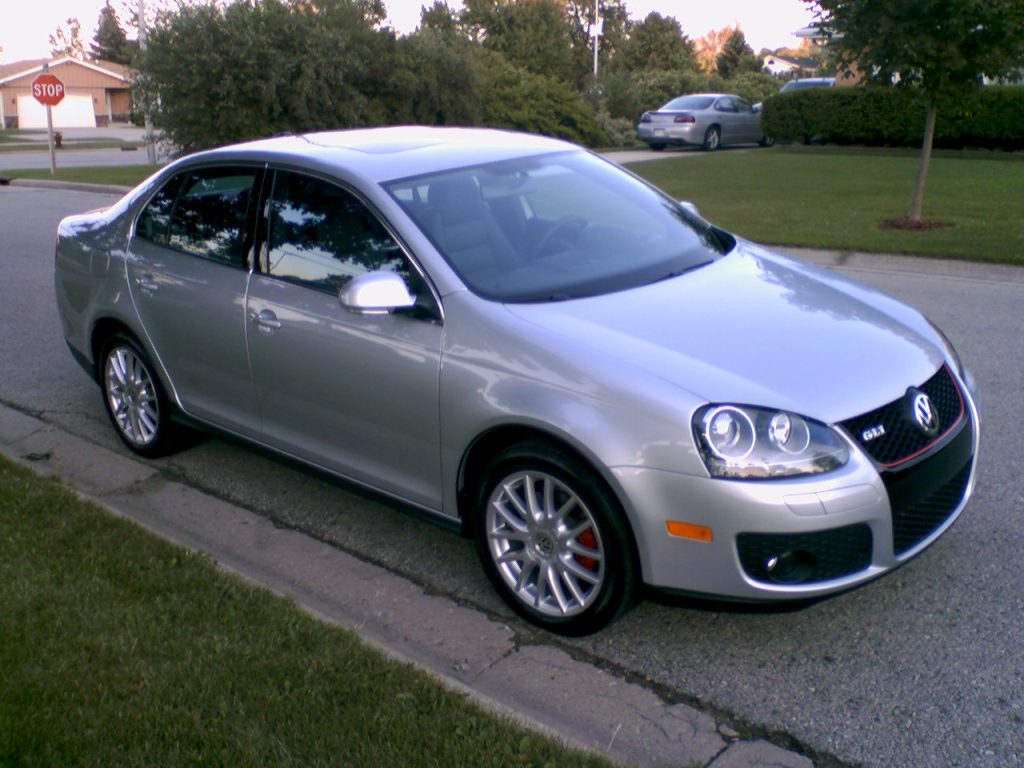
Despite offering a refined driving experience and a comfortable interior, the 2006 Jetta appears on this list because early production issues affected long-term ownership. Buyers who appreciate this generation should prioritize vehicles with detailed service documentation and evidence of preventative maintenance.
Specifications
- Engine: 2.5-liter Naturally Aspirated Inline-5 (Base)
- Torque: 170 lb-ft
- Horsepower: 150 hp
- Length/Width: 179.3 in / 70.1 in
7. 2011 Volkswagen Jetta
The 2011 Volkswagen Jetta marked the beginning of the sixth generation, bringing a larger cabin, revised styling, and lower production costs aimed at making the sedan more competitive in North America.
While the redesign succeeded in increasing interior space and affordability, it also introduced several compromises and reliability concerns that make this one of the weaker Jetta model years.
One of the most significant criticisms involved the vehicle’s reduced interior quality compared with the previous generation. Volkswagen replaced many soft-touch materials with harder plastics, giving the cabin a less premium appearance.
Although this change did not affect reliability directly, it disappointed many long-time Volkswagen owners who expected the upscale feel traditionally associated with the Jetta.
From a mechanical standpoint, the turbocharged engine models demand close attention to maintenance history. Early versions of the 2.0-liter TSI engine were susceptible to timing chain tensioner failures if they had not received the updated components. A failed tensioner can lead to catastrophic engine damage, making it essential for prospective buyers to confirm that the repair has already been performed before completing a purchase.
Electrical concerns also appeared with increasing mileage. Some owners reported faulty window switches, malfunctioning door lock actuators, dashboard warning lights, and occasional infotainment issues. These problems were generally repairable but contributed to higher ownership costs.
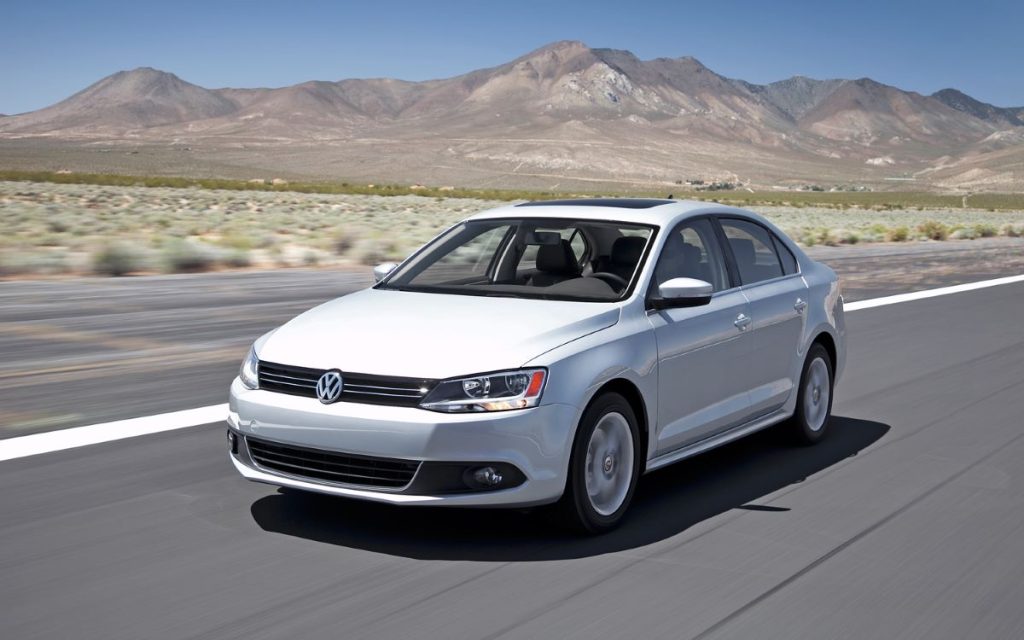
The 2011 Jetta still offers comfortable highway manners, generous rear-seat space, and good fuel economy.
However, because later sixth-generation models received improved build quality and engineering refinements, buyers searching for a dependable used Jetta will generally find stronger long-term value by choosing a newer production year.
Specifications
- Engine: 2.0-liter Naturally Aspirated Inline-4 (Base)
- Torque: 140 lb-ft
- Horsepower: 115 hp
- Length/Width: 182.7 in / 70.0 in
8. 2002 Volkswagen Jetta
The 2002 Volkswagen Jetta remains popular among enthusiasts because of its solid driving dynamics and distinctive European character. Nevertheless, from a reliability standpoint, this model year requires considerably more attention than later versions.
As these vehicles continue to age, the combination of common mechanical issues and normal wear makes careful inspection essential before purchase.
Electrical reliability has long been one of the biggest concerns. Owners frequently reported failures involving power window regulators, central locking systems, ignition switches, instrument cluster displays, and various sensors. These faults often appeared intermittently, making diagnosis more challenging and increasing repair costs.
Another area that deserves close examination is the automatic transmission. Higher-mileage examples have been known to develop rough shifting, delayed engagement, or premature internal wear, particularly when transmission fluid maintenance was neglected.
Manual transmission models generally proved more dependable, but clutch wear should still be evaluated.
Cooling system components also become more vulnerable with age. Water pumps, thermostats, coolant flanges, and plastic fittings may deteriorate over time, increasing the likelihood of coolant leaks and overheating if preventative maintenance has been ignored.
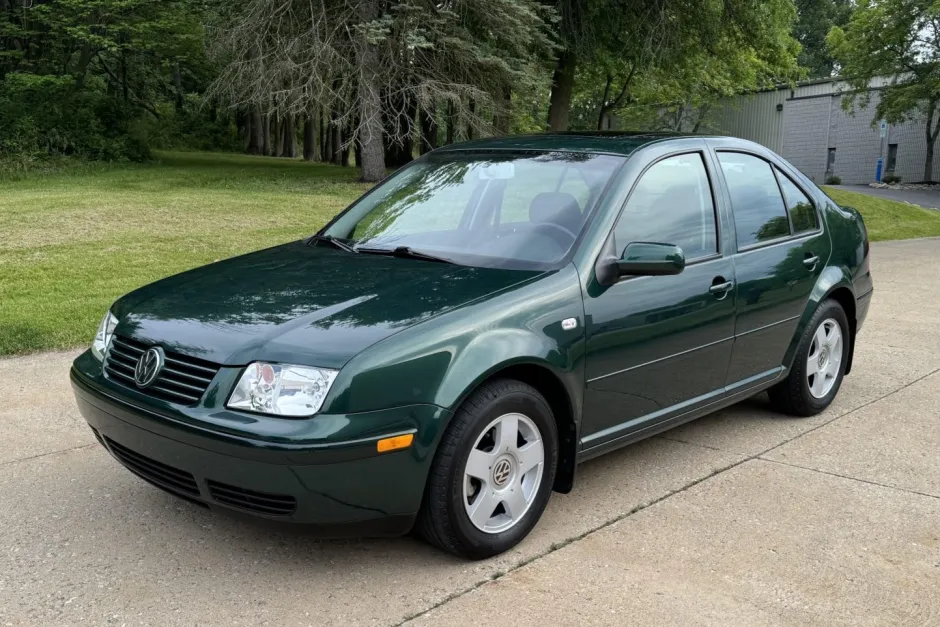
Despite these concerns, the 2002 Jetta still delivers responsive handling, comfortable seating, and efficient engine options. It appears on this list because the frequency of electrical and age-related mechanical problems is noticeably higher than in stronger Jetta model years.
Buyers interested in this generation should focus on well-documented examples with comprehensive maintenance records and evidence of recent repairs.
Specifications
- Engine: 2.0-liter Naturally Aspirated Inline-4 (Base)
- Torque: 122 lb-ft
- Horsepower: 115 hp
- Length/Width: 172.3 in / 68.7 in
Also Read: 5 Best Honda HR-V Years vs 5 to Avoid
