
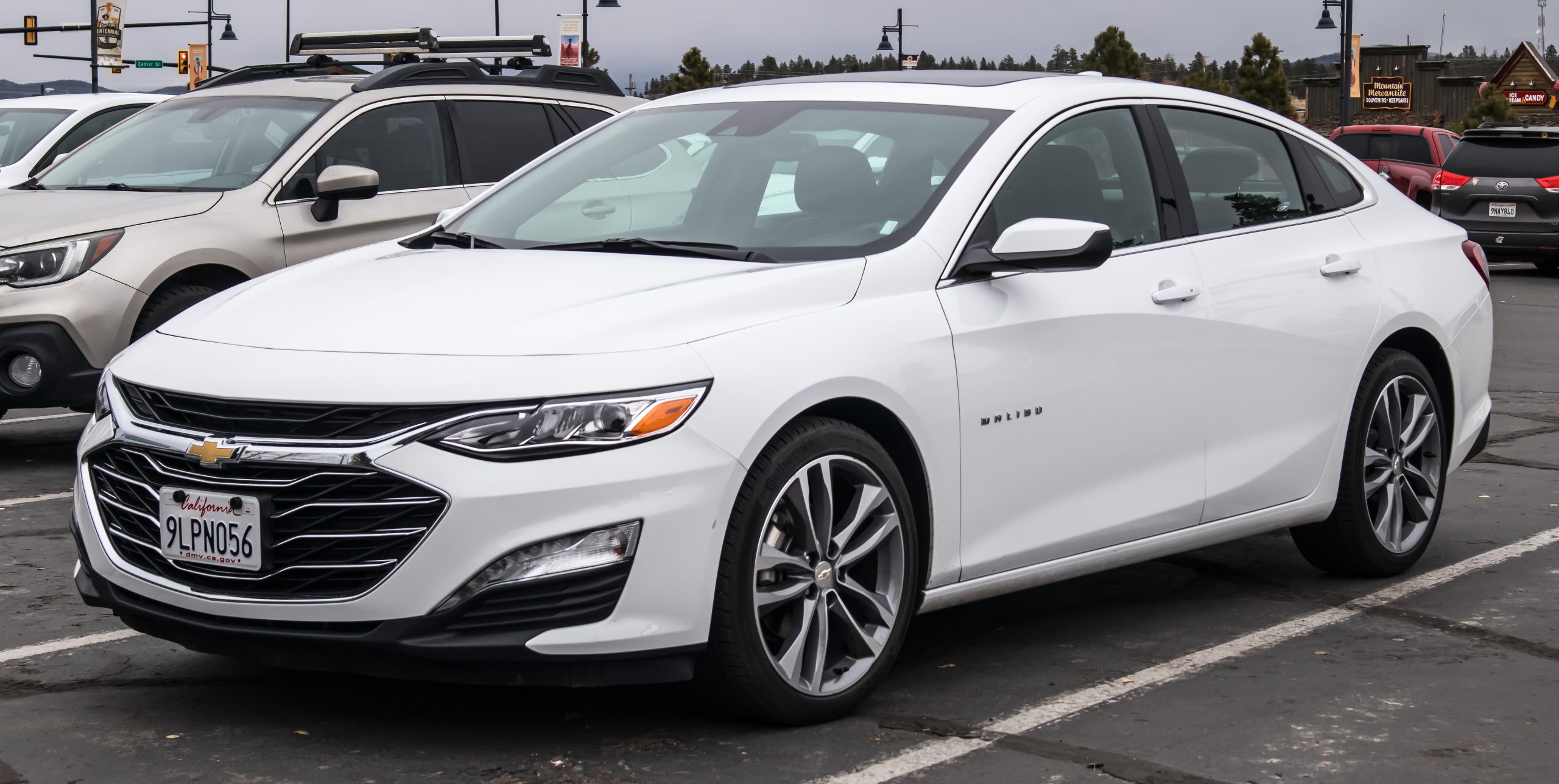
The Chevrolet Malibu has been one of the most recognizable midsize sedans in the American market for decades. Throughout its long production history, it has served everyone from daily commuters and families to rental fleets and first-time car buyers.
Its popularity stems from offering a comfortable ride, a practical interior, competitive pricing, and a wide range of powertrain options. However, like many vehicles that have remained in production for multiple generations, not every Malibu model year has earned the same reputation.
Some have become known for dependable performance and relatively low ownership costs, while others have developed recurring mechanical or electrical issues that can make them expensive to maintain.
This variation between model years is why researching a specific Malibu before buying is just as important as comparing prices or mileage. A vehicle with lower miles is not automatically the better purchase if it belongs to a year with widespread reliability concerns.
Likewise, a well-maintained Malibu from one of the stronger production years can deliver many years of dependable service while costing significantly less than a newer alternative.
The best Chevrolet Malibu years stand out because they combine refined engineering, solid build quality, dependable engines, and fewer reported owner complaints. Many of these models benefited from updates introduced after earlier issues had been identified, allowing Chevrolet to improve durability, ride comfort, technology, and long-term reliability.
These versions continue to attract used-car buyers looking for affordable transportation without sacrificing comfort or fuel efficiency.
On the other hand, some Malibu model years struggled with problems involving transmissions, engine components, electrical systems, steering equipment, or interior quality.
While not every vehicle from those years will experience major failures, the frequency of reported issues is high enough that buyers should proceed carefully and verify maintenance records before making a purchase.
This guide separates the Chevrolet Malibu’s strongest production years from the ones that deserve additional caution. By understanding which models consistently satisfy owners and which have generated repeated complaints, buyers can make a more informed decision.
Whether your goal is finding an inexpensive commuter car or a dependable family sedan, choosing the right Malibu model year can save thousands of dollars in future repairs while delivering a far better ownership experience.
Also Read: 5 Best Chevrolet Silverado Years vs 5 Years to Avoid
4 Best Years for the Chevrolet Malibu
1. 2022 Chevrolet Malibu
Several years after the ninth-generation Malibu entered production, Chevrolet had refined the sedan into one of its most dependable modern versions.
The 2022 model illustrates how gradual engineering improvements can strengthen a vehicle without requiring a complete redesign. Rather than introducing dramatic mechanical changes, Chevrolet concentrated on improving consistency, reliability, and everyday usability.
One of the biggest strengths of the 2022 Malibu is its dependable 1.5-liter turbocharged engine. When maintained according to the recommended service schedule, it has demonstrated encouraging durability while delivering competitive fuel economy.
The continuously variable transmission also operates more smoothly than many early CVT designs, providing predictable performance during city and highway driving.
Inside, the Malibu offers a spacious cabin that comfortably accommodates both passengers and luggage. The infotainment system supports Apple CarPlay and Android Auto, giving drivers convenient smartphone integration without unnecessary complexity. Controls remain simple to operate, and the seats provide good comfort during long commutes.
Safety also contributes to the appeal of this model year. Available features such as automatic emergency braking, lane keep assist, forward collision alert, and front pedestrian braking help make the Malibu a practical family sedan without requiring buyers to move into the luxury segment.
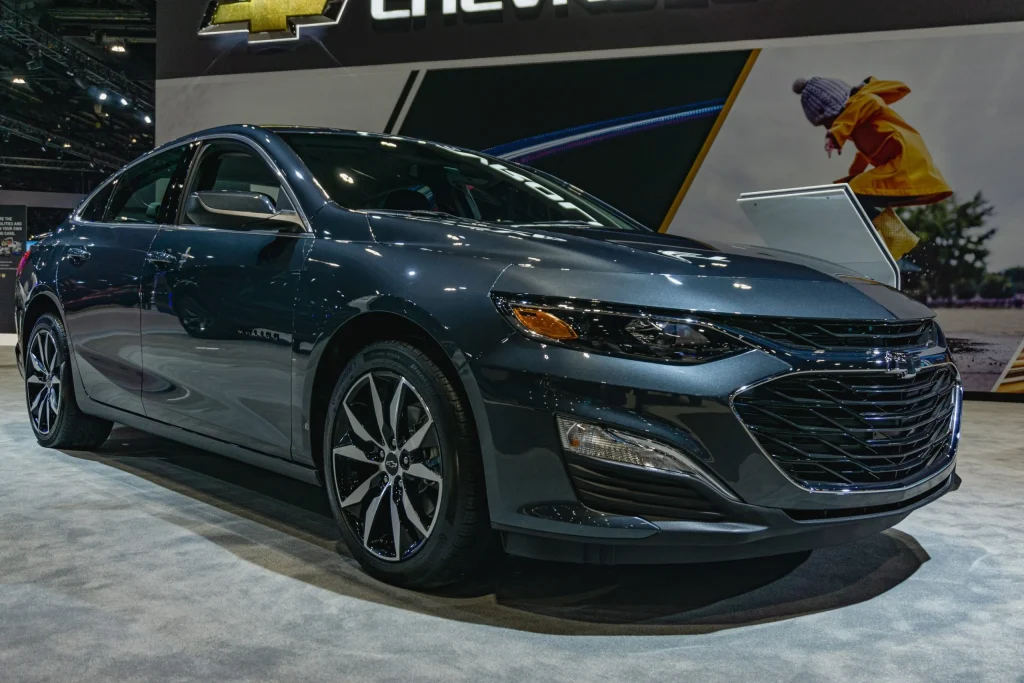
The 2022 Malibu earns its place among the best years because it combines mature engineering, respectable fuel efficiency, comfortable ride quality, and relatively few widespread mechanical complaints.
Buyers seeking an affordable used midsize sedan often find that this model provides an excellent balance between value and long-term dependability.
Specifications
- Engine: 1.5-liter Turbocharged Inline-4
- Torque: 184 lb-ft
- Horsepower: 160 hp
- Length/Width: 194.2 in / 73.0 in
2. 2019 Chevrolet Malibu
A successful mid-cycle update transformed the 2019 Chevrolet Malibu into one of the strongest choices in the model’s recent history. Chevrolet refreshed the exterior styling with a more modern front fascia while introducing technology improvements that helped the sedan remain competitive in a shrinking midsize car segment.
The greatest advantage of the 2019 model lies in its balanced character. It delivers a composed ride, accurate steering, and respectable fuel economy without becoming overly complicated.
Many owners appreciate that routine maintenance costs remain reasonable compared with numerous competitors equipped with more complex powertrains.
Interior improvements also increased the Malibu’s appeal. Updated infotainment software responds more quickly than earlier systems, and smartphone connectivity has become easier to use. Cabin space remains generous, particularly for rear passengers, making the Malibu suitable for families as well as commuters who regularly carry adult passengers.
Chevrolet also continued refining available driver assistance technologies. Features including rear cross-traffic alert, blind zone alert, rear park assist, and automatic emergency braking contribute to greater confidence during daily driving. These additions help the vehicle feel newer than many rivals from the same period.
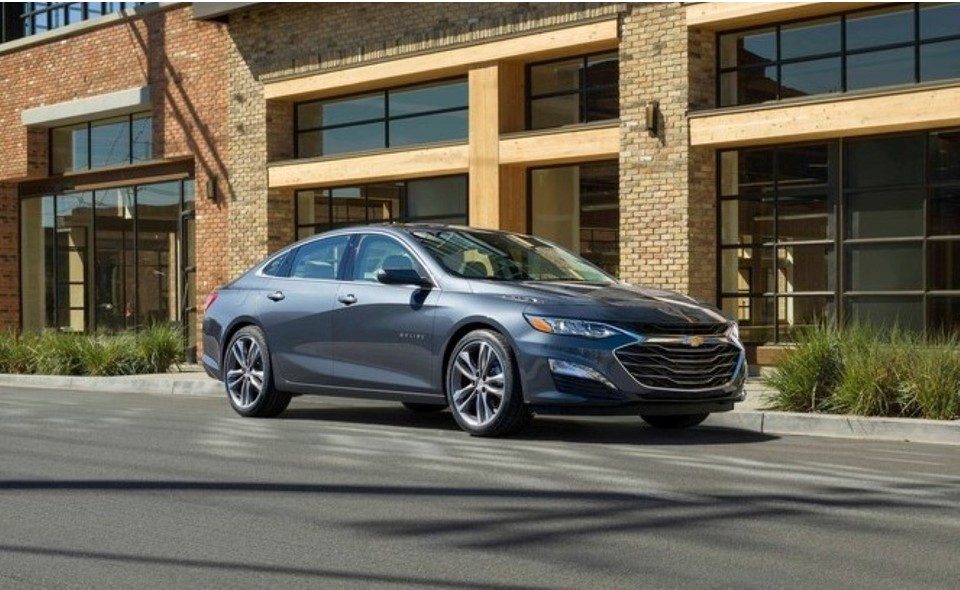
The 2019 Malibu deserves recognition because it represents a well-rounded package rather than excelling in only one area.
Comfortable ride quality, dependable mechanical performance, practical interior space, and affordable ownership costs combine to make it one of the most attractive used Chevrolet Malibu model years available.
Specifications
- Engine: 1.5-liter Turbocharged Inline-4
- Torque: 184 lb-ft
- Horsepower: 160 hp
- Length/Width: 194.2 in / 73.0 in
3. 2016 Chevrolet Malibu
When Chevrolet introduced the completely redesigned Malibu for the 2016 model year, it marked a significant step forward for the midsize sedan. Built on a lighter platform with improved structural rigidity, the new Malibu delivered better fuel economy, sharper handling, and a more premium driving experience than its predecessor.
While first-year redesigns often raise reliability concerns, the 2016 Malibu established a solid foundation that continued to improve in later years.
One of its biggest strengths is the combination of ride comfort and road manners. The suspension absorbs rough pavement with confidence while maintaining good body control through corners.
This makes the Malibu equally comfortable during city commutes and long highway journeys. Steering feels precise without becoming overly heavy, giving drivers a sense of confidence behind the wheel.
The interior also represented a major leap forward. Higher-quality materials, improved seat comfort, and a cleaner dashboard layout helped the Malibu compete with more expensive rivals. Chevrolet’s MyLink infotainment system was intuitive for its time, offering responsive controls and useful connectivity features that many owners still appreciate today.
The available 1.5-liter turbocharged engine delivers an excellent balance between performance and efficiency, while the optional 2.0-liter turbo provides noticeably stronger acceleration for buyers wanting extra power.
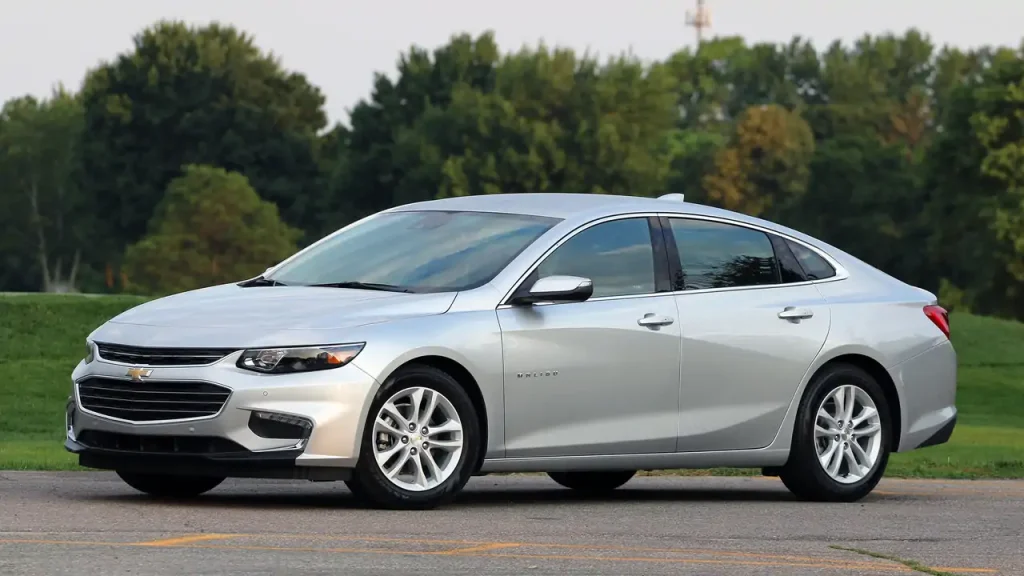
Routine maintenance costs remain reasonable, and many well-maintained examples have accumulated high mileage with relatively few major repairs.
The 2016 Chevrolet Malibu earns its place among the best years because it successfully reinvented the model. It combined modern engineering, impressive comfort, efficient powertrains, and a spacious cabin, creating a sedan that continues to represent excellent value in the used-car market.
Specifications
- Engine: 1.5-liter Turbocharged Inline-4 (Base)
- Torque: 184 lb-ft
- Horsepower: 160 hp
- Length/Width: 193.8 in / 73.0 in
4. 2021 Chevrolet Malibu
Instead of relying on dramatic updates, the 2021 Chevrolet Malibu benefited from years of steady refinement. By this stage of production, Chevrolet had addressed many early concerns, resulting in one of the most dependable versions of the ninth-generation sedan.
Buyers looking for an affordable daily driver often appreciate the 2021 model because it focuses on consistency rather than unnecessary complexity.
The turbocharged 1.5-liter engine continues to be one of the Malibu’s strongest assets. It delivers smooth acceleration for everyday driving while returning competitive fuel economy, making it a practical option for commuters covering long distances.
The continuously variable transmission is well matched to the engine, producing predictable performance in stop-and-go traffic as well as on the highway.
Comfort remains another reason this model stands out. The front seats provide good support during extended trips, and rear passengers benefit from generous legroom for a sedan in this class. Road noise is well controlled, allowing conversations inside the cabin without excessive engine or wind intrusion.
Technology also received meaningful attention. Standard Apple CarPlay, Android Auto, Bluetooth connectivity, and a user-friendly touchscreen keep the cabin feeling modern.
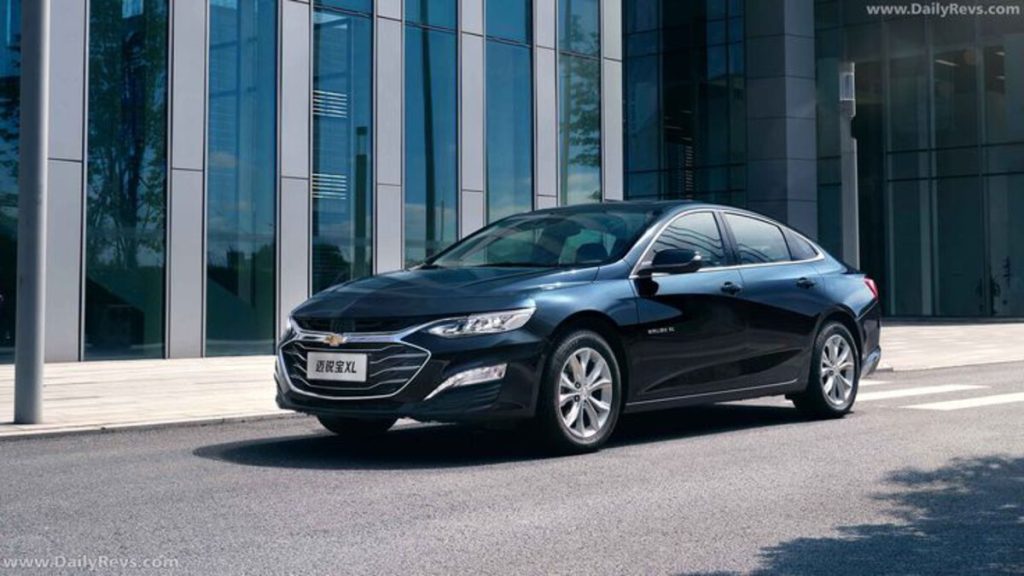
Available safety equipment, including Lane Change Alert, Rear Cross Traffic Alert, Forward Collision Alert, and automatic emergency braking, further enhances its appeal to families and commuters.
The 2021 Malibu deserves recognition because it combines mature engineering with dependable day-to-day performance. Buyers receive a comfortable midsize sedan that delivers reliable transportation, practical features, and manageable ownership costs without many of the recurring issues seen in weaker model years.
Specifications
- Engine: 1.5-liter Turbocharged Inline-4
- Torque: 184 lb-ft
- Horsepower: 160 hp
- Length/Width: 194.2 in / 73.0 in
4 Worst Years for the Chevrolet Malibu
1. 2004 Chevrolet Malibu
The 2004 Chevrolet Malibu arrived as the first model of a new generation, bringing fresh styling and a redesigned platform.
Although it represented a major step forward on paper, the early production run developed several reliability concerns that affected owner satisfaction over time. For used-car buyers today, this model requires careful inspection because age has only increased the likelihood of component wear.
One of the most common complaints involves the electric power steering system. Owners reported intermittent loss of steering assist, warning messages, and steering that became unexpectedly heavy at low speeds.
Chevrolet addressed some of these concerns through recalls and service campaigns, but buyers should verify that all repairs have been completed.
Electrical problems were another recurring issue. Faulty body control modules, malfunctioning instrument clusters, power window failures, and inconsistent lighting systems were reported by many owners. These faults often proved difficult to diagnose because they appeared intermittently.
The 3.5-liter V6 engine generally provides respectable performance, but neglected cooling system maintenance can lead to overheating and premature wear. Suspension components also tend to require replacement as mileage increases, particularly on vehicles that have spent years on rough roads.
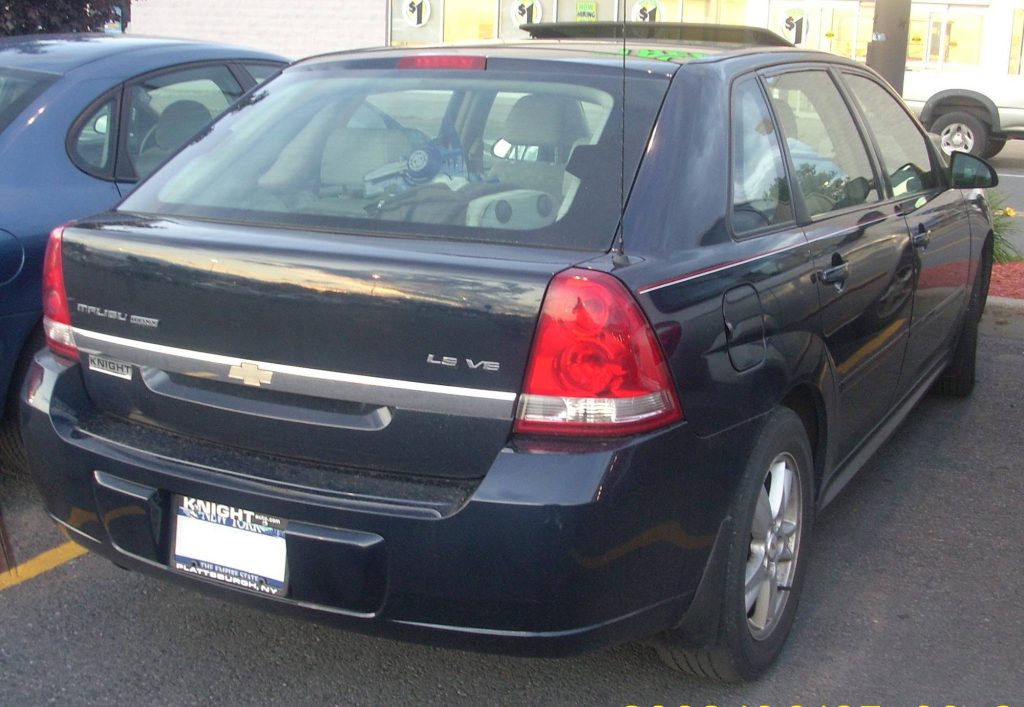
The 2004 Malibu is included among the weakest model years because multiple small issues can combine into expensive ownership costs. A well-maintained example can still provide dependable transportation, but buyers should request complete service records and inspect the steering and electrical systems carefully before making a purchase.
Specifications
- Engine: 2.2-liter Inline-4 or 3.5-liter V6
- Torque: 155 lb-ft (I4) / 220 lb-ft (V6)
- Horsepower: 144 hp (I4) / 200 hp (V6)
- Length/Width: 188.3 in / 69.9 in
2. 2011 Chevrolet Malibu
At first glance, the 2011 Chevrolet Malibu appears to be a dependable family sedan, but long-term ownership has revealed several recurring concerns that reduce its appeal compared with stronger model years.
While many examples remain on the road today, buyers should carefully evaluate maintenance history before committing to a purchase.
One frequently reported problem involves the six-speed automatic transmission. Some owners experienced delayed shifting, harsh gear changes, hesitation during acceleration, and premature transmission wear. Regular fluid servicing helps extend transmission life, but neglected examples can require expensive repairs.
The electrical system has also generated complaints over the years. Drivers have reported faulty door lock actuators, power steering warnings, malfunctioning dashboard displays, and intermittent sensor failures. Individually, these issues may not leave the vehicle undrivable, but they can become frustrating and costly when several occur over time.
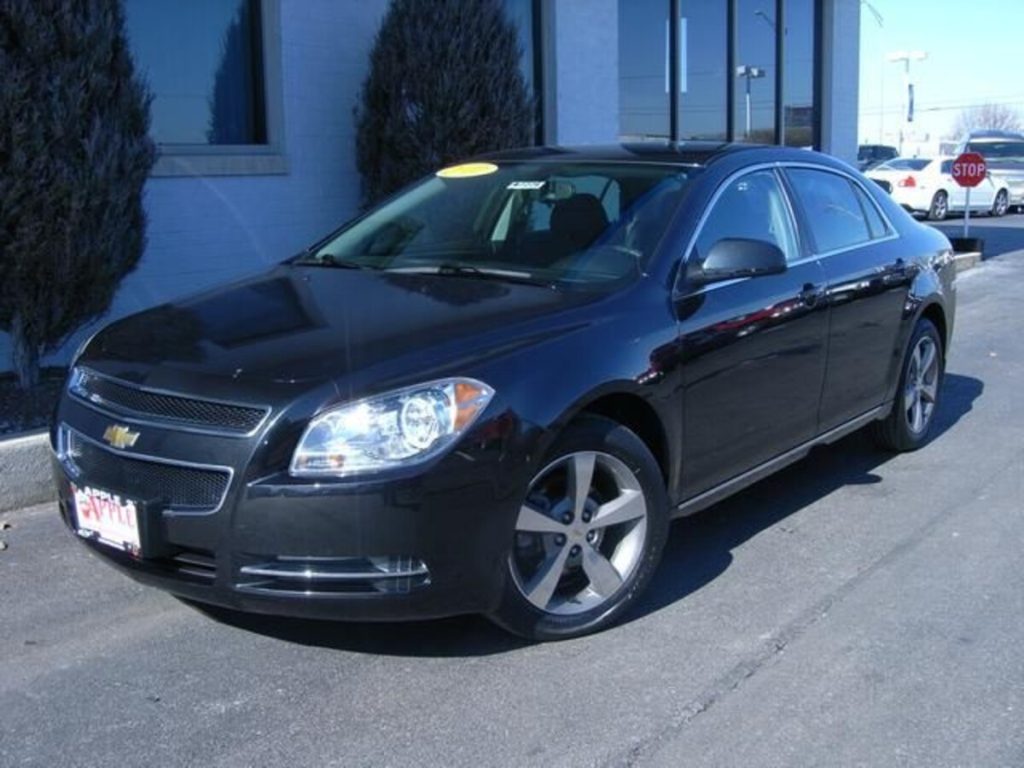
Interior materials also show their age more quickly than many competitors. Dashboard trim, center console components, and seat upholstery may develop noticeable wear after years of regular use. Combined with increasing road noise at higher speeds, the cabin feels less refined than later Malibu generations.
The 2011 Chevrolet Malibu still offers comfortable seating and respectable fuel economy, but stronger alternatives exist within the same price range. Buyers willing to spend slightly more can often find newer Malibu models with improved engineering, updated technology, and a better long-term reliability record.
Specifications
- Engine: 2.4-liter Ecotec Inline-4
- Torque: 172 lb-ft
- Horsepower: 169 hp
- Length/Width: 191.8 in / 70.3 in
3. 2013 Chevrolet Malibu
The 2013 Chevrolet Malibu entered the market with high expectations after receiving a complete redesign. Chevrolet aimed to give the sedan a more premium appearance, improved fuel efficiency, and stronger competition against rivals such as the Honda Accord and Toyota Camry.
Although the redesign introduced several positive changes, the first production year experienced enough reliability concerns to make it one of the less desirable Malibu models on the used market.
One of the biggest complaints centered on the electrical system. Owners reported issues involving the infotainment system freezing, dashboard warning lights appearing unexpectedly, malfunctioning sensors, and problems with electronic accessories.
Many of these concerns required dealership software updates, while others involved replacing individual components.
The 2.5-liter four-cylinder engine generally proved reliable, but the six-speed automatic transmission generated mixed reviews.
Some drivers experienced rough shifting, delayed gear engagement, or inconsistent performance during acceleration. These issues did not affect every vehicle, but they appeared frequently enough to influence the model year’s reputation.
Ride quality remained comfortable, and the cabin offered an attractive design with supportive seating. However, some owners criticized rear-seat space and outward visibility compared with competing midsize sedans. Interior trim pieces also showed signs of wear sooner than expected in higher-mileage vehicles.
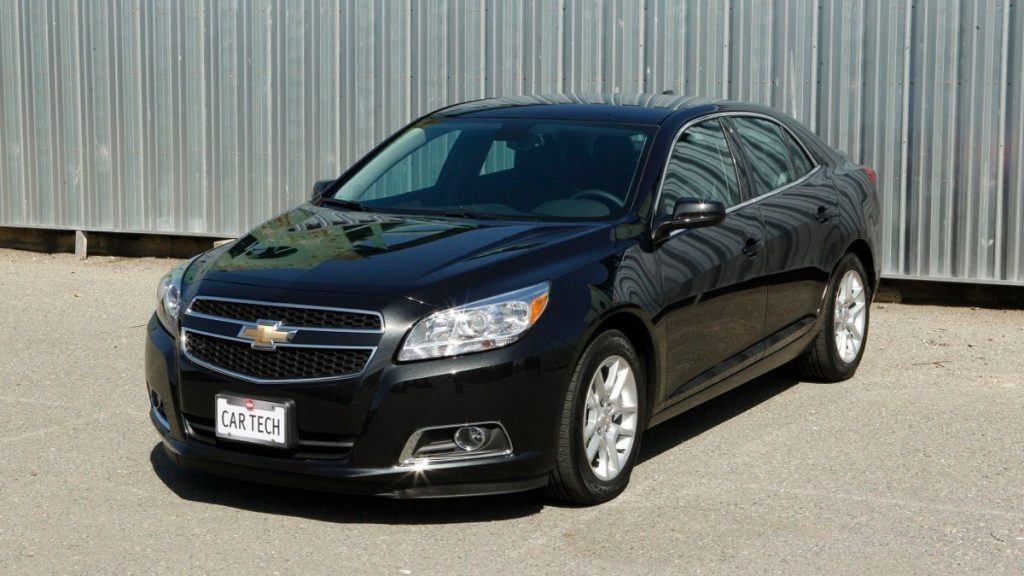
The 2013 Malibu is included among the years to approach carefully because it combines the risks commonly associated with a first-year redesign and a noticeable number of owner-reported electrical and transmission concerns.
Buyers considering this model should confirm that recall work and software updates have been completed while carefully evaluating the transmission during a road test.
Specifications
- Engine: 2.5-liter Ecotec Inline-4
- Torque: 191 lb-ft
- Horsepower: 197 hp
- Length/Width: 191.5 in / 73.0 in
4. 2009 Chevrolet Malibu
The 2009 Chevrolet Malibu followed the highly successful redesign introduced for the previous generation, and many examples have provided years of dependable transportation.
However, this model year also accumulated enough recurring mechanical and electrical complaints to warrant extra caution when shopping in the used-car market. Age now adds another layer of concern, making a detailed inspection more important than ever.
Power steering issues remained one of the most frequently discussed problems. Drivers reported warning messages, reduced steering assist, and occasional failures of the electric steering system.
Although some vehicles received repairs under recalls or technical service programs, not every used example has complete documentation confirming the work was performed.
Another area requiring attention is the automatic transmission. Some owners encountered hard shifting, delayed engagement, or premature wear after higher mileage. A consistent maintenance history with documented transmission fluid changes greatly improves the chances of avoiding expensive repairs.
Electrical gremlins also appeared on some vehicles, including faulty door locks, malfunctioning body control modules, and intermittent dashboard warning lights. These problems can be difficult to diagnose because they often occur without warning and may disappear before reaching a repair shop.
Despite these shortcomings, the 2009 Malibu still offers a comfortable ride, respectable fuel economy for its era, and a spacious interior.
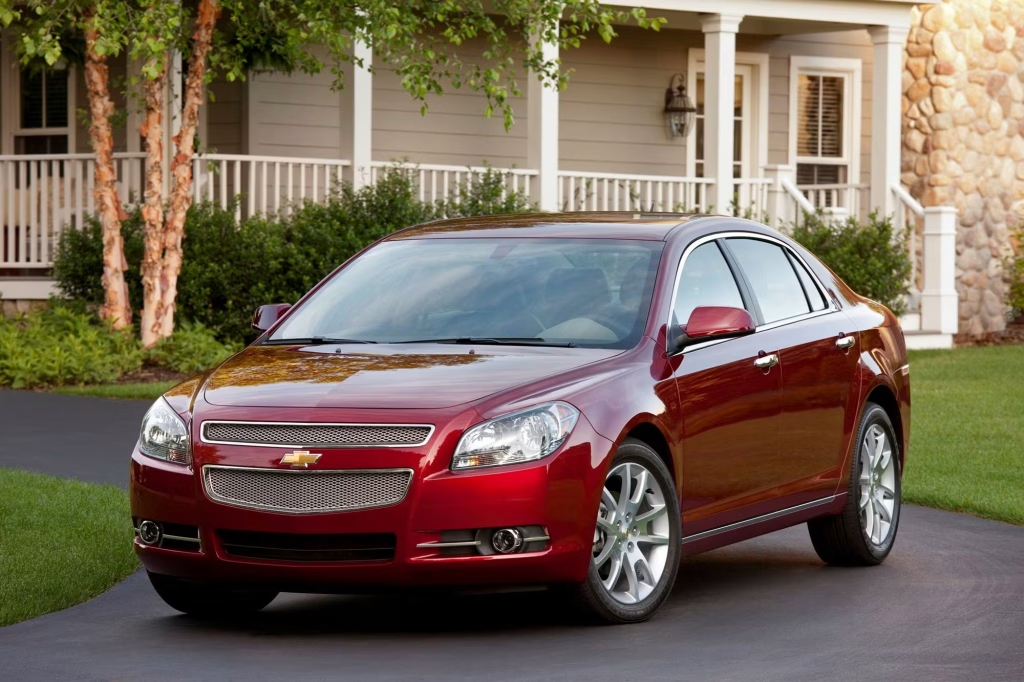
The reason it appears on this list is not that every example is unreliable but because buyers can often find later model years with stronger reliability records and fewer recurring complaints for a modest increase in purchase price.
Careful inspection and complete maintenance records are essential before purchasing this particular model year.
Specifications
- Engine: 2.4-liter Ecotec Inline-4 or 3.6-liter V6
- Torque: 170 lb-ft (I4) / 251 lb-ft (V6)
- Horsepower: 169 hp (I4) / 252 hp (V6)
- Length/Width: 191.8 in / 70.3 in
Also Read: 5 Best Toyota Highlander Model Years vs 5 You Should Avoid
