
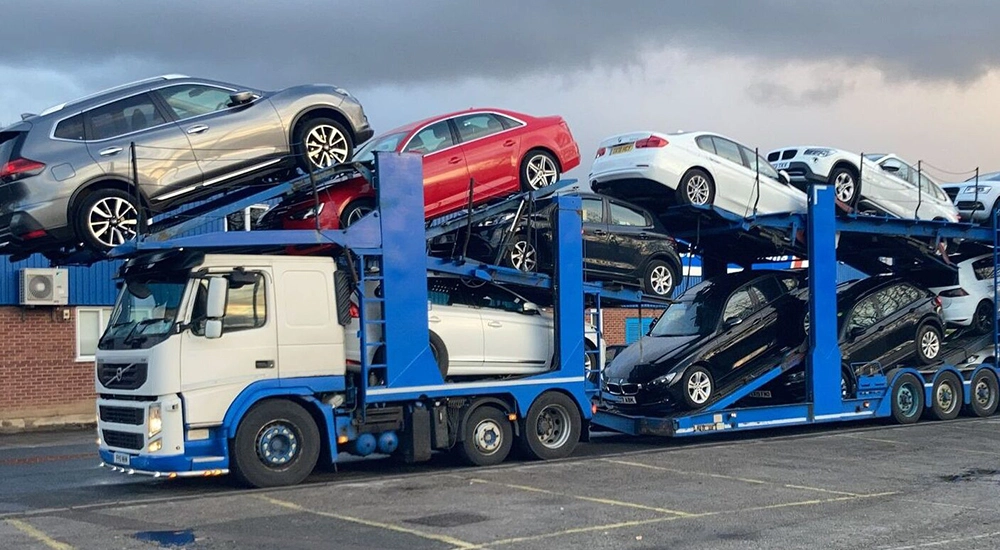
Walking through a dealership, it is easy to assume every vehicle on display will quickly find a buyer. In reality, not every car leaves the lot within a few days or weeks. Some remain parked for months because of changing market demand, pricing concerns, seasonal trends, or buyer preferences.
Every additional day a vehicle stays unsold creates new challenges for the dealership, from financing costs to maintenance responsibilities. While many shoppers focus on finding the newest arrivals, experienced buyers often pay close attention to inventory that has been available for an extended period.
These vehicles can present unique opportunities, but they also raise important questions about condition, value, and pricing. Understanding what happens behind the scenes helps buyers make informed decisions while offering insight into how dealerships manage their inventory.
From routine maintenance and pricing adjustments to dealer trades and wholesale auctions, every unsold vehicle follows a carefully planned path designed to reduce financial losses. Knowing this process can help consumers negotiate more effectively and determine whether an older lot vehicle is a smart purchase or one that deserves closer inspection before signing any paperwork.
Also Read: 8 Hidden Features in the Volkswagen Atlas
Why Some Cars Stay on Dealer Lots Longer Than Others
Every vehicle arrives at a dealership with the expectation that it will eventually be sold, but demand varies widely across different models. Popular trucks, family SUVs, and affordable compact cars often leave the lot quickly because they appeal to a broad range of buyers.
Meanwhile, luxury trims, unusual color combinations, or specialty performance models may attract fewer shoppers, causing them to remain unsold for much longer. Consumer preferences play a significant role in determining how quickly inventory moves.
Pricing is another major factor that affects how long a vehicle stays available. Even when a car offers excellent features, buyers may hesitate if competing dealerships advertise similar models at lower prices.
Customers today can compare prices online within minutes, making dealerships more cautious about setting competitive rates. If a vehicle is priced above market expectations, it may continue sitting until adjustments are made.
Seasonal demand also influences inventory turnover. Convertibles typically generate greater interest during warmer months, while Four Wheel Drive trucks and SUVs often become more attractive before winter in colder regions.
Electric vehicles may experience shifts in demand based on fuel prices, government incentives, or charging infrastructure. Timing can therefore determine whether a vehicle sells quickly or remains parked for several months.
Manufacturers regularly introduce updated model years with refreshed styling, improved technology, or additional safety features.
When newer versions arrive, buyers often overlook the previous year’s inventory even if the differences are relatively small. Dealerships must then work harder to encourage customers to consider these older models through pricing incentives or promotional offers.
Local market conditions further shape inventory performance. Population changes, employment trends, regional income levels, and consumer confidence all influence vehicle sales.
A sports car that sells rapidly in one city might remain unsold elsewhere because buyer preferences differ. Successful dealerships constantly analyze these local patterns to adjust inventory and improve turnover.
The Financial Impact of Unsold Inventory on Dealerships
Every vehicle occupying space on a dealer lot represents a financial investment. Most dealerships finance their inventory through specialized lending arrangements commonly referred to as floor plan financing.
Although this system allows dealers to stock a wide selection of vehicles, interest costs continue accumulating while each unit remains unsold. As inventory ages, these expenses gradually reduce the dealership’s potential profit.
Storage costs also increase over time. Even though vehicles simply appear to be parked, dealerships invest in security, insurance, cleaning, lighting, landscaping, and property maintenance.
Every unsold vehicle occupies valuable display space that could otherwise showcase inventory with stronger sales potential. Efficient inventory management becomes essential for maintaining healthy business operations.
Depreciation creates another financial challenge. Cars generally lose value as they age, even if they have never been owned by a customer. Once a newer model year arrives, shoppers often expect discounts on previous inventory.
Dealerships must carefully balance competitive pricing with maintaining reasonable profit margins. Waiting too long to reduce prices may result in even greater financial losses.
Manufacturers sometimes encourage dealerships to meet sales targets through bonuses or incentive programs. If certain models remain unsold, dealers may offer substantial discounts, promotional financing, or additional benefits to attract buyers before incentive deadlines expire.
These programs can improve inventory turnover while helping dealerships achieve performance goals established by the manufacturer.
Unsold inventory also affects cash flow. Money invested in aging vehicles cannot easily be redirected toward purchasing more desirable models that customers currently want.
As a result, dealerships continuously monitor inventory age, sales trends, and customer demand to determine when pricing changes or alternative sales strategies become necessary. Effective inventory management supports both profitability and customer satisfaction.
Also Read: 10 Hidden Features in the Mazda CX-90
How Dealerships Manage Cars That Do Not Sell Quickly
Routine maintenance remains one of the highest priorities for vehicles that stay on the lot for extended periods. Even though these cars are not driven daily, dealership technicians regularly inspect fluids, battery condition, tire pressure, brakes, and other essential systems.
These inspections help preserve vehicle reliability while ensuring every car remains ready for customer demonstrations and test drives.
Cleaning and cosmetic care are equally important. Dust, pollen, bird droppings, tree sap, and changing weather conditions can affect a vehicle’s appearance over time. Dealership staff routinely wash, polish, and detail inventory to maintain an attractive presentation. First impressions influence purchasing decisions, making consistent vehicle appearance an important part of the sales process.
As inventory ages, dealerships often adjust pricing to stimulate buyer interest. Discounts may become more aggressive after a vehicle reaches certain age milestones.
In addition to lowering the advertised price, dealers may include complimentary maintenance plans, extended warranty coverage, attractive financing offers, or trade-in incentives that improve the value of the purchase.
Dealer trades provide another practical solution. If one dealership struggles to sell a specific model while another location has customers requesting it, the two businesses may exchange inventory. This allows vehicles to move into markets where demand is stronger without waiting for local buyer interest to improve. Dealer trades help optimize inventory across larger dealership networks.
When retail sales remain unlikely, dealerships may eventually send aging inventory to wholesale auctions. These auctions allow dealers, rental companies, and other automotive businesses to purchase vehicles at market-based prices.
Although wholesale sales typically generate lower profits than retail transactions, they free up valuable space and improve inventory turnover, allowing dealerships to focus on faster-selling models.
Should Buyers Consider a Car That Has Been Sitting on the Lot?
Buying a vehicle that has spent several months on a dealership lot is not automatically a bad decision. In many cases, these cars remain in excellent condition because they have been professionally maintained throughout their time in inventory.
Since dealerships have a strong interest in preserving their investment, regular inspections and maintenance usually help keep the vehicles in good working order.
A longer lot time can create valuable negotiating opportunities. Dealers often become more willing to discuss pricing when inventory has remained unsold for an extended period. Buyers may secure discounts, lower financing rates, complimentary accessories, maintenance packages, or warranty upgrades that would not have been available when the vehicle first arrived.
Despite these advantages, shoppers should still perform careful inspections before completing a purchase. Checking the battery, tires, paint, interior condition, and service records helps verify that the vehicle has received appropriate care.
A thorough test drive also allows buyers to evaluate performance, braking, steering, and comfort before making a final decision.
Understanding the vehicle’s production date can also provide useful context. A car may be brand new yet have been manufactured many months before the purchase. While this does not necessarily reduce reliability, buyers should compare available incentives on both current and previous model years to determine which option provides the greatest value.
Buyers can request maintenance documentation, inquire about any software updates, confirm warranty coverage, and verify whether the vehicle has received routine inspections while in inventory. These conversations help build confidence and ensure the purchase meets both practical needs and long-term expectations.
