

Electric vehicles have changed the way people think about car maintenance. With fewer moving parts than traditional gasoline-powered cars, EVs often require less routine servicing, especially because they do not need oil changes, fuel system repairs, or many of the mechanical components found in internal combustion engines.
However, EVs still rely on advanced steering, suspension, braking, and electronic systems that can require expensive repairs when problems occur. One of the components that can surprise EV owners with its replacement cost is the power steering rack.
A power steering rack is a critical part of a vehicle’s steering system. It helps convert the driver’s steering input into the movement needed to turn the wheels.
While many modern EVs use electric power steering systems instead of hydraulic setups, the steering rack itself remains an important mechanical component supported by sophisticated electronics. When it fails, replacement can involve expensive parts, specialized labor, and additional calibration procedures.
The cost of replacing a power steering rack in an EV depends on several factors, including the vehicle model, replacement part availability, labor rates, and whether additional steering components need attention. Understanding these costs can help EV owners prepare for potential repairs and make informed decisions about maintenance, warranties, and repair options.
Also Read: 8 Hidden Features in the Volkswagen Atlas
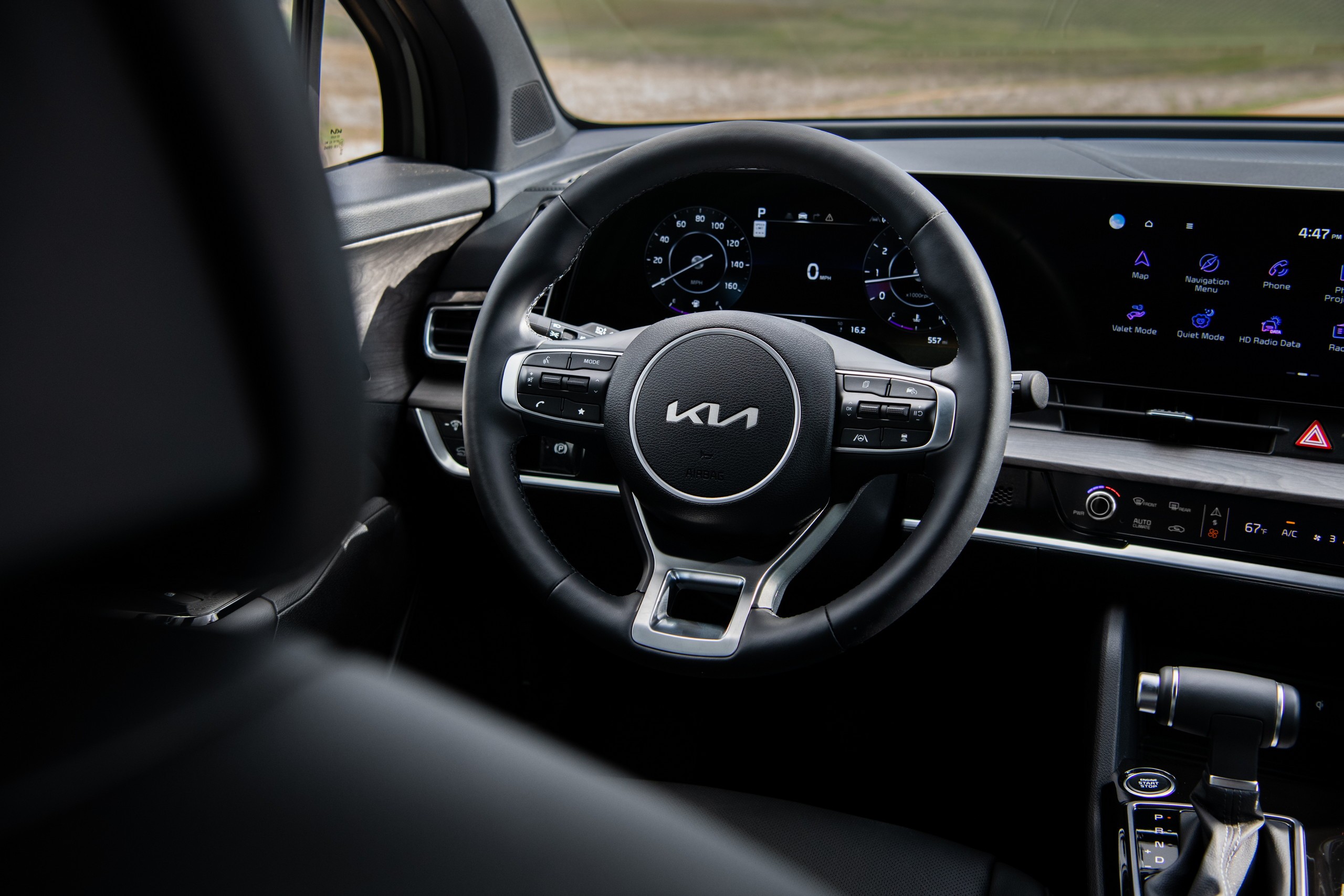
Understanding the Role of a Power Steering Rack in an EV
The power steering rack is one of the most important components connecting the driver’s steering wheel movements to the vehicle’s front wheels. In simple terms, it allows a small steering input from the driver to create precise wheel movement.
Without a properly functioning rack, controlling an EV becomes difficult, unsafe, and sometimes impossible. Although electric vehicles have eliminated many traditional mechanical systems, they still require reliable steering hardware to deliver a smooth driving experience.
Unlike older vehicles that commonly used hydraulic power steering systems, most modern EVs use electric power steering technology. This system uses an electric motor, sensors, and control modules to assist the driver while turning the steering wheel.
The steering rack itself may include integrated electronic components that communicate with the vehicle’s computer systems. This additional technology can increase repair complexity because technicians must consider both mechanical and electronic failures.
In gasoline-powered vehicles, replacing a steering rack can already be a costly repair. EVs can sometimes be more expensive because their steering systems are designed around advanced driver assistance features, improved efficiency, and precise electronic control.
Features such as lane keeping assistance, automated parking systems, and adaptive driving technologies depend on accurate steering information. A replacement rack may require programming or calibration before the vehicle operates correctly.
The power steering rack also plays an important role in vehicle safety. A worn or damaged rack can create symptoms such as loose steering, unusual noises, difficulty turning, uneven steering response, or warning messages on the dashboard.
Ignoring these signs can lead to worsening problems and potentially affect handling performance. Because EVs are often heavier due to their battery packs, steering components must handle significant forces during everyday driving.
Many EV owners assume that electric vehicles are maintenance-free because they have fewer engine-related parts. While EVs generally require less maintenance than conventional vehicles, they still contain complex mechanical systems.
Steering racks, suspension parts, tires, brakes, and electronic modules can wear out over time. Understanding the purpose of the steering rack helps explain why this repair can be a significant expense.
Also Read: 10 Hidden Features in the Mazda CX-90
Average Cost of Replacing a Power Steering Rack in an EV
The cost of replacing a power steering rack in an electric vehicle can vary widely depending on the vehicle’s brand, design, and repair requirements.
In general, EV owners can expect the replacement cost to range from approximately $1,500 to more than $4,000. Some luxury electric vehicles or models with highly integrated steering technology may cost even more. The final price depends on parts, labor, diagnostics, and any required software calibration.
The replacement part itself is usually the largest portion of the expense. A steering rack designed specifically for an EV may cost significantly more than a conventional steering rack because it often includes electronic motors, sensors, and communication systems.
Manufacturers may also produce fewer replacement units for certain EV models, which can increase availability challenges and pricing. Premium brands typically have higher component costs due to specialized engineering and dealership repair procedures.
Labor costs also contribute significantly to the bill. Replacing a steering rack is not usually a quick repair because technicians must remove several surrounding components to access the system.
The front suspension, steering connections, and other parts may need to be disconnected before the rack can be removed. After installation, technicians may need to perform alignment checks and electronic calibration to ensure the steering system functions properly.
Another factor affecting cost is whether the vehicle is repaired at a dealership or an independent repair facility. Dealerships often charge higher labor rates but have direct access to manufacturer tools, software updates, and specialized training. Independent EV repair shops may offer lower labor costs, although availability depends on location and whether technicians have experience with the specific vehicle model.
The vehicle’s age and warranty status can significantly change what an owner pays. Many EV manufacturers provide limited warranties that may cover steering components if a failure occurs within the warranty period.
Extended warranties or service contracts may also reduce repair expenses. Owners should review their warranty coverage before approving major steering repairs because replacement costs can be substantial.
Factors That Influence EV Power Steering Rack Replacement Costs
Several factors determine how much an EV owner will actually pay for a power steering rack replacement. The first and most obvious factor is the vehicle model. A compact electric hatchback may have a less expensive steering system compared with a high-performance electric SUV equipped with advanced driver assistance technology. Vehicle design choices directly influence replacement part prices and repair complexity.
The availability of replacement parts is another important consideration. Popular EV models may have better parts availability because manufacturers produce more vehicles and maintain larger supply networks.
Less common EV models may require special ordering, which can increase waiting times and sometimes raise costs. Some repairs may also involve replacing the entire steering assembly instead of repairing individual components.
Technology integration has become a major factor in modern EV repair costs. Many electric vehicles rely on electronic sensors that monitor steering position, torque, and driver input. When a steering rack is replaced, these systems may need to be reset and recalibrated.
A technician may need manufacturer-specific diagnostic equipment to complete the process. This additional step adds both time and labor expenses.
Geographic location can also affect the price of repairs. Labor rates differ significantly between regions, with large cities often having higher automotive service costs. EV specialists may charge more because they require additional training and equipment compared with traditional mechanics.
However, choosing an experienced technician is important because incorrect installation or calibration can create safety issues.
The condition of related components can influence the final repair bill as well. During a steering rack replacement, technicians may discover worn tie rods, damaged boots, alignment problems, or suspension issues. While these parts may not have caused the original failure, replacing them at the same time can prevent future repairs. This is why the initial estimate may change after a complete inspection.

Common Signs That an EV Power Steering Rack Needs Replacement
Recognizing early warning signs of a failing steering rack can help EV owners address problems before they become more serious.
One common symptom is difficulty turning the steering wheel. Drivers may notice that steering feels heavier than usual, especially during low-speed driving or parking situations. Because EVs typically use electronic steering assistance, changes in steering effort may indicate problems with the rack, motor, sensors, or related components.
Unusual sounds are another warning sign. A damaged steering rack may produce clicking, clunking, grinding, or knocking noises when the driver turns the wheel.
These sounds can come from worn internal components or loose connections within the steering system. While not every noise means the rack requires replacement, unusual sounds should be inspected by a qualified technician.
Steering wheel vibration or uneven steering response can also indicate a problem. If the vehicle does not respond smoothly when turning or feels unstable on the road, the steering system may not be operating correctly. EVs often have precise handling characteristics, so noticeable changes in steering behavior should not be ignored.
Dashboard warning messages may appear when the vehicle detects steering system problems. Modern EVs continuously monitor electronic systems, and a fault in the steering rack or related components may trigger alerts. These warnings should be investigated because they can indicate issues that affect vehicle control and safety.
A vehicle that pulls to one side or has difficulty maintaining a straight path may also have steering-related problems. While wheel alignment issues are a common cause, a damaged steering rack can contribute to similar symptoms. Proper diagnosis is important because replacing the wrong component can lead to unnecessary expenses.
