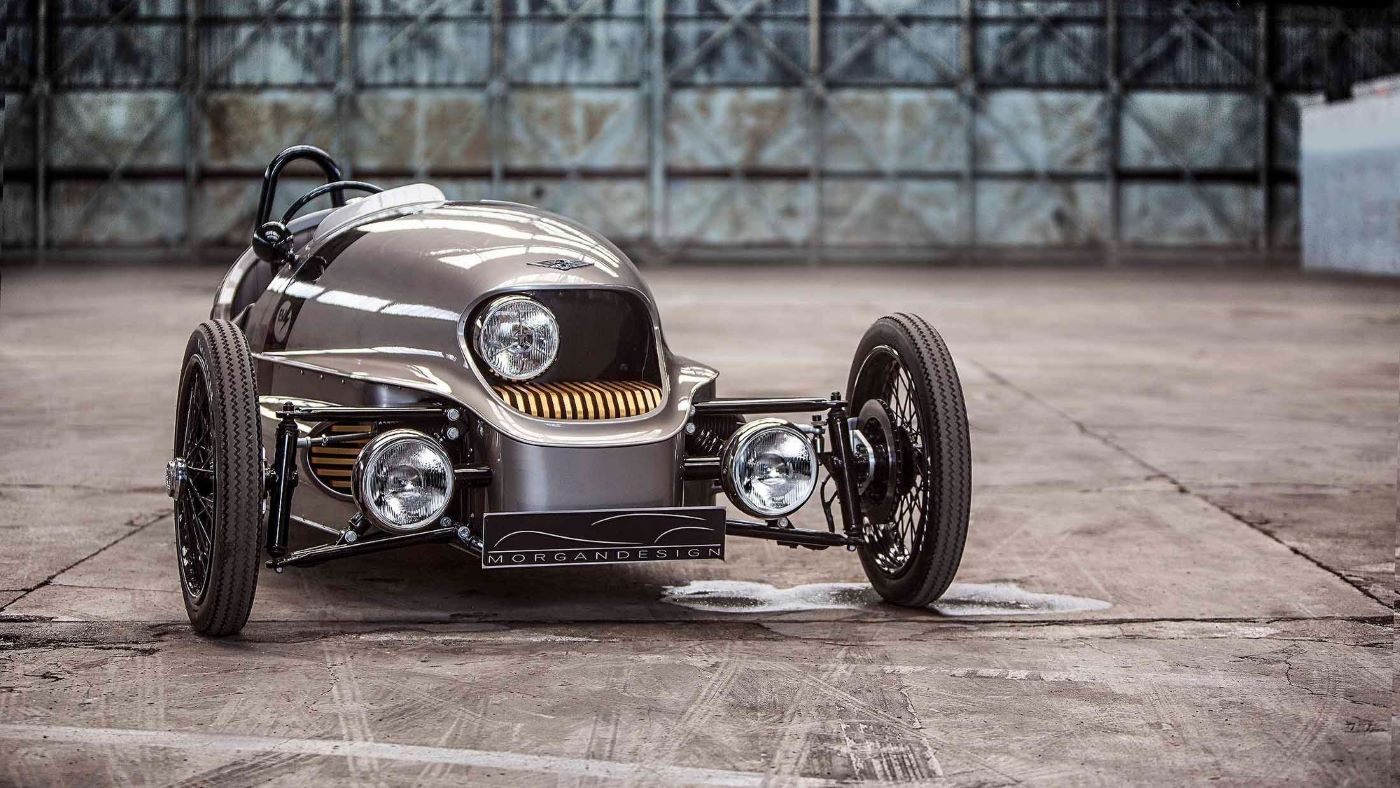
Three-wheeled vehicles have always occupied a unique place in the world of transportation. Unlike traditional cars and motorcycles, these machines combine unusual designs, creative engineering, and practical solutions that make them stand apart from ordinary vehicles.
Over the years, manufacturers have experimented with three-wheel layouts for different reasons, including improved efficiency, lower production costs, better maneuverability, and a completely different driving experience.
Some three-wheelers became famous because of their affordability and popularity, while others earned legendary status because of their innovative technology, racing history, or futuristic appearance.
From compact city commuters to high-performance machines, three-wheeled vehicles have shown that fewer wheels do not always mean fewer possibilities. They have been used for personal transportation, commercial purposes, recreation, and even motorsports.
Although three-wheeled vehicles have never replaced conventional four-wheeled automobiles on a large scale, several models have earned worldwide recognition and left a lasting mark on automotive design and engineering.
This article explores eight of the best three-wheeled vehicles ever made, highlighting their history, engineering features, cultural impact, and the reasons they remain memorable among enthusiasts and everyday drivers.
Also Read: 8 Hidden Features in the Volkswagen Atlas
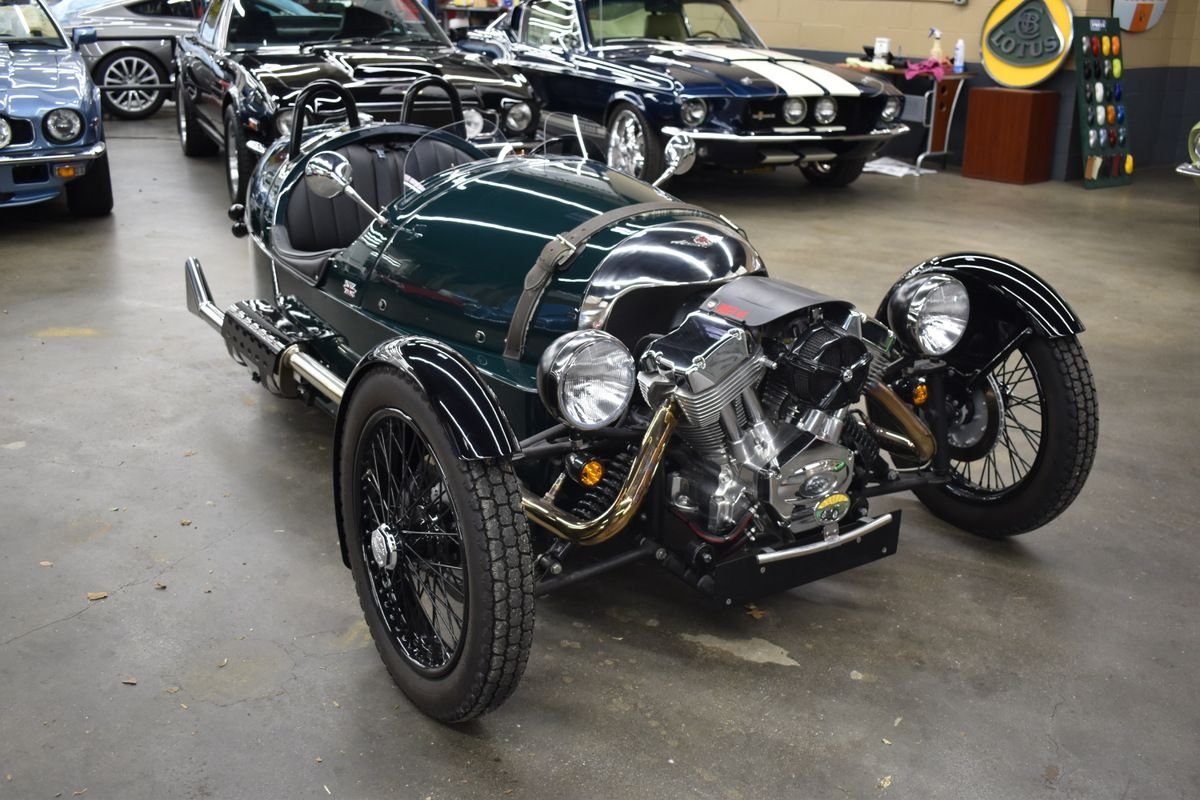
- Engine: 2.0-liter Ford inline-4 engine (new generation) / 1.98-liter S&S V-twin (earlier model)
- Horsepower: Around 82 hp (S&S V-twin version) / 118 hp (Ford engine version)
- Torque: Around 140 Nm (S&S V-twin) / 190 Nm (Ford engine version)
- Length: Approximately 3,225 mm
- Width: Approximately 1,720 mm
1. Morgan 3 Wheeler: A Perfect Blend of Classic Style and Modern Performance
The Morgan 3 Wheeler is among the most iconic three-wheeled vehicles ever created, combining vintage charm with modern engineering. Produced by the British company Morgan Motor Company, the vehicle represents a continuation of a design philosophy that dates back to the early twentieth century.
Unlike ordinary cars, the Morgan 3 Wheeler delivers a driving experience that feels closer to riding a motorcycle while maintaining the structure and comfort of an automobile. Its open cockpit design, exposed front wheels, lightweight body, and distinctive appearance make it instantly recognizable.
The modern version introduced in the twenty-first century preserved the spirit of earlier Morgan three-wheelers while adding advanced materials, improved safety features, and more reliable mechanical components.
The biggest reason for the Morgan 3 Wheeler’s popularity is its focus on pure driving enjoyment rather than practicality. The vehicle is designed to provide an emotional connection between the driver and the road. Its low weight allows it to accelerate quickly, change direction easily, and deliver an exciting experience even at moderate speeds.
Instead of relying on complicated electronic systems, the Morgan emphasizes simplicity and mechanical involvement. Drivers experience engine vibrations, wind exposure, and direct feedback from the vehicle, creating a connection that many modern cars struggle to provide. This old-school approach has attracted enthusiasts who appreciate traditional automotive craftsmanship.
The engineering behind the Morgan 3 Wheeler is also fascinating because it uses a unique front-wheel and rear-drive layout. Two wheels at the front provide stability and steering, while a single rear wheel delivers power to the road. This arrangement contributes to the vehicle’s unusual handling characteristics and lightweight structure.
Over different generations, Morgan has used various engines, including motorcycle-inspired powerplants and more modern automotive engines. The combination of a strong chassis, aerodynamic body design, and efficient power delivery demonstrates how a three-wheel configuration can create an exciting performance machine.
Beyond its mechanical qualities, the Morgan 3 Wheeler has become a symbol of individuality. Owners often choose it because it represents something different from mainstream vehicles. It does not attempt to compete with luxury sports cars through technology or speed alone. Instead, it offers character, craftsmanship, and exclusivity.
The vehicle has gained a dedicated following among collectors and driving enthusiasts who value unique automotive experiences. Its continued popularity proves that emotional appeal can be just as important as practical features when creating a memorable vehicle.
The Morgan 3 Wheeler deserves recognition as one of the greatest three-wheeled vehicles because it successfully combines history, design, and performance. While many vehicles focus on efficiency or convenience, the Morgan focuses on enjoyment and personality.
It demonstrates that a vehicle does not need four wheels to deliver an unforgettable driving experience. By preserving classical automotive values while adapting to modern expectations, the Morgan 3 Wheeler has secured its place as a legendary machine.
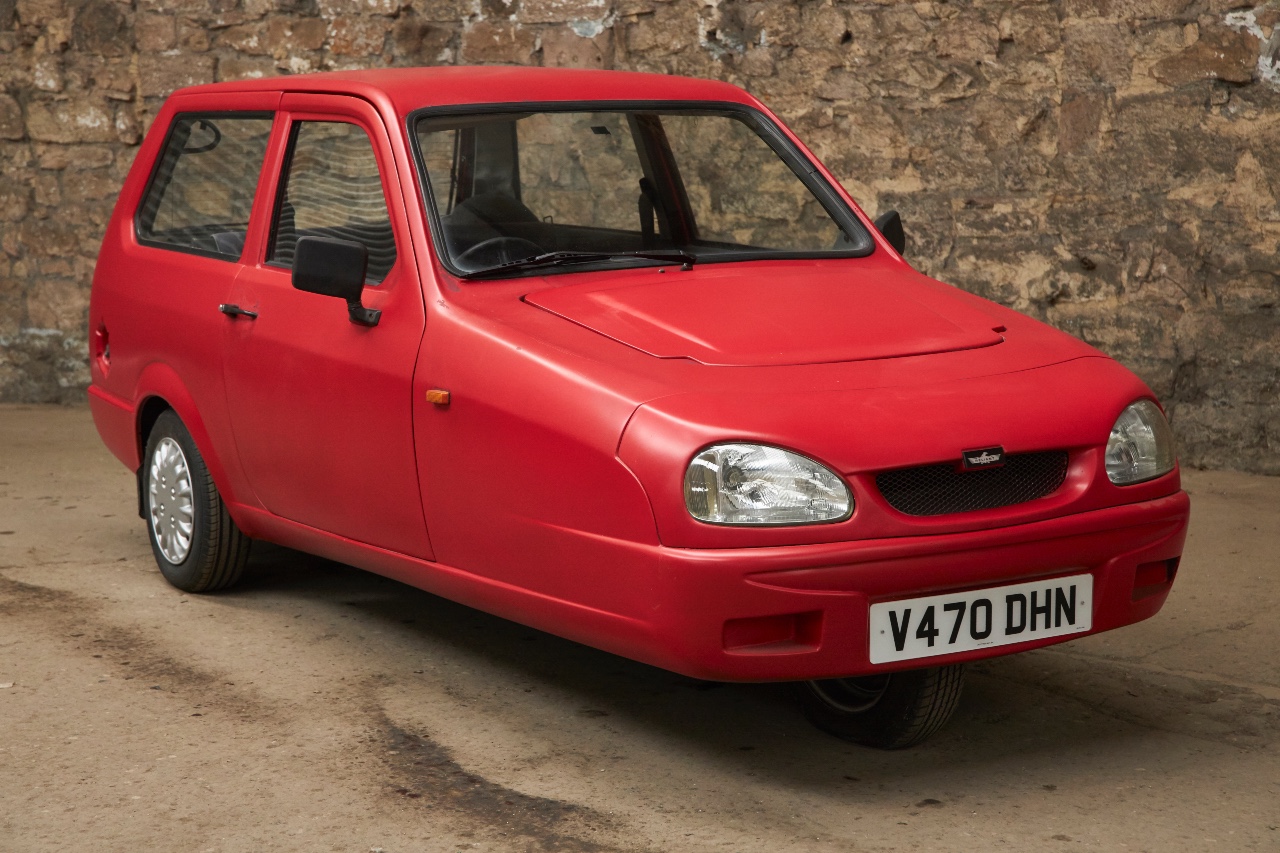
- Engine: 848 cc or 748 cc Reliant OHV inline-4 engine (depending on version)
- Horsepower: Around 25 to 40 hp
- Torque: Approximately 60 Nm
- Length: Approximately 3,330 mm
- Width: Approximately 1,420 mm
2. Reliant Robin: The Three-Wheeler That Became a Cultural Icon
The Reliant Robin is among the most famous three-wheeled vehicles in automotive history, especially in the United Kingdom. Introduced in the 1970s by Reliant Motor Company, the Robin was designed as an affordable and economical vehicle for everyday transportation.
Its lightweight fiberglass body, small engine, and three-wheel structure allowed it to offer low running costs compared with traditional cars.
Tax advantages in certain markets helped make the Reliant Robin a popular choice for drivers seeking affordable personal transportation. Although it became the subject of countless jokes and criticism, its impact on automotive culture and its lasting recognition remain undeniable.
The unusual design of the Reliant Robin was its most noticeable feature. It used a single front wheel for steering and two rear wheels for stability. This layout helped reduce manufacturing costs and allowed the vehicle to remain lightweight. The compact size made it suitable for crowded urban environments, where parking and fuel efficiency were important concerns.
Some critics questioned its stability compared with conventional cars, but many owners appreciated its affordability and practicality. The Robin served as proof that transportation solutions could take different forms depending on the needs of drivers.
The Reliant Robin transformed into a cultural symbol through television appearances, comedy programs, and public discussions about unusual automotive designs. Many people who had never driven one still recognized its distinctive shape.
While some attention focused on its reputation for tipping over in exaggerated situations, the actual vehicle had many satisfied owners who used it for daily transportation. Its reputation became a mixture of criticism, humor, and affection.
From an engineering perspective, the Reliant Robin represents an interesting approach to economical vehicle manufacturing. The fiberglass construction reduced weight and helped prevent corrosion, while the small engine provided reasonable fuel economy.
The company focused on creating a simple vehicle that could be maintained easily without expensive repairs. Automotive technology has advanced significantly since its production era, the Robin remains an example of how manufacturers attempted to solve transportation challenges through creative design choices.
The legacy of the Reliant Robin continues because it represents more than technical specifications. It shows how a vehicle can become memorable through personality and public perception.
Many cars disappear from history despite being successful, but the Robin remains famous decades later because it was different. Whether viewed as a practical commuter, a quirky invention, or a cultural phenomenon, the Reliant Robin earned its place among the most notable three-wheeled vehicles ever made.
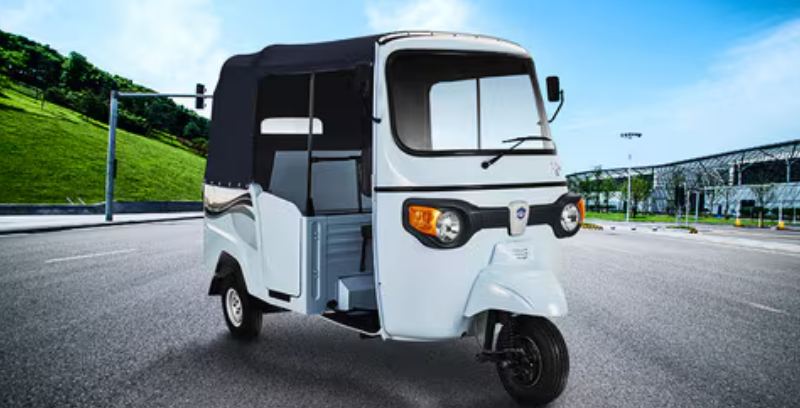
- Engine: Various engines, including 218 cc petrol, 422 cc diesel, and modern electric versions
- Horsepower: Around 5 to 10 hp (classic models)
- Torque: Approximately 15 to 25 Nm
- Length: Approximately 3,080 mm
- Width: Approximately 1,260 mm
3. Piaggio Ape: The Three-Wheeler That Changed Commercial Transportation
The Piaggio Ape is the most successful three-wheeled vehicle in history, particularly in commercial and urban transportation. Created by the Italian manufacturer Piaggio, the Ape was introduced after World War II as a practical solution for businesses that needed affordable cargo transportation.
Its name comes from the Italian word for bee, reflecting its small size, efficiency, and hardworking nature. Unlike many recreational three-wheelers, the Piaggio Ape was built with a clear purpose: helping small businesses move goods in crowded cities and rural areas.
The compact design of the Piaggio Ape allowed it to operate in places where larger delivery vehicles struggled. Narrow streets, busy markets, and limited parking spaces became ideal environments for this small commercial vehicle.
Over the years, different versions were produced, including cargo models, passenger versions, and specialized variants. Its adaptability made it popular in many countries, especially in regions where affordable transportation solutions were needed. The vehicle became a familiar sight in markets, towns, and business districts.
A major strength of the Piaggio Ape is its simplicity. The vehicle uses a straightforward mechanical design that allows easy maintenance and repair.
Small business owners often value reliability and low operating costs, and the Ape provides both qualities. Its ability to carry goods while consuming relatively little fuel made it an important tool for entrepreneurs. Many businesses depended on these vehicles for deliveries, transportation, and mobile services.
The cultural impact of the Piaggio Ape extends beyond its practical uses. In many places, it became part of the local industry and developed a strong identity.
Businesses often customized their Apes with colorful designs, advertisements, and unique modifications. This transformed the vehicle from a simple work machine into a recognizable symbol of creativity and entrepreneurship. Its charming appearance helped it gain popularity among photographers, travelers, and vehicle enthusiasts.
The Piaggio Ape remains a great three-wheeled vehicle because it successfully fulfilled a real-world purpose for generations. It proves that innovation is not always about speed or luxury. Sometimes the most influential vehicles are those that make everyday life easier.
Through practicality, affordability, and adaptability, the Piaggio Ape became a global success story and an important chapter in transportation history.
- Engine: 191 cc Fichtel & Sachs single-cylinder two-stroke engine
- Horsepower: Around 10 hp
- Torque: Approximately 15 Nm
- Length: Approximately 2,820 mm
- Width: Approximately 1,220 mm
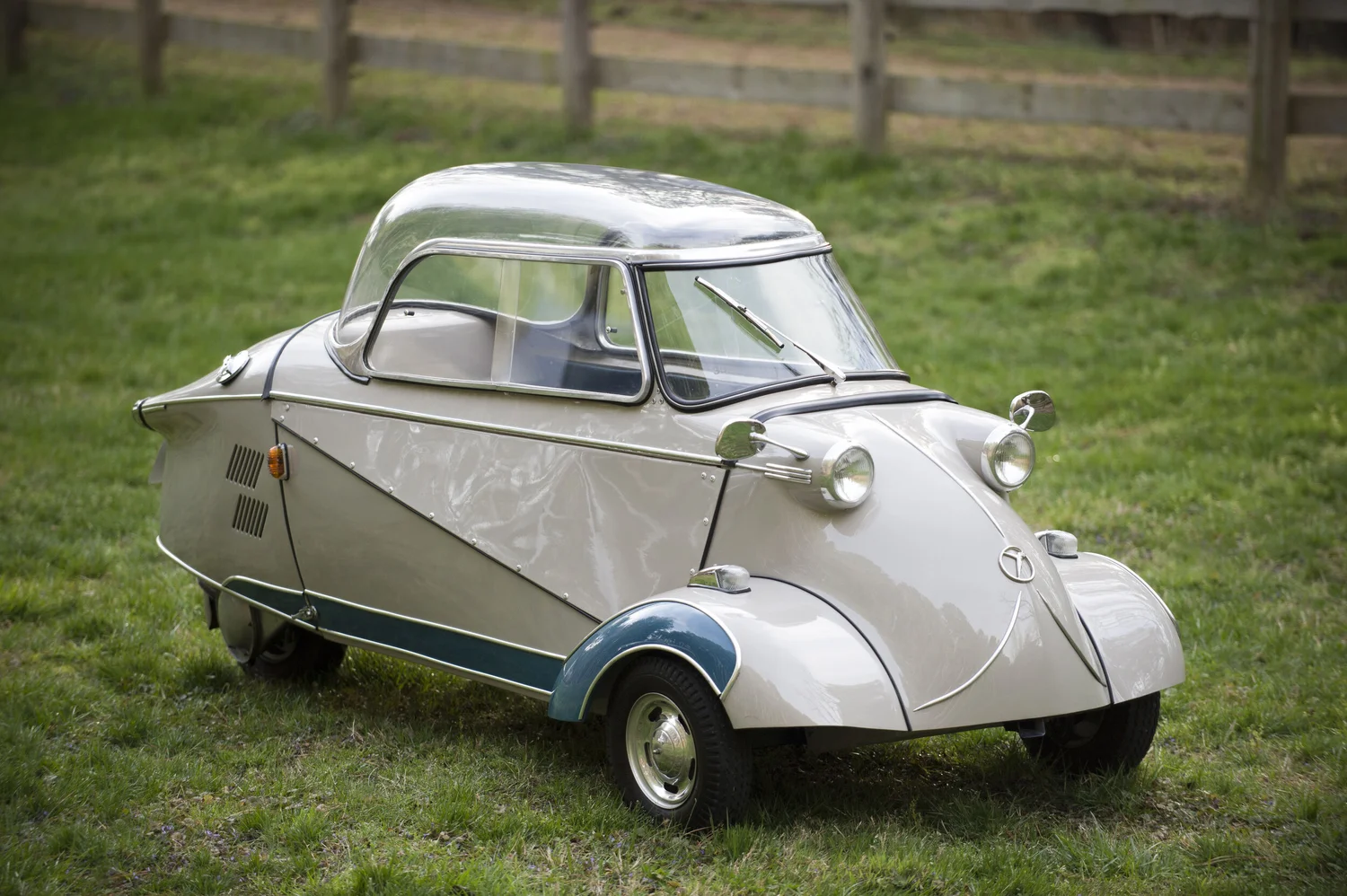
4. Messerschmitt KR200: A Tiny Engineering Masterpiece
The Messerschmitt KR200 is a remarkable three-wheeled vehicle that represents creativity during a challenging period in automotive history. Produced in post-war Germany, the KR200 was created when affordable transportation was urgently needed.
Designed by aircraft engineer Fritz Fend and produced under the Messerschmitt brand, the vehicle borrowed several ideas from aviation, including its bubble canopy design and lightweight construction. Its appearance was unlike anything else on the road, making it the most distinctive three-wheeler ever built.
The KR200 featured a narrow body, two front wheels, and one rear wheel. The driver sat in a cockpit-style cabin with a transparent canopy that resembled a small aircraft. This design provided excellent visibility and reduced aerodynamic resistance.
Despite its extremely compact dimensions, the vehicle provided weather protection and, in some versions, seating for two occupants. Its lightweight construction allowed a modest engine to deliver impressive fuel efficiency while maintaining practical everyday performance.
The most impressive aspect of the Messerschmitt KR200 was its engineering efficiency. At a time when many people needed affordable transportation, the vehicle delivered mobility without the cost and complexity of a traditional car.
Its small engine consumed little fuel, and its simple mechanical design made ownership more accessible. The KR200 showed how creative engineering could produce effective solutions during difficult economic conditions.
Today, collectors and automotive historians appreciate the KR200 for its unusual design and historical importance. It represents an era when engineers experimented with alternative vehicle concepts.
Unlike ordinary economy cars, the KR200 had personality and technological ambition. Its aircraft-inspired appearance continues to attract attention at classic vehicle events around the world.
The Messerschmitt KR200 remains one of the best three-wheeled vehicles because it combined innovation, efficiency, and unique styling. It demonstrated that transportation could be practical while still being imaginative. Its influence can still be seen in discussions about microcars and alternative vehicle designs.
- Engine: 1,330 cc Rotax ACE inline-3 engine
- Horsepower: Around 115 hp
- Torque: Approximately 130 Nm
- Length: Approximately 2,772 mm
- Width: Approximately 1,554 mm
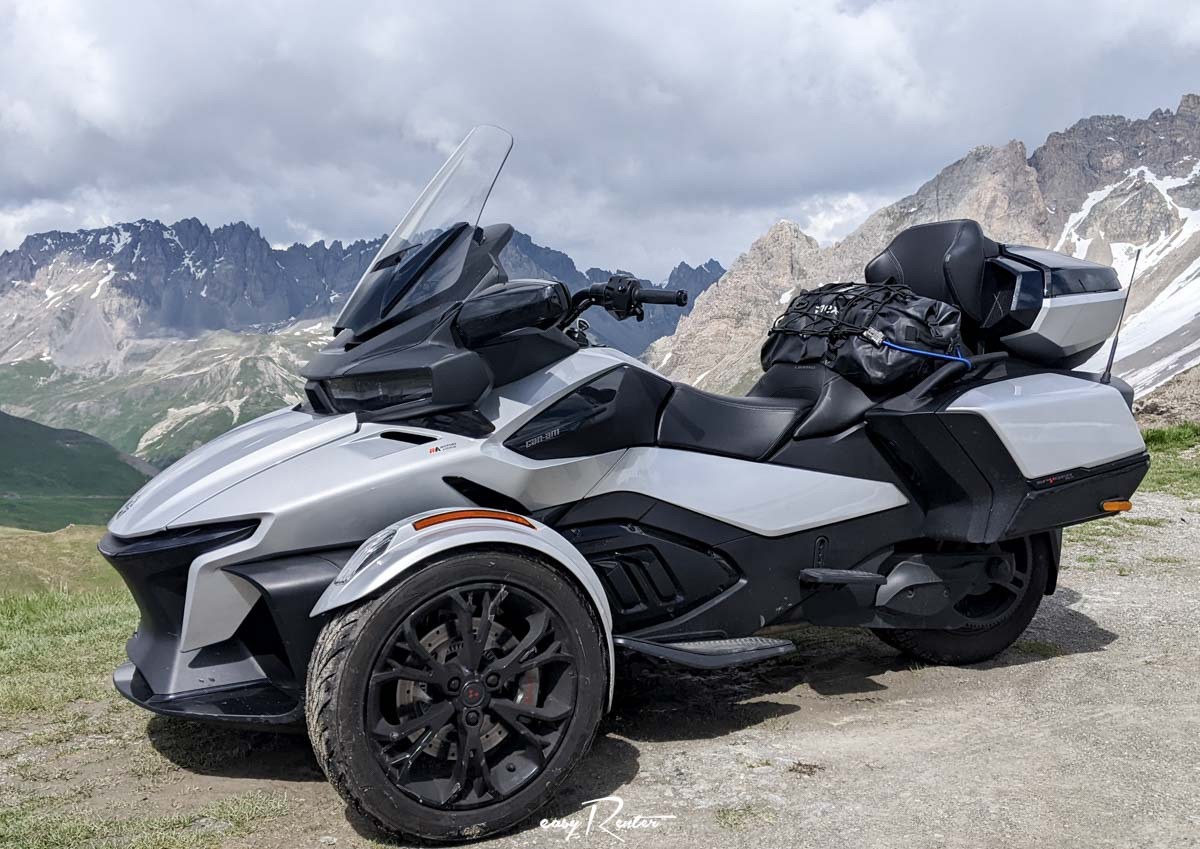
5. Can-Am Spyder: Redefining Modern Three-Wheeled Performance
The Can-Am Spyder introduced a completely different approach to three-wheeled transportation. Developed by BRP, the Spyder is designed as a high-performance recreational vehicle that combines elements of motorcycles and automobiles.
Unlike traditional three-wheelers with two wheels at the front and one at the rear, the Spyder uses a reverse trike configuration with two front wheels and one rear wheel. This design improves stability while maintaining the excitement associated with motorcycle riding.
The Can-Am Spyder was created for riders who wanted an open-air experience without the balance demands of a traditional motorcycle. Its advanced chassis, electronic stability systems, and powerful engines provide confidence and control.
The vehicle offers features commonly found in modern automobiles, including advanced braking systems, comfortable seating, and touring-focused equipment. This combination attracted riders who wanted adventure with additional stability.
Performance is a major part of the Spyder’s appeal. Powerful engines, responsive handling, and long-distance comfort make it suitable for highway travel and recreational riding. Different versions have been developed for touring, sport riding, and luxury experiences. Its unique appearance also helps it stand out among other vehicles, attracting attention wherever it goes.
The Spyder has influenced how people view three-wheeled vehicles. Instead of being considered small-economy machines, modern three-wheelers can also represent performance and premium transportation.
The vehicle demonstrates how technology can improve stability and create new categories between motorcycles and cars. It has helped introduce three-wheel designs to a new generation of enthusiasts.
The Can-Am Spyder deserves recognition because it represents the evolution of the three-wheel concept. It combines modern engineering, comfort, and excitement in a way that few vehicles have achieved. By creating a unique riding experience, it expanded the possibilities of what a three-wheeled vehicle could be.
Also Read: 5 Best Ford Escape Years vs 5 to Avoid
- Engine: 173 cc Fichtel & Sachs single-cylinder two-stroke engine
- Horsepower: Around 9 hp
- Torque: Approximately 14 Nm
- Length: Approximately 2,820 mm
- Width: Approximately 1,220 mm
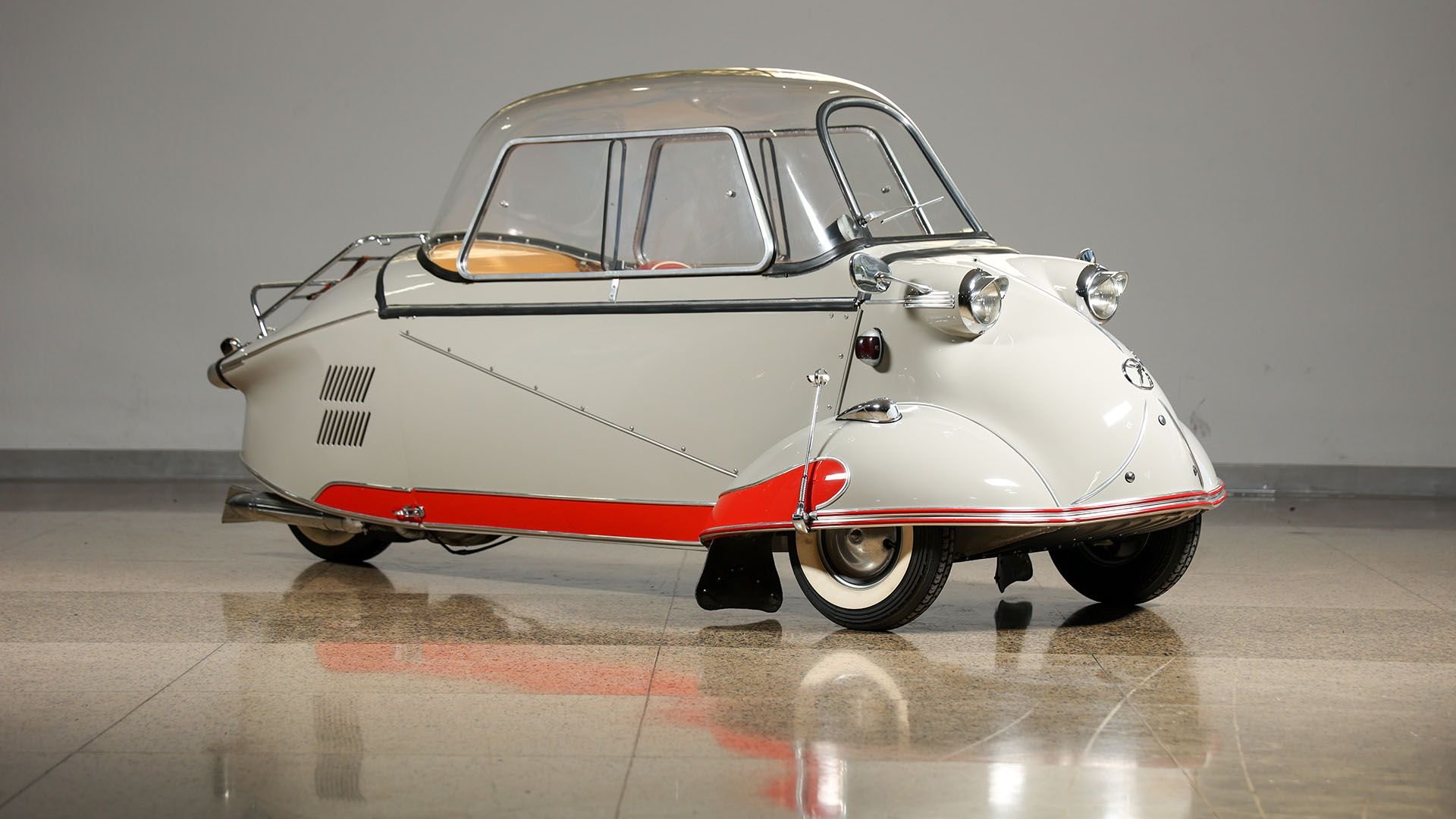
6. Messerschmitt KR175: The Beginning of Germany’s Microcar Revolution
The Messerschmitt KR175 is the most historically important three-wheeled vehicle ever created because it helped establish the microcar movement in post-war Europe. Introduced in 1953 by the German manufacturer Messerschmitt, the KR175 was developed during a period when many people needed affordable and efficient transportation.
Designed by aircraft engineer Fritz Fend, the vehicle reflected aviation influences with its narrow body, lightweight construction, and bubble-style cockpit. Although it was much smaller than conventional cars, it provided a practical solution for individuals who needed reliable mobility without the expense of a full-sized automobile.
The design of the KR175 was unlike anything else on the road at the time. It featured two front wheels and one rear wheel, creating a narrow and aerodynamic shape. The transparent canopy gave occupants a unique aircraft-like experience while also improving visibility.
The driver sat in a central position, while a passenger could sit behind in certain versions. This unusual seating arrangement helped maintain the vehicle’s compact dimensions while maximizing available space. The lightweight structure allowed the small engine to deliver efficient performance, making the KR175 suitable for urban transportation.
One of the most impressive features of the Messerschmitt KR175 was how much engineering innovation was packed into such a small vehicle. The design borrowed ideas from aircraft production, including lightweight materials and attention to aerodynamics.
During an era when fuel economy and affordability were major concerns, the KR175 provided an economical alternative to larger vehicles. Its small engine required minimal fuel, and its simple mechanical systems made maintenance easier for owners.
The KR175 was never intended to compete as a luxury or performance vehicle, but its distinctive personality earned it a loyal following. Its unconventional design captured attention wherever it appeared and helped establish it as a lasting symbol of creative automotive engineering.
Collectors value the KR175 because it represents an important moment in automotive history when manufacturers explored new ideas for personal transportation. It demonstrated that a small vehicle could still provide independence and innovation.
The Messerschmitt KR175 deserves recognition among the greatest three-wheelers ever made because it helped shape the future of compact transportation.
It showed that vehicles could be efficient, practical, and imaginative at the same time. Its influence continues to inspire interest in microcars and alternative vehicle designs, proving that size does not determine importance.
- Engine: 700 cc Reliant OHV inline-4 engine
- Horsepower: Around 29 hp
- Torque: Approximately 52 Nm
- Length: Approximately 2,790 mm
- Width: Approximately 1,400 mm
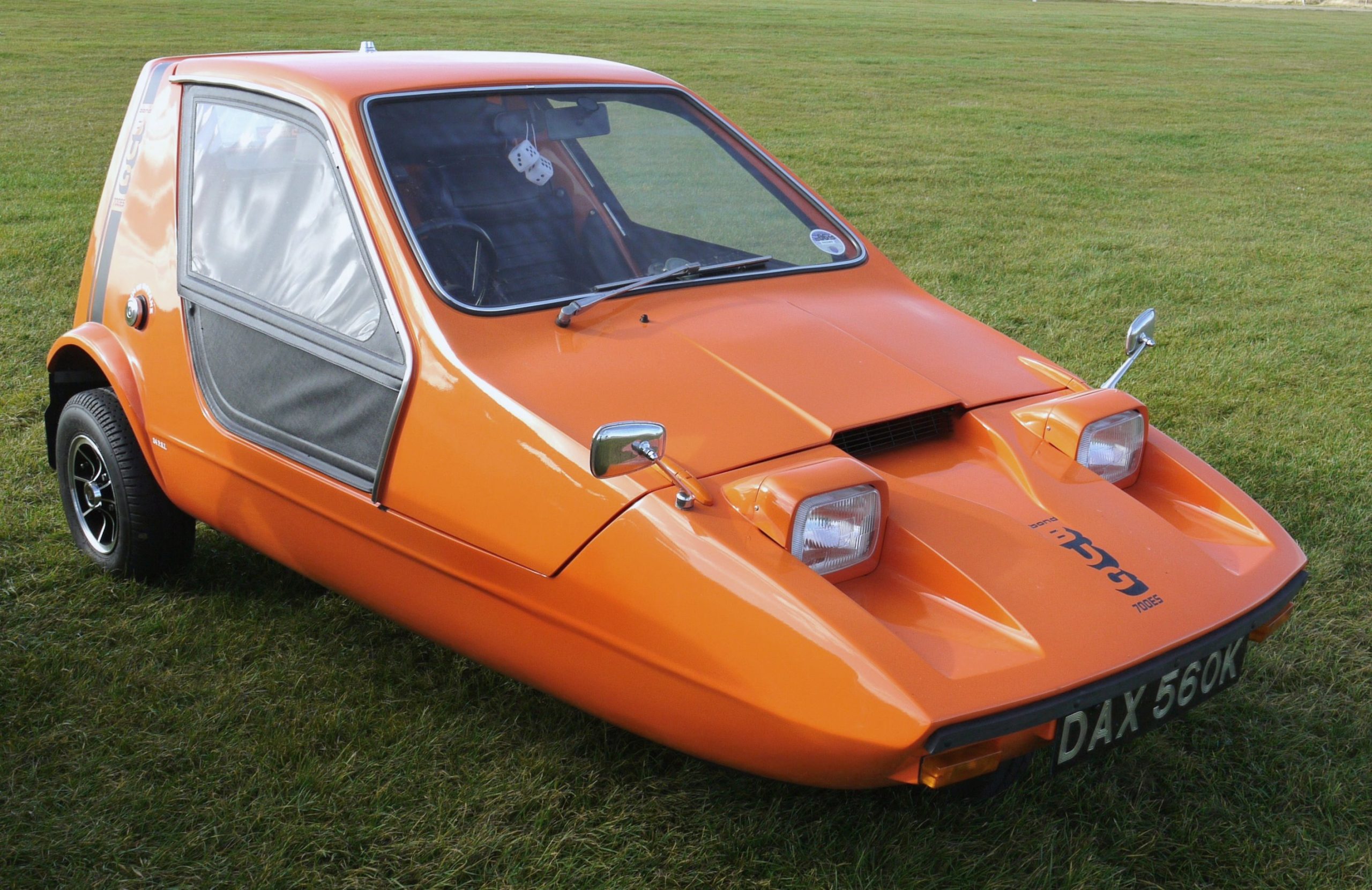
7. Bond Bug: Britain’s Sporty Three-Wheeled Experiment
The Bond Bug is a distinctive three-wheeled vehicle ever produced, combining a futuristic appearance with lightweight performance. Introduced in the early 1970s by Bond Cars and later associated with Reliant, the Bug was designed to offer an affordable yet exciting driving experience.
Unlike traditional economy-focused three-wheelers, the Bond Bug attempted to create a sporty image. Its bright colors, wedge-shaped body, and unusual design made it stand out immediately from ordinary vehicles.
The most recognizable feature of the Bond Bug was its futuristic styling. Instead of conventional doors, the vehicle used a lifting canopy that allowed occupants to enter the cabin.
This design choice gave it the appearance of a small aircraft or a vehicle from a science fiction movie. The compact body and low seating position created a feeling of speed even though the vehicle was powered by a modest engine. Its lightweight construction allowed it to provide enjoyable handling and responsive movement.
The Bond Bug was created during a period when manufacturers were experimenting with new forms of personal transportation. The goal was not simply to provide basic transportation but also to create something fun and different.
Its three-wheel configuration reduced both weight and manufacturing costs, while the rear-wheel layout gave it a distinctive driving character. Although it never achieved mainstream success, it earned a dedicated following among enthusiasts who admired its unconventional design and unique driving experience.
A major part of the Bond Bug’s legacy comes from its design philosophy. It proved that small vehicles could have personality and style.
At a time when many compact cars focused only on practicality, the Bug attempted to add excitement and individuality. Its bright orange color became closely associated with the model, making it instantly recognizable among classic vehicle collectors.
The Bond Bug remains an important three-wheeled vehicle because it represented creativity and bold thinking. It was not built to compete with traditional sports cars, but it offered a different type of enjoyment.
Its memorable appearance, lightweight design, and unique character have helped it remain popular among automotive enthusiasts decades after production ended.
- Engine: 2.0-liter ProStar inline-4 engine (newer models) / 2.4-liter GM Ecotec inline-4 engine (earlier models)
- Horsepower: Around 178 hp (newer models)
- Torque: Around 195 Nm
- Length: Approximately 3,800 mm
- Width: Approximately 1,760 mm
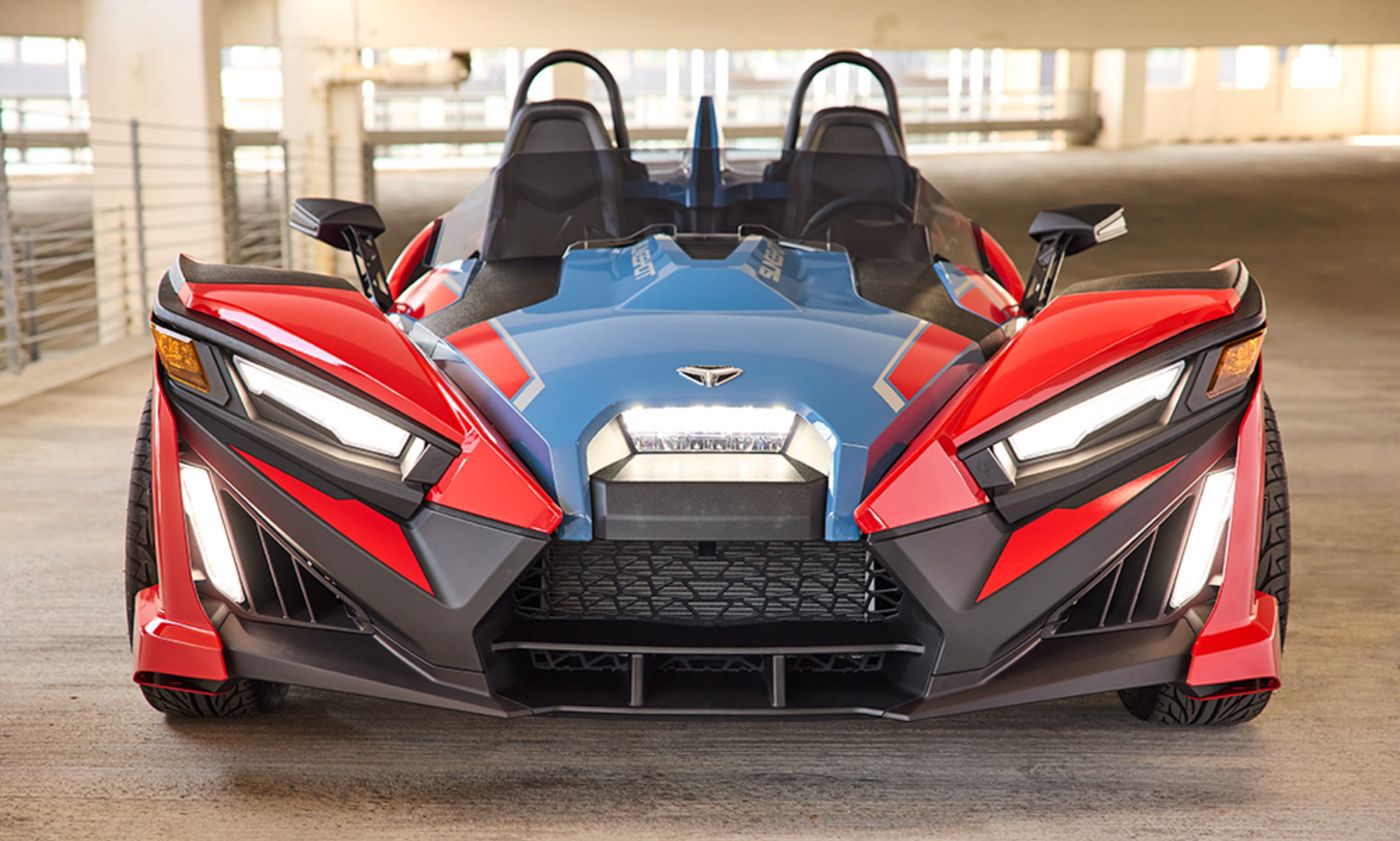
8. Polaris Slingshot: A Modern Blend of Car and Motorcycle
The Polaris Slingshot represents the most modern interpretation of the three-wheeled vehicle concept. Introduced by Polaris Industries, the Slingshot was designed to combine the excitement of motorcycle riding with the comfort and control of a small automobile.
Its aggressive styling, open cockpit, and performance-focused engineering helped create a completely new category of recreational vehicle. Unlike older three-wheelers that focused mainly on affordability or practicality, the Slingshot was created as an emotional and thrilling driving machine.
The design of the Polaris Slingshot immediately separates it from traditional vehicles. It features two front wheels and a single rear wheel, giving it a wide stance and a low center of gravity.
The open-air cabin provides an immersive driving experience, while the steering wheel and seating arrangement make it feel more like a car than a motorcycle. This combination attracts drivers who want excitement without fully committing to a traditional two-wheeled motorcycle.
Performance is a major part of the Slingshot’s appeal. Its lightweight structure allows it to deliver strong acceleration and sharp handling. The vehicle is designed for winding roads, weekend adventures, and recreational driving rather than everyday commuting.
Modern versions include improved technology, comfort features, and customization options that allow owners to personalize their vehicles. Its bold appearance has also made it popular among people who want something visually different from ordinary cars.
The Slingshot has helped redefine public perception of three-wheeled vehicles. Many people previously associated three-wheelers with small economy vehicles or utility machines, but the Slingshot introduced a premium performance-oriented approach.
It demonstrated that three wheels could support an exciting and stylish driving experience. Its success encouraged more interest in alternative vehicle layouts.
The Polaris Slingshot earns its place among the best three-wheeled vehicles because it represents modern innovation. It combines advanced engineering, unique styling, and recreational appeal in a way that few vehicles have achieved.
By blending elements of cars and motorcycles, it created a fresh interpretation of personal transportation and helped bring three-wheel vehicles into a new era.