
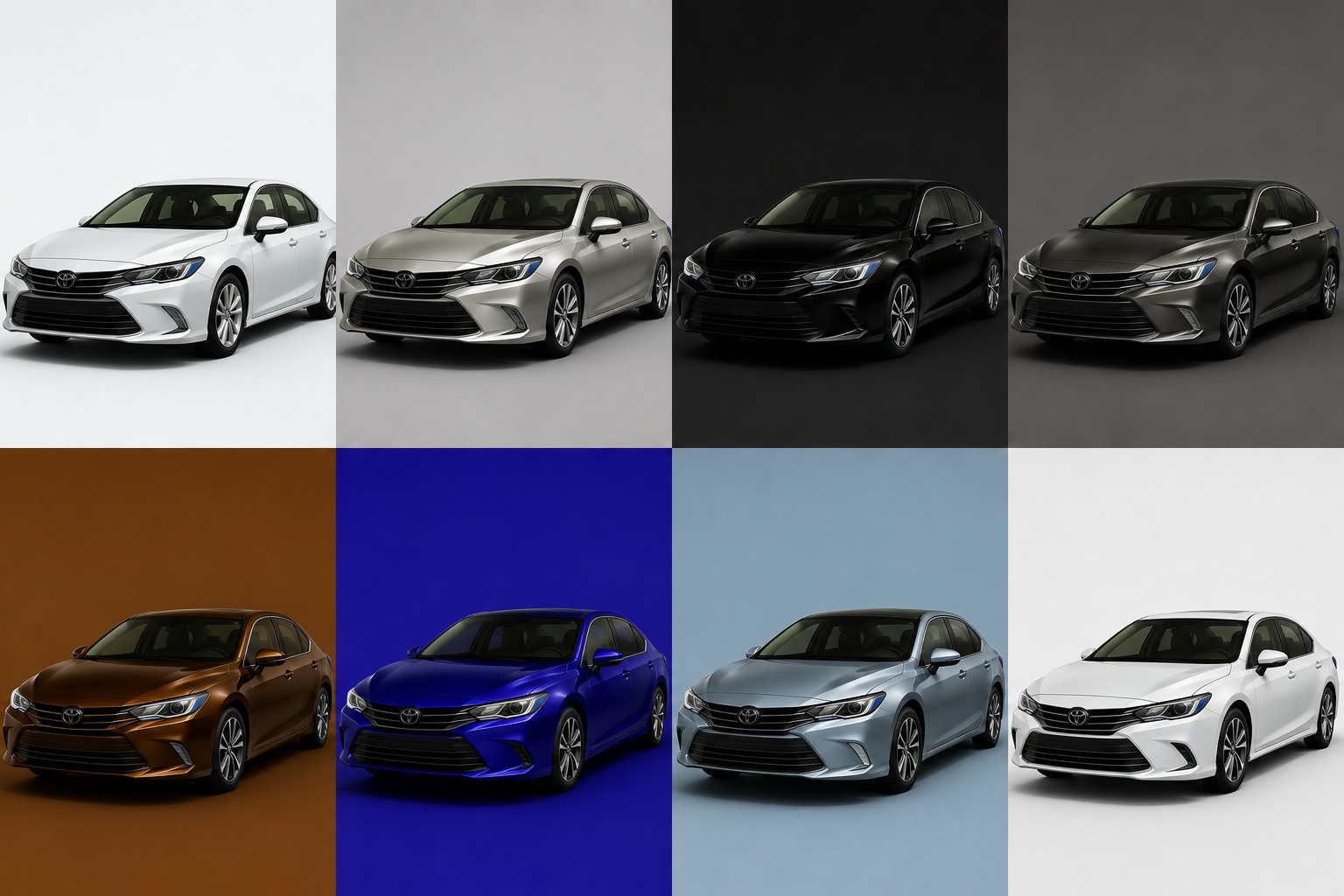
The automotive world in 2026 presents a fascinating shift in consumer behavior, particularly concerning vehicle aesthetics and their long-term financial implications.
While conventional wisdom has long suggested that grayscale tones like white, black, silver, and gray are the safest bets for resale, modern data suggests a different reality. Recent comprehensive research indicates that rarity and high demand for vibrant colors have turned the traditional “safe” strategy on its head.
As manufacturers continue to flood the market with neutral-colored vehicles, these shades have become commodities that offer little distinction, often leading to higher depreciation rates. Conversely, bold and expressive colors, while less common on dealership lots, are increasingly sought after by enthusiasts and specialized buyers.
This scarcity creates a competitive secondary market where vibrant paint jobs can command a premium, effectively buffering a vehicle against typical depreciation.
Understanding this dynamic is crucial for buyers who view their vehicle as both a mode of transportation and a financial asset. By strategically selecting a color that stands out from the sea of monochromatic options, owners may significantly improve their vehicle’s residual value, potentially saving thousands of dollars when it comes time to sell or trade in their investment in the coming years.
1. Yellow
Yellow currently holds the title for the most resilient car color in terms of market value retention. It consistently outperforms the market average by a significant margin, making it a surprisingly shrewd financial choice for 2026.
The primary driver behind this phenomenon is simple supply and demand economics. Because yellow is rarely produced by manufacturers as a default factory shade, the secondary market sees very few of these vehicles.
Enthusiast buyers, particularly those looking for sports cars or performance-oriented trucks, actively hunt for these rare colors. This constant demand for a limited supply allows sellers to maintain higher asking prices.
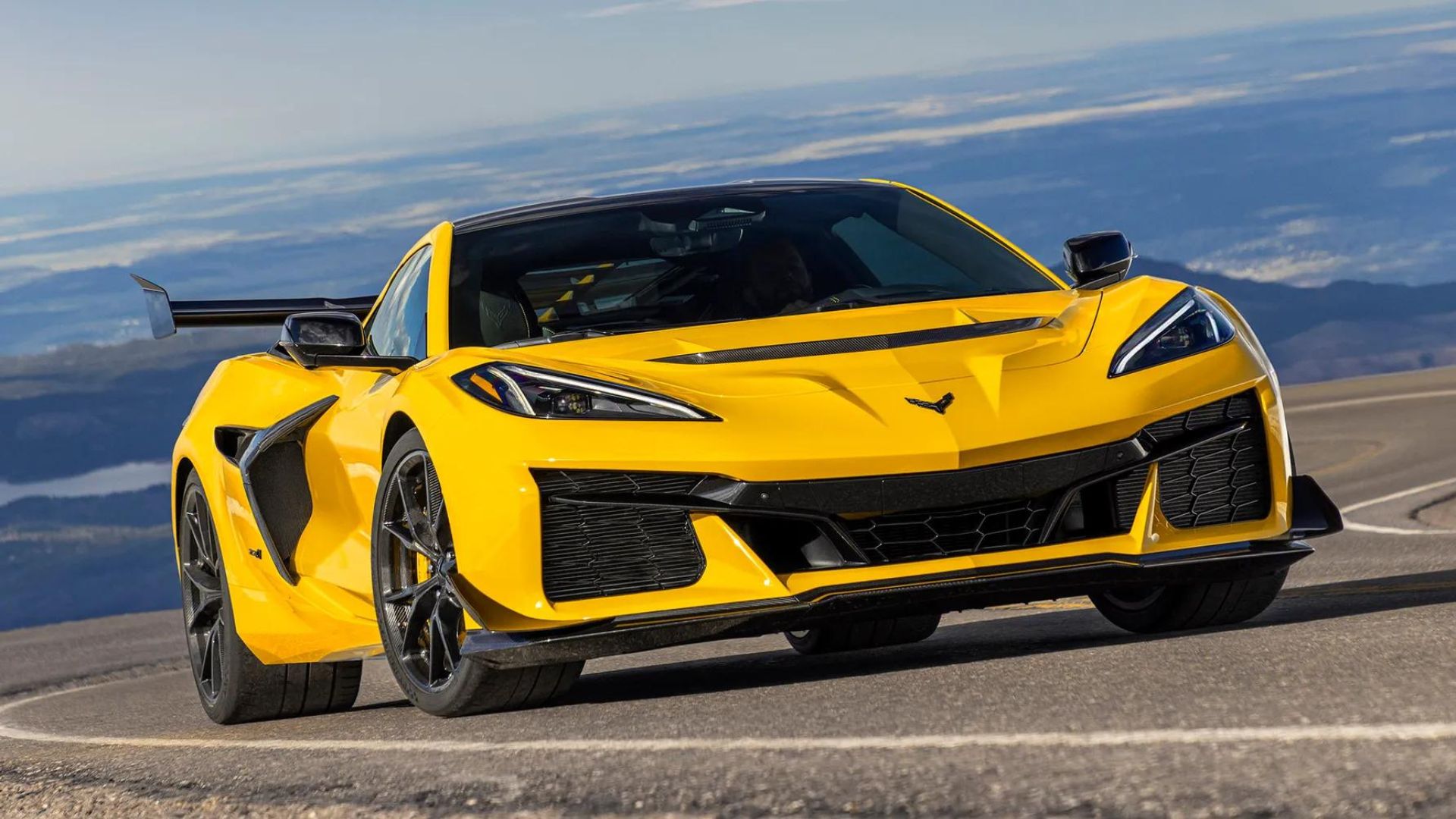
Yellow’s high-visibility nature also contributes to its appeal, as it provides a distinct aesthetic that separates it from standard traffic. Owners who opt for this bold shade often find their vehicles sell faster than their grayscale counterparts.
While yellow might be perceived as too daring for the average commuter, it has become a hallmark of exclusivity in the performance segment. Vehicles like the Chevrolet Corvette demonstrate how factory-specific yellows drive intense buyer interest.
Even in segments where utility is prioritized, such as trucks, yellow maintains a steady following. Its ability to retain value even after three years of ownership proves that personality-driven choices can be financially sound.
Specifications (Chevrolet Corvette Stingray example):
- Engine: 6.2L LT2 V8, naturally aspirated
- Horsepower: 495 hp with performance exhaust
- Torque: 470 lb-ft
- Length: 182.3 inches
- Width: 76.1 inches
2. Orange
Orange has firmly established itself as the second-most valuable color in the current automotive marketplace. It serves as a near-default choice for high-performance off-road vehicles and specialty trims.
Major manufacturers like Ford and Toyota have leaned into vibrant orange hues for their flagship performance models. This deliberate design choice has raised orange from a niche aesthetic to a symbol of high-trim status.
Orange is one of the least common vehicle colors, making it far rarer than traditional choices like white, black, or silver. Because so few models are available in this shade, buyers searching for a bold and adventurous look often compete for the limited supply in the used market, helping maintain stronger demand.
The financial performance of Orange is remarkably consistent across diverse vehicle body styles. It performs exceptionally well on trucks, SUVs, and convertibles, making it one of the most versatile colors for value retention.
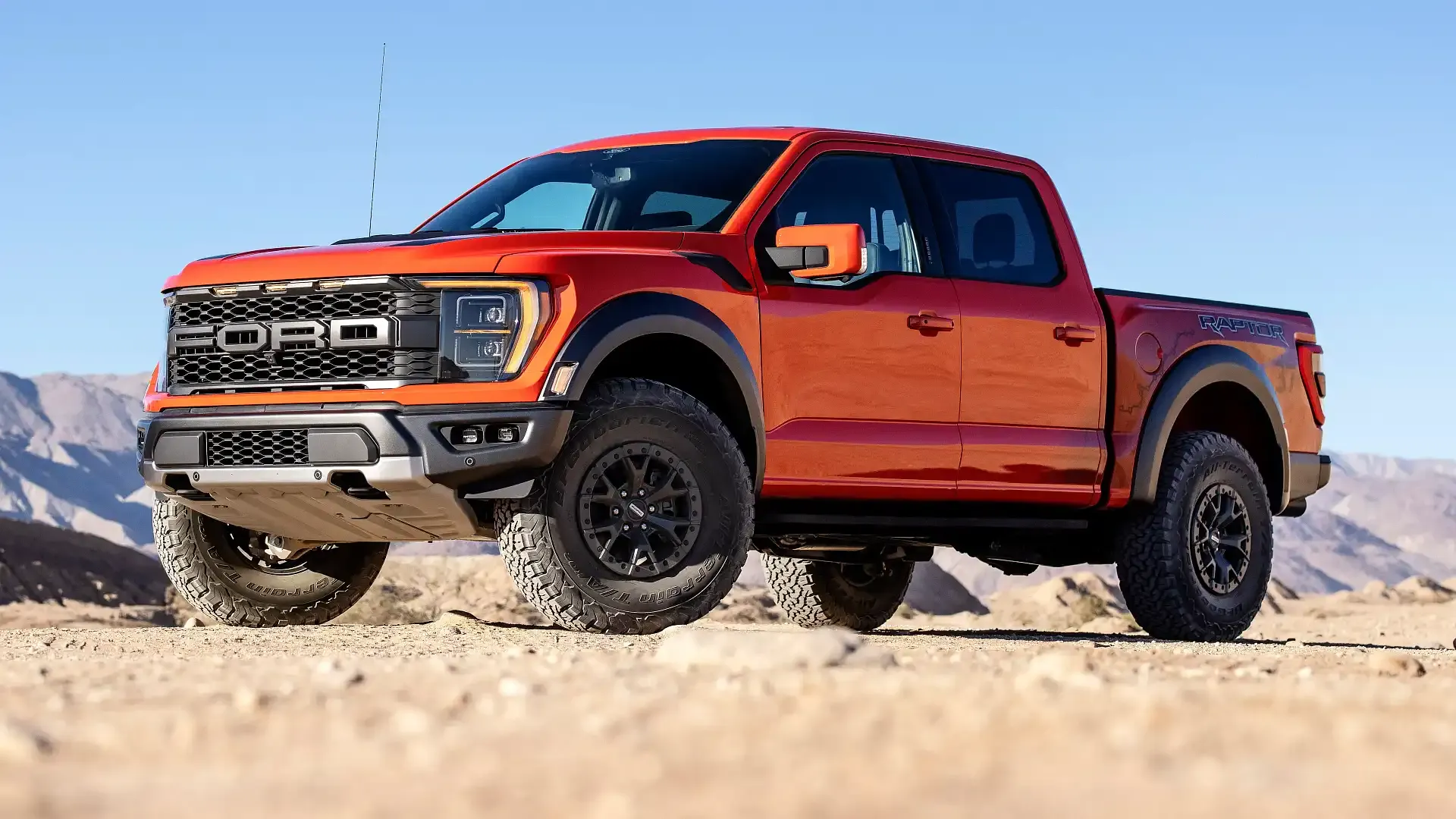
Buying an orange vehicle often signals that the owner opted for higher-spec equipment and more performance-oriented packages. Used car shoppers recognize these vibrant shades as markers of premium or enthusiast-grade configurations.
While it may not be as common as black or white, its presence in the market is growing in prestige. Choosing orange is a low-risk, high-reward strategy for those who want a vehicle that keeps its value.
Specifications (Ford F-150 Raptor example):
- Engine: 3.5L EcoBoost twin-turbo V6
- Horsepower: 450 hp
- Torque: 510 lb-ft
- Length: 232.7 inches
- Width: 96.7 inches (with mirrors folded)
3. Green
Green has seen a dramatic resurgence in popularity, evolving from a retro quirk to a modern symbol of sophistication. It occupies the third spot in market rankings, offering a more refined alternative to the bolder yellow and orange.
Its strength lies in its surprising versatility across different segments, particularly within the booming SUV market. Enthusiasts often associate green with heritage, off-roading, and a connection to the natural environment.
Modern shades of green, ranging from olive to forest tones, have become highly desirable in current design trends. These colors often appear as “hero” shades in marketing materials, which prime buyers to seek them out later.
The popularity of green also depends heavily on the type of vehicle. It tends to perform especially well on SUVs and trucks, where it complements rugged and outdoors-oriented styling. In contrast, green is generally less sought after on sedans, where buyers often favor more traditional paint colors.
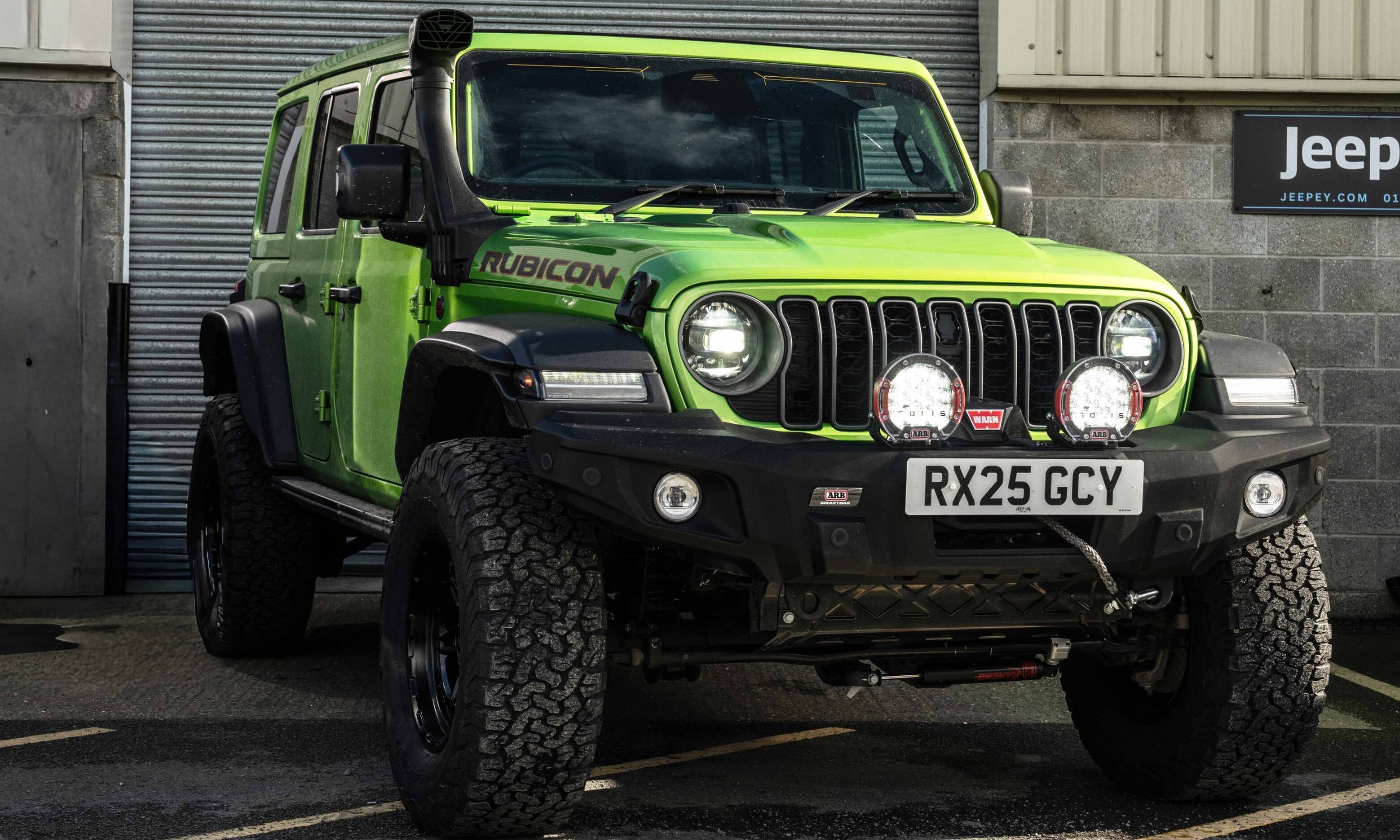
For buyers who want an expressive color that still feels professional, green strikes the perfect balance. It stands out in a crowded parking lot without being as polarizing as brighter, neon-adjacent colors.
The steady demand for green indicates that it is not merely a passing fad but a growing preference. Investing in a green vehicle today can be a smart move, provided it aligns with the vehicle’s intended segment.
Specifications (Jeep Wrangler example):
- Engine: 3.6L Pentastar V6
- Horsepower: 285 hp
- Torque: 260 lb-ft
- Length: 188.4 inches
- Width: 73.8 inches
4. Beige
Beige is the unexpected underdog of the value-retention list. While it was once considered outdated, it has found a new identity as a mature, premium shade that resonates with sedan and crossover buyers.
Its success in the current market is largely attributed to its clean, understated appearance. Many modern manufacturers have rebranded beige as “sand,” “khaki,” or “champagne” to appeal to younger, design-conscious demographics.
Unlike bright colors that rely on extreme rarity, beige succeeds by offering a refreshing break from the harshness of silver or white. It communicates a sense of calm and practicality that appeals to a wide audience
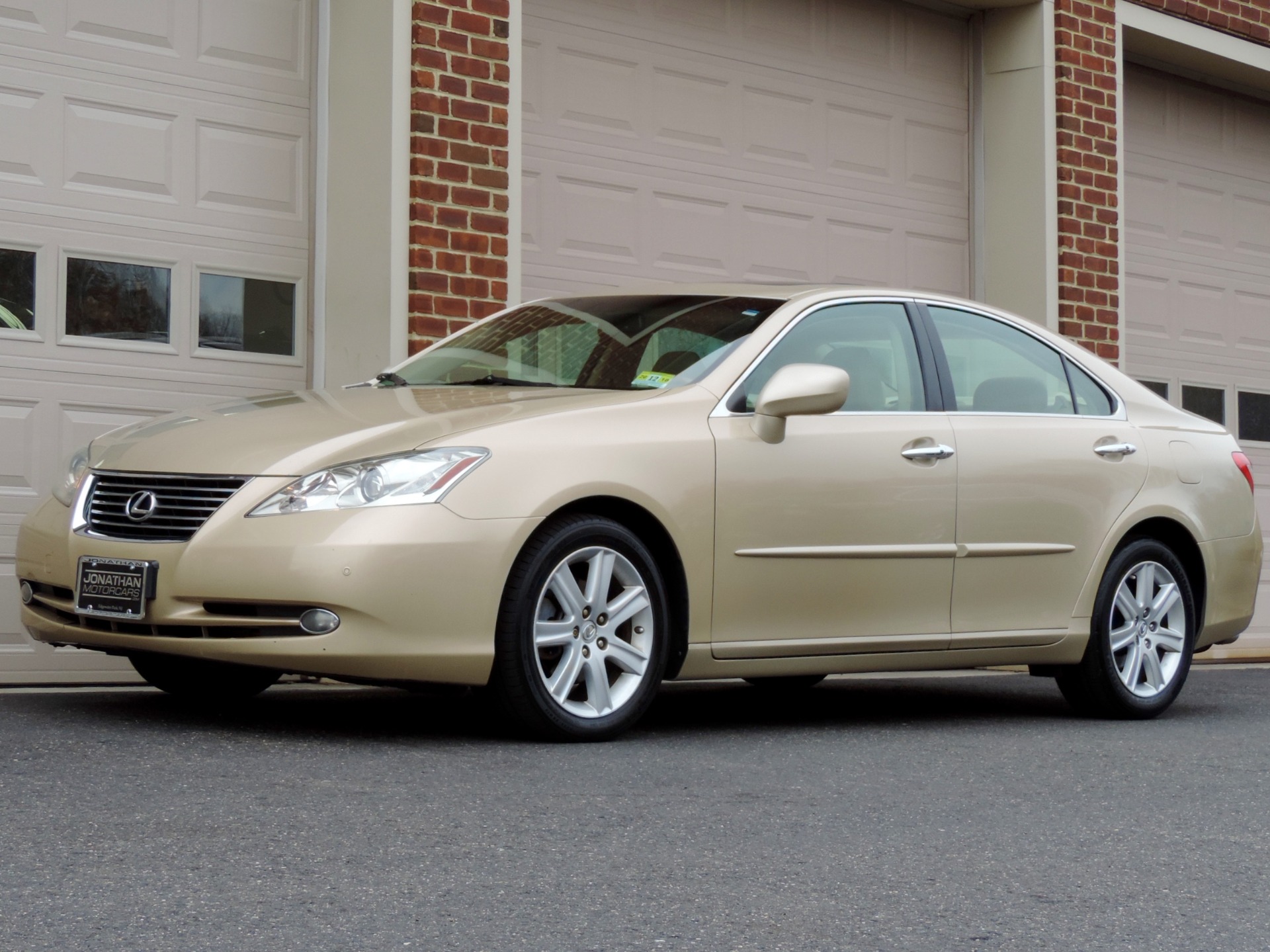
Shoppers should be aware that its appeal is somewhat segment-specific. While it thrives on sleek sedans, it does not always perform as well on larger trucks where ruggedness is the priority.
Choosing beige is a way to hedge your bets by avoiding the saturation of gray while still remaining within a safe, neutral palette. It is a quiet performer that consistently defies low expectations.
Specifications (Typical Sedan example):
- Engine: 2.4L Turbo I-4
- Horsepower: 278 hp
- Torque: 317 lb-ft
- Length: 212.7 inches
- Width: 76.6 inches
Also Read: 8 Best Trucks for Off-Grid and Rural Living
5. Red
Red is a timeless classic that manages to stay relevant year after year. It represents a rare middle ground where high popularity meets enough enthusiast demand to prevent the rapid depreciation seen in common grays.
For decades, red has been inextricably linked to notions of sportiness and speed. Buyers who choose red are signaling a desire for an energetic ownership experience, a sentiment that resonates strongly in the used market.
Unlike some “trendy” colors that can feel dated after a few seasons, red has a universal quality. It looks just as at home on a family minivan as it does on a two-door sports car.
Red also benefits from being a high-visibility shade, which many consumers associate with safety and presence. Its ability to mask road grime and mud better than dark colors is a practical benefit that adds to its appeal.
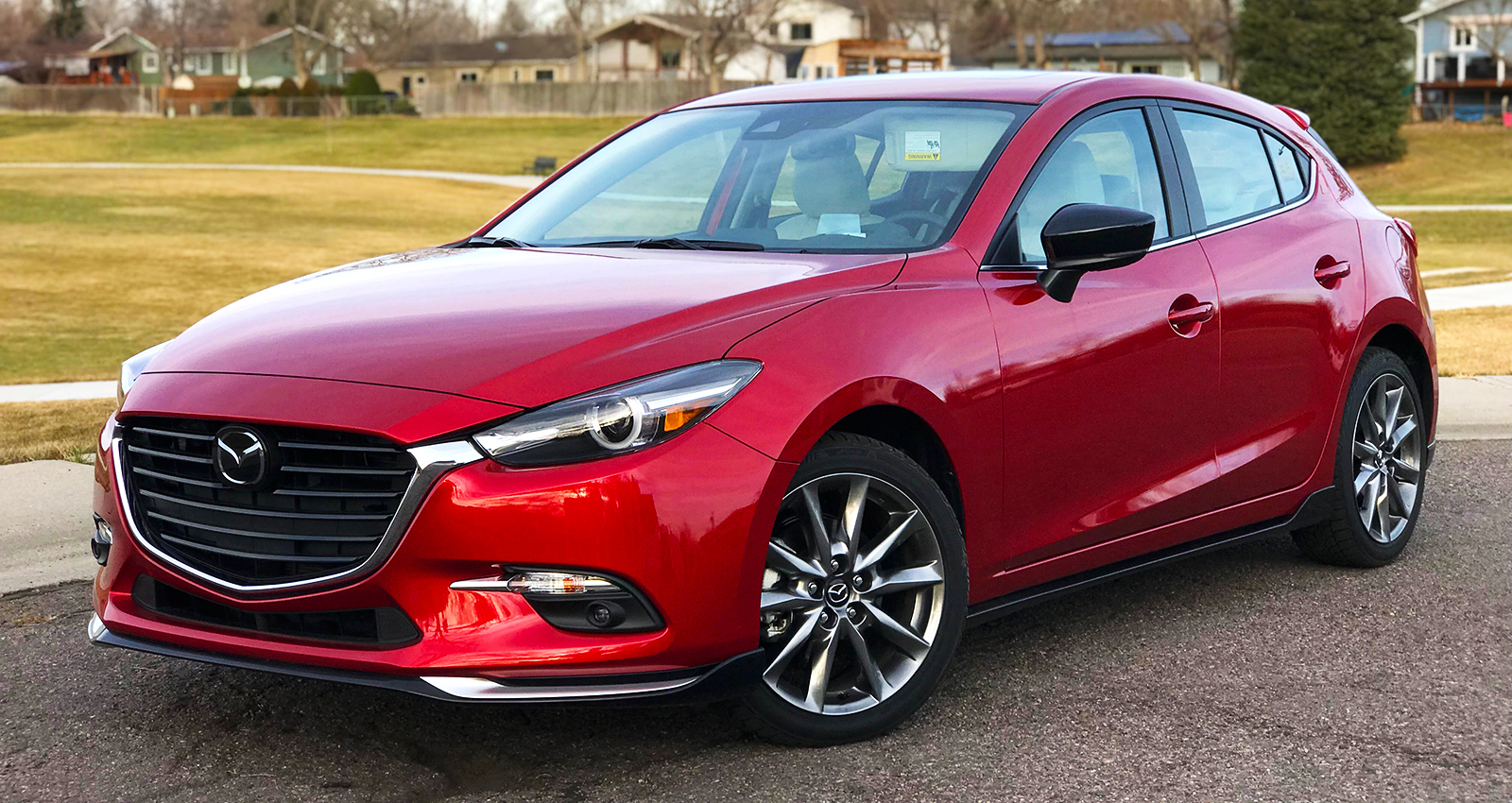
While it is more common than yellow or orange, it remains far less saturated than white or black. This relative rarity prevents it from suffering the same “commodity” pricing pressures that limit neutral-colored vehicles.
As a safe but expressive choice, red is an excellent compromise for those hesitant to commit to more extreme hues. It rarely hurts resale value and often helps a vehicle sell faster than its bland counterparts.
Specifications (Mazda3 example):
- Engine: 2.5L Turbocharged I-4
- Horsepower: 250 hp
- Torque: 320 lb-ft
- Length: 175.6 inches
- Width: 70.7 inches
6. Brown
Brown serves as an interesting case study in automotive color theory. It has successfully shaken its “drab” reputation by moving into metallic and deep-earth finishes that look sophisticated and expensive.
Trucks are the primary beneficiaries of this color shift. In the pickup segment, brown is often viewed as a rugged, work-ready choice that aligns with the “earthy” branding of many off-road-focused trim levels.
Brown’s rarity is its greatest asset in the resale market. Because so few buyers think to order their vehicle in brown, those searching for it have few options, which gives sellers more leverage.
It also finds a surprisingly strong home in the minivan segment, where buyers prioritize utility and a lack of visual “noise.” Brown’s ability to blend into the background makes it a practical choice for large, family-focused vehicles.
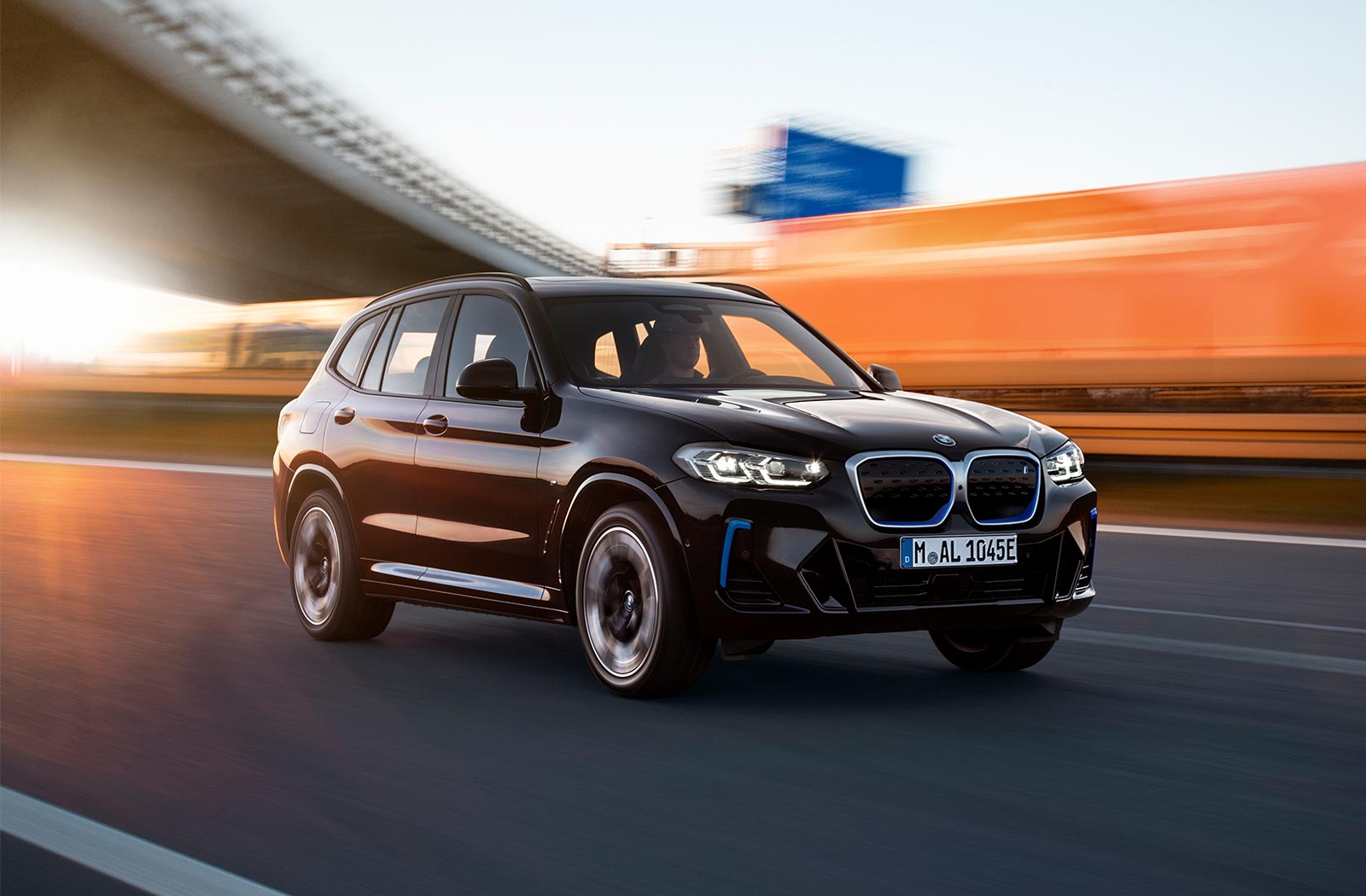
However, buyers should exercise caution depending on the vehicle’s body style. Brown does not always translate well to small passenger cars or SUVs, where it may lack the visual “pop” needed to attract attention.
Investing in a brown vehicle is a low-risk move that can pay off if the vehicle is in a segment that favors utility. It is an intelligent pick for those who want value without the attention of brighter shades.
Specifications (Typical SUV example):
- Engine: 3.6L Pentastar V6
- Horsepower: 293 hp
- Torque: 260 lb-ft
- Length: 193.5 inches
- Width: 76.5 inches
7. Gray
Gray is the only “grayscale” color that manages to punch above its weight class. It has successfully captured the public’s imagination by being the perfect middle ground between the harshness of black and the simplicity of white.
The surge in gray’s popularity over the last few decades has been meteoric. While some might call it “boring,” the market has clearly decided that gray is the modern standard for a sleek, contemporary automotive aesthetic.
Gray’s success is built on the foundation of low-maintenance ownership. It is widely considered the easiest color to keep clean, as it does an excellent job of masking dust, dirt, and light scratches.
For trucks and SUVs, gray provides a utilitarian, industrial look that resonates with buyers who want their vehicles to look ready for hard work. This practical appeal ensures that demand remains high, even as supply increases.
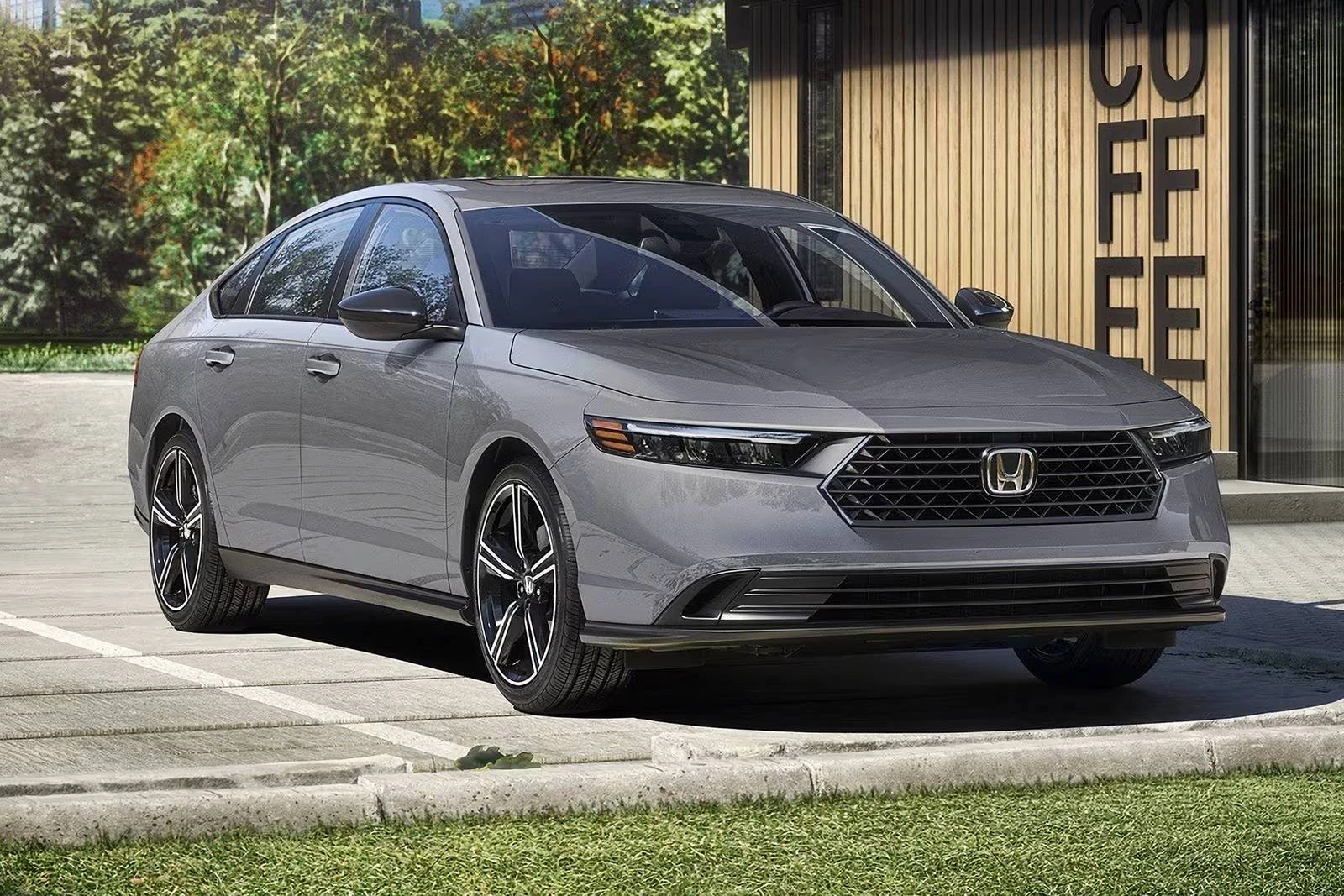
Choosing gray is rarely about making a massive profit on resale, but it is a virtually guaranteed way to avoid losing extra value. It is the definition of a safe, reliable asset that will always have a pool of interested buyers.
While it lacks the emotional impact of yellow or green, its dominance in the market ensures it will never go out of style. For the pragmatic buyer, gray remains a solid, logical choice.
Specifications (Honda Accord example):
- Engine: 2.0L Atkinson-cycle I-4 hybrid
- Horsepower: 204 hp (combined system)
- Torque: 247 lb-ft
- Length: 197.0 inches
- Width: 73.3 inches
8. Blue
Blue rounds out our list as the ultimate crowd-pleaser. It offers an incredible variety of shades, ranging from subtle navy and deep metallic blues to vibrant, electric performance hues.
This versatility is exactly why blue performs consistently well across almost every market segment. It is an “expressive” color that manages to avoid being “loud,” making it palatable for almost any demographic.
Iconic examples, such as rally-inspired performance blues, show that the color can even become a status symbol. When a specific shade of blue is tied to a car’s heritage, it can hold value just as well as rarer colors.
Blue is a staple in the minivan and crossover segments, where family buyers look for something that feels more “lively” than gray without being ostentatious. It is a color that signals a happy, approachable ownership experience.
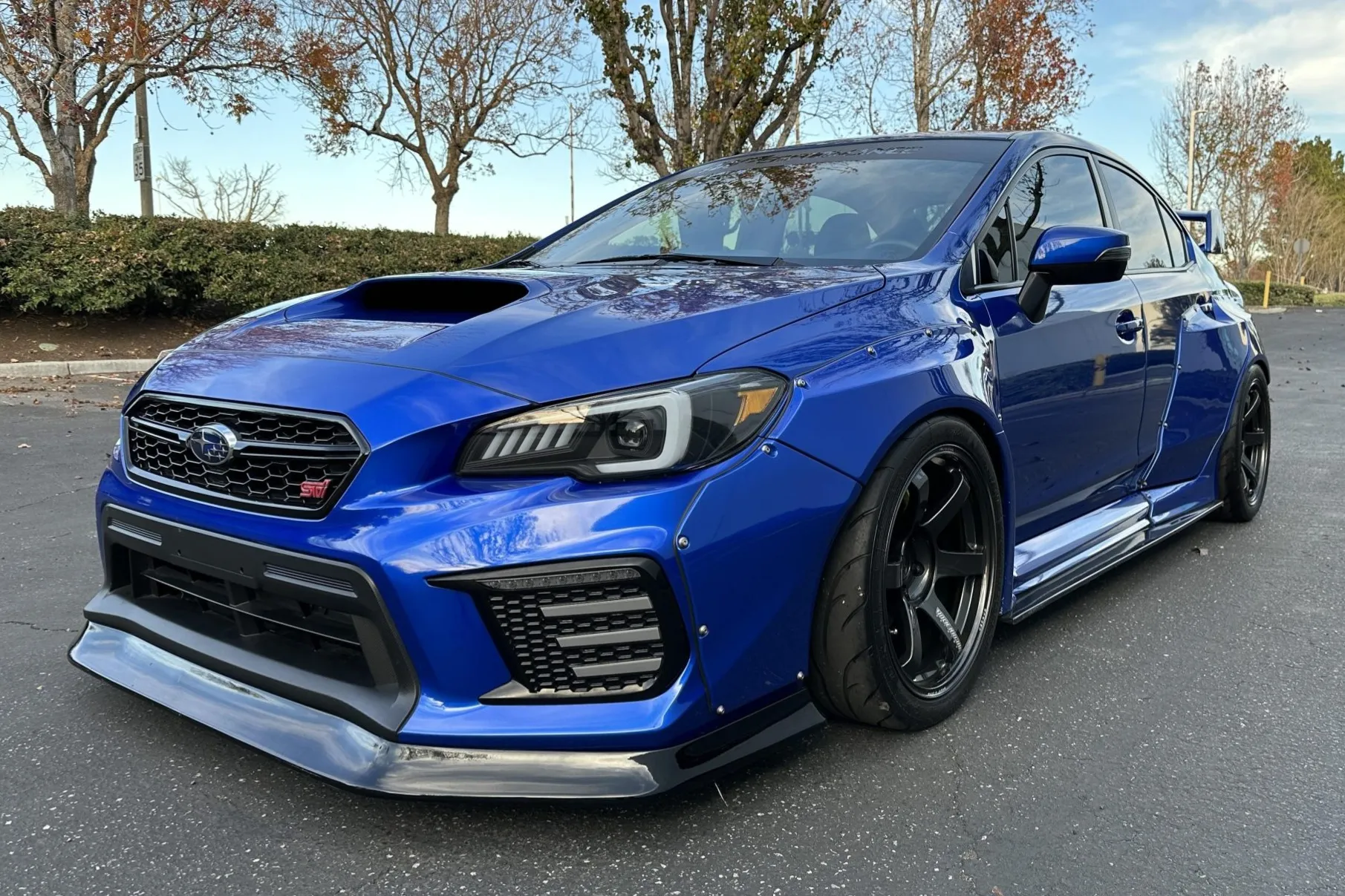
The biggest challenge with blue is the sheer volume of options, which can make it harder to price for resale. However, its widespread popularity means it rarely sits on a dealer lot for long.
If you are looking for a car that balances personality with safety, blue is an excellent selection. It is a reliable, steady performer that ensures your vehicle will remain desirable to future buyers for many years.
Specifications (Subaru WRX example):
- Engine: 2.4L Turbocharged Boxer-4
- Horsepower: 271 hp
- Torque: 258 lb-ft
- Length: 183.8 inches
- Width: 71.9 inches
Also Read: 5 Cars With the Highest Theft Rates in California & 5 With Lowest
