
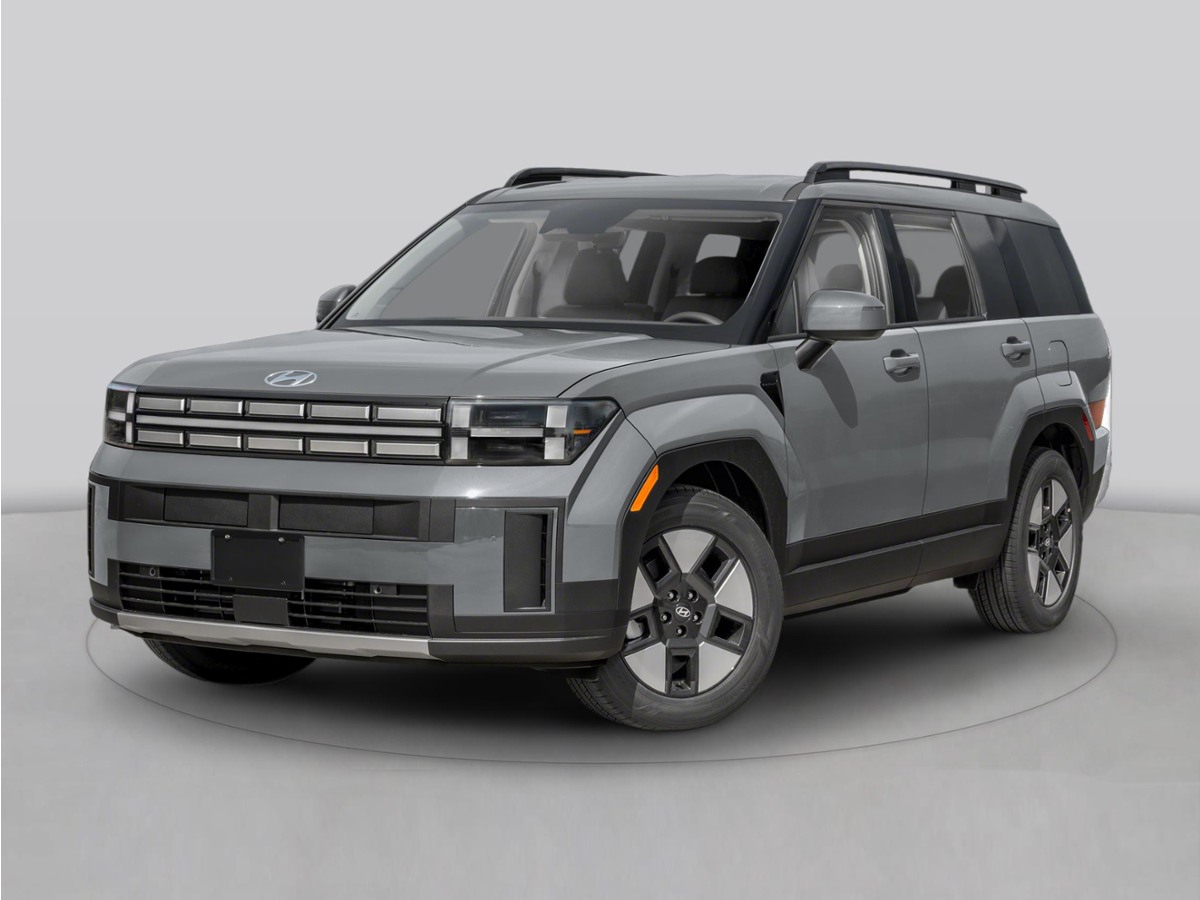
Luxury is no longer restricted to cars carrying six-figure price tags or prestigious European badges. Many everyday vehicles sold in the United States now offer cabins with leather upholstery, large digital displays, premium audio systems, ventilated seats, ambient lighting, and materials designed to create a far more expensive atmosphere.
The result is a market where a practical sedan or compact hatchback can provide interior features once associated mainly with flagship luxury cars.
This ranking focuses on mainstream vehicles that combine daily usability with notably upscale cabins. Manufacturer specifications and official U.S. product information form the basis for the interior features and technical data discussed. Higher trims are included when their cabin equipment best demonstrates what each model can offer.
Interior luxury is judged through more than screen size. Seat materials, climate features, sound systems, dashboard presentation, physical controls, and attention to frequently touched surfaces all contribute to the experience.
Price and practicality also matter because these cars must remain realistic daily transportation rather than dedicated exotic machines.
From carefully trimmed compact cars to spacious hybrid sedans, these eight models prove that an ordinary commute does not require an ordinary cabin.
Also Read: 10 Car Brands Most Likely to Cross 250,000 Miles
1. 2026 Mazda3 Sedan 2.5 Turbo Premium Plus
Open the door of a high-spec Mazda3 sedan, and the first surprise is how little the cabin resembles a conventional economy-car interior. Mazda has avoided the temptation to cover the dashboard with multiple oversized screens.
Instead, the 2.5 Turbo Premium Plus uses a restrained layout, carefully positioned controls, and leather seating to create a more mature atmosphere.
The materials are central to that impression. Mazda’s U.S. specifications list black or white leather upholstery for the top sedan trim. White leather is particularly unusual in the mainstream compact class and immediately changes the visual character of the cabin.
The horizontal dashboard design keeps the interior from appearing cluttered, while the available 10.25-inch center display is positioned high enough to remain within the driver’s forward field of view.
Sound quality receives serious attention too. A Bose 12-speaker premium audio system is included with the Turbo Premium Plus equipment.
Mazda’s documented system layout includes dedicated speakers and a subwoofer rather than simply adding a premium badge to a basic audio arrangement. A 360-degree view monitor provides another feature commonly associated with more expensive vehicles.
The luxury impression comes from presentation rather than enormous cabin dimensions. At 183.5 inches long and 70.7 inches wide, the Mazda3 remains a compact sedan. Its cockpit wraps the major controls around the driver, and the physical rotary controller provides an alternative to constantly reaching toward the center display.
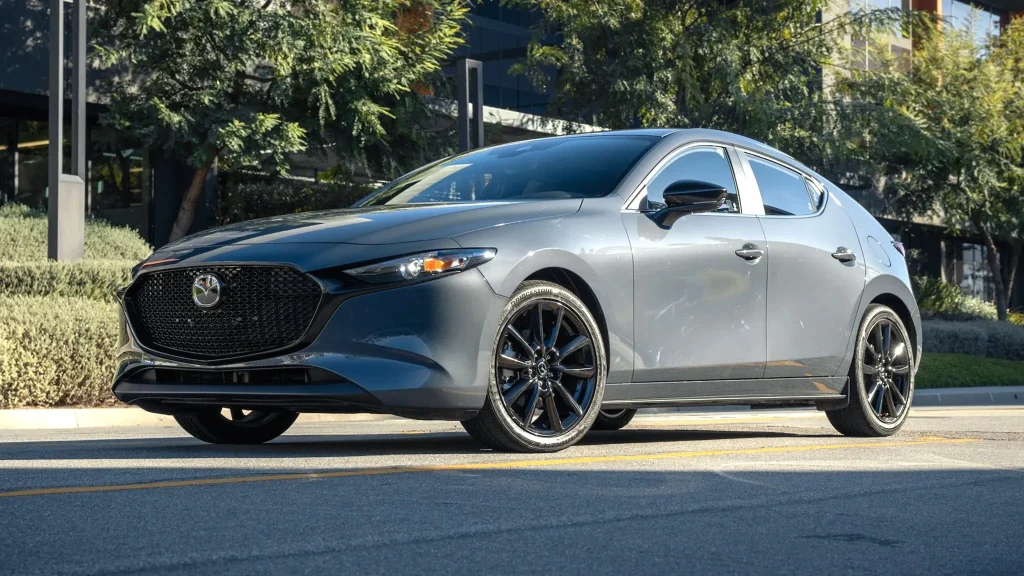
Performance adds substance to the upscale atmosphere. With premium 93-octane fuel, Mazda rates the turbocharged 2.5-liter engine at up to 250 horsepower and 320 lb-ft of torque. The engine is paired with a six-speed automatic and standard i-ACTIV all-wheel drive on the Turbo Premium Plus.
For an everyday compact car, the Mazda3’s strongest achievement is restraint. Leather, Bose audio, a head-up-style Active Driving Display, and surround-view technology are integrated without making the interior resemble an electronics showroom. That carefully controlled presentation earns it first place.
- Engine: 2.5-liter turbocharged SKYACTIV-G four-cylinder
- Torque: Up to 320 lb-ft with 93-octane premium fuel
- Horsepower: Up to 250 hp with 93-octane premium fuel
- Length/Width: 183.5 inches / 70.7 inches
2. 2026 Toyota Camry XLE
Toyota has spent decades making the Camry one of America’s familiar family sedans, which makes the interior of the 2026 XLE particularly interesting. The cabin does not abandon the Camry’s practical character.
Instead, Toyota layers luxury-oriented materials and comfort features onto a vehicle designed to handle commuting, family transportation, and long-distance driving.
The XLE’s upholstery is its most distinctive interior detail. Toyota describes the trim as the first Camry to combine leather with Dinamica microfiber, offered in Light Gray or Black.
Quilted Dinamica material also appears on the front door panels and dashboard. This is more ambitious than simply replacing cloth seats with leather and leaving the rest of the cabin unchanged.
Technology fills the driver’s immediate view. A 12.3-inch digital gauge cluster is paired with a 12.3-inch Toyota Audio Multimedia touchscreen on the XLE.
Toyota also offers a 10-inch head-up display, allowing key driving information to appear within the driver’s forward viewing area. Available nine-speaker JBL premium audio further strengthens the sedan’s upscale equipment list.
Comfort is where the Camry becomes especially convincing as an everyday luxury alternative. Leather and microfiber-trimmed heated front seats are standard on the XLE, while multi-stage ventilated front seats are available.
Toyota’s official specifications list an eight-way power-adjustable driver’s seat with power lumbar support and an eight-way power-adjustable front passenger seat.
The 2026 Camry is also hybrid-only in the U.S. Toyota rates the front-wheel-drive system at 225 net combined horsepower, while electronic on-demand all-wheel-drive models produce 232 net combined horsepower.
Toyota does not publish a conventional combined system torque figure, so assigning an unsupported lb-ft number would be misleading.
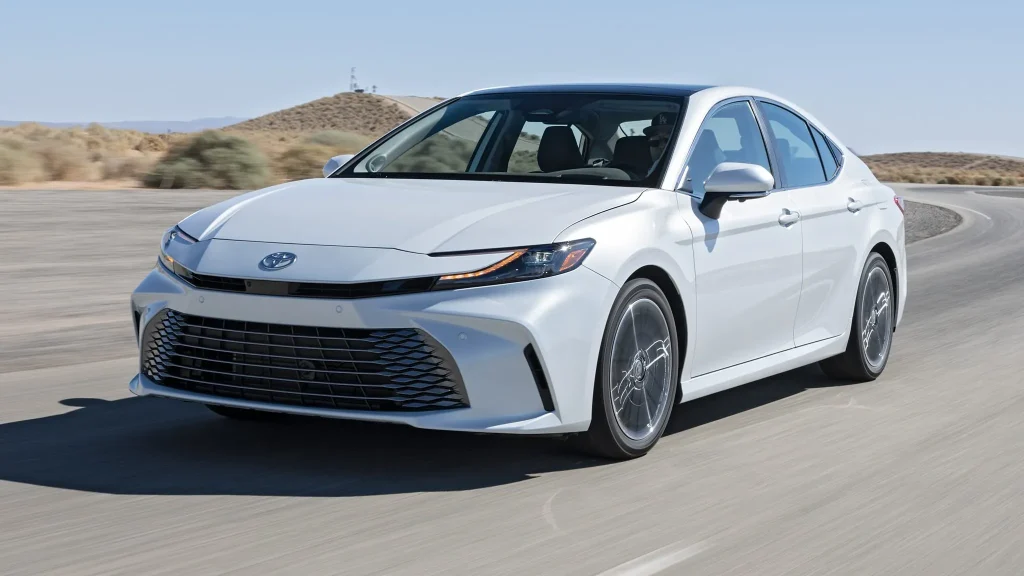
What places the XLE this high is its ability to make luxury features usable every day. The materials are more decorative, the screens are larger, and the available ventilation adds real comfort, yet the cabin remains straightforward enough for routine driving.
It is still unmistakably a Camry, just one with an interior specification that has moved far beyond the traditional image of a basic family sedan.
- Engine: 2.5-liter four-cylinder hybrid
- Torque: Toyota does not publish a combined hybrid-system torque figure
- Horsepower: 225 hp FWD or 232 hp AWD total system output
- Length/Width: 193.5 inches / 72.4 inches
3. 2026 Hyundai Sonata Hybrid Limited
The 2026 Hyundai Sonata Hybrid Limited approaches cabin luxury through equipment that buyers once had to seek from premium brands.
Leather seating surfaces immediately distinguish the flagship hybrid trim, but the more impressive part is how Hyundai combines seat comfort, digital technology, and audio hardware within the same interior.
Front passengers receive both heated and ventilated seats. The driver’s seat includes an integrated memory system, while the front passenger gets power adjustment. Hyundai also equips the Hybrid Limited with a heated steering wheel and rear side-window sunshades. These are not merely decorative upgrades.
Ventilation can make leather seating more comfortable during hot-weather driving, while the rear shades add a genuine passenger-focused feature.
The dashboard has its own visual trick. A panoramic curved display brings together a 12.3-inch digital instrument cluster and a 12.3-inch touchscreen navigation system.
Hyundai’s 2026 U.S. specification sheet also confirms a Bose premium audio system with 12 speakers, including a center channel and subwoofer. A head-up display places driving information closer to the driver’s forward view.
The cabin’s luxury impression is strengthened by the panoramic sunroof. Combined with the wide digital display and leather surfaces, it helps the Sonata avoid the plain atmosphere traditionally associated with fuel-saving sedans.
Hyundai even includes Remote Smart Parking Assist on the Hybrid Limited, allowing the vehicle to be moved in certain parking situations from outside the cabin.
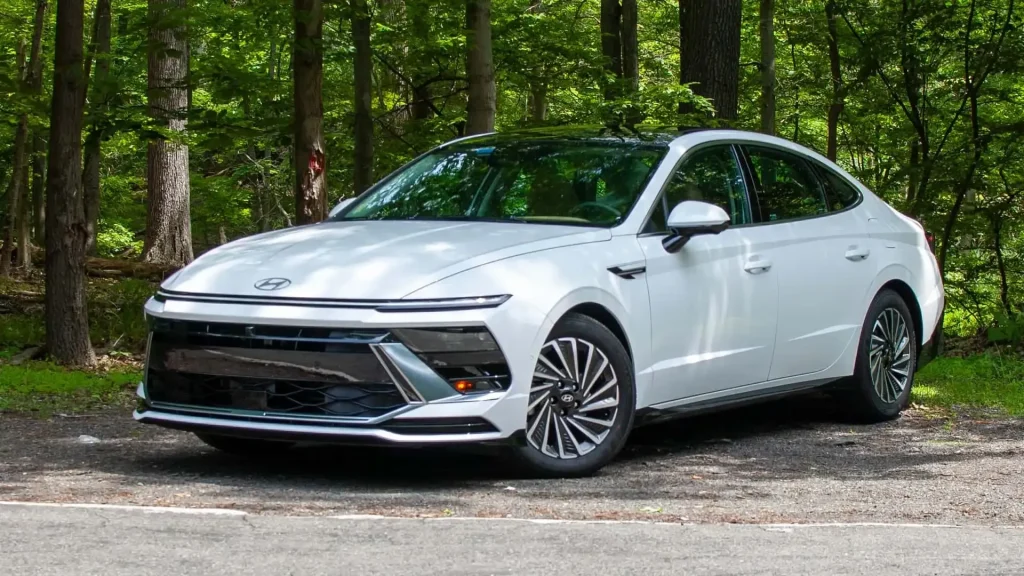
Its hybrid powertrain produces 192 combined horsepower. Hyundai lists 151 lb-ft for the 2.0-liter gasoline engine, while the electric motor is rated at 151 lb-ft. A single combined torque figure is not published by Hyundai.
The Sonata earns third place because its luxury is based on usable equipment. Ventilated leather seats, Bose audio, dual 12.3-inch displays, a head-up display, and rear sunshades give drivers and passengers features associated with far more expensive sedans.
- Engine: 2.0-liter four-cylinder hybrid
- Torque: 151 lb-ft gasoline engine torque
- Horsepower: 192 hp total hybrid system output
- Length/Width: 193.3 inches / 73.2 inches
4. 2026 Kia K5 EX
Kia creates a very different kind of upscale cabin in the 2026 K5 EX. Rather than relying on traditional luxury-car styling, the sedan uses a broad digital interface, contrast-rich interior materials, and comfort equipment to give the dashboard a distinctly modern appearance.
The center of attention is the 12.3-inch touchscreen display. Kia positions it within a wide dashboard layout that visually connects the driver’s information area with the infotainment system.
Wireless Apple CarPlay and Android Auto reduce the need for a phone cable during ordinary driving, while wireless charging gives the center console a cleaner appearance.
Seat equipment pushes the EX beyond basic midsize-sedan territory. Heated and ventilated front seats are included, giving both front occupants two forms of temperature-related comfort.
Kia also offers SynTex seat trim, a synthetic material used to create a smoother, more upscale presentation than ordinary cloth upholstery. A heated steering wheel adds another convenience feature for cold-weather driving.
The audio system deserves its own mention. The EX receives Bose premium audio, making it a better fit for buyers who care about cabin sound quality.
A panoramic sunroof changes the atmosphere above the occupants, while the available digital and camera-based technologies make the K5 feel much more sophisticated than older mainstream sedans.
What makes this interior convincing is the amount of luxury-oriented equipment packed into a car that remains a Kia midsize sedan. The K5 does not attempt to imitate a traditional wood-and-leather luxury flagship. Its cabin is built around screens, geometric shapes, modern upholstery, and convenience technology.
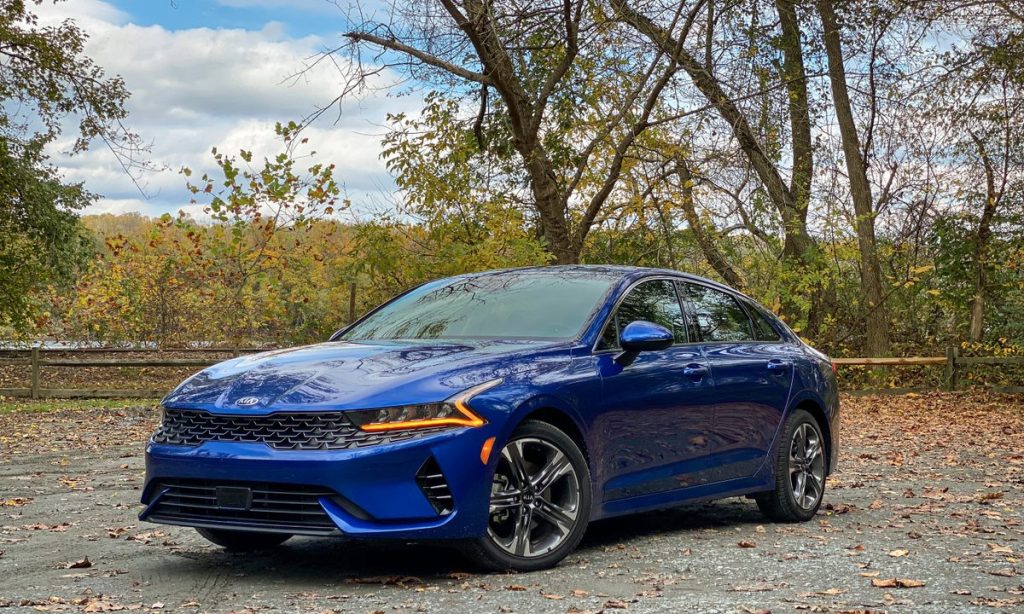
Power comes from a naturally aspirated 2.5-liter four-cylinder producing 191 horsepower and 181 lb-ft of torque, paired with an eight-speed automatic transmission. That engine is focused on routine transportation rather than the 290-horsepower performance of the K5 GT.
For daily commuting, the EX’s cabin is the greater attraction. Ventilated front seats, Bose audio, a panoramic sunroof, and its large digital interface create a noticeably premium environment without requiring a dedicated luxury-brand badge.
- Engine: 2.5-liter naturally aspirated four-cylinder
- Torque: 181 lb-ft
- Horsepower: 191 hp
- Length/Width: 193.1 inches / 73.2 inches
5. 2026 Honda Accord Touring Hybrid
Honda does not fill the 2026 Accord Touring Hybrid with flashy decorative pieces simply to create an expensive appearance. Its cabin luxury is more functional. Temperature-controlled seating, Google technology, leather trim, and a premium sound system turn the familiar midsize sedan into a convincing long-distance car.
Seat comfort is where the Touring Hybrid begins to separate itself from lower Accord trims. Honda lists leather-trimmed seats, heated and ventilated front seats, and heated rear outboard seats as standard equipment.
A heated steering wheel is also included. These features give both rows meaningful comfort upgrades rather than concentrating every premium amenity around the driver.
The dashboard takes a clean approach to technology. A 12.3-inch touchscreen sits above a long horizontal trim section, while the Touring Hybrid adds built-in Google. Google Assistant, Google Maps, and other supported functions are integrated into the vehicle’s infotainment environment.
A head-up display reduces the need to repeatedly glance down for certain driving information.
Audio is another reason the Touring feels more expensive than an ordinary family sedan. Honda equips it with a Bose premium sound system featuring 12 speakers, including a subwoofer. The Touring also receives a wireless phone charger and wireless Apple CarPlay and Android Auto compatibility.
Rather than using an oversized transmission lever, Honda keeps the center console relatively straightforward. Physical climate controls remain easy to identify, while the wide dashboard design creates a sense of space.
The cabin does not try to imitate a European flagship. Its strongest luxury trait is how naturally the comfort and technology features fit into daily use.
Honda’s two-motor hybrid system produces 204 total system horsepower. The electric traction motor is rated at 247 lb-ft of torque, giving the Accord responsive power delivery without abandoning its efficiency-focused character.
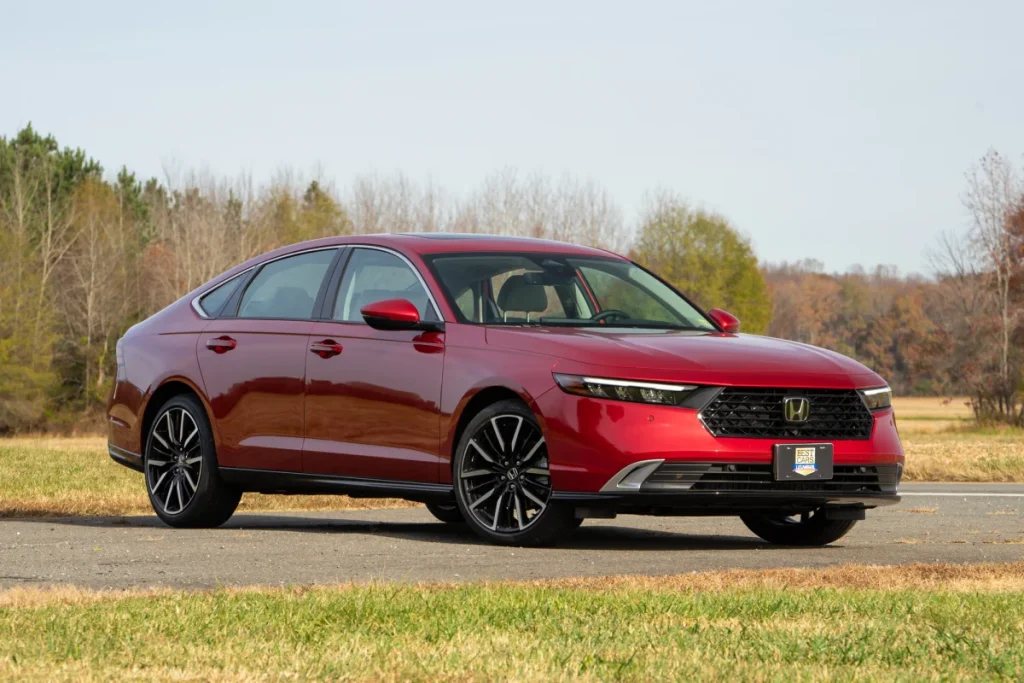
The Touring Hybrid belongs in fifth place because its upscale cabin equipment has a practical purpose.
Ventilated front seats improve summer comfort, heated rear seats benefit passengers, Bose audio upgrades long journeys, and Google built-in modernizes the dashboard. Honda has turned an everyday midsize sedan into a genuinely well-equipped, premium-feeling commuter.
- Engine: 2.0-liter four-cylinder hybrid
- Torque: 247 lb-ft electric motor torque
- Horsepower: 204 hp total system output
- Length/Width: 195.7 inches / 73.3 inches
6. 2026 Volkswagen Jetta SEL
The 2026 Volkswagen Jetta SEL proves that an upscale cabin does not always require moving into a larger vehicle. Its compact-sedan proportions hide an interior specification filled with comfort equipment, including genuine leather seating surfaces and temperature-controlled seats for multiple occupants.
Volkswagen uses perforated Vienna leather seating surfaces in the SEL, immediately giving the cabin a different character from the cloth or leatherette arrangements found in many mainstream compact cars.
The front seats are heated and ventilated, while the outboard rear seats receive heating. Volkswagen’s official U.S. press material also confirms a driver-seat memory function for the SEL.
That combination is significant at this level of the market. Ventilated seats are still frequently reserved for upper trims or larger vehicles, and heated rear seating is another feature associated with more expensive sedans. The Jetta packages both into a car that remains 186.5 inches long and 70.8 inches wide.
Its cabin lighting changes the atmosphere after dark. Available ambient interior lighting adds another visual layer to the dashboard and door areas, while the Volkswagen Digital Cockpit Pro replaces a basic analog instrument arrangement with a 10.25-inch configurable display. The center of the dashboard uses an 8-inch infotainment screen.
Volkswagen also fits the SEL with a heated steering wheel. A panoramic sunroof adds more natural light to the cabin, helping the relatively compact sedan feel less enclosed. The design itself remains restrained, with a horizontal dashboard rather than a collection of oversized displays competing for attention.
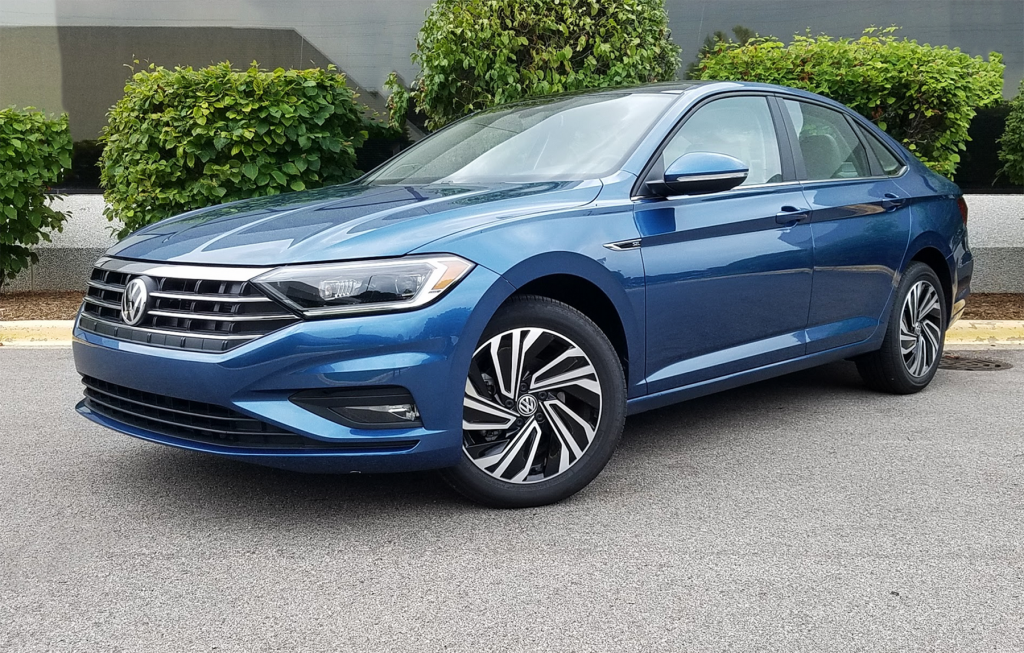
Unlike several hybrids in this ranking, the Jetta uses a conventional turbocharged gasoline powertrain. Its 1.5-liter four-cylinder develops 158 horsepower and 184 lb-ft of torque. An eight-speed automatic transmission is standard on the SEL.
Volkswagen’s U.S. figures rate the 2026 Jetta at up to 29 mpg city and 40 mpg highway in its standard turbocharged configuration.
The Jetta SEL earns sixth place by delivering specific luxury features rather than relying only on styling. Genuine leather, ventilated front seats, heated rear seats, driver memory, ambient lighting, and a digital instrument cluster make its cabin unusually well equipped for an everyday compact sedan.
- Engine: 1.5-liter turbocharged four-cylinder
- Torque: 184 lb-ft
- Horsepower: 158 hp
- Length/Width: 186.5 inches / 70.8 inches
7. 2026 Nissan Murano Platinum
Nissan uses the word “spa-like” to describe the current Murano’s cabin, and the 2026 Platinum has the equipment to support that positioning.
Rather than treating luxury as a collection of decorative trim pieces, the Murano focuses heavily on seat comfort, open interior presentation, and technology spread across a wide dashboard.
The front seats are the cabin’s defining feature. Nissan equips the Platinum with 12-way power front seats featuring heating, ventilation, and massage functions. Zero gravity seat design is also part of the Murano’s comfort strategy.
For a mainstream Nissan crossover, massaging front seats are a particularly notable feature and give the Platinum a clear luxury-car connection. Nissan’s 2026 materials specifically promote the Murano’s massaging seats and spa-like interior.
Visually, the dashboard takes a broad, minimalist approach. Dual 12.3-inch displays create a continuous digital theme across the driver’s side and center area.
Google built-in integrates supported Google services into the vehicle, while wireless Apple CarPlay and Android Auto provide familiar smartphone connectivity. The Platinum also receives a Bose premium audio system.
Small details make the interior more interesting. Nissan uses a glass-inspired dashboard treatment, while the panoramic moonroof brings additional light into the cabin.
Heated rear seats are available, giving passengers beyond the first row their own comfort feature. Nissan’s interior presentation emphasizes a clear line of sight through the cabin rather than surrounding occupants with an overly complicated dashboard.
The Murano uses a 2.0-liter VC-Turbo four-cylinder producing 241 horsepower and 260 lb-ft of torque. Nissan pairs it with a nine-speed automatic transmission. Official U.S. specifications list a 192.9-inch length and 78.0-inch width.
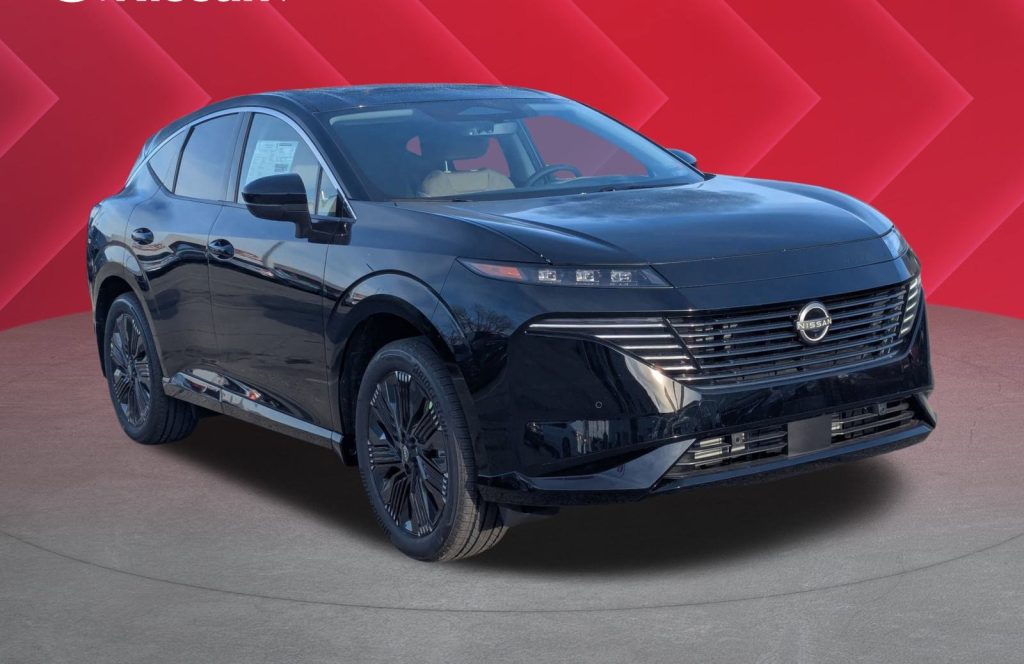
What earns the Murano seventh place is its focus on relaxation. Massaging, heated, and ventilated front seats give the driver features that are immediately noticeable on a daily commute.
The glass-inspired trim, panoramic roof, Bose audio, and dual-display dashboard then complete a cabin that feels considerably more ambitious than the traditional image of a mainstream two-row crossover.
- Engine: 2.0-liter VC-Turbo four-cylinder
- Torque: 260 lb-ft
- Horsepower: 241 hp
- Length/Width: 192.9 inches / 78.0 inches
8. 2026 Hyundai Santa Fe Hybrid Calligraphy
Three-row practicality rarely creates an immediate sense of luxury, yet the 2026 Hyundai Santa Fe Hybrid Calligraphy manages to combine family-oriented space with some remarkably premium interior equipment.
Its cabin is not simply a more heavily optioned version of the base model. Nappa leather, captain’s chairs, and a relaxation function for the driver’s seat give the flagship trim a distinct personality.
Start with the seating arrangement. Hyundai equips the Hybrid Calligraphy with Nappa leather seating surfaces and second-row captain’s chairs, creating six-passenger seating.
The driver’s seat includes a relaxation function designed to provide a more restful seating position when the vehicle is parked. Hyundai specifically lists both the Nappa leather and relaxation seats among the Calligraphy’s defining features.
The second row is equally important to the cabin’s premium character. Separate captain’s chairs create more individual passenger space than a conventional bench and make third-row access less cumbersome.
Hyundai’s U.S. specifications list 151 cubic feet of passenger volume and 14.6 cubic feet of cargo space behind the third row. Folding seats expand cargo capacity to 40.5 cubic feet behind the second row and 79.6 cubic feet behind the front seats.
Technology fills the wide dashboard without eliminating the Santa Fe’s practical nature. A 12.3-inch touchscreen is standard across the lineup, while Calligraphy equipment includes a 12-speaker Bose premium audio system.
Wireless Apple CarPlay and Android Auto are standard. The broad digital presentation suits the geometric interior design instead of appearing attached as an afterthought.
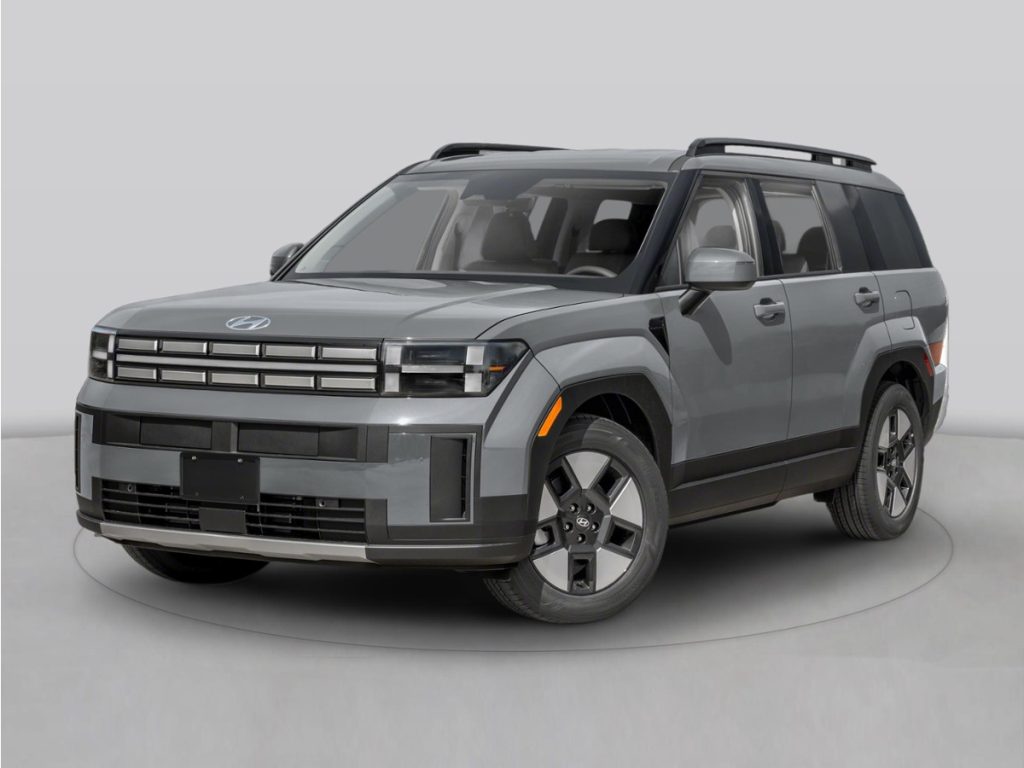
The hybrid system combines a turbocharged 1.6-liter four-cylinder with electric assistance and produces 231 combined horsepower. Hyundai does not publish a conventional combined system torque figure in its primary U.S. consumer specifications, so an unsupported total should not be assigned.
The Santa Fe finishes this ranking because it brings luxury into a genuinely useful family cabin. Nappa leather, individual second-row seating, Bose audio, and the driver’s relaxation function coexist with three rows and substantial cargo flexibility. It is an everyday vehicle that does not force passengers to choose between practicality and an upscale interior.
- Engine: 1.6-liter turbocharged four-cylinder hybrid
- Torque: Hyundai does not publish a single combined hybrid-system torque figure
- Horsepower: 231 hp total hybrid system output
- Length/Width: 190.2 inches / 74.8 inches
Also Read: 8 Car Brands Ranked By Customer Satisfaction
