
Modern car interiors have gone through a quiet revolution. Touchscreens have swallowed climate dials, seat heater buttons, and even simple fan controls into layered menus.
Many drivers have pushed back. Adjusting the temperature while driving should not require multiple taps on a glass panel. Physical buttons offer something screens cannot: muscle memory. A driver can reach for a knob without looking away from traffic.
Safety regulators have taken notice, too. Euro NCAP’s 2026 safety-rating protocols push automakers toward physical controls for core safety functions such as indicators, hazard lights, wipers, the horn, and SOS/eCall.
That regulatory nudge, combined with genuine driver frustration, has kept several automakers from going all-digital. Honda, Toyota, Mazda, Subaru, and Ford all still build 2026 models with real climate knobs and buttons.
This list covers eight new cars that resisted the touchscreen-only trend. Each one blends modern tech with tactile, physical HVAC controls. We cover compact cars, midsize sedans, rugged SUVs, and even a sports car.
Every entry includes full specifications so you can compare engines, power, and dimensions at a glance. If you’re tired of fumbling through menus just to change the fan speed, these cars deserve a look. Below is a well-researched breakdown of each one.
1. 2026 Honda Civic Hatchback Hybrid
Honda kept its climate layout simple on purpose. Those big climate control knobs are some of the best ever used, according to reviewers. The heated seat buttons sit right at the panel’s edges. Nothing important is buried inside a screen menu.
Honda lists the Civic Hatchback Hybrid with a 200-hp hybrid powertrain and a 50 mpg city, 45 mpg highway rating. That efficiency comes without sacrificing everyday usability.
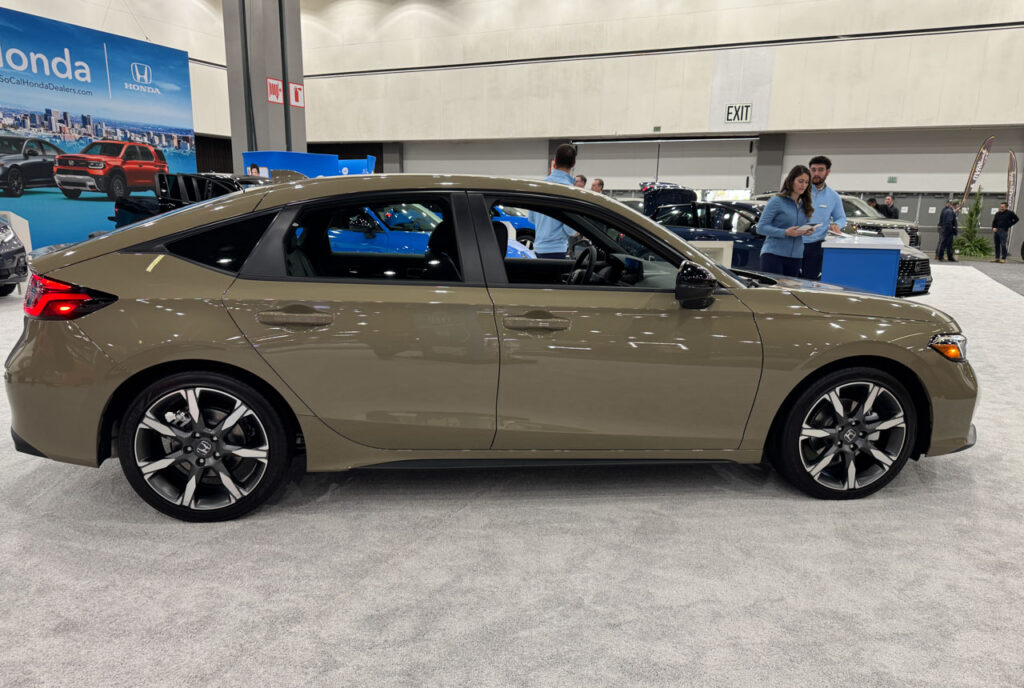
The screen still handles navigation and phone projection. But routine adjustments never require touching glass. This makes the Civic ideal for daily commuters.
Quick temperature tweaks stay effortless in stop-and-go traffic. The hatchback body also adds practical cargo flexibility. It suits small families and solo commuters alike. Honda’s approach here feels intentional, not cost-driven. It rewards drivers who value simplicity over spectacle.
Specifications:
- Engine: 2.0-liter four-cylinder hybrid powertrain
- Horsepower: 200 hp (combined hybrid output)
- Torque: Approximately 232 lb-ft (electric motor assisted)
- Length: Approximately 180 inches
- Width: Approximately 70.9 inches
2. 2026 Toyota Camry Hybrid
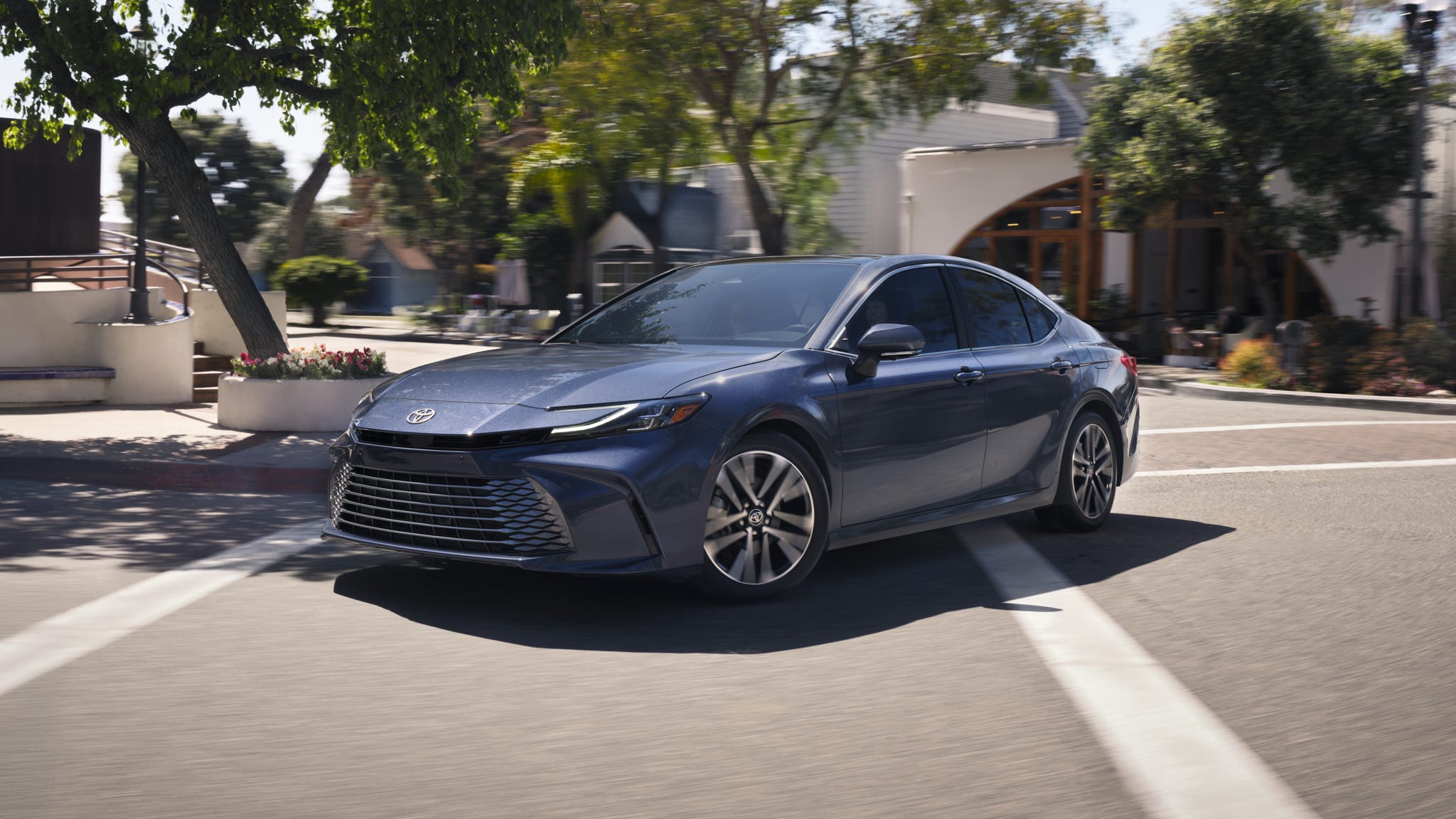
Toyota’s midsize sedan remains hybrid-only for 2026. The current Camry offers up to 51 mpg combined and up to 232 net combined hp with available all-wheel drive.
Despite strong efficiency, the cabin avoids overcomplicating basic tasks. Toyota describes climate operation through a temperature control dial, fan-speed rocker, and outlet selection. That’s straightforward, tactile operation. No scrolling through nested digital menus required.
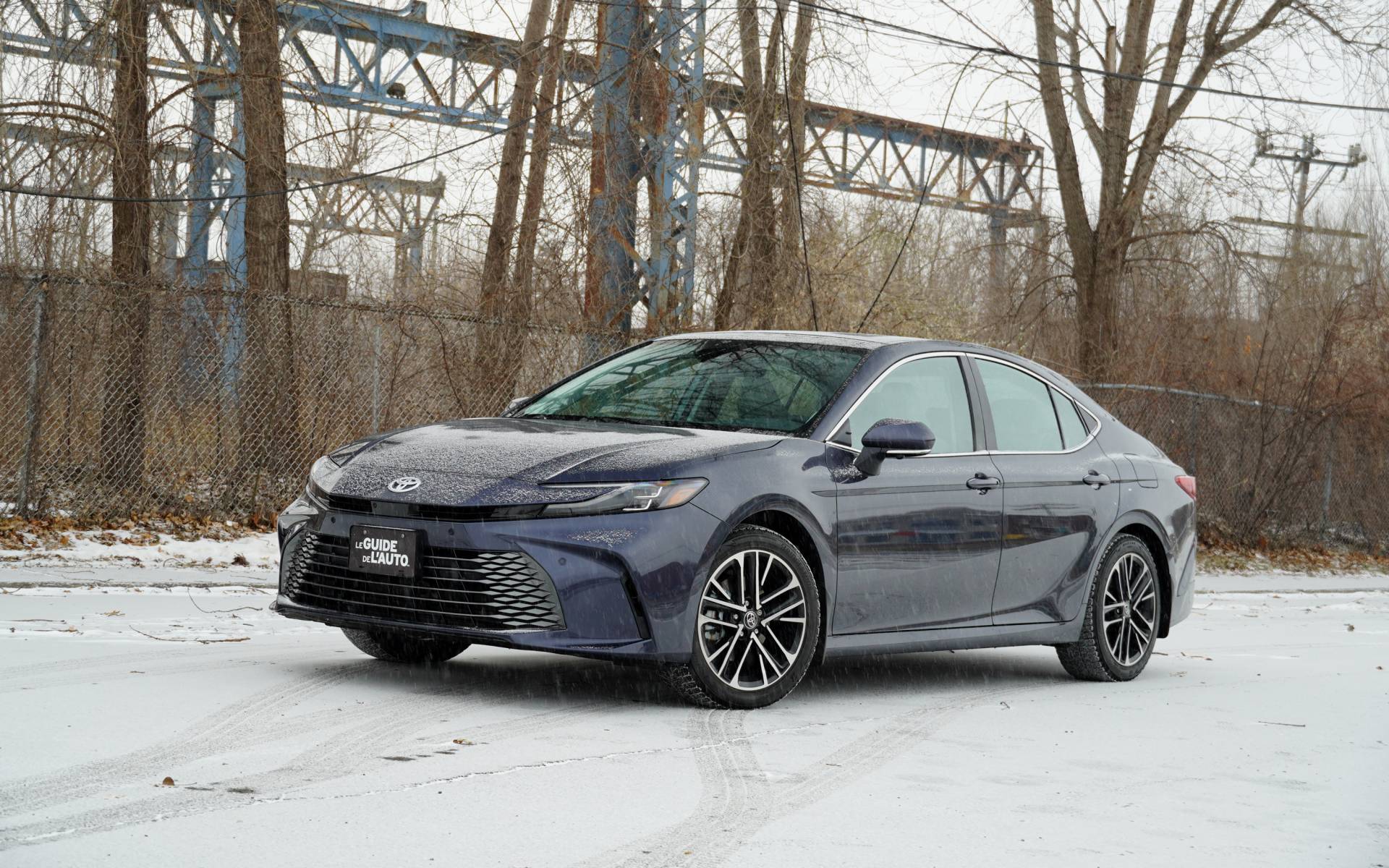
Drive modes get individual physical buttons too. Each major drive mode is its own button, located behind the gear shifter. The climate row sits just below the infotainment screen.
A volume knob is placed in the display’s bottom-left corner. Pricing stays competitive for the segment. The 2026 Camry starts around $29,000, plus a $1,195 destination fee. Toyota proves restraint can be a strength. Familiar dials outperform flashy but frustrating digital theater.
Specifications:
- Engine: 2.5-liter four-cylinder hybrid powertrain
- Horsepower: Up to 232 hp (combined, AWD trims)
- Torque: Approximately 163 lb-ft (engine only, electric motors add more)
- Length: Approximately 193.7 inches
- Width: Approximately 72.4 inches
3. 2026 Mazda CX-50
Mazda deliberately separates touch and physical inputs. While it includes a central infotainment screen, Mazda intentionally disables touch functionality while driving.
Instead, drivers rely on a rotary Commander dial. Everything is controlled through this dial and the shortcut buttons on the center console. Climate adjustments follow the same philosophy. Below the navigation screen sit buttons controlling air conditioning, blower speed, heating elements, and recirculated air.
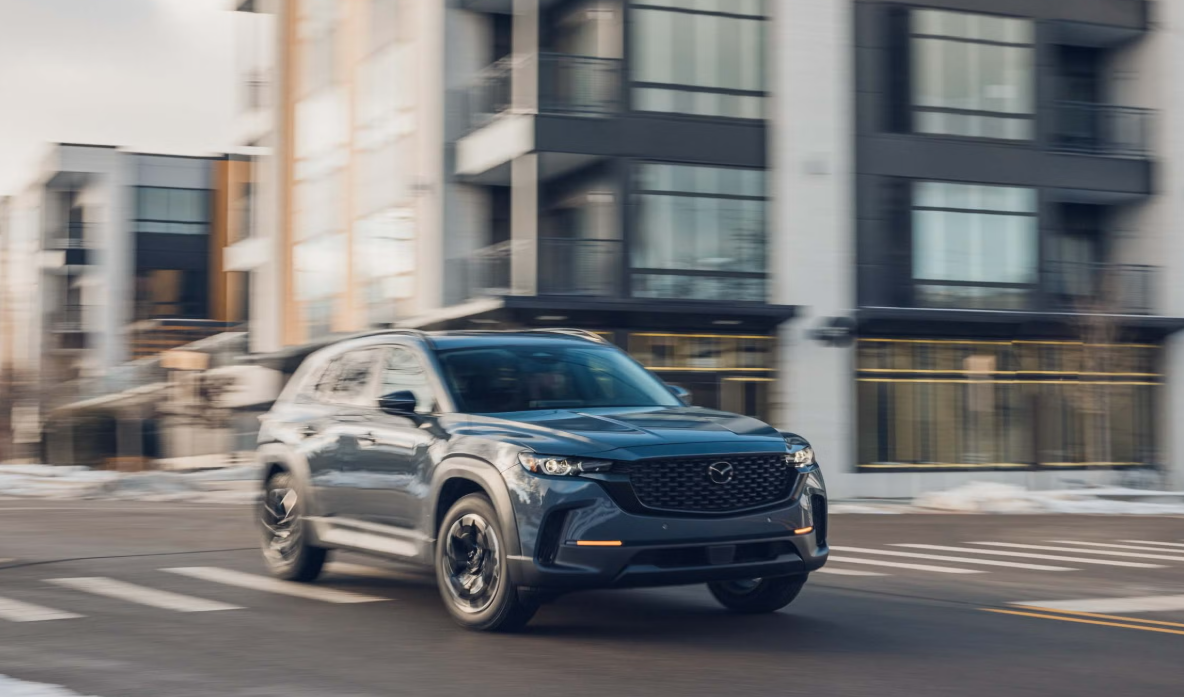
Two rotary knobs flank that row. Each knob controls one side of the dual-zone climate settings. Touch input does return in one scenario. The touchscreen becomes usable for phone mirroring via Apple CarPlay and Android Auto, but not while driving.
This keeps the driver’s eyes forward at all times. It’s a deliberate safety-first design decision. The CX-50 shows tactile controls can coexist with modern connectivity. It never forces a compromise between them.
Specifications:
- Engine: 2.5-liter turbocharged four-cylinder
- Horsepower: 256 hp (turbo trims, on premium fuel)
- Torque: 320 lb-ft
- Length: Approximately 190.06 inches
- Width: Approximately 75.6 inches
4. 2026 Ford F-150
Ford’s best-selling truck keeps its cabin function-first. Underneath the touchscreen display sit several rows of buttons and knobs controlling HVAC, camera systems, multimedia, and traction control.
Heated seat and defroster buttons sit close by. They’re located right next to the climate control knobs. Steering wheel controls are equally organized. The right wing manages the drive information screen and multimedia, while the left wing handles driver assist features.
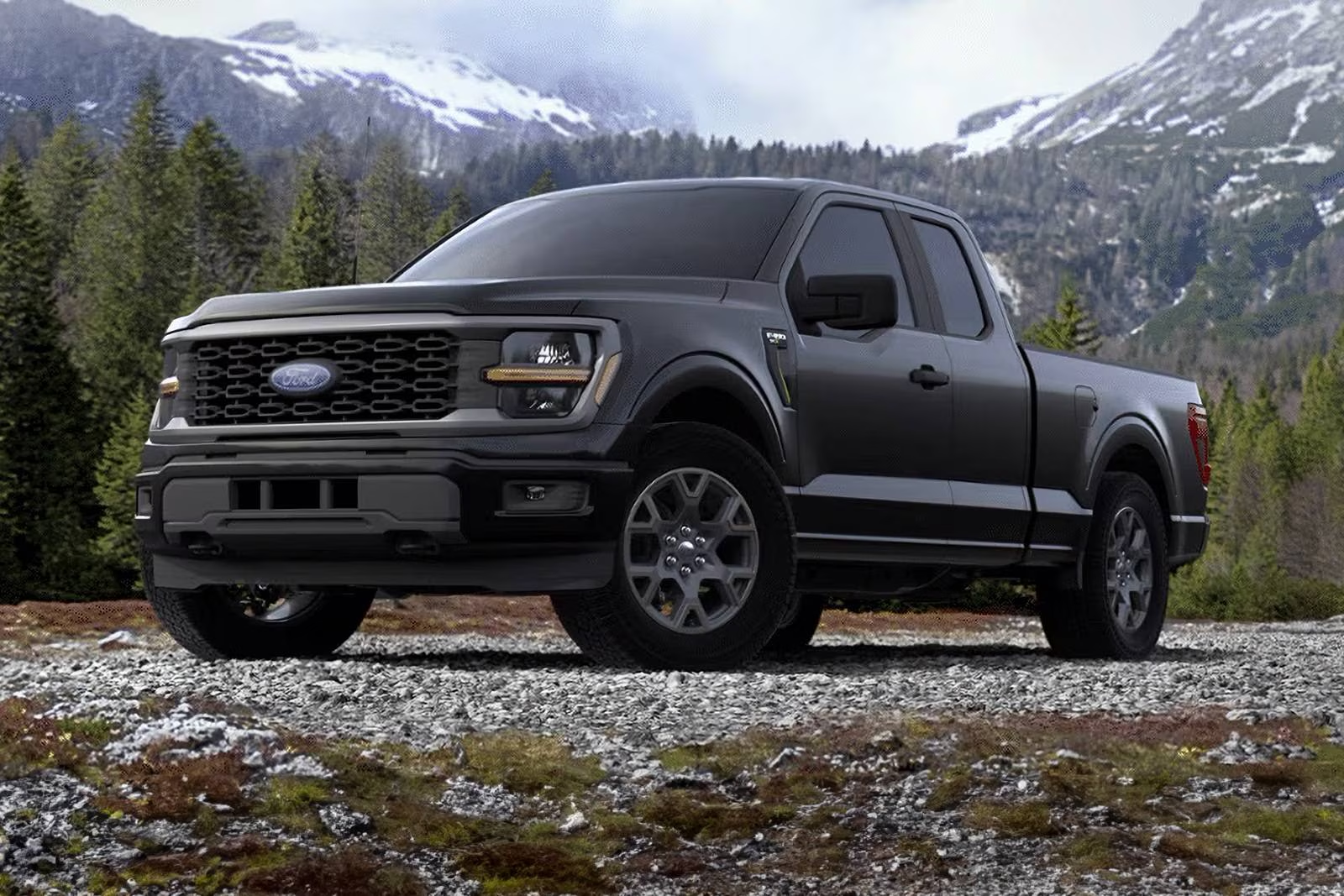
Near the driver’s knee sits another cluster. Buttons there control the auto engine start-stop, headlights, and emergency brake. Work-truck buyers benefit most from this layout. Gloved hands can still find every control by feel.
Pricing reflects its position as America’s top-selling vehicle. The 2026 F-150 starts at $39,330, plus a $2,595 destination fee. Ford balances rugged work capability with usable technology. Physical switches remain central to that formula.
Specifications:
- Engine: 3.5-liter twin-turbo EcoBoost V6 (base gas option)
- Horsepower: 400 hp
- Torque: 500 lb-ft
- Length: Approximately 232.7 inches (SuperCrew, 5.5-ft bed)
- Width: Approximately 79.9 inches (excluding mirrors)
Also Read: 8 Most Expensive Cadillac Cars Ever Made, Ranked
5. 2026 Subaru Outback Wilderness
Subaru’s rugged wagon leans into tactile simplicity. Subaru has retained classic knobs and switches for its climate system, audio, and essential off-road functions.
That matters most off the pavement. This design is particularly useful for drivers wearing gloves or going through rough terrain. Buttons respond instantly, even in harsh conditions. They are robust and responsive, providing immediate tactile feedback essential when driving off-road.
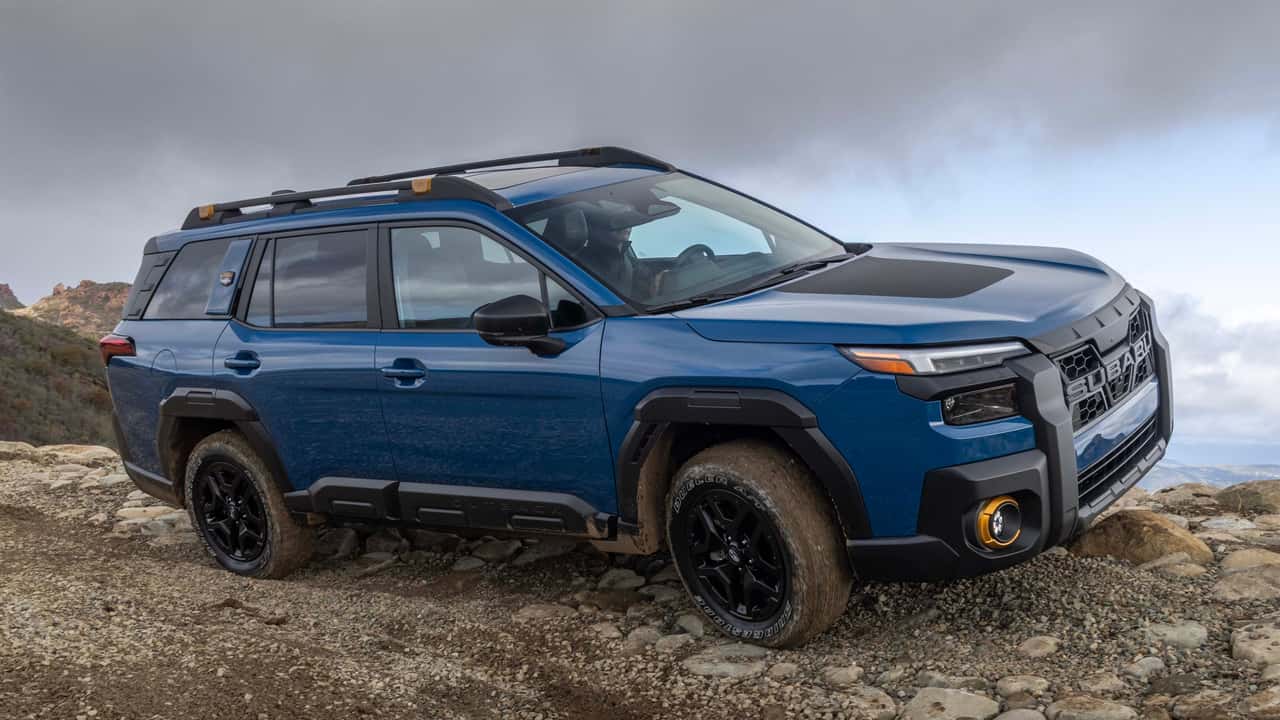
Simple rotary knobs handle everyday climate needs, too. Subaru includes simple rotary knobs for temperature and fan speed right below the central vents. Audio controls follow the same logic. The audio system is controlled by well-placed buttons, avoiding the need to scroll through menus.
This keeps the cabin distraction-free on long trips. Adventure-focused buyers appreciate that dependability. Subaru’s philosophy prioritizes function over flash. The Outback Wilderness reflects that at every touchpoint.
Specifications:
- Engine: 2.4-liter turbocharged four-cylinder (Wilderness trim)
- Horsepower: 260 hp
- Torque: 277 lb-ft
- Length: Approximately 191.1 inches
- Width: Approximately 73.0 inches
6. 2026 Mazda MX-5 Miata
Mazda’s roadster treats screen interaction as optional, not mandatory. The infotainment system’s rotary dial gives the Miata’s cabin a control philosophy where the screen exists and functions well, but the driver never needs to look away from the road.
Climate stays entirely physical. Climate controls are physical buttons, giving the interior its most directly functional interface for spirited driving. That matters in a car built for quick, engaging drives. Reaching for a touchscreen mid-corner isn’t realistic.
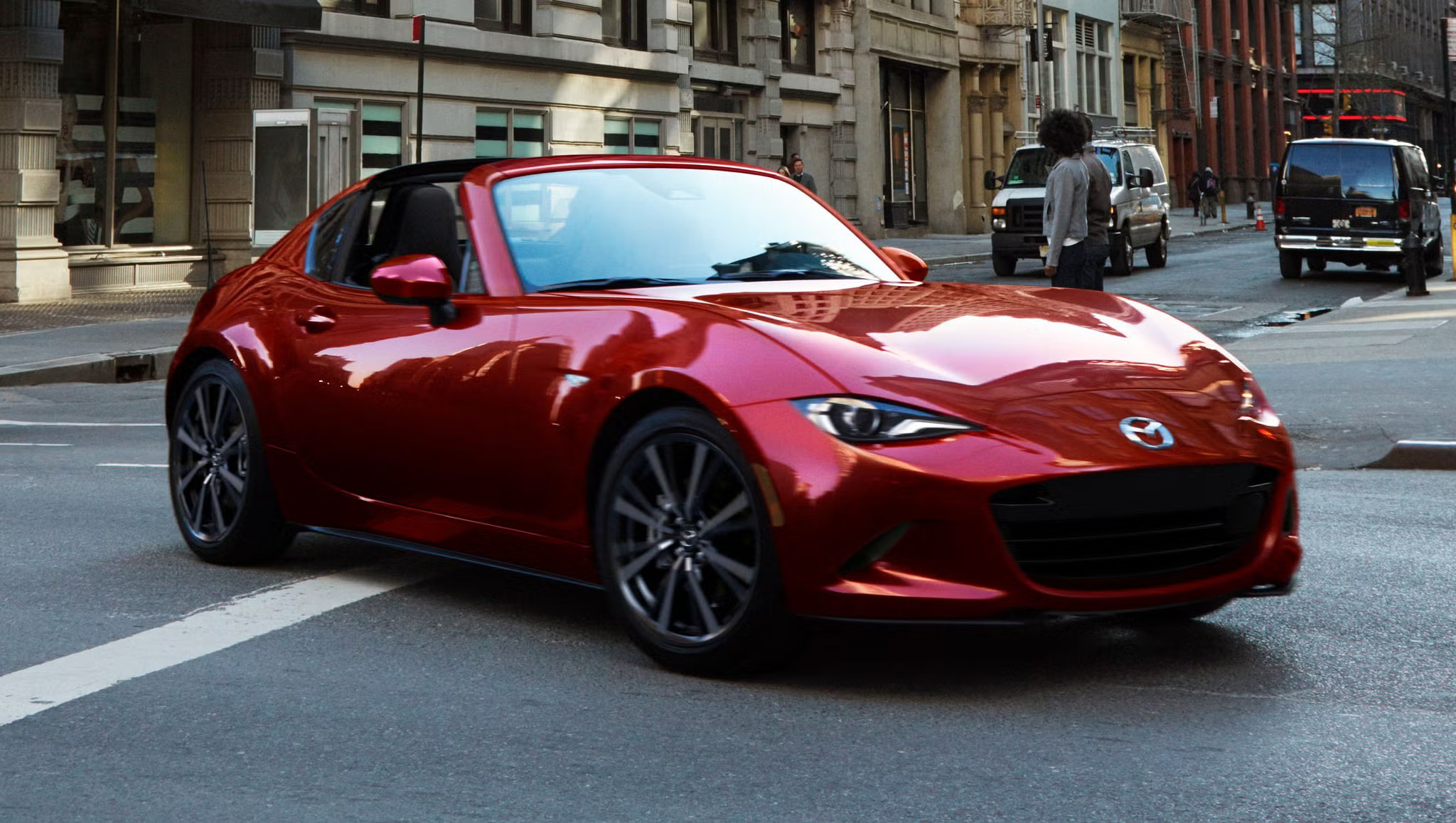
Reviewers rate the Miata highly. A U.S. News rating of 9.3 out of 10 and a starting price around $30,430 give it a best-in-class position among sports cars. The manual gearbox reinforces its analog character.
Buttons and knobs simply fit that identity. Open-top driving adds another layer of appeal. It’s a car built around feel, not screens. The Miata proves small, focused cars don’t need digital complexity. Physical controls suit its driving-first mission.
Specifications:
- Engine: 2.0-liter naturally aspirated four-cylinder
- Horsepower: 181 hp
- Torque: 151 lb-ft
- Length: Approximately 154.1 inches
- Width: Approximately 68.3 inches
7. 2026 Ford Maverick Hybrid
Ford’s compact truck prioritizes durability over flash. The Maverick’s interior prioritizes durable, cleanly organized controls over the tech-forward premium aesthetic.
Its touchscreen stays simple to operate. Stereo and climate settings can be adjusted without going through the deep menus. That directness suits its blue-collar positioning well. Physical controls for climate and audio give daily driving a tactile accessibility consistent with the truck’s utility focus.
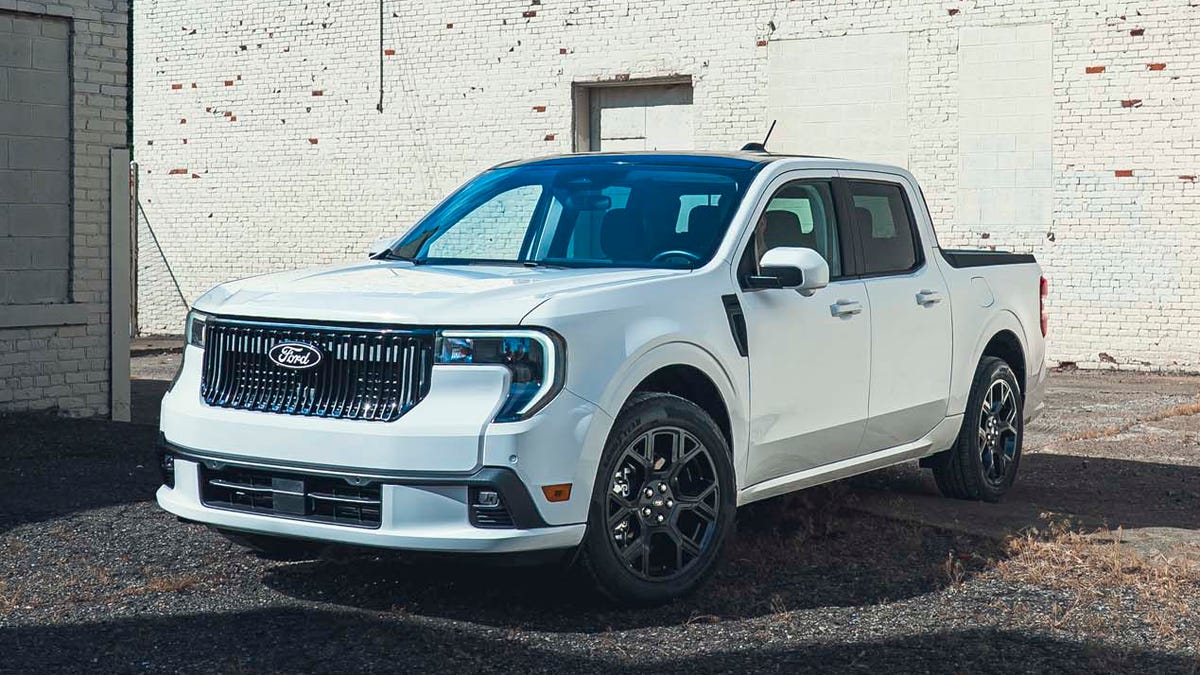
Fuel efficiency remains a standout trait. The standard hybrid powertrain rates 42 mpg city and 35 mpg highway. That’s remarkable for a compact pickup. Few trucks in any class match those numbers.
Work-focused buyers get genuine practicality here. Simple controls match the truck’s no-nonsense mission. The Maverick shows practicality doesn’t require sacrificing efficiency. Physical buttons reinforce its working-truck identity.
Specifications:
- Engine: 2.5-liter four-cylinder hybrid powertrain
- Horsepower: 191 hp (combined hybrid output)
- Torque: Approximately 155 lb-ft (engine), supplemented by electric motor
- Length: Approximately 199.7 inches
- Width: Approximately 72.6 inches
8. 2026 Toyota 4Runner
Toyota’s rugged SUV kept its mechanical roots intact. The 4Runner emerged from its redesign with more technology while retaining the mechanical philosophy that made it a modern classic in the off-road community.
Body-on-frame construction defines its core character. This structural approach provides durability, towing capacity, and off-road capability at the expense of car-like refinement. That off-road focus extends to its controls. Physical dials and buttons dominate the center stack.
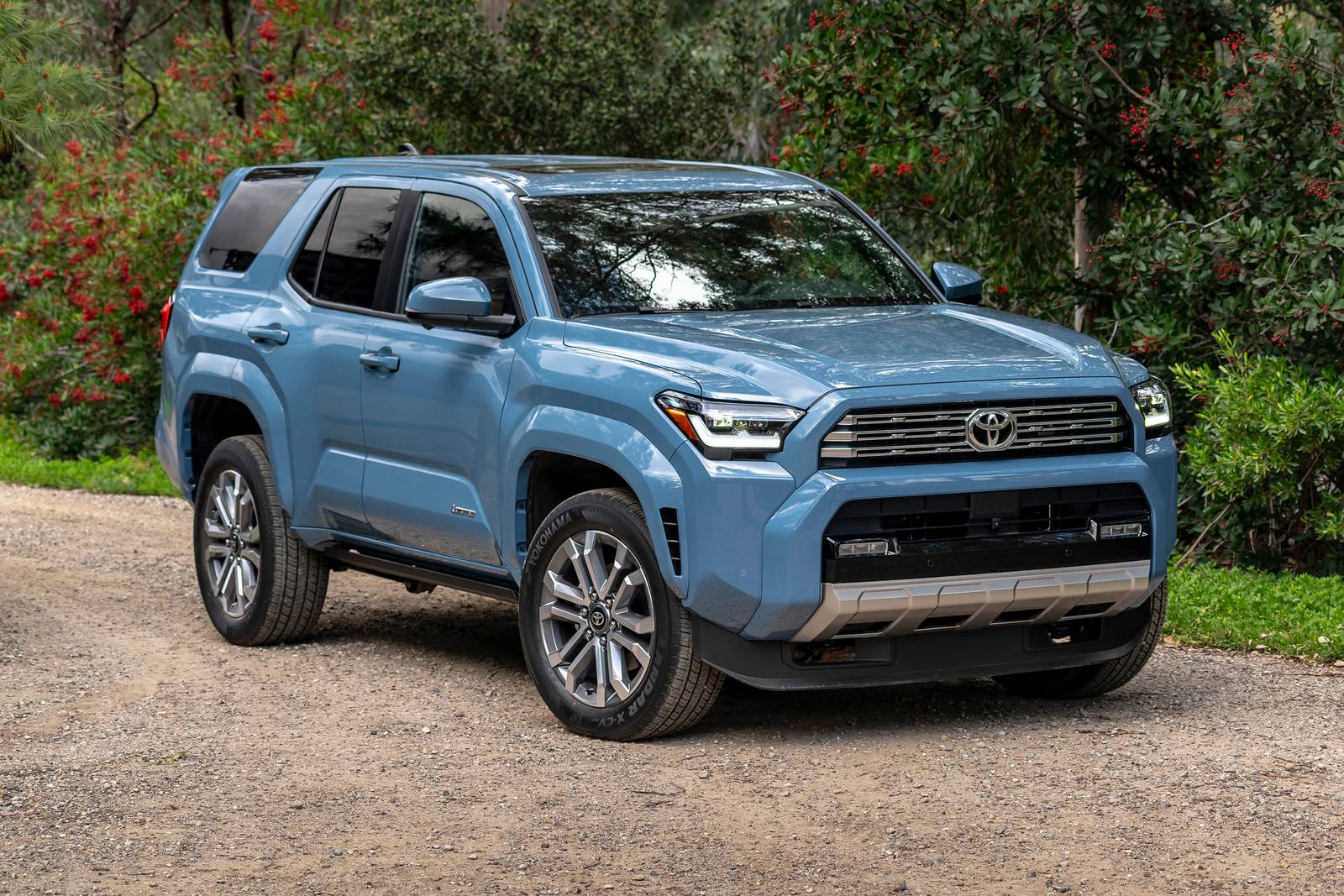
Drivers wearing gloves can still adjust the temperature easily. Nothing critical requires precise touchscreen taps. The layout favors function during rough terrain use. Bouncing over trails doesn’t interfere with basic adjustments.
Toyota’s off-road buyers value that reliability. It’s a philosophy unchanged across generations. The 4Runner remains a rare holdout in its class. It pairs true off-road capability with tactile, driver-focused controls.
Specifications:
- Engine: 2.4-liter turbocharged four-cylinder (i-FORCE)
- Horsepower: 278 hp
- Torque: 317 lb-ft
- Length: Approximately 194.4 inches
- Width: Approximately 77.9 inches
Also Read: 5 Brands With the Lowest 10-Year Upkeep vs 5 With the Highest
