
A higher price does not automatically buy a better car. Expensive vehicles often provide stronger badges, richer materials, or longer equipment lists, but the actual driving and ownership experience can tell a different story.
In some cases, a cheaper model accelerates faster, carries more cargo, or delivers stronger fuel economy than a costlier rival. That is where value becomes measurable rather than simply a marketing claim.
For this list, price alone is not enough. Each lower-cost vehicle needs a credible advantage supported by U.S.-market specifications, instrumented testing, fuel-economy figures, cargo measurements, or critical comparisons. The pricier rivals are included to give the argument context. A cheap car is not automatically superior just because it saves money.
Some of the differences are surprisingly large. Performance sedans costing thousands less can challenge premium-badged alternatives, while affordable crossovers can provide more usable space and quicker acceleration than mechanically related models positioned higher in the market.
These eight vehicles demonstrate why buyers should examine the numbers before assuming the larger window sticker represents the stronger product. Badge prestige still matters to some customers, but when performance, practicality, and capability are measured carefully, several cheaper cars make their more expensive rivals surprisingly difficult to justify.
Also Read: 10 SUVs That Are Easiest to Get In and Out Of
1. 2026 Hyundai Elantra N
Cheaper Rival: Acura Integra Type S
The Hyundai Elantra N makes a convincing argument against paying premium-brand money for a compact performance car. Hyundai’s 2026 model uses a 2.0-liter turbocharged four-cylinder producing 276 horsepower and 289 lb-ft of torque.
The Acura Integra Type S is unquestionably more powerful with 320 horsepower and 310 lb-ft, but its price sits above $55,000. Recent U.S. pricing data places the Elantra N near $36,000, creating a gap of roughly $19,000.
What does the Hyundai sacrifice on a racetrack? Less than the price difference might suggest. The Elantra N has earned recognition for its playful handling and serious track capability.
Car and Driver’s 2026 Editors’ Choice assessment specifically praised its sports-sedan handling and turbocharged engine. Buyers can select a six-speed manual or an eight-speed wet dual-clutch transmission.
Hyundai also equips the N with an electronically controlled limited-slip differential, adaptive dampers, launch control on the dual-clutch model, and configurable performance settings. This is not an ordinary Elantra with additional horsepower. Its chassis and powertrain were engineered around sustained performance driving.
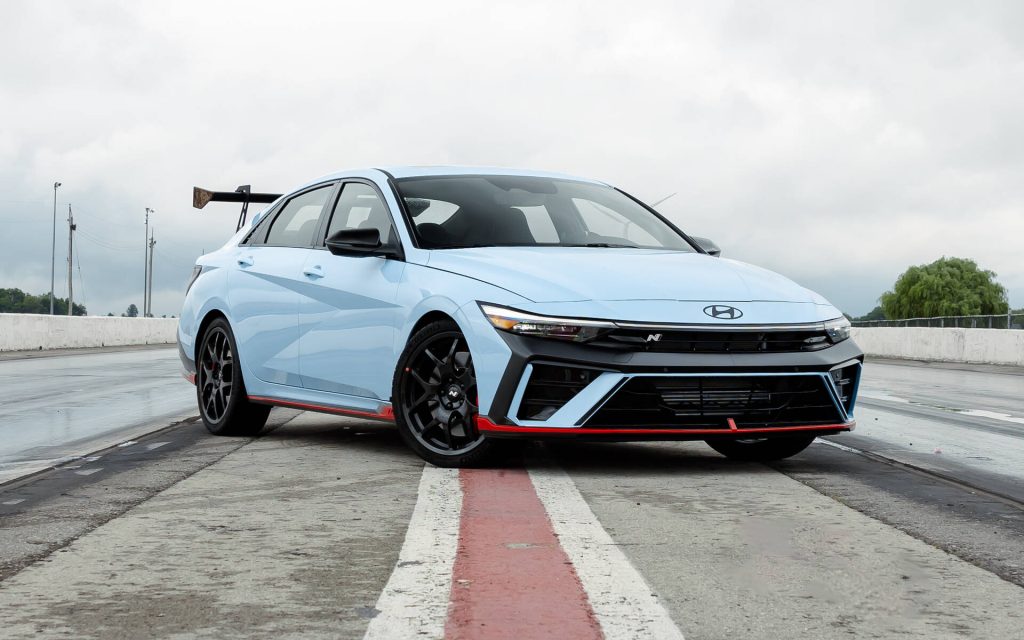
The Acura counters with a more premium cabin, additional horsepower, and a sophisticated dual-axis-strut front suspension. It is an excellent car. The problem is that the Hyundai delivers the central enthusiast experience for dramatically less money.
For drivers measuring smiles, track capability, and power against purchase price, the Elantra N can be the better choice. The Acura is more prestigious and more powerful. The Hyundai’s huge price advantage makes its performance far harder to argue against.
- Engine: 2.0-liter turbocharged inline-four
- Torque: 289 lb-ft
- Horsepower: 276 hp
- Length/Width: Approximately 185.6 inches / 71.9 inches
2. 2026 Chevrolet Trax
Pricier Rival: Buick Envista
Sometimes the cheaper vehicle wins because the numbers are almost embarrassingly straightforward. The Chevrolet Trax and Buick Envista share similar small-crossover territory within General Motors, but instrumented testing gives the less expensive Chevrolet measurable advantages in acceleration and cargo capacity.
The 2026 Trax LT starts at $23,200 in published U.S. specification data, while Buick lists the 2026 Envista from $24,700. Both use a turbocharged 1.2-liter three-cylinder engine and front-wheel drive, yet Car and Driver recorded the Trax reaching 60 mph in 8.8 seconds. The Envista required 9.3 seconds.
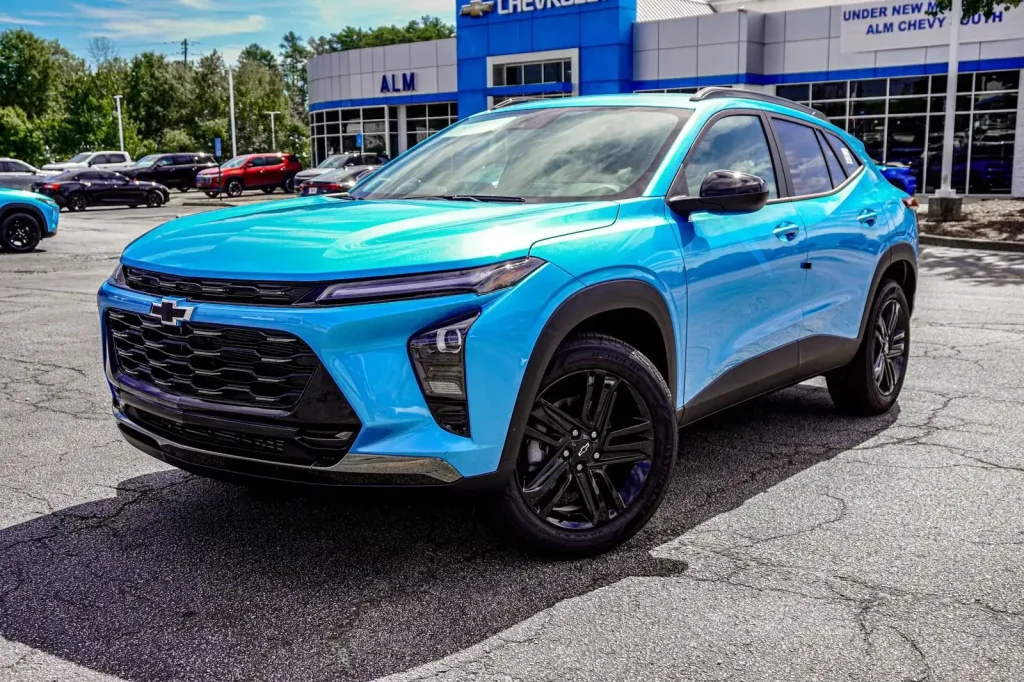
Practicality creates a larger gap. The Trax provides 25.6 cubic feet of cargo capacity behind its rear seats. Car and Driver’s comparison lists approximately 26 cubic feet for the Chevrolet against 21 cubic feet for the Buick. Fold the seats, and the difference grows to 54 cubic feet for the Trax versus 42 cubic feet in the Envista.
That means the cheaper Chevrolet is quicker in tested acceleration and can carry more cargo. Car and Driver also gives the 2026 Trax a 10/10 rating and 10Best recognition, while its direct comparison rates the Envista at 8.5/10. The Trax’s quiet cabin, generous rear legroom, pleasant ride, and surprisingly nimble handling also receive praise.
Buick buyers receive more upscale positioning and distinctive coupe-like styling. The Envista’s sloping rear body, however, reduces usable cargo volume.
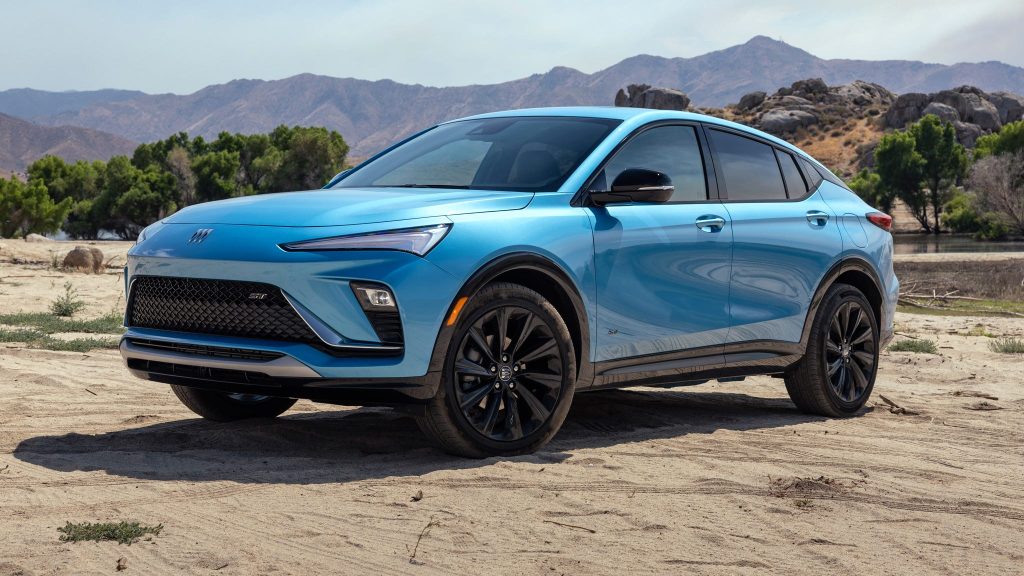
If the decision is based on speed, space, and price rather than badge positioning, the Trax presents the stronger case. Chevrolet charges less while delivering measurable advantages in two areas that crossover buyers regularly use.
- Engine: 1.2-liter turbocharged inline-three
- Torque: 162 lb-ft
- Horsepower: 137 hp
- Length/Width: Approximately 178.6 inches / 71.8 inches
3. 2026 Toyota GR86
Pricier Rival: BMW Z4 sDrive30i
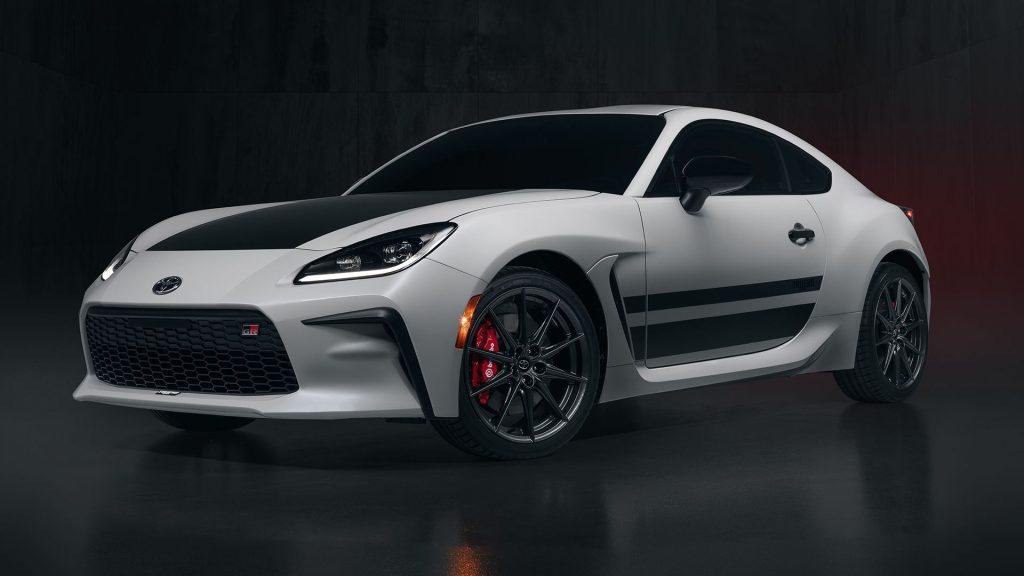
There is an important difference between buying a sports car and buying a luxury roadster. The Toyota GR86 makes that distinction clear. A GR86 starts far below the price of a BMW Z4, yet its lightweight rear-wheel-drive formula can make the Toyota the more engaging choice for drivers who care primarily about steering, manual shifting, and accessible chassis balance.
Toyota equips the GR86 with a naturally aspirated 2.4-liter flat-four producing 228 horsepower and 184 lb-ft of torque. A six-speed manual transmission is available, and a Torsen limited-slip differential is standard.
The engine sits low in the chassis, while the compact coupe’s front-engine, rear-wheel-drive architecture was developed specifically around sports-car dynamics.
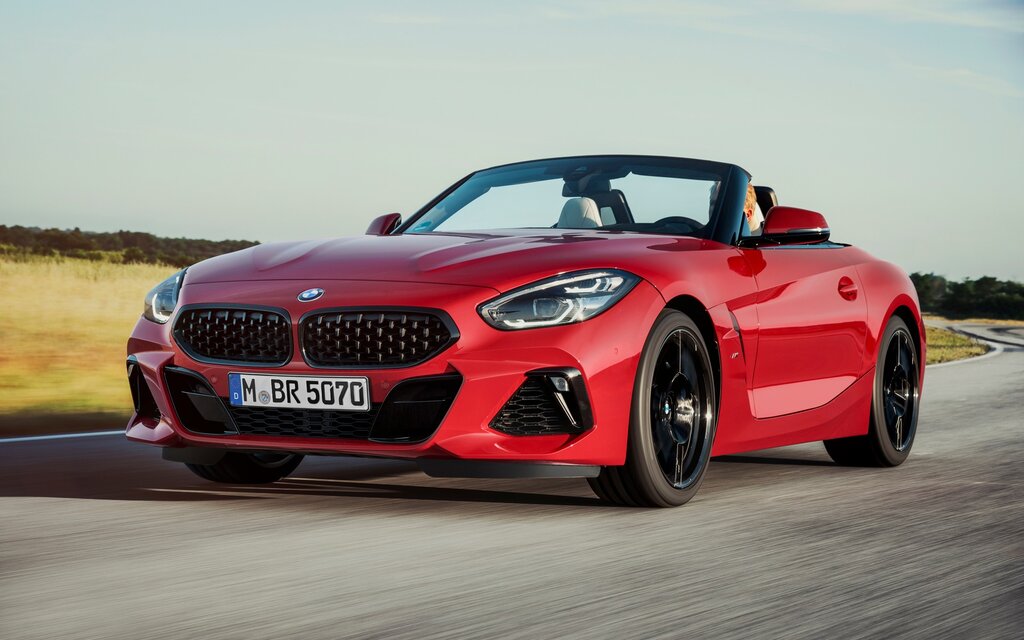
The BMW Z4 sDrive30i is quicker and considerably more luxurious. Its turbocharged 2.0-liter four-cylinder produces 255 horsepower and 295 lb-ft of torque. Buyers also receive a premium convertible cabin. The price difference is substantial, however, with the Z4 positioned well above $50,000 while the GR86 starts in the low-$30,000 range.
For the extra money, BMW does not necessarily provide a purer driving experience. The GR86’s low mass and compact dimensions are central to its appeal.
Instrumented testing of the current-generation GR86 has recorded 0-to-60-mph performance in the mid-five-second range with the manual transmission, quick enough to keep the focus on handling rather than exposing a severe performance deficit.
Toyota also gives drivers a clutch pedal without forcing them into an expensive performance trim. That matters as manual sports cars become increasingly rare.
The Z4 wins for refinement, turbocharged torque, and open-air luxury. If the priority is a focused rear-wheel-drive sports car that encourages driver participation, the much cheaper GR86 can deliver a more convincing answer.
- Engine: 2.4-liter naturally aspirated flat-four
- Torque: 184 lb-ft
- Horsepower: 228 hp
- Length/Width: 167.9 inches / 69.9 inches
4. 2026 Mazda CX-50
Pricier Rival: Lexus NX 250
A luxury badge can add thousands of dollars without automatically creating more cargo room or more engine output.
The Mazda CX-50 demonstrates that problem when compared with the Lexus NX 250. U.S. pricing comparisons place the 2026 CX-50 around $31,000 in base specification, while the Lexus NX begins above $46,000. That is a price gap approaching $15,000 before options enter the conversation.
Start with the engines. Mazda’s naturally aspirated 2.5-liter four-cylinder produces 187 horsepower and 185 lb-ft of torque in the current CX-50 specification. The NX 250’s 2.5-liter four-cylinder produces 203 horsepower. Lexus has the power advantage, but it is relatively modest compared with the difference in purchase price.
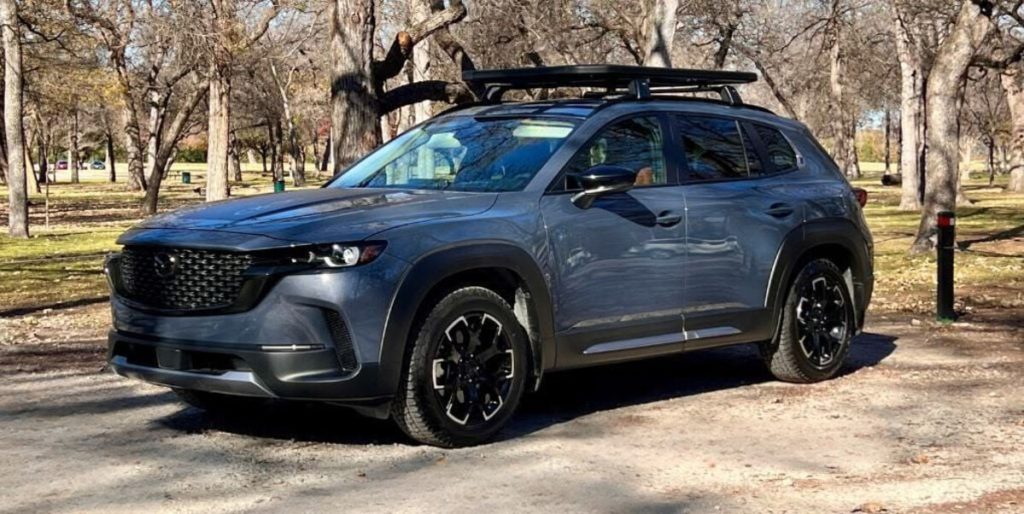
Cargo capacity produces a more surprising result. Published comparison data lists 31.4 cubic feet for the CX-50 against 22.7 cubic feet for the NX. The Mazda also carries a lower curb weight in representative specifications. For buyers purchasing a compact crossover specifically because they need usable space, those numbers give the cheaper vehicle a practical advantage.
Mazda does not treat driving character as an afterthought either. Standard i-Activ all-wheel drive and Mi-Drive are core parts of the CX-50 package.
The vehicle’s wide stance and lower roof were designed to give it a more planted character while retaining the crossover format. Mazda also offers turbocharged and hybrid versions for buyers who want a different balance of power and efficiency.
Lexus counters with stronger luxury credentials, richer materials, and the dealership experience associated with a premium brand. Those benefits have real value.
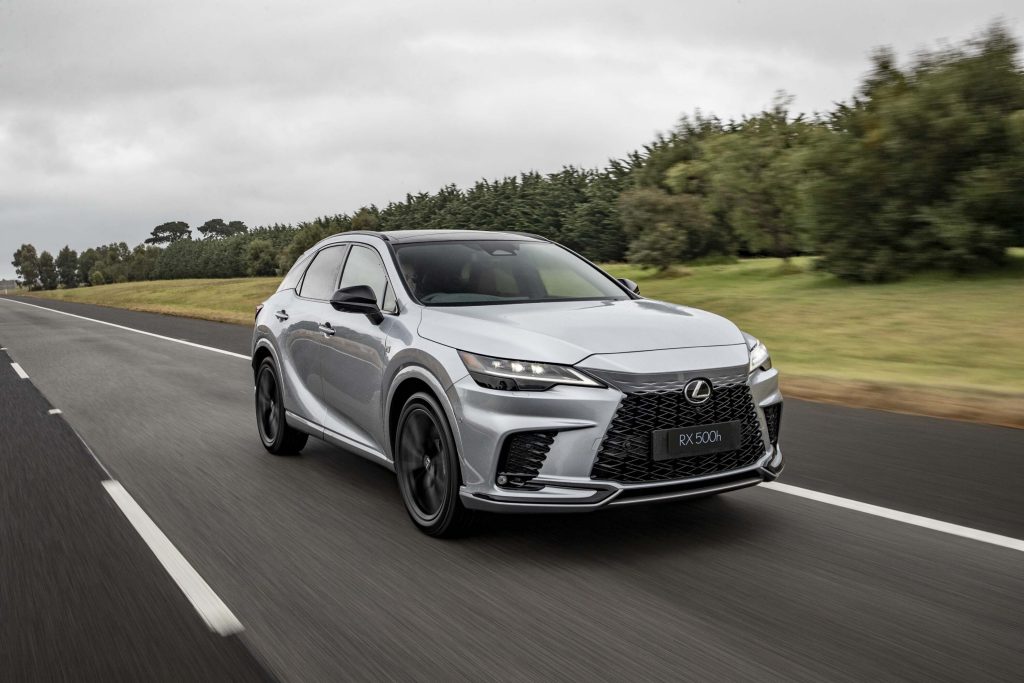
Yet the CX-50 provides more published cargo volume and a capable standard all-wheel-drive platform for dramatically less money. Buyers focused on utility and value may find the Mazda easier to justify than the pricier Lexus.
- Engine: 2.5-liter naturally aspirated inline-four
- Torque: 185 lb-ft
- Horsepower: 187 hp
- Length/Width: Approximately 185.8 inches / 75.6 inches
5. 2026 Honda Civic Si
Pricier Rival: Volkswagen Jetta GLI
A lower price does not always mean accepting a less serious driver’s car. The 2026 Honda Civic Si starts at $31,495 in the United States, and Honda gives every Si a six-speed manual transmission.
Its formula is tightly focused on driver involvement rather than luxury, which can make it a more rewarding choice than the pricier Volkswagen Jetta GLI for manual-transmission enthusiasts.
Honda’s turbocharged 1.5-liter four-cylinder produces 200 horsepower and 192 lb-ft of torque. Those figures do not overwhelm the Volkswagen on a specification sheet, but the Civic Si includes a standard helical limited-slip differential and has no automatic-transmission option.
The gearbox also incorporates rev-matching technology, bringing a feature associated with more expensive performance machinery into an affordable compact sedan.
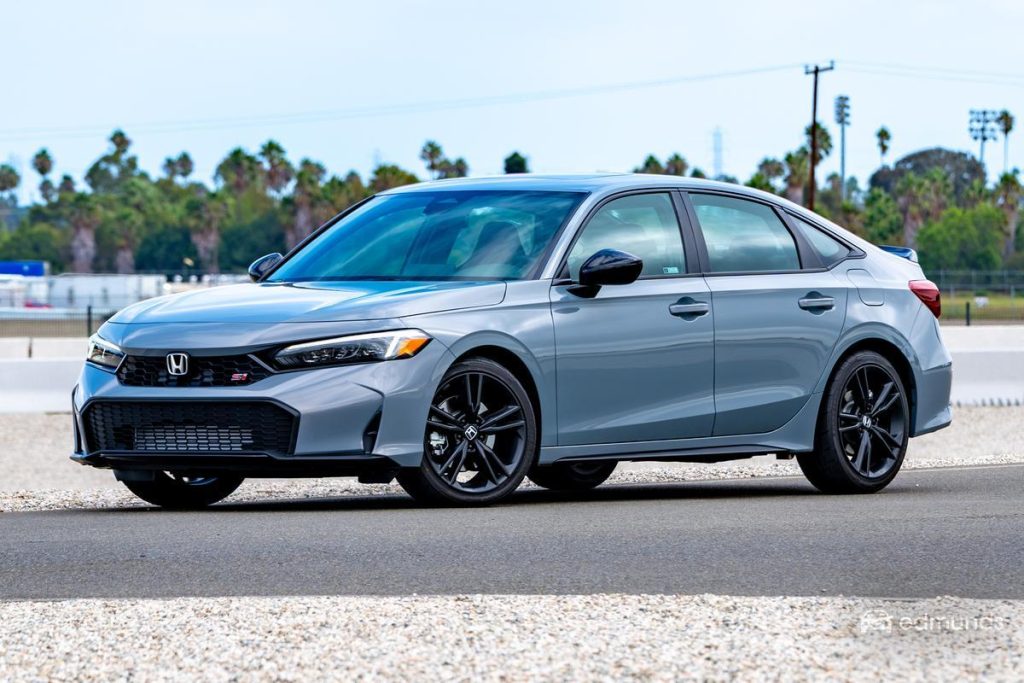
The Civic’s advantage becomes clearer when the road turns. Its suspension tuning and relatively modest power encourage drivers to carry speed rather than simply depend on turbocharged acceleration.
The Si is also practical enough for daily use, with four doors, a usable rear seat, and modern driver-assistance equipment. Honda includes wireless Apple CarPlay and Android Auto compatibility, a 12-speaker Bose audio system, and a moonroof in the 2026 specification.
Volkswagen’s Jetta GLI offers more torque and the option of a dual-clutch automatic, advantages that will matter to many buyers. Yet the Honda presents a more uncompromising manual-only identity.
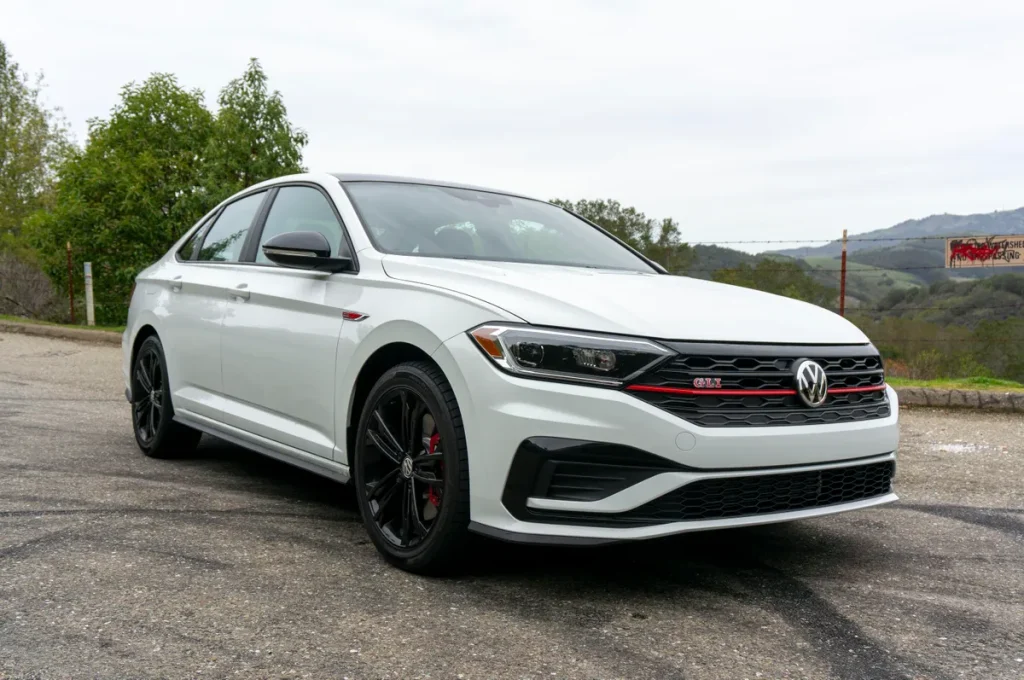
For someone prioritizing gear changes, front-wheel-drive chassis balance, and direct driver participation, the cheaper Civic Si can be the better performance sedan. Spending more does not automatically create a more engaging experience.
- Engine: 1.5-liter turbocharged inline-four
- Torque: 192 lb-ft
- Horsepower: 200 hp
- Length/Width: Approximately 185.0 inches / 70.9 inches
6. 2026 Kia K5 GT
Pricier Rival: Acura TLX
The Kia K5 GT creates an awkward comparison for more expensive premium sedans because its strongest number is difficult to hide: 290 horsepower.
Kia’s 2.5-liter turbocharged four-cylinder also produces 311 lb-ft of torque and sends its output through an eight-speed dual-clutch transmission. Kia states that AMCI-certified testing of the K5 GT recorded a 5.4-second 0-to-60-mph time.
Now place those numbers beside the price gap. Current comparison data puts the Acura TLX at a starting MSRP of $46,595, while the K5 lineup begins dramatically lower. The 2026 K5 GT has been listed at around $33,590 before destination in the current U.S. pricing information. That leaves the performance-focused Kia roughly $13,000 below the Acura’s entry point.
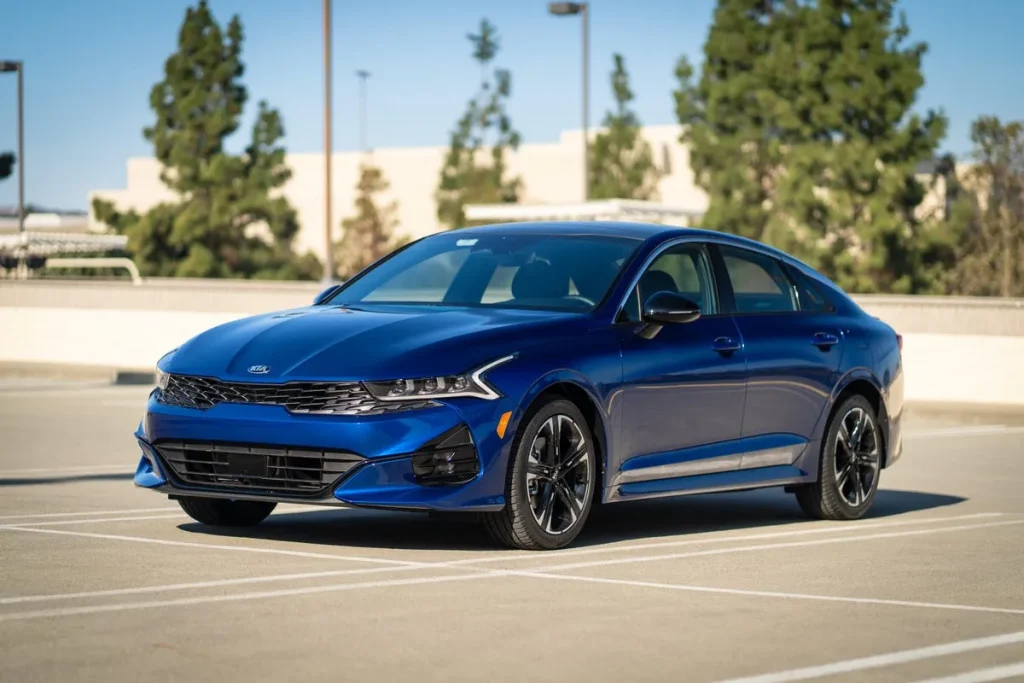
Kia also gives the GT hardware specifically intended to separate it from an ordinary family sedan. The eight-speed wet dual-clutch gearbox is paired with paddle shifters, and the GT’s driver-focused equipment includes performance-oriented details rather than relying on appearance alone.
The engine reaches its 311 lb-ft torque peak from 1,650 to 4,000 rpm, giving the car a broad range of strong turbocharged pulling power.
The Acura still makes a stronger luxury argument. Its premium positioning, interior presentation, and brand identity will appeal to buyers who want more than acceleration.
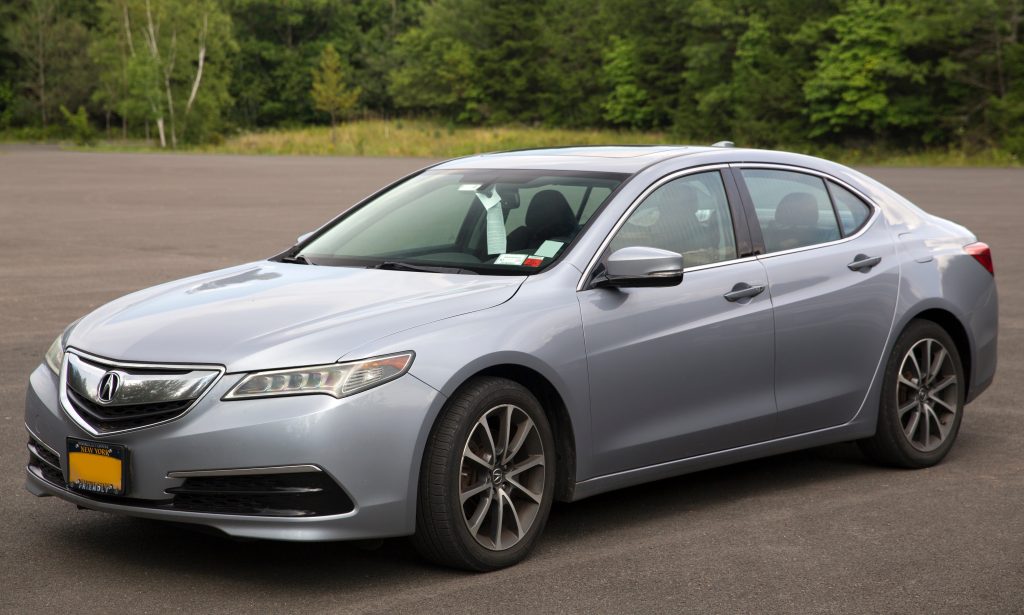
Pure value changes the decision. The K5 GT delivers 290 horsepower, 311 lb-ft, and a manufacturer-cited 5.4-second sprint for far less money. A premium badge cannot erase that performance-per-dollar advantage.
- Engine: 2.5-liter turbocharged inline-four
- Torque: 311 lb-ft
- Horsepower: 290 hp
- Length/Width: Approximately 193.1 inches / 73.2 inches
7. 2026 Subaru BRZ
Pricier Rival: Nissan Z Sport
The Nissan Z wins the horsepower contest before either car leaves the parking lot. Nissan charges $42,970 for the 2026 Z Sport and installs a 400-horsepower 3.0-liter twin-turbo V6. The Subaru BRZ Limited starts at $35,860 with only 228 horsepower.
Judged by engine output alone, spending more on the Nissan appears to be an easy decision. A sports car, however, is more than an engine specification.
Subaru’s naturally aspirated 2.4-liter flat-four produces 184 lb-ft of torque and sits low in the chassis. The BRZ is rear-wheel drive, and Subaru equips it with a Torsen limited-slip differential and track-tested suspension. A six-speed manual is available, preserving the direct mechanical involvement many buyers specifically want from an affordable coupe.
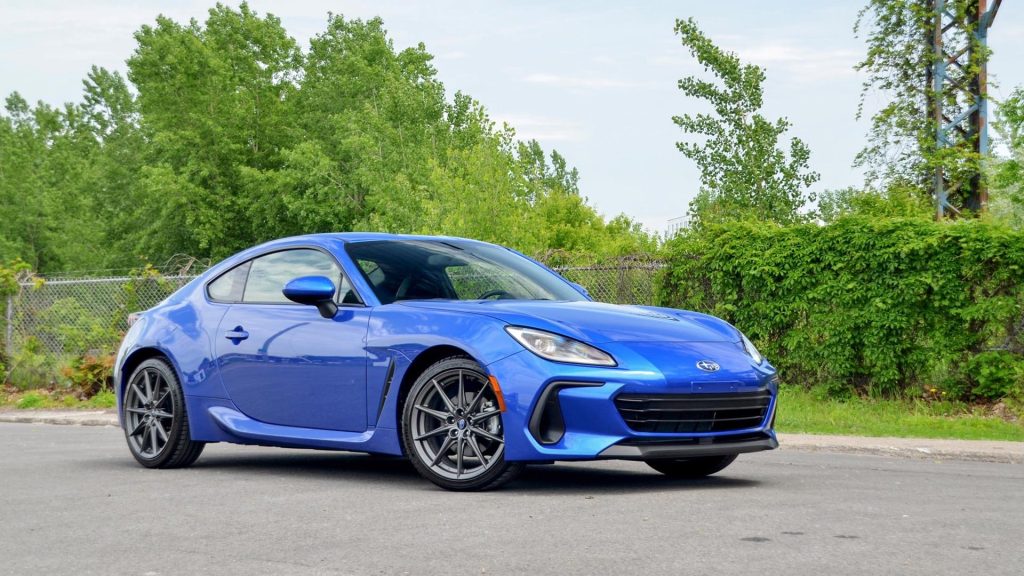
The Subaru’s advantage is how accessible its chassis can feel. Less power means a driver can use more throttle and work through the gearbox without immediately reaching extreme speeds. The compact dimensions and low engine placement support the balanced handling character that defines the BRZ.
Subaru has essentially concentrated its engineering budget on the fundamentals of a lightweight rear-wheel-drive sports car.
Nissan’s Z is unquestionably quicker. Its twin-turbo V6 provides vastly stronger acceleration, and buyers seeking straight-line performance receive far more power. The BRZ answers with a price advantage exceeding $7,000 and a deliberately simple performance formula.
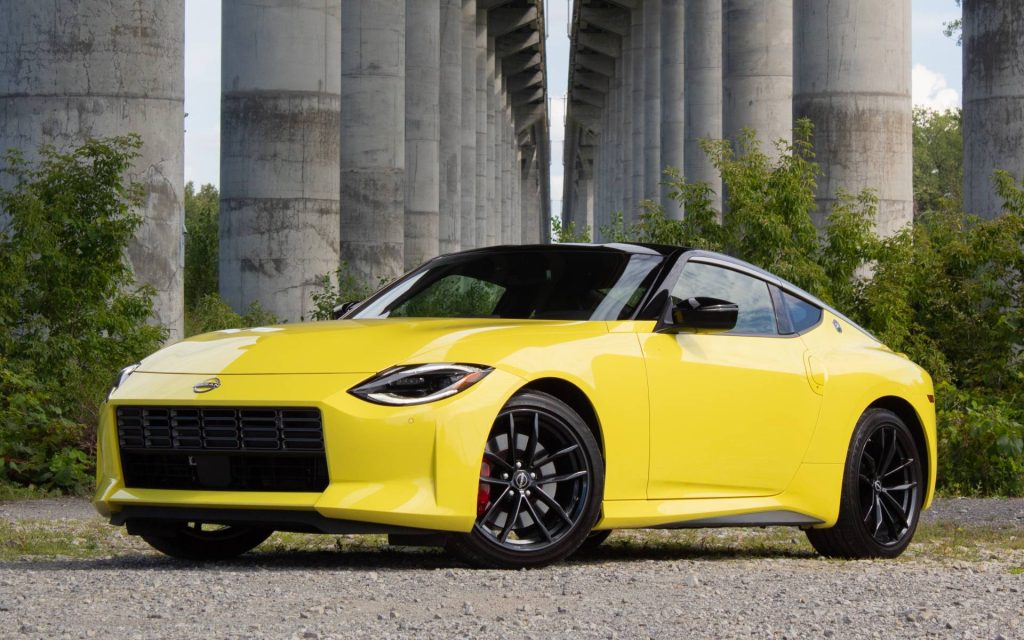
For a driver who values horsepower, the Nissan is the stronger machine. Someone prioritizing chassis feedback, naturally aspirated response, and affordable rear-wheel-drive involvement may find the cheaper Subaru more satisfying. The BRZ proves that paying for an additional 172 horsepower does not automatically buy the better driver’s car.
- Engine: 2.4-liter naturally aspirated flat-four
- Torque: 184 lb-ft
- Horsepower: 228 hp
- Length/Width: Approximately 167.9 inches / 69.9 inches
8. 2026 Ford Maverick Hybrid
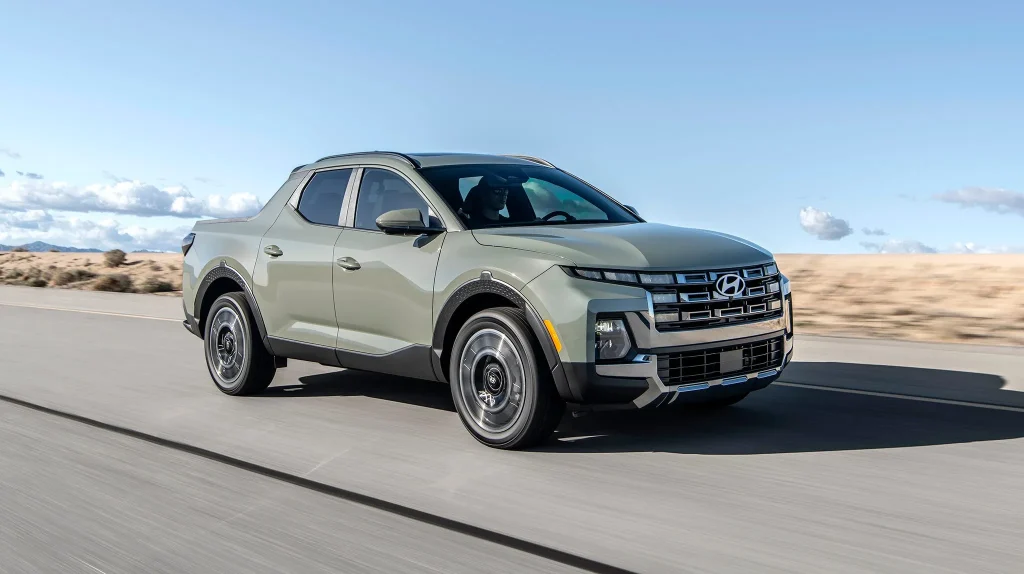
Pricier Rival: Hyundai Santa Cruz
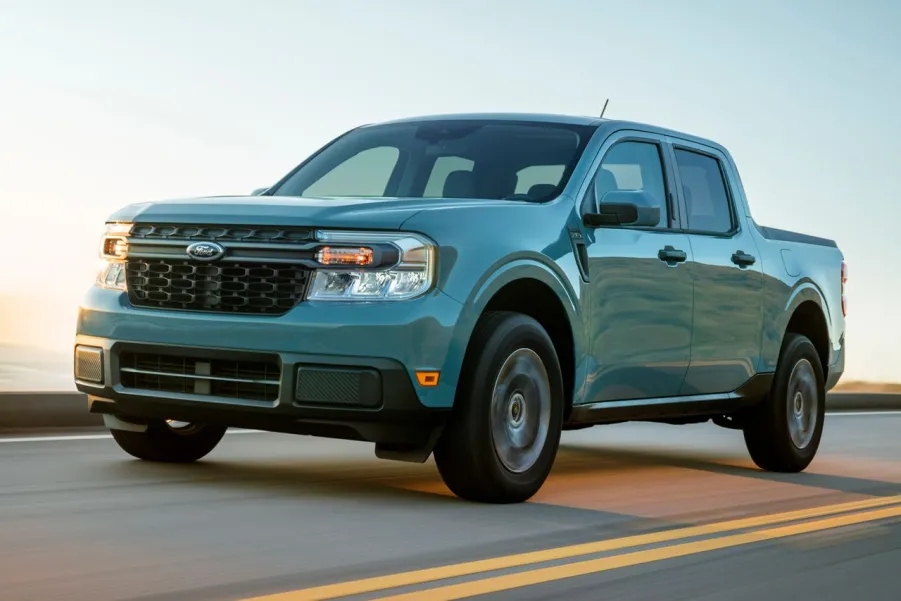
Pickup buyers are accustomed to paying more for additional size and power. The Ford Maverick Hybrid challenges that assumption by concentrating on two measurements that affect everyday ownership: purchase price and fuel economy. Against the more expensive Hyundai Santa Cruz, the Ford’s efficiency advantage is substantial enough to change the value calculation.
The 2026 Maverick starts around $28,145 in current U.S. pricing. By comparison, the 2026 Santa Cruz begins at $31,350. That immediately gives the Ford a price advantage of more than $3,000 before a buyer begins adding higher trims or optional equipment.
Fuel consumption creates the most important separation. EPA data cited in current testing material rates the front-wheel-drive Maverick Hybrid at up to 42 mpg city and 35 mpg highway, with an estimated 38 mpg combined. Hyundai lists the 2026 Santa Cruz SE, SEL, and SEL Activity AWD at 21 mpg city, 29 mpg highway, and 24 mpg combined.
That difference can matter every week rather than only during a performance test. A commuter covering substantial urban mileage can use considerably less fuel in the Maverick Hybrid. The Ford still provides a pickup bed and compact-truck utility, allowing owners to carry equipment or dirty cargo outside the passenger cabin.
The Santa Cruz has its own advantages. Its available turbocharged engine delivers significantly greater power, and Hyundai’s cabin and road manners may appeal to drivers seeking a crossover-like experience.
Ford wins the efficiency argument with remarkable clarity. The Maverick Hybrid costs less and can deliver dramatically stronger city fuel economy. For buyers who need a compact pickup utility but spend most of their time commuting, the cheaper Ford can be the smarter vehicle than its pricier Hyundai rival.
- Engine: 2.5-liter Atkinson-cycle inline-four with hybrid electric system
- Torque: 155 lb-ft from the gasoline engine
- Horsepower: 191 hp combined
- Length/Width: Approximately 199.8 inches / 72.6 inches
Also Read: The 10 Cars Owners Hold For 15 Years or More Are All Japanese
