
Pickup trucks are some of the hardest-working vehicles in the United States, but owner complaints can reveal safety concerns that sales figures and advertising rarely show. For this ranking, the focus is on complaints received by the National Highway Traffic Safety Administration during calendar year 2026 through the available July data.
NHTSA’s official five-year complaint files are organized by received date and updated daily, meaning a complaint filed in 2026 can involve a truck from an earlier model year. NHTSA also explains that owner complaints are analyzed with other information to identify potential safety defect trends and assess the scope or adequacy of recalls.
A high complaint count does not automatically prove that a truck is defective. These are owner allegations, and popular pickups with millions of vehicles on American roads naturally have greater exposure to complaint reporting.
Even so, repeated reports involving engine failure, sudden transmission downshifts, electrical power loss, or vehicle-control concerns deserve attention.
The trucks below stand out in 2026 complaint activity. Each has a different pattern of reported problems, making the federal data particularly useful for current owners and used-truck shoppers.
Also Read: 10 Things to Check During a Used Car Test Drive
1. Ford F-150
The Ford F-150’s complaint activity carries extra weight because transmission allegations involving older trucks developed into major federal action in 2026. NHTSA focused on 2015 through 2017 F-150 pickups equipped with the 6R80 six-speed automatic transmission after owners reported abrupt downshifts without driver input.
These were not simply complaints about rough shifting. Drivers described trucks suddenly selecting a lower gear at road speed, creating rapid deceleration and, in some cases, rear-wheel lock or skidding.
NHTSA’s Office of Defects Investigation identified more than 300 owner questionnaires associated with the issue. More than 40 percent described at least one wheel-lock event. The investigation covered approximately 1.27 million trucks before Ford moved to recall nearly 1.4 million F-150s in April 2026.
The suspected problem involved a loss of transmission sensor information linked to electrical connections affected by heat and vibration. Federal testing also identified another potential behavior in which signal loss could cause a truck reversing uphill to shift into neutral and roll forward.
The F-150’s huge U.S. vehicle population must be considered when interpreting complaint volume. Still, the severity of sudden downshift allegations separates this issue from ordinary reliability complaints. NHTSA’s 2026 action shows how repeated owner reports can contribute to a much larger defect review.
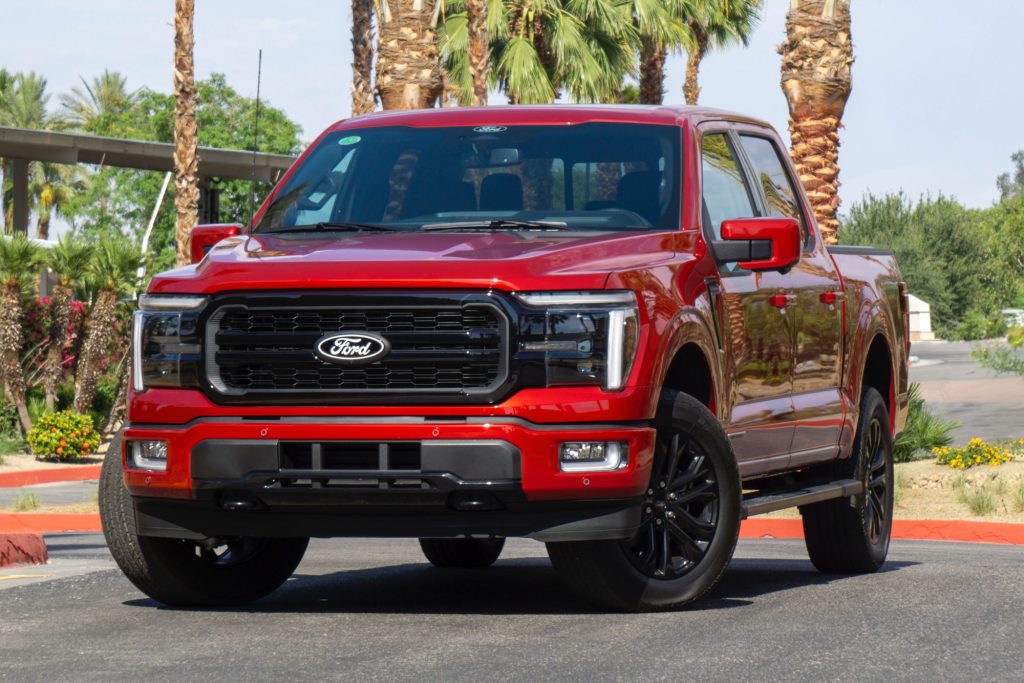
For used F-150 shoppers, model year, transmission type, VIN recall status, and repair history deserve careful verification.
- Engine: 2.7-liter EcoBoost twin-turbocharged V6, 2026 standard engine
- Torque: 400 lb-ft
- Horsepower: 325 hp
- Length/Width: 209.1 to 243.5 inches / 79.9 inches excluding mirrors
2. Chevrolet Silverado 1500
Engine failure defines the Chevrolet Silverado 1500’s most serious recent complaint story. Certain 2021 through 2024 Silverado 1500 pickups equipped with General Motors’ 6.2-liter L87 V8 became part of a federal safety investigation after owners alleged sudden engine seizure and loss of propulsion.
NHTSA initially opened its investigation after receiving 39 complaints involving L87-equipped GM vehicles. The examined population reached an estimated 877,710 trucks and SUVs. The agency investigated possible connecting-rod bearing failures that could seize the engine or allow a connecting rod to damage the engine block.
GM eventually recalled nearly 598,000 full-size trucks and SUVs in 2025. The campaign included affected Silverado 1500 pickups and addressed crankshaft and connecting-rod defects. Yet the safety discussion continued into 2026.
NHTSA opened a recall query after receiving 36 complaints alleging engine failures in vehicles that had already undergone the prescribed recall remedy.
That second phase is what makes the Silverado particularly important in 2026 complaint analysis. Federal regulators were examining not only the original failure condition but also whether the earlier remedy adequately addressed the problem.
An engine that loses propulsion in highway traffic creates a very different concern from an infotainment fault or cabin-quality issue. Owners may suddenly be unable to accelerate with surrounding traffic or move the pickup away from danger.
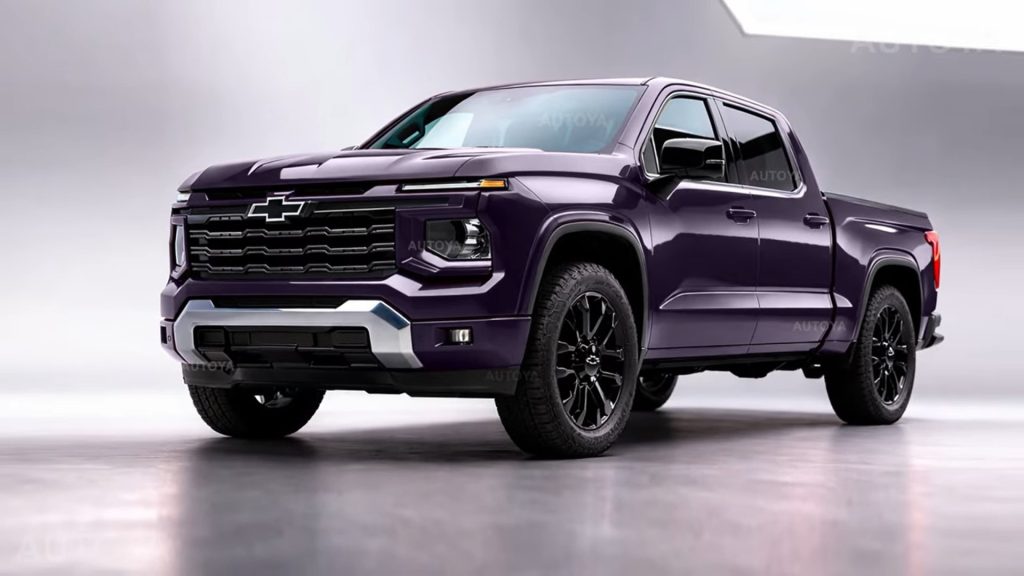
The complaint and investigation data do not establish that every Silverado or every 6.2-liter V8 will fail. Buyers should focus specifically on affected model years, engine configuration, recall completion, and documented service history before purchasing a used truck.
- Engine: 2.7-liter TurboMax turbocharged four-cylinder, 2026 standard engine
- Torque: 430 lb-ft
- Horsepower: 310 hp
- Length/Width: 211.0 to 242.4 inches / 81.2 inches excluding mirrors
3. Ram 1500
The Ram 1500 presents a broader complaint picture because reports received in 2026 can involve several generations of the pickup. NHTSA’s received-date system means older trucks remain relevant whenever owners submit new safety complaints during the current calendar year.
One major federal concern has involved alleged vehicle rollaway events. NHTSA examined approximately 1.2 million previously recalled Ram trucks after reports suggested some vehicles could experience unintended movement even after recall-related repairs. The investigation population covered certain 2013 through 2018 Ram 1500, 2500, 3500, 4500, and 5500 models.
Federal defect records cited 14 owner complaints and six death or injury reports connected with alleged post-remedy rollaway events. Those figures did not automatically establish a continuing defect in every recalled pickup, but they gave regulators reason to question the effectiveness of previous corrective action.
Newer Ram pickups have faced a different set of safety concerns. Certain 2025 and 2026 Ram 1500 trucks were recalled because a software error could cause the instrument panel cluster display to fail. Separate trailer tow module concerns also raised the possibility of inoperative trailer lights or trailer brakes.
This combination makes the Ram’s complaint profile different from trucks dominated by one engine or transmission issue. The reported problems cross mechanical, electrical, and electronic systems.
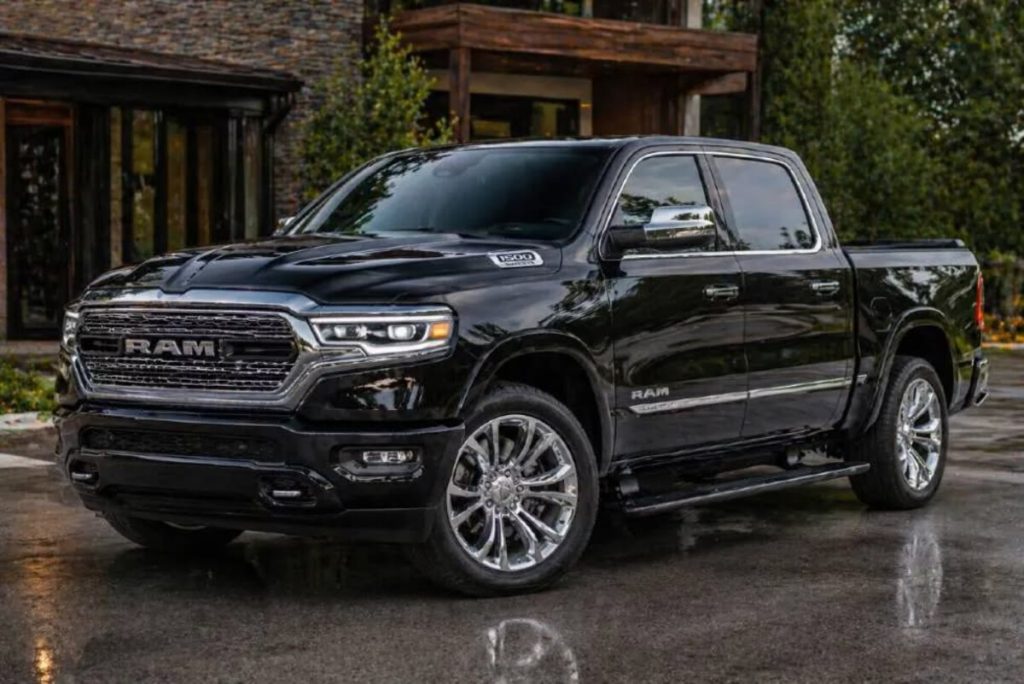
Complaint volume must still be viewed against the Ram’s large U.S. fleet. A report is an allegation rather than a confirmed defect finding. However, unintended movement and trailer braking concerns can carry direct safety consequences.
Checking the individual VIN is particularly important for a used Ram because model year, powertrain, production date, and previous recall work determine which federal campaigns may apply.
- Engine: 3.6-liter Pentastar V6 with eTorque, 2026 standard engine
- Torque: 269 lb-ft
- Horsepower: 305 hp
- Length/Width: 228.9 to 241.8 inches / 82.1 inches excluding mirrors
4. Toyota Tundra
Toyota built much of its truck reputation around durability, which is why recent Tundra engine complaints attracted so much attention. The third-generation pickup’s most significant safety problem centers on certain V35A twin-turbocharged V6 engines and the possibility of internal manufacturing debris.
Toyota’s recall documentation explains that machining debris may remain inside affected engines. Contamination can interfere with engine bearings and potentially lead to main-bearing failure. Warning signs may include abnormal knocking, rough running, difficulty starting, or complete engine failure.
The safety concern becomes more serious if the engine stalls while the Tundra is moving. Sudden loss of motive power can increase crash risk, particularly when entering a highway, traveling in fast traffic, or towing a heavy trailer.
Toyota previously recalled more than 100,000 Toyota and Lexus vehicles over the condition, including certain Tundra pickups.
The issue remained active in 2026 when another recall covering more than 43,500 vehicles included certain 2024 Tundras with V35A engines. Federal recall information again identified manufacturing debris, bearing damage, engine stall, and loss of drive power as key concerns.
Owner complaint narratives have also described knocking and engine failures at relatively low mileage. Such reports remain allegations until evaluated with engineering and manufacturer data, but the pattern is supported by a documented recall action addressing a specific manufacturing condition.
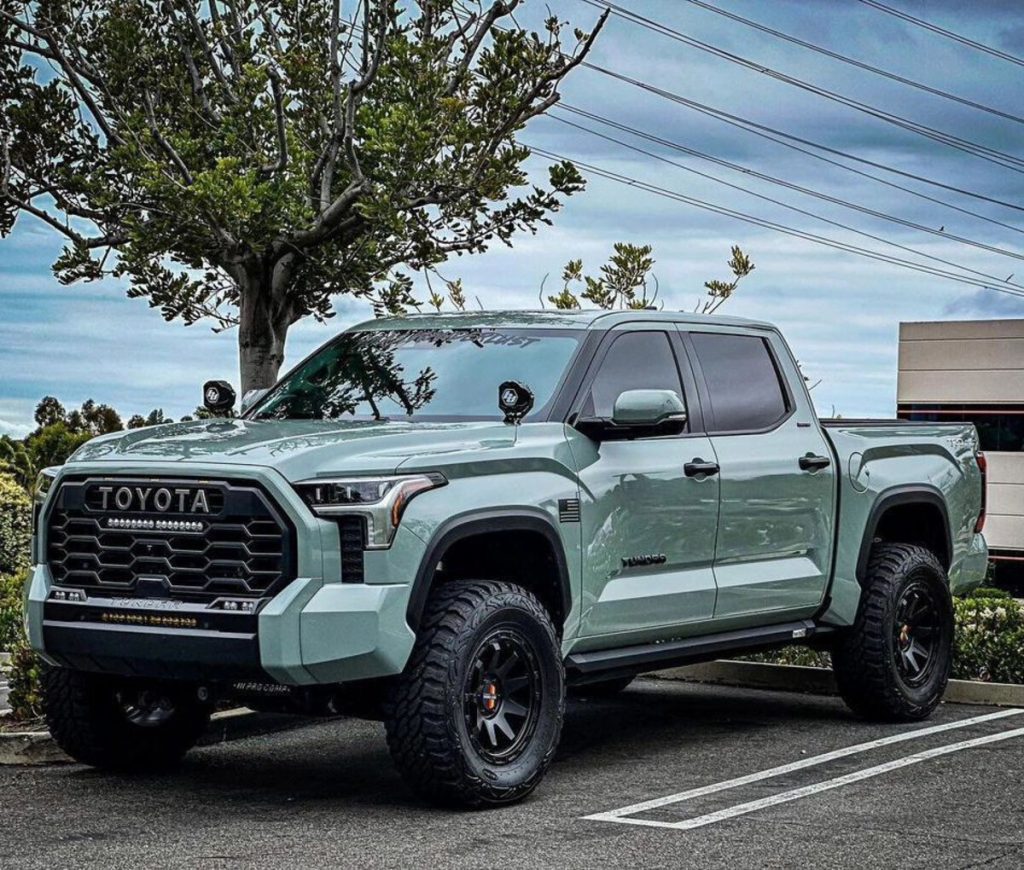
The Tundra’s situation differs sharply from a collection of unrelated quality complaints. Here, regulators and Toyota identified a defined engine issue capable of producing a serious loss-of-power event.
Anyone shopping for a 2022 through 2024 Tundra should verify the VIN, recall status, engine history, and dealer repair documentation rather than relying solely on the nameplate’s historic reputation for longevity.
- Engine: 3.4-liter i-FORCE twin-turbocharged V6
- Torque: 479 lb-ft
- Horsepower: 389 hp
- Length/Width: 233.6 to 252.5 inches / 80.2 inches excluding mirrors
5. GMC Sierra 1500
Although the GMC Sierra 1500 shares major components with the Chevrolet Silverado, NHTSA records owner complaints by make and model. That gives the Sierra its own complaint footprint, even when the underlying mechanical concern involves a General Motors engine used across several vehicles.
The 6.2-liter L87 V8 is central to the Sierra’s recent safety record. NHTSA began investigating L87 failures after 39 complaints described engine problems in GM trucks and SUVs. Regulators examined an estimated 877,710 vehicles for possible connecting-rod bearing failure, engine seizure, and severe internal engine damage.
The resulting GM recall covered nearly 598,000 vehicles, including certain 2021 through 2024 GMC Sierra 1500 pickups. The concern involved crankshaft and connecting-rod manufacturing defects capable of causing engine damage and a loss of propulsion.
What changed the story in 2026 was the arrival of complaints from owners whose vehicles had already received recall-related work. NHTSA opened Recall Query RQ26001 after receiving 36 allegations of engine failure following the earlier remedy. The agency’s attention therefore shifted toward whether the corrective procedure was sufficient.
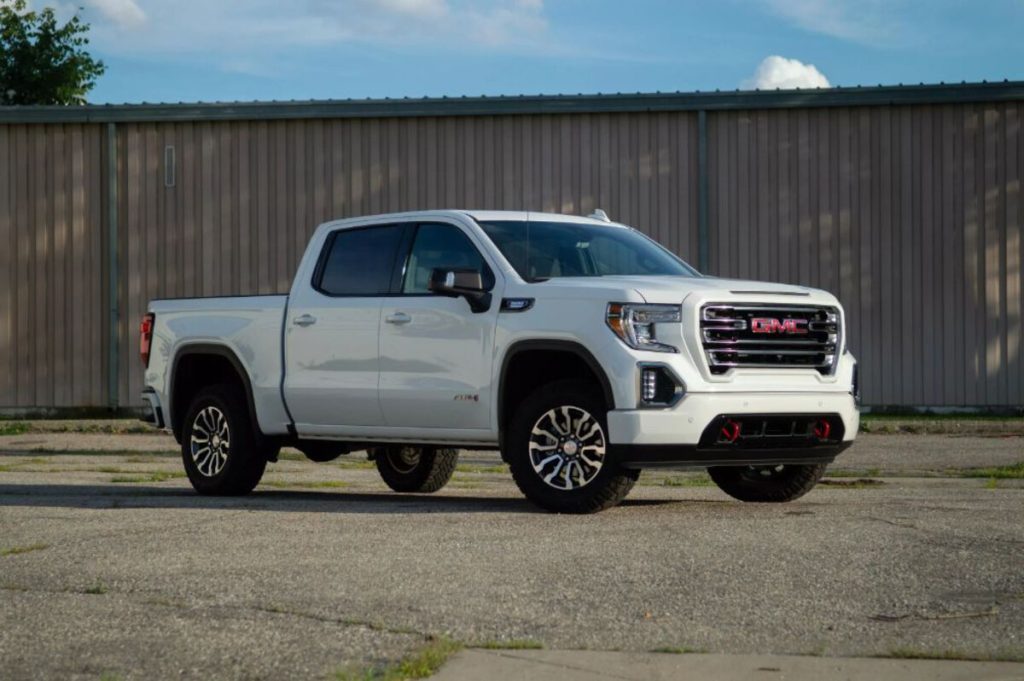
For Sierra drivers, sudden propulsion loss can become especially concerning during towing. A pickup pulling a trailer needs predictable engine response to merge, climb grades, and maintain speed with surrounding traffic.
It is important not to apply the L87 investigation to every Sierra powertrain. GMC offers four-cylinder, diesel, and other V8 configurations, and the documented engine investigation concerns a specific engine family and affected production population.
The Sierra’s presence here reflects the seriousness of the reported failures and continued federal scrutiny. Used buyers considering an L87-equipped truck should examine VIN recall records and service documentation closely.
- Engine: 2.7-liter TurboMax turbocharged four-cylinder, 2026 standard engine
- Torque: 430 lb-ft
- Horsepower: 310 hp
- Length/Width: 211.0 to 242.4 inches / 81.2 inches excluding mirrors
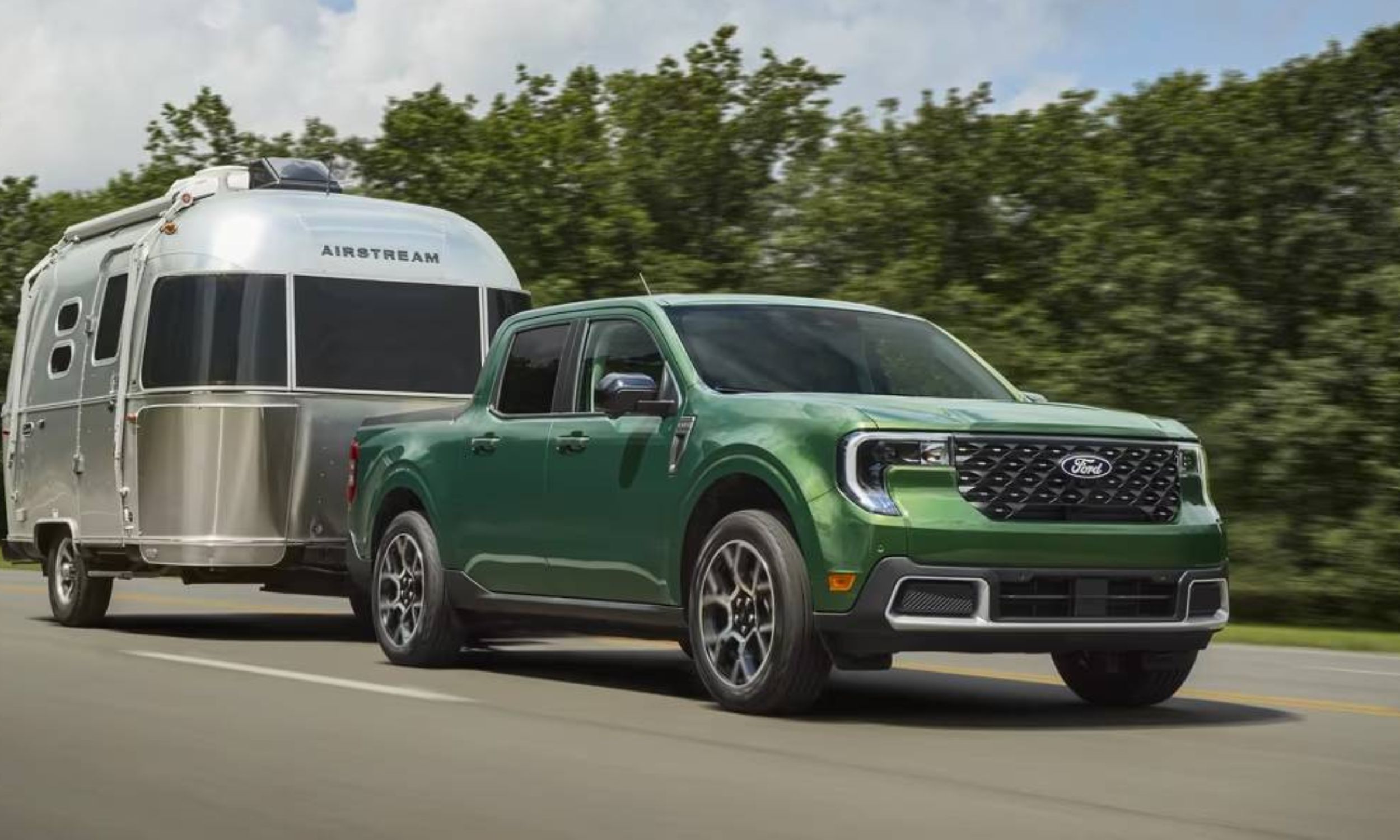
6. Ford Maverick
No single defect fully explains the Ford Maverick’s recent federal safety activity. Instead, this compact pickup has appeared in complaints and recall actions involving electrical power, suspension hardware, software, and towing systems.
Battery-related power loss became an important concern. NHTSA examined an earlier Ford recall affecting approximately 457,000 Maverick pickups and Bronco Sport SUVs because degraded 12-volt batteries could lead to sudden electrical problems or loss of power.
Five owners reported that the issue occurred even after recall repairs, prompting federal regulators to examine remedy effectiveness.
A more physically serious concern emerged with the Maverick’s front suspension. Ford issued a Do Not Drive warning for certain 2022 through 2026 Mavericks and 2021 through 2026 Bronco Sports. Approximately 4,600 vehicles were covered. Improperly installed or repaired front lower control arm ball joints could detach and cause a loss of vehicle control.
That risk is fundamentally different from a dashboard software fault. A ball joint is a critical suspension connection. Separation can alter wheel position and seriously affect the driver’s ability to control the vehicle.
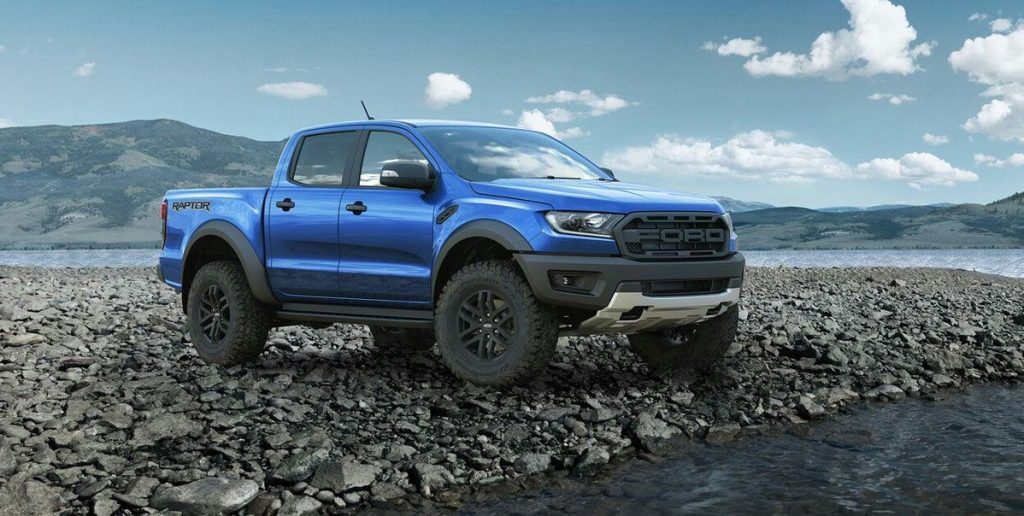
Trailer electronics created another issue. A 2026 Ford recall covering 4.3 million U.S. vehicles included certain Mavericks because an integrated trailer module communication failure could disable trailer brakes and exterior trailer lights. Ford identified 407 potentially related incidents while reporting no known crashes attributed to the condition at that stage.
The Maverick’s growing sales population provides important context for complaint volume, but its safety record cannot be reduced to popularity alone. Electrical power loss, suspension separation, and trailer brake problems involve three distinctly different risks.
Owners should use VIN-specific recall information because the affected model years and production populations vary between campaigns.
- Engine: 2.0-liter EcoBoost turbocharged four-cylinder, 2026 standard engine
- Torque: 275 lb-ft
- Horsepower: 250 hp
- Length/Width: 199.8 inches / 72.6 inches excluding mirrors
7. Toyota Tacoma
The Toyota Tacoma’s presence in NHTSA complaint data comes during a major generational transition for one of America’s best-known midsize pickups.
Complaints tied to recent Tacomas have covered powertrain behavior, braking, electrical systems, and other vehicle-control concerns, while Toyota has also faced documented safety campaigns involving the truck.
One significant action involved certain 2024 and 2025 Tacoma four-wheel-drive models. Toyota recalled approximately 106,000 Tacoma pickups because rear brake hoses could be damaged by accumulated mud and dirt inside the rear wheels.
According to the safety recall description, debris buildup could contact the brake hoses and cause damage over time. A damaged hose may leak brake fluid, reducing braking performance and increasing crash risk.
The problem is particularly relevant to Tacoma because many owners actively use these trucks off-pavement. Mud, dirt, and debris exposure is not an unusual operating condition for a vehicle heavily marketed around trail capability. That gives the brake-hose concern a practical dimension beyond laboratory testing.
Other owner allegations in the NHTSA record have involved transmission behavior, warning messages, electrical faults, and unexpected powertrain concerns. These reports do not prove that every new-generation Tacoma shares a common defect.
NHTSA complaints are owner submissions and must be assessed with recall records, technical information, and manufacturer data.
Toyota’s fourth-generation Tacoma also uses a very different powertrain strategy from its predecessor. Turbocharged four-cylinder engines replaced the old naturally aspirated V6, bringing additional software and electronic controls into the truck’s operating systems.
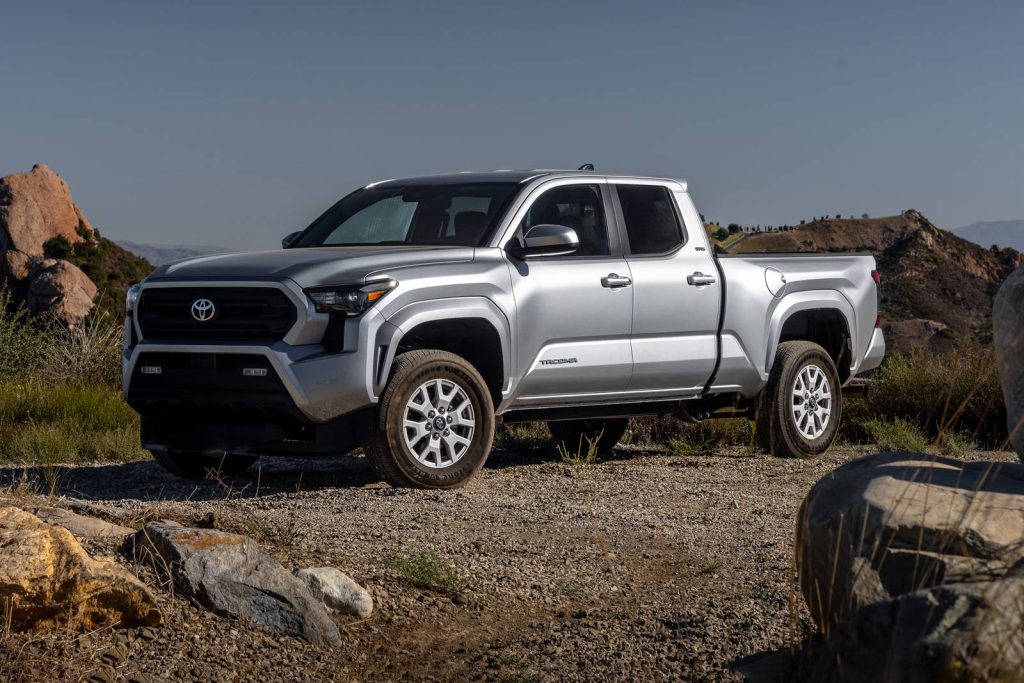
For current owners and used buyers, VIN-specific recall checks remain essential. Tacoma’s complaint activity does not erase its long-standing reputation, but documented braking concerns show why reputation alone should never replace current federal safety data.
- Engine: 2.4-liter i-FORCE turbocharged four-cylinder
- Torque: Up to 317 lb-ft
- Horsepower: Up to 278 hp
- Length/Width: Approximately 213.0 to 226.2 inches / up to 77.9 inches wide, excluding mirrors
8. Nissan Frontier
The Nissan Frontier closes the ranking with a complaint pattern that is less dominated by one catastrophic engine investigation and more spread across electrical, powertrain, braking, and vehicle hardware concerns.
NHTSA’s model pages and complaint records show why the Frontier remains relevant when reviewing owner-submitted safety reports rather than relying only on manufacturer reliability claims.
A particularly clear 2026 safety action involved certain 2025 and 2026 Frontier pickups. Nissan recalled 26,432 vehicles across several nameplates because door strikers may have been improperly welded.
The affected population included the Frontier, Altima, Sentra, and Kicks. NHTSA Campaign 26V023000 identifies a risk that a defective door striker could break. The consequence is more serious than a door becoming difficult to close. If the striker fails, a door may open while the vehicle is moving.
NHTSA’s recall information states that the condition fails to comply with Federal Motor Vehicle Safety Standard No. 206 covering door locks and door retention components. An open door can increase injury risk, particularly during a crash.
Frontier owner complaints from recent model years have also centered on electrical systems, powertrain operation, service brakes, engines, and backup camera or infotainment behavior. Those categories represent separate allegations rather than proof of one universal Frontier defect.
This gives Nissan’s midsize pickup a noticeably different profile from the F-150’s sudden-downshift investigation or the Tundra’s documented engine-debris problem.
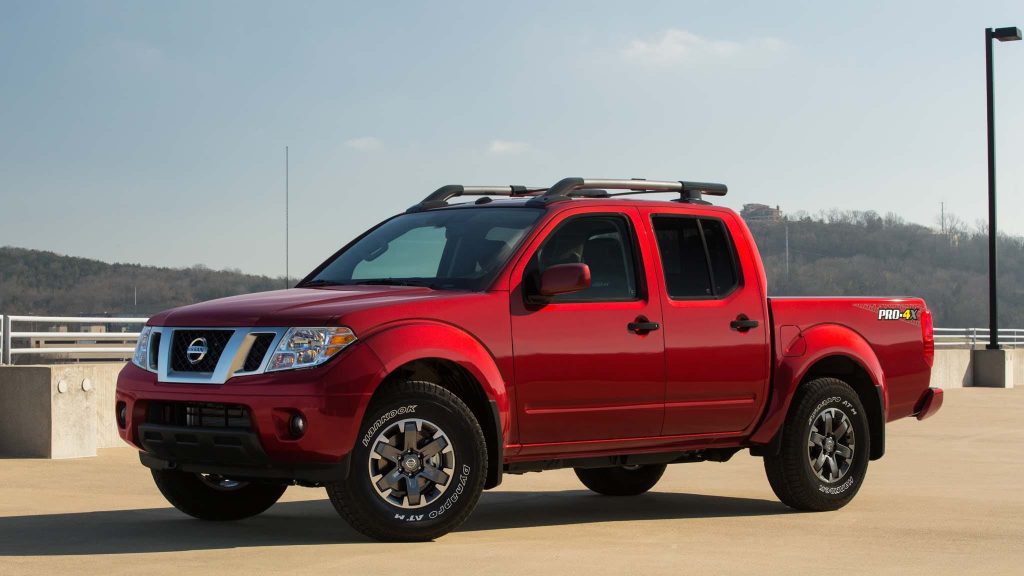
The Frontier’s safety record is more fragmented, requiring buyers to examine individual complaints and recall campaigns rather than assume every report has the same cause. For shoppers, the VIN remains the most precise tool for identifying an open recall. Production timing matters, and not every 2025 or 2026 Frontier is included in the door-striker campaign.
- Engine: 3.8-liter naturally aspirated V6
- Torque: 281 lb-ft
- Horsepower: 310 hp
- Length/Width: Approximately 210.2 to 224.1 inches / 73.0 to 74.7 inches wide, excluding mirrors
Also Read: 10 Numbers on Your Window Sticker and What Each One Really Means
