
Ground clearance is an important factor that affects how a vehicle performs on different types of roads. It refers to the distance between the lowest point of a car’s body and the surface beneath it.
A vehicle with higher ground clearance can handle rough roads, uneven terrain, potholes, and steep surfaces more easily because there is less of a chance of the underbody touching the ground. This feature is especially useful for drivers who frequently travel through areas with poor road conditions or need a vehicle suitable for outdoor journeys.
On the other hand, cars with very low ground clearance are designed with different priorities. These vehicles often focus on sporty handling, improved stability, better aerodynamics, and a lower center of gravity.
While they can provide an engaging driving experience on smooth roads, they may require more caution when dealing with speed breakers, damaged roads, or steep entrances. Car manufacturers carefully adjust ride height depending on the purpose of the vehicle, whether it is built for adventure, daily commuting, luxury travel, or high performance.
This article covers four cars known for their impressive ground clearance and four cars that sit much closer to the road. Understanding these differences can help buyers choose a vehicle that matches their driving needs and environment.
Also Read: 10 Car Brands Most Likely to Cross 250,000 Miles
Cars with the Highest Ground Clearance
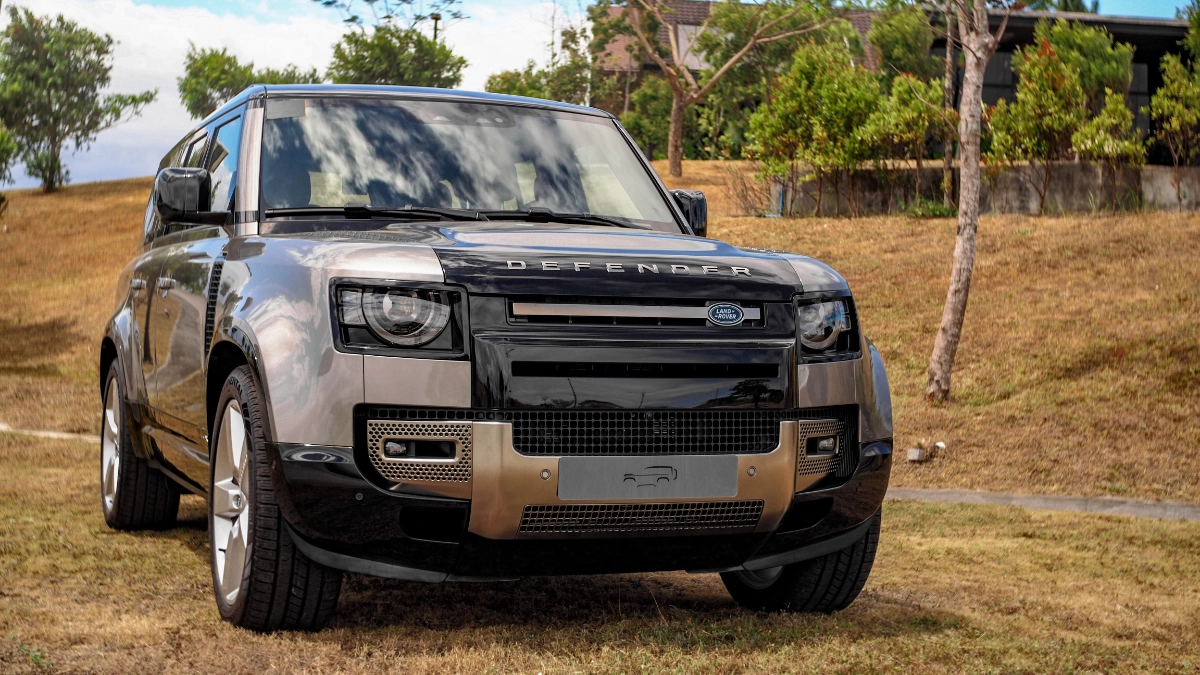
- Engine: 3.0-litre twin-turbocharged inline-six petrol/diesel options; V8 option available in some markets
- Torque: Up to 750 Nm (Defender V8)
- Horsepower: Up to 525 hp (Defender V8)
- Length: Approx. 5,018 mm
- Width: Approx. 2,008 mm (excluding mirrors)
- Ground Clearance: Approx. 291 mm (with raised air suspension)
1. Land Rover Defender
The Land Rover Defender has earned a strong reputation as a capable off-road vehicle with excellent ground clearance. The latest-generation Defender offers a high ride height that allows it to travel across challenging surfaces such as rocky trails, muddy paths, and uneven roads.
Its design combines modern comfort with traditional off-road ability, making it suitable for drivers who need both everyday practicality and adventure capability.
The Defender’s ground clearance is supported by its advanced suspension system, which allows the vehicle to adjust its height depending on driving conditions.
When additional clearance is needed for rough terrain, the suspension can raise the vehicle to provide more space between the ground and the underside of the car. This helps reduce the risk of damage when crossing obstacles such as stones, deep tracks, or steep sections.
A major advantage of the Defender is its approach and departure angles. These measurements determine how easily a vehicle can climb over obstacles without the front or rear bumpers touching the surface. The Defender’s rugged construction and carefully designed body shape allow it to handle difficult routes more effectively than many standard SUVs.
The vehicle also includes modern technology designed to support off-road driving. Features such as terrain management systems, hill descent control, and advanced traction systems help drivers maintain control in difficult conditions. These technologies work together with the high ground clearance to improve confidence when driving away from paved roads.
The Land Rover Defender represents a balance between luxury and durability. It provides comfortable interiors, advanced features, and strong performance while maintaining the ability to travel through demanding environments. For buyers looking for a premium SUV with serious off-road capability, its high ground clearance is a major benefit.
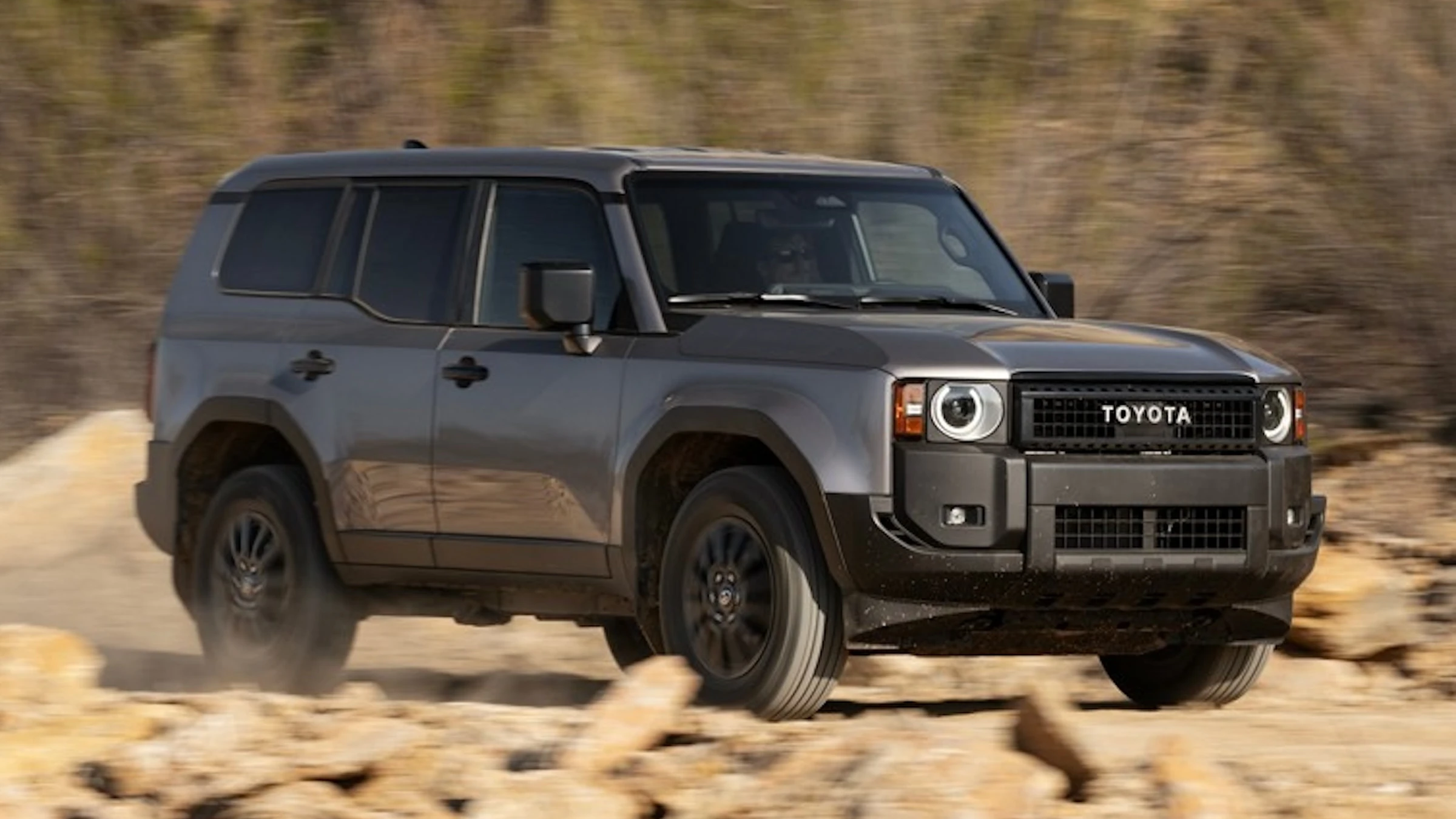
- Engine: 3.3-litre twin-turbo V6 diesel / 3.5-litre twin-turbo V6 petrol (market dependent)
- Torque: Up to 700 Nm
- Horsepower: Up to 409 hp
- Length: Approx. 4,985 mm
- Width: Approx. 1,980 mm
- Ground Clearance: Approx. 235 mm
2. Toyota Land Cruiser
The Toyota Land Cruiser is widely recognized for its durability and off-road performance. For decades, it has been used in regions where vehicles need to handle challenging roads, extreme weather, and remote locations. Its generous ground clearance allows it to move across rough surfaces while protecting important mechanical components underneath the vehicle.
Toyota designed the Land Cruiser with a strong body structure and a suspension system capable of handling difficult terrain. The vehicle’s height helps it cross uneven ground, loose gravel, and muddy areas with reduced risk of underbody impact. This makes it a popular choice among drivers who require a dependable SUV for demanding conditions.
The Land Cruiser’s reputation comes from decades of engineering focused on reliability. Many owners value its ability to continue operating in environments where regular vehicles may struggle. Its high ground clearance is combined with strong four-wheel-drive systems, giving it the ability to maintain traction on challenging surfaces.
Inside the cabin, the Land Cruiser offers a comfortable experience with premium materials and modern technology. This combination of rugged ability and passenger comfort has helped it remain popular among families, professionals, and adventure enthusiasts. It does not sacrifice everyday usability while offering serious off-road capability.
The Toyota Land Cruiser continues to represent strength and reliability in the SUV segment. Its high ground clearance, durable construction, and proven performance make it a suitable choice for people who frequently encounter difficult roads or want a vehicle prepared for outdoor conditions.
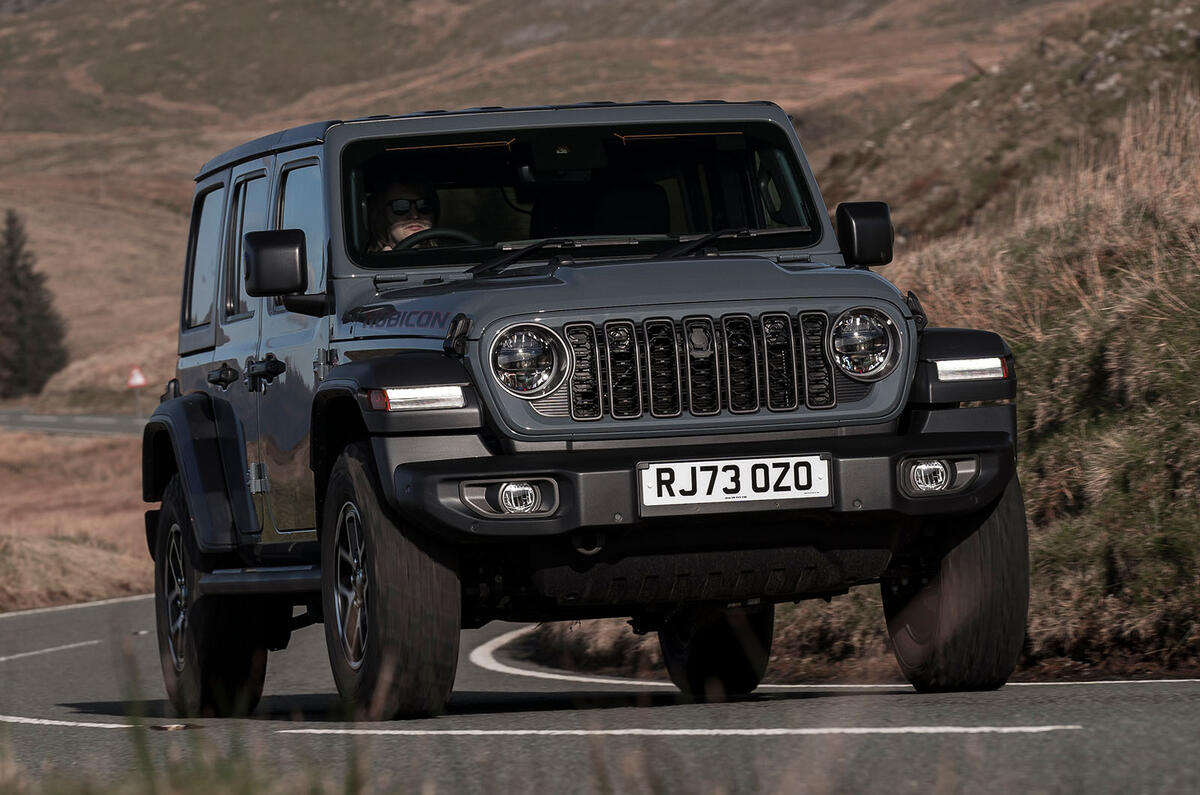
- Engine: 2.0-litre turbocharged petrol / 3.6-litre Pentastar V6 / 6.4-litre V8 (Rubicon 392)
- Torque: Up to 637 Nm (Rubicon 392)
- Horsepower: Up to 470 hp (Rubicon 392)
- Length: Approx. 4,882 mm (4-door version)
- Width: Approx. 1,894 mm
- Ground Clearance: Approx. 277 mm
3. Jeep Wrangler
The Jeep Wrangler is a vehicle built around off-road capability. Its design is inspired by classic military-style utility vehicles, but modern versions include improved comfort, technology, and safety features. High ground clearance is among its most important characteristics, allowing it to handle trails, rocks, sand, and uneven terrain.
The Wrangler’s tall stance provides additional space between the vehicle’s body and the ground. This allows drivers to approach obstacles with greater confidence. Its strong suspension system and specialized four-wheel-drive options help it maintain performance in difficult environments where ordinary vehicles may not be suitable.
Another key feature of the Wrangler is its ability to adapt to outdoor adventures. Many versions offer removable doors, removable roof panels, and customizable accessories. These features appeal to drivers who enjoy outdoor activities and want a vehicle that supports an active lifestyle.
The Wrangler also benefits from excellent approach and departure angles. These design features allow it to climb steep surfaces and pass over obstacles without damaging important parts of the vehicle. Its high ground clearance works together with its body design to create a highly capable off-road machine.
While the Wrangler is designed for adventure, it remains practical for daily use. Modern versions include improved interior comfort, connectivity features, and driver assistance systems. Its combination of traditional off-road design and modern improvements makes it a popular choice among SUV buyers seeking high ground clearance.

- Engine: 4.0-litre twin-turbocharged V8 petrol engine
- Torque: 850 Nm
- Horsepower: 577 hp
- Length: Approx. 4,873 mm
- Width: Approx. 1,984 mm
- Ground Clearance: Approx. 241 mm
4. Mercedes-Benz G-Class
The Mercedes-Benz G-Class, commonly known as the G-Wagon, is a luxury SUV that combines premium features with strong off-road ability. Although it is often associated with luxury and performance, its engineering includes features designed for challenging terrain. Its high ground clearance allows it to handle uneven surfaces while maintaining a commanding driving position.
The G-Class uses a strong ladder-frame construction, which provides durability and support during demanding driving conditions. This type of structure is commonly found in vehicles designed for heavy-duty use because it can withstand greater stress compared with many standard car platforms.
Its suspension system and four-wheel-drive technology help the G-Class maintain traction across different surfaces. Whether driving through gravel roads, muddy paths, or steep terrain, the vehicle offers the capability expected from a serious off-road SUV. The high ride height contributes to its ability to handle obstacles.
The interior of the G-Class focuses heavily on luxury. High-quality materials, advanced technology, and comfortable seating create a premium environment for passengers. This combination allows owners to enjoy a refined driving experience without giving up off-road capability.
The Mercedes-Benz G-Class demonstrates that luxury and rugged performance can exist together. Its high ground clearance and durable engineering make it suitable for drivers who want a premium SUV with the ability to handle challenging roads.
Also Read: The 10 Cars Owners Hold For 15 Years or More Are All Japanese
Cars with the Lowest Ground Clearance
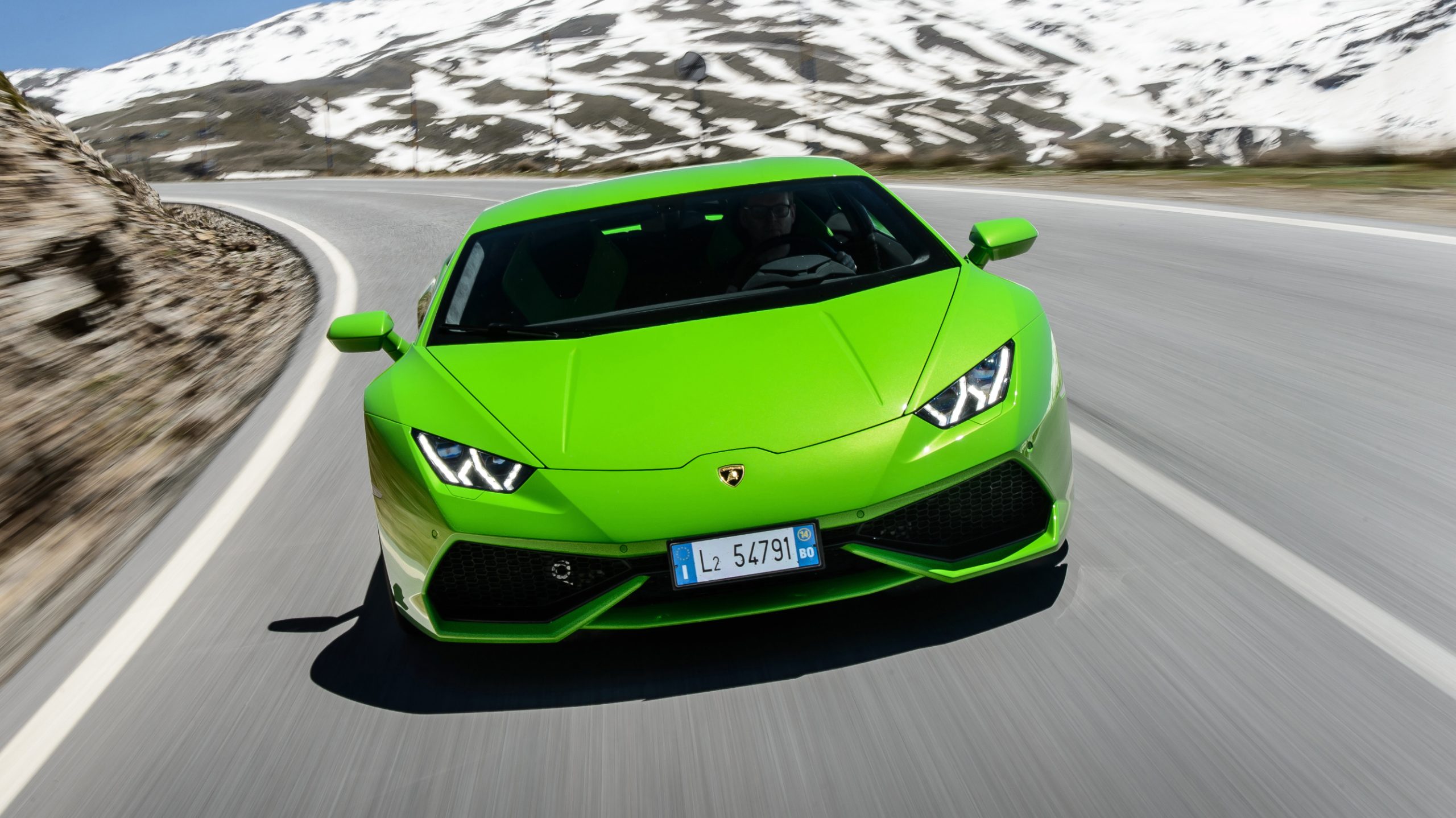
- Engine: 5.2-litre naturally aspirated V10 petrol engine
- Torque: 600 Nm
- Horsepower: Up to 631 hp (Huracán EVO)
- Length: Approx. 4,520 mm
- Width: Approx. 1,933 mm
- Ground Clearance: Approx. 135 mm
1. Lamborghini Huracán
The Lamborghini Huracán is a high-performance sports car designed for speed, handling, and aerodynamic efficiency. Its extremely low ground clearance helps keep the vehicle close to the road, improving stability during high-speed driving. A lower ride height reduces body movement and helps the car maintain better control during sharp turns.
The Huracán’s design focuses on maximizing performance. Its low profile allows air to flow more effectively around the vehicle, helping improve aerodynamic performance. Every part of its shape is created with speed and handling in mind, including the close connection between the vehicle and the road surface.
A low ground clearance also contributes to a lower center of gravity. This improves cornering ability because the vehicle experiences less body roll during aggressive driving. Sports car manufacturers often use this approach to create a more responsive and precise driving experience.
However, the Huracán’s low height requires careful driving on uneven roads. Speed breakers, steep ramps, and rough surfaces can become challenging because the underside of the vehicle has limited space from the ground. Many owners need to plan routes carefully to avoid potential damage.
The Lamborghini Huracán shows how low ground clearance can benefit performance-focused vehicles. While it is not designed for rough terrain, its low stance plays an important role in delivering the sharp handling and driving excitement expected from a supercar.
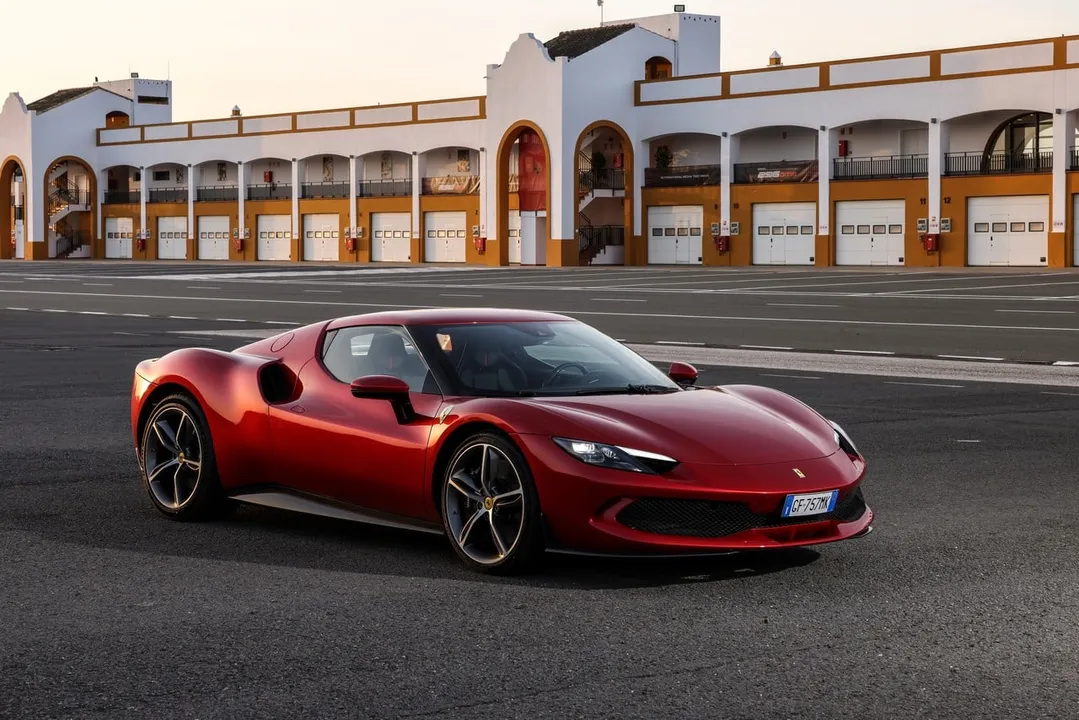
- Engine: 3.0-litre twin-turbocharged V6 plug-in hybrid petrol engine
- Torque: 740 Nm (combined system output)
- Horsepower: 819 hp
- Length: Approx. 4,565 mm
- Width: Approx. 1,958 mm
- Ground Clearance: Approx. 100 to 120 mm (varies with setup)
2. Ferrari 296 GTB
The Ferrari 296 GTB is a modern sports car created with a strong focus on performance, balance, and driving precision. Its low ground clearance is an important part of its design philosophy because it helps the vehicle remain stable at high speeds.
By sitting close to the road, the car achieves a lower center of gravity, which improves handling during fast cornering and sudden changes in direction.
The low ride height of the 296 GTB works together with its aerodynamic design. Ferrari engineers carefully shape the body to manage airflow around and beneath the vehicle. A lower position helps reduce air resistance and improves the way the car produces downforce, which increases grip when driving at higher speeds.
The suspension system of the 296 GTB is designed for performance driving. It provides precise responses and helps the driver feel connected to the road. The low stance allows the suspension components to work effectively during spirited driving, giving the vehicle a balanced and controlled feel.
A vehicle with such low ground clearance requires more attention when driven on normal roads. Parking ramps, uneven streets, tall speed breakers, and steep driveways can create challenges. Drivers often need to approach these areas slowly and carefully to prevent contact between the road surface and the underside of the car.
The Ferrari 296 GTB represents the purpose of low ground clearance in performance vehicles. Its design is not meant for difficult terrain but for delivering an exciting and precise driving experience. The reduced ride height contributes to its speed, handling ability, and connection with the road.
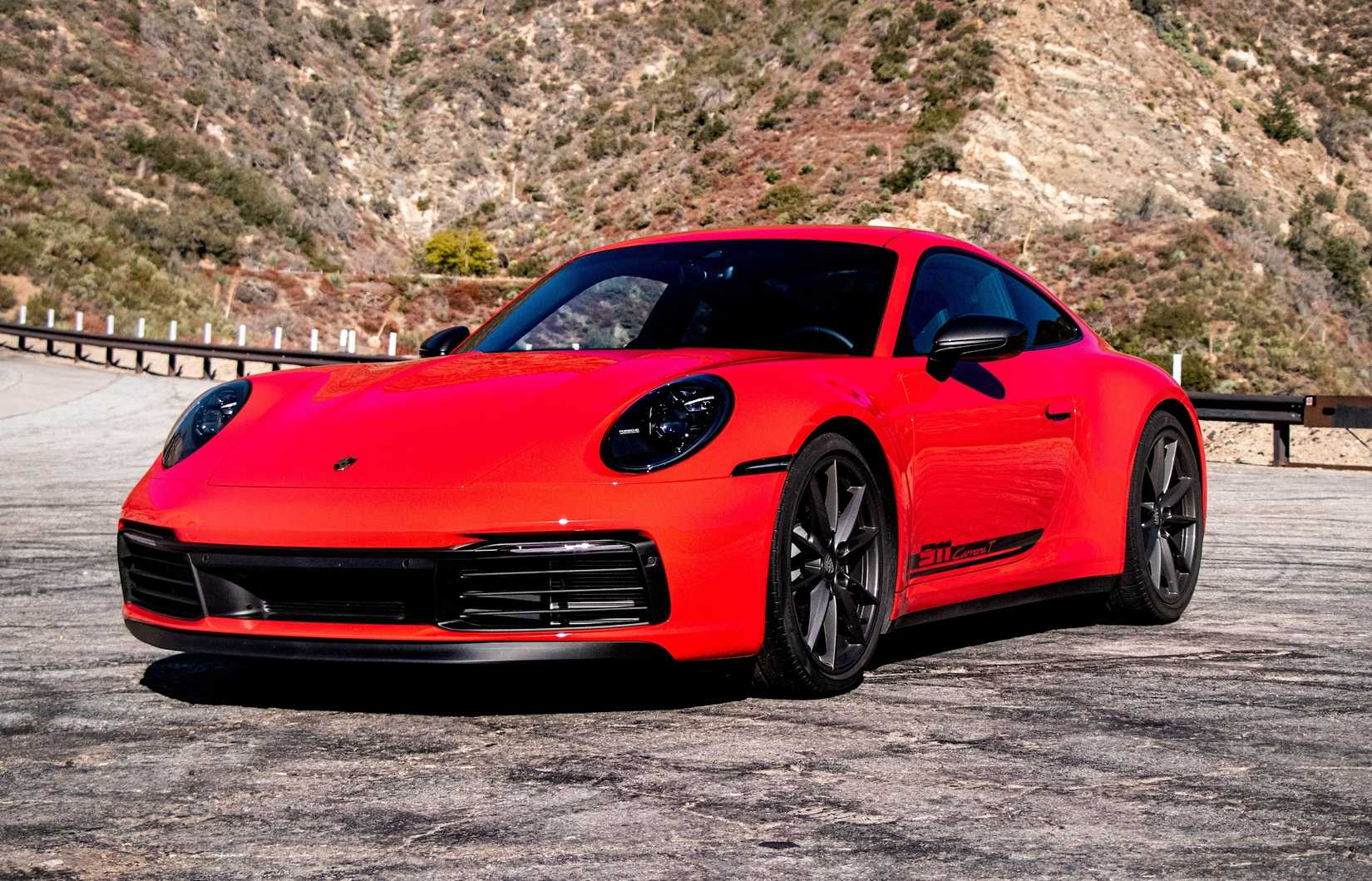
- Engine: 3.0-litre twin-turbocharged flat-six petrol engine (Carrera) / 4.0-litre naturally aspirated flat-six (GT3)
- Torque: Up to 570 Nm (911 Carrera GTS) / 470 Nm (GT3)
- Horsepower: Up to 473 hp (Carrera GTS) / 502 hp (GT3)
- Length: Approx. 4,542 mm
- Width: Approx. 1,852 mm
- Ground Clearance: Approx. 100 to 110 mm
3. Porsche 911
The Porsche 911 is one of the most recognized sports cars in automotive history. Its low ground clearance is a key part of its performance-focused design. The vehicle is built to provide excellent balance, quick responses, and strong road grip, making its low ride height an important engineering choice.
The 911’s shape and dimensions have been refined over many years to improve driving performance. A lower body position helps reduce aerodynamic drag and keeps the vehicle stable during high-speed movement. The design allows drivers to experience accurate steering responses and confident cornering.
Porsche offers different versions of the 911, with some performance variants featuring even more aggressive suspension setups. Models created for track-focused driving often sit closer to the road to improve handling characteristics. These versions prioritize performance rather than the ability to travel over rough surfaces.
The low clearance of the Porsche 911 can create practical challenges in everyday situations. Drivers need to be careful when approaching steep roads, parking structures, and uneven surfaces. Some versions include front axle lift systems that temporarily raise the front of the vehicle to help avoid scraping.
The Porsche 911 demonstrates how a low driving position can become a major advantage in sports car engineering. Its close connection to the road contributes to its reputation for precise handling, making it a favorite among driving enthusiasts around the world.
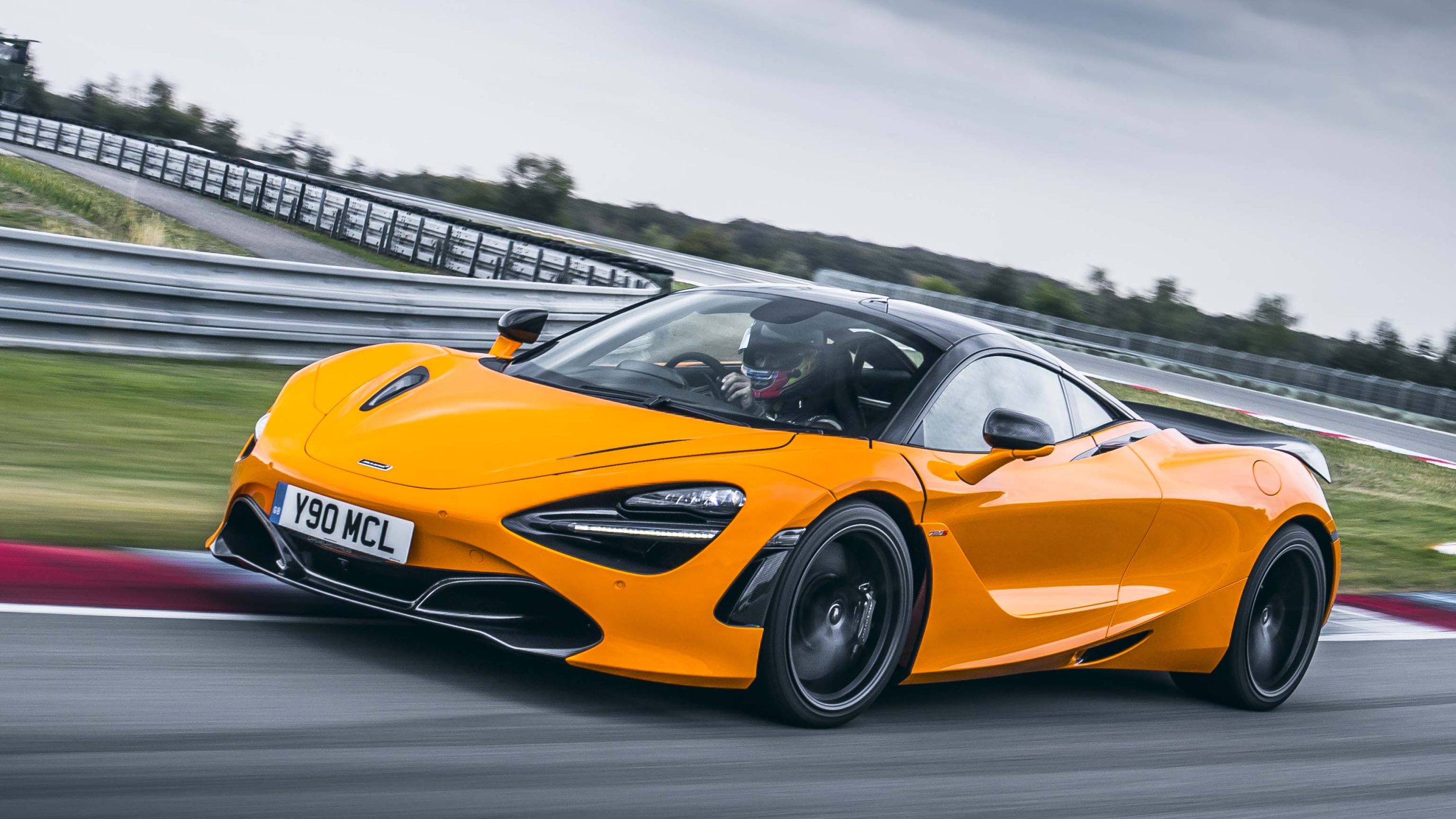
- Engine: 4.0-litre twin-turbocharged V8 petrol engine
- Torque: 770 Nm
- Horsepower: 710 hp
- Length: Approx. 4,543 mm
- Width: Approx. 1,930 mm
- Ground Clearance: Approx. 107 mm
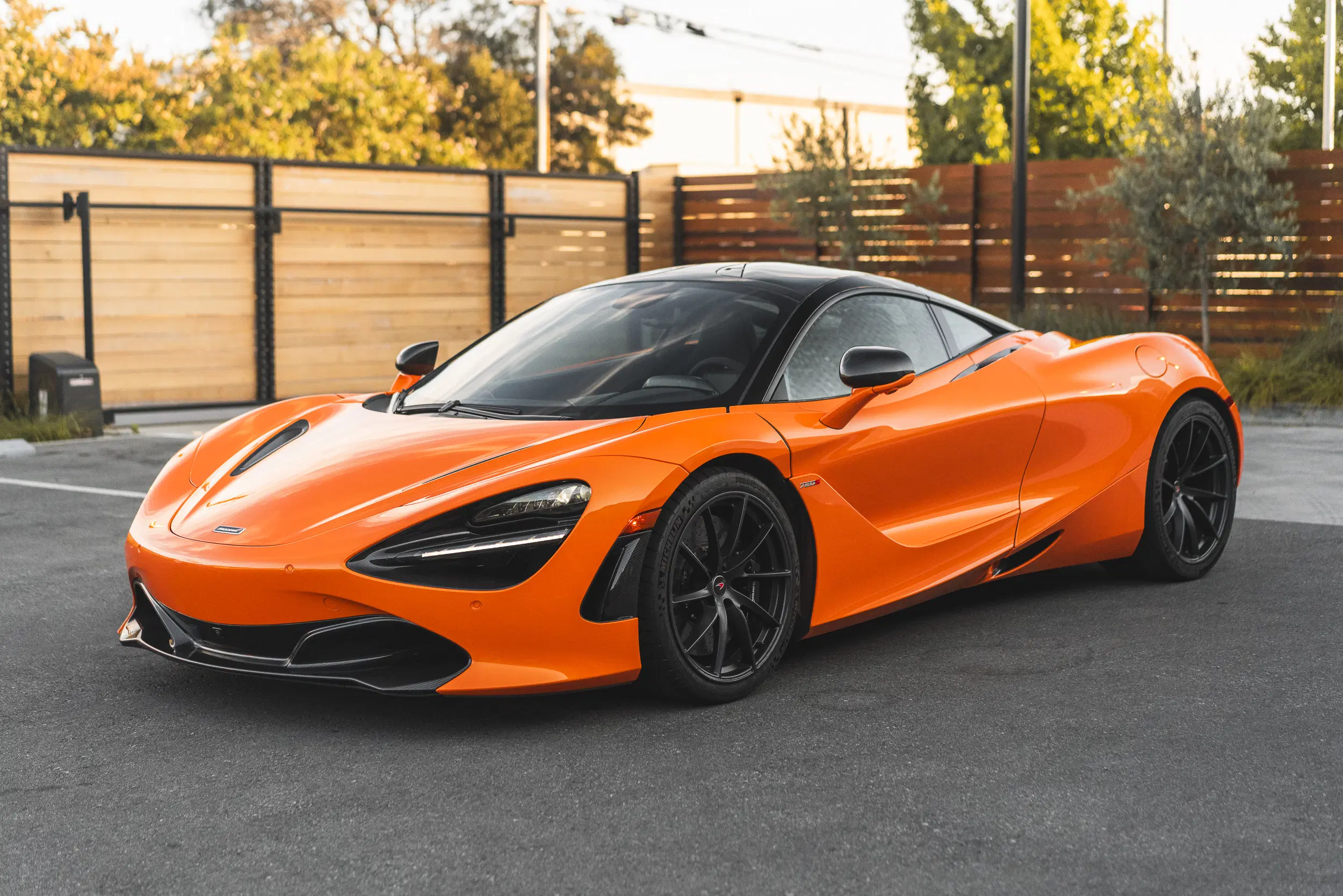
4. McLaren 720S
The McLaren 720S is a supercar designed around speed, lightweight construction, and advanced aerodynamics. Its low ground clearance helps it achieve excellent performance by keeping the vehicle close to the road. This design approach improves stability and allows the car to respond quickly during demanding driving situations.
The low height of the 720S supports its aerodynamic efficiency. McLaren uses advanced bodywork designs to manage airflow and generate downforce. Keeping the vehicle close to the surface helps improve airflow control and contributes to better performance at high speeds.
The car uses lightweight materials, including carbon fiber components, to reduce weight and improve agility. Combined with its low center of gravity, this construction helps the 720S deliver sharp handling and impressive acceleration. The low stance is an essential part of achieving these performance goals.
Driving a McLaren 720S requires awareness of road conditions. Its low clearance makes it unsuitable for roads with large bumps, rough surfaces, or steep obstacles. Owners often use careful driving techniques and rely on available lift systems when approaching difficult areas.
The McLaren 720S highlights the connection between low ground clearance and high-performance engineering. Its design shows how reducing the distance between the car and the road can improve speed, control, and driving enjoyment when used in the right environment.
