
The automotive market usually follows a predictable pattern. A new car loses value as soon as it leaves the showroom, and most vehicles continue to depreciate as they age.
However, certain discontinued car models have broken this pattern by becoming more desirable after manufacturers stopped building them. When production ends, some vehicles gain attention because buyers begin to appreciate their unique designs, limited availability, driving experience, or connection to a specific era of motoring.
A discontinued badge does not automatically make a vehicle valuable. Many retired models experience falling prices because buyers worry about replacement parts, maintenance costs, or reduced manufacturer support.
The cars that increase in value usually have something special that separates them from ordinary transportation. They may feature powerful engines, manual transmissions, distinctive styling, motorsport heritage, or a loyal community of owners.
The following eight vehicles demonstrate how demand can change after production ends. These models became more attractive to enthusiasts and collectors because they represented qualities that became harder to find in newer vehicles. Their stories show why some used cars become more than simple machines and turn into desirable automotive icons.
Also Read: 10 Car Brands Most Likely to Cross 250,000 Miles
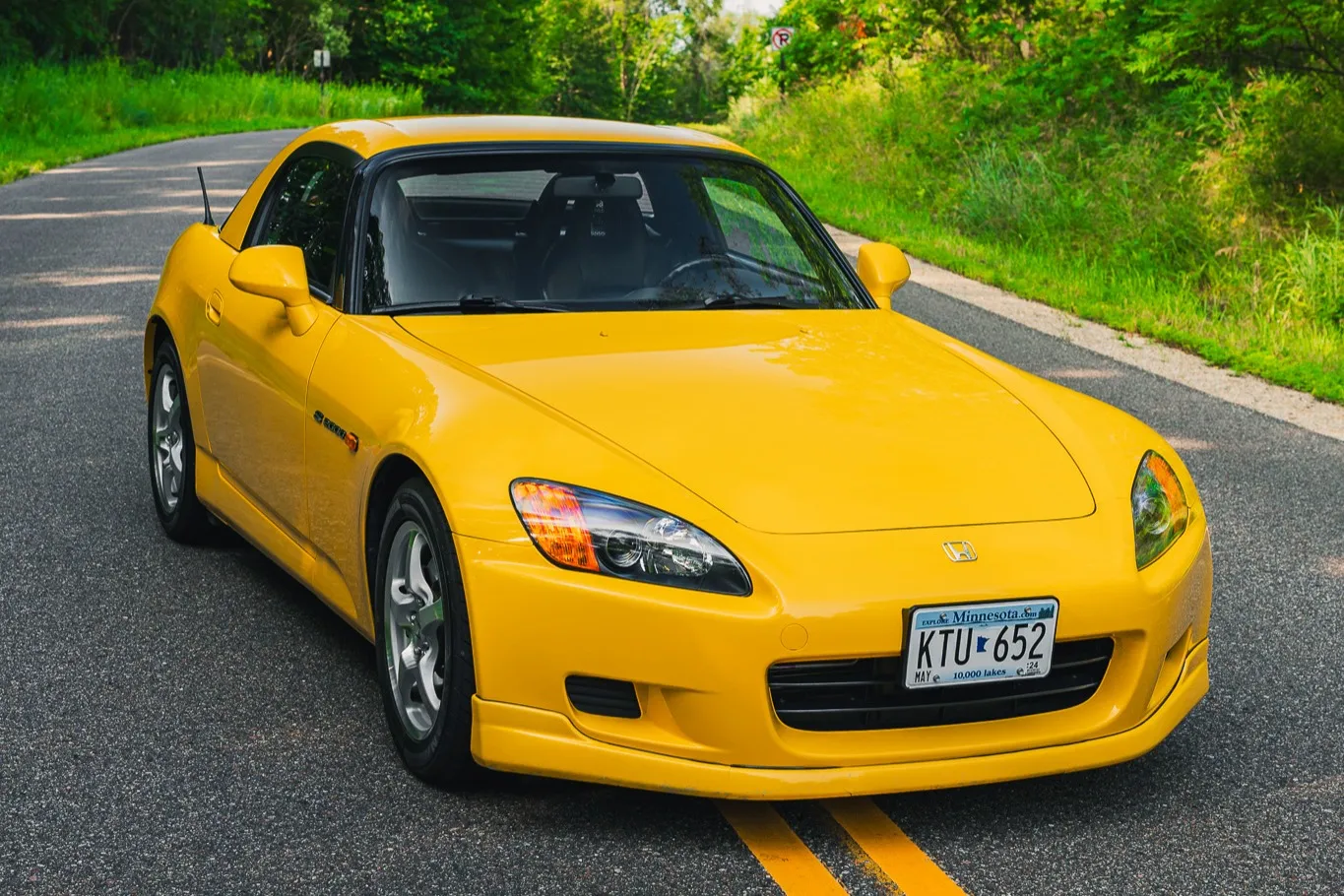
- Engine: 2.0-liter F20C naturally aspirated inline-four (AP1) / 2.2-liter F22C inline-four (AP2, some markets)
- Horsepower:
- F20C: 247 hp
- F22C: 237 hp
- Torque:
- F20C: 161 lb-ft (218 Nm)
- F22C: 162 lb-ft (220 Nm)
- Length: 4,135 mm (162.8 inches)
- Width: 1,750 mm (68.9 inches)
1. Honda S2000
The Honda S2000 is widely remembered as a pure driver-focused sports car that gained significant attention after production ended. Introduced for the 2000 model year, the S2000 combined a lightweight body, rear-wheel drive layout, a high-revving naturally aspirated engine, and a precise manual gearbox.
Production ended in 2009, but interest in clean examples continued to grow because modern sports cars became heavier, more complex, and increasingly focused on electronic assistance.
The biggest factor behind the S2000’s rising used prices was its unique engine character. The early AP1 models used the F20C engine, which could reach very high engine speeds and deliver power in a way that felt different from turbocharged vehicles.
Enthusiasts valued the direct connection between driver and machine, especially as manufacturers moved toward smaller turbocharged engines and automatic transmissions.
Another important factor was the limited supply. Honda produced the S2000 for nearly a decade, but many examples were modified, heavily driven, or damaged over time. Original vehicles with low mileage, factory equipment, and careful ownership became harder to find. As supply decreased, collectors became willing to pay more for well-preserved examples.
The design also helped the S2000 maintain popularity. Its simple roadster shape, low seating position, and compact dimensions gave it a timeless appearance.
Many owners considered it a modern classic because it represented a period when affordable sports cars focused heavily on driving enjoyment rather than luxury features and advanced technology.
The S2000 shows how a discontinued vehicle can gain value when it offers an experience that newer cars no longer provide. It became an example of how enthusiastic demand can change market behavior. Cars with strong emotional appeal often develop a following that keeps prices higher than expected years after production stops.
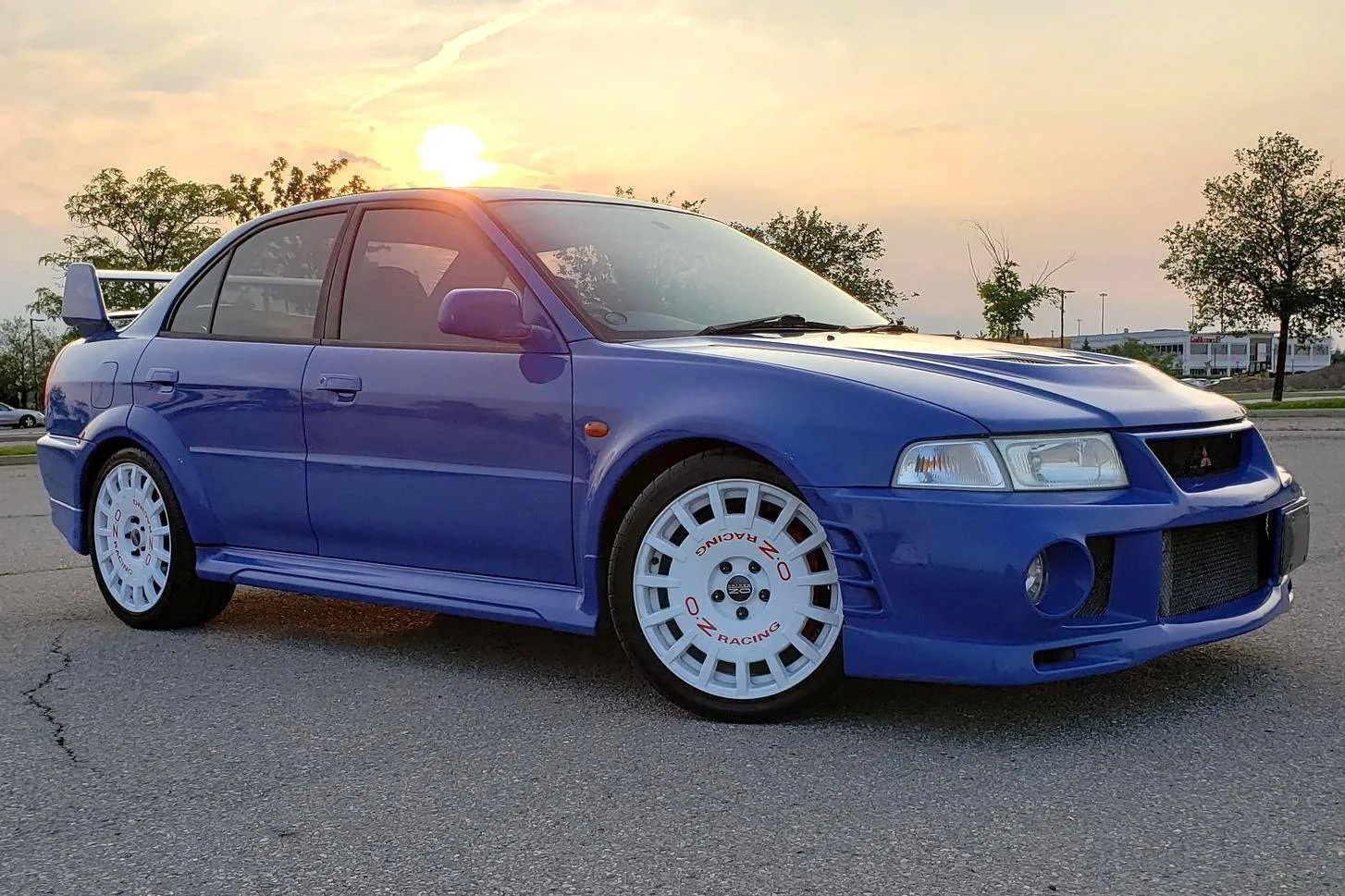
- Engine: 2.0-liter turbocharged 4B11T inline-four
- Horsepower:
- Standard models: around 291 hp
- Final Edition: 303 hp
- Torque:
- Standard models: 300 lb-ft (407 Nm)
- Final Edition: 305 lb-ft (414 Nm)
- Length: 4,495 mm (176.9 inches)
- Width: 1,810 mm (71.3 inches)
2. Mitsubishi Lancer Evolution
The Mitsubishi Lancer Evolution became famous through rally competition and gained a dedicated fan base because of its performance capabilities. Production ended in 2016, marking the end of a long-running performance sedan that combined advanced all-wheel-drive technology, turbocharged power, and sharp handling.
The Lancer Evolution was never designed to be an ordinary family sedan. It was developed from Mitsubishi’s rally ambitions and carried engineering features that made it appealing to performance enthusiasts.
Turbocharged engines, advanced traction systems, and aggressive styling gave it a personality that separated it from mainstream vehicles.
After production stopped, demand increased because buyers realized that affordable high-performance sedans were becoming less common. Many manufacturers shifted their attention toward SUVs and luxury vehicles, reducing the number of compact performance cars available with manual transmissions and racing-inspired engineering.
The final generation became especially desirable because it represented the end of the Evolution nameplate. Collectors often pay attention to final production examples because they mark the closing chapter of an important vehicle line. Clean models with low mileage became increasingly attractive among enthusiasts.
The Lancer Evolution’s value growth also came from its cultural reputation. The car appeared in motorsport events, video games, and automotive media, creating recognition among multiple generations of fans. This broad appeal helped maintain demand even after Mitsubishi stopped production.
The Evolution demonstrates that performance heritage can strongly influence used vehicle prices. A discontinued model with a strong identity can become more desirable when buyers recognize that similar vehicles may never return.
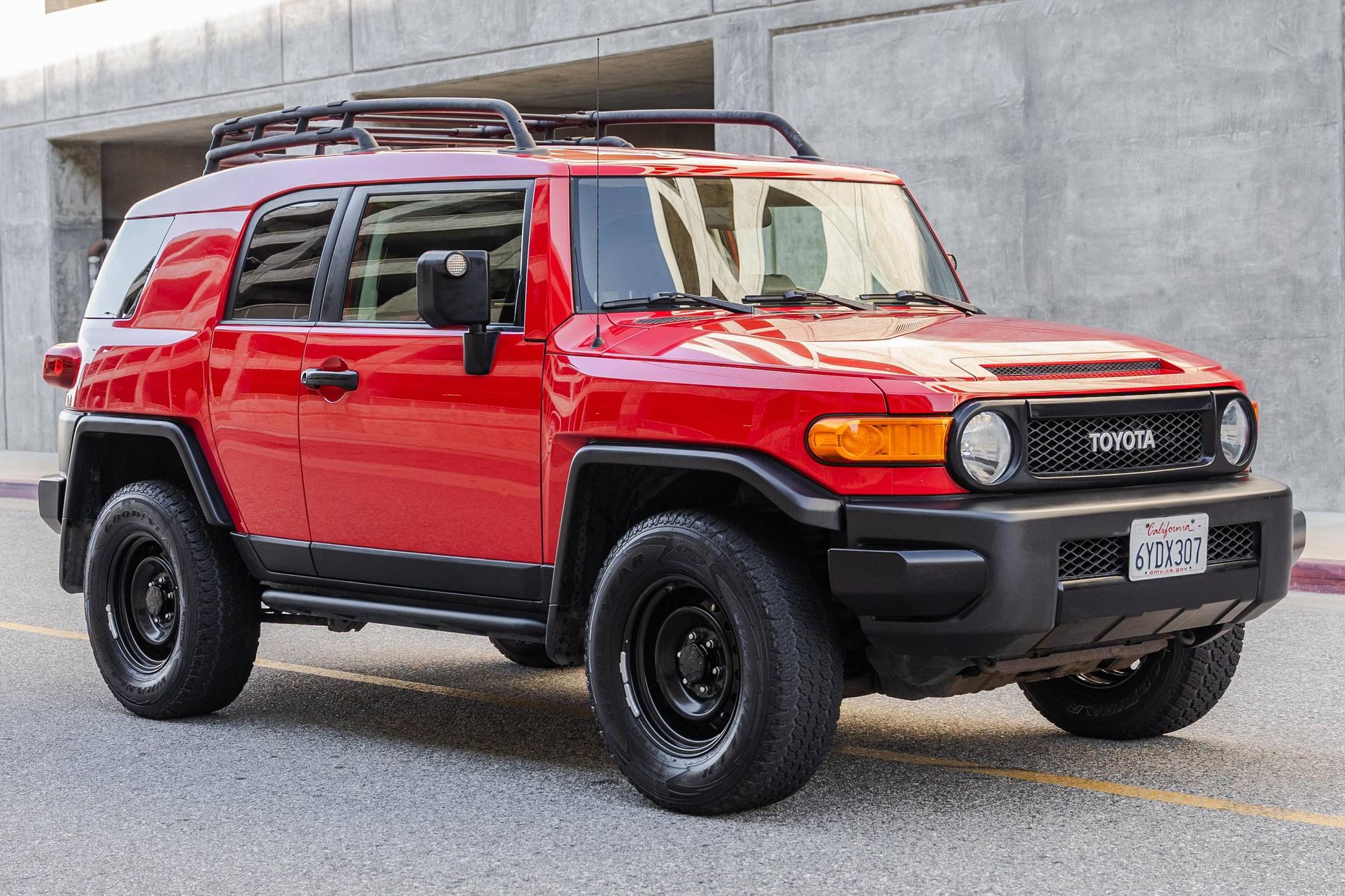
- Engine: 4.0-liter 1GR-FE naturally aspirated V6
- Horsepower:
- 239 hp (early models)
- 260 hp (later models)
- Torque:
- 278 lb-ft (377 Nm)
- Length: 4,671 mm (183.9 inches)
- Width: 1,905 mm (75 inches)
3. Toyota FJ Cruiser
The Toyota FJ Cruiser became a surprising example of a discontinued vehicle gaining popularity after production ended. Inspired by Toyota’s classic Land Cruiser heritage, the FJ Cruiser combined rugged styling with off-road capability. Although it was not always a sales leader during its production years, interest grew after Toyota ended production.
The FJ Cruiser appealed to buyers looking for something different from modern SUVs. Its unusual design included round headlights, rear-hinged access doors, and a boxy shape that gave it a distinctive appearance. As newer SUVs adopted smoother designs focused on efficiency and comfort, the FJ Cruiser’s personality became more noticeable.
Off-road capability played a major role in maintaining demand. Many owners valued its durable construction, available four-wheel-drive system, and reputation for handling difficult terrain. The vehicle attracted outdoor enthusiasts who wanted a reliable platform for camping, adventure travel, and modifications.
The limited number of available examples also influenced used prices. Once production ended, buyers searching for a unique Toyota SUV had fewer choices. Vehicles with desirable features, strong maintenance records, and low mileage became particularly valuable.
The FJ Cruiser shows that practical vehicles can become collector favorites when they combine reliability with character. Its rise in used prices came from a combination of brand reputation, distinctive styling, and a loyal owner community.
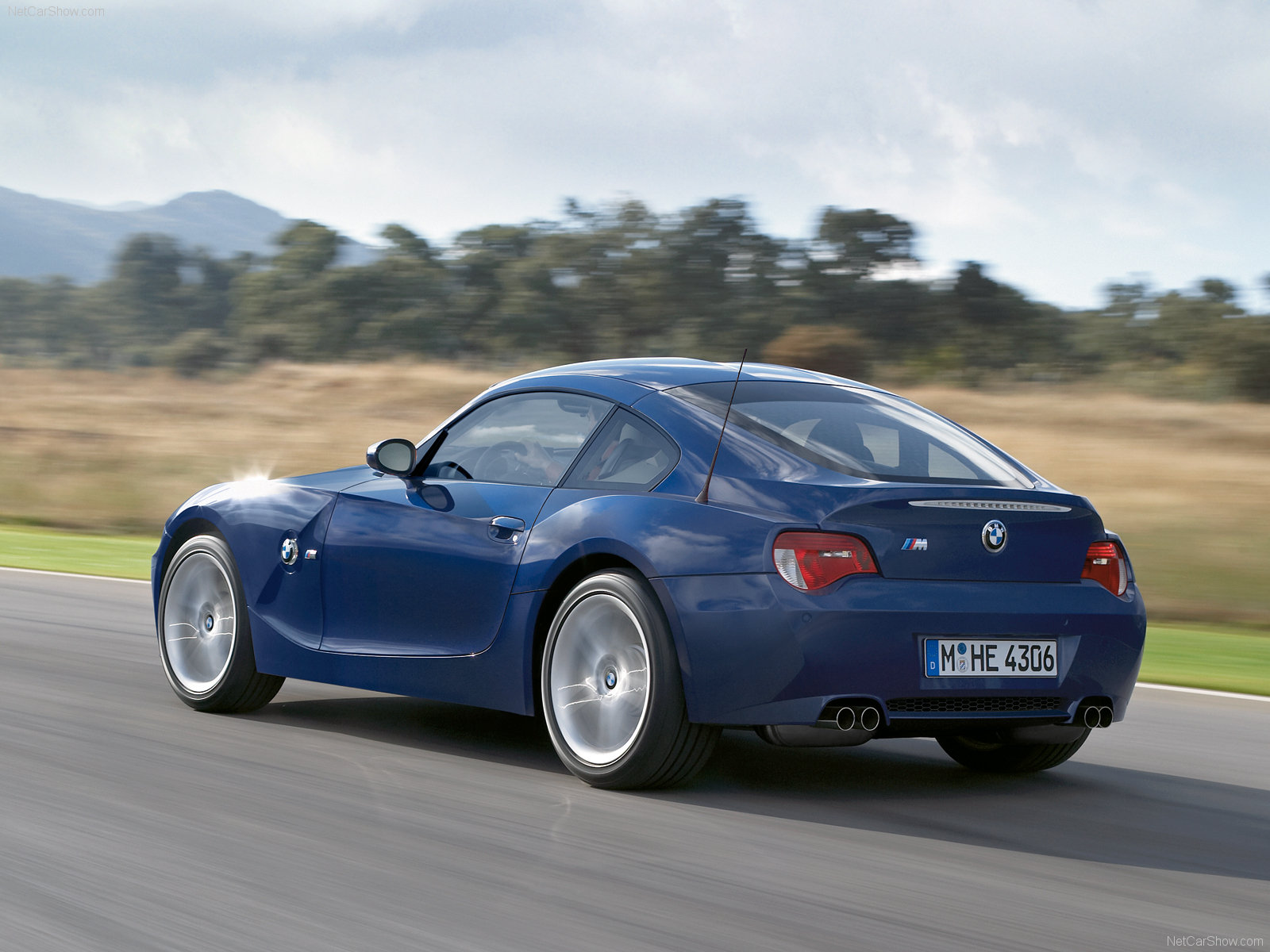
- Engine: 3.2-liter S54 naturally aspirated inline-six
- Horsepower: 330 hp
- Torque: 262 lb-ft (355 Nm)
- Length: 4,091 mm (161.1 inches)
- Width: 1,781 mm (70.1 inches)
4. BMW Z4 M Coupe
The BMW Z4 M Coupe became a highly appreciated enthusiast vehicle after BMW ended production. Built during a period when BMW still produced many naturally aspirated performance cars, the Z4 M Coupe offered a combination of unusual styling, strong performance, and traditional driving characteristics.
Its limited production numbers helped it develop a strong following among collectors and sports car enthusiasts.
The vehicle was powered by BMW’s S54 inline-six engine, a powerplant also associated with the legendary E46 M3. This engine was praised for its smooth power delivery, high-revving nature, and connection with the driver. At a time when many modern performance cars shifted toward turbocharged engines, the Z4 M Coupe represented a different approach to performance.
The design of the Z4 M Coupe played an important role in its growing popularity. Its shooting brake-style body was uncommon, giving it a unique appearance compared with traditional sports cars. The combination of a compact footprint, two-seat layout, and practical rear cargo area created a vehicle that felt both emotional and functional.
As production numbers remained limited, finding an original example became increasingly difficult. Many performance vehicles from this era were modified, raced, or used heavily, reducing the number of well-maintained cars available. Original vehicles with complete service histories became more attractive to collectors searching for factory-spec models.
The Z4 M Coupe represents how unusual designs can gain recognition years after leaving showrooms. Cars that stand apart from mainstream offerings often develop stronger demand because they provide an experience that newer vehicles cannot easily duplicate.
Its increasing used prices reflect appreciation for a rare combination of BMW engineering, performance, and individuality.
Also Read: The 10 Cars Owners Hold For 15 Years or More Are All Japanese
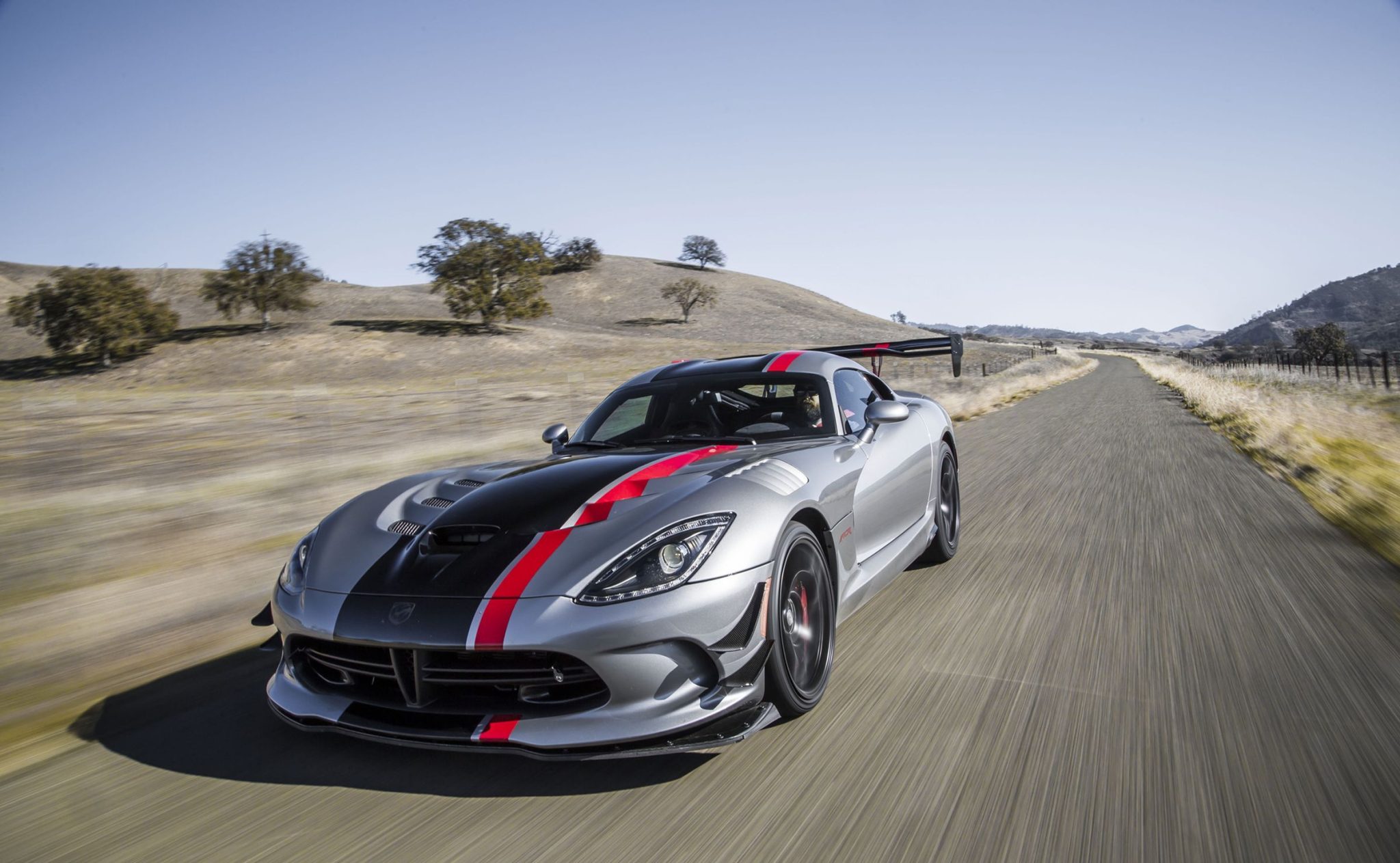
- Engine: 8.4-liter naturally aspirated V10
- Horsepower:
- Standard Viper: 640 hp
- ACR: 645 hp
- Torque:
- Standard Viper: 600 lb-ft (813 Nm)
- ACR: 600 lb-ft (813 Nm)
- Length: 4,463 mm (175.7 inches)
- Width: 1,941 mm (76.4 inches)
5. Dodge Viper
The Dodge Viper became an automotive symbol of raw performance, and its discontinuation increased interest among enthusiasts. Introduced in the early 1990s, the Viper was built around a simple formula: a large naturally aspirated engine, rear-wheel drive, lightweight construction, and minimal driver assistance. Production officially ended in 2017, creating renewed attention toward this distinctive American sports car.
The Viper’s appeal came from its uncompromising personality. Unlike many modern performance cars that use advanced electronics to improve handling and comfort, the Viper demanded more involvement from the driver.
Its powerful V10 engine and aggressive design created an experience that appealed to people who wanted a traditional performance machine.
After production stopped, buyers began recognizing the Viper as part of a disappearing category. Large-displacement naturally aspirated engines became less common as manufacturers focused on emissions regulations and electrification. This shift made vehicles like the Viper more interesting to collectors who valued mechanical character.
Certain versions became especially desirable. Special editions, limited-production models, and final-generation examples attracted attention because they represented specific moments in the Viper’s history. Well-maintained vehicles with low mileage became increasingly difficult to locate, pushing prices upward.
The Viper’s rising values demonstrate how emotional appeal can influence the collector market. It was never designed to be a practical daily vehicle, but its uniqueness helped it become memorable. The end of production transformed it from a current performance model into a piece of automotive history.
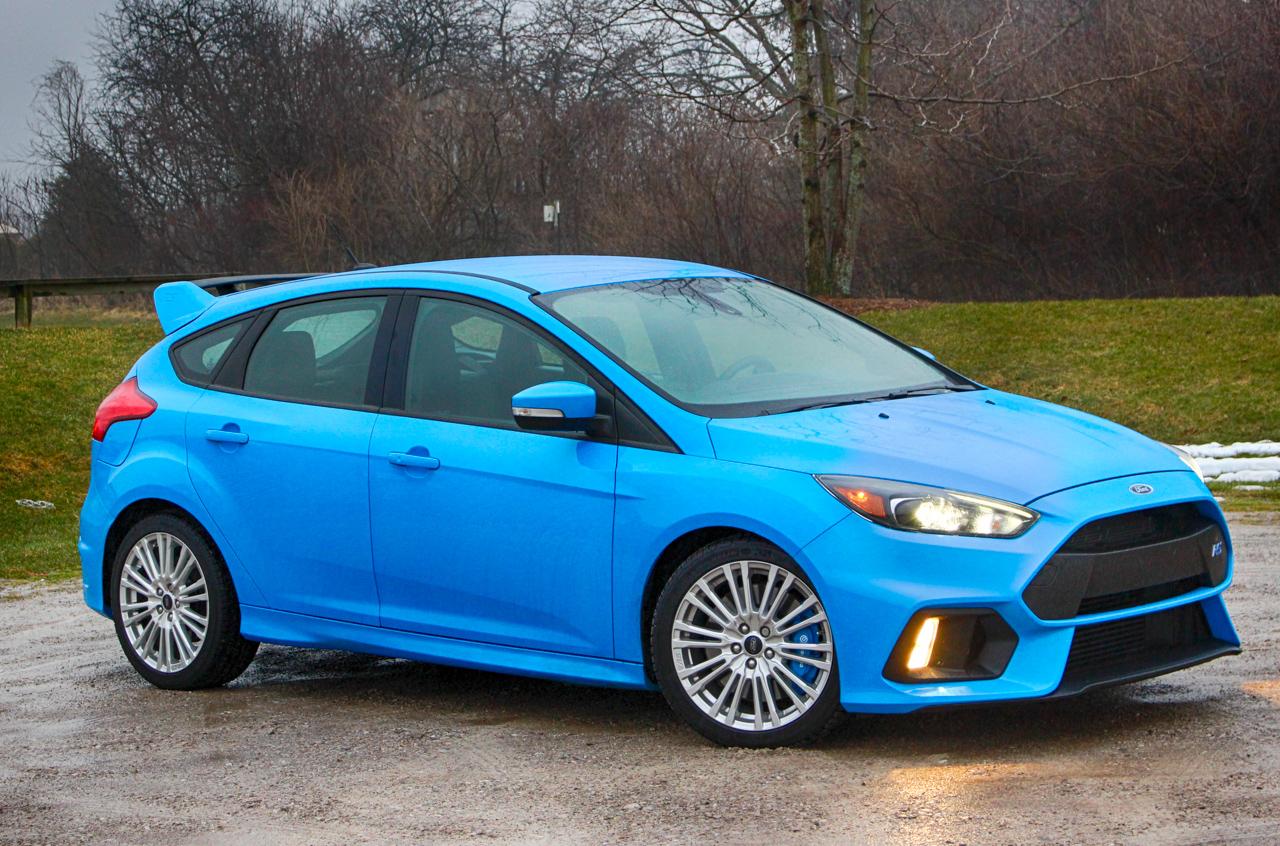
- Engine: 2.3-liter turbocharged EcoBoost inline-four
- Horsepower: 350 hp
- Torque: 350 lb-ft (475 Nm)
- Length: 4,390 mm (172.8 inches)
- Width: 1,823 mm (71.8 inches)
6. Ford Focus RS
The Ford Focus RS gained a strong reputation among performance enthusiasts before its production ended. Known for its turbocharged engine, advanced all-wheel-drive system, and aggressive styling, the Focus RS represented a rare combination of practicality and performance. When Ford stopped producing the model after the 2018 model year, interest in used examples increased.
The Focus RS attracted buyers because it offered performance features usually associated with more expensive sports cars. Its turbocharged engine produced strong acceleration, while the all-wheel-drive system provided impressive traction. The car also included a manual transmission, which became increasingly uncommon among high-performance compact vehicles.
The vehicle’s connection to Ford’s rally-inspired performance history added to its appeal. The RS badge carried a reputation built through decades of motorsport influence, making the Focus RS attractive to enthusiasts who valued both everyday usability and racing heritage.
Supply limitations also contributed to rising prices. Ford did not continue the Focus RS into later generations, leaving fans without a direct replacement. As more examples were modified, driven aggressively, or affected by accidents, original vehicles with careful ownership became harder to find.
The Focus RS shows how modern performance cars can become desirable shortly after production ends. A combination of limited availability, strong reputation, and enthusiastic demand helped it maintain value in the used market.
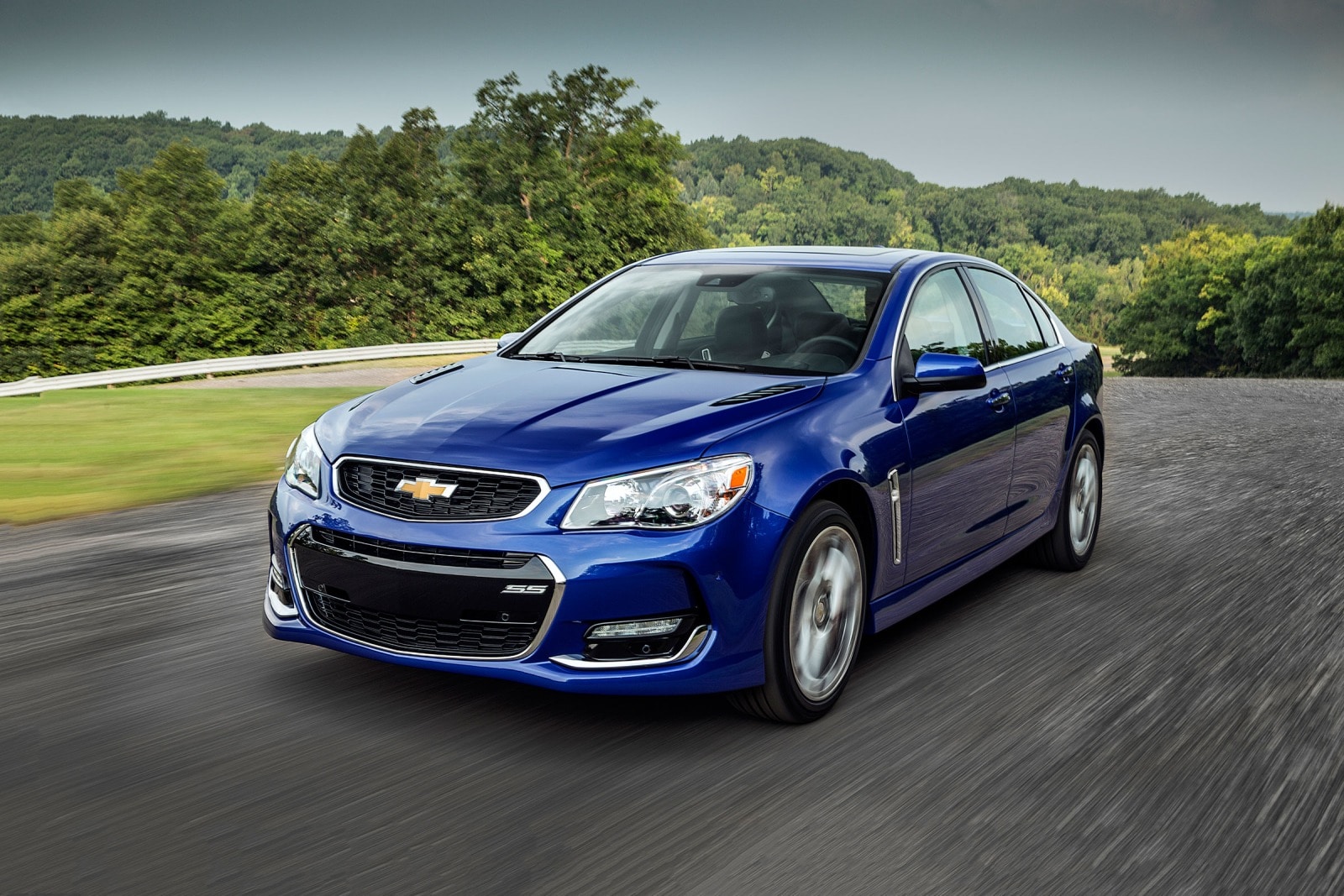
- Engine: 6.2-liter LS3 naturally aspirated V8
- Horsepower: 415 hp
- Torque: 415 lb-ft (563 Nm)
- Length: 4,971 mm (195.7 inches)
- Width: 1,899 mm (74.8 inches)
7. Chevrolet SS
The Chevrolet SS was a rare performance sedan that quietly disappeared from the market, but appreciation for the model grew after production ended. Sold between 2014 and 2017, the SS combined everyday practicality with sports car performance. It featured rear-wheel drive, a powerful V8 engine, and a manual transmission option, making it appealing to a small but dedicated group of buyers.
The SS was unusual because it offered muscle car performance in a four-door package. While many performance vehicles focused on aggressive styling, the Chevrolet SS had a more understated appearance. This allowed owners to enjoy strong performance without attracting excessive attention.
The vehicle shared engineering with the Australian-built Holden Commodore, giving it a connection to a global performance sedan tradition. When production of the platform ended, the Chevrolet SS became the final rear-wheel-drive V8 sedan offered by Chevrolet. This distinction increased its appeal among collectors.
Low sales numbers helped create long-term interest. Since the SS was never produced in large quantities, finding clean examples became increasingly challenging. Vehicles with manual transmissions became especially valuable because fewer were produced compared with automatic versions.
The Chevrolet SS highlights how overlooked vehicles can gain recognition later. A model that struggled to attract buyers when new can become more desirable when enthusiasts realize that its combination of features is no longer available.
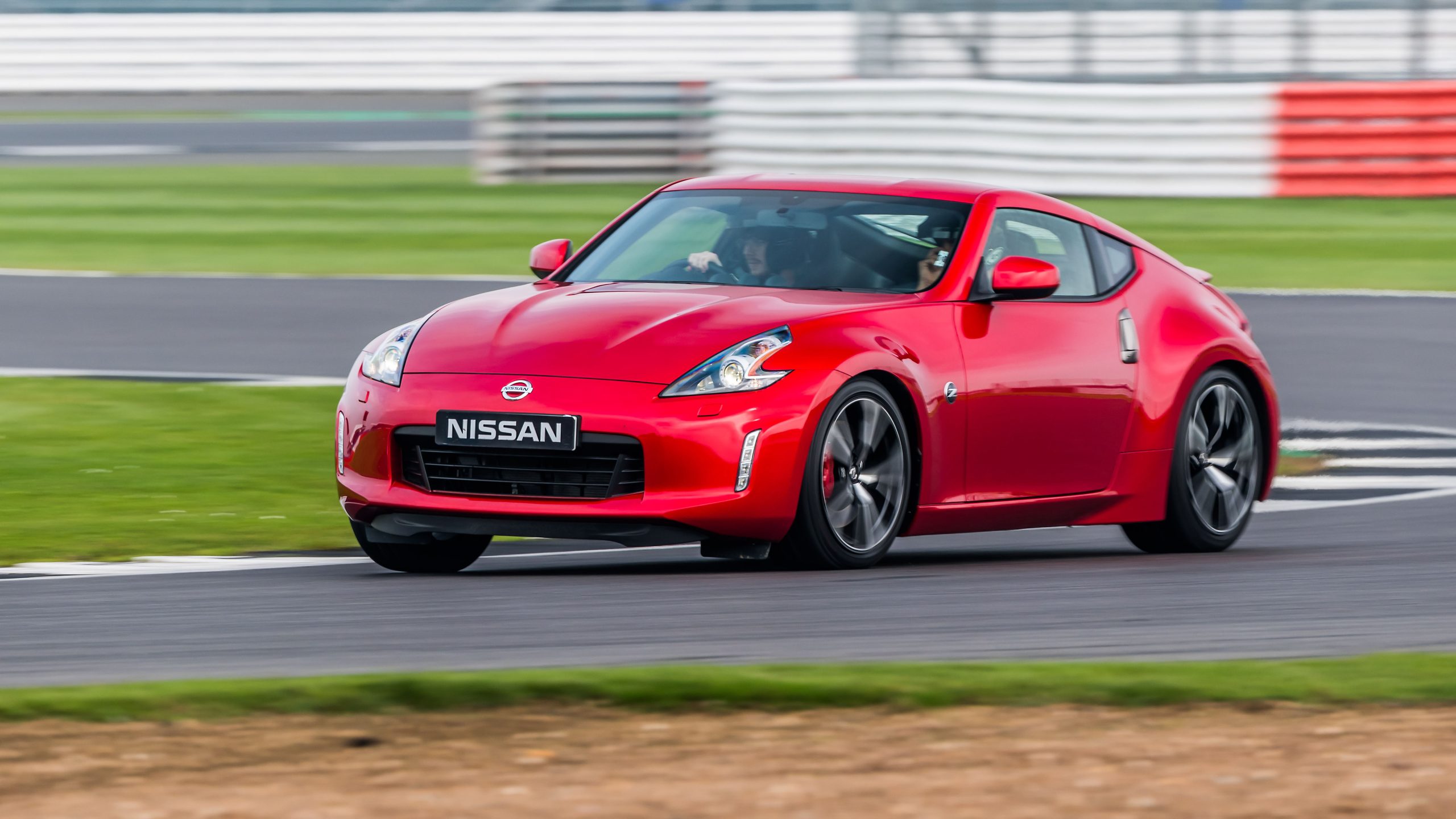
- Engine: 3.7-liter VQ37VHR naturally aspirated V6
- Horsepower:
- Standard models: 332 hp
- NISMO: 350 hp
- Torque:
- Standard models: 270 lb-ft (366 Nm)
- NISMO: 276 lb-ft (374 Nm)
- Length: 4,250 mm (167.3 inches)
- Width: 1,845 mm (72.6 inches)
8. Nissan 370Z
The Nissan 370Z experienced increased appreciation after Nissan ended production and introduced newer generations of sports cars. Produced from 2009 until 2020 in many markets, the 370Z continued the heritage of the Z-car lineup while maintaining a traditional sports car formula.
The 370Z appealed to drivers because it focused on performance fundamentals. It used a naturally aspirated V6 engine, rear-wheel drive, and offered a manual transmission. These characteristics became increasingly rare as manufacturers moved toward turbocharged engines, automatic gearboxes, and heavier vehicle platforms.
The vehicle’s long production run helped create a strong community of owners and enthusiasts. Over time, the 370Z developed a reputation as an accessible sports car that could serve as both a daily driver and a weekend performance machine.
After production ended, buyers searching for affordable sports cars had fewer options that offered the same combination of features. The disappearance of naturally aspirated rear-wheel-drive coupes increased interest in used examples, especially among drivers who preferred mechanical simplicity.
The 370Z’s story demonstrates how market appreciation can grow when a vehicle represents a changing era. Its value comes from more than performance numbers. It represents a style of sports car engineering that is becoming less common in the modern automotive industry.
