
The final week of a car lease is busier than most drivers expect. Small oversights here can turn into real charges later. A disposition fee alone typically runs $300 to $500. Mileage overages often add $0.15 to $0.30 per extra mile.
Wear-and-tear penalties, missing paperwork, and rushed decisions can push the final bill even higher. Most of these costs are avoidable with a little planning. This guide breaks down eight practical steps to handle before you hand back the keys. Each one covers what to check, why it matters, and what numbers to expect.
You’ll also see the difference between returning the car, buying it out, and rolling into a new lease. That decision alone can swing your finances by thousands of dollars. None of this requires a mechanic or a lawyer. It just requires attention during one specific week. Here’s exactly what to do, and in what order, before your lease officially ends.
1. Review Your Lease Contract Line by Line
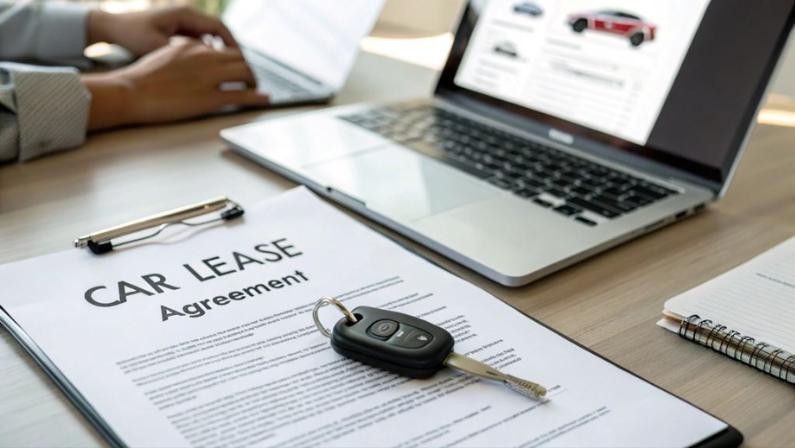
Pull out your original lease agreement before doing anything else. It contains every fee you might face at return. Look specifically for your disposition fee amount. It’s usually listed in a dedicated section near the end.
Check your mileage allowance too. Most leases set 10,000 to 12,000 miles per year as the standard cap. Confirm your total contracted mileage for the full term. A 36-month lease at 12,000 miles a year allows 36,000 miles total.
Note the per-mile overage charge specifically. It typically falls between $0.15 and $0.30 per mile, depending on the brand. Find the wear-and-tear standards section as well.
This defines what counts as “normal” versus “excessive” damage. Check whether a purchase option is included. This will show your buyout price, called the residual value.
Key details to confirm:
- Disposition fee: usually $300–$500
- Mileage cap: often 10,000–12,000 miles/year
- Overage rate: typically $0.15–$0.30/mile
- Residual value: your fixed buyout price
- Early termination clause: separate from standard return fees
Many leasing companies also waive the disposition fee under certain conditions. Staying with the same brand for your next vehicle is the most common choice. Call your leasing company if any section feels unclear. It’s far better to ask now than to get surprised later.
2. Calculate Your Current Mileage and Projected Overage
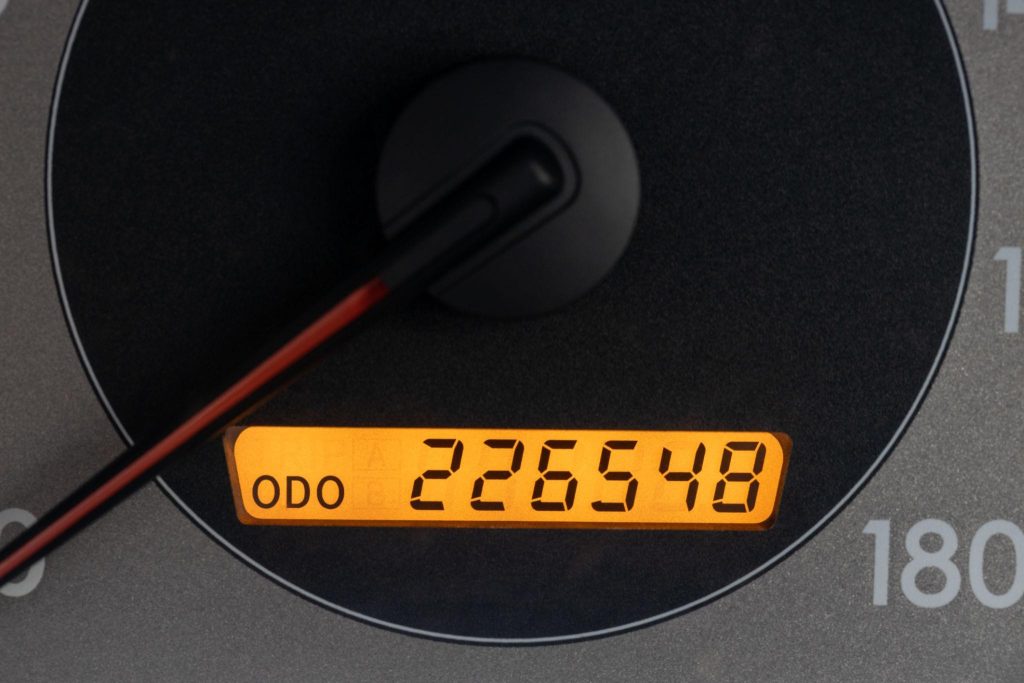
Check your odometer reading against your contracted mileage limit. This single number affects your entire lease-end decision. Multiply any excess miles by your contract’s per-mile rate. A 5,000-mile overage at $0.20 per mile equals $1,000.
Industry data shows the average lease-end driver exceeds their cap. Recent figures put the average turn-in mileage around 36,954 miles against a common 36,000-mile limit. That’s roughly 954 miles over, before any wear-and-tear gets assessed. Small overages are common, but large ones add up fast. Some states run notably higher than others.
Drivers in Maine, for example, average over 41,000 miles at lease-end. That level of overage can mean roughly $1,000 in mileage penalties alone. Add a disposition fee, and return costs climb quickly.
Key details to calculate:
- Current odometer reading vs. contracted limit
- Overage rate: $0.15–$0.30 per mile
- Average lease-end mileage nationally: ~36,954 miles
- High-mileage states: Maine, Arkansas, and often run above average
- Projected total overage cost in dollars
If you’re significantly over, a buyout often becomes more attractive. You already paid for those miles through daily use. Run the numbers before deciding anything else. This calculation shapes every choice that follows.
3. Get a Real Market Value Check on Your Car
Find out what your car is actually worth today. Compare that number against your contract’s residual value. If the market value exceeds the residual, you have positive equity. That means buying out the lease could put money in your pocket.
This gap has been significant industry-wide recently. Reports show every one of the ten most popular buyout vehicles carried positive equity in 2025.
That equity ranged widely by model. Figures cited span roughly $2,400 on one popular SUV up to nearly $7,900 on another. Use multiple valuation sources for accuracy. Dealership trade-in offers, online value tools, and private-sale comparisons all give different numbers.

Key details to check:
- Contracted residual value (fixed, listed in your lease)
- Current market value (check 2–3 sources)
- Equity gap: market value minus residual
- Recent average positive equity: roughly $2,400–$7,900 depending on the model
- Trade-in value vs. private-sale value differ significantly
Don’t skip this step even if you plan to return the car. Discovering equity late means walking away from real money. A five-minute valuation check can change your entire lease-end strategy. It’s worth doing before any other decision.
4. Decide: Return, Buy Out, or Re-Lease
This is the central decision of your lease-end week. Every other task supports this one choice. Returning the car means paying the disposition fee and any overage charges. It’s the simplest but rarely the cheapest option if you have equity.
Buying out the lease means purchasing at the residual value. This eliminates the disposition fee and mileage penalties entirely. Recent lending data show buyout loan rates have eased somewhat. Averages near 9% were reported in early 2026, down from closer to 9.5% the year before.
Rates vary heavily by credit score. Borrowers with excellent credit have seen average rates near 6%, while lower credit tiers see rates above 11%. Re-leasing a new vehicle from the same brand often waives your disposition fee. It’s worth asking directly, since policies vary by manufacturer.

Key details to weigh:
- Return: pay disposition fee + any overage/wear charges
- Buyout: pay residual value, may need financing
- Buyout APR range (2026 averages): roughly 6%–11% by credit tier
- Re-lease: fee waivers are common with the same brand loyalty
- Compare total return cost vs. total buyout cost directly
Run the real numbers for your specific car. The “obvious” choice isn’t always the cheapest one. Make this decision early in the week. It determines which of the remaining steps actually apply to you.
Also Read: 8 New Cars That Kept Physical Climate Buttons
5. Schedule a Pre-Return Wear-and-Tear Inspection
Most leasing companies offer a free inspection before your official return date. This happens through a third-party inspection service. Book this appointment as early in the week as possible. It gives you time to fix flagged issues before the real return.
Inspectors check for dents, scratches, windshield cracks, and tire wear. They also examine interior stains, odors, and electronics. Minor cosmetic issues are usually within “normal wear” guidelines. Anything beyond that threshold typically triggers a repair charge.
A single dent, scratched wheels, or a cracked windshield corner can each carry separate charges. Combined with mileage overage, these costs escalate quickly.

Key details to prepare for:
- Pre-return inspections: usually free, scheduled 7–10 days ahead
- Common flagged items: dents, wheel scuffs, windshield chips, interior stains
- “Normal wear” thresholds: defined in your original contract
- Repair cost vs. dealership charge: independent repairs are often cheaper
- Documentation: keep the inspection report for your records
If something gets flagged, get repair quotes from independent shops. These are almost always cheaper than dealership-assessed penalties. Fixing issues yourself before the official return often saves real money. It also avoids disputes after the car is already gone.
6. Clean the Car and Document Its Condition
Give the vehicle a thorough interior and exterior cleaning before returning. A clean car creates a better first impression during inspection. Remove all personal items, including glovebox contents and trunk storage. Check under the seats and in the door pockets too.
Take timestamped photos of every exterior panel. Do the same for the interior, dashboard, and tires. This documentation protects you if a dispute arises later. It’s your evidence against any inaccurate damage claims. Address anything minor yourself where reasonable. Small scuffs, light stains, or dirty floor mats are often easy fixes.

Key details to document:
- Photos: all four exterior sides, wheels, roof, interior seats
- Timestamp: date-stamped images or video walkaround
- Personal items checklist: glovebox, trunk, seat pockets, charging cables
- Minor cleanup: floor mats, cup holders, headliner stains
- Save copies: digital backup in cloud storage
Don’t skip the photo step even if the car looks fine. It takes ten minutes and can prevent weeks of disputes later. This record becomes especially important if your return happens at a different location than expected.
7. Gather All Required Paperwork
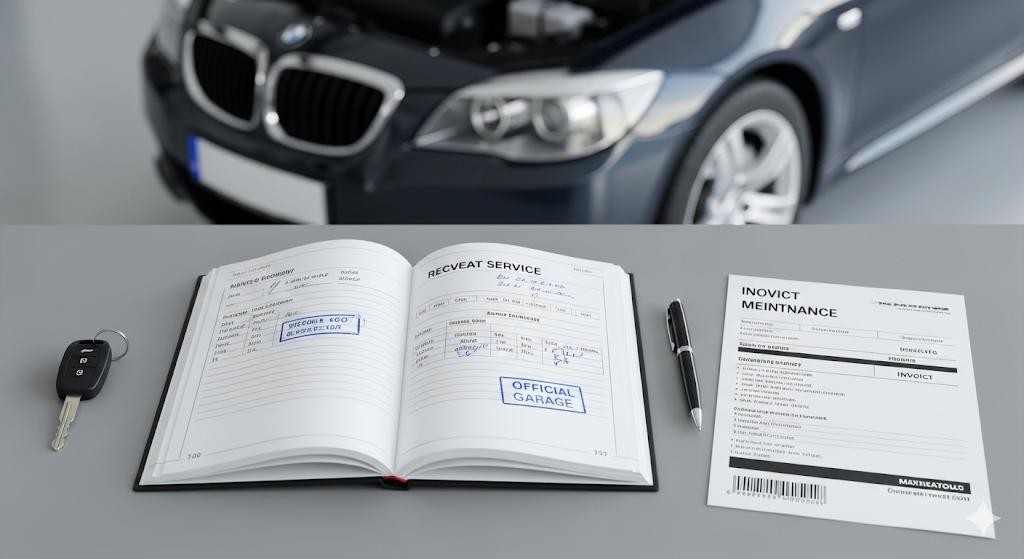
Locate your original lease agreement and keep it accessible. You’ll likely need to reference specific clauses during the return. Pull together maintenance records showing regular service history. Well-documented maintenance can support disputes over mechanical wear claims.
Confirm your registration and insurance are current through the return date. A lapse here can complicate the handoff process. Gather any lease-end paperwork sent by mail or email. This often includes specific instructions, deadlines, and drop-off locations.
If buying out the lease, prepare financing paperwork in advance. This includes proof of income, credit information, and lender pre-approval if applicable.
Key details to collect:
- Original lease contract with all amendments
- Maintenance and service records (oil changes, tire rotations, repairs)
- Current registration and proof of insurance
- Lease-end notice letter with deadlines and instructions
- Buyout financing documents, if purchasing
Keep everything in one folder, physical or digital. Scrambling for documents on return day adds unnecessary stress. Missing paperwork can delay your return appointment. It can also complicate fee disputes after the fact.
8. Confirm Final Costs and Schedule the Drop-Off
Contact your leasing company directly to confirm your exact final bill. Ask for a written breakdown of every anticipated charge. This should include the disposition fee, projected mileage overage, and any flagged wear-and-tear costs. Get this in writing, not just verbally.
Schedule your official drop-off appointment for a specific date and location. Some leases allow return at any authorized dealership, not just your original one.
Cancel or adjust your auto-pay for lease payments once the final date is confirmed. Overlapping payments are a common and avoidable mistake. Ask about temporary transportation if you’re not driving away in a new vehicle the same day. Many dealerships offer shuttle service or loaner arrangements.

Key details to finalize:
- Written cost breakdown: disposition fee, overage, wear-and-tear
- Drop-off location: confirm it’s an authorized return site
- Final payment date: coordinate with auto-pay cancellation
- Odometer reading at drop-off: record it yourself too
- Return receipt: get a signed confirmation that the vehicle was accepted
Get a signed receipt confirming the car was returned in acceptable condition. This closes the transaction cleanly on your end. This final step turns an uncertain process into a documented, predictable one. It’s the difference between a smooth handoff and a disputed bill weeks later.
Also Read: 10 Cheapest Everyday Cars to Insure in 2026
