A vehicle battery should provide dependable starting power every day, even after sitting overnight or remaining parked for several days. When the battery repeatedly loses charge without an obvious cause, daily driving quickly becomes frustrating.
Many drivers have reported waking up to a vehicle that refuses to start, only to discover that the battery has drained while the engine was off. These situations often lead to unnecessary battery replacements before the actual electrical issue is identified.
Modern vehicles rely on dozens of electronic modules, sensors, security systems, and convenience features that continue operating after the engine is shut down.
If any component fails to enter sleep mode or continues drawing power, the battery can discharge much faster than expected. Owner reports collected over the years show that certain vehicles experience these problems more frequently than others.
The causes range from faulty infotainment systems and defective door modules to software glitches and malfunctioning charging components. Understanding which models have received repeated complaints helps buyers and current owners recognize warning signs early and seek the proper repair before the issue becomes more expensive.
This guide looks at eight vehicles that have earned a reputation for battery drain concerns and explains the common causes reported by owners.
Also Read: 5 Best Toyota RAV4 Years vs 5 to Skip

- Engine: 2.3-liter EcoBoost turbocharged 4-cylinder petrol engine
- Horsepower: 300 hp
- Torque: 420 Nm (310 lb-ft)
- Length: 5,063 mm (199.3 inches)
- Width: 2,004 mm (78.9 inches)
1. Ford Explorer
The Ford Explorer has appeared in owner discussions about battery drain across several model years, particularly versions equipped with extensive electronic features.
Many drivers have reported returning to a completely discharged battery after leaving the vehicle parked overnight or for a weekend. Some owners experienced repeated jump starts before technicians traced the issue to electrical components rather than the battery itself.
Infotainment systems have frequently been mentioned during owner complaints. Certain software versions reportedly prevented modules from entering sleep mode after the vehicle was turned off.
When electronic systems continue communicating with each other instead of shutting down, they gradually consume battery power until there is not enough energy left to start the engine. Software updates have resolved these issues for many vehicles.
Some owners also reported problems involving body control modules, power liftgate components, and keyless entry systems. These systems remain connected to the electrical network and can create excessive current draw if they fail to operate correctly. Diagnosing the source often requires monitoring electrical activity long after the ignition has been switched off.
Battery replacement alone rarely solved the issue permanently for affected owners. Many found that the new battery experienced the same discharge pattern within weeks because the underlying electrical fault remained unchanged. Careful testing helped identify abnormal current draw and allowed technicians to repair or replace the responsible component.
Owners who experienced repeated battery failures often recommended keeping vehicle software updated and addressing electrical warning signs quickly.
Delayed repairs sometimes resulted in multiple battery replacements before the actual cause was discovered. Regular inspections of charging system performance also helped confirm that the alternator continued operating within factory specifications.
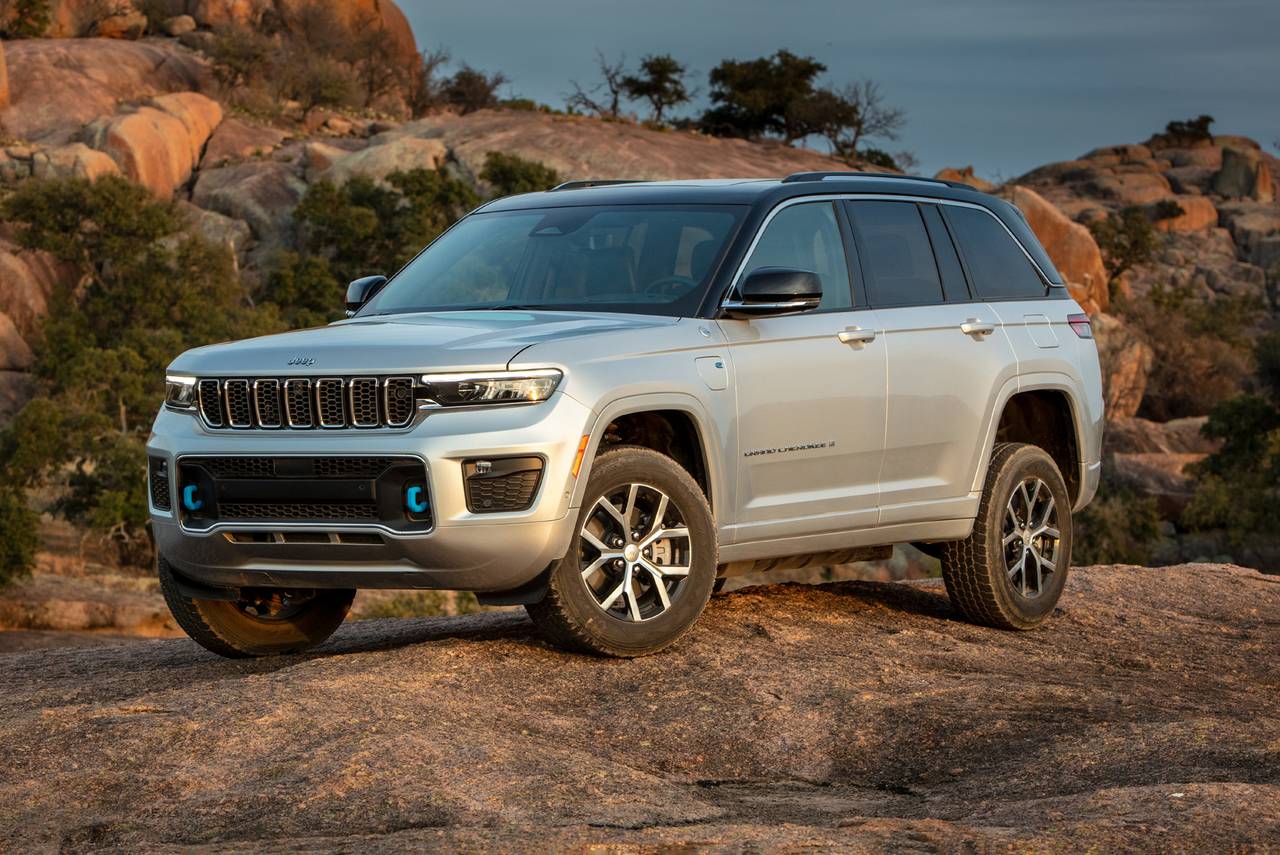
- Engine: 3.6-liter Pentastar V6 petrol engine
- Horsepower: 293 hp
- Torque: 352 Nm (260 lb-ft)
- Length: 4,914 mm (193.5 inches)
- Width: 1,968 mm (77.5 inches)
2. Jeep Grand Cherokee
The Jeep Grand Cherokee has received recurring owner reports involving unexplained battery drain across several generations. Many complaints describe batteries losing charge overnight while the vehicle remained parked with all lights turned off.
In numerous cases, owners initially suspected an aging battery before discovering an electrical component that continued drawing power.
Electrical modules responsible for comfort and convenience features have frequently appeared during repair discussions. Power liftgates, interior lighting controls, memory seat functions, and security systems all rely on electronic communication between multiple control units.
If a module remains awake after shutdown, battery power slowly decreases until starting becomes difficult or impossible.
Infotainment systems have also been linked to battery drain complaints in certain model years. Owners reported frozen displays, delayed shutdown sequences, and software glitches that prevented the entertainment system from entering its low-power state. Manufacturers have issued software improvements for various electrical concerns over time, helping resolve some reported cases.
Charging system inspections often form part of the diagnostic process because battery drain symptoms can resemble alternator problems. Technicians typically tested battery health, charging voltage, and parasitic current draw before identifying the faulty circuit. This method reduced unnecessary parts replacement and helped isolate the exact cause.
Many experienced owners recommend paying attention to warning messages, electronic malfunctions, or accessories that continue operating after the vehicle has been parked. Small electrical irregularities sometimes appear weeks before complete battery failure becomes noticeable. Addressing those signs early may prevent repeated no-start situations and extend battery life.
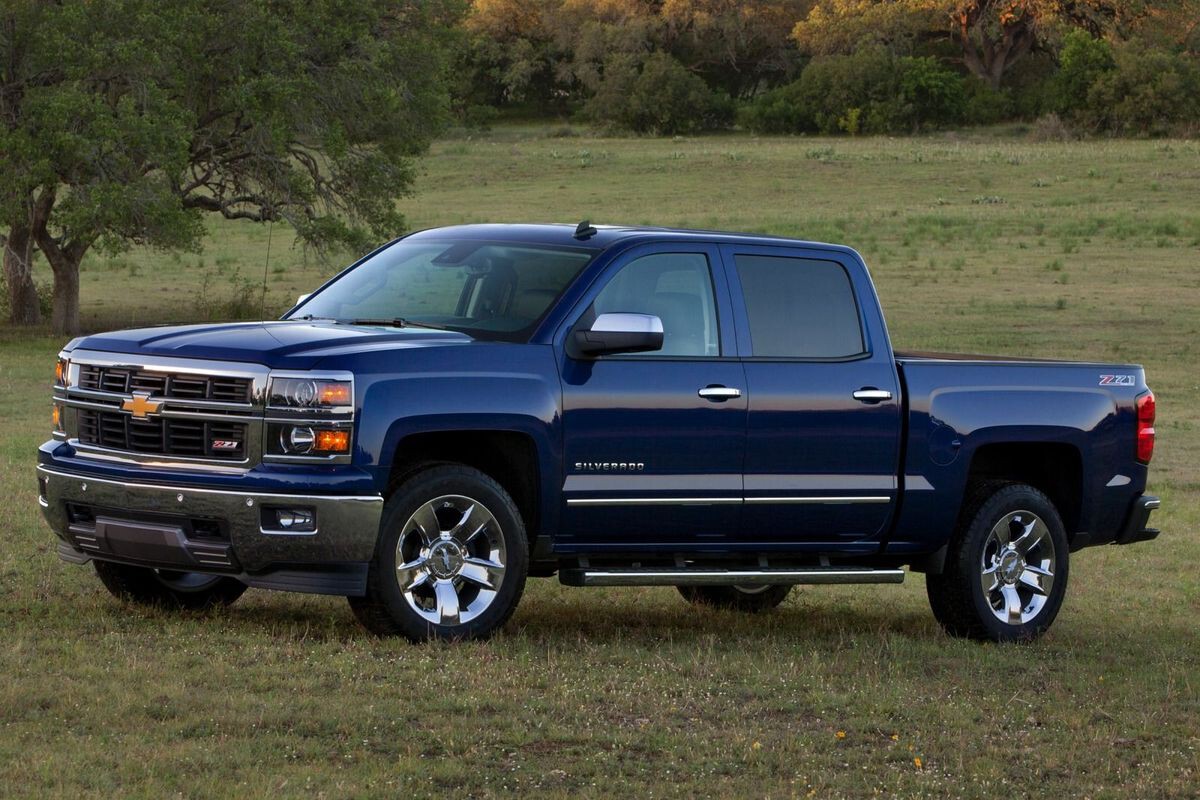
- Engine: 5.3-liter EcoTec3 V8 petrol engine
- Horsepower: 355 hp
- Torque: 519 Nm (383 lb-ft)
- Length: 5,885 mm (231.7 inches)
- Width: 2,063 mm (81.2 inches)
3. Chevrolet Silverado
The Chevrolet Silverado has been widely recognized for its durability and capability, but some owners have reported battery drain concerns in certain model years.
These complaints often involve trucks equipped with advanced technology packages, including large infotainment screens, connectivity systems, remote start features, and multiple electronic control modules. As trucks become more dependent on electronics, small faults can create noticeable battery issues.
Several Silverado owners have reported situations where the battery lost charge after the truck sat unused for a short period. Some drivers experienced slow cranking before a complete failure occurred, while others found the battery fully discharged without warning. Investigations frequently pointed toward excessive electrical draw from systems that should have entered a low-power state.
Infotainment and communication modules have been mentioned in various owner reports. Features such as Bluetooth connectivity, mobile integration, and remote services require constant communication between vehicle systems.
If software errors prevent proper shutdown, these components may continue using electricity even when the truck is parked. Software updates have helped address some electronic concerns reported by drivers.
Accessory installations can also contribute to battery drain problems in pickup trucks. Owners often add aftermarket lights, dash cameras, audio equipment, or remote accessories that connect directly to the electrical system. Poor installation practices or devices without proper sleep settings can create continuous power consumption that places extra strain on the battery.
Regular maintenance plays an important role in preventing unexpected battery problems. Checking battery age, inspecting terminals, and confirming proper alternator operation can reveal potential issues before a failure occurs.
Drivers who frequently leave their trucks parked for long periods may benefit from monitoring battery condition or using approved maintenance equipment to preserve charge levels.
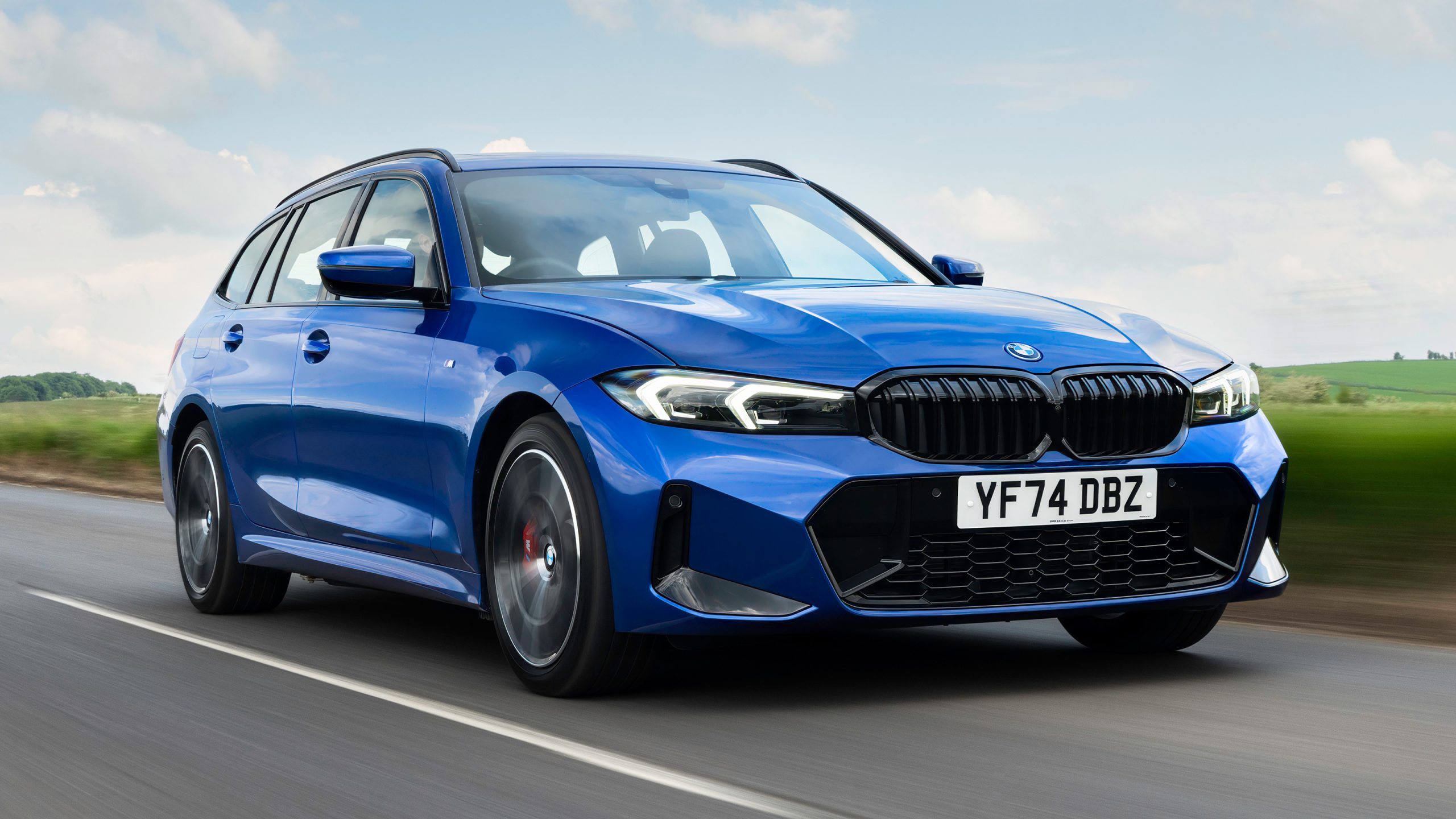
- Engine: 2.0-liter TwinPower Turbo 4-cylinder petrol engine
- Horsepower: 255 hp
- Torque: 400 Nm (295 lb-ft)
- Length: 4,713 mm (185.6 inches)
- Width: 1,827 mm (71.9 inches)
4. BMW 3 Series
The BMW 3 Series is known for its performance, engineering, and advanced technology, but some owners have reported battery drain problems related to the vehicle’s complex electrical systems.
Luxury vehicles often contain many modules that control everything from entertainment features to comfort settings. When one component fails to shut down properly, it can affect the entire electrical system.
Owners have commonly described situations where their BMW required frequent jump starts after being parked overnight. In some cases, the battery warning appeared only after repeated discharge events. Drivers sometimes replaced batteries, expecting a permanent solution, only to experience the same issue again when an underlying electrical fault remained.
The intelligent battery management system used in BMW vehicles monitors energy usage and charging conditions. When certain components malfunction, the system may detect unusual consumption patterns. Problems involving control modules, sensors, or communication networks can cause the vehicle to remain active longer than intended.
The vehicle’s comfort access system has also been discussed in connection with battery concerns. Keyless entry technology allows drivers to unlock and start the vehicle without removing the key from their pocket.
However, communication between the key and the vehicle can contribute to battery usage if the system does not operate correctly or if external interference repeatedly wakes the vehicle.
BMW owners dealing with repeated battery drain often benefit from specialized diagnostic equipment. Standard battery testing may confirm that the battery is weak, but may not identify why it became discharged. Advanced scanning tools can reveal stored faults and show whether specific modules remain active after shutdown.
Also Read: 10 Cheapest Everyday Cars to Insure in 2026
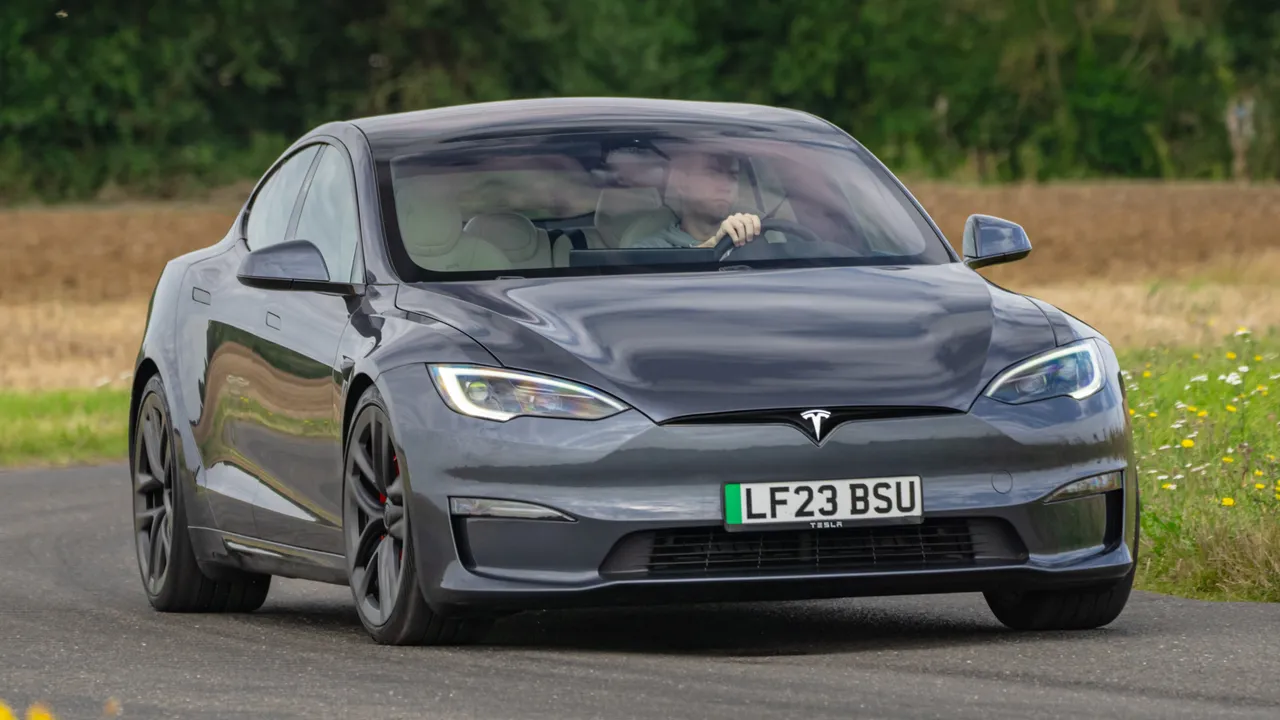
- Engine: Dual electric motors with all-wheel drive
- Horsepower: Approximately 670 hp (Model S standard version)
- Torque: Approximately 1,000 Nm (737 lb-ft)
- Length: 5,021 mm (197.7 inches)
- Width: 1,987 mm (78.2 inches)
5. Tesla Model S
The Tesla Model S differs from traditional vehicles because it uses a large high-voltage battery pack and a separate low-voltage battery system that powers many electronic functions.
While the main battery provides energy for driving, the smaller low-voltage battery supports computers, sensors, locks, and other vehicle operations. Problems with the low-voltage system have been reported by some owners.
Many Tesla owners have discussed situations where the vehicle displayed warnings related to the low-voltage battery. Because the vehicle depends heavily on electronic systems, a weak low-voltage battery can affect functions such as unlocking doors, starting the vehicle, and communicating with onboard computers. These problems can appear suddenly and may require professional assistance.
Continuous connectivity features can influence battery consumption. Tesla vehicles regularly communicate with mobile applications, perform system checks, and maintain communication with online services.
These features provide convenience but may increase energy usage when the vehicle is parked for extended periods, especially if certain settings remain active.
Software updates have addressed various vehicle behavior concerns over the years. Tesla frequently releases improvements that modify energy management, system performance, and electronic operation. Keeping the vehicle updated helps ensure that known software-related issues are corrected and that systems operate according to current programming.
Owners who store their vehicles for long periods often adjust settings designed to reduce unnecessary energy use. Features such as frequent remote checking through the mobile application or certain climate settings can affect parked energy consumption. Understanding how these systems work helps drivers manage battery performance more effectively.
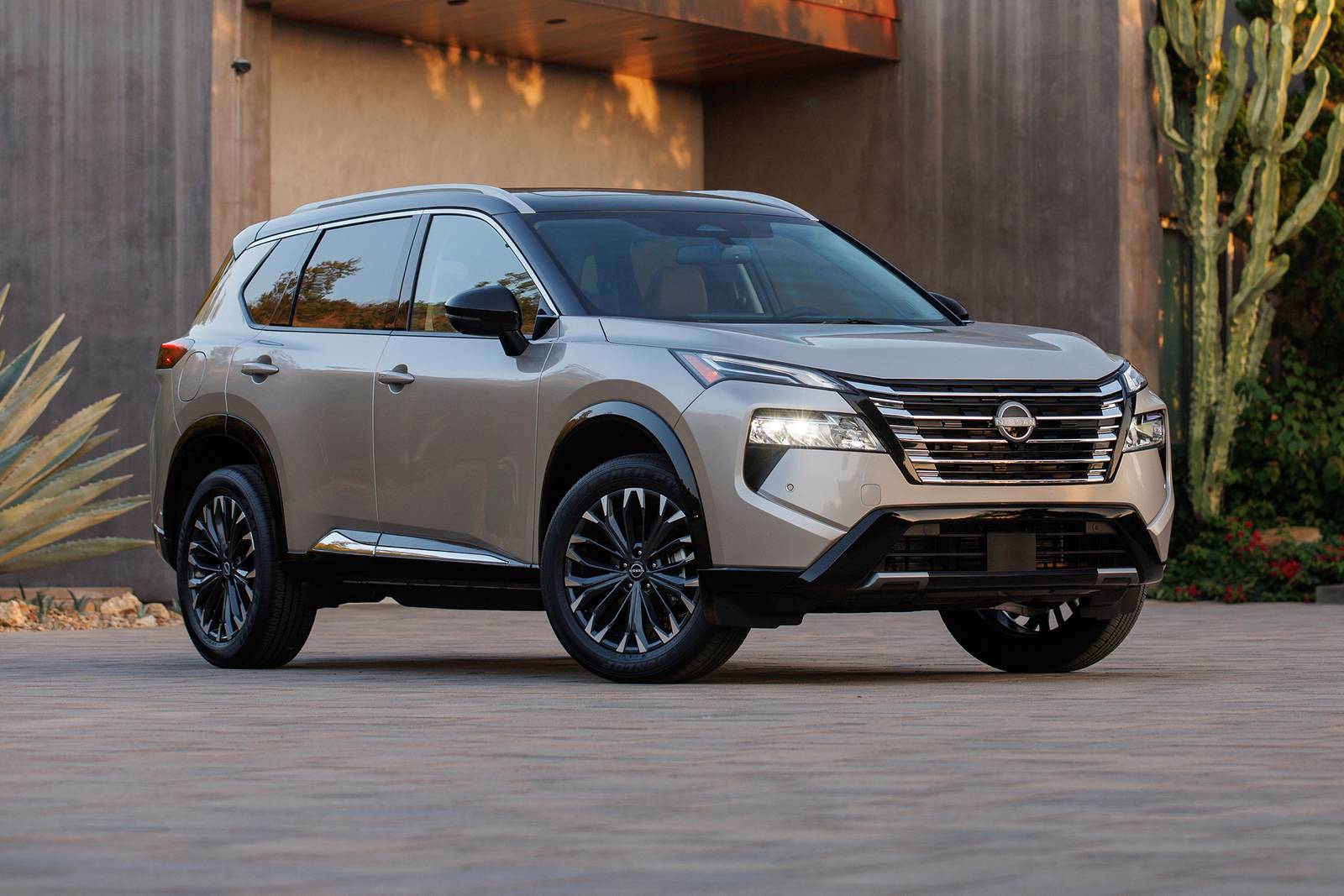
- Engine: 1.5-liter VC-Turbo 3-cylinder petrol engine
- Horsepower: 201 hp
- Torque: 305 Nm (225 lb-ft)
- Length: 4,648 mm (183 inches)
- Width: 1,839 mm (72.4 inches)
6. Nissan Rogue
The Nissan Rogue has received owner reports involving battery drain concerns, particularly among vehicles equipped with advanced electronic features.
Like many modern SUVs, the Rogue uses multiple computer modules to control safety systems, entertainment features, keyless entry, and driver assistance technology. When these systems fail to shut down correctly, they can gradually reduce battery charge while the vehicle remains parked.
Some owners have reported waking up to a vehicle that would not start even though the battery appeared relatively new. In many cases, the issue was not caused by normal battery aging but by continued electrical activity after the vehicle was turned off. Finding the source of the drain often required testing the vehicle after it had been inactive for several hours.
Intelligent key systems have been discussed in connection with battery concerns. These systems constantly communicate with the vehicle to provide convenient locking and starting functions.
If communication continues unnecessarily or a module remains active, the electrical system may consume more power than expected. Technicians usually check these systems during battery drain investigations.
Owners have also mentioned problems involving interior electronics and control modules. Modern SUVs rely on communication networks that allow different components to work together. A malfunction in one area can sometimes keep other systems awake, creating a chain reaction that affects battery performance.
Preventive maintenance can reduce the chance of unexpected battery failures. Drivers should pay attention to slow engine starts, dim lights, unusual electronic behavior, or warning messages. Checking the battery’s condition before extreme weather arrives can also help identify weak batteries before they fail completely.
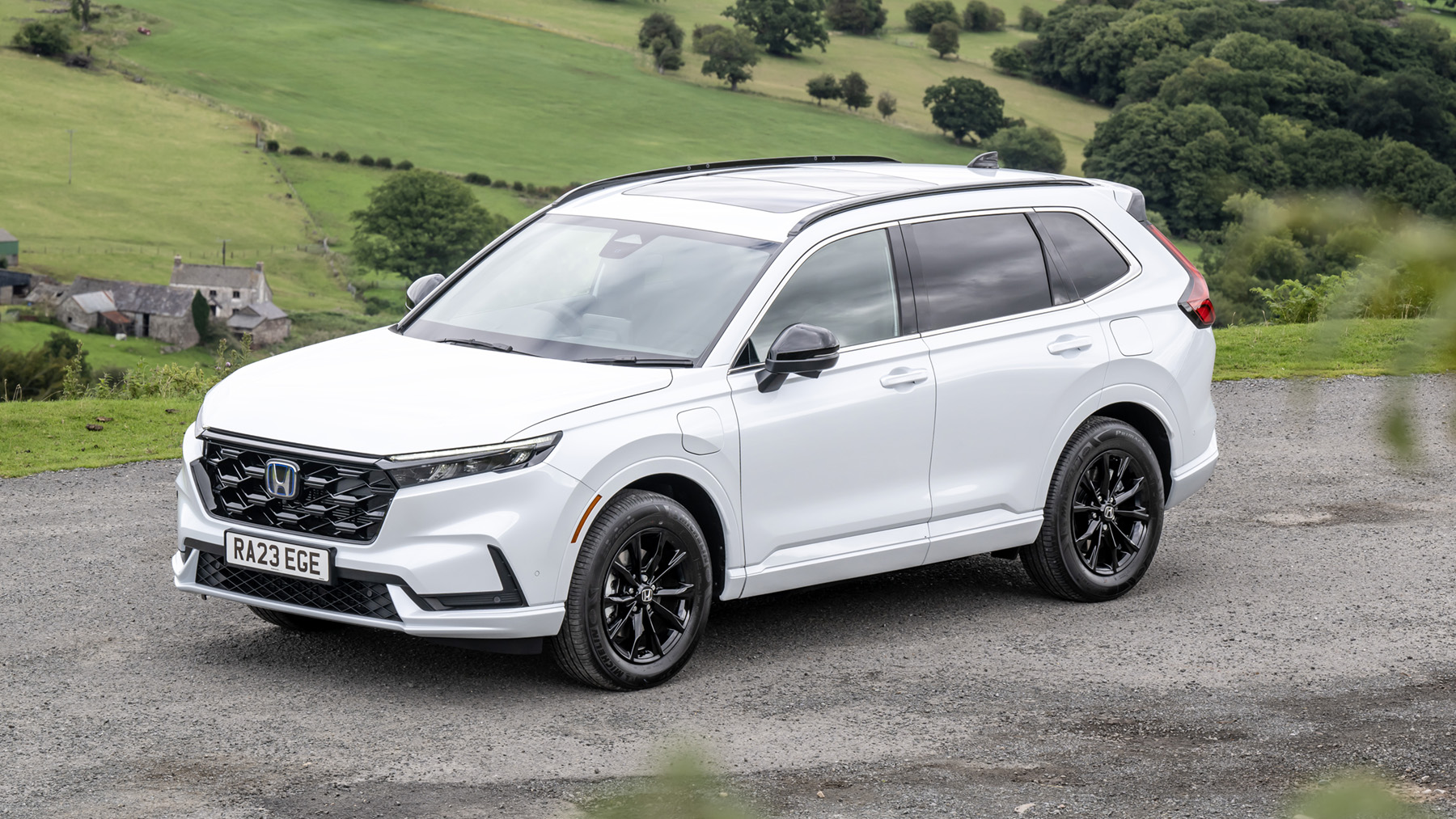
- Engine: 1.5-liter turbocharged 4-cylinder petrol engine
- Horsepower: 190 hp
- Torque: 243 Nm (179 lb-ft)
- Length: 4,694 mm (184.8 inches)
- Width: 1,864 mm (73.4 inches)
7. Honda CR-V
The Honda CR-V has earned a reputation for reliability, but some owners have reported battery drain issues in certain generations.
These concerns have often involved vehicles equipped with additional technology features, including touchscreen systems, smart entry, and multiple electronic control units. Even reliable vehicles can experience electrical problems when individual components malfunction.
Many reported cases involved batteries losing charge after the vehicle sat unused for several days. Some drivers found that regular driving did not prevent the issue because the battery was being drained faster than the charging system could restore energy. Repeated jump starts sometimes became necessary until the source of the drain was identified.
Infotainment systems have appeared in owner discussions related to battery problems. A system that does not properly enter standby mode may continue consuming electricity after the vehicle is parked. Software updates and system resets have helped resolve some electronic issues reported by drivers.
The vehicle’s electrical system includes numerous sensors and modules designed to improve safety and convenience. Features such as automatic locking, security monitoring, and driver assistance systems require small amounts of energy even when the engine is off. Problems occur when these systems consume more power than intended.
Honda CR-V owners experiencing battery problems often benefit from checking both the battery and the electrical system. A battery test can determine whether the unit still holds a proper charge, while a parasitic draw test can reveal whether a component continues using electricity. Accurate diagnosis prevents unnecessary replacement of good parts.
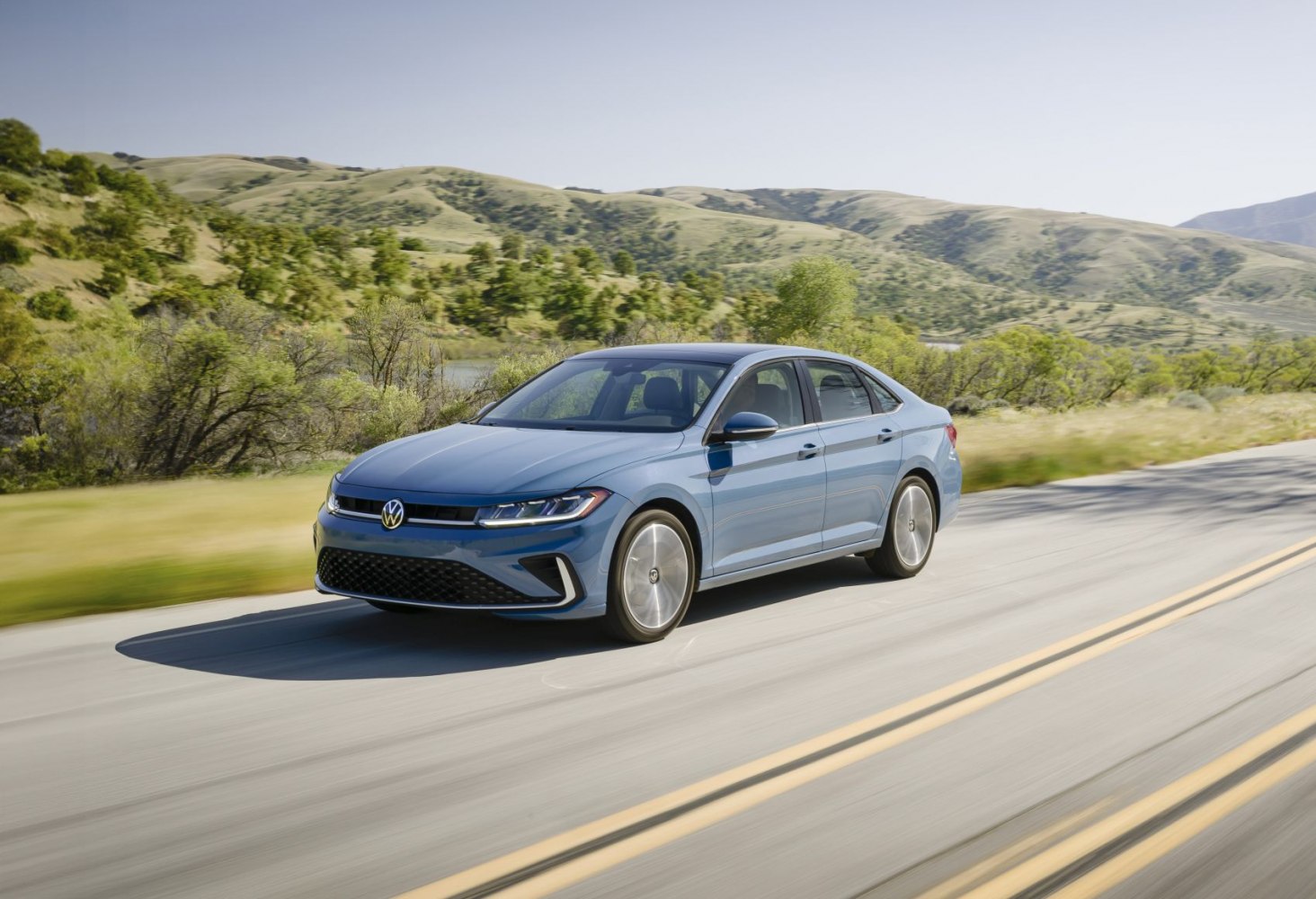
- Engine: 1.5-liter turbocharged TSI 4-cylinder petrol engine
- Horsepower: 158 hp
- Torque: 250 Nm (184 lb-ft)
- Length: 4,741 mm (186.7 inches)
- Width: 1,799 mm (70.8 inches)
8. Volkswagen Jetta
The Volkswagen Jetta has been included in owner discussions about battery drain issues, particularly in vehicles with advanced electronics and comfort features.
The Jetta uses multiple control modules that communicate with each other to manage lighting, security, infotainment, and vehicle settings. A communication problem between these systems can sometimes create excessive power consumption.
Some owners have reported batteries becoming weak after the vehicle remained parked overnight or during periods of limited use. In several cases, the battery itself was not the main problem. Instead, a module or electrical component continued operating when the vehicle should have entered its resting state.
Volkswagen vehicles use sophisticated electronic networks, and identifying battery drain sources can require specialized diagnostic tools. Technicians may monitor different systems to determine which component remains active after shutdown. This process helps locate faults that are not visible during normal vehicle operation.
Comfort features have also been discussed among owners dealing with electrical concerns. Automatic lighting, keyless entry, and multimedia systems add convenience but also depend on proper electronic management. If a control unit fails to communicate correctly, the vehicle may experience unnecessary battery consumption. Regular inspections and proper battery care remain important for long-term reliability.
Replacing an aging battery before complete failure, checking electrical connections, and addressing warning signs quickly can reduce the likelihood of unexpected starting problems. Owners who notice repeated battery issues should seek a complete electrical diagnosis rather than replacing batteries repeatedly.