
Paying for a car is only the first part of the financial commitment. The real cost becomes clear after years of ownership, when expenses such as fuel, insurance, servicing, repairs, and worn-out parts begin to add up. A vehicle with a low purchase price may still become expensive if it requires frequent repairs or costly maintenance.
That is why many buyers now pay close attention to long-term ownership costs before making a purchase. Studies from organisations such as CarEdge and Consumer Reports show that vehicles with fuel-efficient engines and dependable powertrains usually cost much less to maintain over many years.
Cars built with simple engineering often avoid the expensive mechanical problems that can affect models fitted with highly advanced or heavily stressed components. Owners also benefit from lower repair bills because these vehicles are generally easier to service and replacement parts are widely available. Choosing a reliable model can save thousands of dollars during many years of ownership.
This page highlights ten vehicles that have earned a strong reputation for keeping ownership costs low across fifteen years. The list includes hybrid models, compact cars, and a few vehicles that many buyers may not expect to see. Each one has built a record for reliability, reasonable maintenance costs, and dependable performance.
If you are planning to buy a daily driver or simply want a vehicle that will serve you well for many years without placing constant pressure on your finances, these models deserve careful consideration before making your final decision.
1. Toyota Prius
- Engine: 2.0-liter 4-cylinder Hybrid (Inline-4 + Electric Motor)
- Horsepower: 194 hp
- Torque: 139 lb-ft
- Size: 181.1″ L x 70.2″ W x 55.9″ H
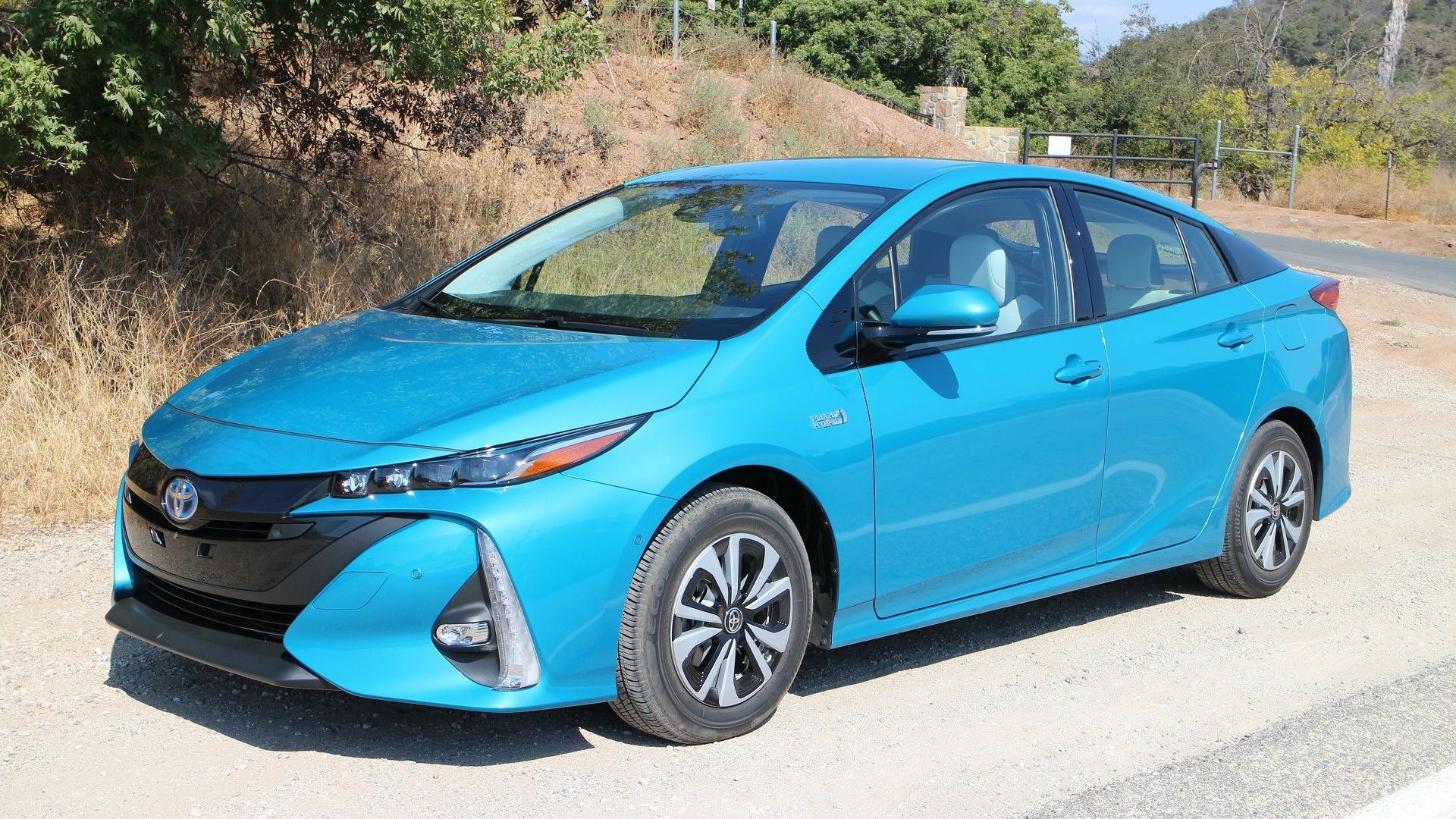
The Toyota Prius has spent years being the punchline of jokes about hybrid drivers, yet it consistently ranks among the cheapest vehicles to own over fifteen years. There’s something almost ironic about that: the car people love to mock ends up being the one quietly saving its owners thousands of dollars in fuel costs alone.
Its hybrid system pairs a 2.0-liter four-cylinder engine with an electric motor, producing 194 horsepower and 139 lb-ft of torque, numbers that don’t sound flashy but translate into serious efficiency on the road. What makes this car financially smart isn’t just the fuel savings, though those add up fast when you’re barely stopping at the pump.
Toyota’s hybrid battery systems have proven remarkably durable, often lasting well beyond 150,000 miles without needing replacement, which used to be a major concern for early hybrid skeptics. Insurance costs also tend to run lower than average, since the Prius carries a reputation for safety and low theft rates.
Measuring in at 181.1 inches long, 70.2 inches wide, and 55.9 inches tall, the Prius fits comfortably into most parking situations without feeling cramped inside. Maintenance costs stay low too, since the drivetrain has been refined across multiple generations, meaning mechanics know exactly what they’re working with and repairs rarely turn into expensive mysteries.
Add in Toyota’s strong resale value, and you’ve got a car that loses less money as time goes on compared to nearly anything else on the road. For someone who wants low bills without sacrificing daily reliability, the Prius remains a genuinely smart pick, jokes aside.
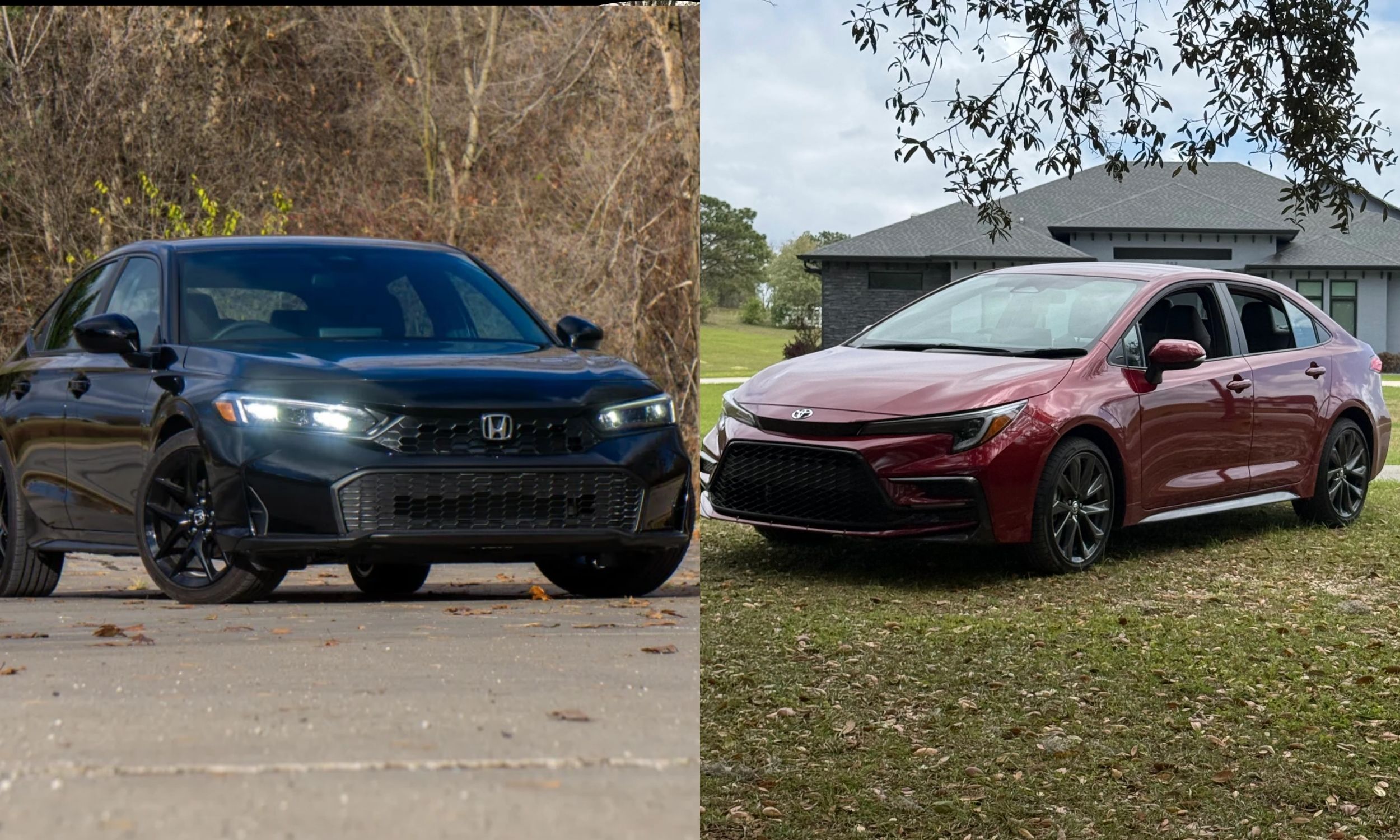
2. Toyota Corolla
- Engine: 2.0-liter Naturally Aspirated Inline-4
- Horsepower: 169 hp
- Torque: 151 lb-ft
- Size: 182.5″ L x 70.1″ W x 56.5″ H
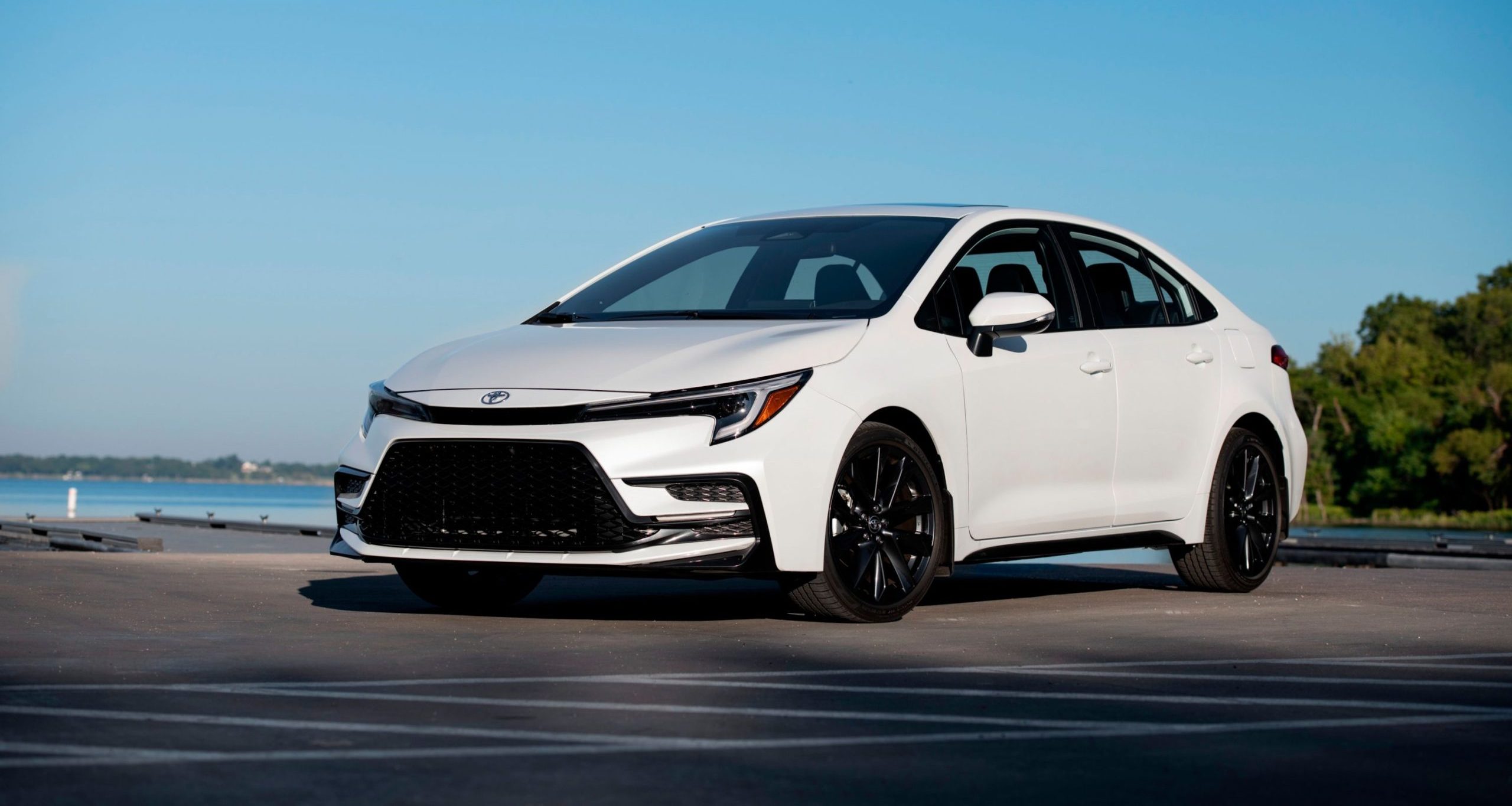
Few cars have built a reputation quite like the Corolla. It’s the vehicle people buy when they want to stop thinking about their car altogether, and that mentality pays off big over fifteen years. Powered by a naturally aspirated 2.0-liter inline-four engine producing 169 horsepower and 151 lb-ft of torque, the Corolla doesn’t try to impress anyone with speed. Instead, it focuses on doing exactly what it needs to do without complications, year after year.
Simplicity is the secret weapon here. Because the Corolla avoids turbocharging and unnecessary mechanical complication, repair costs stay predictable, and parts remain widely available and affordable. Mechanics across the country know this engine inside and out, which keeps labor costs down, too. Insurance companies also favor the Corolla, both because of its safety ratings and because it’s rarely a target for theft compared to flashier models.
At 182.5 inches long, 70.1 inches wide, and 56.5 inches tall, the Corolla offers enough interior room for daily commuting and small family needs without feeling bulky on the road. Fuel efficiency stays consistently strong, which matters even more once you consider fifteen years of gas station visits. Add all this up, and the math becomes obvious: lower fuel costs, lower repair bills, lower insurance, and strong resale value combine into one of the most financially sound vehicles you can buy.
There’s a reason rental car companies and rideshare drivers gravitate toward the Corolla. It’s not thrilling, but thrilling isn’t what keeps money in your pocket. Reliability does, and this car has built an entire reputation around exactly that.
Also Read: 8 Cheap Cars That Are Better Than Their Pricier Rivals
3. Honda Civic
- Engine: 2.0-liter Naturally Aspirated Inline-4
- Horsepower: 150 hp
- Torque: 133 lb-ft
- Size: 184.8″ L x 70.9″ W x 55.7″ H
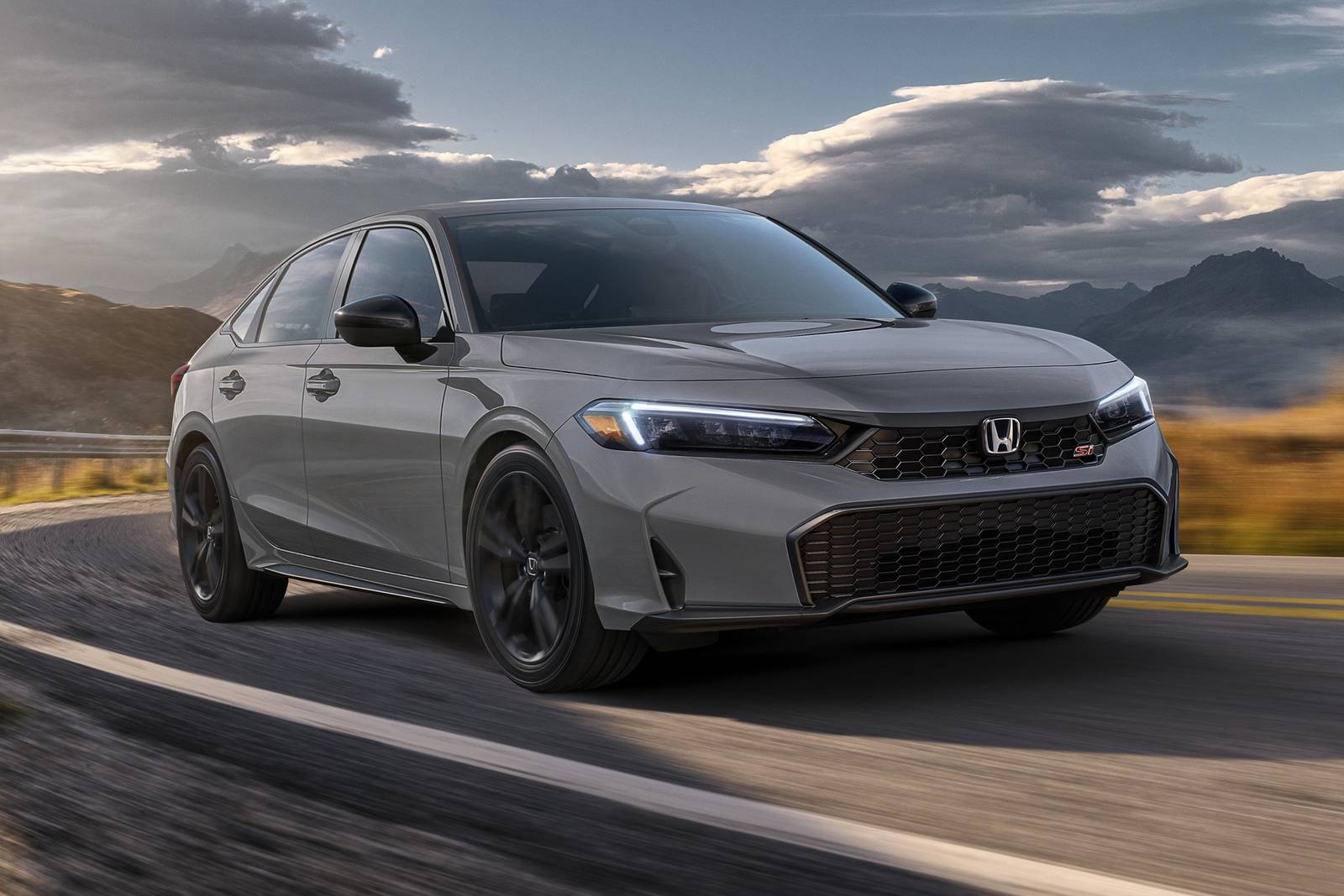
The Civic occupies a strange space in car culture. It’s been modified into race cars, mocked in memes, and praised by mechanics all at once, yet through all that attention, it remains one of the most financially sensible vehicles available. Its 2.0-liter naturally aspirated inline-four engine produces 150 horsepower and 133 lb-ft of torque, numbers that prioritize smooth, dependable performance over raw power.
Honda’s engineering philosophy here focuses heavily on long-term durability. This engine doesn’t rely on turbochargers or complicated systems prone to failure, which means owners rarely find themselves facing surprise repair bills once the warranty period ends. Parts remain affordable, and independent mechanics can service these engines without needing specialized training, keeping labor costs reasonable across the ownership period.
Measuring 184.8 inches in length, 70.9 inches in width, and 55.7 inches in height, the Civic strikes a balance between compact efficiency and everyday comfort. Its safety ratings consistently rank among the best in its class, which helps keep insurance premiums lower than those of many competitors in the same price range.
What really sets the Civic apart, though, is resale value. Because demand for used Civics stays strong year after year, owners lose less money when it comes time to sell or trade in. Combine that with excellent fuel economy and minimal maintenance surprises, and you get a car that quietly saves its owner thousands across fifteen years, all while looking sharp enough to still turn heads on the road. Few vehicles balance personality and practicality this well.
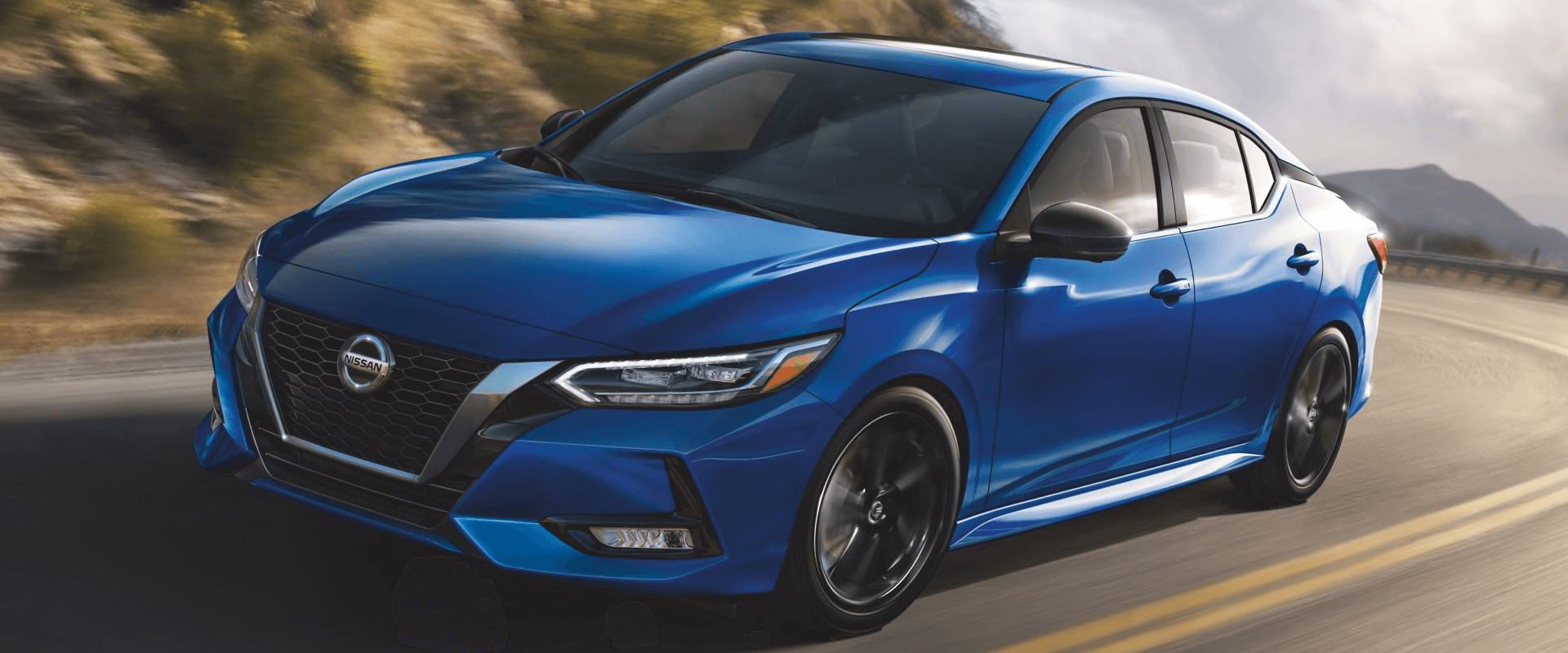
4. Nissan Sentra
- Engine: 2.0-liter Naturally Aspirated Inline-4
- Horsepower: 149 hp
- Torque: 146 lb-ft
- Size: 182.7″ L x 71.5″ W x 56.9″ H
Many people overlook the Nissan Sentra when discussing vehicles with low ownership costs, yet it has consistently shown that it can be an economical choice for long-term use. Rather than chasing high-performance figures, this sedan focuses on dependable operation and reasonable running costs. It is powered by a naturally aspirated 2.0-litre inline four-cylinder engine that produces 149 horsepower and 146 lb-ft of torque.
The engine delivers smooth performance for daily driving while maintaining the simple mechanical design that helps reduce repair expenses during many years of ownership. Another reason the Sentra remains affordable to own is Nissan’s decision to avoid turbocharging and unnecessary mechanical additions. This straightforward engineering makes servicing easier and helps keep maintenance costs under control.
Replacement parts are widely available, and most repair shops can work on the vehicle without needing specialised equipment or hard-to-find components. As the car gets older, owners are less likely to face expensive labour charges linked to highly advanced engine technology, making it easier to keep the vehicle in good condition.
Measuring 182.7 inches in length, 71.5 inches in width, and 56.9 inches in height, the Nissan Sentra provides a spacious cabin that comfortably accommodates passengers while offering good value for money. Fuel economy remains competitive in both city and highway driving, helping owners reduce fuel expenses throughout many years of regular use. Insurance premiums are also generally affordable because the model has a good safety record and is not commonly targeted by thieves.
Although the Sentra may not receive the same level of public attention as some Toyota or Honda models, that can work in a buyer’s favour by keeping purchase prices competitive. Its dependable engineering, comfortable interior, and manageable ownership costs make it an excellent choice for anyone seeking a reliable sedan that remains affordable throughout fifteen years of everyday driving.
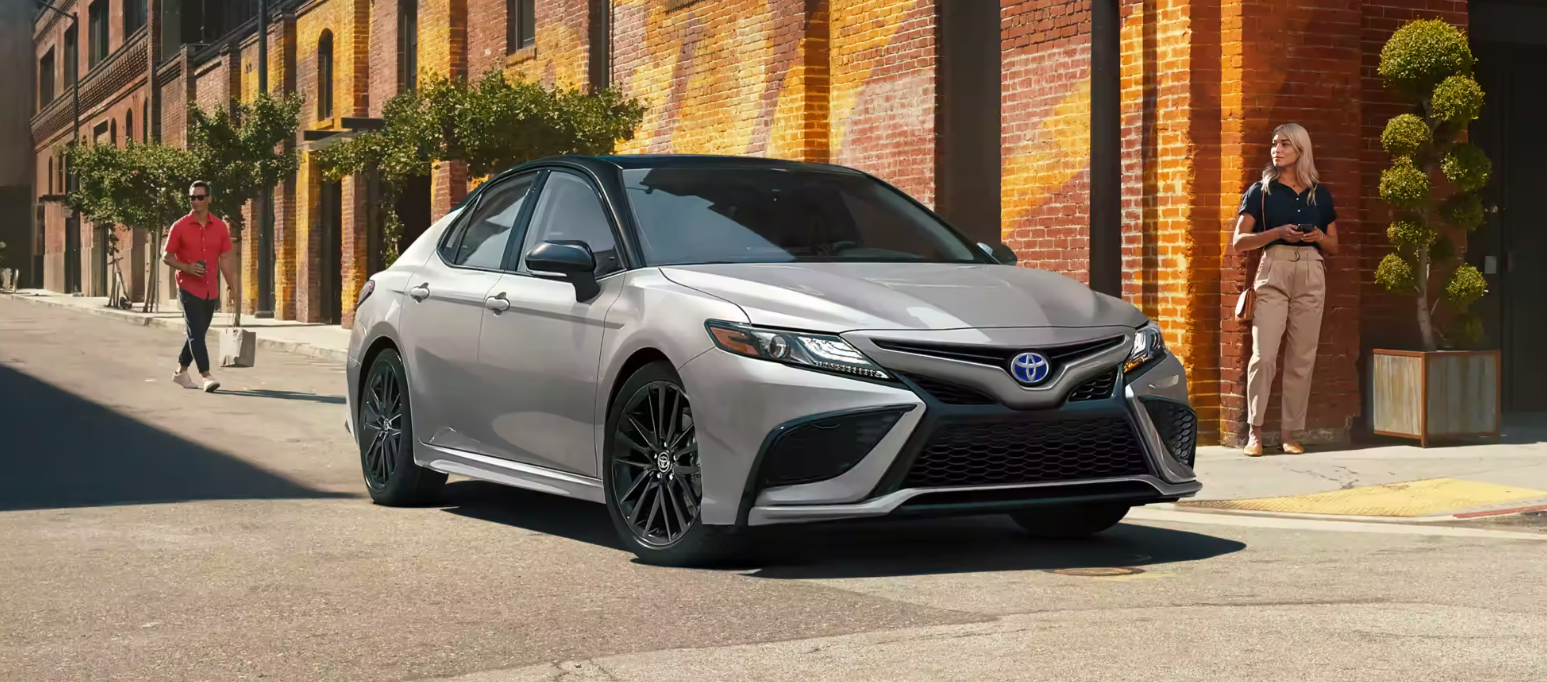
5. Toyota Camry Hybrid
- Engine: 2.5-liter 4-cylinder Hybrid (Inline-4 + Electric Motor)
- Horsepower: 225 hp
- Torque: 163 lb-ft
- Size: 193.5″ L x 72.4″ W x 57.0″ H
Combining hybrid efficiency with midsize comfort, the Camry Hybrid manages to feel like a genuinely upscale sedan while still keeping long-term costs impressively low. Its 2.5-liter four-cylinder hybrid powertrain produces 225 horsepower and 163 lb-ft of torque, numbers that actually outperform several traditional gas-only sedans in its class, proving efficiency doesn’t have to mean sacrificing power.
What stands out here is how Toyota’s hybrid technology has matured. Early hybrid skepticism largely centered around battery replacement costs, but Toyota’s systems have proven durable enough that most owners never face that expense within a normal ownership period. This reliability directly impacts long-term costs, since one of the biggest financial fears around hybrids simply doesn’t materialize for most drivers.
Measuring 193.5 inches long, 72.4 inches wide, and 57.0 inches tall, the Camry Hybrid offers generous interior space, making it a practical choice for families who still want strong fuel economy. Insurance costs remain moderate, helped along by consistently strong safety ratings across recent model years.
Fuel savings become especially noticeable during years three through ten of ownership, when gas price fluctuations tend to hit gas-only vehicles harder. Because the Camry Hybrid sips fuel so efficiently, owners feel less pain during price spikes, something that becomes financially meaningful across fifteen years.
Resale value also holds strong, since hybrid Camrys remain in demand among used car buyers searching for reliability paired with efficiency. Altogether, this car proves that comfort, performance, and low ownership costs can genuinely coexist in one package.
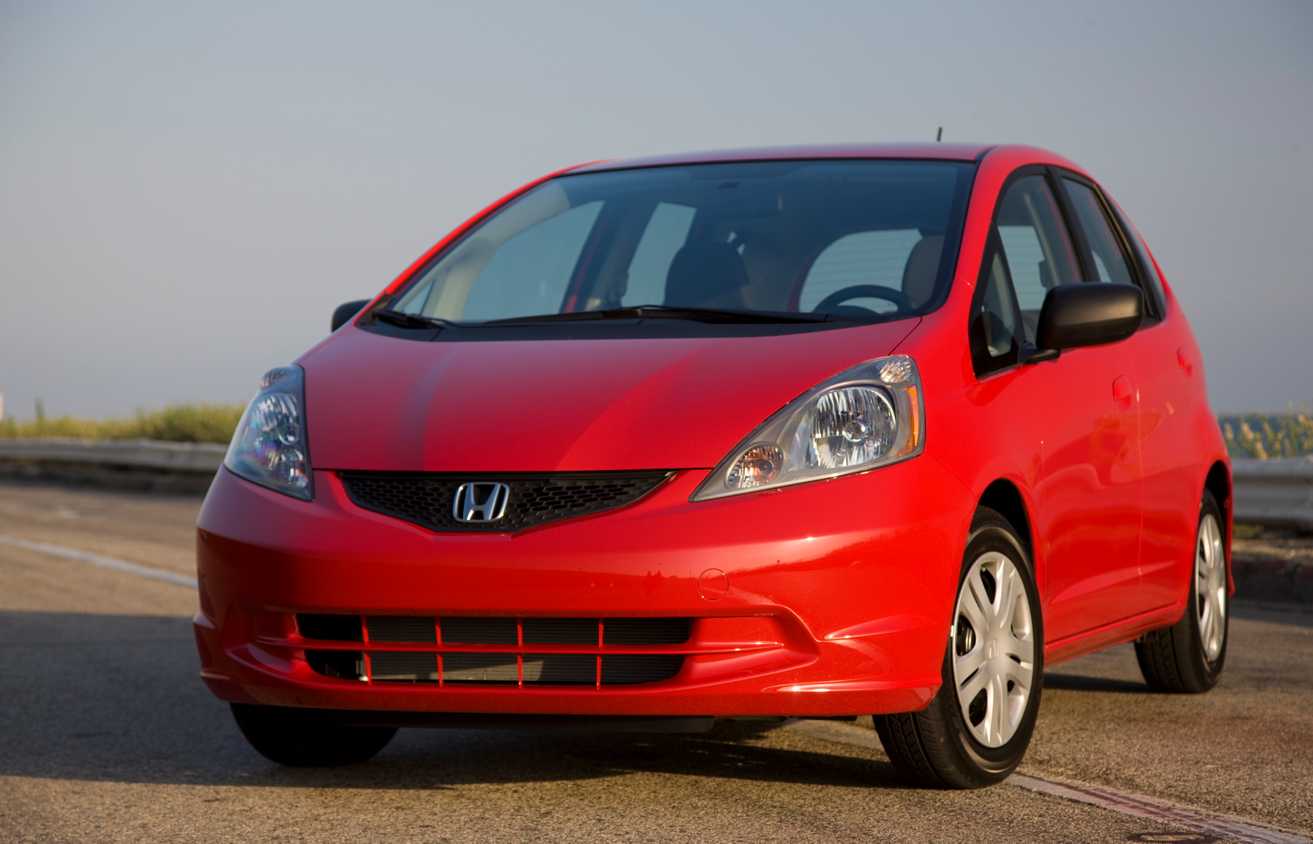
6. Honda Fit (Used Market / Recent Generations)
- Engine: 1.5-liter Naturally Aspirated Inline-4
- Horsepower: 130 hp
- Torque: 114 lb-ft
- Size: 161.4″ L x 67.0″ W x 60.0″ H
Small, practical, and surprisingly affordable to keep running, the Honda Fit deserves serious consideration for buyers focused on minimizing costs over fifteen years. Its 1.5-liter naturally aspirated inline-four engine produces 130 horsepower and 114 lb-ft of torque, modest numbers that translate directly into excellent fuel efficiency and low mechanical strain as time goes on.
Since Honda discontinued the Fit in the US market, most buyers will find these on the used market, which actually works in their favor financially. Depreciation has already happened, meaning buyers can snag a reliable Fit at a lower upfront cost while still benefiting from Honda’s reputation for building engines that last well beyond 200,000 miles with proper maintenance.
At 161.4 inches long, 67.0 inches wide, and 60.0 inches tall, the Fit might look small from the outside, but its interior packaging is famously clever, offering more usable cargo and passenger space than its dimensions suggest. This practicality extends to ownership costs too, since parts remain affordable and mechanics rarely encounter complicated repairs with this engine.
Insurance premiums tend to stay low as well, partly due to the car’s modest performance numbers and partly because of Honda’s strong safety engineering across its lineup. Fuel costs stay minimal given the car’s light weight and efficient engine, making it an ideal choice for city commuters logging heavy mileage.
For anyone willing to buy used rather than new, the Fit offers one of the most cost-effective ownership experiences available, proving that smaller cars can deliver outsized financial benefits across a decade and a half of regular use.
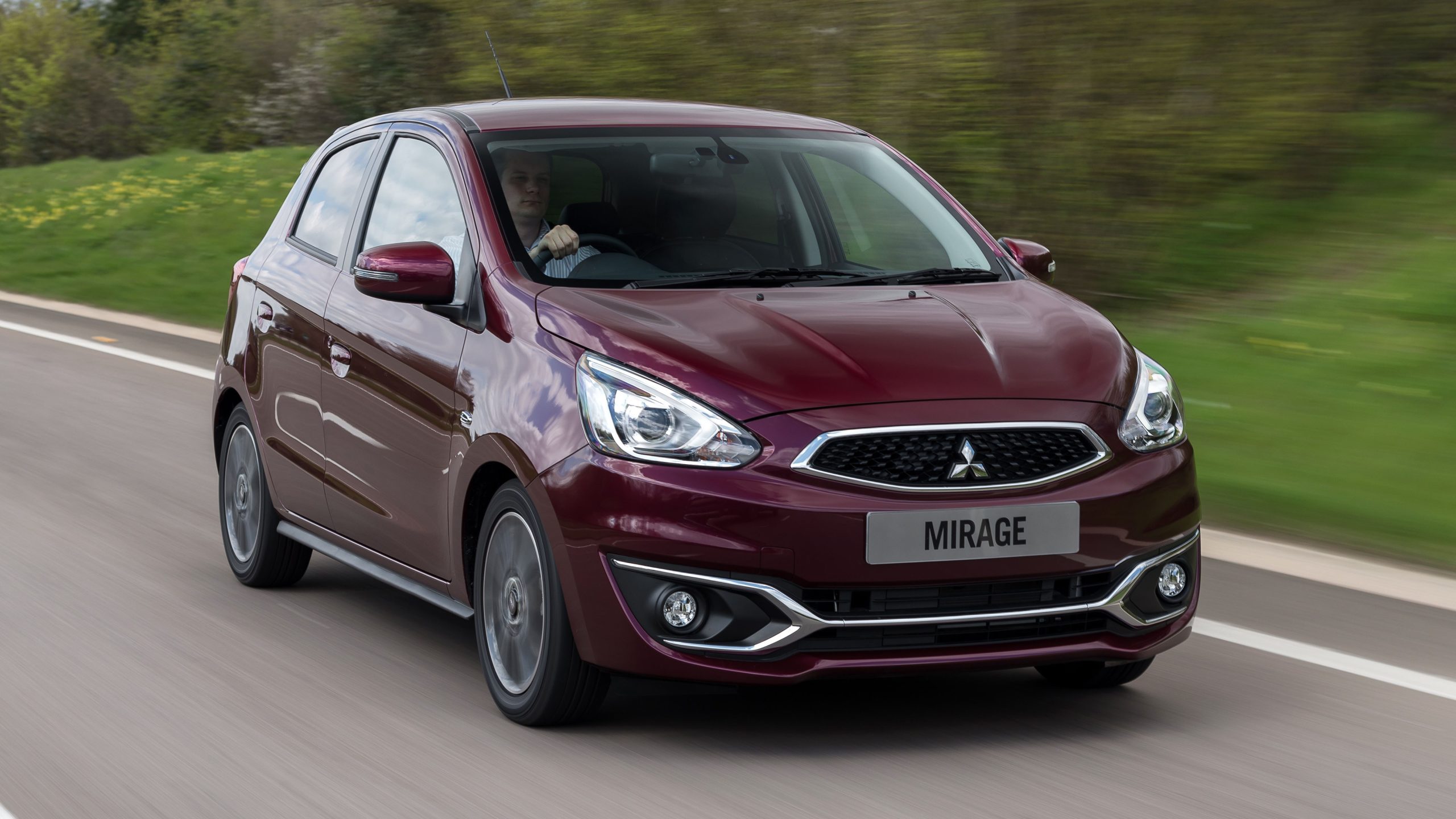
7. Mitsubishi Mirage
- Engine: 1.2-liter Naturally Aspirated 3-cylinder
- Horsepower: 78 hp
- Torque: 74 lb-ft
- Size: 151.4″ L x 65.6″ W x 59.4″ H
The Mitsubishi Mirage won’t turn heads with its styling or leave sports cars behind when the light turns green. Its appeal lies elsewhere. Designed with affordability and efficiency in mind, the Mirage excels at keeping ownership costs remarkably low. Under the hood is a 1.2-liter naturally aspirated three-cylinder engine that delivers 78 horsepower and 74 lb-ft of torque.
Those figures may seem modest by modern standards, but they reflect the Mirage’s true purpose. Rather than focusing on speed or performance, Mitsubishi engineered this compact hatchback to provide dependable transportation, excellent fuel economy, and budget-friendly operating costs, making it an attractive choice for drivers who value practicality above all else.
Because the engine is so small and mechanically simple, repair costs stay remarkably low throughout ownership. There’s less to go wrong with a three-cylinder setup compared to more complicated engines, and parts remain inexpensive given the car’s straightforward design. Fuel economy numbers rank among the best of any gas-only vehicle sold in the US, which becomes a massive advantage across fifteen years of regular driving.
Measuring 151.4 inches long, 65.6 inches wide, and 59.4 inches tall, the Mirage ranks among the smallest cars on this list, making it ideal for city driving and tight parking situations. Insurance costs stay low too, partly due to its low market value and partly because of decent safety ratings for a vehicle in this price bracket.
While it won’t satisfy drivers craving performance, the Mirage delivers exactly what budget-focused buyers need: minimal fuel costs, minimal repair costs, and one of the lowest initial purchase prices available on the new car market. For someone prioritizing pure financial efficiency over driving excitement, few vehicles compete with what the Mirage offers across a decade and a half of ownership.
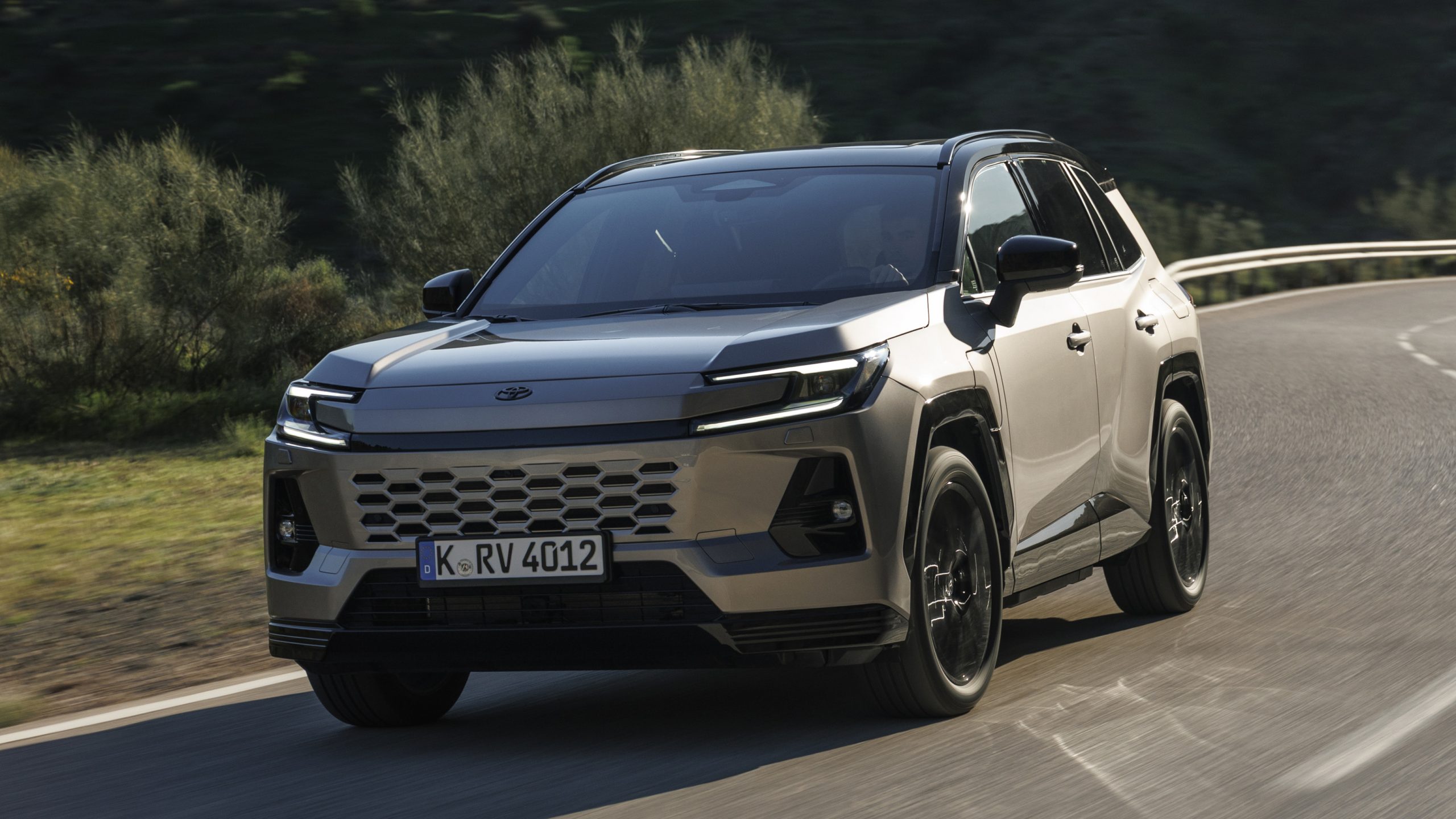
8. Toyota RAV4
- Engine: 2.5-liter Naturally Aspirated Inline-4
- Horsepower: 203 hp
- Torque: 184 lb-ft
- Size: 180.9″ L x 73.0″ W x 67.0″ H
Compact SUVs often carry a reputation for higher ownership costs compared to sedans, but the RAV4 breaks that pattern convincingly. Its 2.5-liter naturally aspirated inline-four engine produces 203 horsepower and 184 lb-ft of torque, delivering enough power for everyday driving while avoiding the complications that come with turbocharged alternatives.
This engine’s simplicity translates directly into lower long-term repair costs. Toyota has refined this powertrain across multiple generations, meaning mechanics understand exactly how to service it efficiently, without expensive diagnostic guesswork. Parts remain widely available, too, which keeps both time and money spent on repairs to a minimum across fifteen years.
At 180.9 inches long, 73.0 inches wide, and 67.0 inches tall, the RAV4 offers generous cargo space and a higher seating position, appealing to families and commuters alike who want SUV practicality without SUV-level expenses. Fuel economy stays impressively strong for the segment, helping offset the typically higher costs associated with larger vehicles.
Insurance premiums remain moderate, aided by strong safety ratings and widespread availability of replacement parts, which insurers factor into their pricing models. Resale value also stays remarkably strong, since RAV4s remain highly sought after in the used market, meaning owners lose less money when it’s finally time to sell.
Combine all these factors, and the RAV4 proves that choosing an SUV doesn’t have to mean sacrificing long-term affordability. For buyers wanting extra space and versatility without the typical financial penalties associated with larger vehicles, this model delivers a genuinely smart balance across fifteen years of ownership.
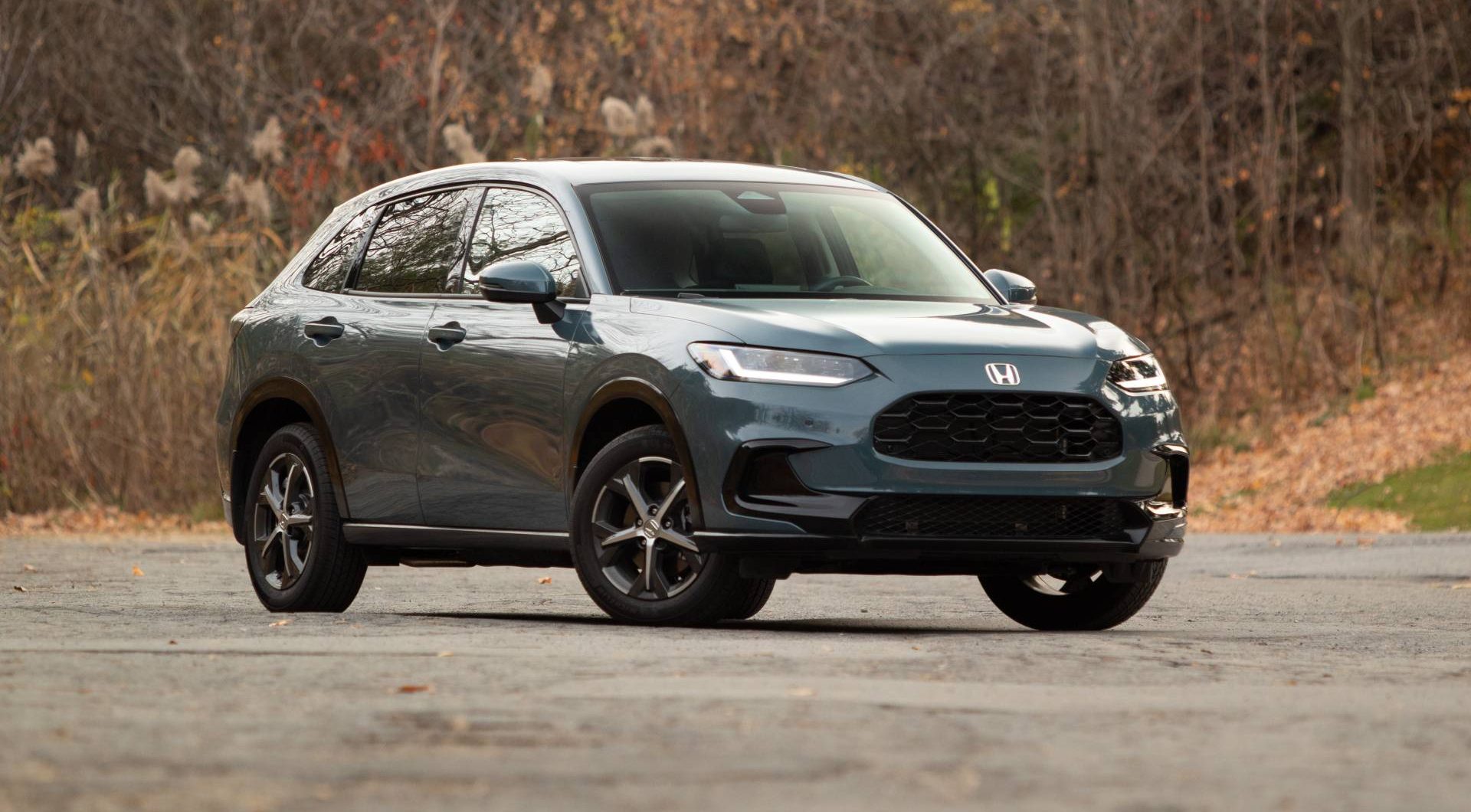
9. Honda HR-V
- Engine: 2.0-liter Naturally Aspirated Inline-4
- Horsepower: 158 hp
- Torque: 138 lb-ft
- Size: 179.8″ L x 72.4″ W x 63.4″ H
The Honda HR-V has built a strong reputation as a practical crossover that combines the fuel efficiency of a compact car with the extra space and versatility many drivers want. It is an excellent choice for buyers planning to keep their vehicle for many years because it delivers dependable performance without bringing high maintenance expenses. Power comes from a naturally aspirated 2.0-litre inline four-cylinder engine producing 158 horsepower and 138 lb-ft of torque.
This engine provides enough performance for daily driving while keeping its mechanical design simple, helping owners avoid costly repairs during long-term ownership. Honda designed the HR-V with durability and reliability as top priorities. Instead of using a turbocharged engine with extra mechanical parts, the company chose a straightforward design that has proven dependable.
Many mechanics are familiar with this engine, making servicing easier and helping to keep labour costs under control. Replacement parts are also reasonably priced, giving owners another way to save money throughout many years of regular use. Routine maintenance is usually predictable, allowing drivers to plan for servicing without unexpected expenses.
With a length of 179.8 inches, a width of 72.4 inches, and a height of 63.4 inches, the HR-V provides generous interior space while remaining easy to drive and park. Its raised seating position offers better road visibility, while the cargo area provides enough room for shopping, family trips, and everyday tasks. Fuel economy remains competitive for its class, helping drivers reduce fuel expenses throughout many years of ownership.
Insurance premiums are generally affordable because of the vehicle’s strong safety record and dependable reputation. Used HR-V models also remain in high demand, helping resale values stay strong. For anyone seeking a vehicle that combines compact efficiency with the everyday usefulness of a sport utility vehicle, the Honda HR-V continues to stand out as a dependable and economical long-term choice.
Also Read: 8 Cars That Became Famous For All The Wrong Reasons
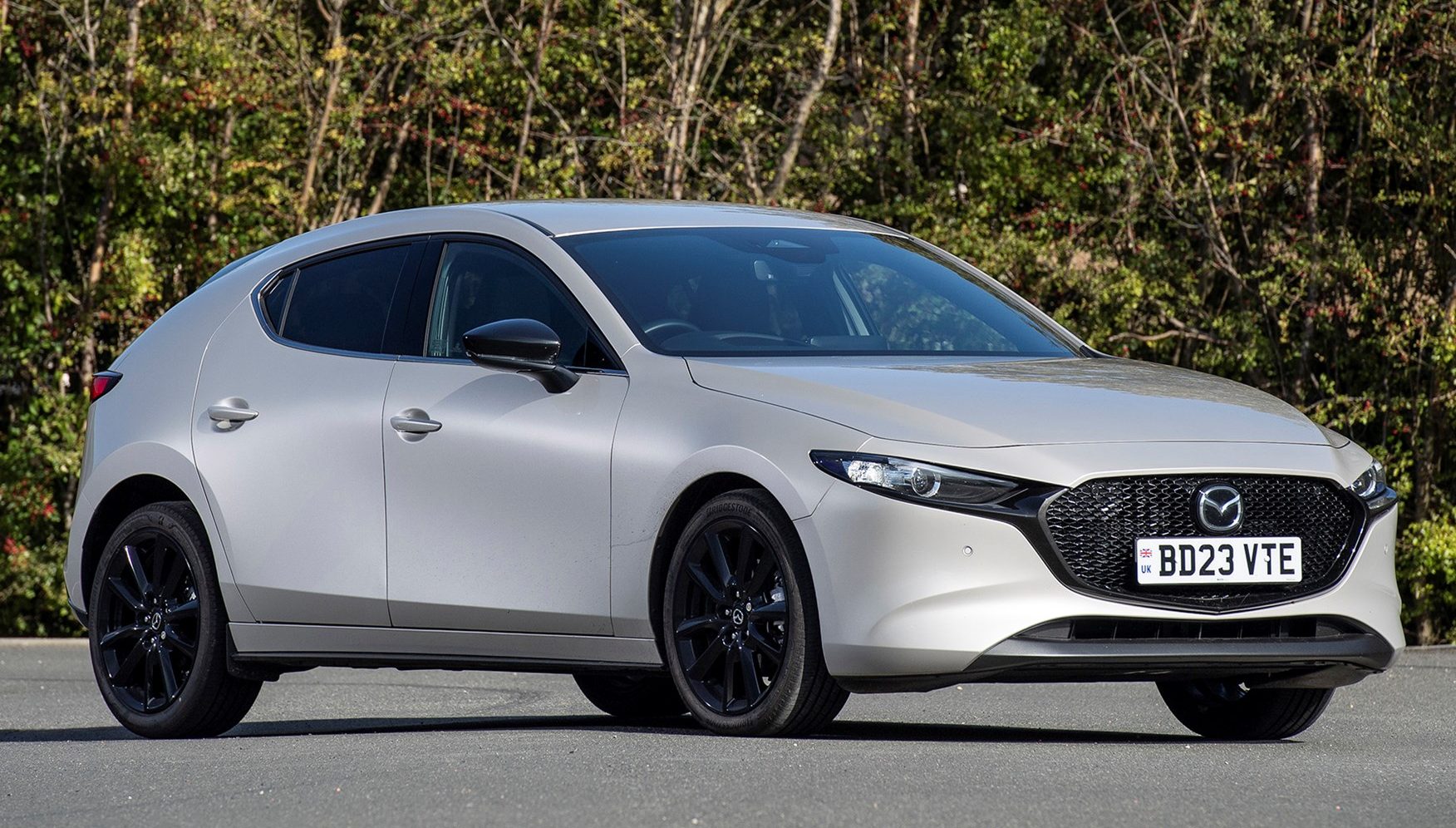
10. Mazda 3
- Engine: 2.5-liter SkyActiv-G Inline-4
- Horsepower: 191 hp
- Torque: 186 lb-ft
- Size: 183.5″ L x 70.7″ W x 56.9″ H
The Mazda 3 earns its place on this list by combining affordable long-term ownership with an enjoyable driving experience. While many budget-friendly cars focus only on keeping running costs low, this model also delivers responsive performance that makes daily driving more satisfying.
It is powered by a 2.5-litre SkyActiv-G four-cylinder engine producing 191 horsepower and 186 lb-ft of torque. The engine provides lively acceleration while maintaining impressive fuel economy through Mazda’s advanced high-compression design instead of relying on turbocharging.
Mazda’s engineering approach places attention on efficiency, durability, and straightforward mechanical design. By avoiding a turbocharged setup, the company helps reduce the likelihood of expensive repairs that can affect some performance-focused engines.
Replacement parts are reasonably priced, and the SkyActiv-G engine has built a strong record for dependability across recent model years. This gives owners greater confidence that routine maintenance will remain manageable without placing unnecessary pressure on their budgets during many years of ownership.
Measuring 183.5 inches in length, 70.7 inches in width, and 56.9 inches in height, the Mazda 3 also offers an interior that feels more refined than that of many vehicles in the same price range. Many drivers compare its cabin quality to cars that cost much more. Fuel economy remains impressive, giving buyers a practical balance between driving enjoyment and everyday savings.
Insurance premiums are generally reasonable, while resale values have improved as Mazda continues to earn praise for build quality and reliability. For anyone seeking a dependable car that is enjoyable to drive without creating high ownership costs across fifteen years, the Mazda 3 remains one of the strongest choices available.
