
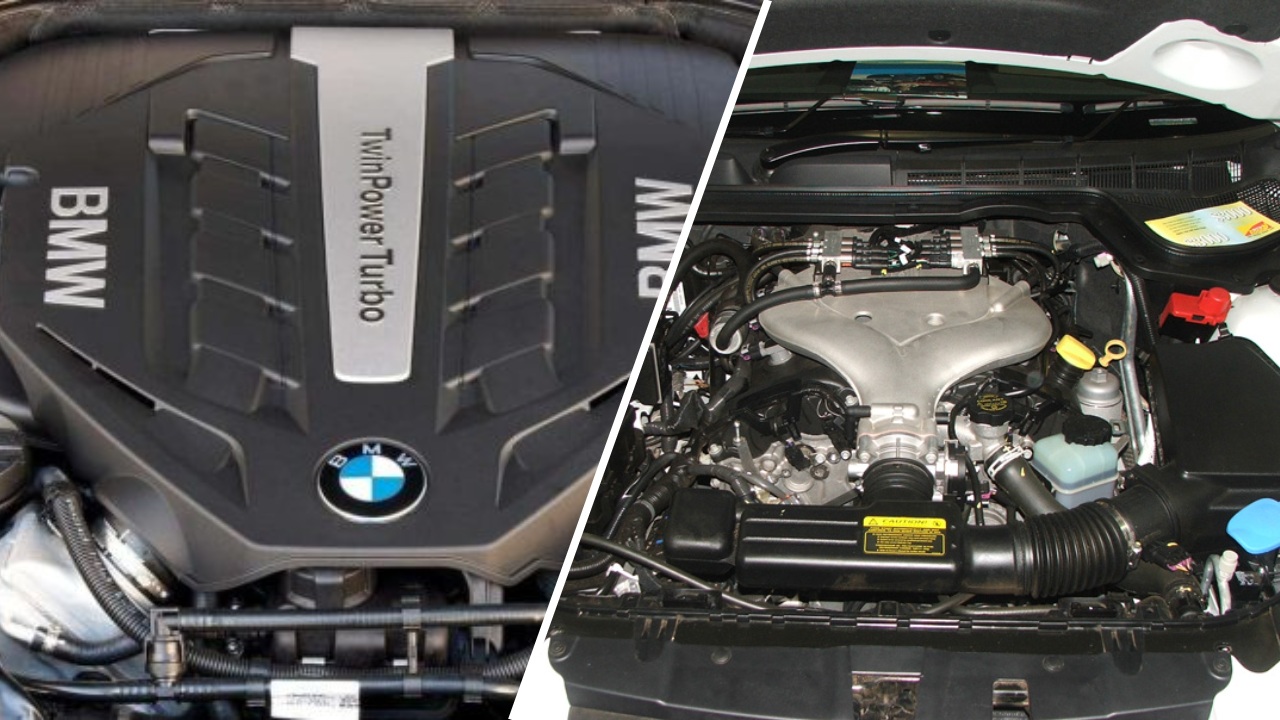
Engine reliability plays a major role in determining whether a vehicle remains dependable or becomes an expensive repair burden. Over the past two decades, automakers have introduced technologies such as turbocharging, direct fuel injection, cylinder deactivation, and variable valve timing to improve efficiency and performance. While many have been successful, some engines developed serious flaws that led to premature failures, costly repairs, recalls, warranty extensions, and widespread owner complaints.
This article ranks ten engines that earned poor reliability reputations from the mid-2000s onward based on documented evidence, including NHTSA complaints, recall history, manufacturer service campaigns, and independent reliability reports. It examines the engineering flaws, common failure symptoms, and repair issues that make these engines important warning signs for used vehicle buyers.
Also Read: 10 Cars That Lose the Least Value in Their First Year
1. General Motors 3.6-Liter High Feature V6 (LLT/LFX Early Versions)
Few modern engines generated as many owner complaints across multiple vehicle brands as General Motors’ early 3.6-liter High Feature V6. Introduced in numerous Chevrolet, GMC, Buick, Cadillac, and Saturn models, this direct-injected V6 offered competitive performance, but early versions became notorious for timing chain stretch.
Thousands of owners reported illuminated check engine lights, rough running, reduced engine performance, and expensive repairs well before 100,000 miles. The issue became so widespread that GM issued several Technical Service Bulletins and extended warranty coverage for certain vehicles affected by premature timing chain wear.
The root cause involved timing chains that could elongate faster than expected, especially when oil change intervals were extended.
Once the chain stretched beyond specification, engine timing drifted, triggering diagnostic trouble codes and causing poor drivability. Repair costs frequently exceeded $2,000 because replacing the timing chains required extensive labor.
Another concern involved direct fuel injection carbon buildup on intake valves. Unlike port-injected engines, fuel never washed the valves clean, allowing deposits to accumulate over time. Owners often experienced rough idle, hesitation during acceleration, and reduced fuel economy, requiring professional intake valve cleaning.
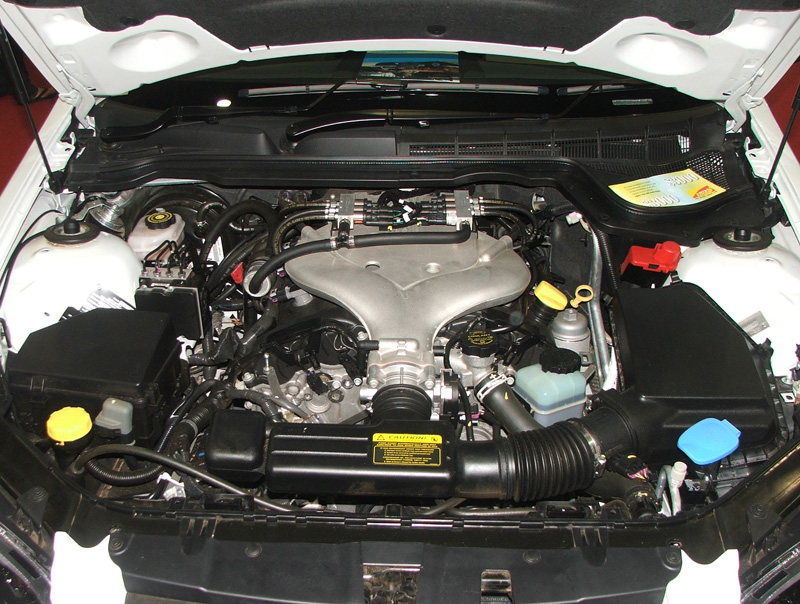
Despite these issues, later revisions significantly improved durability through updated components and revised calibration.
Nevertheless, the early versions remain one of the most documented reliability disappointments of the past twenty years because they affected a broad range of popular GM vehicles and generated thousands of NHTSA complaints and warranty claims.
Specifications
- Engine: 3.6-liter DOHC V6 (LLT/LFX)
- Torque: 273 lb-ft
- Horsepower: 304 hp
- Length/Width: N/A (standalone engine)
2. Volkswagen/Audi 2.0-Liter TSI EA888 Generation 1
Volkswagen’s first-generation EA888 2.0-liter turbocharged engine promised an excellent combination of power and fuel economy, but early production models developed multiple reliability concerns that damaged the engine’s reputation in North America.
Used in numerous Volkswagen and Audi models, the engine became widely known for excessive oil consumption, timing chain tensioner failures, and premature timing chain wear. These issues generated a significant number of owner complaints, warranty repairs, and legal actions in the United States.
The most serious defect involved the original timing chain tensioner design. If the tensioner failed, the timing chain could skip teeth, allowing pistons to contact valves and causing catastrophic engine damage.
In many cases, the repair required a complete engine rebuild or replacement. Volkswagen later updated the tensioner design, but many early vehicles experienced failures before the revised component became available.
Oil consumption represented another costly issue. Some owners reported adding a quart of oil every 1,000 miles or less because of piston ring wear and related internal engine problems. Volkswagen introduced service procedures and, in certain cases, replaced pistons and piston rings under extended warranty programs for qualifying vehicles.
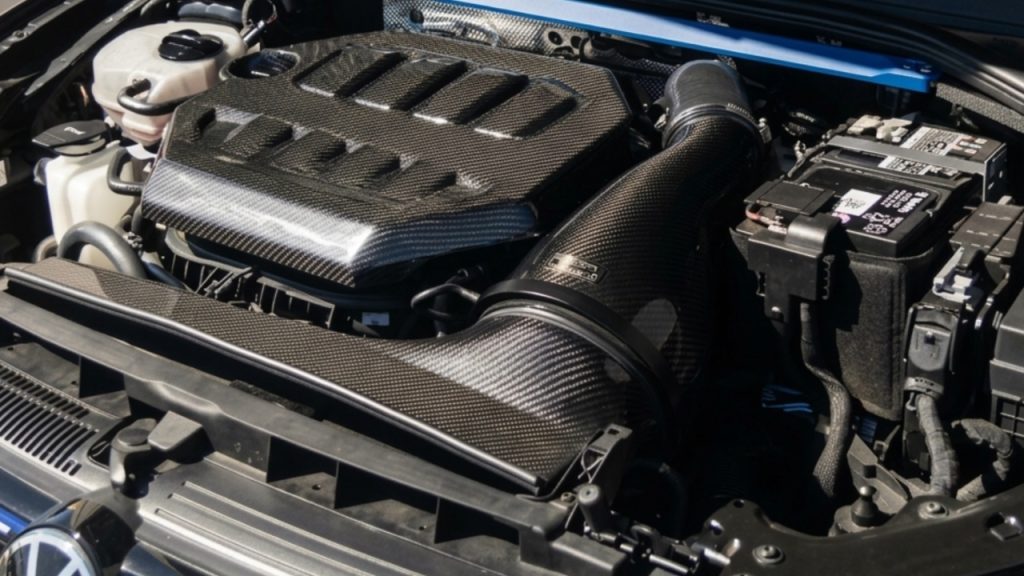
Although later generations of the EA888 became considerably more reliable, the original version remains one of the most problematic turbocharged four-cylinder engines introduced during the past two decades.
Its combination of oil consumption, timing system failures, and expensive repair costs continues to make it a powerplant that many used-car buyers approach with caution.
Specifications
- Engine: 2.0-liter turbocharged inline-four (EA888 Gen 1)
- Torque: 207 lb-ft
- Horsepower: 200 hp
- Length/Width: N/A (standalone engine)
3. BMW 4.4-Liter Twin Turbo V8 (N63)
When BMW introduced the N63 in 2008, it represented a major engineering shift. The 4.4-liter twin-turbocharged V8 featured a “hot-vee” layout that positioned both turbochargers inside the engine’s V. The design improved throttle response and packaging but also created excessive heat around critical engine components.
As these vehicles accumulated mileage, owners began reporting a wide range of mechanical failures, leading to one of BMW’s largest customer care campaigns in the United States.
Excessive oil consumption became one of the engine’s defining problems. High operating temperatures accelerated wear on valve stem seals, allowing oil to enter the combustion chambers and produce blue exhaust smoke.
Many owners found themselves adding oil between scheduled services. Timing chain stretch, injector failures, turbocharger coolant line leaks, battery drain from frequent electric cooling fan operation, and premature valve guide wear further increased repair costs.
BMW eventually launched the N63 Customer Care Package, replacing numerous components on eligible vehicles and extending warranty coverage for certain repairs. The campaign acknowledged that the engine required substantial updates to improve long-term durability.
Repair expenses frequently climbed into the thousands of dollars because many components were difficult to access within the crowded engine bay. Turbocharger replacement alone often exceeded several thousand dollars once labor was included, while timing chain repairs added significantly to ownership costs.
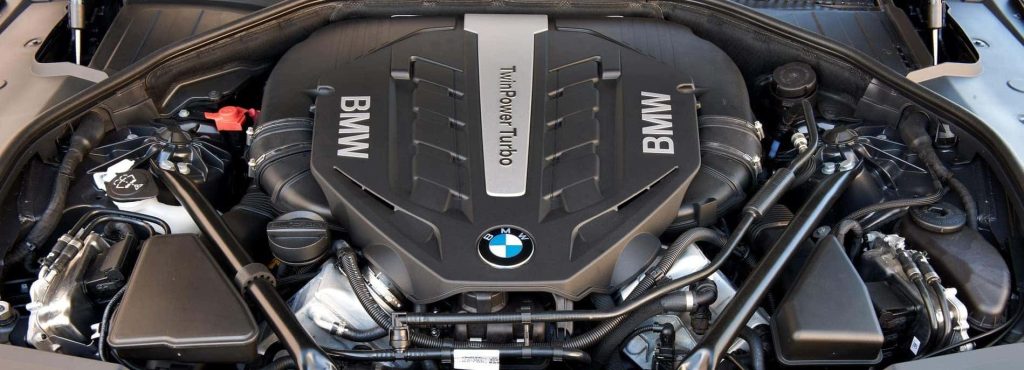
Although later versions of the N63 received revised timing components, improved cooling systems, and updated internal parts, the original engine remains one of the least reliable luxury V8s introduced during the last two decades.
Its innovative design delivered impressive performance but also generated extensive warranty claims, service bulletins, and owner complaints throughout the United States.
Specifications
- Engine: 4.4-liter twin turbocharged DOHC V8 (N63)
- Torque: 450 lb-ft
- Horsepower: 400 hp
- Length/Width: N/A (standalone engine)
4. Subaru 2.5-Liter EJ25 Flat-Four
Subaru’s EJ25 powered millions of vehicles, including the Outback, Forester, Legacy, Baja, and Impreza. While the engine offered a low center of gravity and respectable durability in many respects, naturally aspirated versions built during the mid-2000s became widely associated with external head gasket failures.
The issue generated thousands of owner complaints, numerous Technical Service Bulletins, and warranty extensions covering certain model years in the United States.
Unlike many engines that failed because of internal damage, the EJ25 commonly developed coolant and oil leaks where the cylinder heads met the engine block. Owners often noticed coolant odors, overheating, low coolant levels, or oil dripping beneath the vehicle.
If ignored, the leaks could eventually cause severe overheating that could damage cylinder heads or warp engine components.
Repairing the problem required removing both cylinder heads, replacing the head gaskets with updated multi-layer steel versions, and resurfacing the sealing surfaces when necessary. Depending on labor rates, repair costs frequently ranged from $1,800 to more than $3,000.
Another contributing factor involved Subaru’s original composite gasket material, which proved less durable than the revised design introduced later. Independent repair shops routinely recommended replacing timing belt components and the water pump during the same repair because of the extensive labor required to access the engine.
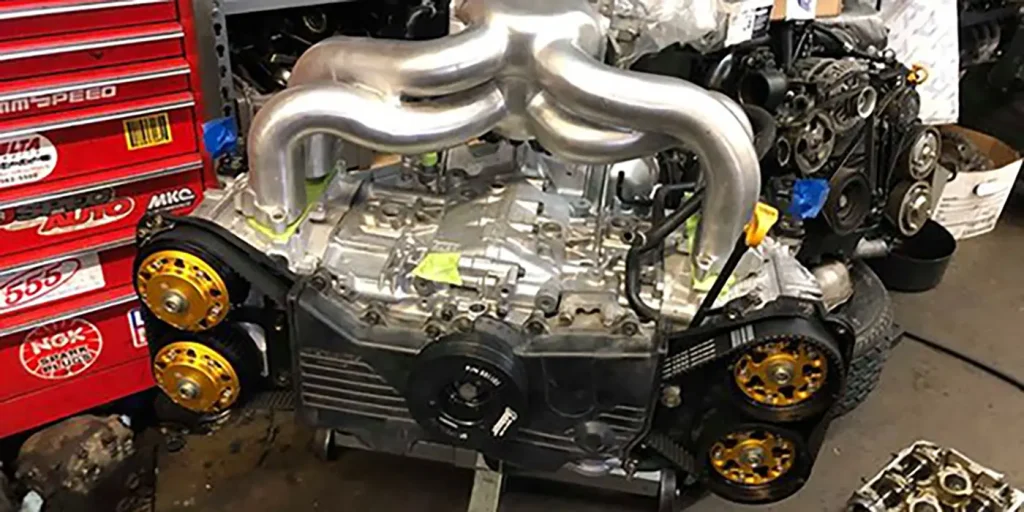
Despite the head gasket reputation, many EJ25 engines continued to provide long service after receiving the updated gasket design. Even so, the widespread nature of the defect and the high repair costs cemented the EJ25’s place among the most troublesome engines of the past twenty years.
Specifications
- Engine: 2.5-liter naturally aspirated horizontally opposed four-cylinder (EJ25)
- Torque: 170 lb-ft
- Horsepower: 170 hp
- Length/Width: N/A (standalone engine)
5. Chrysler 2.7-Liter DOHC V6
The Chrysler 2.7-liter V6 developed one of the poorest reliability records among American engines produced during the early 2000s. It powered vehicles such as the Chrysler 300, Dodge Intrepid, Dodge Magnum, Chrysler Sebring, and Dodge Stratus.
Although the engine offered respectable performance for its displacement, it became infamous for sludge buildup that frequently resulted in complete engine failure.
The problem generated thousands of owner complaints submitted to the National Highway Traffic Safety Administration (NHTSA), and several class action lawsuits alleged that the engine’s design contributed to premature failures.
Unlike many engines that failed because of a single defective component, the 2.7-liter V6 suffered from multiple contributing factors. A relatively small oil capacity, high operating temperatures, and a complex internal water pump arrangement created conditions where engine oil could degrade rapidly if maintenance intervals were extended.
Once sludge accumulated, oil passages became restricted, starving bearings and timing chain components of lubrication. Drivers often first noticed low oil pressure warnings, knocking sounds, or sudden stalling before catastrophic damage occurred.
Repair costs were particularly high because internal engine damage frequently required complete replacement rather than rebuilding. Independent repair shops commonly reported seized crankshaft bearings and damaged connecting rods after lubrication failed.
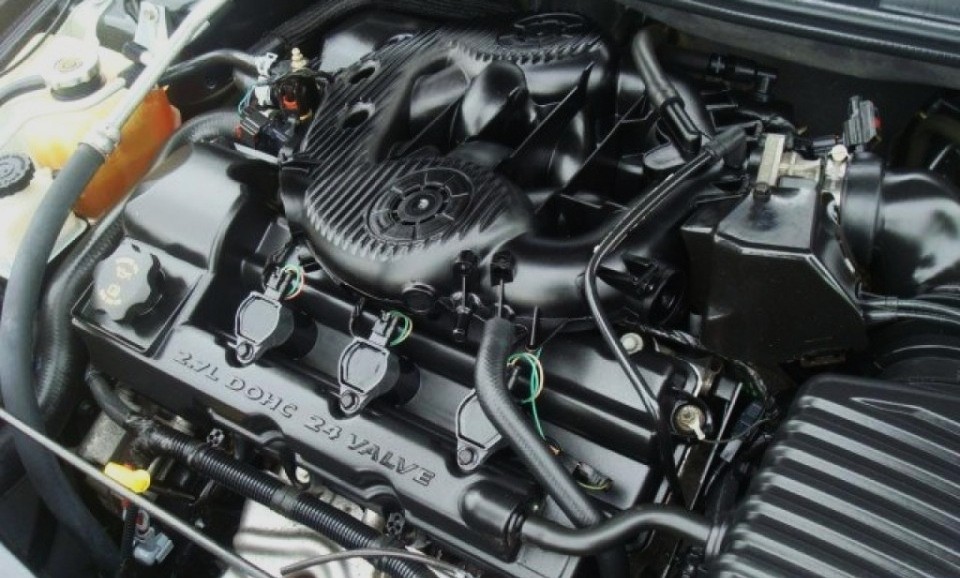
While owners who changed oil more frequently than the factory schedule generally experienced fewer problems, many engines failed well before 100,000 miles.
The combination of widespread sludge formation, expensive repairs, and the large number of affected Chrysler and Dodge vehicles firmly established the 2.7-liter V6 as one of the least dependable American engines of its era.
Specifications
- Engine: 2.7-liter DOHC V6
- Torque: 190 lb-ft
- Horsepower: 200 hp
- Length/Width: N/A (standalone engine)
6. Ford 5.4-Liter Triton V8 (3-Valve)
Ford’s 5.4-liter Triton V8 became one of the company’s most recognizable truck engines, powering millions of F-150 pickups, Expeditions, and Lincoln SUVs. While it delivered strong towing capability and respectable durability in some applications, the 3-valve version introduced for the 2004 model year developed several well-documented reliability concerns.
Owners reported cam phaser failures, timing chain wear, broken exhaust manifold studs, and spark plug problems in large numbers, making the engine a frequent subject of technical service bulletins and repair shop discussions across the United States.
One of the most common complaints involved worn cam phasers. As oil pressure fluctuated or components wore over time, the engine often produced a distinctive ticking or knocking noise at idle. Drivers also experienced rough running, reduced power, and illuminated check engine lights.
Repairing the variable valve timing system typically requires replacing cam phasers, timing chains, guides, and tensioners, with repair bills frequently ranging from $2,000 to more than $4,000.
The engine also became known for two different spark plug issues depending on the model year. Earlier versions occasionally ejected spark plugs from the cylinder heads because of limited thread engagement, while later designs featured two-piece spark plugs that could break apart during removal.
Extracting broken plugs required specialized tools and significantly increased labor costs during routine maintenance.
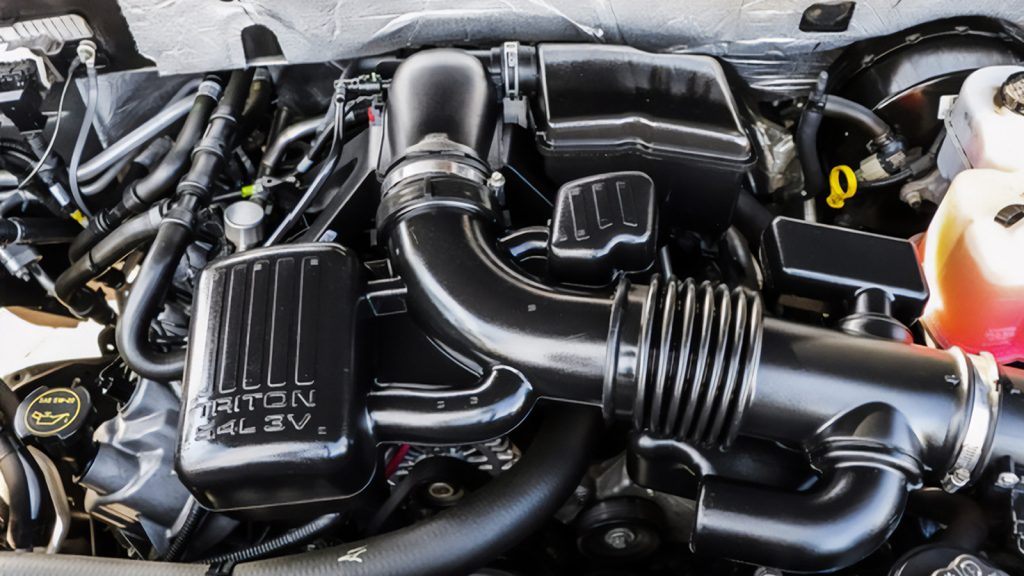
Despite these shortcomings, many well-maintained Triton engines accumulated high mileage after receiving updated timing components and careful servicing.
However, the combination of multiple recurring defects, substantial repair expenses, and widespread owner complaints secures the 5.4-liter 3-valve V8 a place among the least reliable engines introduced during the last two decades.
Specifications
- Engine: 5.4-liter SOHC 3-valve V8
- Torque: 365 lb-ft
- Horsepower: 300 hp
- Length/Width: N/A (standalone engine)
7. Hyundai/Kia 2.4-Liter Theta II GDI Inline-Four
Few engines in recent automotive history have generated as much scrutiny in the United States as the Hyundai and Kia 2.4-liter Theta II GDI.
The engine was used in numerous Hyundai and Kia models, including the Hyundai Sonata, Santa Fe, and Tucson, along with the Kia Optima, Sorento, and Sportage. As failures became more common, they led to multiple recalls, investigations by the National Highway Traffic Safety Administration (NHTSA), class action lawsuits, and lifetime warranty extensions for many affected owners.
Manufacturing debris left inside engine oil passages during production was identified as one of the primary causes of premature bearing wear. Restricted oil flow often led to connecting rod bearing damage, knocking noises, and, in severe cases, complete engine seizure.
Many owners first noticed a metallic knocking sound that became louder as engine speed increased. Others experienced a sudden loss of power or illuminated oil pressure warnings before the engine failed. Because connecting rod bearings depend on a constant supply of clean, pressurized oil, even minor restrictions could rapidly destroy internal components.
Hyundai and Kia responded with multiple recalls, updated engine monitoring software through the Knock Sensor Detection System, and extended warranty coverage for qualifying vehicles. Federal investigations and recall campaigns affected well over one million vehicles sold in the United States.
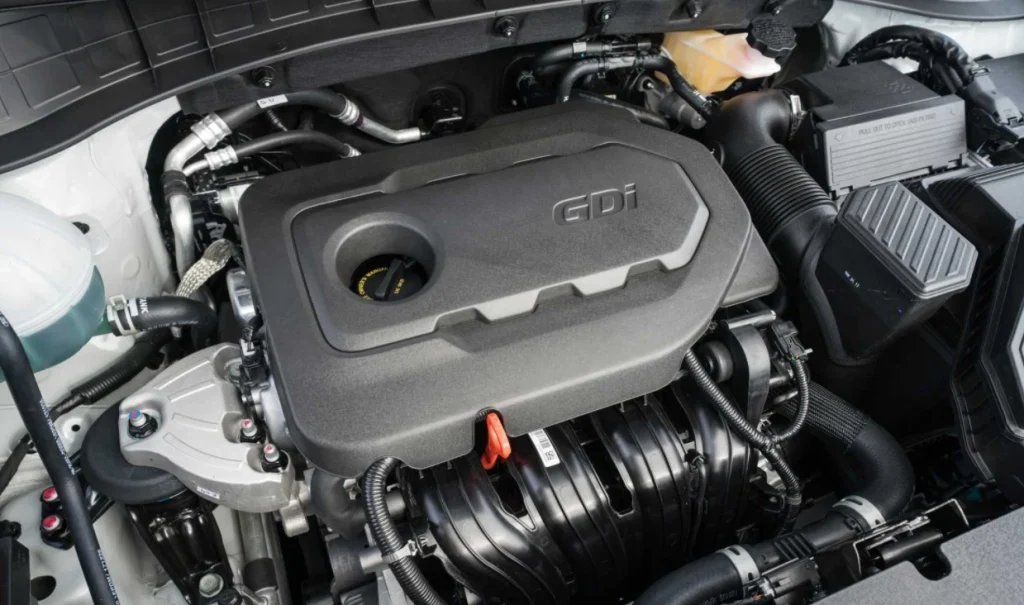
Repair costs varied considerably depending on the severity of the damage. Engines with early bearing wear occasionally received short-block replacements under warranty, while out-of-warranty owners often faced repair bills exceeding $6,000 for complete engine replacement.
Although later manufacturing improvements reduced failure rates, the early Theta II remains one of the most extensively documented reliability failures of the past twenty years. Its history of recalls, lawsuits, warranty extensions, and widespread engine replacements makes it impossible to ignore when discussing unreliable modern engines.
Specifications
- Engine: 2.4-liter GDI inline-four (Theta II)
- Torque: 181 lb-ft
- Horsepower: 185 hp
- Length/Width: N/A (standalone engine)
8. Jaguar/Land Rover 5.0-Liter Supercharged V8 (AJ133)
The Jaguar Land Rover 5.0-liter supercharged AJ133 V8 earned praise for its effortless power and unmistakable exhaust note, but long-term ownership often revealed expensive weaknesses.
Used in vehicles such as the Range Rover, Range Rover Sport, Jaguar XJ, F-Type, XF, and XFR, the engine became associated with timing chain tensioner failures and premature timing chain wear. Owners also reported coolant crossover pipe leaks, water pump failures, and supercharger-related cooling issues, all of which contributed to substantial repair costs.
The timing chain tensioners on earlier engines were manufactured using materials that proved less durable than expected. As the components deteriorated, drivers frequently heard a rattling noise during cold starts.
Ignoring the warning signs sometimes allowed the timing chain to jump teeth, risking severe internal engine damage. Jaguar Land Rover later introduced revised tensioners and updated components to improve durability, but many early owners had already experienced costly repairs.
Cooling system reliability also affected long-term ownership. Plastic coolant pipes located beneath the supercharger could crack after years of repeated heat cycles, leading to coolant loss and overheating.
Because accessing these components required removing the supercharger assembly, labor costs were significant even for relatively inexpensive replacement parts.
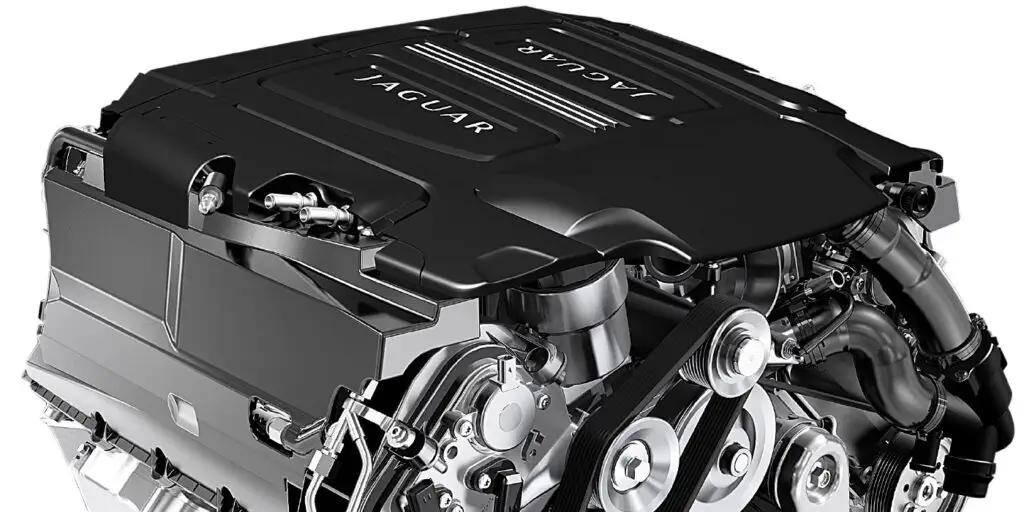
Despite its outstanding performance, the AJ133 developed a reputation for requiring meticulous maintenance and expensive repairs as mileage increased. Independent repair specialists routinely advised replacing timing chain components proactively to avoid catastrophic failures.
The combination of timing system concerns and cooling-related problems has secured the supercharged AJ133 a place among the least reliable high-performance V8 engines introduced in the last two decades.
Specifications
- Engine: 5.0-liter supercharged DOHC V8 (AJ133)
- Torque: 461 lb-ft
- Horsepower: 510 hp
- Length/Width: N/A (standalone engine)
9. BMW 2.0-Liter Turbocharged Inline-Four (N20)
BMW introduced the N20 engine for the 2012 model year to replace its naturally aspirated inline-six in many vehicles, including the 3 Series, 5 Series, X1, X3, X4, and Z4. On paper, the turbocharged 2.0-liter four-cylinder was an impressive achievement, delivering V6-like performance with improved fuel economy.
Unfortunately, early production engines developed a serious timing chain defect that significantly affected long-term reliability. Owners across the United States reported timing chain guide failures, chain stretch, and catastrophic engine damage, leading to class action litigation and an extended warranty program for certain affected vehicles.
The timing chain guides, manufactured from plastic, could become brittle and crack prematurely. Once pieces of the guide broke away, the chain lost proper tension and could skip teeth on the camshaft sprockets.
Drivers often noticed a whining sound from the front of the engine, rough idle, check engine lights, or reduced performance before complete failure occurred. If the timing chain slipped far enough, valves and pistons could collide, requiring a replacement engine in many cases.
Repair costs reflected the complexity of the engine. Preventive timing chain replacement generally ranged from $2,500 to $4,500 at independent repair facilities, while catastrophic failures frequently exceeded $10,000 because of extensive internal damage.
BMW introduced redesigned timing chain components for later production, substantially improving durability.
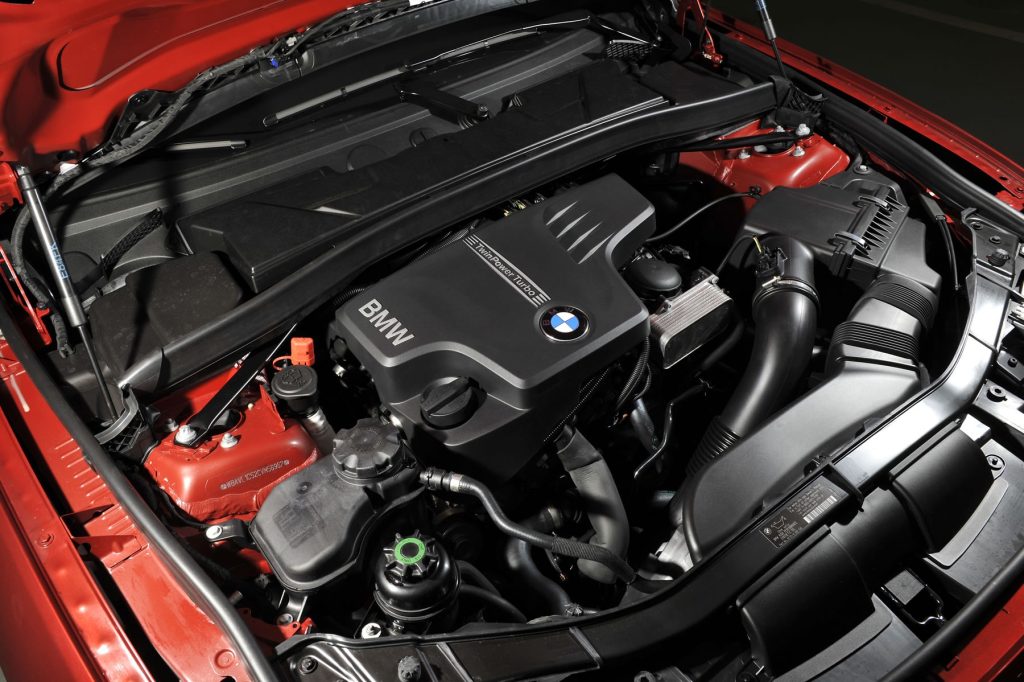
The N20 demonstrated that downsized turbocharged engines could deliver excellent performance, but the early timing system weakness overshadowed its strengths.
Thousands of owner complaints, widespread repair shop experience, and documented warranty extensions have made it one of the most discussed reliability concerns among modern BMW powerplants.
Specifications
- Engine: 2.0-liter turbocharged DOHC inline-four (N20)
- Torque: 260 lb-ft
- Horsepower: 240 hp
- Length/Width: N/A (standalone engine)
10. Mini/PSA 1.6-Liter Prince Turbo (N14)
Developed jointly by BMW and PSA Peugeot Citroën, the turbocharged 1.6-liter Prince engine, internally known as the N14 in MINI models, was intended to deliver spirited performance while maintaining excellent fuel economy. Instead, it developed one of the poorest reliability records among modern small-displacement turbocharged engines.
Installed in the 2007 through 2010 MINI Cooper S, John Cooper Works, and several Peugeot and Citroën models sold outside the United States, the engine became notorious for repeated timing chain failures, excessive carbon buildup, high-pressure fuel pump failures, turbocharger problems, and cooling system leaks.
The volume of owner complaints prompted BMW to issue multiple Technical Service Bulletins and revise numerous components throughout the engine’s production life.
One of the earliest warning signs was a rattling noise during cold starts, commonly referred to by MINI owners as the “death rattle.” This sound usually indicates excessive timing chain stretch or a failing chain tensioner.
If ignored, the chain could jump timing, allowing valves and pistons to collide and resulting in catastrophic engine damage. Direct fuel injection also contributed to heavy carbon deposits on the intake valves because fuel never washed the valve surfaces clean.
Many owners experienced rough idle, hesitation, misfires, and reduced power long before reaching 100,000 miles.
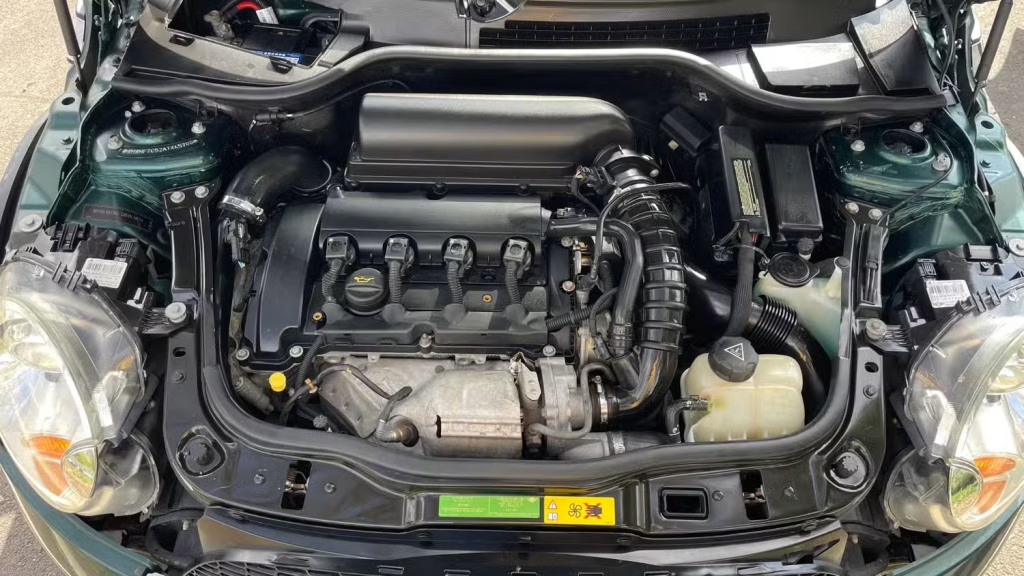
Repair costs accumulated quickly because several failures often occurred together. Replacing the timing chain system generally costs between $1,500 and $3,000, while intake valve walnut blasting typically adds $500 to $900.
High-pressure fuel pump replacement commonly exceeds $1,000, and turbocharger repairs can push total ownership costs substantially higher. Although the later N18 engine addressed many of these weaknesses, the original N14 remains one of the most failure-prone turbocharged engines introduced during the last two decades.
Specifications
- Engine: 1.6-liter turbocharged DOHC inline-four (Prince N14)
- Torque: 177 lb-ft
- Horsepower: 172 hp
- Length/Width: N/A (standalone engine)
Also Read: 10 Cars Loved By Critics But Hated By Buyers
