

Buying a vehicle involves more than the purchase price because ongoing maintenance costs, including tire replacement, can significantly affect long-term ownership expenses. Tire prices vary based on wheel size, load rating, performance requirements, and vehicle weight. Compact cars with smaller, common tire sizes are generally less expensive to maintain because replacement options are widely available.
Luxury cars, sports cars, high-performance SUVs, and many electric vehicles often require larger, specialized tires that cost much more and may wear out faster. This comparison highlights vehicles with affordable tire replacement costs alongside models with some of the most expensive factory tire requirements, helping buyers make better-informed purchasing decisions.
Also Read: 4 Best and Worst Years for the Kia Sportage
1. Toyota Corolla
One reason the Toyota Corolla has remained one of America’s best-selling compact cars for decades is that ownership costs stay predictable. Tire replacement is a perfect example. Most LE and Hybrid trims leave the factory with 205/55R16 all-season tires, one of the most common passenger-car sizes sold in North America.
Because millions of vehicles use this dimension, replacement choices are abundant. Budget brands, mid-range manufacturers, and premium companies all compete in this category, keeping prices relatively low.
Owners can often choose between touring tires focused on ride comfort, long-life all-season models, or slightly sportier options without paying the premium associated with larger wheel diameters.
The Corolla also benefits from moderate weight and modest power output. With 169 horsepower from its naturally aspirated 2.0-liter engine, it places less stress on tires than heavier SUVs or high-performance sports cars. Even tread wear can extend replacement intervals when proper alignment and tire rotations are maintained.
Another advantage is availability. Whether shopping at a national tire retailer, warehouse club, dealership, or independent tire shop, Corolla-size tires are almost always in stock. This reduces waiting time and allows owners the opportunity to compare prices from multiple brands.
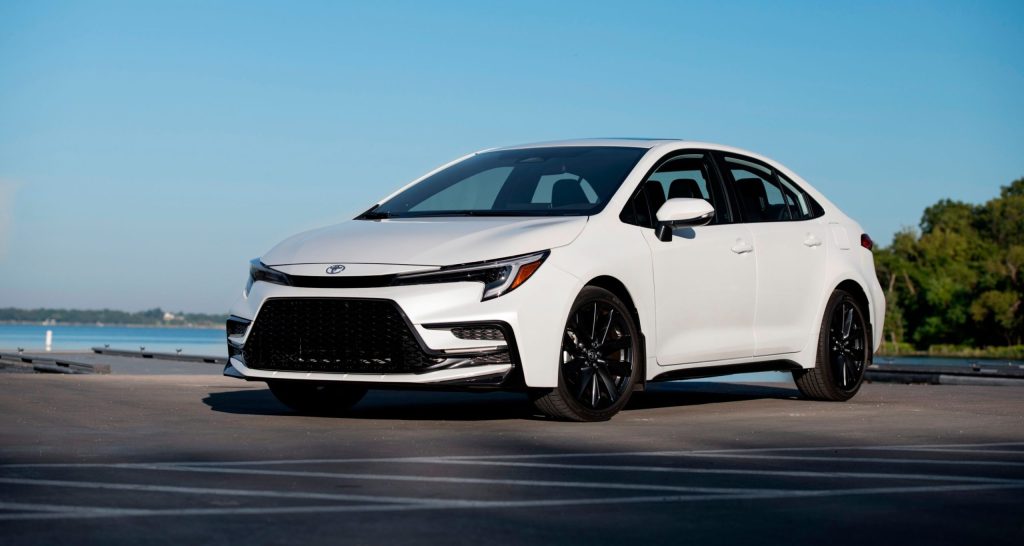
While premium tires can still increase the bill, the Corolla’s factory tire dimensions consistently remain among the least expensive mainstream passenger-car sizes. Combined with excellent fuel economy and strong reliability, affordable tire replacement strengthens its reputation as a budget-friendly vehicle to own.
- Engine: 2.0-liter Dynamic Force inline-four
- Torque: 151 lb-ft
- Horsepower: 169 hp
- Length/Width: 182.5 inches / 70.1 inches
2. Honda Civic
The Honda Civic reaches this list through a slightly different path. Instead of relying only on a low purchase price, it benefits from using practical factory tire dimensions across many of its mainstream trims. LX and Sport models commonly use 215/55R16 or 215/50R17 tires, both of which are widely available from nearly every major tire manufacturer.
Competition within these tire sizes helps owners control maintenance expenses. Buyers can select economical touring tires for daily commuting or invest in premium all-season products without entering the price range associated with luxury sedans or performance coupes equipped with 20-inch wheels.
The Civic’s balanced chassis also contributes to tire longevity. Suspension tuning distributes loads evenly during normal driving, and the car’s relatively light curb weight places less strain on the tires compared with larger crossovers. Routine rotations and proper inflation often help owners achieve the expected tread life.
Availability is another strength. Civic tire sizes are sold virtually everywhere, from warehouse retailers to independent tire specialists. This broad supply means owners rarely have difficulty finding replacements, even while traveling.
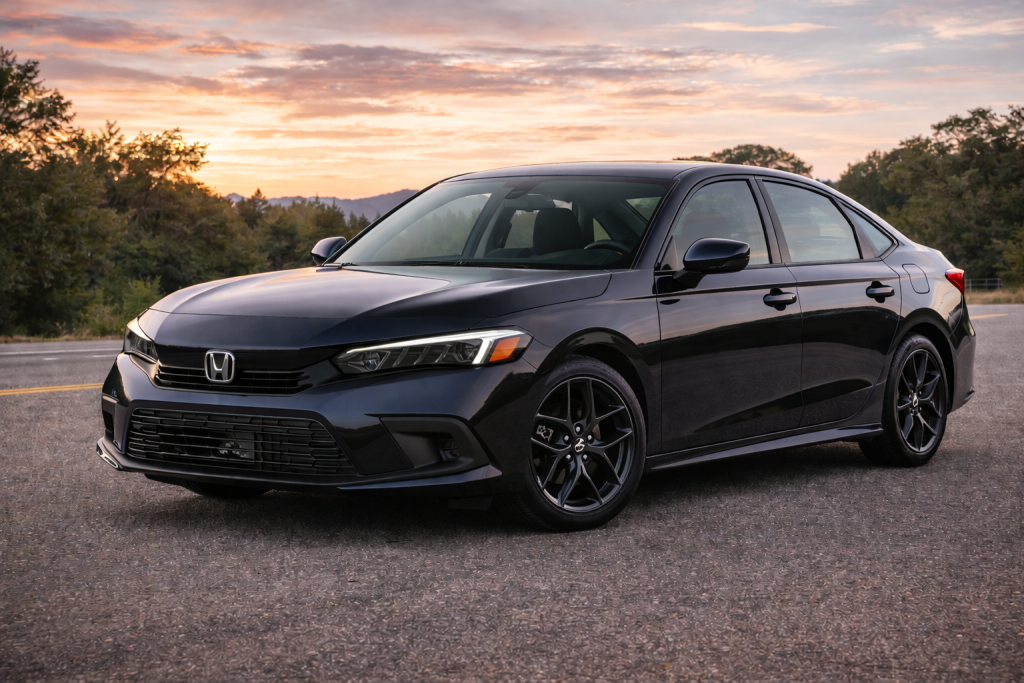
Performance versions such as the Civic Type R are a completely different story because they use much larger, specialized high-performance tires. However, the standard Civic purchased by most American buyers remains inexpensive to maintain when tire replacement becomes necessary.
Affordable tire prices, excellent parts availability, and a huge selection of replacement brands make the Honda Civic one of the most economical vehicles for long-term tire ownership.
- Engine: 2.0-liter inline-four
- Torque: 133 lb-ft
- Horsepower: 150 hp
- Length/Width: 184.0 inches / 70.9 inches
3. Hyundai Elantra
The Hyundai Elantra earns its place on this list because it combines a practical compact design with tire sizes that are inexpensive and easy to replace.
Most U.S. SE and SEL trims come equipped with 205/55R16 all-season tires, while higher trims typically use 225/45R17 tires. Both dimensions are among the most widely produced passenger-car sizes in North America, giving owners access to dozens of replacement options.
That variety makes a noticeable difference when it is time for new tires. Economy brands can often be purchased for well under the cost of larger SUV or sports-car tires, while premium products from Michelin, Continental, Bridgestone, Goodyear, Yokohama, and Pirelli remain competitively priced because of the large production volume.
Instead of being limited to a handful of specialized choices, Elantra owners can shop around and compare prices from numerous retailers.
The car’s modest weight also contributes to lower operating costs. A lighter vehicle places less stress on the tire structure during acceleration, braking, and cornering than a heavy SUV or electric vehicle.
Combined with routine wheel alignments and tire rotations every 5,000 to 7,500 miles, many owners can achieve the full tread-life warranty offered by their chosen tire manufacturer.
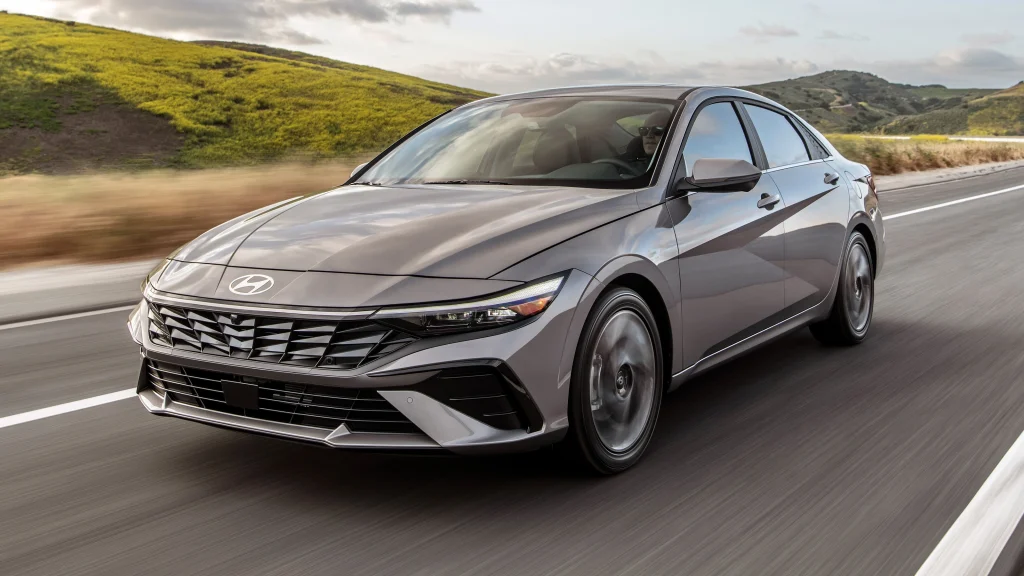
Another benefit is convenience. Nearly every tire retailer stocks common Elantra sizes, making emergency replacements much easier than for vehicles using rare or high-performance dimensions.
The Hyundai Elantra demonstrates that affordable ownership extends beyond fuel economy. It’s common factory tire sizes, wide availability of replacement brands, and reasonable purchase prices make tire replacement one of the least expensive maintenance items compared with many larger vehicles on today’s market.
- Engine: 2.0-liter inline-four
- Torque: 132 lb-ft
- Horsepower: 147 hp
- Length/Width: 185.4 inches / 71.9 inches
4. Nissan Sentra
Unlike sports sedans that depend on specialized performance rubber, the Nissan Sentra focuses on affordability throughout its ownership cycle. One reason is its factory tire sizing.
Most S and SV trims use 205/60R16 tires, while SR models generally wear 215/45R18 tires. The common 16-inch setup is especially attractive because it offers one of the largest selections of replacement tires available in the U.S.
A broad marketplace naturally creates competitive pricing. Owners can choose inexpensive touring tires for daily commuting or upgrade to premium all-season products without facing the steep costs associated with oversized luxury wheels.
Since millions of compact sedans use similar tire dimensions, manufacturers produce these sizes in very high volumes, helping keep prices under control.
The Sentra also benefits from predictable tire wear. Its suspension is designed primarily for comfort and commuting rather than aggressive cornering. Combined with its 149-horsepower engine and relatively light curb weight, the tires are subjected to less stress than those fitted to powerful muscle cars or large performance SUVs.
Replacement flexibility is another advantage. Whether purchasing from a dealership, warehouse club, national retailer, or independent tire shop, Sentra owners usually find multiple options available immediately. This competition allows buyers to select a tire that matches both their driving style and budget.
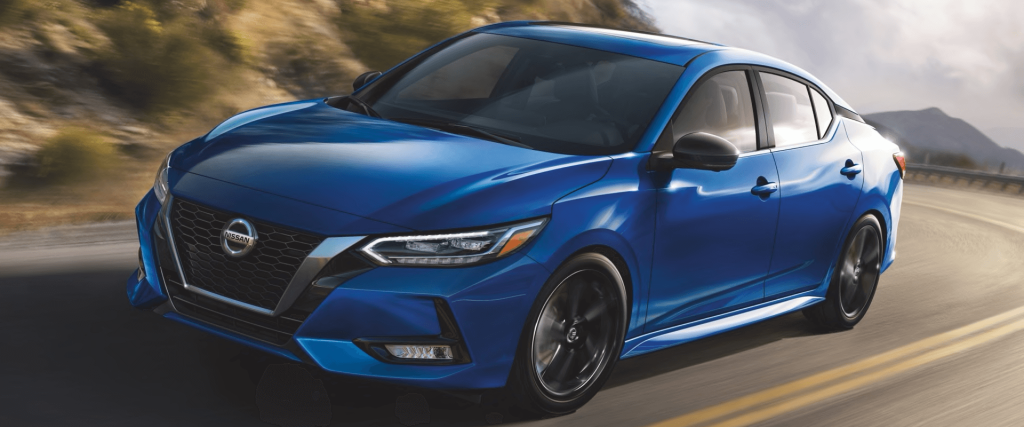
For drivers seeking a practical commuter vehicle with manageable maintenance expenses, the Nissan Sentra remains one of the strongest choices. Common tire sizes, excellent parts availability, and competitive replacement pricing help keep long-term ownership costs lower than those of many vehicles in larger segments.
- Engine: 2.0-liter inline-four
- Torque: 146 lb-ft
- Horsepower: 149 hp
- Length/Width: 182.7 inches / 71.5 inches
5. Porsche 911 GT3 RS
The Porsche 911 GT3 RS is engineered for track performance, and its factory tires reflect that mission. Unlike ordinary sports cars that can accept a wide variety of replacement options, the GT3 RS uses staggered ultra-high-performance tires specifically developed to maximize grip under extreme conditions.
Typical factory sizes include 275/35ZR20 in the front and 335/30ZR21 at the rear, dimensions that are both uncommon and expensive.
These tires are designed to withstand tremendous cornering forces generated by the GT3 RS’s advanced suspension, aerodynamic package, and naturally aspirated flat-six engine. They use specialized rubber compounds that prioritize grip over longevity.
As a result, owners often face both higher replacement prices and shorter tread life compared with conventional passenger vehicles. Another contributor to cost is limited availability. Only a handful of manufacturers, including Michelin and Pirelli, produce tires that meet Porsche’s factory specifications for this model.
Because production volumes are relatively small, pricing remains significantly higher than for mainstream tire sizes. Replacing a complete set can easily exceed several thousand dollars, depending on the chosen brand and retailer.
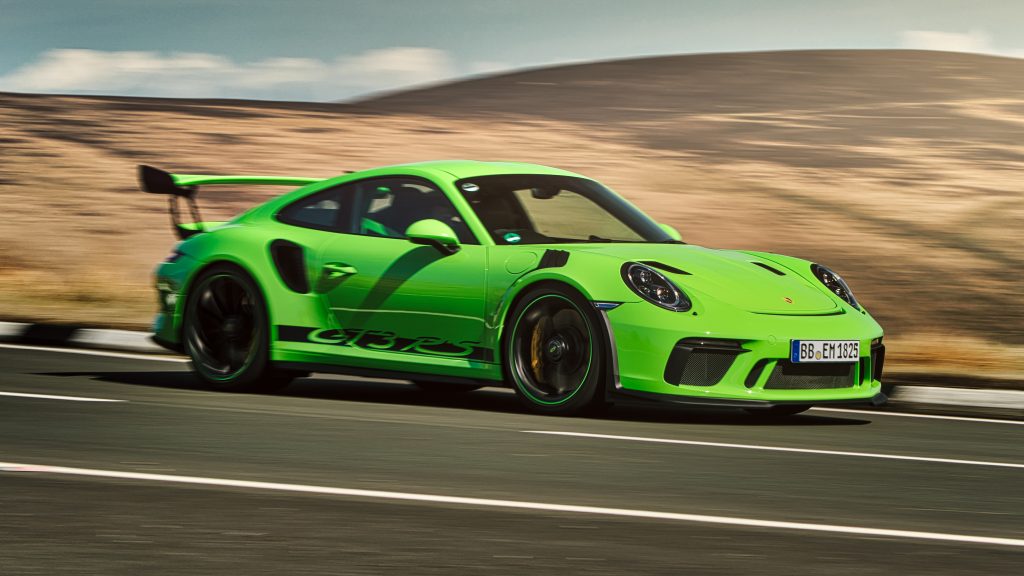
The GT3 RS is a perfect example of why tire costs should be considered before purchasing a high-performance vehicle. The tires are an essential part of the car’s engineering, allowing it to deliver extraordinary handling and braking performance. However, that capability comes with maintenance expenses that far exceed those of ordinary sports cars.
- Engine: 4.0-liter naturally aspirated flat-six
- Torque: 343 lb-ft
- Horsepower: 518 hp
- Length/Width: 180.0 inches / 79.7 inches
6. Lamborghini Revuelto
Few production cars place greater demands on their tires than the Lamborghini Revuelto. As the company’s flagship plug-in hybrid supercar, it combines a naturally aspirated V12 engine with three electric motors, producing a combined 1,001 horsepower.
Delivering that level of performance requires extremely specialized tires capable of handling immense acceleration, braking, and lateral grip.
Factory wheel sizes range from 20 inches at the front to 21 inches at the rear, wearing staggered Bridgestone Potenza Sport or Bridgestone Potenza Race tires depending on specification. These are not ordinary performance tires available at every retailer.
They are premium products developed specifically for high-speed supercars, and replacement prices reflect that exclusivity.
The Revuelto’s tires also wear more quickly than those on conventional passenger cars because the vehicle is capable of extraordinary acceleration and cornering performance. Even careful driving cannot eliminate the fact that the tires are engineered with soft compounds designed to maximize grip instead of maximizing tread life.
Availability is another challenge. Most neighborhood tire shops do not keep these sizes in stock, meaning owners frequently order replacements through dealerships or specialty performance tire retailers. Installation costs may also be higher because of the expensive wheels and specialized equipment required.
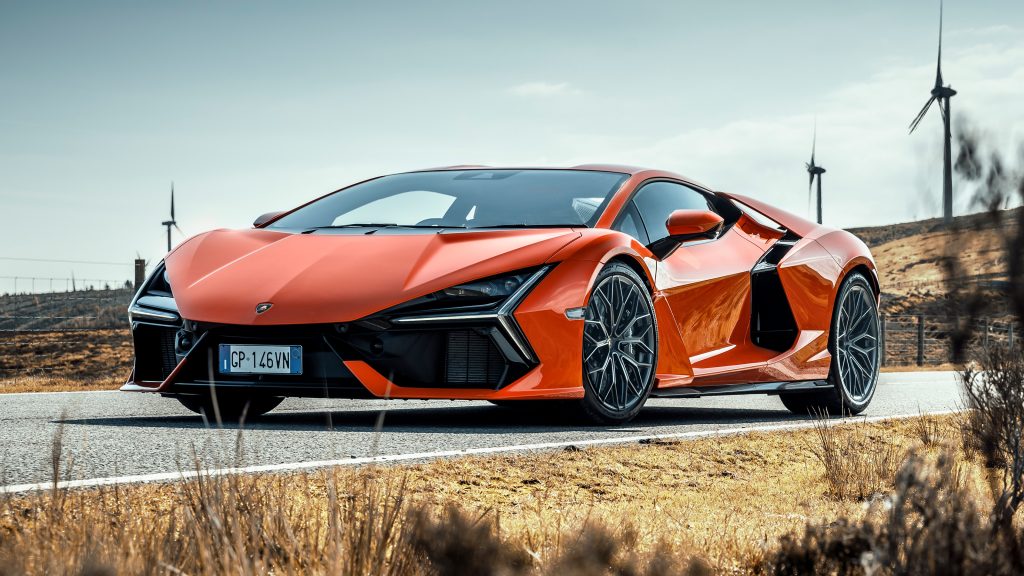
For buyers considering a seven-figure supercar, tire replacement may represent only a small portion of ownership costs. Even so, the Revuelto clearly belongs among the vehicles with the most expensive factory tires, where a complete replacement set can cost several thousand dollars before installation.
- Engine: 6.5-liter naturally aspirated V12 with three electric motors
- Torque: 535 lb-ft (V12 engine)
- Horsepower: 1,001 hp (combined)
- Length/Width: 194.8 inches / 80.2 inches
7. Rolls-Royce Cullinan
The Rolls-Royce Cullinan proves that expensive tire replacements are not limited to sports cars. As one of the world’s most luxurious SUVs, it uses enormous factory wheels and premium tires engineered to support a vehicle weighing well over 6,000 pounds while maintaining the quiet ride expected from a Rolls-Royce.
Most U.S. models are equipped with 22-inch wheels wearing 255/45R22 front and 285/40R22 rear tires, while some special editions offer even larger wheel packages.
These tires are significantly more expensive than ordinary SUV replacements because they combine high load ratings with luxury-focused construction.
Manufacturers such as Pirelli and Michelin build versions specifically designed to reduce road noise while supporting the Cullinan’s substantial weight. Their specialized construction limits the number of available alternatives, keeping prices high.
The staggered setup creates another ownership expense. Since the front and rear tires use different sizes, owners cannot perform traditional front-to-rear rotations to maximize tread life. When the rear tires wear more quickly, replacements often become necessary before the front tires reach the end of their service life.
Finding replacement tires can also require additional planning. Many independent tire shops do not stock Cullinan sizes, meaning owners frequently order them through luxury dealerships or specialty tire distributors. Installation costs are typically higher because of the wheel size and premium tire value.
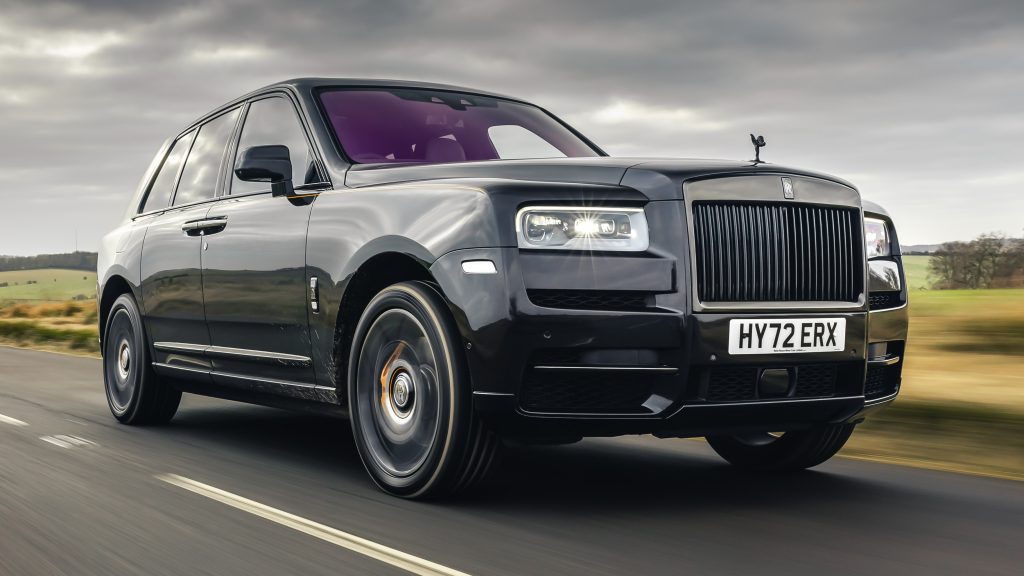
For buyers investing in an ultra-luxury SUV, tire prices may not be the biggest concern. Nevertheless, replacing a full factory-approved set can easily cost several thousand dollars, making the Cullinan one of the most expensive SUVs to maintain when tire replacement becomes necessary.
- Engine: 6.75-liter twin-turbocharged V12
- Torque: 664 lb-ft
- Horsepower: 592 hp
- Length/Width: 210.0 inches / 85.0 inches
8. Ferrari SF90 Stradale
The Ferrari SF90 Stradale concludes this list because it combines Formula 1-inspired performance with some of the most specialized road-car tires available today. Ferrari equips the plug-in hybrid supercar with staggered 255/35ZR20 front and 315/30ZR20 rear tires developed by premium manufacturers such as Michelin and Pirelli.
These ultra-high-performance tires are engineered specifically for the immense grip required by a car producing nearly 1,000 horsepower.
Performance is the reason these tires command such high prices. The SF90 Stradale accelerates from 0 to 60 mph in approximately 2.5 seconds, placing extraordinary stress on the rear tires during hard launches.
Soft rubber compounds maximize traction and cornering capability but generally wear faster than conventional all-season tires, increasing long-term ownership costs.
Replacement options are also limited. Unlike common passenger-car tire sizes available at almost every retailer, Ferrari’s factory specifications are produced in much smaller numbers. Owners usually purchase replacements through Ferrari dealerships or specialist performance tire suppliers to ensure the tires meet factory recommendations.
Another factor is the vehicle’s advanced chassis. The suspension, aerodynamics, and electronic stability systems are calibrated around the original tire characteristics. Installing cheaper alternatives may compromise handling and performance, encouraging owners to remain with premium original-equipment specifications despite the higher price.
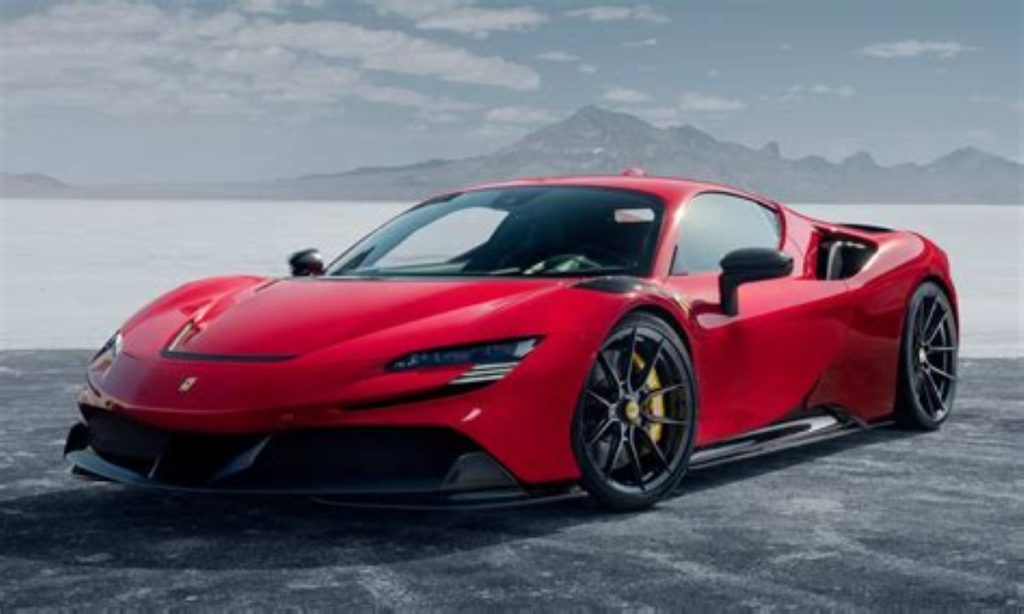
For most drivers, tire replacement is a routine maintenance expense. For SF90 Stradale owners, it becomes a significant investment that reflects the extraordinary engineering of one of the world’s fastest production cars.
Premium materials, limited availability, and exceptional performance requirements firmly place the Ferrari SF90 Stradale among the vehicles with the most expensive factory tires.
- Engine: 4.0-liter twin-turbocharged V8 with three electric motors
- Torque: 590 lb-ft (V8 engine)
- Horsepower: 986 hp (combined)
- Length/Width: 185.4 inches / 77.6 inches
Also Read: 4 Best and Worst Years for the Kia Sorento
