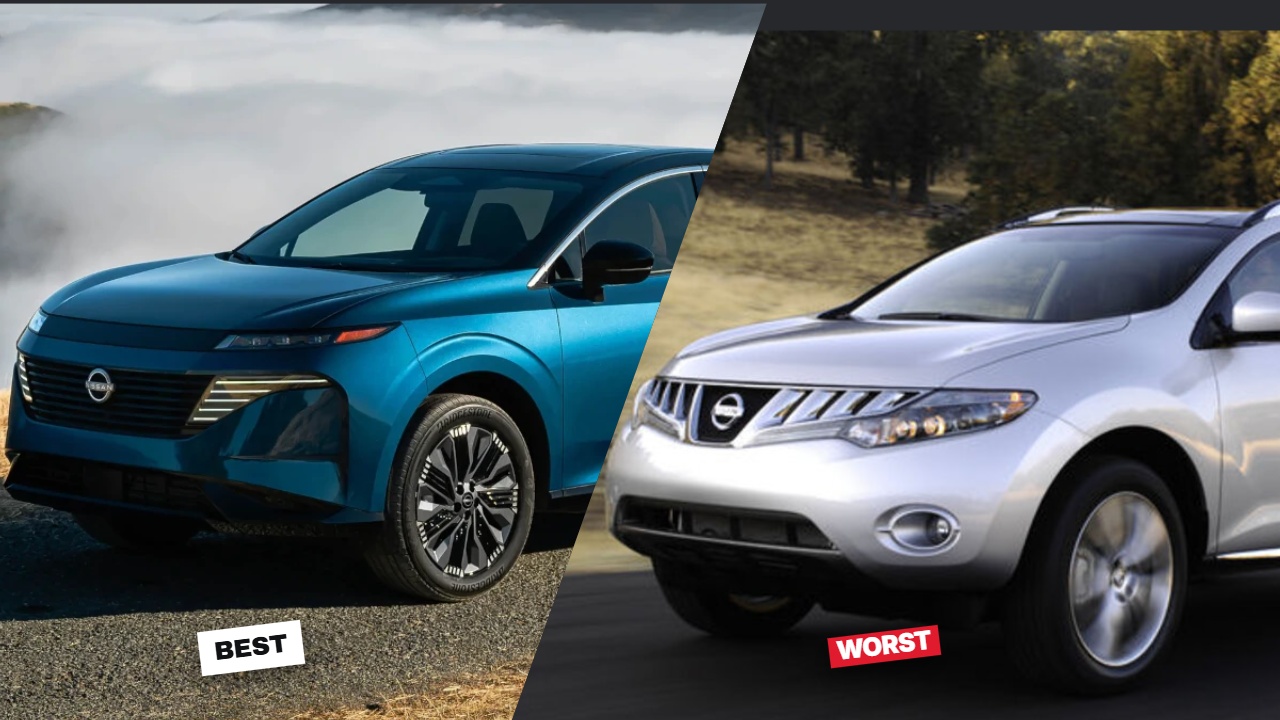
The Nissan Murano has long been recognized as a stylish midsize crossover that prioritizes comfort, a smooth ride, and a powerful V6 engine. Since its debut in 2003, it has attracted families and commuters looking for a premium-feeling SUV without the luxury price tag. However, not every Murano model year delivers the same ownership experience.
While some years stand out for their dependable performance, refined driving dynamics, and strong safety ratings, others have gained a reputation for costly repairs, transmission failures, and recurring mechanical issues. Understanding these differences is essential before purchasing a used Murano, as choosing the right model year can save thousands of dollars in maintenance while providing years of reliable service.
In this guide, we’ll explore the 4 best and worst years for the Nissan Murano, highlighting the models that consistently earn praise for reliability, comfort, and value, along with those that are better left off your shopping list.
Whether you’re searching for a dependable daily driver or simply researching the Murano’s track record, this breakdown will help you identify which model years offer the best long-term ownership experience and which ones are known for expensive problems that can quickly outweigh their affordable purchase prices.
4 Best Years for the Nissan Murano
1. 2020 Nissan Murano
The 2020 Nissan Murano stands out as a prime example of a late-cycle vehicle. Because it was produced late in the Z52 generation, it benefits from years of factory refinements that effectively addressed earlier issues with the transmission.
Industry data highlights the reliability of this model year. Carfax reports just a 10 percent likelihood of requiring repairs, making it one of the more dependable options in the Murano lineup. Safety is another standout feature, as the vehicle received a five-star rating from the NHTSA and earned high marks across all crashworthiness tests conducted by the IIHS. It is powered by a proven 260-horsepower 3.5-liter V6 engine that delivers a comfortable ride focused on highway travel. Some drivers might find the handling less engaging due to body roll, but the comfort level remains high.
A primary advantage of this year is the inclusion of the Nissan Safety Shield 360 suite as standard equipment on most trims. This provides essential features like automatic emergency braking and blind spot monitoring. Additionally, the standard Apple CarPlay and Android Auto across all trim levels ensure modern connectivity. The interior remains a highlight because of the comfortable seats and generous legroom for passengers.
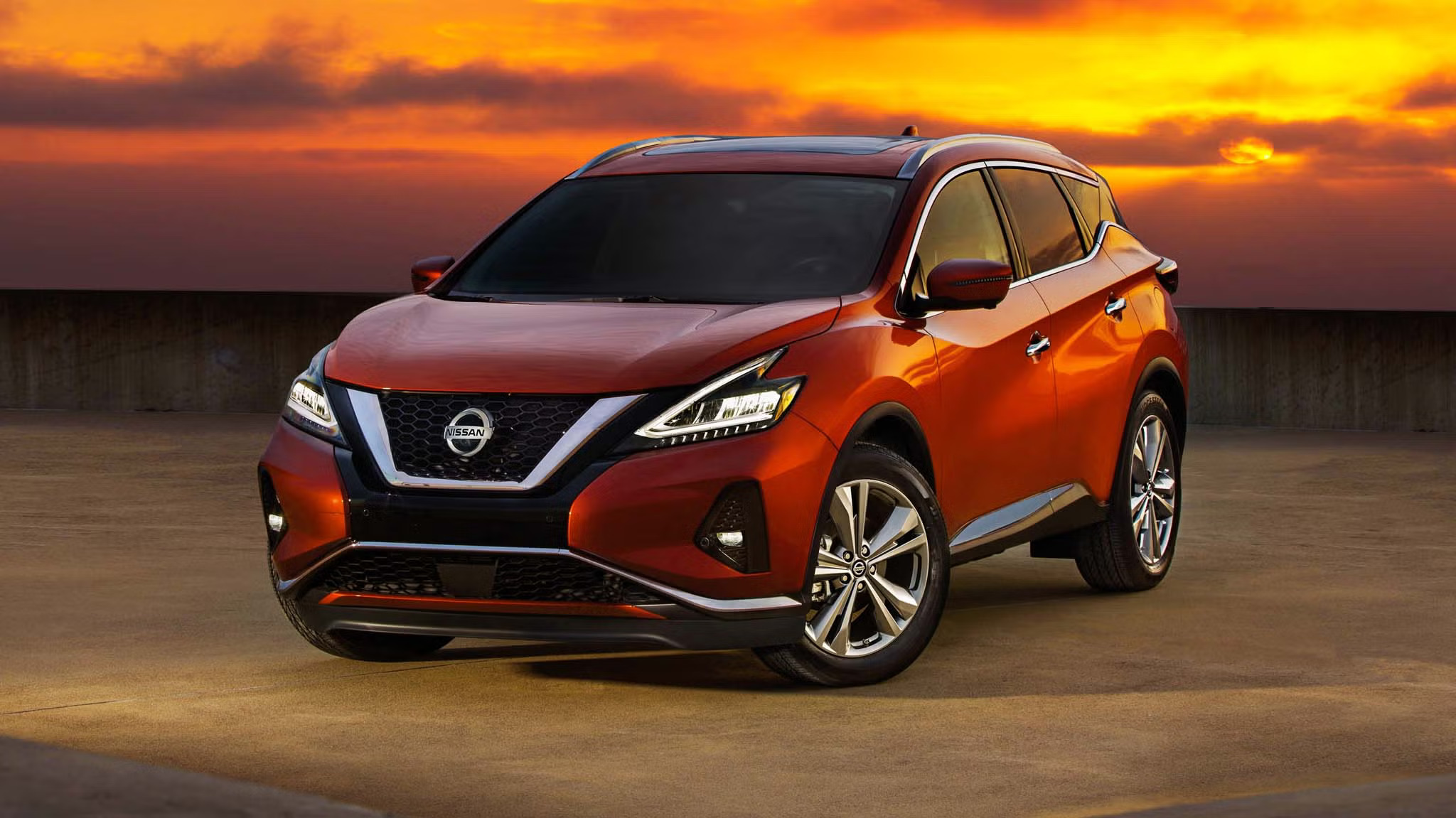
While the sloping roofline can limit rear visibility and the infotainment graphics are starting to look dated compared to newer cars, the 2020 Murano is still an excellent option. For buyers who prioritize a smooth ride and proven mechanical reliability, this model offers a great balance of value and refinement.
- Engine: 3.5-liter naturally aspirated V6
- Torque: 240 lb-ft
- Horsepower: 260 hp
- Length/Width: 192.8 inches / 75.4 inches
2. 2011 Nissan Murano
The 2011 Nissan Murano represents a high point for the Z51 generation because it combines strong performance with impressive reliability. It earned a notable 86 out of 100 rating from J.D. Power and avoided major safety recalls. This model is widely considered a smart choice for buyers who want a refined and comfortable crossover.
The vehicle is powered by a 3.5-liter V6 engine that produces 265 horsepower. This engine works with a second-generation Xtronic transmission. This setup provides a responsive driving experience and avoids the loud droning noise found in earlier versions of this technology. Inside the cabin, drivers enjoy an upscale environment with great ergonomics and plenty of room for passengers and cargo. Features like premium audio systems and backup cameras were standard or available to improve the driving experience.
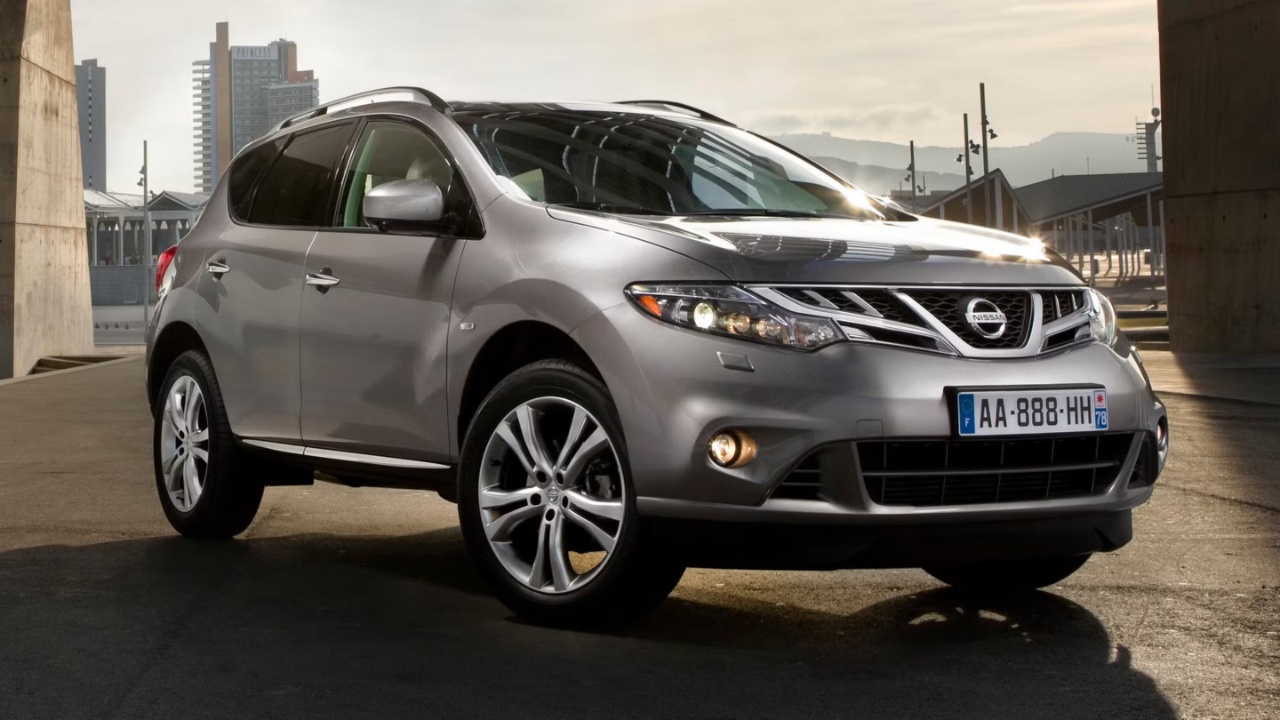
When considering a used 2011 model, buyers should inspect certain areas due to the age of the vehicle. The transmission is the most important component to check. It is vital to ensure the fluid is clean and the transmission does not slip during operation.
Potential owners should also test all electronic features, including the power liftgate and the folding rear seats, because the motors for these systems can wear out over time. When these items are in good working order, the 2011 Nissan Murano remains a reliable and stylish option that offers a blend of power and comfort for daily driving needs.
- Engine: 3.5-liter naturally aspirated V6 (VQ35DE)
- Torque: 240 lb-ft
- Horsepower: 260 hp
- Length/Width: 189.9 inches / 74.1 inches
3. 2018 Nissan Murano
The 2018 Nissan Murano serves as a premier example of the Z52 generation by successfully blending proven mechanical reliability with modern technology. It maintains a strong reputation for dependability and avoids the significant transmission issues found in earlier Nissan models. With an 81 out of 100 reliability rating from J.D. Power and minimal reports of major mechanical failures, it is widely viewed as a smart value for used car shoppers.
The vehicle relies on a sturdy 3.5-liter V6 engine that generates 260 horsepower. This engine pairs with a refined Xtronic transmission to provide smooth acceleration without the harsh droning sounds often associated with older continuously variable systems. Inside the cabin, drivers benefit from comfortable zero-gravity seats and a quiet environment that feels upscale. Standard tech is a major highlight as every 2018 model features an 8.0-inch touchscreen complete with Apple CarPlay and Android Auto integration.
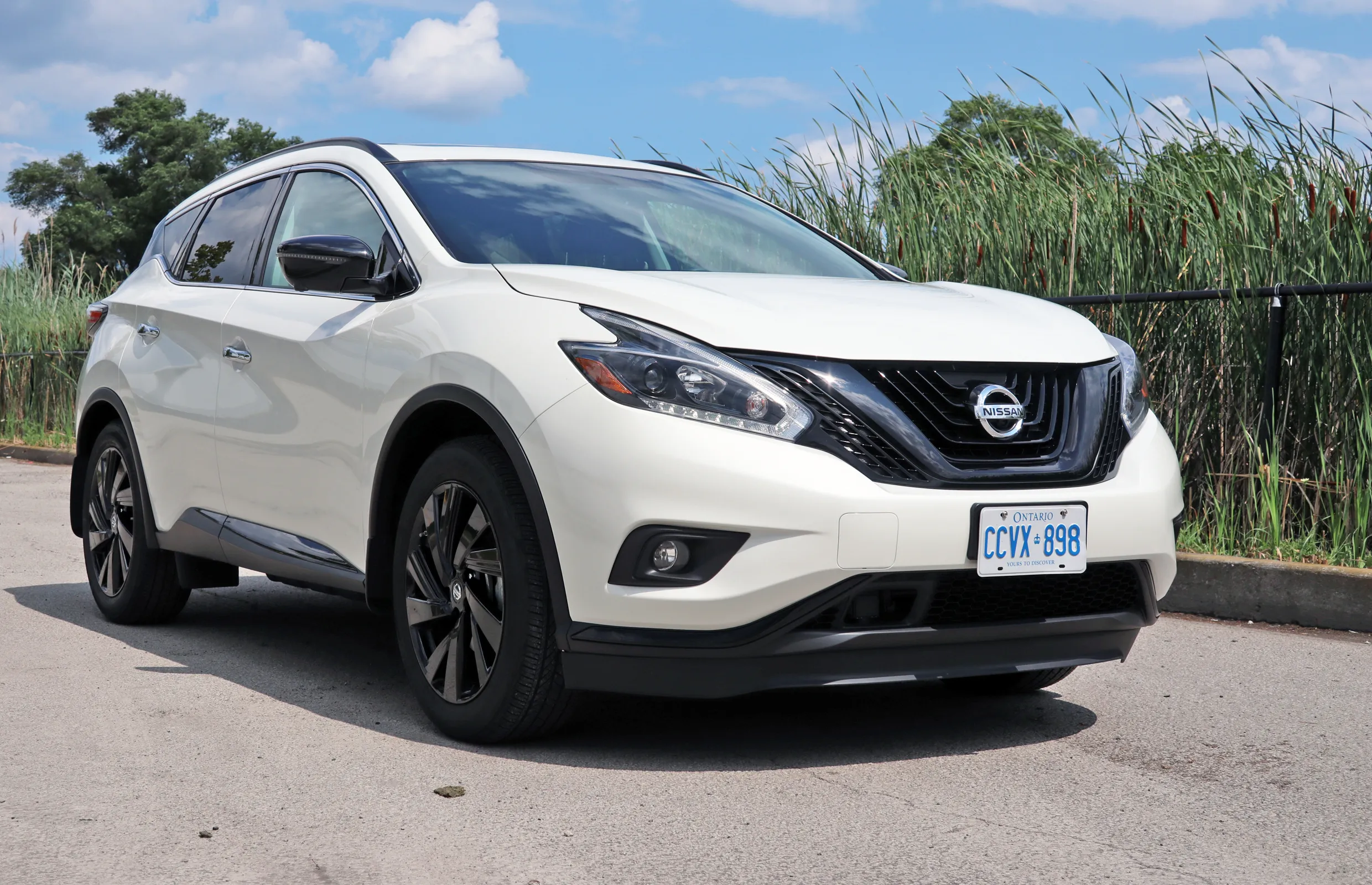
Safety is another core strength of this model year. Nissan made automatic emergency braking and forward collision warning standard equipment across all trim levels. While some early owners reported minor teething issues with these electronic safety sensors and cruise control functions, these issues were largely addressed through software updates.
Buyers should simply ensure these features function correctly during a test drive. With its comfortable ride, generous cargo capacity, and comprehensive safety suite, the 2018 Murano remains a highly competitive option for families and commuters who prioritize a balanced and well-equipped crossover.
- Engine: 3.5-liter naturally aspirated V6 (VQ35DE)
- Torque: 240 lb-ft
- Horsepower: 260 hp
- Length/Width: 192.8 inches / 75.4 inches
4. 2021 Nissan Murano
The 2021 Nissan Murano serves as the most polished version of the third-generation platform. By this model year, Nissan successfully addressed earlier mechanical concerns through critical software updates for the continuously variable transmission. These improvements resulted in superior reliability and a smoother driving experience. The inclusion of a 3.5-liter V6 engine ensures consistent power without the use of fuel-saving start/stop systems that many owners find intrusive.
Safety is standard across all 2021 trims. Every buyer receives the full Safety Shield 360 suite, which includes blind-spot monitoring, rear cross-traffic alert, and automatic emergency braking. These safety credentials are backed by a five-star NHTSA rating, confirming that the vehicle remains a secure option for daily transportation.
Passenger comfort is the defining characteristic of the interior experience. Nissan includes their proprietary Zero Gravity seats, which are designed to provide exceptional support during extended highway trips. The cabin remains remarkably quiet, reinforcing the vehicle’s identity as a relaxed cruiser rather than a performance SUV.
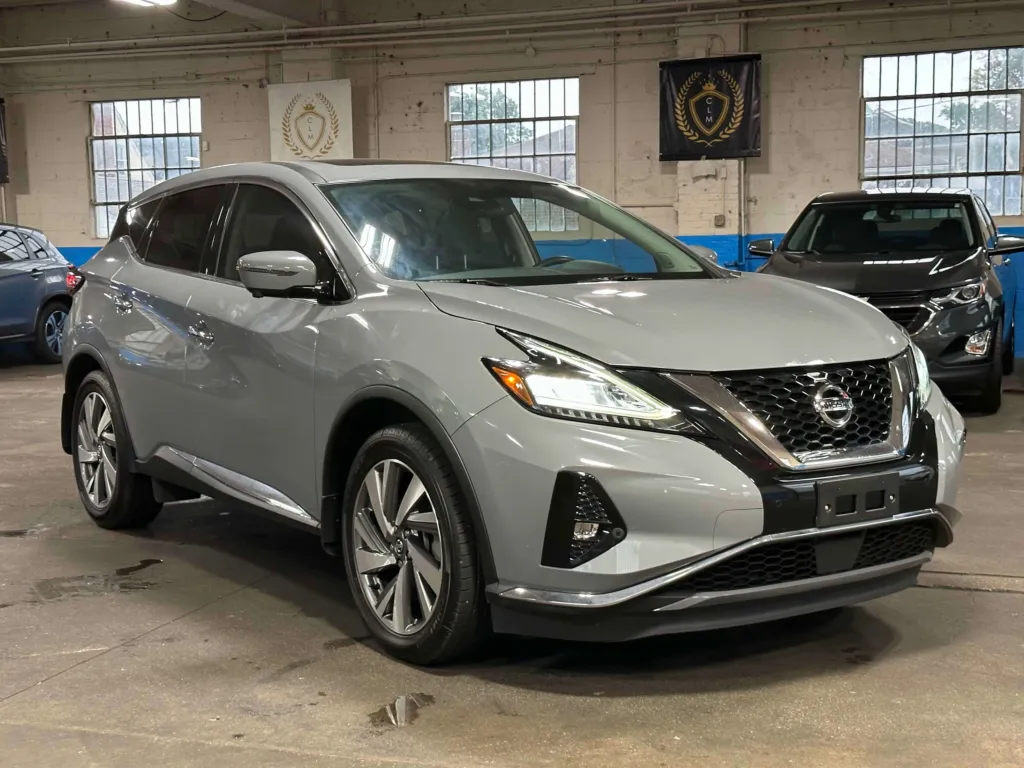
Prospective owners should note that the interior technology reflects the age of the platform. The infotainment system and parking cameras lack the sharpness of contemporary rivals, and the steering effort is heavier than average at low speeds.
Despite these minor drawbacks, the 2021 Murano remains an ideal choice for consumers seeking a quiet, comfortable, and dependable crossover. It provides a premium aesthetic and a plush ride quality while avoiding the high maintenance expenses typically associated with luxury automotive brands.
- Engine: 3.5-liter naturally aspirated V6
- Torque: 240 lb-ft
- Horsepower: 260 hp
- Length/Width: 192.4 inches / 75.4 inches
Also read: 10 Cars Loved By Critics But Hated By Buyers
4 Worst Years for the Nissan Murano
1. 2004 Nissan Murano
The 2004 Nissan Murano is widely considered a high-risk financial liability and is consistently flagged by automotive experts as a vehicle to avoid. As a member of the troubled first generation, it suffers from severe systemic issues that frequently render the car more expensive to repair than its actual market value.
The most critical concern is the catastrophic CVT failure. As one of Nissan’s earliest implementations of this transmission, it is notoriously prone to slipping, jerking, and total breakdown, often requiring replacement costs exceeding $5,000. Beyond the drivetrain, the model is plagued by severe engine problems, including excessive oil consumption and faulty catalytic converters that can lead to total engine failure.
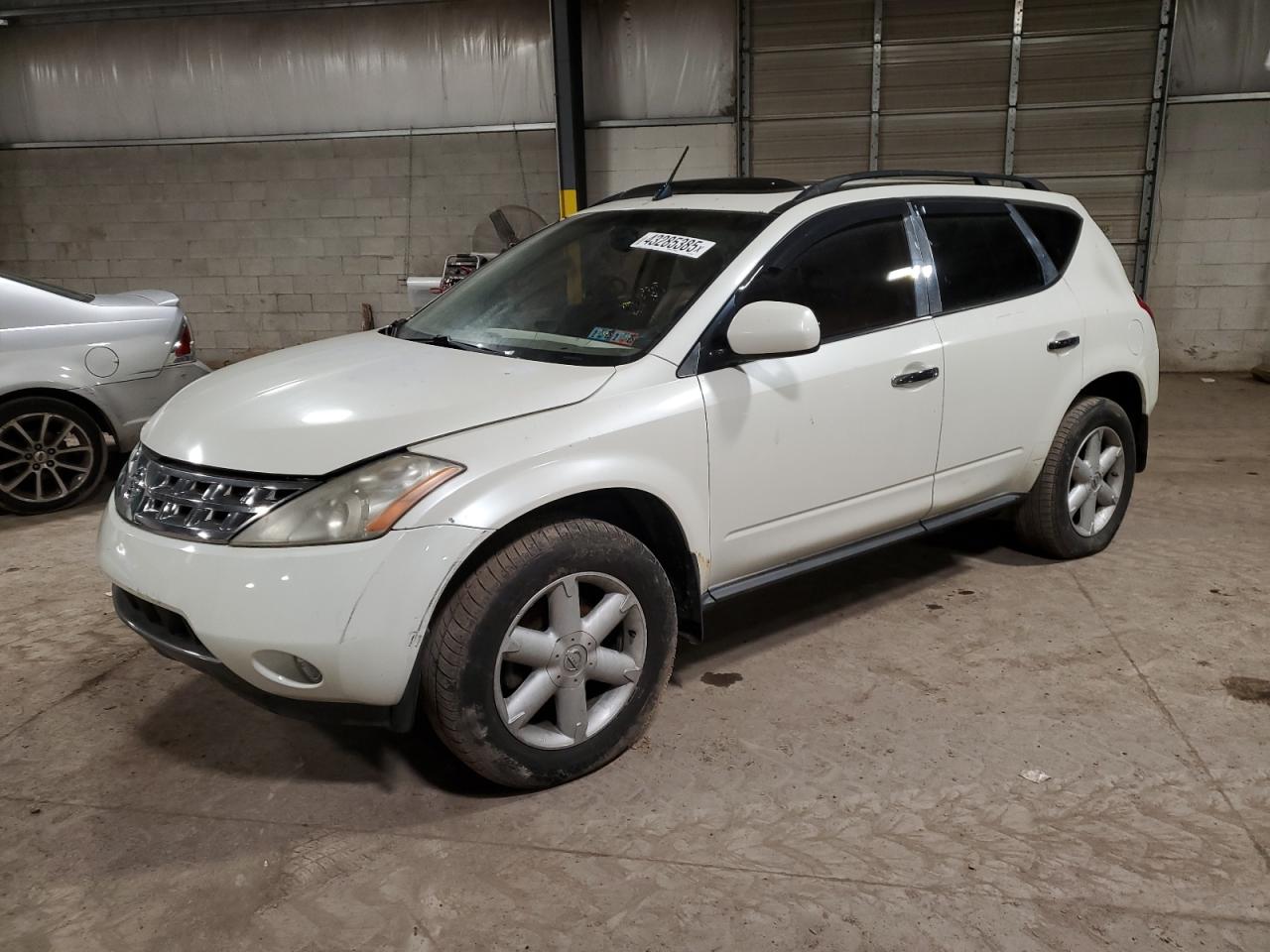
Compounding these mechanical nightmares are widespread interior and accessory flaws, such as broken seat frames, snapping door handles, and sagging sun visors. Furthermore, the vehicle experiences premature suspension wear affecting tie rods and wheel bearings and presents safety concerns like poor blind spots and a subpar turning radius. Due to the high probability of expensive, recurring mechanical breakdowns and subpar build quality, the 2004 Nissan Murano is a poor choice for any used-car buyer.
- Engine: 3.5-liter naturally aspirated V6 (VQ35DE)
- Torque: 246 lb-ft
- Horsepower: 245 hp
- Length/Width: 187.6 inches / 74.0 inches
2. 2009 Nissan Murano
The 2009 Nissan Murano is widely regarded as one of the most problematic model years in the vehicle’s history, plagued by severe mechanical and safety hazards that have led to significant owner frustration.
The most alarming defect involves the ABS Hydraulic Control Unit. Hundreds of NHTSA complaints highlight a dangerous issue where the brake pedal sinks to the floor, causing a “soft” or “spongy” feel and drastically increasing stopping distances. This systemic failure necessitated widespread recalls and resulted in prohibitively expensive repair costs.
Compounding these safety concerns are infamous failures of the Continuously Variable Transmission (CVT). This early second-generation iteration suffers from triple the transmission-related complaints compared to later years. Drivers frequently report severe jerking, loss of acceleration, and total breakdowns, often occurring around the 100,000-mile mark, with replacements frequently exceeding $4,000.
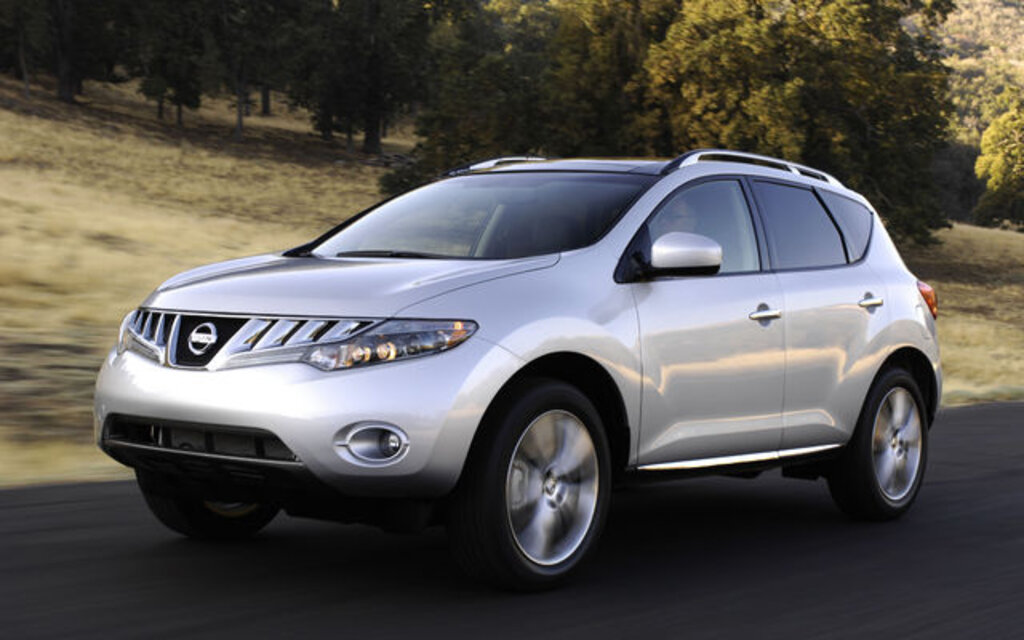
Beyond these major mechanical hurdles, the vehicle is hindered by various electrical and interior quality issues. Reported problems include failing steering column locks that leave drivers stranded, faulty dashboard warning lights, broken sunroofs, and driver seats with unstable adjuster brackets. Given these recurring, costly, and dangerous defects, the 2009 Nissan Murano remains a high-risk vehicle for prospective buyers.
- Engine: 3.5-liter naturally aspirated V6
- Torque: 248 lb-ft
- Horsepower: 265 hp
- Length/Width: 188.5 inches / 74.1 inches
3. 2015 Nissan Murano
The 2015 Nissan Murano, marking the start of the third generation, is widely regarded as the most problematic model year in the vehicle’s history. As the initial entry of a major redesign, it was plagued by severe factory defects that compromised both reliability and safety.
The most notorious issue involves the Continuously Variable Transmission, which is prone to violent juddering, hesitation, and total failure at very low mileages, often requiring repairs exceeding $4,000. Safety is further undermined by a critical ABS actuator defect that risks fire if brake fluid leaks onto internal electronics, compounded by widespread reports of a dangerously soft or spongy brake pedal.
Beyond powertrain and braking failures, the vehicle suffers from extensive mechanical and electrical shortcomings. Owners frequently encounter failing engine mounts that trigger abnormal vibrations and damage surrounding components. Interior electronics are similarly unreliable, characterized by frozen infotainment screens, faulty navigation, and climate control failures.
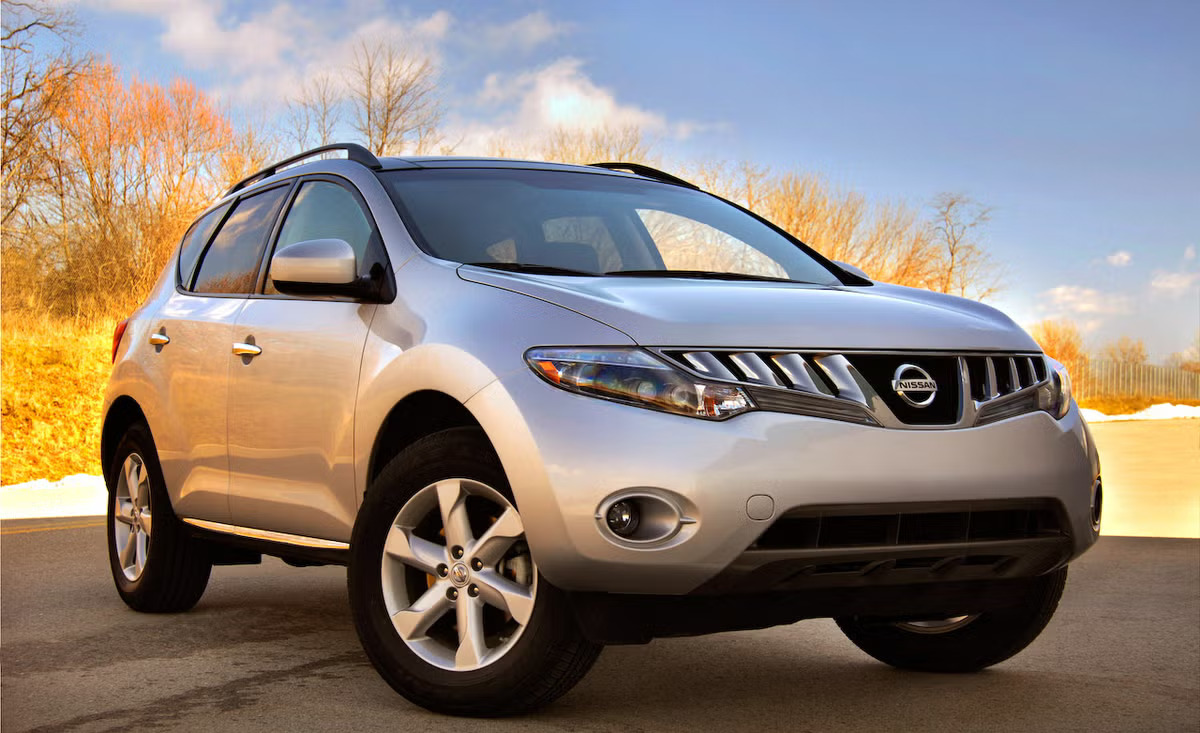
Additional quality control issues, such as failing panoramic sunroof seals, peeling paint, and unstable seat adjustments, round out a long list of grievances. Due to this overwhelming combination of expensive maintenance requirements and significant safety hazards, the 2015 model is consistently identified by mechanics and consumers as a vehicle to avoid.
- Engine: 3.5-liter naturally aspirated V6
- Torque: 240 lb-ft
- Horsepower: 260 hp
- Length/Width: 192.4 inches / 75.4 inches
4. 2017 Nissan Murano
While the 2017 Nissan Murano features an attractive design and a comfortable cabin, it is frequently flagged by experts and owners alike as an unwise investment due to its chronic lack of reliability. The vehicle failed to address the fundamental mechanical shortcomings of its predecessors, leaving buyers vulnerable to high repair costs and significant safety risks.
At the heart of the vehicle’s reputation is its notoriously problematic Continuously Variable Transmission. Many owners have experienced severe performance issues such as shuddering, jerking, and complete transmission failure, long before reaching a typical vehicle’s expected lifespan. Because replacing these units is prohibitively expensive, the transmission issues alone render the vehicle a questionable choice for long-term ownership.
Safety and electrical integrity further undermine the vehicle’s value. The model faced a major recall involving an Anti-Lock Braking actuator pump, which could leak fluid onto a circuit board and potentially trigger an engine fire. Compounding these dangers are failing sonar sensors that disable critical features like Automatic Emergency Braking, as well as pervasive electrical gremlins that affect everything from warning lights to infotainment screens.
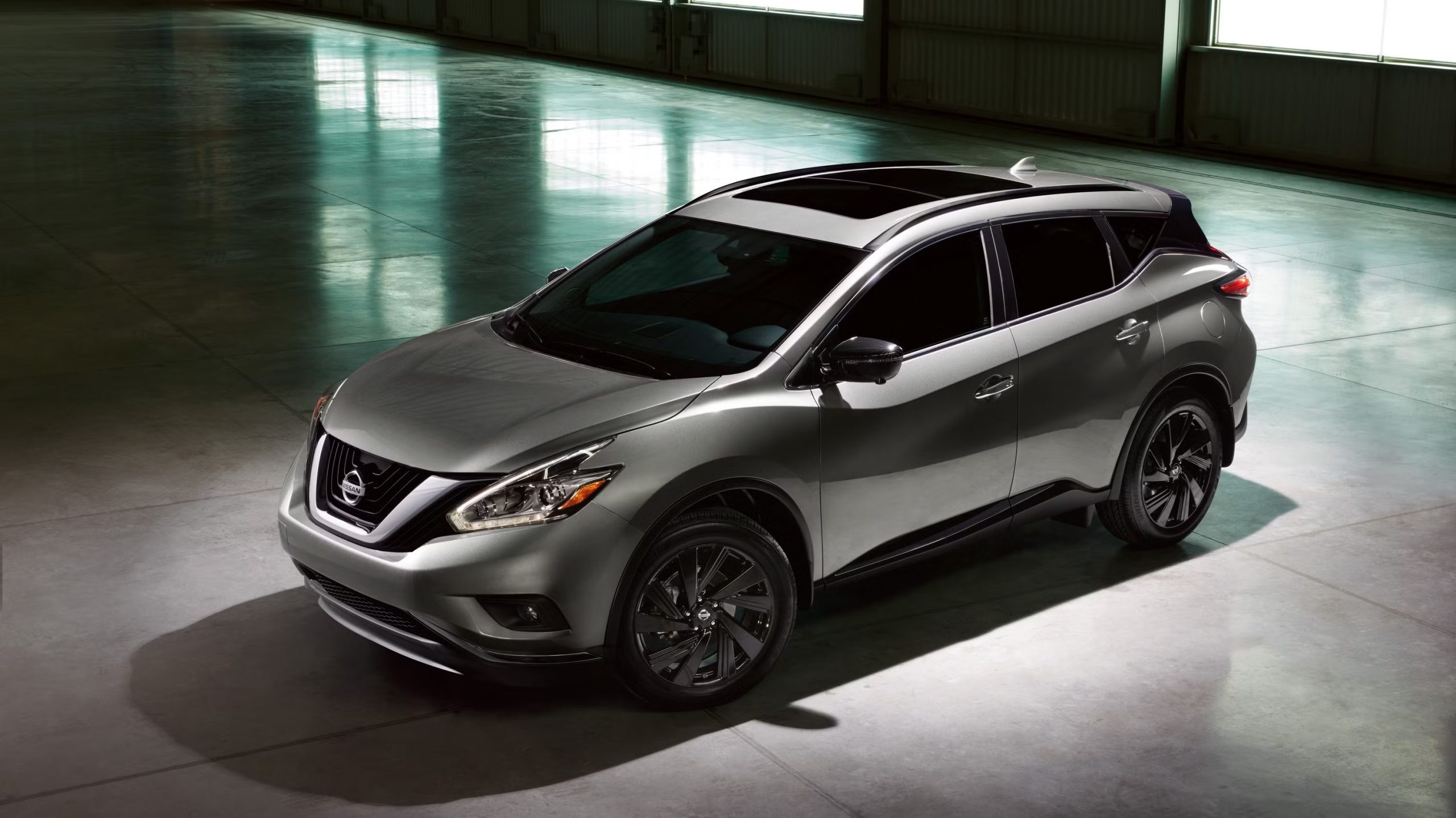
Secondary mechanical frustrations complete the picture of a vehicle that lacks durability. The climate control system is prone to premature compressor failure, and the suspension components often wear out rapidly, causing clunking sounds and irregular tire wear. Given the documented history of engine fire risks, failing safety sensors, and drivetrain instability, the 2017 Nissan Murano is consistently categorized as an unreliable vehicle that potential buyers should avoid to prevent future financial and safety burdens.
- Engine: 3.5-liter naturally aspirated V6 (VQ35DE)
- Torque: 240 lb-ft
- Horsepower: 260 hp
- Length/Width: 192.8 inches / 75.4 inches
Also read: 5 Cars With the Highest Theft Rates in California & 5 With Lowest