
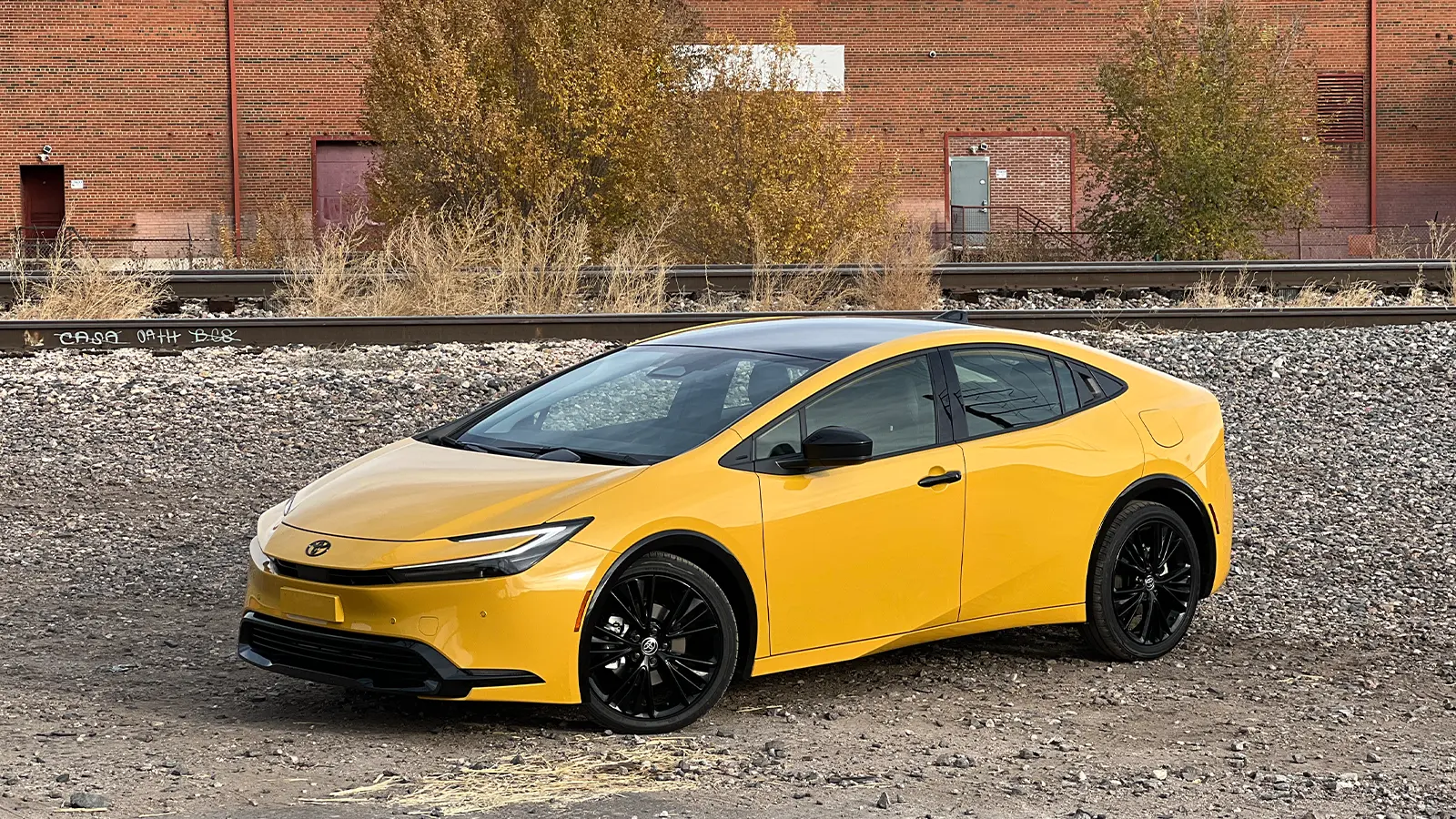
Fuel tank capacity is rarely a headline feature when buyers compare vehicles, but it can reveal a great deal about a car’s design priorities. Smaller tanks are often found in compact city cars, efficient hybrids, and lightweight vehicles where reduced size and lower weight matter more than maximum driving range.
This list highlights eight production vehicles with some of the smallest factory fuel tanks available. Each model reflects a different approach, from urban mobility to fuel-saving technology and budget-focused transportation. Along with tank capacity, the article examines key specifications, including engines, performance figures, and dimensions, using documented manufacturer data.
1. Smart Fortwo
The Smart Fortwo is arguably the poster child for tiny fuel tanks. It was built by Mercedes-Benz’s Smart brand specifically for congested European cities.
Its rear-mounted engine and two-seat layout kept the whole car impossibly compact. That same philosophy shaped its fuel tank, which never needed to be large. Most Fortwo generations carried a tank between 28 and 35 liters.
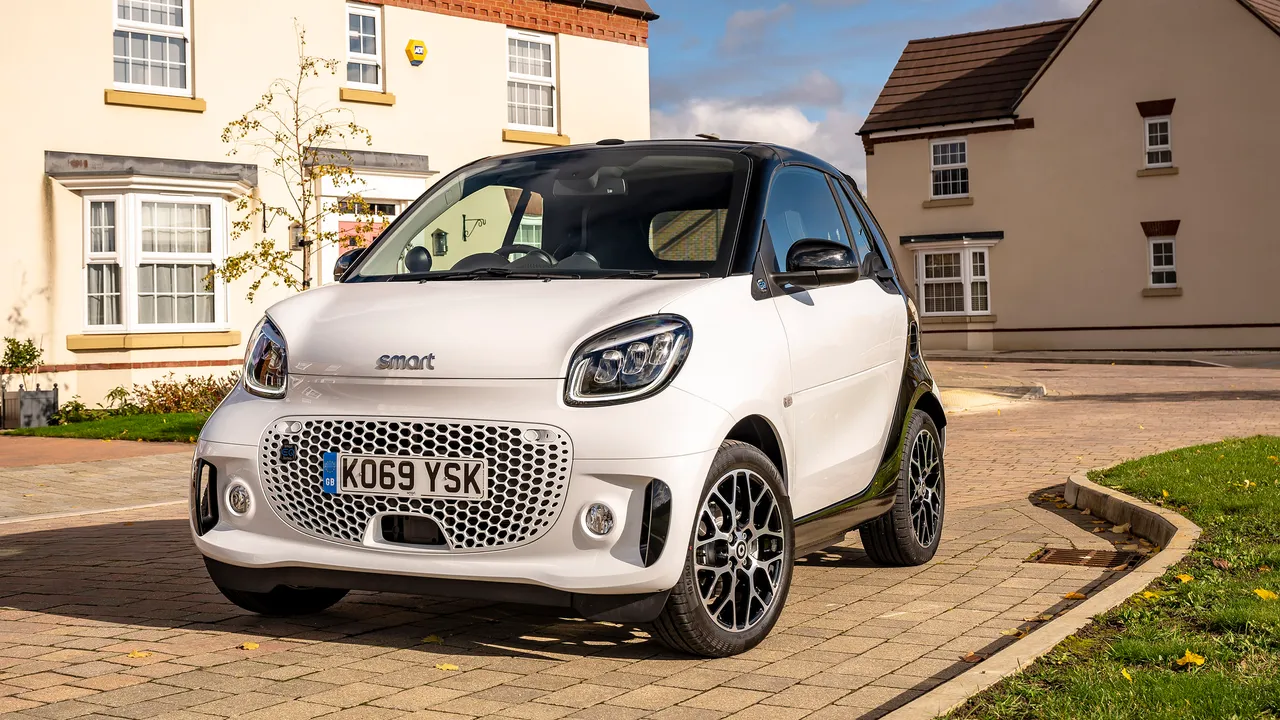
In gallons, that’s roughly 7.4 to 9.25 gallons depending on the model year. The 2010-era Fortwo, for instance, carried an 8.7-gallon tank. That’s barely enough to fill a large gas can twice over.
Despite its size, the Fortwo wasn’t gutless. Turbocharged variants like the Brabus edition pushed out up to 75 horsepower. Standard versions used a 1.0-liter three-cylinder engine instead.
That engine made around 70 horsepower and 68 lb-ft of torque. Power reached the rear wheels through a 5-speed automated manual gearbox. It wasn’t quick, but it never needed to be.
The Fortwo was built for zipping through city traffic, not highway cruising. Its tiny tank matched its tiny footprint perfectly. The Fortwo proved a car could be tiny, efficient, and still fun. Its small tank was simply part of that equation.
Specifications:
- Engine: 1.0L inline-3, turbocharged (varies by trim)
- Horsepower: 70–84 hp
- Torque: 68–89 lb-ft
- Length: 106.1 in (2,695 mm)
- Width: 61.4 in (1,560 mm)
- Fuel Tank: 8.7 gallons (33 liters)
2. Scion iQ (Toyota iQ)
The Scion iQ was Toyota’s answer to ultra-compact city driving. Sold in the US under the Scion badge, it shared its bones with the Toyota iQ sold abroad.
Toyota engineered the iQ to fit four people in a body barely longer than a Smart Fortwo. That required clever packaging, including an offset dashboard and a tucked-in fuel tank. The result was a fuel tank holding just 8.5 gallons, or about 32 liters.
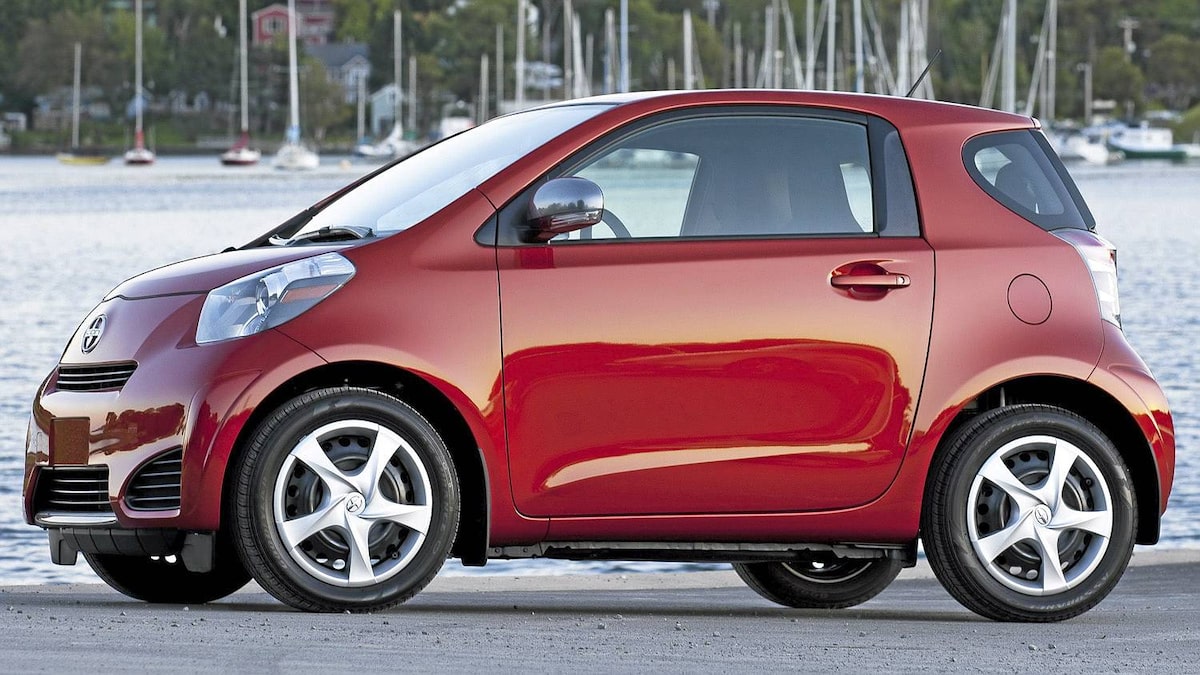
That’s one of the smallest tanks ever fitted to a modern four-seat car. Under the hood sat a 1.3-liter four-cylinder engine with VVT-i technology. It produced roughly 94 horsepower and around 89 lb-ft of torque.
Power went to the front wheels through a continuously variable transmission. The iQ wasn’t fast, with 0-60 mph taking around 11 seconds. But it wasn’t meant to race anyone.
It was meant to park in impossibly tight city spots. Its short wheelbase gave it a remarkably tight turning radius. That made it a favorite among urban drivers tired of circling for parking.
Toyota discontinued the iQ in 2016 due to slow sales in the US market. Its rear seats were famously tight, useful mainly for children or short trips. Few cars packed this much cleverness into so little space. Its fuel tank was just another example of that engineering discipline.
Specifications:
- Engine: 1.3L inline-4, VVT-i
- Horsepower: 94 hp
- Torque: 89 lb-ft
- Length: 126.9 in (3,050 mm)
- Width: 66.9–71.4 in (varies by market)
- Fuel Tank: 8.5 gallons (32 liters)
3. Chevrolet Spark
The Chevrolet Spark has long been one of America’s cheapest new cars. It’s a subcompact hatchback built for budget-conscious buyers and first-time drivers.
Its small size naturally extends to its fuel tank capacity. Most Spark generations carry a 9.2- to 9.3-gallon tank, or about 35 liters. That’s small even by subcompact standards.
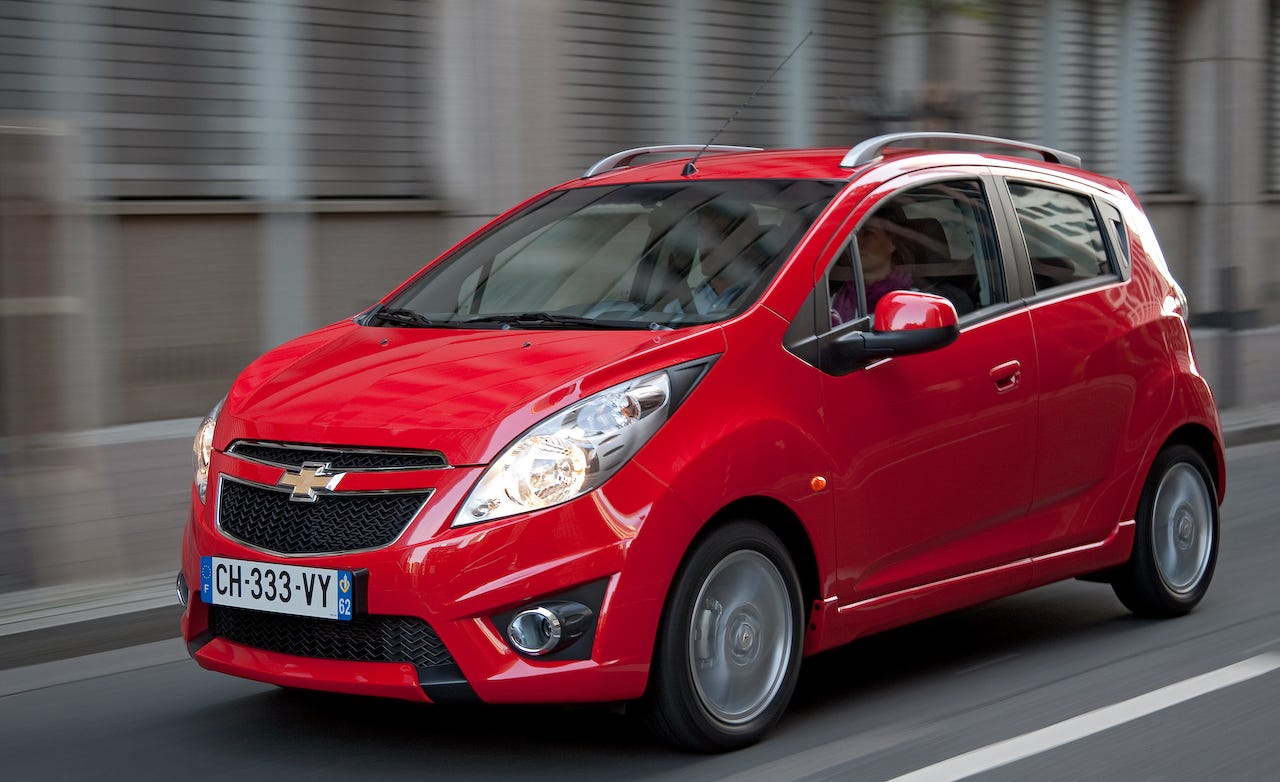
The current-generation Spark used a 1.4-liter four-cylinder engine. It produced around 98 horsepower and 94 lb-ft of torque. Buyers could choose between a 5-speed manual or a CVT automatic transmission.
Neither setup delivers thrilling performance, but that was never the point. The Spark exists to be cheap, efficient, and easy to park. Its compact dimensions make city driving and parallel parking simple.
Rear seat space is tight, as expected in this class of car. The cargo room is similarly modest but usable for daily errands. Fuel economy typically lands in the high 30s combined, per EPA estimates.
Combined with its small tank, it still gives a reasonable driving range. GM eventually discontinued the Spark in North America as EV plans took priority. The Spark shows that small tanks aren’t always about hybrids or microcars. Sometimes it’s simply about keeping costs down.
Specifications:
- Engine: 1.4L inline-4 DOHC
- Horsepower: 98 hp
- Torque: 94 lb-ft
- Length: 142.5 in (3,620 mm)
- Width: 62.8 in (1,595 mm)
- Fuel Tank: 9.2 gallons (35 liters)
4. Honda CR-Z
The Honda CR-Z tried something different: a sporty hybrid coupe. It combined Honda’s hybrid tech with a manual transmission and driver-focused styling.
Despite its sporty ambitions, its fuel tank stayed compact at 10.6 gallons. That’s about 40 liters, smaller than most compact hatchbacks of its era. Power came from a 1.5-liter four-cylinder engine paired with an electric motor.
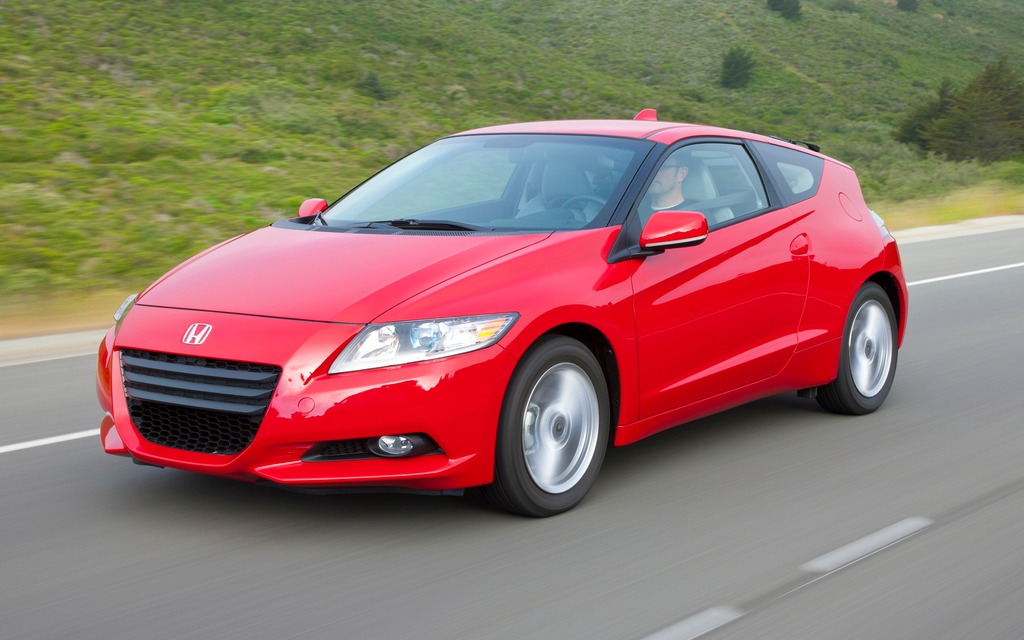
Combined output reached about 130 horsepower and 140 lb-ft of torque. Buyers could choose a 6-speed manual gearbox, a rarity among hybrids.
A CVT automatic was also offered for those who preferred it. The CR-Z targeted buyers who wanted efficiency without giving up driving fun. Reviewers often praised its handling but criticized its limited rear visibility.
Its two-seat-only cabin (in most trims) limited practicality for families. Cargo space was reasonable thanks to its hatchback design. Fuel economy hovered around 35-39 mpg combined, depending on transmission choice.
That made its smaller tank less of a concern for daily driving. Honda discontinued the CR-Z in 2016 due to slowing global sales. It remains a unique footnote in hybrid performance history. The CR-Z proved hybrids could be fun to drive. Its small tank was simply a byproduct of its efficient hybrid layout.
Specifications:
- Engine: 1.5L inline-4 hybrid, SOHC i-VTEC
- Horsepower: 130 hp (combined)
- Torque: 140 lb-ft (combined)
- Length: 160.5 in (4,077 mm)
- Width: 68.5 in (1,740 mm)
- Fuel Tank: 10.6 gallons (40 liters)
Also Read: 4 Best and Worst Years for the Nissan Murano
5. Chevrolet Volt
The Chevrolet Volt was one of the first mainstream plug-in hybrids. It could run on electricity alone for roughly 50+ miles before needing gas. Because of that electric-first design, its gasoline tank stayed small.
The Volt’s tank held just 8.9 gallons, around 34 liters. That’s tiny for a car with real highway range and back-seat space. Its combined gas-electric system used a 1.5-liter engine paired with electric motors.
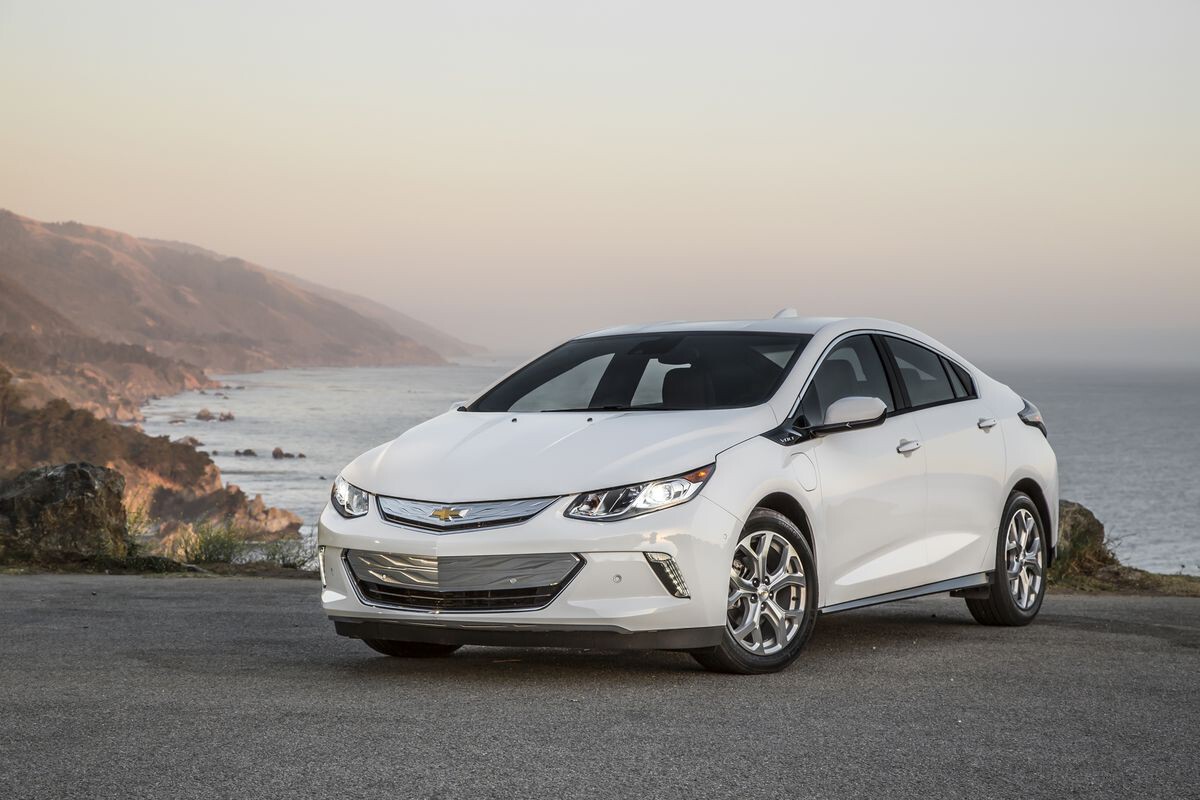
Total output reached about 149 horsepower and 294 lb-ft of torque. That torque figure is notably high, since electric motors deliver it instantly. Acceleration felt brisk in daily driving thanks to that electric torque.
The Volt used a continuously variable transmission optimized for hybrid operation. Its gas engine mostly acted as a generator, not a direct driver of the wheels.
That setup let GM shrink the fuel tank without hurting daily usability. Most owners rarely needed the gas engine for typical commutes. EPA combined ratings often reached over 100 MPGe when factoring in electric range.
GM discontinued the Volt in 2019 as EV development shifted toward the Bolt. Even so, the Volt remains an influential plug-in hybrid design. The Volt’s tiny tank reflected its electric-first philosophy. Gasoline was there as backup, not the main event.
Specifications:
- Engine: 1.5L inline-4, plug-in hybrid system
- Horsepower: 149 hp
- Torque: 294 lb-ft
- Length: 180.4 in (4,582 mm)
- Width: 71.2 in (1,808 mm)
- Fuel Tank: 8.9 gallons (34 liters)
6. Toyota Prius c
The Prius c was Toyota’s subcompact take on hybrid efficiency. It slotted below the standard Prius in both size and price. That smaller footprint meant a proportionally smaller fuel tank as well.
The Prius c carried just 9.5 gallons of fuel, or about 36 liters. Its 1.5-liter four-cylinder hybrid engine produced modest output on its own. Combined with its electric motor, the total system output reached about 99 horsepower.
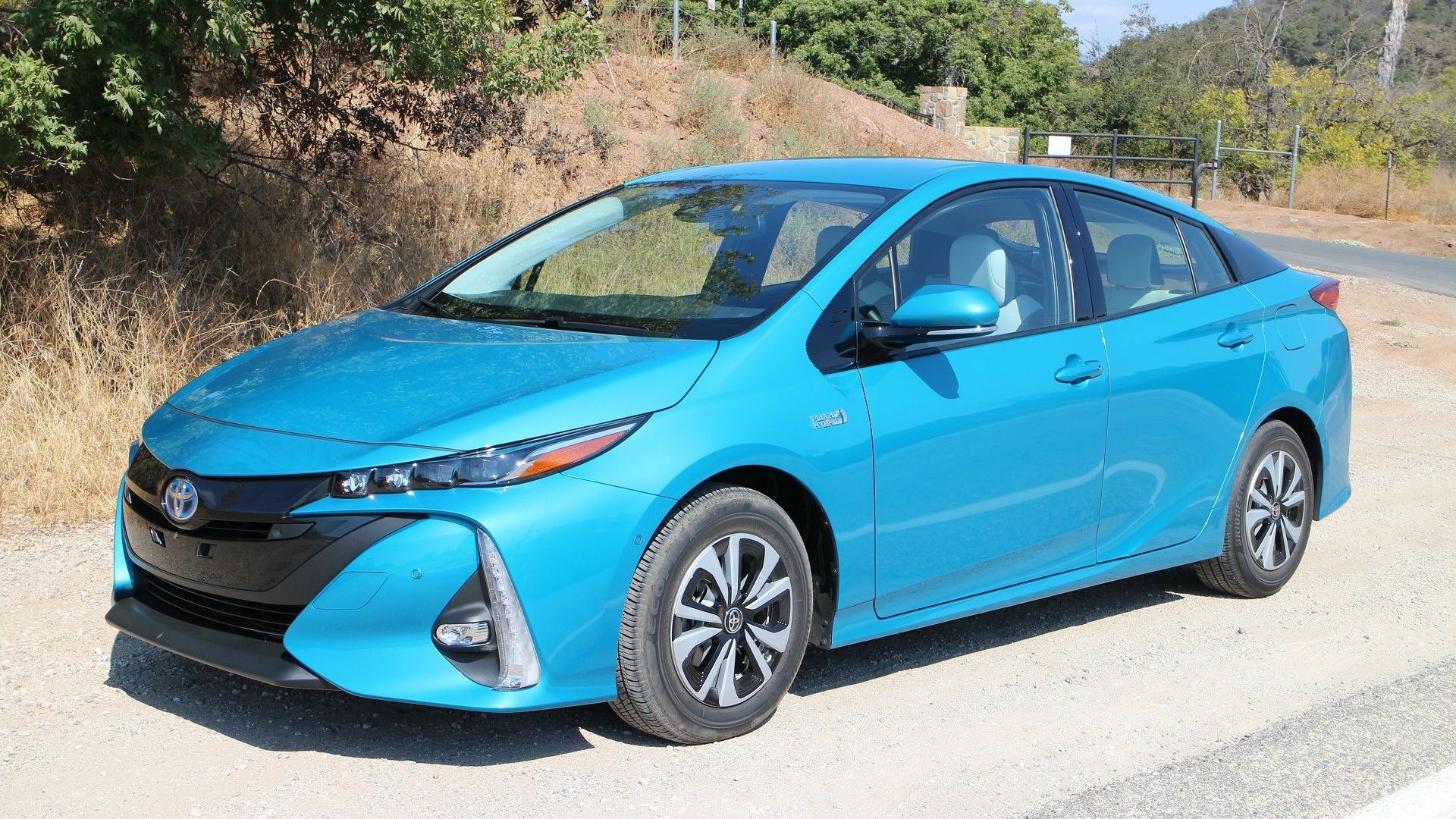
Torque from the gas engine alone measured around 82 lb-ft. Power reached the front wheels through a continuously variable transmission. Performance was never the goal here, and acceleration felt leisurely.
EPA combined fuel economy reached an impressive 50 mpg in most trims. That efficiency meant the small tank still offered a solid driving range. City buyers loved its tight turning radius and easy parking.
Interior space was reasonable for its class, if not spacious. The cargo room benefited from its practical hatchback design. Toyota discontinued the Prius c in North America after the 2019 model year.
It remains a popular choice on the used market for budget-focused hybrid buyers. The Prius c shows how hybrid efficiency can shrink fuel storage needs. Its small tank never felt limiting given its excellent mileage.
Specifications:
- Engine: 1.5L inline-4 hybrid
- Horsepower: 99 hp (combined system)
- Torque: 82 lb-ft (gas engine)
- Length: 157.3–162.4 in (varies by year)
- Width: 66.7–68.6 in
- Fuel Tank: 9.5 gallons (36 liters)
7. Fiat 500
The modern Fiat 500 revived a beloved Italian nameplate for a new generation. It kept the tiny proportions of the original while modernizing the mechanics underneath.
Its compact size meant a fuel tank of just 10.5 gallons, about 40 liters. That’s small for a car sold widely across North America and Europe. Standard versions used a 1.4-liter four-cylinder engine.
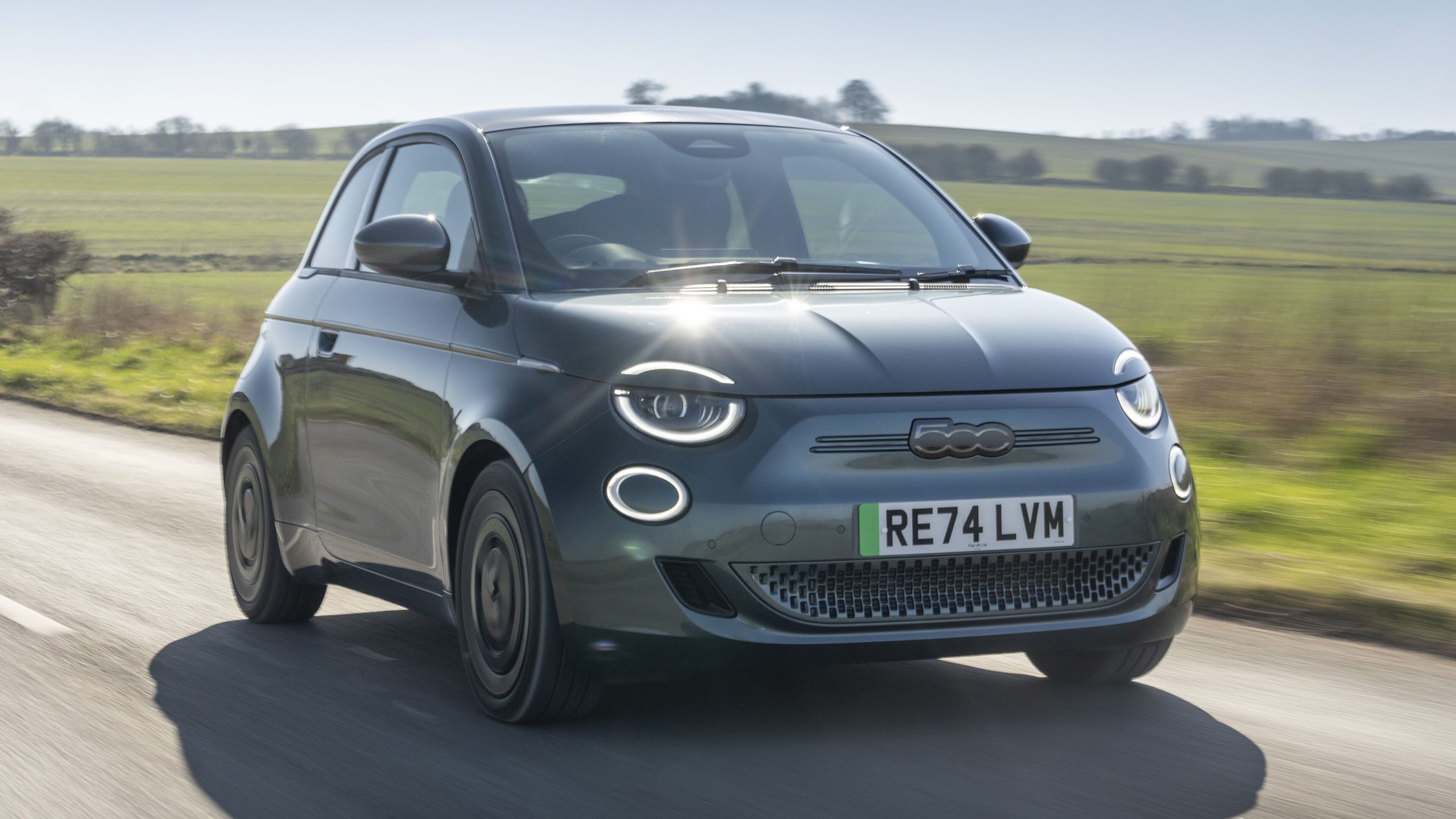
That engine produced around 101 horsepower and 98 lb-ft of torque. A turbocharged 0.9-liter TwinAir engine was offered in some international markets.
That smaller unit actually delivered surprisingly strong efficiency figures. Transmission choices included a 5-speed manual or a 6-speed automatic.
Sport-tuned Abarth versions pushed power well beyond the standard car’s output. Despite its tiny size, the 500 offered surprisingly nimble handling.
Its short wheelbase made city driving and parking effortless. Rear seat space, however, was famously cramped for adults. Cargo space was similarly limited given the car’s footprint.
Fiat sold the 500 in the US through 2019 before pulling it from that market. It remains available in other global markets in updated electric form today. The 500’s charm came from its retro looks and city-friendly size. Its small tank was simply part of that compact package.
Specifications:
- Engine: 1.4L inline-4 (standard); 0.9L TwinAir turbo (select markets)
- Horsepower: 101 hp (standard)
- Torque: 98 lb-ft (standard)
- Length: 139.6 in (3,546 mm)
- Width: 64.1 in (1,627 mm)
- Fuel Tank: 10.5 gallons (40 liters)
8. Tata Nano
The Tata Nano was designed with one goal: extreme affordability. Tata Motors built it to be India’s cheapest new car at launch. That mission shaped every part of the car, including its fuel tank.
The original Nano carried a tiny 15-liter tank, or about 4 gallons. Later revised versions increased that slightly to 24 liters, still very small by global standards.
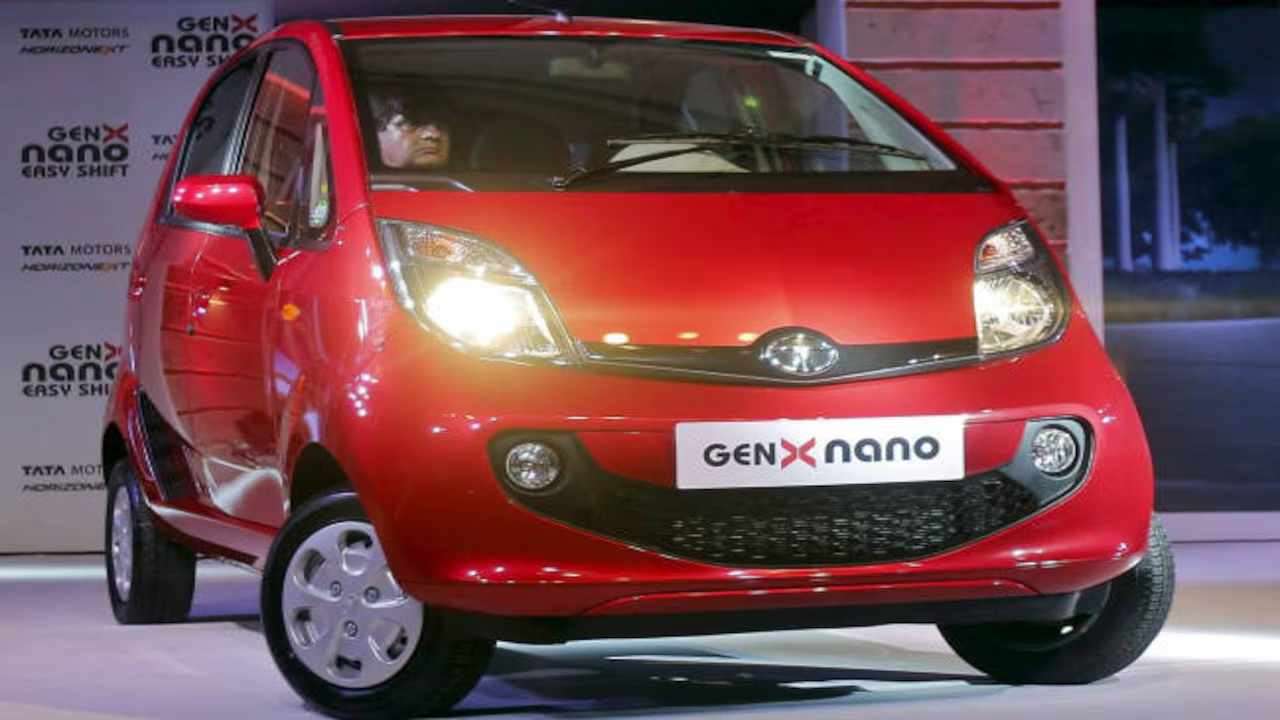
Power came from a rear-mounted 624cc two-cylinder engine. That tiny engine produced around 33 to 37 horsepower, depending on the model year. Torque output ranged between 48 and 51 Nm, translating to roughly 35-38 lb-ft. Power reached the rear wheels through a simple 4-speed manual gearbox.
Performance was modest, with a top speed of about 105 km/h (65 mph). The Nano’s tiny dimensions made it ideal for narrow, crowded Indian streets.
Its lightweight construction also helped offset its limited power output. Safety features were minimal by modern standards, reflecting its budget positioning. Tata eventually discontinued the Nano in 2018 due to weak sales.
Buyers were often hesitant despite its low price, associating it with compromise. Even so, it remains a landmark example of extreme automotive minimalism. The Nano’s tank size reflected its entire design philosophy. Everything about it was minimized to hit an extremely low price point.
Specifications:
- Engine: 0.6L inline-2, rear-mounted
- Horsepower: 33–37 hp
- Torque: 48–51 Nm (35–38 lb-ft)
- Length: 3,164 mm (124.5 in)
- Width: 1,750 mm (68.9 in)
- Fuel Tank: 4 gallons (15 liters, original spec)
Also Read: 8 Best Trucks for Off-Grid and Rural Living
